Green Dot Stables
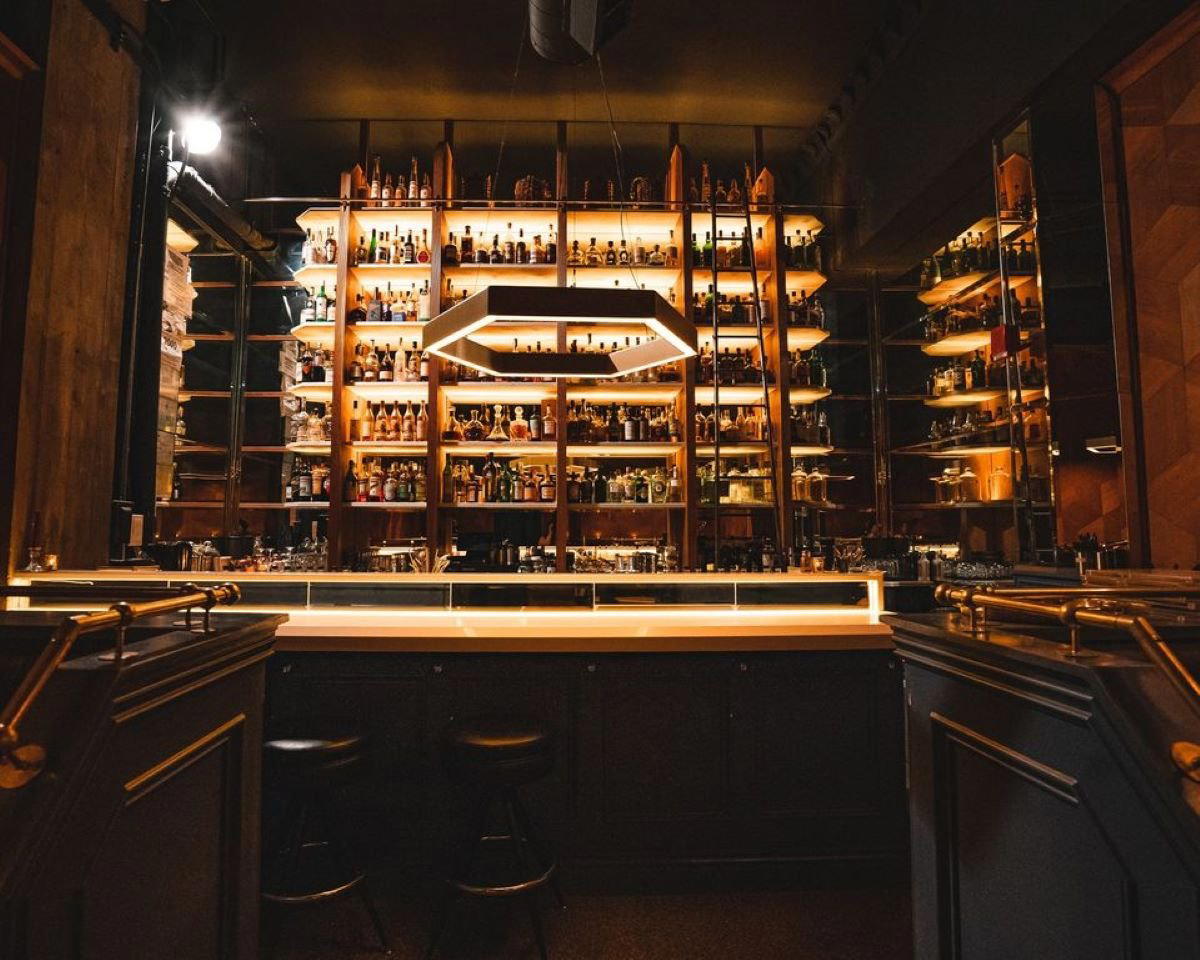
Green Dot Stables occupies a converted stable building on West Lafayette Boulevard in Detroit's Corktown-adjacent west side, placing it in a category of neighborhood bars where the architecture does most of the talking. The space trades on salvaged character and an unhurried pace that puts it closer to Selden Standard's community-room sensibility than to the city's newer fine-dining tier.
Pearl is the En Primeur Club membership app — saves, bookings, and concierge access live there. Same editors, same standards.
- Address
- 2200 W Lafayette Blvd, Detroit, MI 48216
- Phone
- +1 313 962 5588
- Website
- greendotstables.com
- Directions
- Get directions
 Saves & bookings on Pearl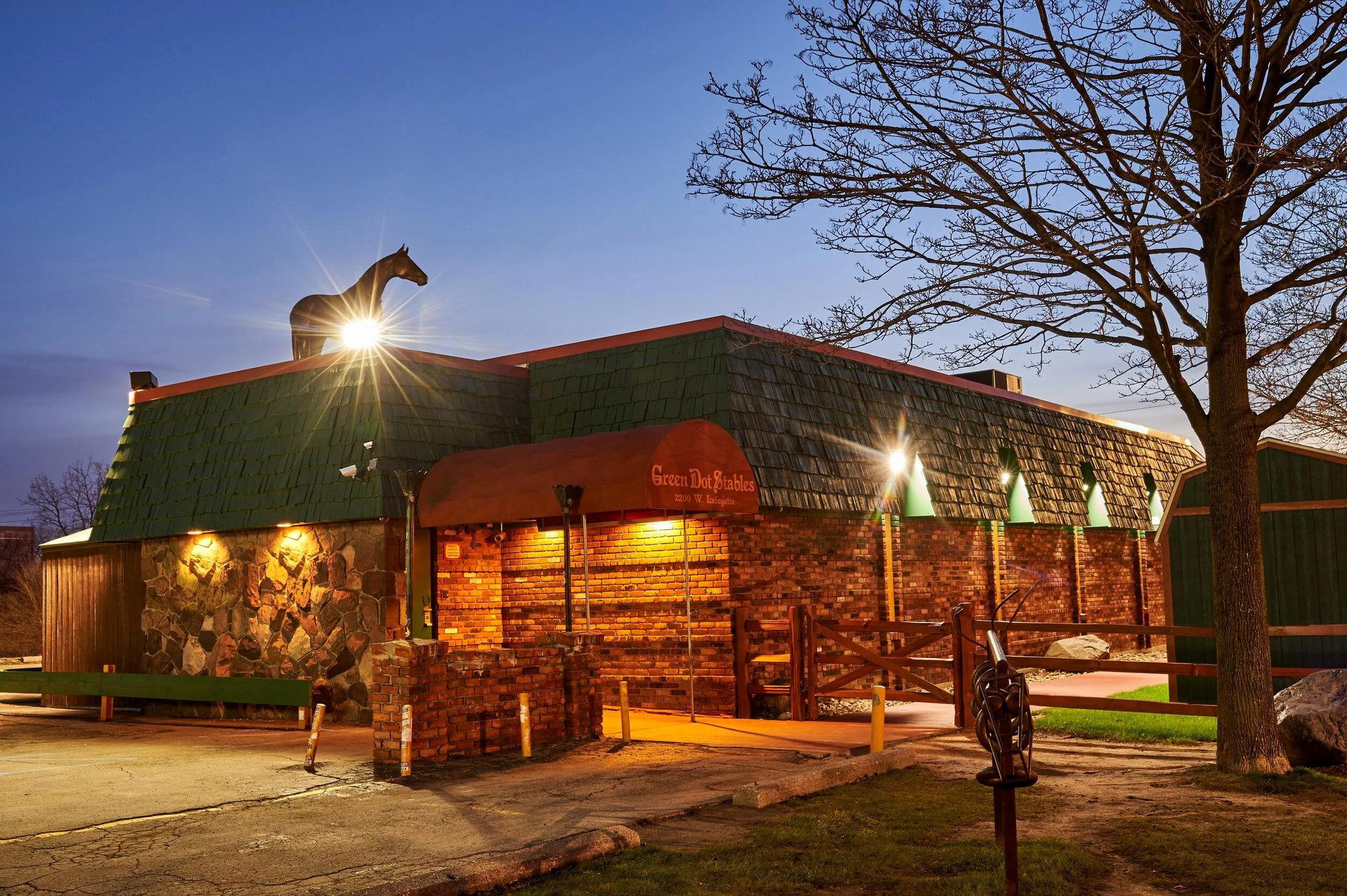
A Building That Remembers Something
Detroit's most interesting dining rooms tend to arrive with structural history already built in. Across the city, converted warehouses, former factories, and repurposed industrial shells have become the preferred containers for a new generation of neighborhood spots, and Green Dot Stables at 2200 W Lafayette Boulevard follows that logic precisely. The name itself is a clue: the building was once a working stable, and the bones of that original use remain present enough to define the atmosphere before anyone orders a thing. In a city where adaptive reuse has shifted from necessity to identity, spaces like this one carry a particular kind of authority that newer construction simply cannot manufacture.
The West Lafayette address places Green Dot Stables at the edge of a neighborhood corridor that connects the older Corktown grid to the lower west side, an area where Detroit's ongoing density of small independents sits alongside genuine community infrastructure. This is not the tourist-facing strip of Michigan Avenue; it is a block where the building's past functions as context, and the current use fits rather than fights that past. For visitors oriented around Detroit's dining scene, the location reads as a deliberate choice rather than an accident of real estate availability. For a fuller map of the city's independent restaurant tier, see our full Detroit restaurants guide.
What the Space Does
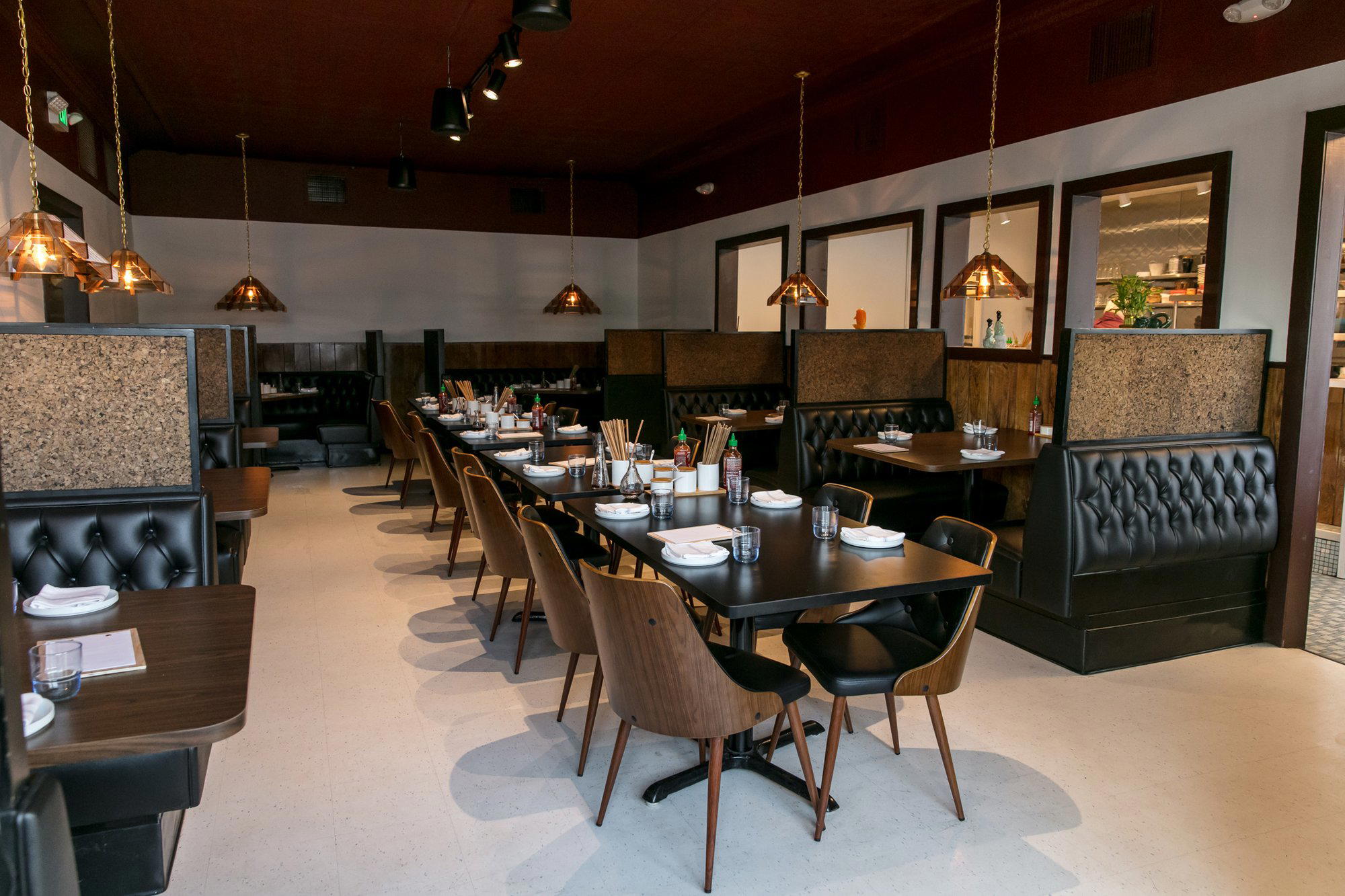
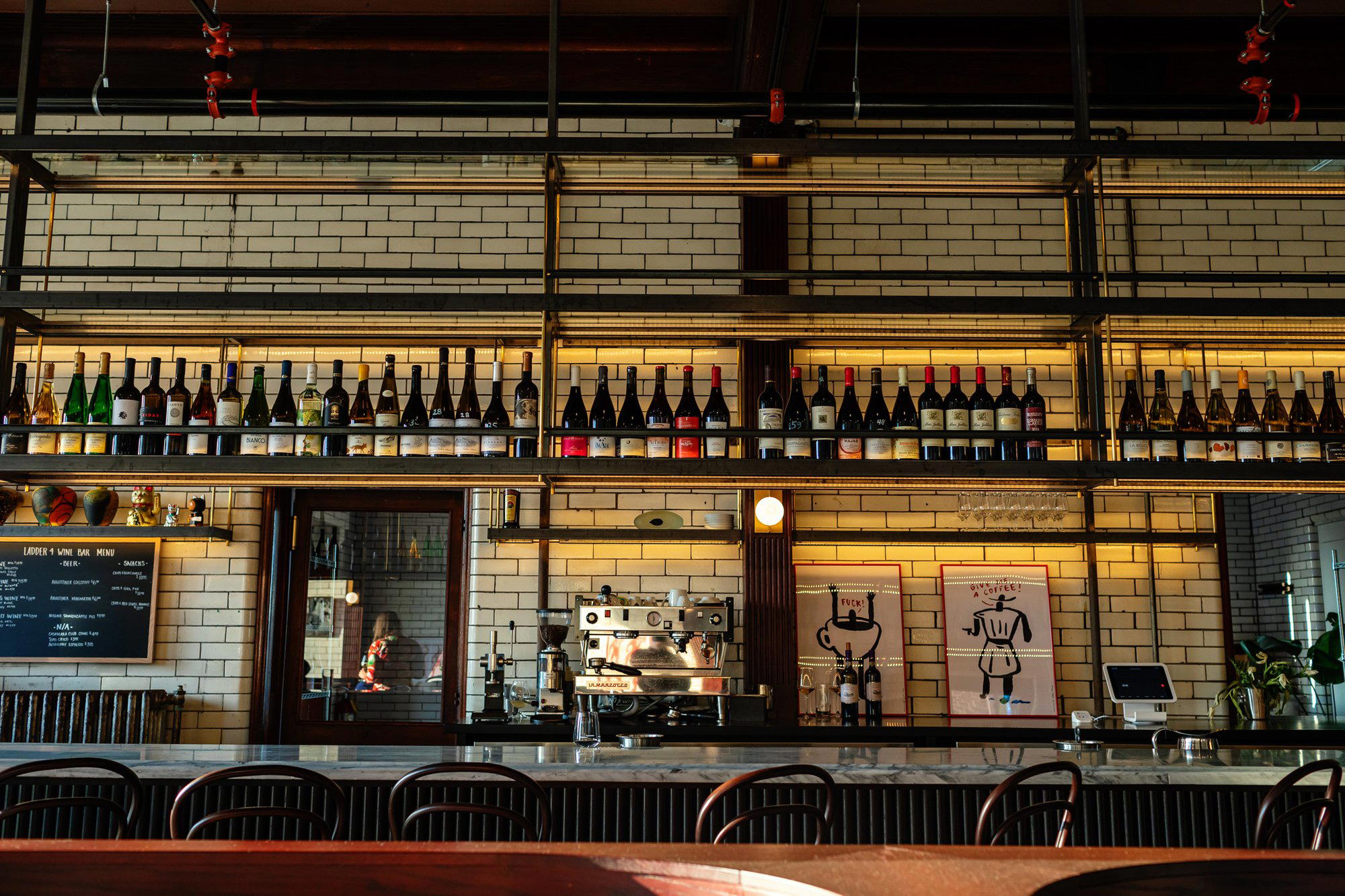
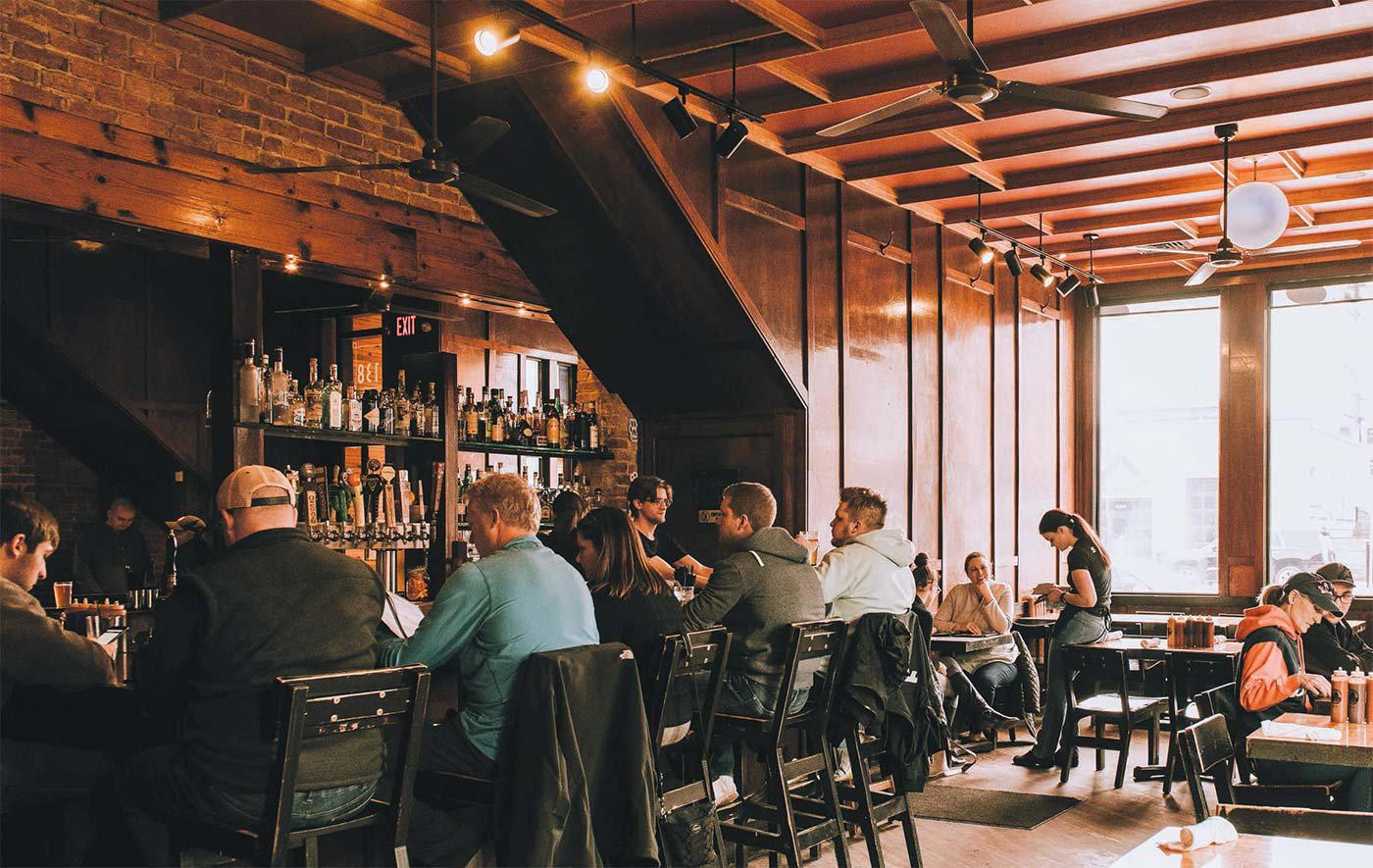
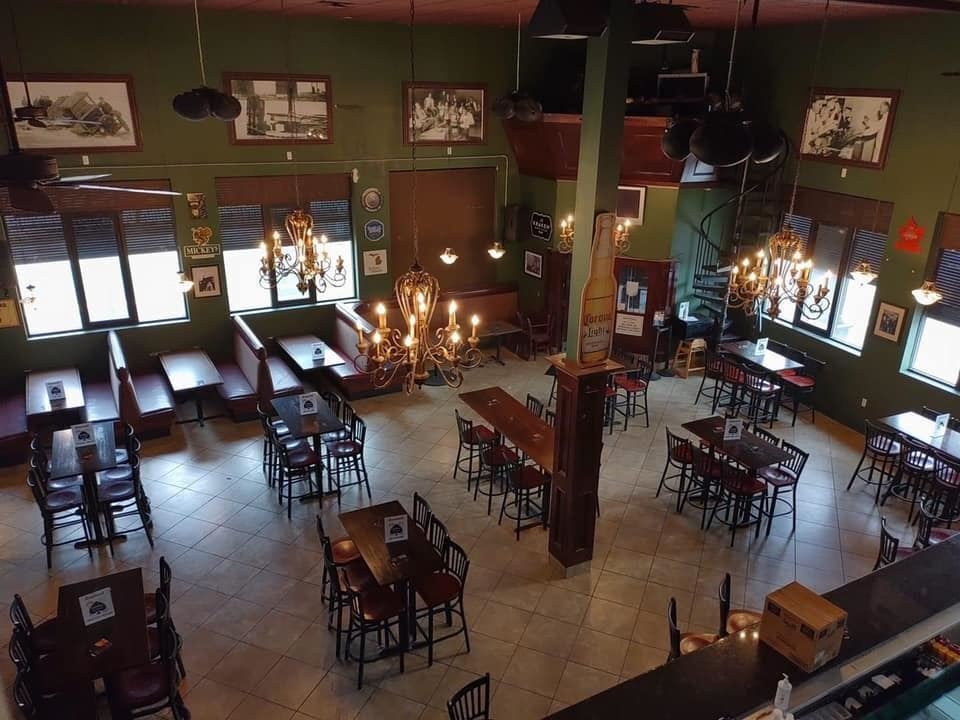
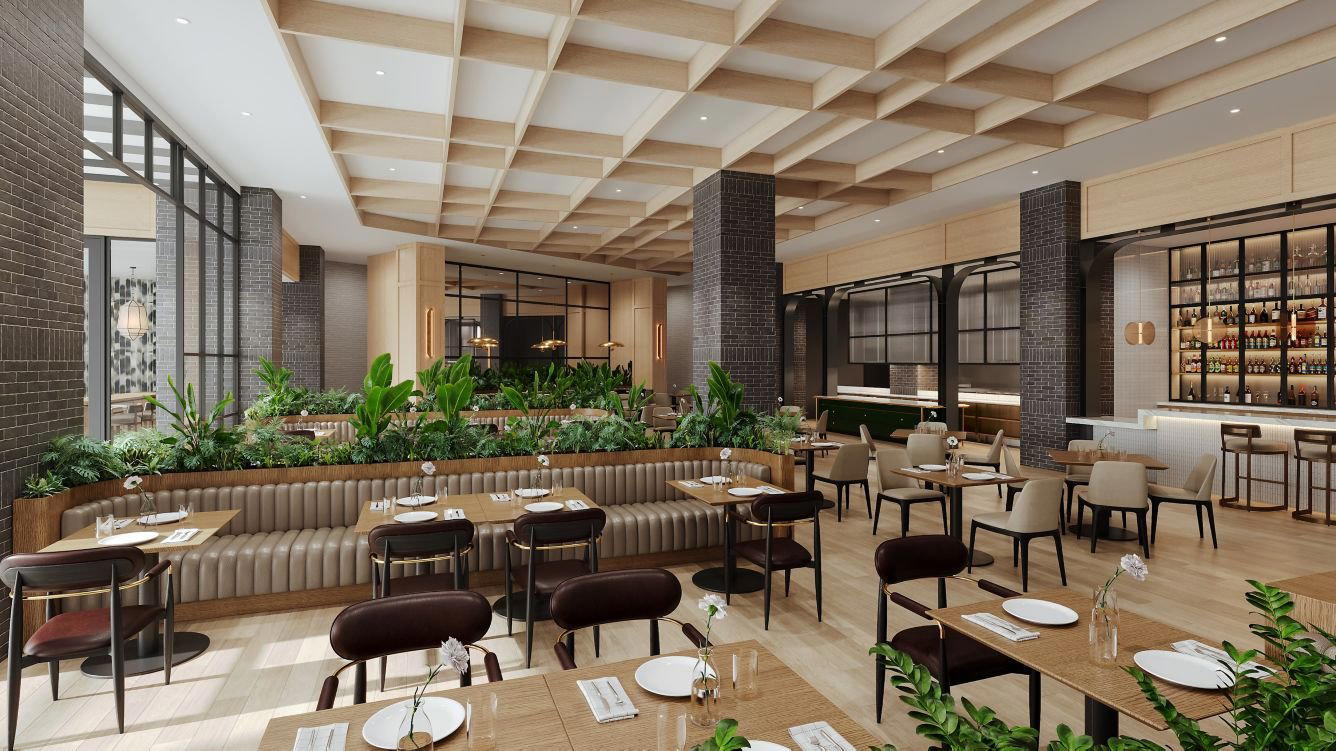
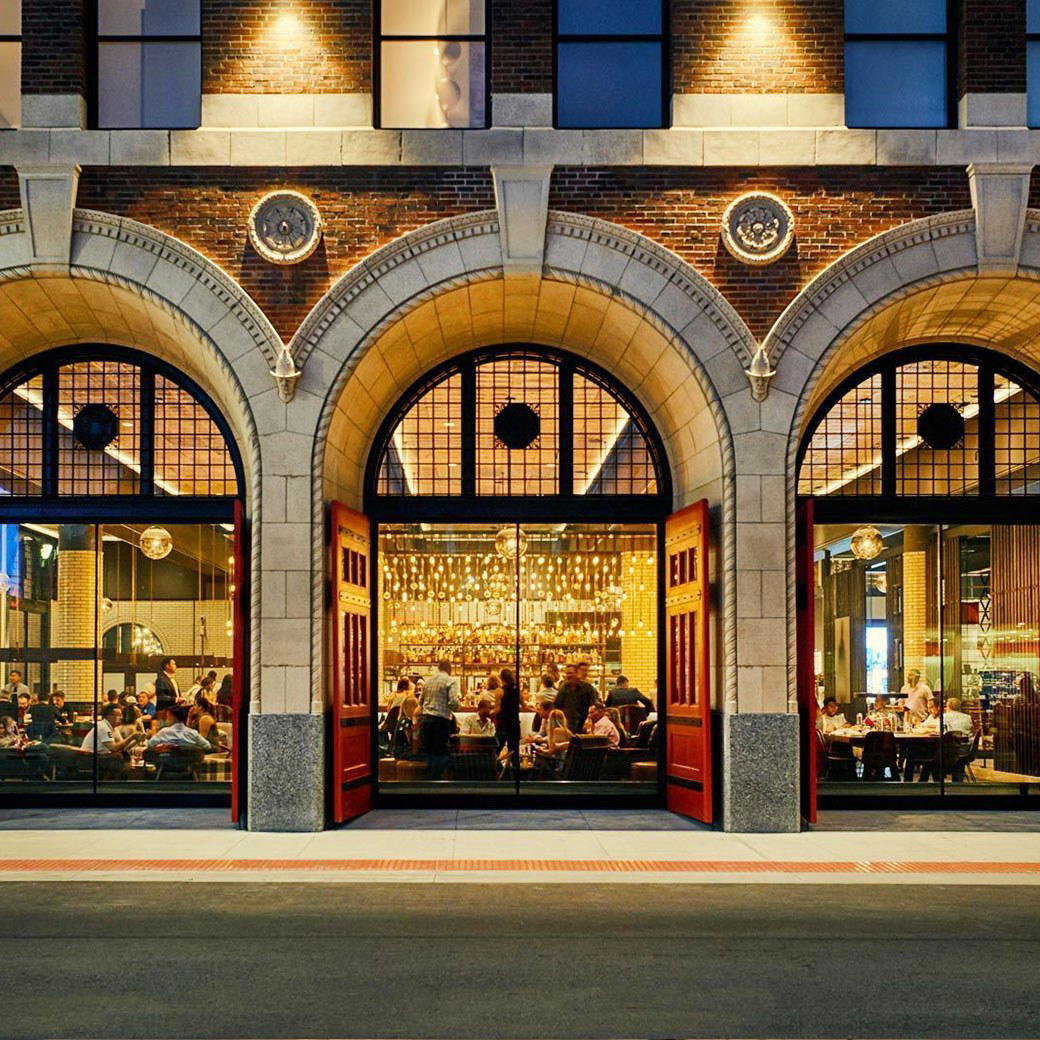
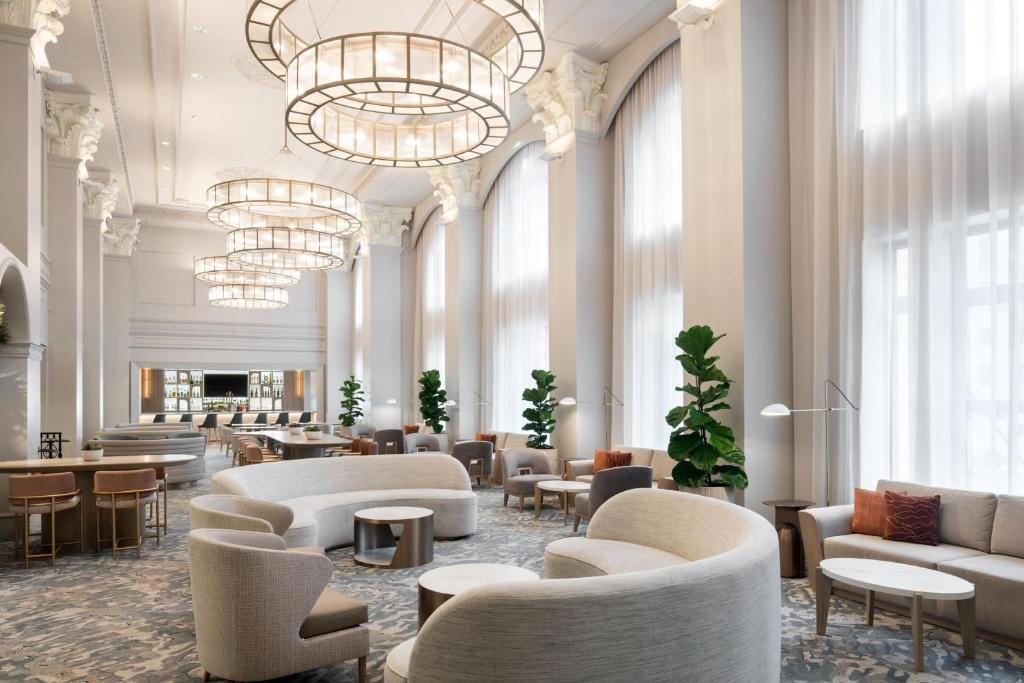
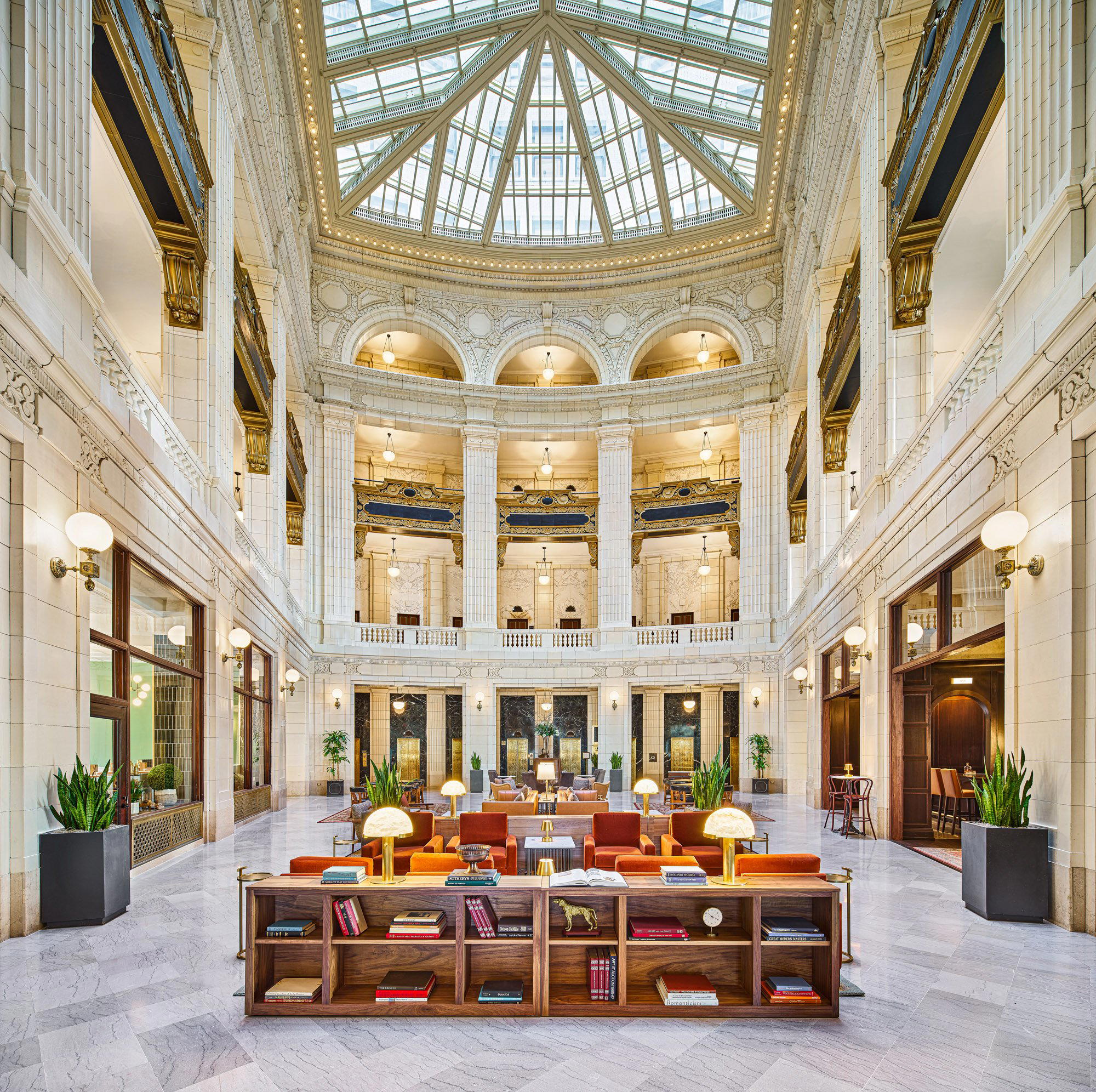
The interior architecture of a former stable carries specific spatial characteristics: high clearances where haylofts once sat, wide openings adapted from carriage entries, and structural timber that resists the kind of smooth renovation finish preferred by more self-conscious concepts. These are rooms that tend toward the utilitarian even when dressed for hospitality, and that quality shapes the experience in ways that deliberate design cannot always replicate. The result at Green Dot Stables is a physical environment where the seating arrangement and material palette feel earned rather than installed, which is a meaningful distinction in a city where the gap between authentic character and deployed nostalgia is something regular visitors have learned to read quickly.
Detroit's bar-forward neighborhood spots occupy a different competitive tier from the city's upscale restaurant set. At one end of the spectrum sit tasting-menu formats like those found at Smyth in Chicago or the kind of destination-driven precision associated with The French Laundry in Napa, Le Bernardin in New York City, or Atomix in New York City. At the other end sit neighborhood institutions where the physical room and the social function of drinking and eating together matter more than any single dish. The comparison is useful because it clarifies what Green Dot Stables is not trying to be, and that clarity of purpose is itself a form of editorial credibility.
Detroit's Independent Bar-Restaurant Format
The model that Green Dot Stables represents has been one of the more durable formats in American urban dining over the past two decades. In cities with strong neighborhood identities and a deep bar culture, the hybrid bar-restaurant that prioritizes accessibility, architectural character, and a repeatable daily experience over destination-dining ambition has consistently outperformed concepts built on novelty. Detroit, with its particular history of neighborhood loyalty and its population of regulars who treat certain rooms as extensions of domestic life, is a natural environment for this format. The city's dining scene includes enough range to satisfy visitors seeking elaborate tasting menus or chef-driven technical programs, from the modern Mexican of Vecino to the polished steakhouse tier of Prime + Proper, but the neighborhood bar-restaurant remains the format that most accurately reflects how Detroit actually eats on an ordinary evening.
Visitors arriving from cities where the independent bar-restaurant has been priced out of central neighborhoods, or replaced by larger hospitality groups, often find Detroit's version of this format surprisingly intact. The physical spaces survive partly because the city's real estate economics have historically allowed smaller operators to hold buildings that would have been redeveloped elsewhere, and partly because the local culture of neighborhood loyalty creates enough repeat business to sustain modest-format operations over time. Green Dot Stables sits within that ecology, which is to say its continued presence on West Lafayette is itself a form of data about how certain Detroit neighborhoods function.
For visitors building a Detroit itinerary around this independent tier, the city offers significant range: 313 Cinnamon Rolls at the bakery and vegan-friendly end, ADELINA and Alpino representing the city's newer European-inflected formats, American Coney Island as the canonical Detroit institution, and Amore da Roma for Italian. The full range is considerably wider than what visitors expecting a purely industrial-city dining culture tend to anticipate. Nationally, the bar-restaurant format finds peers in very different registers: Lazy Bear in San Francisco and Blue Hill at Stone Barns in Tarrytown share the communal-table sensibility in refined form, while Emeril's in New Orleans, Providence in Los Angeles, Addison in San Diego, The Inn at Little Washington, Single Thread Farm in Healdsburg, and Atelier Moessmer Norbert Niederkofler in Brunico represent the far end of the formality spectrum that Green Dot Stables explicitly rejects.
Planning a Visit
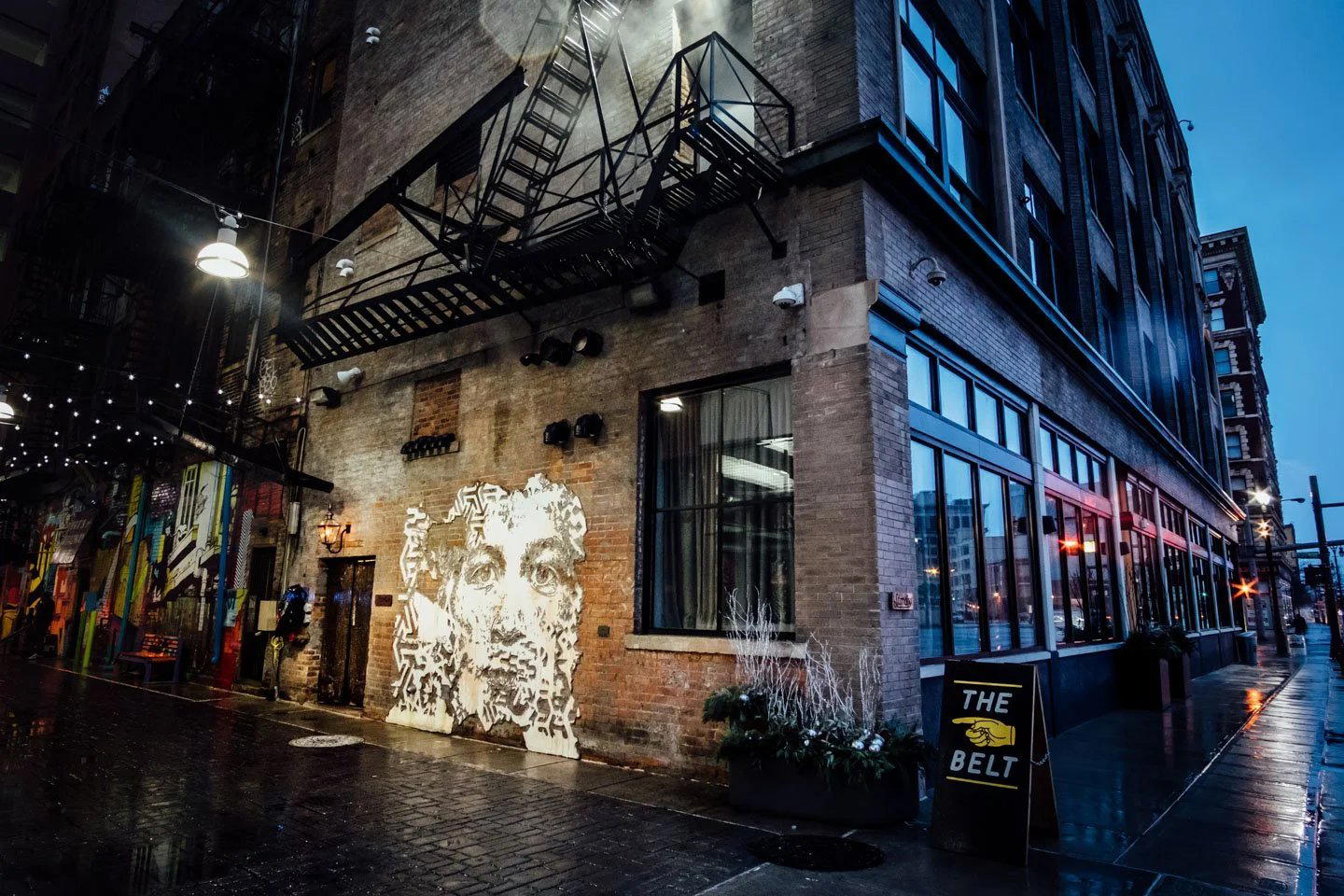
West Lafayette Boulevard is accessible by car with street parking available along the corridor; the neighborhood is not within easy walking distance of downtown hotels, so most visitors arriving without a vehicle will want to plan transit accordingly. The address at 2200 W Lafayette places the venue in a relatively quiet stretch, and the building's exterior reflects the utilitarian character of its history. Because specific hours, booking policies, and menu details are not currently confirmed in public records, visitors are advised to verify current operating conditions directly before making the trip a centerpiece of an evening itinerary.
At a Glance
- Lively
- Trendy
- Industrial
- Casual Hangout
- Group Dining
- Late Night
- Open Kitchen
- Craft Cocktails
- Beer Program
Current opening hours
- Monday
- 11 AM–11 PM
- Tuesday
- 11 AM–11 PM
- Wednesday
- 11 AM–11 PM
- Thursday
- 11 AM–11 PM
- Friday
- 11 AM–12 AM
- Saturday
- 11 AM–12 AM
- Sunday
- 12–10 PM
Hours can change for holidays and private events. Last verified .
Know Before You Go
- Getting there
- 2200 W Lafayette Blvd, Detroit, MI 48216