Great China



Michelin Bib Gourmand · Star Wine List
Our verdict
Great China on Bancroft Way holds a Michelin Bib Gourmand and a ranking on Opinionated About Dining's North America Casual list, placing it among Berkeley's most consistently recognised Chinese restaurants. The menu runs on shared plates anchored by tea-smoked duck, with a wine list weighted toward Burgundy and Riesling that prices noticeably below what the selections would command elsewhere.

Pearl is the En Primeur Club membership app, where members save venues, book tables and use the concierge.
The menu
What to order
- Peking Duck
- Tea Smoked Duck
- Double Skin
Berkeley's Chinese Table, Calibrated Differently
Bancroft Way in Berkeley runs parallel to the UC campus, a street better known for foot traffic than fine dining ambition. Great China sits in that context and quietly contradicts it. The room does not signal what the kitchen delivers or what the wine list contains. The crowd on a given evening skews local and returning, students, faculty, and the kind of regulars who have been eating the tea-smoked duck here for years. That ordinariness of setting is part of the proposition. In the Bay Area's Chinese dining conversation, which stretches from Richmond district banquet halls to the more formal seafood houses of the South Bay, Great China occupies a specific register: technically capable, wine-serious, and priced well below the effort required to replicate the experience elsewhere.
Where Great China Sits in the Bay Area's Chinese Dining Spectrum
The Bay Area's Chinese restaurant field is wider and more internally differentiated than most American cities. At one end sit the dim sum palaces and Cantonese banquet houses of the Richmond and Sunset districts in San Francisco, operating at volume and geared toward ceremonial dining. At the other end, restaurants like Benu translate Chinese culinary memory into a $$$$ tasting format that sits alongside Atelier Crenn, Quince, and Lazy Bear in the region's top-tier fine dining tier. Great China does not operate in either of those brackets. It belongs to a middle category that the Bay Area does not produce in abundance: a restaurant with genuine technique credentials, a serious beverage program, and a menu structured around Chinese sharing traditions, all at a $$ price point backed by Michelin Bib Gourmand recognition in both 2024 and 2025.
The Bib Gourmand designation, which Michelin awards to restaurants offering quality cooking at moderate prices, is not a consolation prize in its current form. In a metropolitan area where Saison and The French Laundry represent the ceiling and mid-range dining has compressed, holding that distinction across consecutive years signals consistency rather than a single strong season. Opinionated About Dining's North America Casual ranking, #650 in 2024, following a Recommended listing in 2023, adds a second independent data point from a database that weights repeat visits and critic consensus heavily.
Tea-Smoked Duck and the Logic of a Shared Menu
Chinese cuisine in its canonical forms was never designed as an individual-plate tradition. The shared table format that structures Great China's menu reflects a culinary logic that predates the tasting-menu trend by centuries: dishes arrive at the centre of the table, portions are calibrated for groups, and the rhythm of a meal comes from layering rather than sequencing. That structural approach allows a kitchen to show range within a single service, proteins, vegetables, preparations across multiple techniques, in a way that a la carte single-plate dining does not.
The tea-smoked duck has become the dish most associated with the restaurant in critical shorthand, appearing in the awards notes that accompany Michelin's recognition. Tea-smoking as a technique carries significant regional weight in Chinese cooking, particularly in Sichuan traditions where camphor wood and tea leaves create the aromatic base for the smoke. The discipline required to execute it consistently, controlling temperature, smoke density, and the resting period after smoking, is the kind of preparation that separates restaurants doing technically grounded Chinese food from those approximating it. That a Berkeley restaurant at a $$ price point maintains that standard is the editorial point, not simply that the duck exists on the menu.
The Wine List as a Statement
The Burgundy and Riesling list at Great China is, in the context of Chinese restaurants nationally, an anomaly worth examining. Chinese cuisine and European fine wine have a more complicated relationship than the pairing culture around Japanese omakase and sake or the tasting menu world's sommelier-driven sequences. Acidity, texture, and aromatic lift matter in matching wine to the flavour registers of Chinese cooking, which explains why Riesling, with its structural acidity and range from bone-dry to off-dry, tends to perform better than fuller-bodied reds. Burgundy's Pinot Noir, lower in tannin and more aromatic than Napa Cabernet, follows a similar logic.
Fact that Great China's list is priced to encourage rather than intimidate, an unusual decision in a category where wine margins often compensate for low food prices, reflects a specific philosophy about what wine should do in a shared-plate setting. Comparisons to the beverage ambition at restaurants like Le Bernardin or Atomix would be category errors; the point is not parity with those programs but accessibility within the format Great China has chosen. For a diner coming from a $$$$ tasting context, from Alinea in Chicago or Providence in Los Angeles, the relative pricing of the wine list here reads as a deliberate correction.
Tradition and Technique in the Same Kitchen
Editorial angle on Great China is not that it represents innovation in the way that 8½ Otto e Mezzo Bombana rewrites Italian cuisine through a Hong Kong lens, or that it disrupts Chinese-American dining conventions in the manner of restaurants in San Francisco's own Chinatown that have modernised their formats in recent years. The more accurate framing is that Great China applies consistent classical technique, tea-smoking, shared-plate structure, regionally grounded preparations, within a neighbourhood context that does not typically support that level of culinary discipline at accessible prices. That is a form of tradition holding its ground, not tradition confronting innovation.
Distinction matters because it describes what kind of meal you are making a reservation for. This is not the place to track a chef's evolution through a tasting format, as you might at Single Thread Farm in Healdsburg. It is not a venue where the room itself is part of the experience, as is true of Emeril's in New Orleans. What it offers is something the Bay Area's fine dining concentration can obscure: a table where Chinese cooking is taken seriously on its own terms, priced honestly, and supported by a wine program that treats the food as a worthy partner. For San Francisco visitors extending a trip across the bay, see our full San Francisco restaurants guide, hotels guide, bars guide, wineries guide, and experiences guide for broader context, Berkeley adds a specific register that the city itself does not fully replicate.
Know Before You Go
- Address: 2190 Bancroft Way, Berkeley, CA 94704
- Price range: $$ (moderate)
- Awards: Michelin Bib Gourmand 2024 and 2025; Opinionated About Dining Casual North America #650 (2024)
- Hours: Mon, Wed–Thu 11:30 am–2:30 pm and 5:30–8:30 pm; Fri 11:30 am–2:30 pm and 5:30–9 pm; Sat–Sun 11:30 am–2:30 pm and 5–9 pm; Tuesday closed
- Note: Closed Tuesdays. Dinner service ends earlier on weeknights than weekends, worth noting if travelling from San Francisco by BART.
What Do People Recommend at Great China?
Tea-smoked duck anchors every shortlist in the critical record, it appears by name in Michelin's own recognition notes, which is an unusual level of dish-specific citation in the Bib Gourmand category. Beyond that, the shared-plate format means ordering across multiple dishes is the intended approach rather than a suggestion. The Burgundy and Riesling wine list draws consistent mention from visitors who did not expect to find bottles at those price levels in a $$ Chinese restaurant.
Frequently asked questions
What awards or recognition does Great China have?
Great China has received recognition including: Come for Chef James Yu's food - especially the tea-smoked duck – and stay for the extensive list of Burgundy and Riesling. The menu–is driven by dishes to share, and the wines are priced to encourage...; Michelin Bib Gourmand (2025); Opinio….
What do people recommend at Great China?
The tea-smoked duck is the consensus anchor, Michelin's own Bib Gourmand recognition notes it by name, which is a specific editorial distinction rather than a generic citation. Beyond the duck, the shared-plate format encourages ordering across the menu, and the Burgundy and Riesling list draws attention in its own right, with wines priced to be ordered rather than admired. Great China holds a 2025 Michelin Bib Gourmand and an Opinionated About Dining ranking, so the critical record on what to order is well-documented.
What time does Great China open and close?
Hours at Great China: Hours: Monday 11:30 am–2:30 pm, 5:30–8:30 pm Tuesday Closed Wednesday 11:30 am–2:30 pm, 5:30–8:30 pm Thursday 11:30 am–2:30 pm, 5:30–8:30 pm Friday 11:30 am–2:30 pm, 5:30–9 pm Saturday 11:30 am–2:30 pm, 5–9 pm Sunday 11:30 am–2:30 pm, 5–9 pm.
Where is Great China in San Francisco?
Great China is located at 2190 Bancroft Way, Berkeley, CA 94704, San Francisco.
Who is the chef or culinary lead at Great China?
The chef associated with Great China is Various.
The Minimal Set
A quick snapshot of similar venues for side-by-side context.
| Venue | Cuisine | Price | Awards | Notes |
|---|---|---|---|---|
| Great ChinaThis venue (the venue you are viewing) | Northern Chinese | $20–30 | Michelin Bib Gourmand · Star Wine List | Not listed |
| Lazy Bear | Modern American Tasting Menu | Not listed | 2 Michelin Stars · World's 50 Best #25 | Progressive American, Contemporary |
| Benu | Modern Asian Fusion Fine Dining | $150–200 | 3 Michelin Stars · World's 50 Best #33 | French - Chinese, Asian |
| Atelier Crenn | Contemporary French Fine Dining | $300–500 | 3 Michelin Stars · World's 50 Best #44 | Modern French, Contemporary |
| Quince | Modern French Fine Dining | $300–500 | 3 Michelin Stars · World's 50 Best #48 | Italian, Contemporary |
| Saison | Modern French-Italian | Not listed | Michelin Plate | Progressive American, Californian |
Recognition history
Dated appearances from independent guides and award organizations, with the underlying list record or original source where available.
Michelin Bib Gourmand
Michelin
Star Wine List
Star Wine List
Opinionated About Dining Casual in North America Ranked #650
Opinionated About Dining
Full recognition history (6 entries)
Michelin Bib Gourmand
Michelin
Michelin Bib Gourmand
Michelin
Opinionated About Dining Casual in North America Recommended
Opinionated About Dining
Continue exploring
More in San Francisco
Restaurants in San Francisco
All restaurants in San Francisco →
Bars in San Francisco
All bars in San Francisco →




Details
- Modern
- Lively
- Group Dining
- Family
- Celebration
- Open Kitchen
- Extensive Wine List
- A La Carte
- Family Style
Current opening hours
- Monday
- 5–8:30 PM
- Tuesday
- Closed
- Wednesday
- 5–8:30 PM
- Thursday
- 5–8:30 PM
- Friday
- 5–9 PM
- Saturday
- 11:30 AM–2:30 PM, 5–9 PM
- Sunday
- 11:30 AM–2:30 PM, 5–9 PM
Hours can change for holidays and private events. Hours as of .
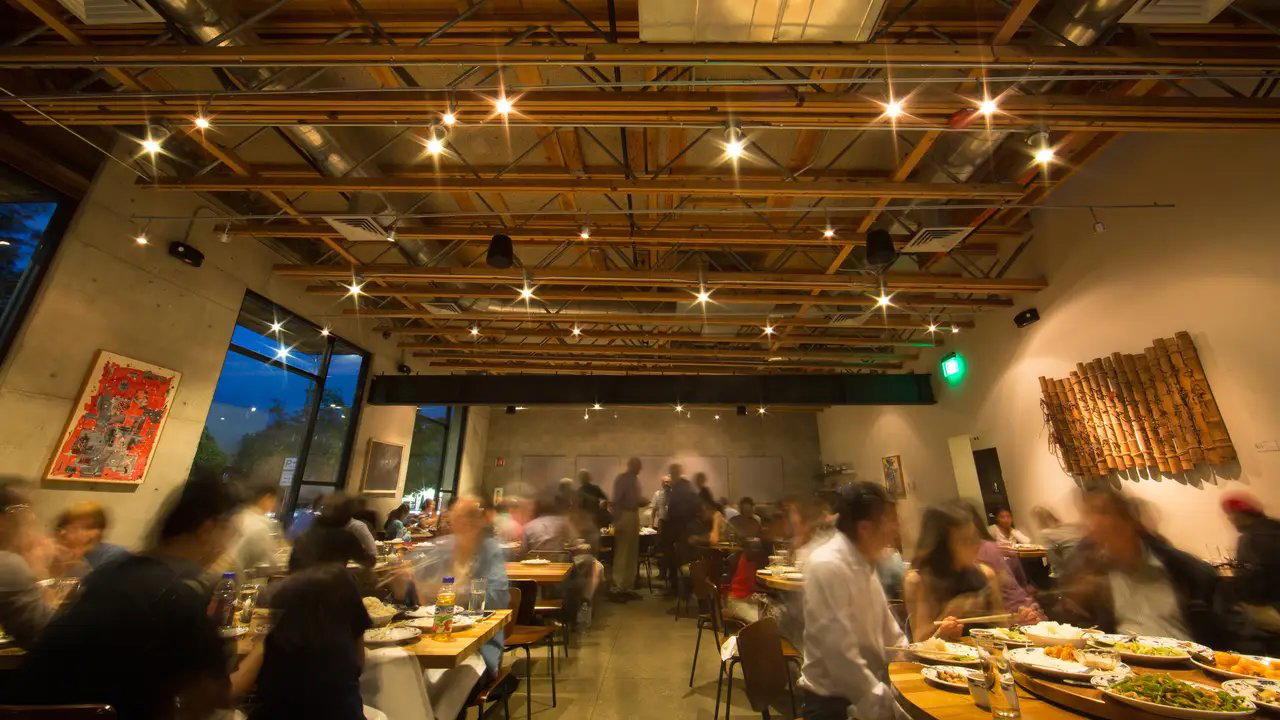
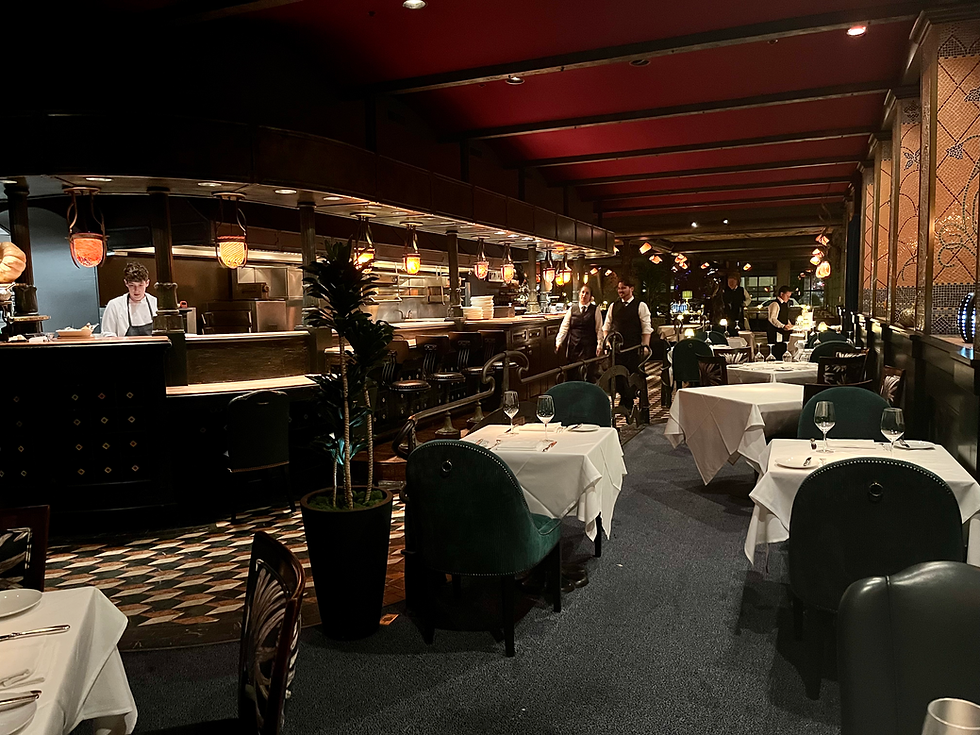
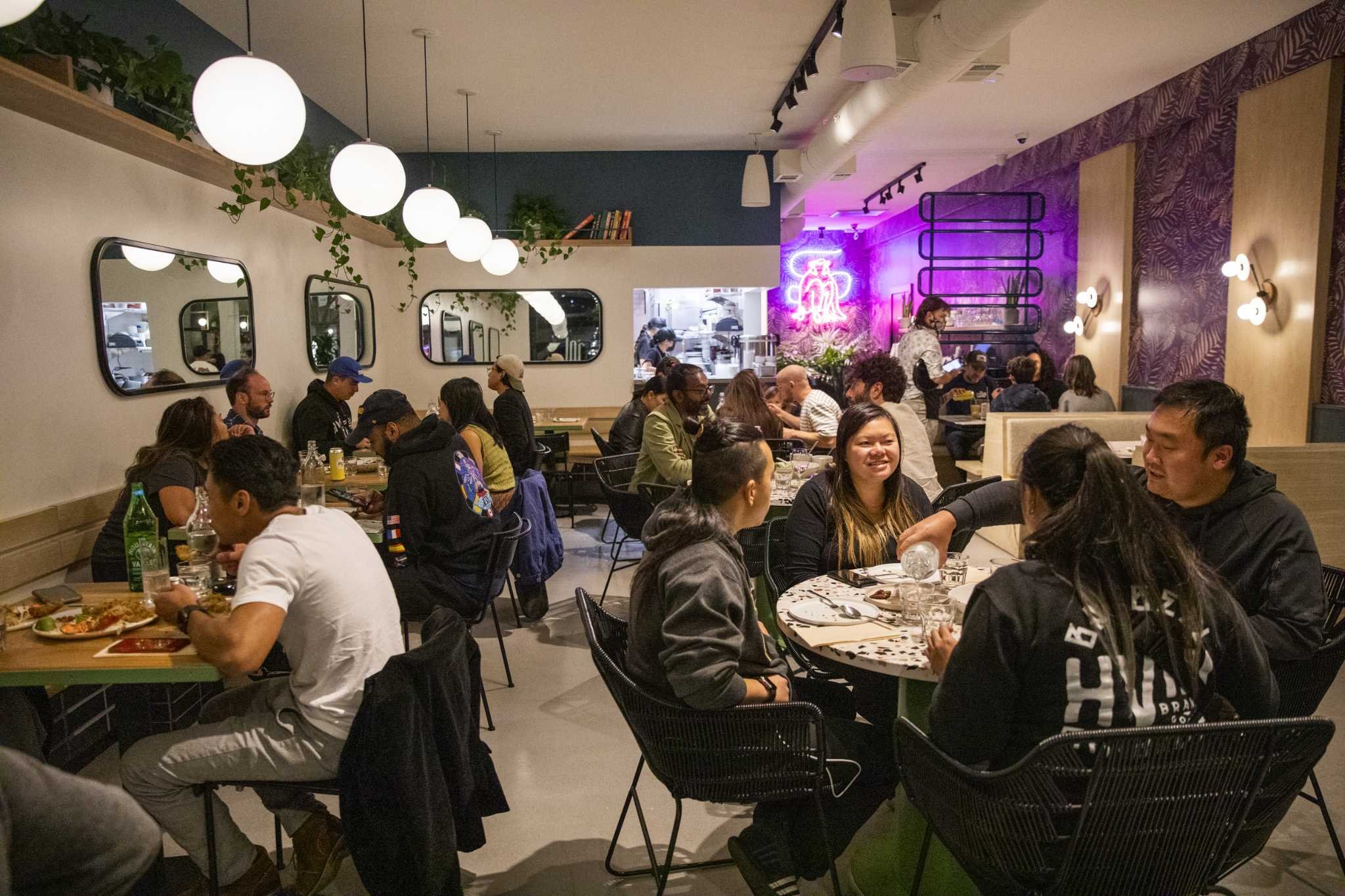
Modern minimalist dining room with big round tables, spacious and packed with families, but noisy especially at peak times.