Grappa Restaurant on The Queensway in Etobicoke sits within a stretch of the city where neighbourhood dining has quietly accumulated more ambition than its postal code suggests. The name alone signals a sensibility: grappa, the Italian marc spirit, implies a kitchen that thinks beyond the plate to what surrounds the meal. For Etobicoke residents and westward-leaning Toronto diners, it functions as a reliable address on a corridor still discovering its own dining identity.
Pearl is the En Primeur Club membership app — saves, bookings, and concierge access live there. Same editors, same standards.
- Address
- 690 The Queensway, Etobicoke, ON M8Y 1K9, Canada
- Phone
- +14165353337
- Website
- grapparestaurant.ca
- Directions
- Get directions
 Saves & bookings on Pearl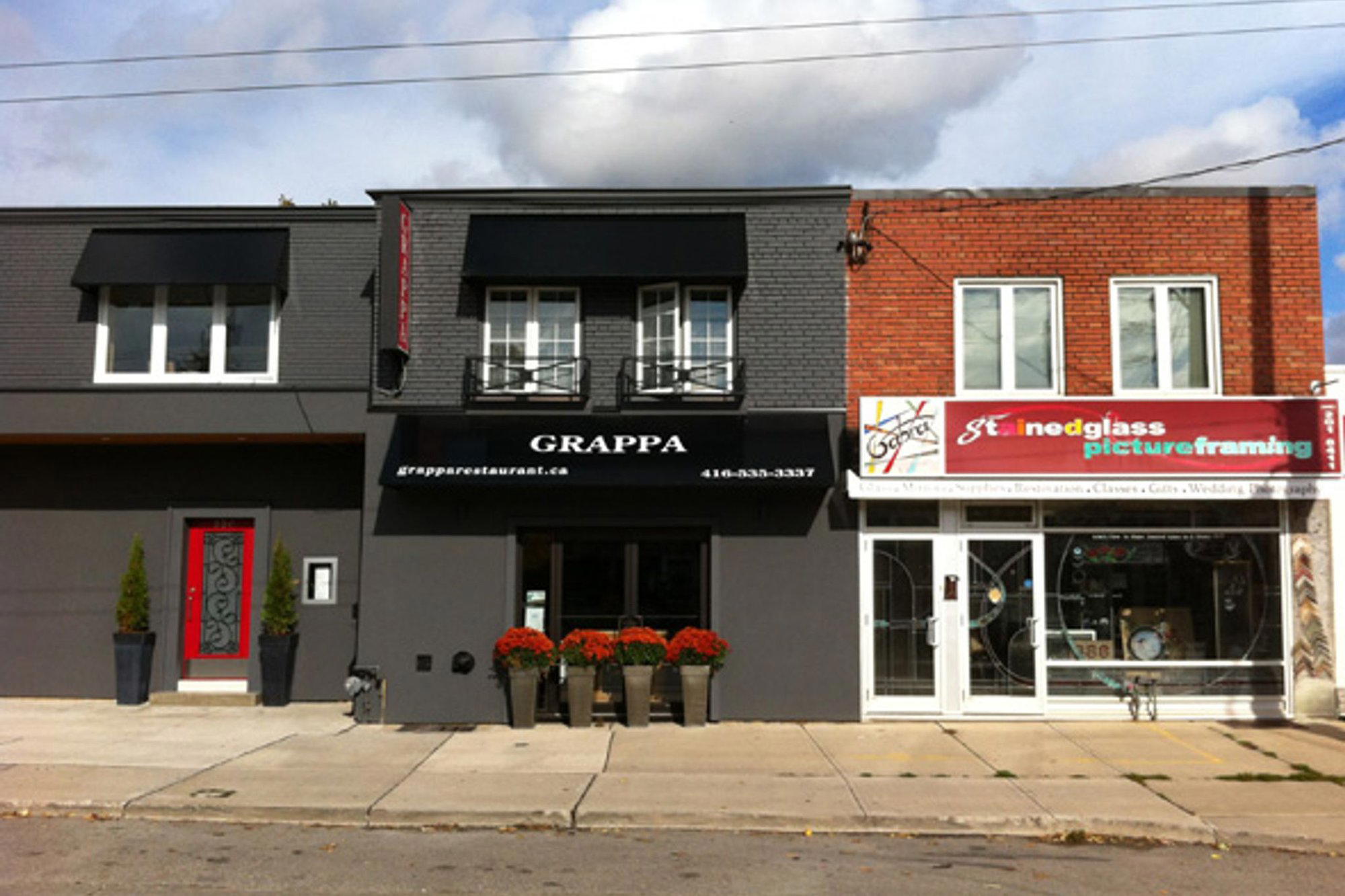
The Queensway Table: Where Etobicoke's Italian Tradition Meets Ingredient Conviction
The Queensway in Etobicoke has never carried the culinary cachet of King West or Ossington, but that has worked in its favour. Without the pressure of trend-chasing, a handful of addresses along this corridor have built reputations on consistency and sourcing rather than spectacle. Grappa Restaurant at 690 The Queensway occupies that register: a neighbourhood Italian room that earns its standing through the logic of what arrives on the table rather than the theatre surrounding it.
The name is a deliberate statement. Grappa, the Italian marc distillate made from the grape solids left after pressing, is not a glamorous spirit. It is honest, agricultural, and deeply tied to place. Choosing it as a restaurant name in a city where Italian dining ranges from red-sauce comfort to stripped-back modernism says something about where this kitchen positions itself: closer to the trattoria tradition than the tasting menu circuit, and unapologetic about it.
Ingredient Logic on a Neighbourhood Street
Italian cooking, at its most coherent, is an argument about sourcing. The cuisine's regional architecture, from the cheesemakers of Emilia-Romagna to the olive oil producers of Puglia, rests on the premise that quality ingredients require minimal intervention. In the Canadian context, that philosophy has found its clearest expressions in places like Eigensinn Farm in Singhampton and Restaurant Pearl Morissette in Lincoln, where sourcing is the stated headline. Neighbourhood Italian rooms like Grappa operate in a different register, but the underlying logic is the same: the quality of what enters the kitchen determines the ceiling of what can leave it.
Etobicoke sits at an interesting position in Toronto's food geography. It is close enough to the city's wholesale produce and specialty import infrastructure to access quality Italian ingredients, yet far enough from the downtown concentration of fine-dining kitchens that it does not need to compete on those terms. A restaurant on The Queensway can be a genuine local rather than a destination, which is a different kind of credibility. For comparison points within the immediate neighbourhood, Bonimi and Canto represent the range of ambition that has accumulated in Etobicoke dining over the past decade.
The Italian Dining Spectrum in Toronto's West End
Toronto's Italian restaurant scene has never been monolithic. The city has a significant Italian-Canadian community concentrated in areas like Corso Italia and Woodbridge, which created an early infrastructure of family-run rooms built around imported ingredients and recipes from Calabria, Abruzzo, and the Veneto. That foundation influenced how Italian cooking reads across the broader city, including in Etobicoke.
The current moment has split Italian dining in Toronto into several distinct tiers. There are the modernist expressions, the red-sauce institutions with genuine historical depth, and the middle tier of neighbourhood rooms that aim for quality without conceptual ambition. Alo in Toronto operates at the French-influenced upper register, while at the national level, restaurants like Tanière³ in Quebec City and Jérôme Ferrer - Europea in Montreal demonstrate how Canadian kitchens are engaging with the sourcing-first philosophy at the highest levels. Grappa occupies the neighbourhood tier within this spectrum, where the test is not conceptual originality but execution and consistency.
Within Etobicoke specifically, the dining options have diversified considerably. Casa Barcelona brings a Spanish perspective to the same corridor, while Barrel House Korchma draws on Eastern European traditions and Afternoon Tea at Old Mill Toronto anchors a more formal British tradition along the Humber. That variety positions Grappa as one node in a neighbourhood dining scene that has become more genuinely pluralistic than most visitors would expect from a suburban address.
What Neighbourhood Italian Rooms Reveal About a City
There is an argument that neighbourhood Italian restaurants are among the more honest indicators of a city's culinary health. They do not benefit from destination-dining economics, where a tourist premium can subsidise inconsistency. They live and die by the repeat visit, which means that a room on The Queensway that has held a local reputation has done so by delivering reliably, week after week, to the same faces.
That dynamic connects to the sourcing question in a practical way. Kitchens that source well tend to hold quality across seasons because they are working with producers they know and adjusting their menus to what is available. Italian-Canadian rooms in particular have historically maintained relationships with specialty importers for DOP-certified products, San Marzano tomatoes, aged Parmigiano-Reggiano, and the cured meats that anchor a serious antipasto programme. Whether Grappa operates within that tradition in full detail is a question leading answered by visiting, but the category logic suggests it is the relevant frame.
At those addresses, the sourcing narrative is structural to the concept. At a neighbourhood Italian room, it operates more quietly, embedded in the quality of a pasta or the provenance of an olive oil rather than announced on the menu.
Planning a Visit
Grappa Restaurant is located at 690 The Queensway in Etobicoke, accessible by car from the Gardiner Expressway via the Islington or Royal York exits, and reachable via TTC from the Kipling or Islington subway stations with a short bus connection along The Queensway corridor. Grappa is recommended for reservations and follows smart casual dress. Those planning a wider Toronto or Ontario dining itinerary might also consider Barra Fion in Burlington or, for international reference points in the ingredient-driven fine dining tier, Le Bernardin in New York City and Atomix in New York City as markers for what the category looks like at its most technically ambitious. AnnaLena in Vancouver offers another useful Canadian comparison for ingredient-led cooking in a neighbourhood room that punches above its immediate surroundings. For those curious about Quebec's take on heritage-sourcing, Aux Anciens Canadiens in Quebec rounds out the national picture.
Comparison Snapshot
Comparable venues nearby, for context on price, style, and recognition.
| Venue | Cuisine | Price | Notes |
|---|---|---|---|
| Grappa RestaurantThis venue — the venue you are viewing | Authentic Italian Trattoria | $$$ | Not listed |
| Canto | Contemporary Italian | $$$ | Humber Valley |
| JOEY Sherway | Modern American Steakhouse | $$$ | Sherway Gardens |
| La Ciel | Modern Indian Fine Dining | $$$ | Etobicoke |
| Afternoon Tea at Old Mill Toronto | Traditional British Afternoon Tea | $$$ | Kingsway South |
| Turtle Jack's Etobicoke | American Steakhouse Grill | $$ | Rexdale |
Continue exploring
More in Etobicoke
Restaurants in Etobicoke
Browse all →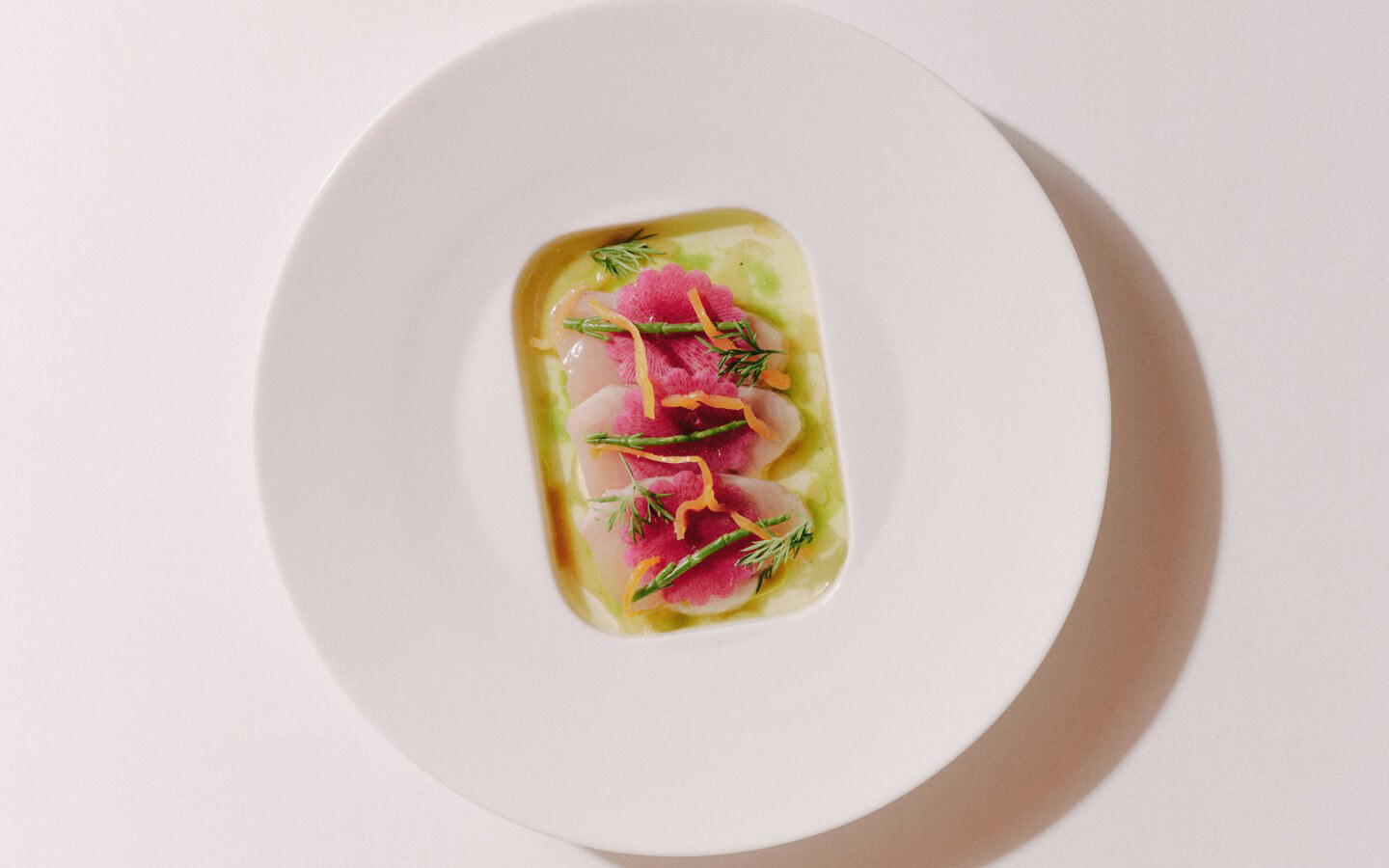
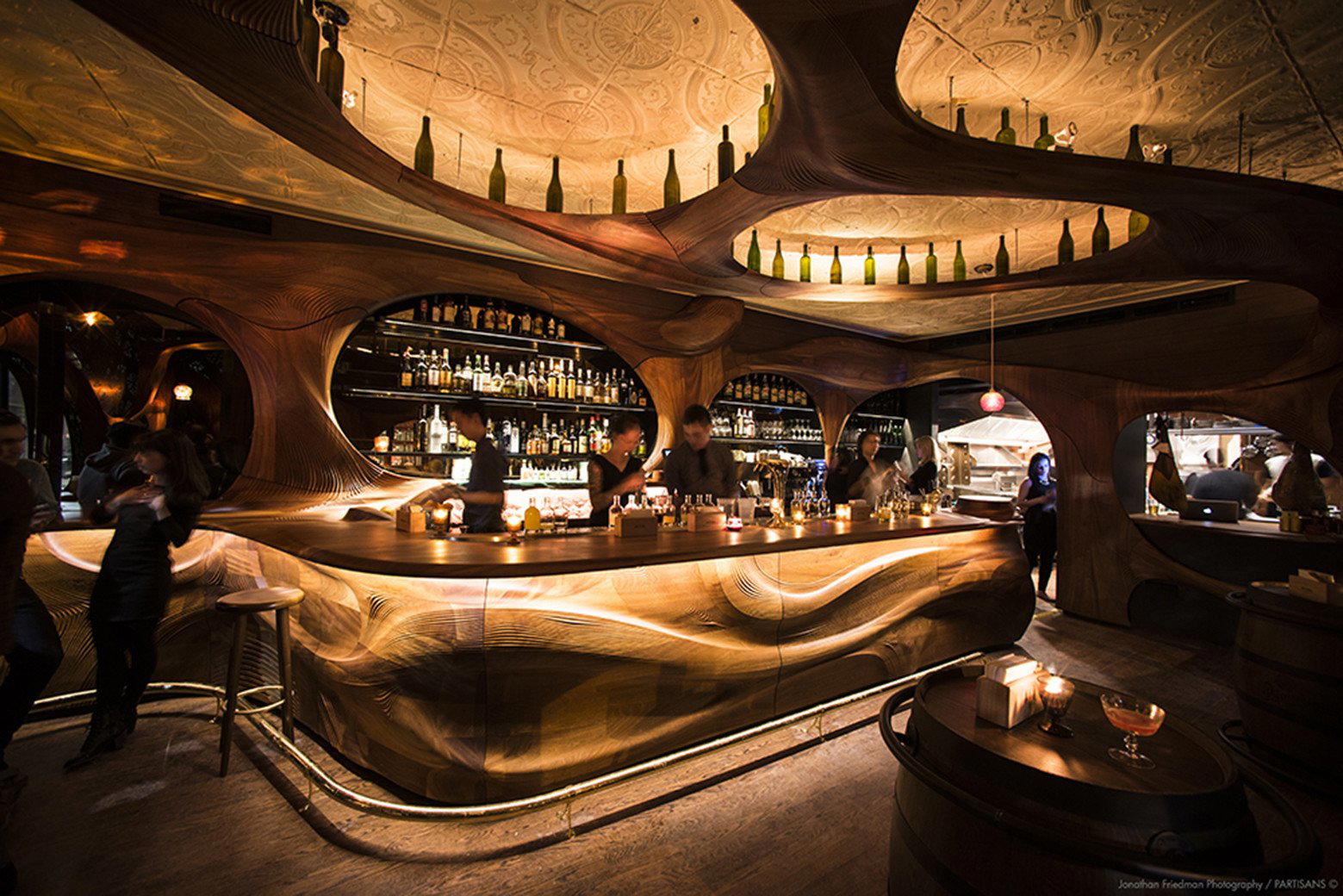
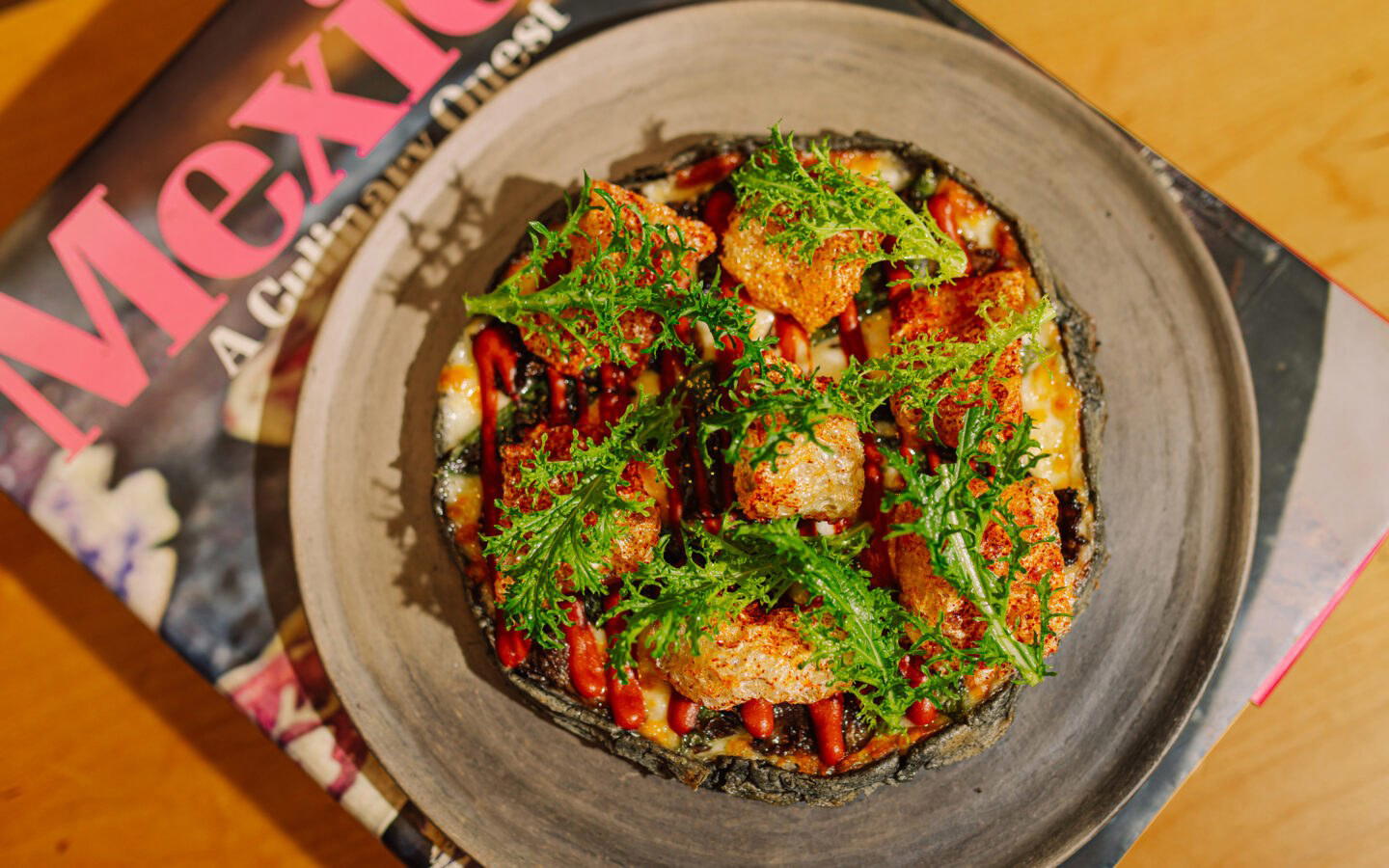
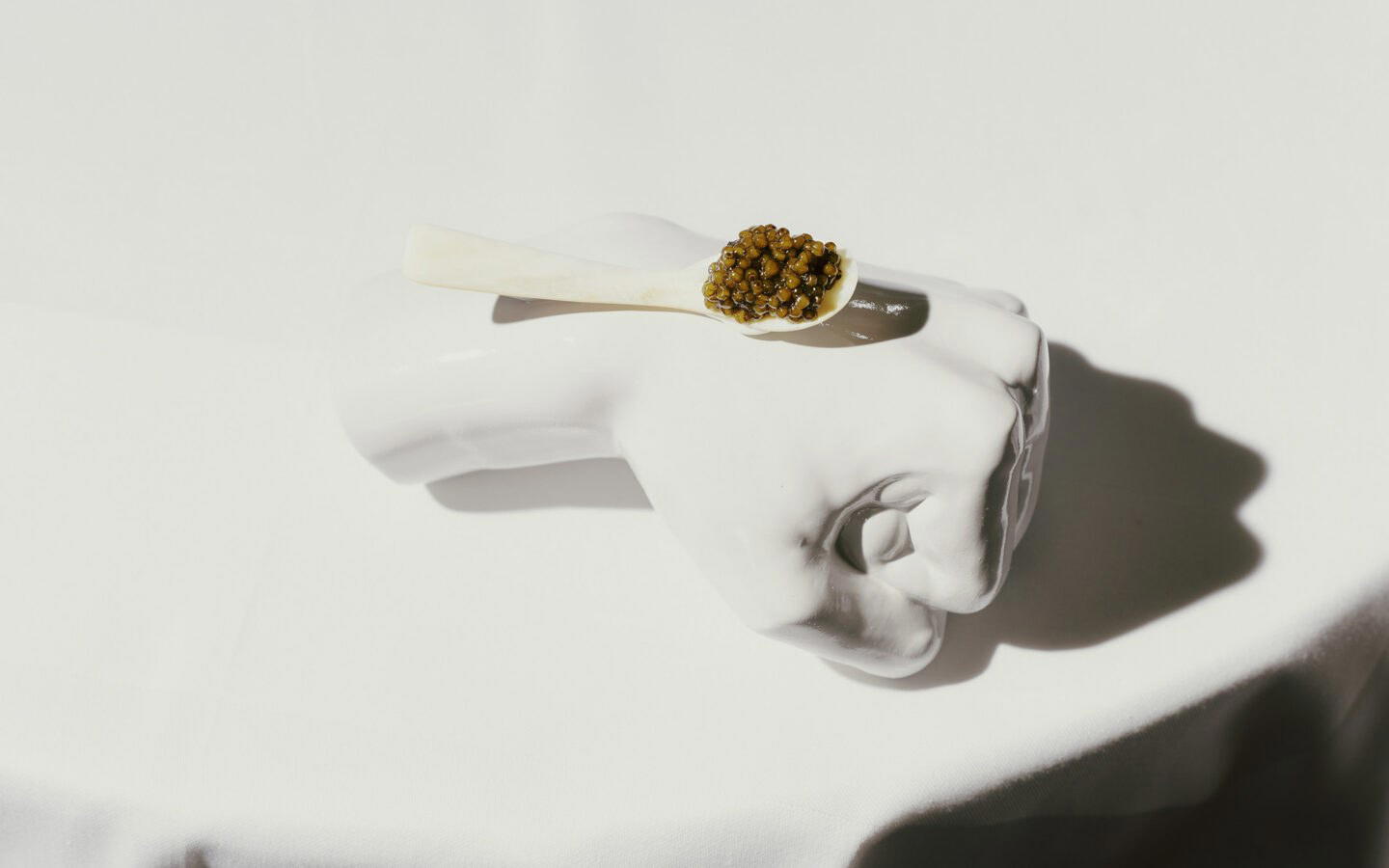
Bars in Etobicoke
Browse all →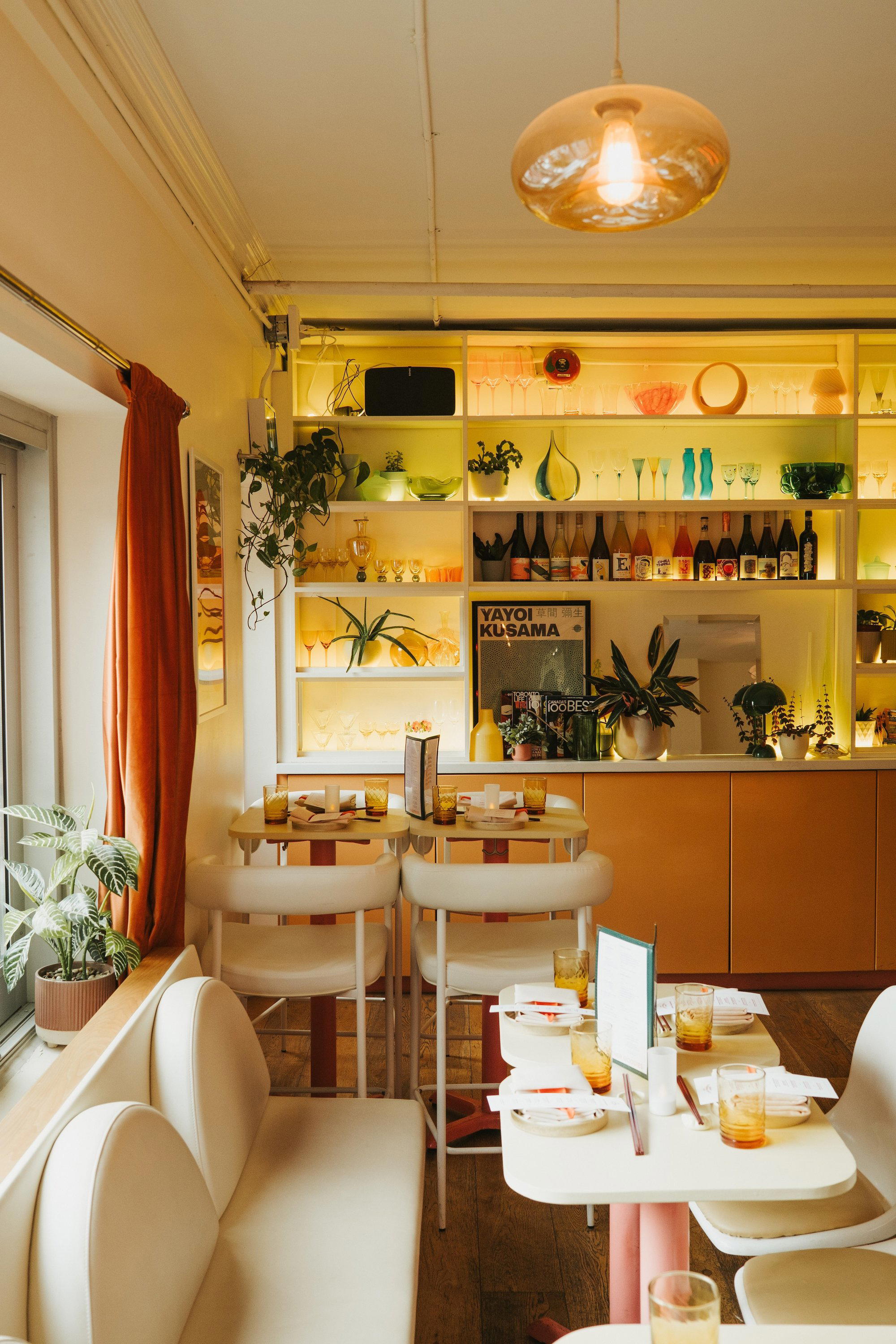

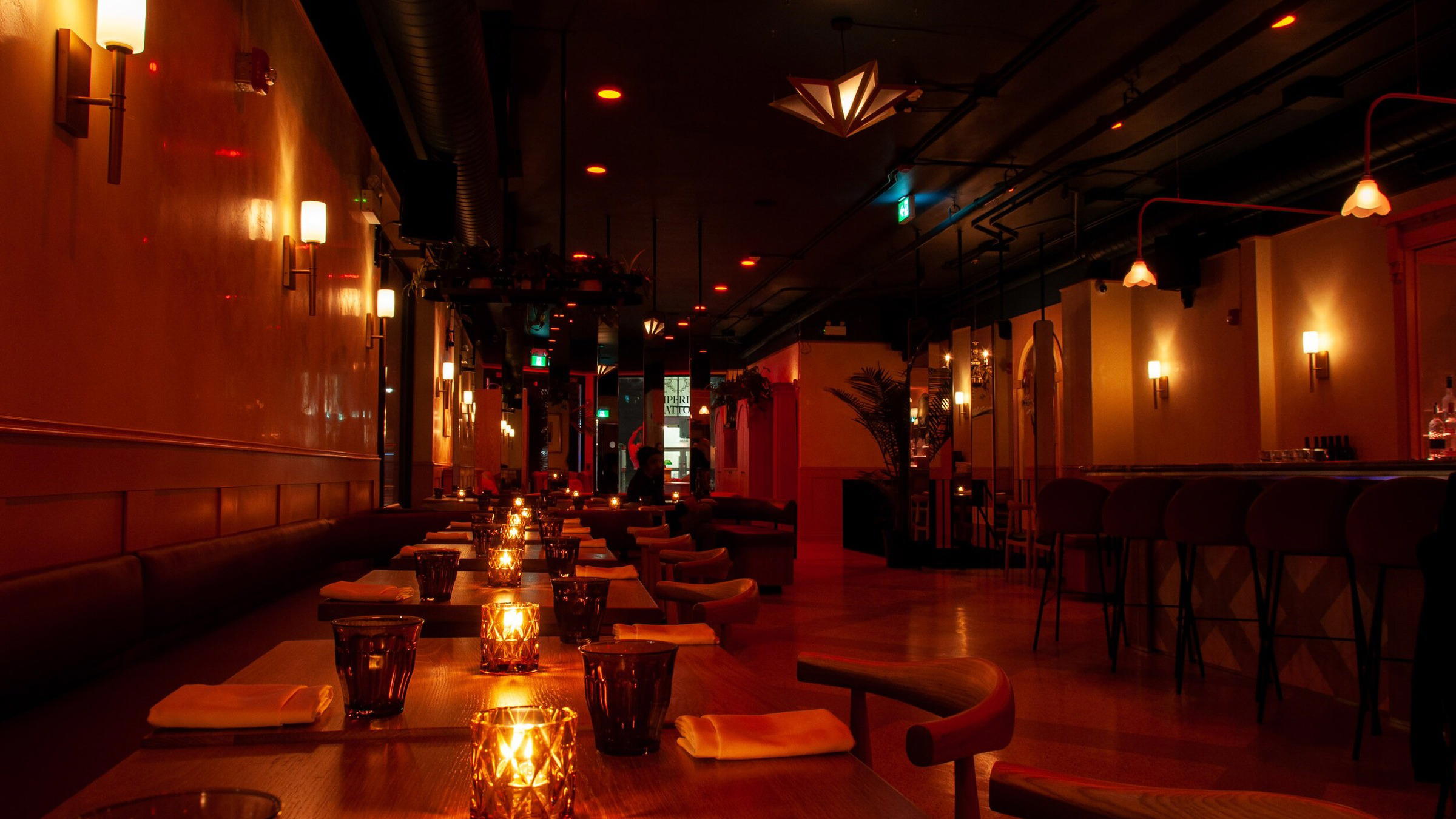
Hotels in Etobicoke
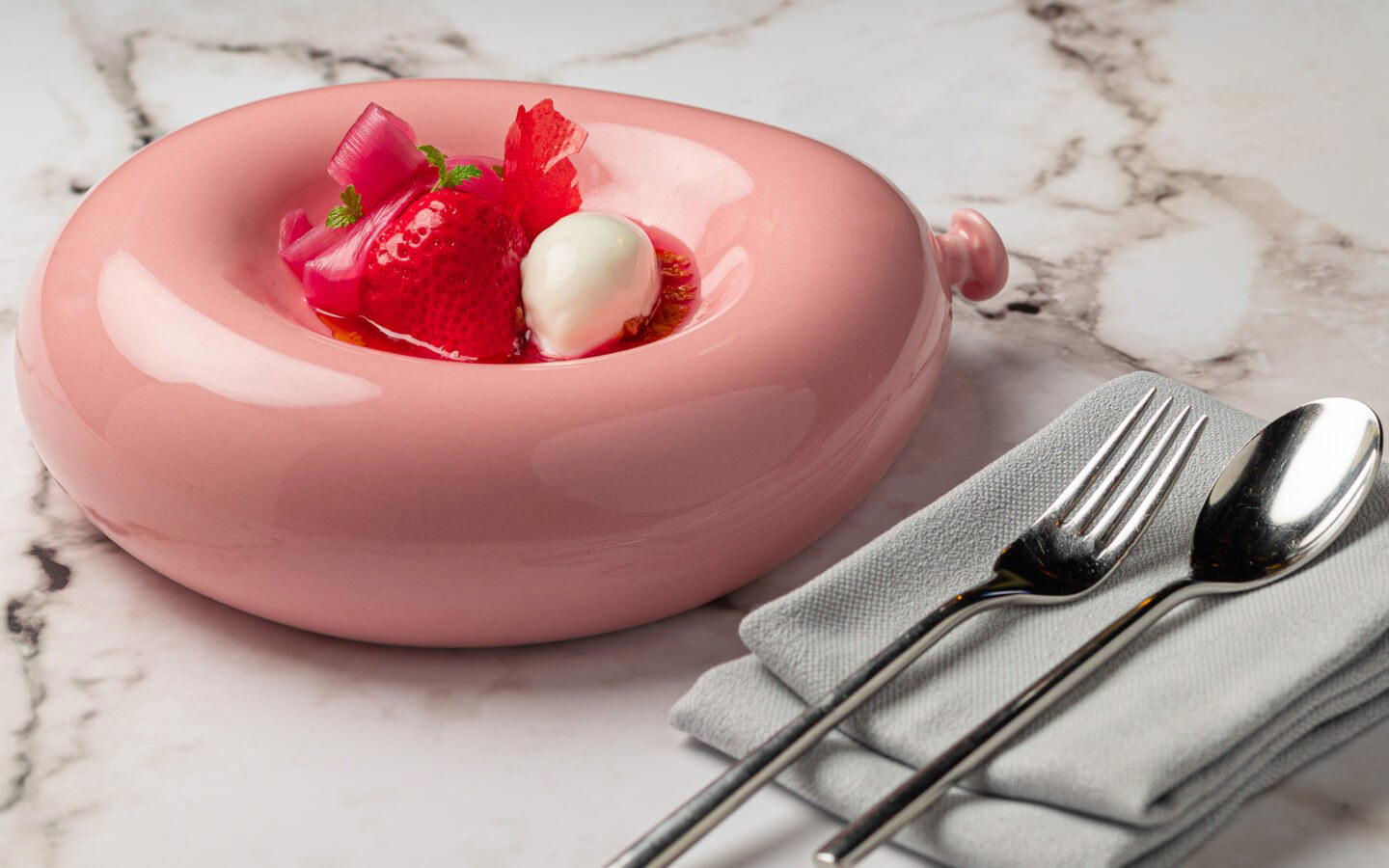
Browse all →

At a Glance
- Romantic
- Elegant
- Classic
- Intimate
- Date Night
- Group Dining
- Celebration
- Special Occasion
- Private Event
- Live Music
- Private Dining
- Extensive Wine List
- Sommelier Led
Current opening hours
- Monday
- Closed
- Tuesday
- Closed
- Wednesday
- 6–11 PM
- Thursday
- 6–11 PM
- Friday
- 6–11 PM
- Saturday
- 6–11 PM
- Sunday
- 6–11 PM
Hours can change for holidays and private events. Last verified .
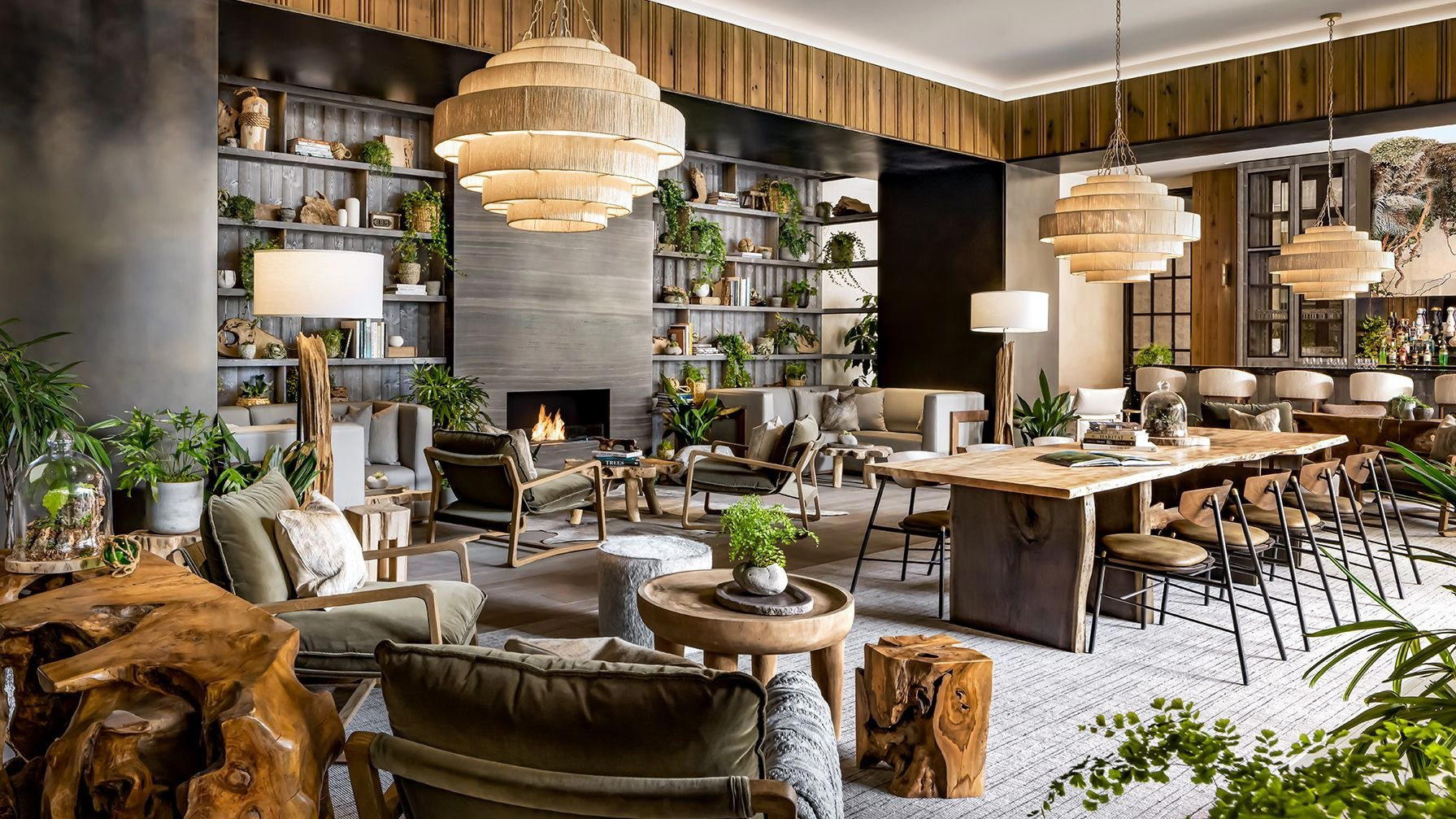
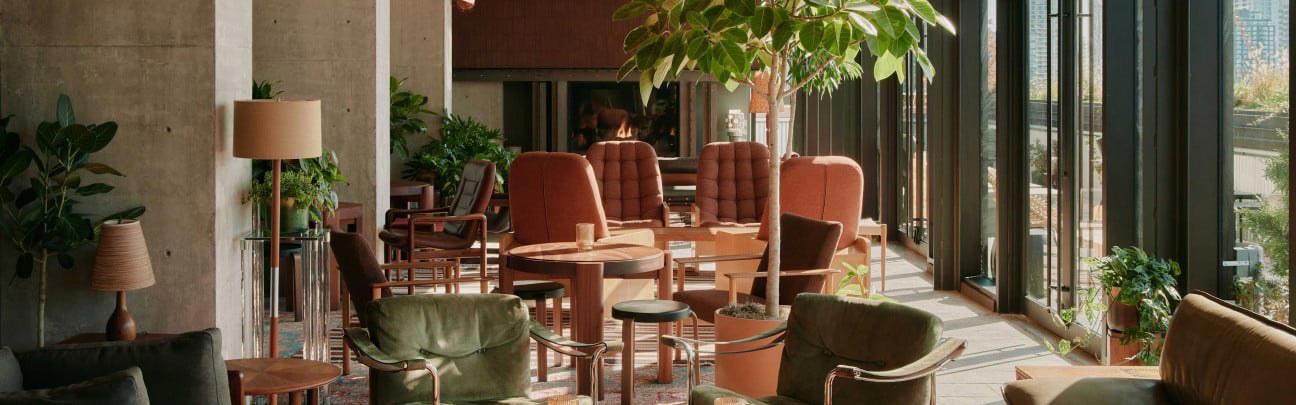
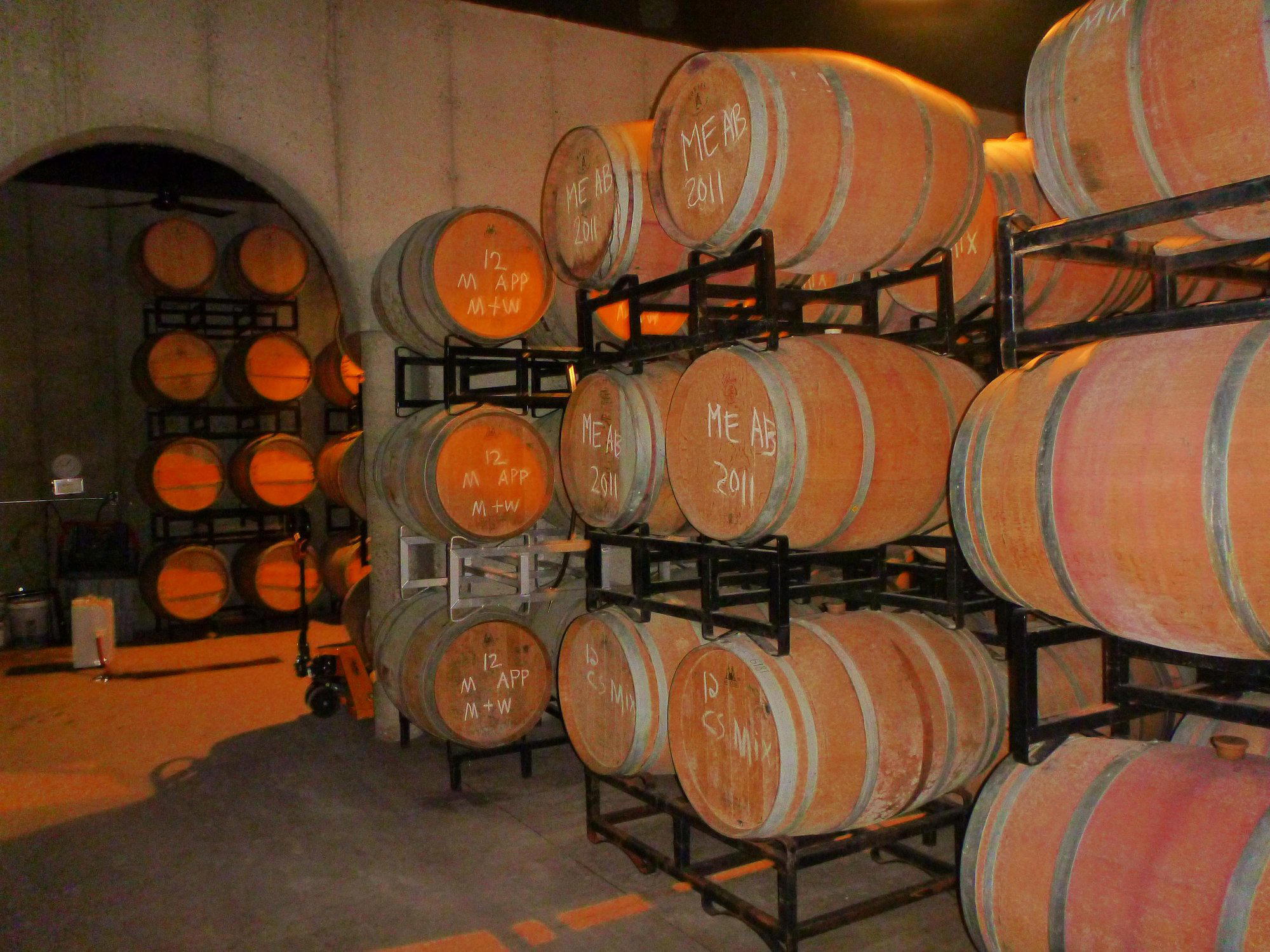
Fine casual decor with proper lighting that is not too bright, creating an inviting and warm atmosphere with a hint of romance; live music enhances the dining experience.