Grape Leaves
Grape Leaves brings Middle Eastern and Mediterranean cooking to Oak Park's South Oak Park Avenue dining corridor, where the cuisine's emphasis on ingredient-driven preparation sits in contrast to the European-leaning options nearby. The restaurant occupies a category that remains genuinely underrepresented in the western Chicago suburbs, making it a useful reference point for the area's evolving dining range.
Pearl is the En Primeur Club membership app — saves, bookings, and concierge access live there. Same editors, same standards.
- Address
- 129 S Oak Park Ave, Oak Park, IL 60302
- Phone
- +17088485555
- Website
- grapeleaves.us
- Directions
- Get directions
 Saves & bookings on Pearl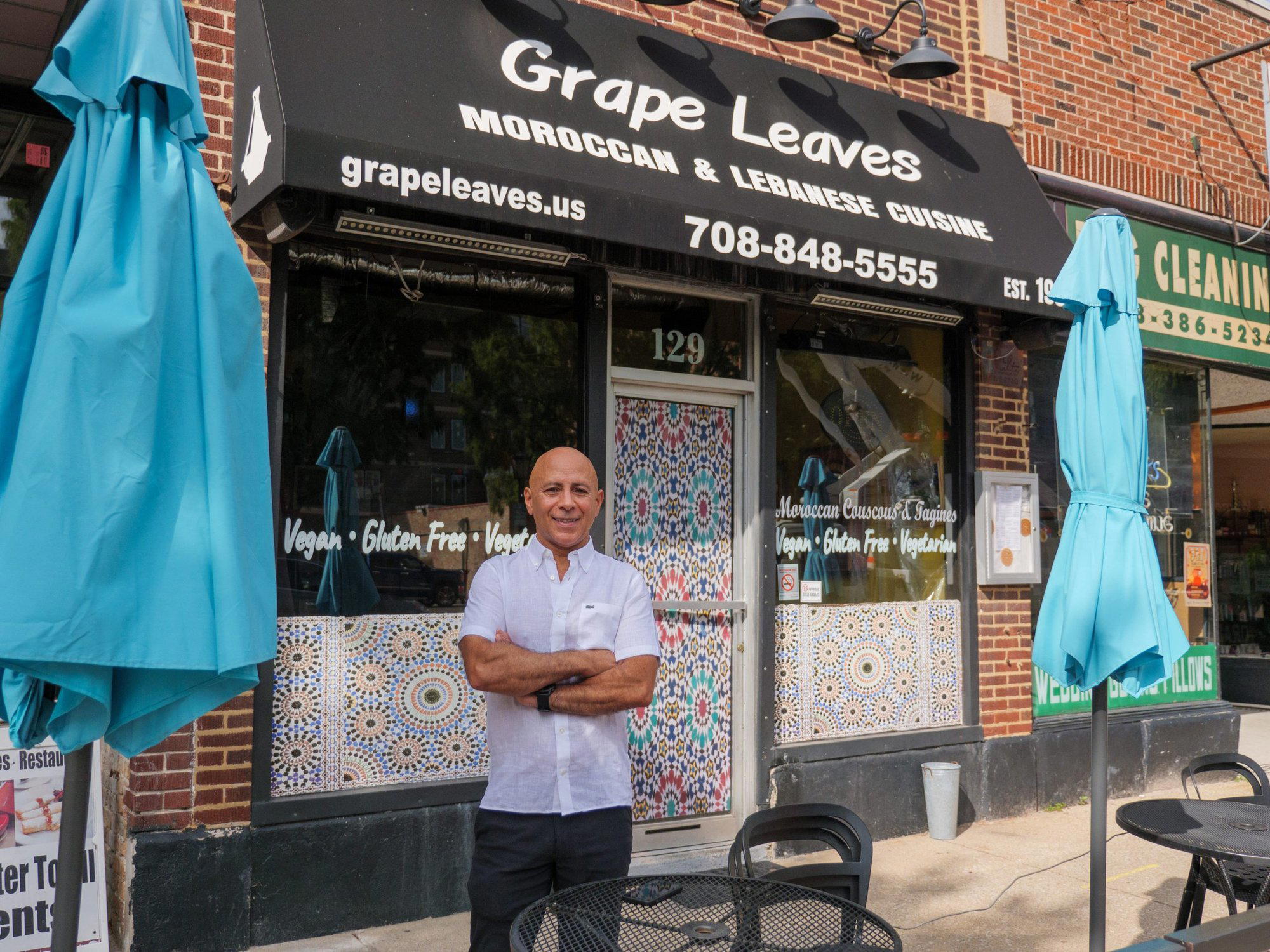
Where Oak Park's Dining Range Opens Up
South Oak Park Avenue runs through a dining corridor that skews heavily European: Italian trattorias, French-inflected bistros, and American kitchens with continental tendencies. Cucina Paradiso, Hemmingway's Bistro, and La Notte Ristorante Italiano each anchor a particular corner of that tradition. Grape Leaves at 129 S Oak Park Ave sits apart from that cluster — not geographically, but categorically. Middle Eastern and Levantine cooking in the western Chicago suburbs is sparse, and this restaurant occupies that gap with a cuisine built around a sourcing logic that the European traditions here rarely foreground in the same way.
The Levantine kitchen is, at its core, an ingredient-first tradition. Dried pulses, fresh herbs, pressed oils, fermented dairy, and slow-cooked proteins define the grammar. What varies by region and by kitchen is the provenance and handling of those ingredients — whether the chickpeas are dried or canned, whether the parsley was cut that morning, whether the lamb comes from a local supplier or a commodity chain. That gap between a serviceable version and a considered one is exactly where the cuisine's reputation lives or dies, and it is the right lens through which to read any Levantine kitchen operating outside its home geography.
The Ingredient Logic Behind Levantine Cooking
Mediterranean and Middle Eastern food travels well in concept and poorly in execution. The dishes are not technically complex in the way that French brigade cooking or Japanese knife work is complex, but they are unforgiving of compromise on raw materials. Hummus made from dried chickpeas soaked overnight differs texturally and in depth from a version built on tinned product. Tabbouleh depends almost entirely on the herb-to-grain ratio and the freshness of the parsley, a detail that separates a dish with presence from one that reads as filler. Grape leaves themselves, the dish for which restaurants of this name are typically known, require cured vine leaves that hold structural integrity through cooking without turning fibrous.
In the Chicago metropolitan area, a handful of Levantine kitchens have built reputations on that sourcing discipline. The western suburbs have seen less of that investment than the city proper, which makes a restaurant positioned in this category at Oak Park worth attention. The question the kitchen answers, consciously or not, is whether it treats these dishes as comfort-food approximations or as preparations that reward the same sourcing attention a serious Italian or French kitchen would give its core ingredients.
Oak Park's Dining Position in the Wider Chicago Orbit
Oak Park sits roughly ten miles west of the Chicago Loop, and its restaurant culture reflects that position: close enough to draw comparisons with city dining, independent enough to have developed its own character. The comparison set for any serious restaurant here is not primarily other Oak Park venues but the wider Chicago scene, where ingredient-driven cooking has become a baseline expectation at mid-to-upper price points. Restaurants like Alinea in Chicago define the city's ceiling, but the more relevant frame for everyday dining is the broad middle tier where sourcing claims are now common and execution is where differentiation actually happens.
Venues like MORA Oak Park and Mother Handsome represent the range of ambition in the Oak Park dining corridor. The national conversation around Mediterranean sourcing, shaped by kitchens like Blue Hill at Stone Barns in Tarrytown and Single Thread Farm in Healdsburg at the high end, has filtered into broader dining expectations. Guests now arrive at even casual Mediterranean tables with a sharper sense of what ingredient quality looks like.
What the Menu Tradition Asks Of the Kitchen
Levantine menus in the American suburban context tend to follow a recognizable structure: cold mezze, hot mezze, grilled proteins, rice and grain sides, with baklava or ma'amoul appearing at the dessert stage. The challenge is not originality, the tradition is well-established, but fidelity and sourcing depth. The leading versions of this format at restaurants across the country, from well-regarded Lebanese kitchens in Dearborn, Michigan to Levantine-influenced tables in New York, share a commitment to olive oil quality, fresh herb ratios, and protein sourcing that lifts the familiar into something worth returning to.
At the level of national fine-dining reference points, kitchens like Le Bernardin in New York City, Providence in Los Angeles, and Atomix in New York City have demonstrated what rigorous sourcing produces in their respective traditions. The principle translates across cuisines: when the ingredient is the point, its origin and handling become the kitchen's primary argument. A Levantine kitchen making that argument in a suburban Illinois corridor is staking a claim that goes beyond mere category coverage.
For full context on where Grape Leaves sits within the western suburb's dining range, see our full Oak Park restaurants guide, which maps the area's options across cuisine type and price tier. Comparable editorial coverage at the national level includes Emeril's in New Orleans, Lazy Bear in San Francisco, The French Laundry in Napa, Addison in San Diego, The Inn at Little Washington, and 8 1/2 Otto e Mezzo Bombana in Hong Kong, restaurants that illustrate how seriously sourcing-led kitchens build their identities around ingredient provenance.
Planning Your Visit
Grape Leaves is located at 129 S Oak Park Ave, Oak Park, IL 60302, within walking distance of the Oak Park CTA Green Line stops and the broader South Oak Park Avenue restaurant cluster. Current hours, booking availability, and pricing are best confirmed directly with the restaurant, as those details were not available at time of publication. The address places it squarely in the most active section of the Oak Park dining corridor, accessible by both transit and car from the western Chicago suburbs.



At a Glance
- Cozy
- Intimate
- Classic
- Casual Hangout
- Date Night
- Group Dining
- Family
- Standalone
- Byob
- Local Sourcing
Current opening hours
- Monday
- 11 AM–8 PM
- Tuesday
- 11 AM–8 PM
- Wednesday
- 11 AM–8 PM
- Thursday
- 11 AM–8 PM
- Friday
- 11 AM–9 PM
- Saturday
- 11 AM–9 PM
- Sunday
- 11 AM–8 PM
Hours can change for holidays and private events. Last verified .
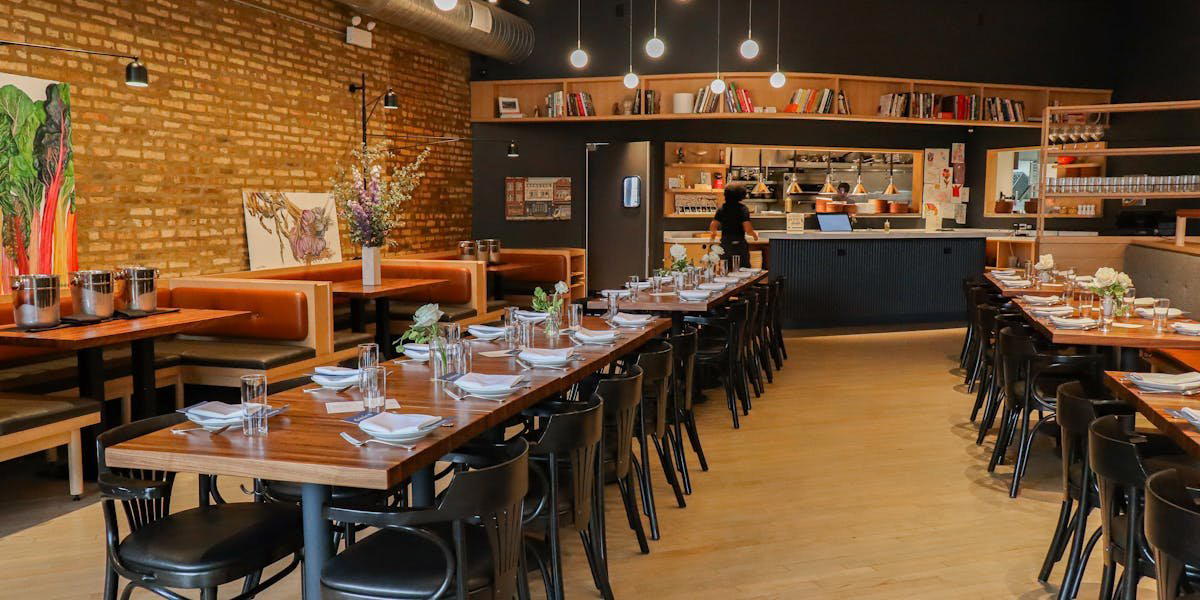
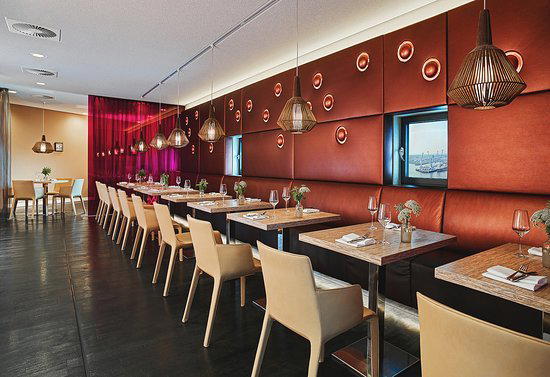
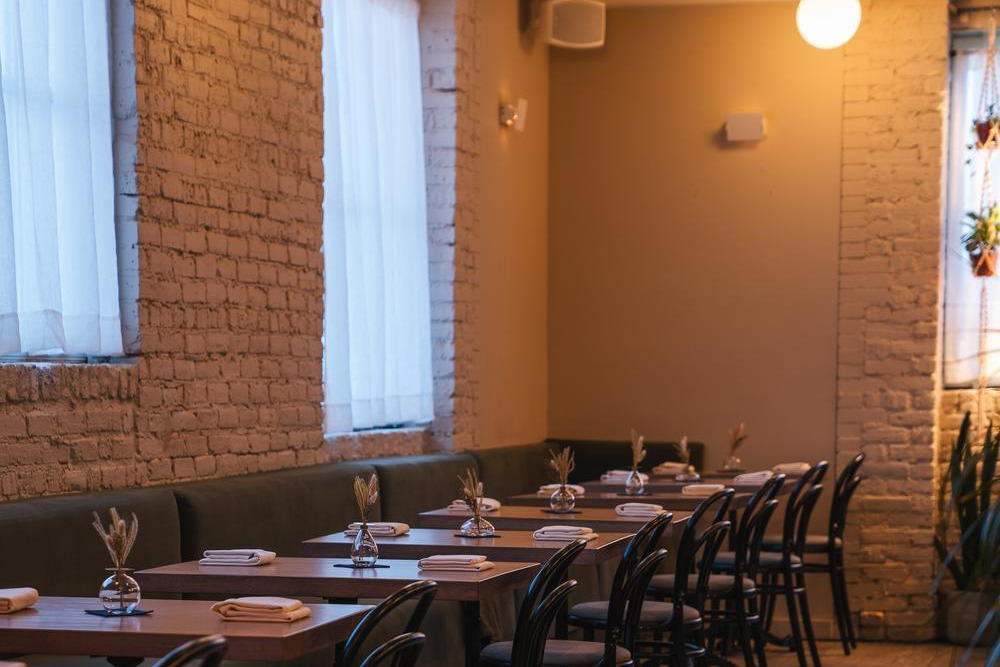
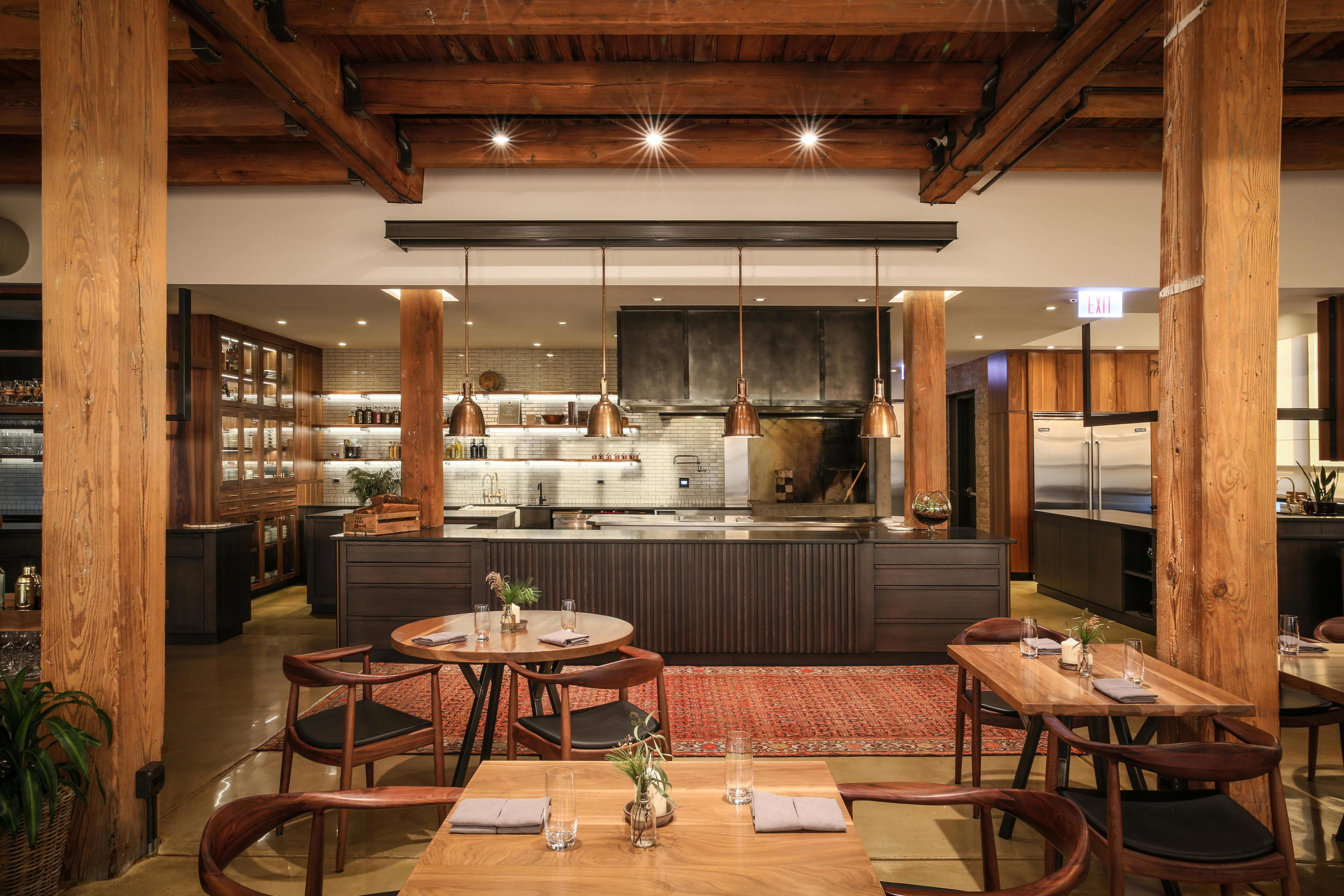
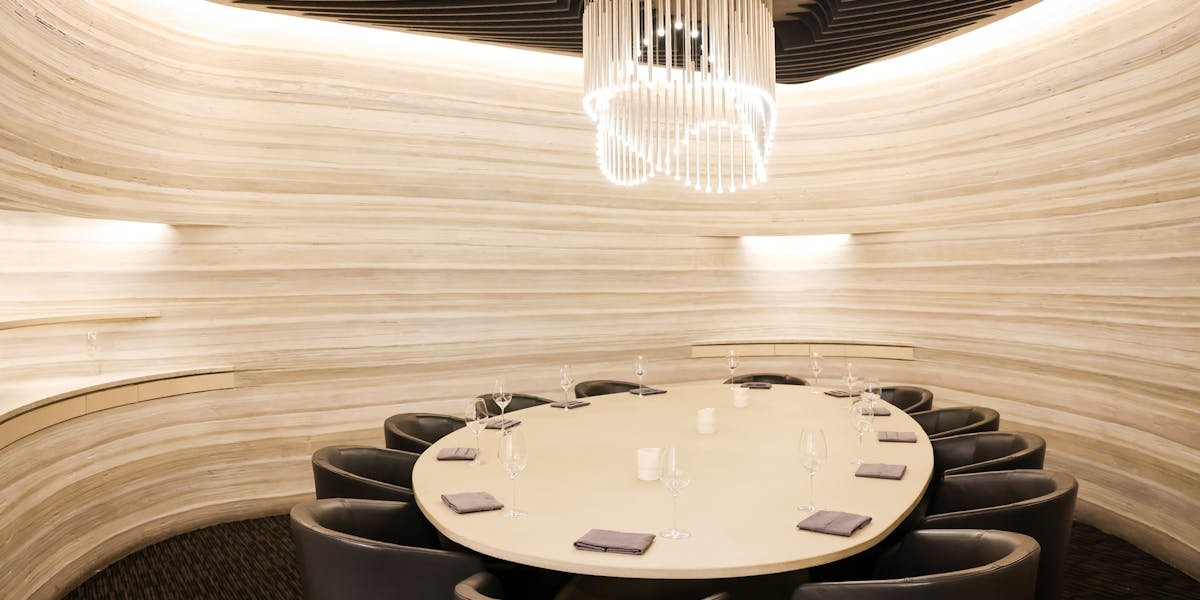
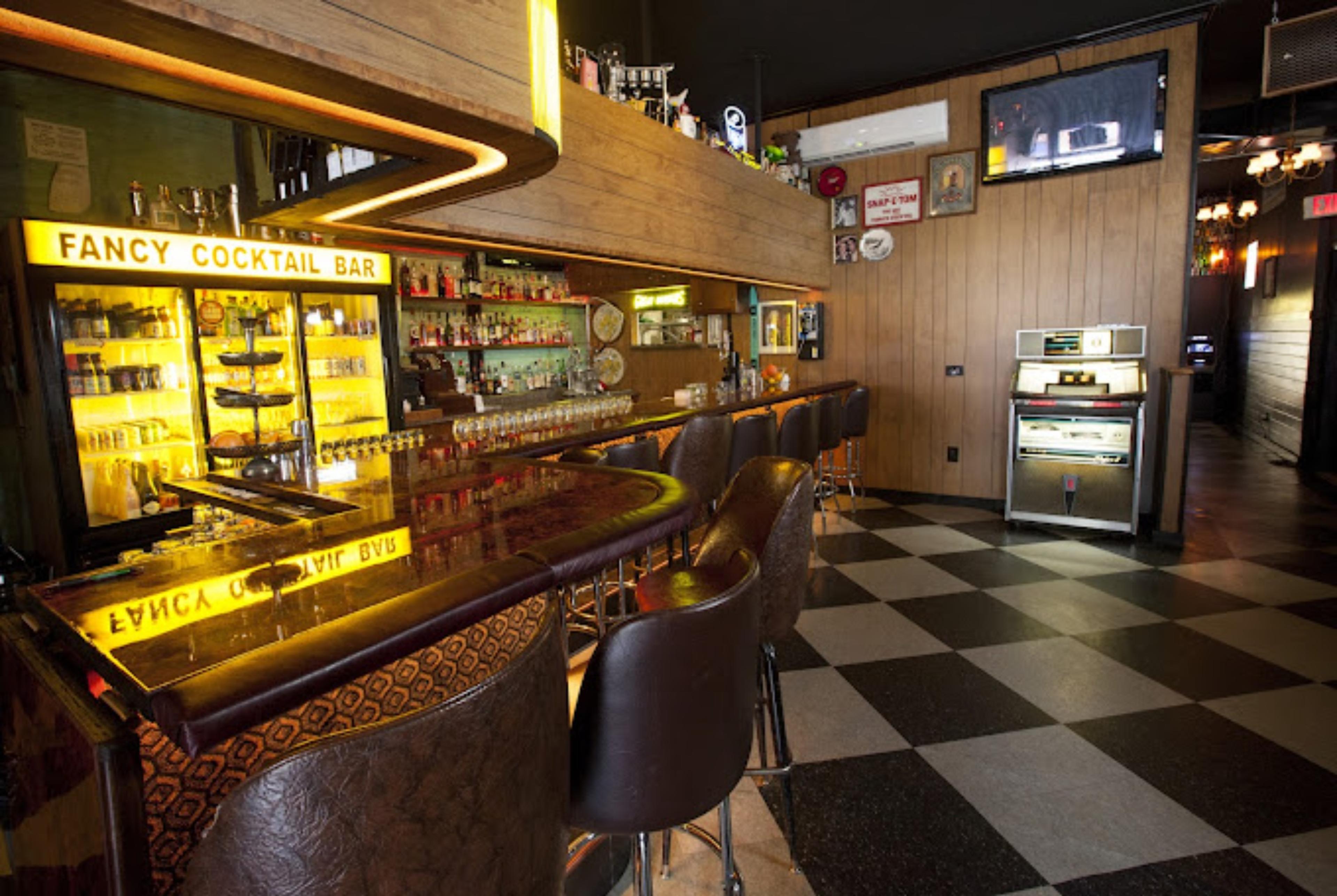
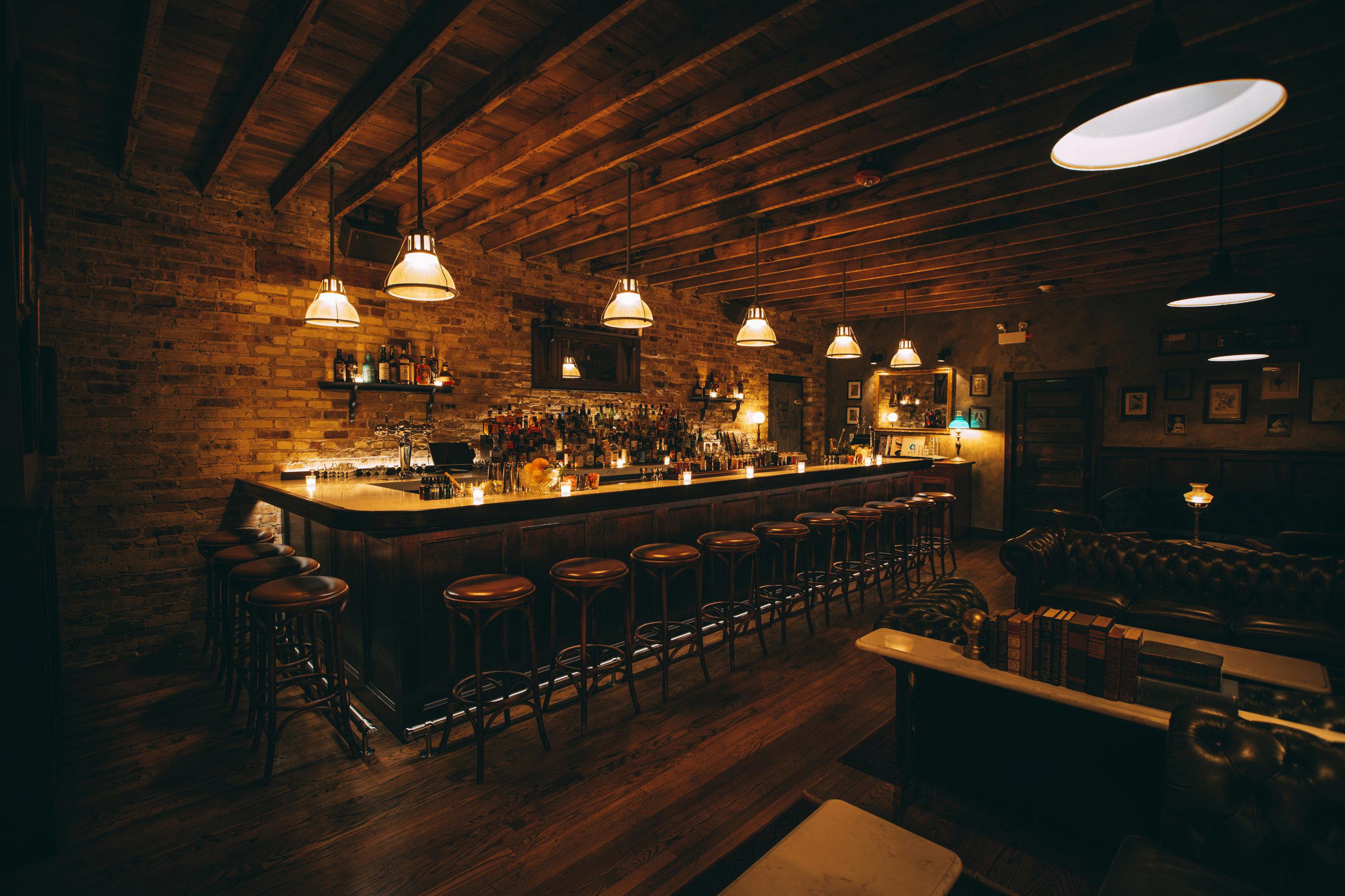
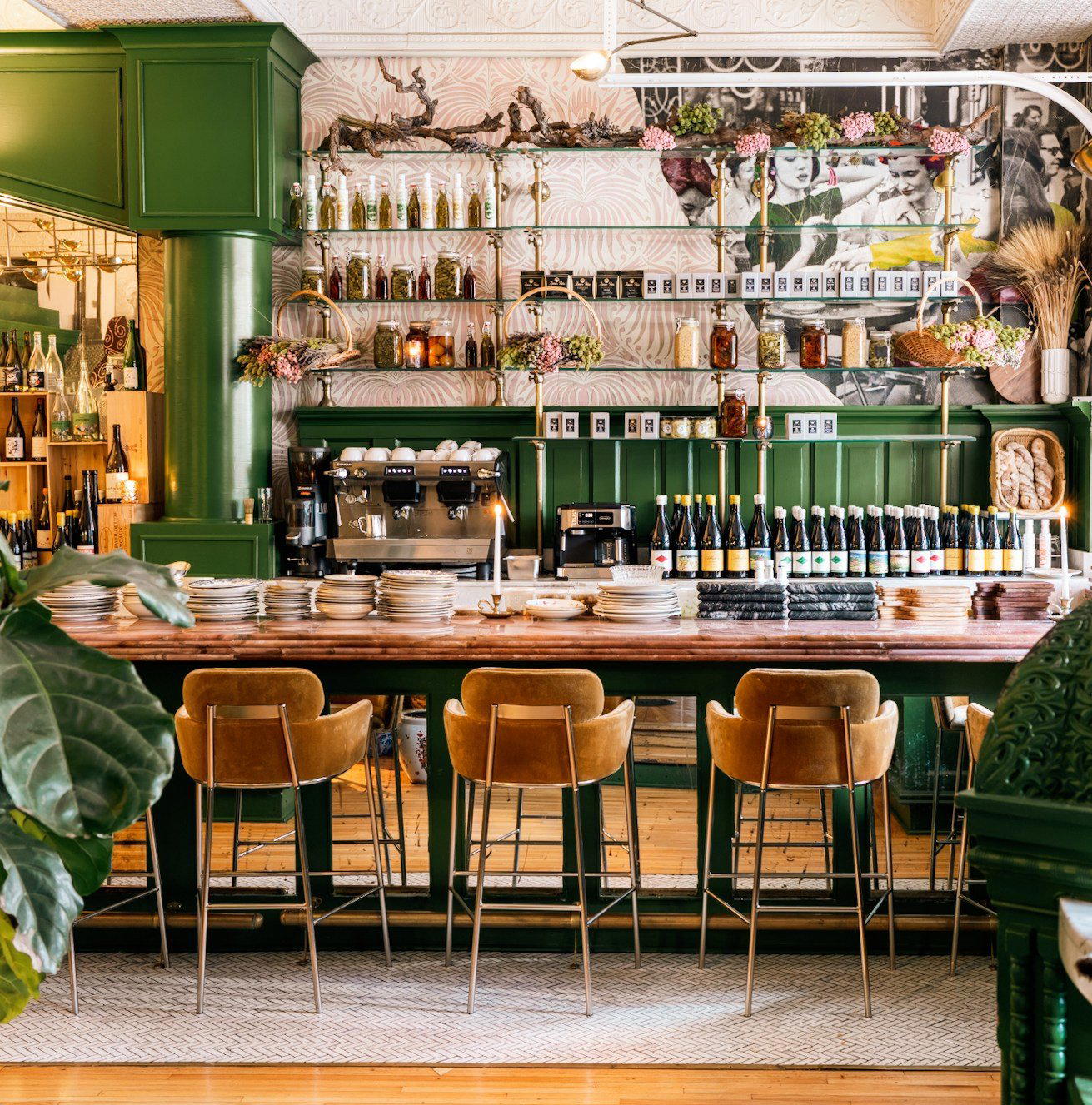
Warm lighting and lively décor with an inviting, intimate atmosphere; small but cozy interior that feels welcoming and unpretentious.
Know Before You Go
- Getting there
- 129 S Oak Park Ave, Oak Park, IL 60302