Our verdict
Granny Po Rice Restaurant sits in Chishang, the East Rift Valley township whose paddy fields have made it one of Taiwan's most referenced sources of premium short-grain rice. The restaurant draws on that agricultural identity directly, serving rice-centred cooking rooted in the Hakka and indigenous traditions that shaped this corridor of Hualien County. For travellers passing through on the South Link Railway or the East Coast scenic route, it represents the clearest local expression of what Chishang's harvest actually tastes like on a plate.

Pearl is the En Primeur Club membership app, where members save venues, book tables and use the concierge.
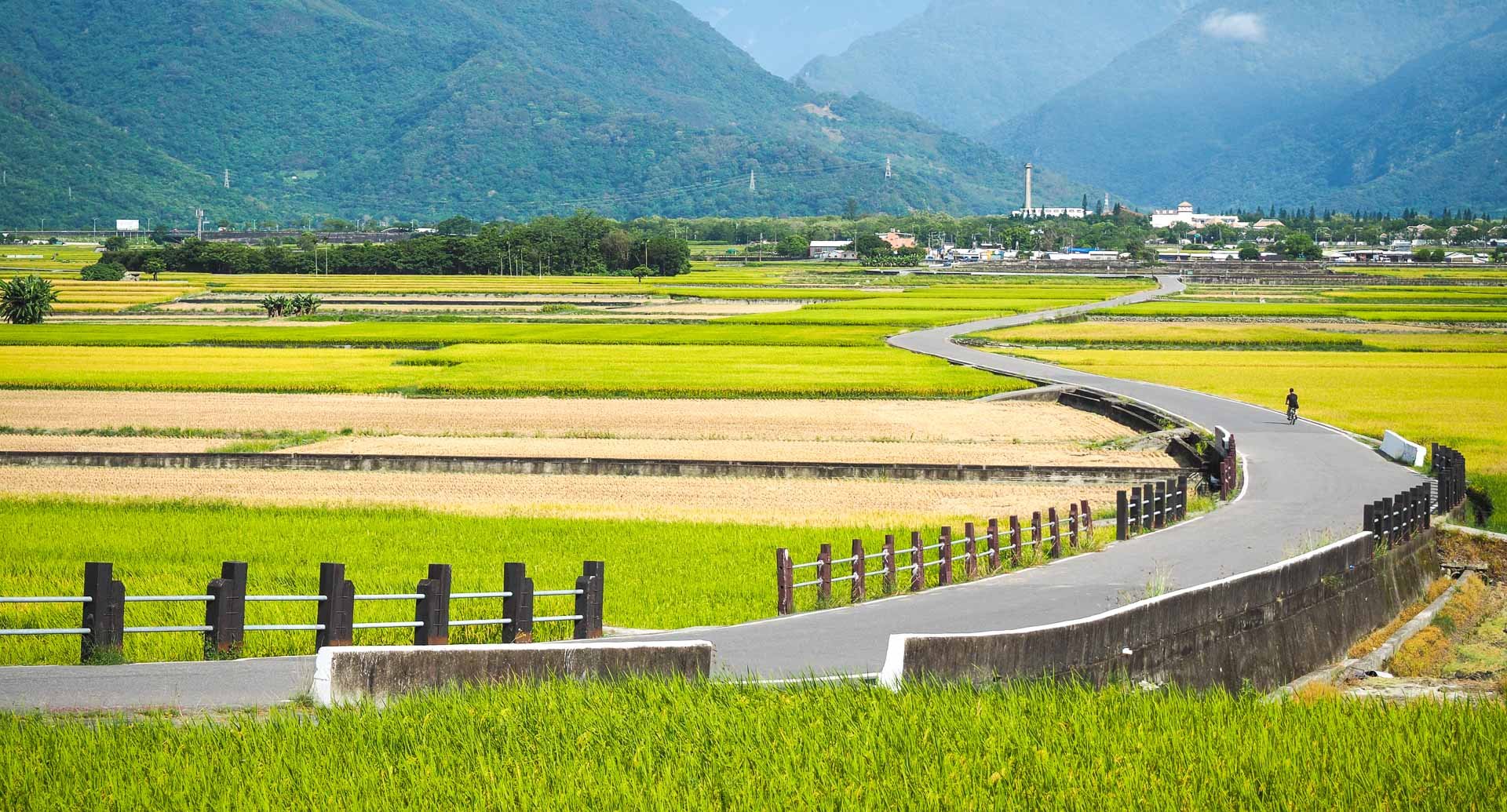
The menu
What to order
- Big Plate Chicken set meal
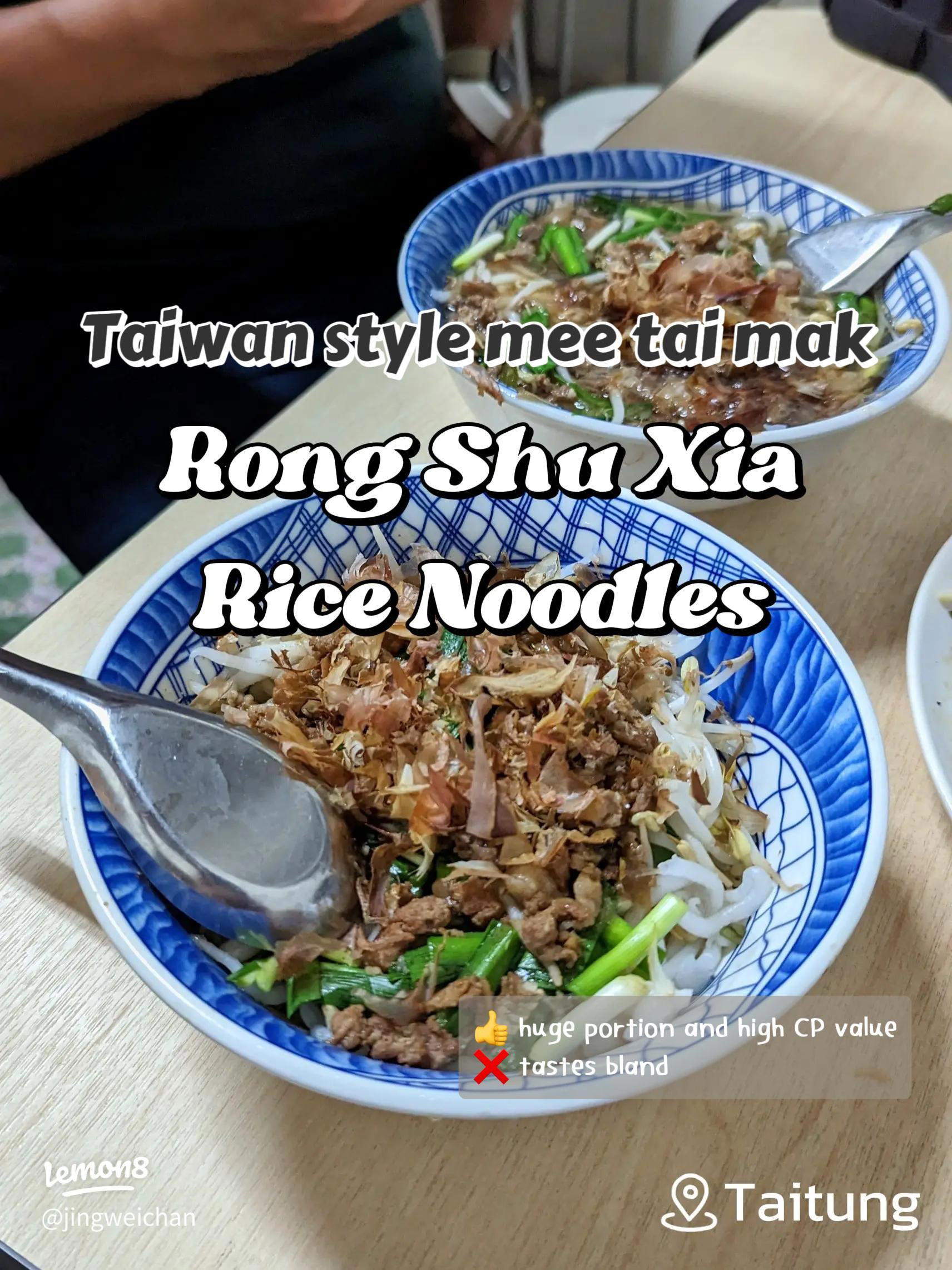
- Rice noodles
- Fried noodles
Rice as a Regional Identity
The East Rift Valley between the Central Mountain Range and the Coastal Mountain Range produces conditions that have made Chishang's short-grain rice a reference point across Taiwan. The combination of pure mountain water irrigation, significant day-to-night temperature variation during the growing season, and volcanic alluvial soil creates a grain with a pronounced sweetness and a texture that holds together without turning gluey. That agricultural specificity is not incidental to a place like Granny Po Rice Restaurant, it is the premise. In a township where the paddies dominate the visual field from every road and trail, restaurants that centre rice are not making a marketing decision; they are reflecting the economic and cultural identity of the place itself.
This is a different relationship with rice than the one found at the high-concept Taiwanese tables in Taipei or Taichung. Where restaurants like logy in Taipei or JL Studio in Taichung treat local ingredients as raw material for contemporary technique, Chishang's rice-centred kitchens treat the grain as the finished point of arrival. The cooking arranges itself around the rice rather than the reverse, which is a quieter but more demanding discipline.
Chishang and the Politics of the Grain
Chishang rice carries a geographical indication certification in Taiwan, meaning the label is protected and the origin is legally verifiable. That certification emerged after years of producers fighting off imitation labelling from other regions, a history that gives local rice culture a defensive pride that shapes how the ingredient is served and discussed. The township's annual Harvest Festival, which draws significant visitor numbers to the paddy fields in October and November, has raised Chishang's profile among Taiwanese urban travellers over the past decade, and restaurants in the area now operate in a context where the ingredient itself is already known to many arriving guests.
Granny Po Rice Restaurant sits inside that context. The name signals a domestic register, grandmotherly, familiar, without pretension, which positions it at the everyday end of Chishang's rice-centred eating rather than the ceremonial or tourist-formatted end. That kind of local-daily positioning is common across Taiwan's smaller agricultural towns, where the leading rice cooking is often found in operations that predate the township's current reputation. For broader context on what's available across the area, our full Chishang restaurants guide maps the range of options across price tiers and formats.
Hakka and Indigenous Cooking in the Rift Valley
The culinary traditions of the East Rift Valley are not homogenous. Chishang and its surroundings are home to Amis indigenous communities alongside Hakka settlers, and both traditions have shaped how rice is cooked and what accompanies it. Hakka cooking in this region tends toward preserved and fermented accompaniments, pickled mustard greens, salted duck egg, dried pork, which cut through the natural sweetness of the short-grain rice and extend what can be eaten without refrigeration across long working days in the fields. Amis preparations, by contrast, often incorporate foraged greens, river fish, and mochi-style preparations that transform the grain into something structurally different from steamed rice.
A restaurant named for a grandmother in this region sits at the intersection of those traditions. The domestic framing suggests cooking that draws on both without academically distinguishing between them, the kind of layered local food memory that exists in family kitchens rather than in research papers. That integration is harder to find in larger cities, where the Hakka tradition and the indigenous tradition are typically served in separate, categorised contexts. Travellers looking for a comparable local-ingredient focus in a different township might consider Ochi Beans Bun, Tofu Skin Soy Milk Shop in Chishang, which applies the same local-material discipline to bean-based preparations.
Where This Fits in Taiwan's Dining Range
Taiwan's dining scene operates across an unusually wide range. At the formal end, Cantonese-heritage restaurants, Michelin-tracked tasting menus, and contemporary Taiwanese tables in Taipei and Kaohsiung draw international food press. Operations like A Xia in Tainan and GEN in Kaohsiung represent what Taiwanese cooking looks like when it reaches for ambition and technical scale. At the other end of the range, township-level restaurants in agricultural areas like Chishang operate with a completely different logic: proximity to source, domestic cooking techniques, and pricing that serves the local community rather than the destination traveller.
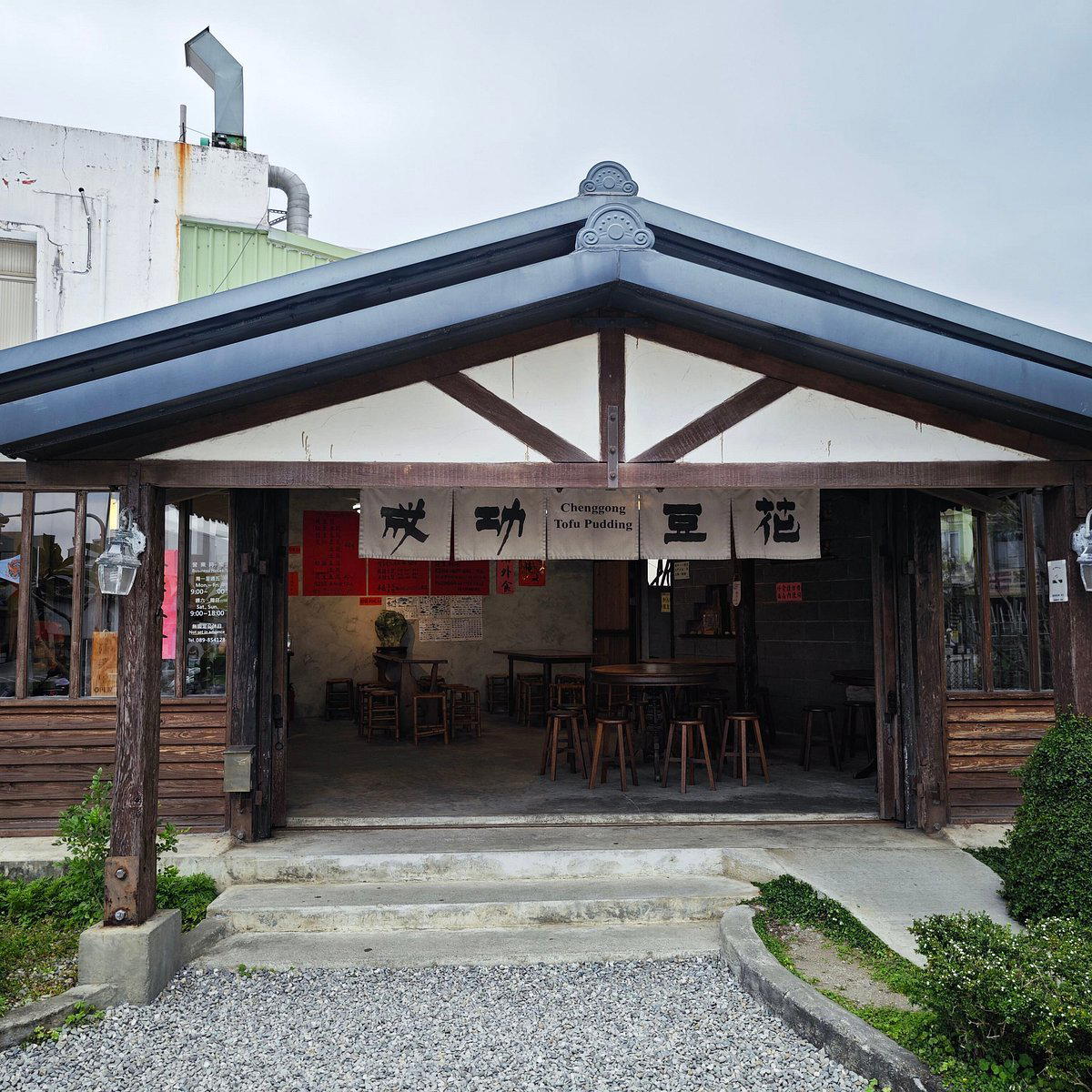
Granny Po sits in that second register. Comparable operations across Taiwan, Chenggong Douhua in Chenggong, Ah Zhen Rou Bao in Lukang, and Golden Formosa Taiwanese Cuisine in Shilin, occupy a space where the cooking is evaluated by how accurately it reflects its source rather than how far it departs from it. That is a different kind of quality claim, but no less meaningful a one. It also sits at a significant price distance from the tasting-menu tier: township rice restaurants in Taiwan typically price in the range that makes them accessible daily rather than occasionally.
For reference, the contrast with the international formal dining tier is substantial. Restaurants like Le Bernardin in New York City or Atomix in New York City represent what maximum investment in sourcing and technique looks like at the other end of the global spectrum. Chishang's rice-centred kitchens are making a completely different argument about what a meal is for.
Planning a Visit
Chishang is most directly reached by rail on the South Link or East Rift Valley lines, with Chishang Station serving as the logical arrival point for travellers coming from Hualien or Taitung. The township is small enough that most eating options are within walking or cycling distance of the station, the local bike-rental infrastructure is well-established and functions as the primary way visitors move between the paddy field viewing areas and the town's commercial strip. Rice-centred restaurants in Chishang tend to align their hours with agricultural rhythms, which in practice means earlier lunch service and limited evening availability; arriving by midday is the practical approach. October through November, during and after the harvest, is the period when the township receives the highest visitor volume, so any popular local operation will be operating at capacity during those months. Shoulder season travel, late spring or early autumn before the harvest crowds, gives more predictable access to the kind of unhurried meal that a place like Granny Po is built for.
Frequently Asked Questions
- Can I bring kids to Granny Po Rice Restaurant? Chishang's rice restaurants operate at price points and in formats that are designed for everyday family eating, so yes, this is a practical choice with children.
- What should I expect atmosphere-wise at Granny Po Rice Restaurant? If you arrive expecting the polish of a Taipei dining room, Chishang will recalibrate your frame quickly. The atmosphere at a township rice restaurant in this part of Taiwan is functional and domestic, shared tables, natural light, the sounds of a working kitchen, which suits the cooking's register exactly. Awards and formal style are not the point here; the agricultural setting and the grain itself carry the weight.
- What's the must-try dish at Granny Po Rice Restaurant? Eat the rice. That is not reductive advice, in Chishang, the quality of the short-grain is the distinguishing fact, and the accompaniments exist to frame it. Chishang's certified harvest-season rice has a sweetness and texture that makes its case without elaboration.
- Do they take walk-ins at Granny Po Rice Restaurant? In a township operating at harvest-season capacity, walking in without a plan is a manageable risk outside October and November; during the festival period, arriving early in the lunch service is the more reliable approach.
- Is Granny Po Rice Restaurant a good base for understanding Chishang's agricultural food culture beyond just a meal? It is a useful starting point, because the rice-centred cooking served in operations like this one reflects the East Rift Valley's certified short-grain production in a direct, unmediated way. Pairing the meal with a walk or cycle through the paddy fields gives the cuisine its full context, the grain you eat is grown in the fields you can see from the road, a proximity that most agricultural food cultures can no longer claim.
Frequently asked questions
Can I bring kids to Granny Po Rice Restaurant?
A rice-focused restaurant in Chishang built around straightforward, unfussy cooking is generally a practical choice for families. The format, centred on bowl and plate service rather than elaborate tasting courses, suits younger diners. No specific children's menu is documented, but the style of food is accessible across age groups.
What should I expect atmosphere-wise at Granny Po Rice Restaurant?
Chishang operates as a small agricultural town in the East Rift Valley, and restaurants here tend toward the utilitarian and unpretentious. Expect a setting oriented around the food itself rather than décor or formality. The draw is the rice and the regional cooking traditions it anchors, not a polished dining room.
Is Granny Po Rice Restaurant a good stop when arriving by train to Chishang?
Chishang Station is the primary arrival point for the East Rift Valley rail corridor, and the town's food scene is closely tied to visitors arriving by train. Granny Po Rice Restaurant is positioned within that context, offering cooking grounded in the valley's geographically certified rice. No address is formally documented, but the town is small enough that the station serves as a practical orientation point for finding local restaurants on foot.
What's the must-try dish at Granny Po Rice Restaurant?
The premise of the restaurant is Chishang's geographically certified short-grain rice, which carries a protected designation of origin under Taiwanese law. Whatever accompanies it, the rice itself is the point: cultivated in the East Rift Valley between two mountain ranges under conditions that distinguish it from rice grown elsewhere in Taiwan.
Do they take walk-ins at Granny Po Rice Restaurant?
No booking policy is documented for Granny Po Rice Restaurant in Chishang. Given the town's popularity as a rail stop on the East Rift Valley line, peak periods around harvest season and public holidays may see higher foot traffic. Arriving early or during off-peak hours is a reasonable precaution.
Budget and Context
Comparable venues nearby, for context on price, style, and recognition.
| Venue | Cuisine | Price | Notes |
|---|---|---|---|
| Granny Po Rice RestaurantThis venue (the venue you are viewing) | Traditional Taiwanese Noodles | $1–10 | Not listed |
| Ochi Beans Bun, Tofu Skin Soy Milk Shop | Taiwanese Soy Milk & Tofu Skin | $1–10 | Chishang, Tofu Skin Soy Milk Specialty |
| Ba Fang Yun Ji Dumpling | Casual Taiwanese Dumpling House | $1–10 | Da’an District, Casual Taiwanese Dumpling House |
| å³çæ串çå± é å±-å°ååº | Taiwanese Hand-Skewered BBQ | Not listed | West Central District, Taiwanese Hand-Skewered BBQ |
| 黃家鱔魚意麵 | Not listed | Not listed | 中西區 (Zhongxi District), Tainan-Style Eel Noodles |
| Longji Beef Noodle Restaurant | Taiwanese Beef Noodles | Not listed | Toucheng Township, Taiwanese Beef Noodles |
Continue exploring
More in Chishang
Restaurants in Chishang
All restaurants in Chishang →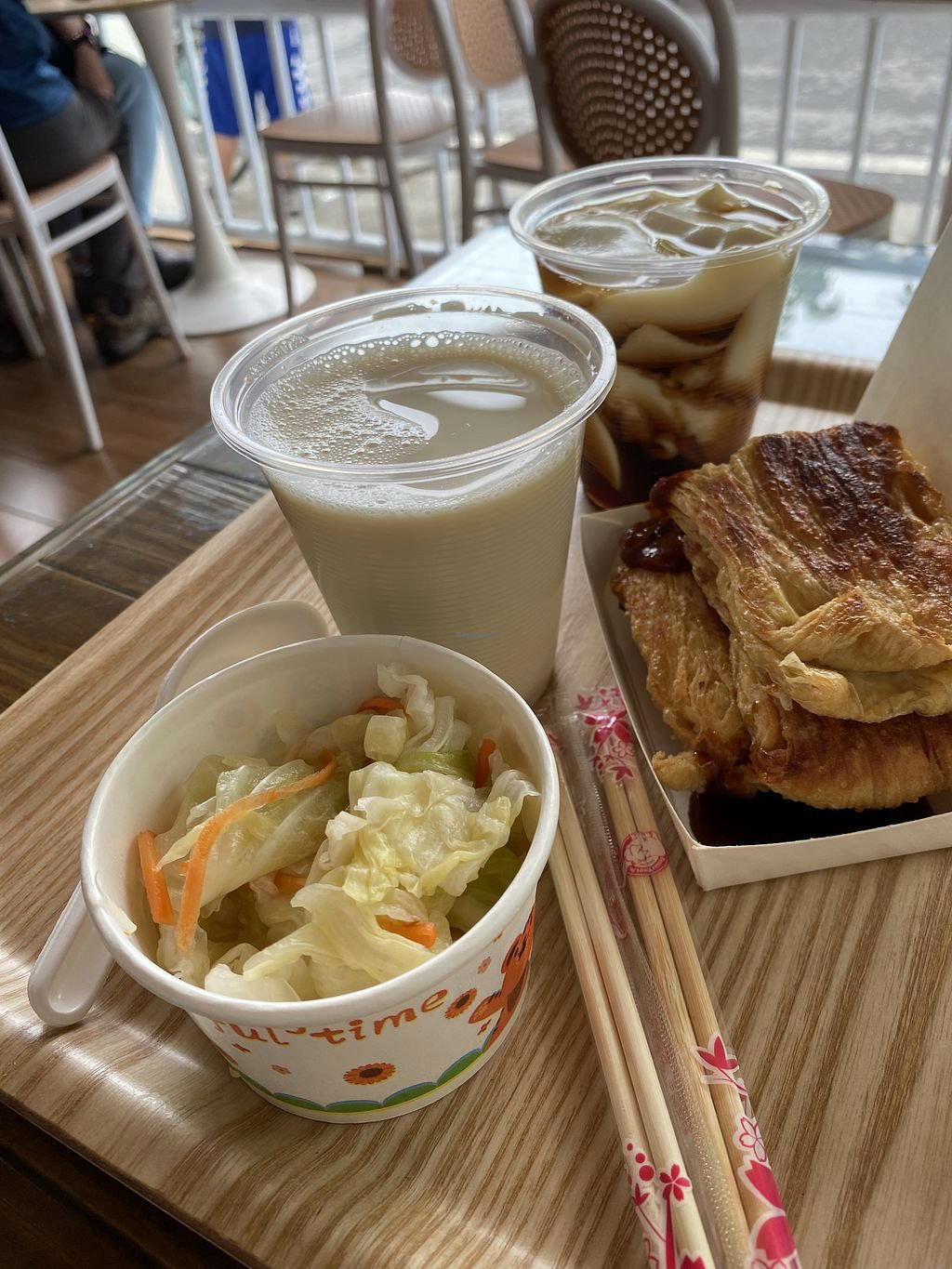
Hotels in Chishang
Browse all →
Details
- Rustic
- Cozy
- Casual Hangout
- Solo
- A La Carte
- Family Style
Small shop with a vintage, nostalgic feel that reflects traditional Taiwanese dining culture.