Our verdict
In Chishang's slow-paced township economy, Ochi Beans Bun, Tofu Skin Soy Milk Shop represents a quietly serious strand of Taiwanese soy craft, the kind of producer-focused food culture that urban dining rarely replicates. The shop works within a tradition where the quality of the soybean determines everything else, placing it firmly in the agricultural identity that defines Chishang as a destination.

Pearl is the En Primeur Club membership app, where members save venues, book tables and use the concierge.
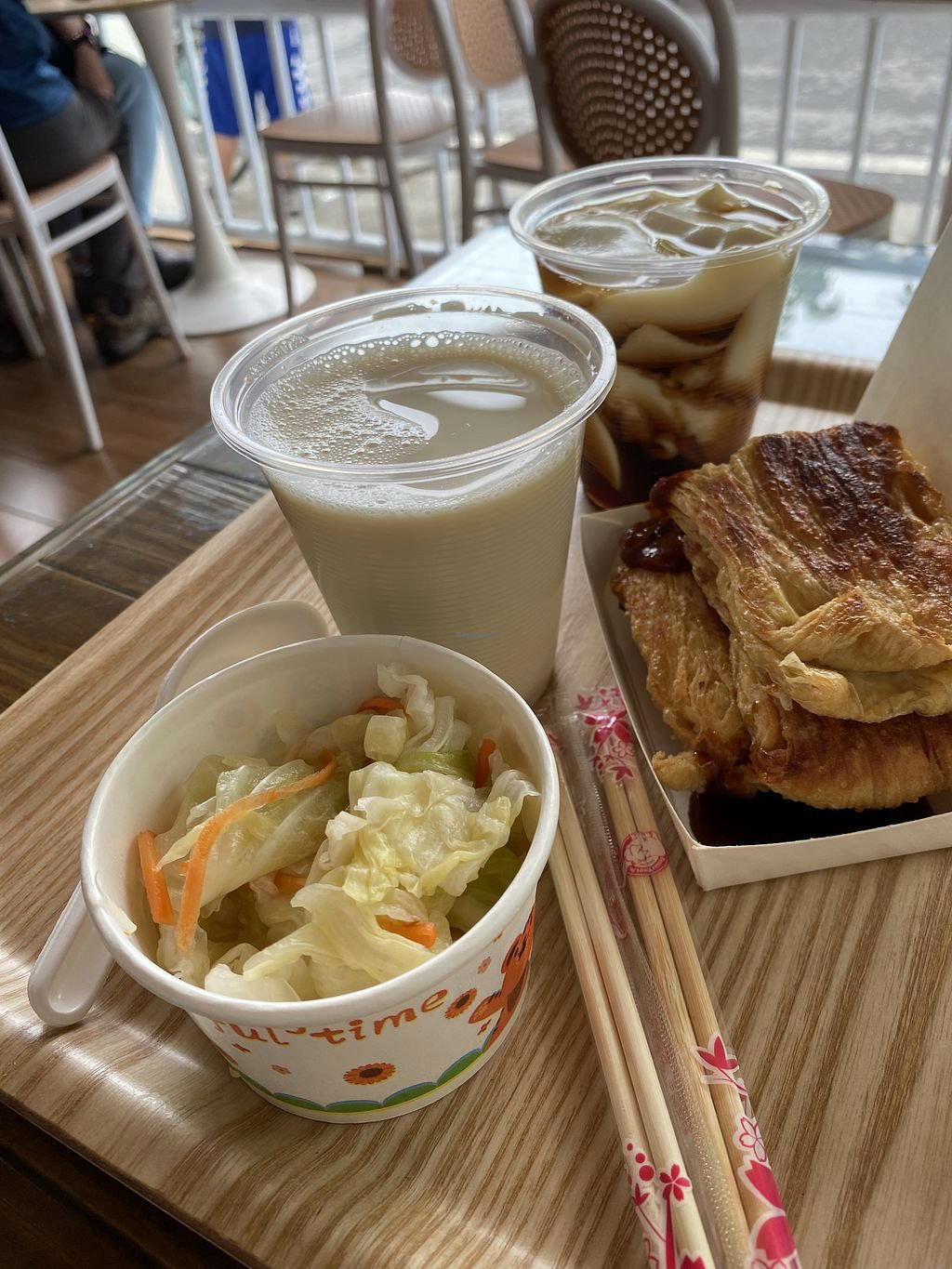
The menu
What to order
- Pan-fried tofu skin
- Hot soy milk
- Fried bean buns
- Tofu pudding
Where the Soybean Is the Story
Chishang is one of those rare townships in Taiwan where the agricultural product is not just a backdrop but the entire point. Known primarily for its single-origin rice, harvested from fields fed by the clean water of the Xiuguluan River watershed, the town has built a food identity around provenance in a way that few rural Taiwanese communities have managed at scale. Within that context, a shop dedicated to bun, tofu skin, and soy milk is not a curiosity. It is a logical extension of a local food culture that has always been attentive to where ingredients come from and what happens to them between field and table.
Ochi Beans Bun, Tofu Skin Soy Milk Shop operates inside this tradition. Soy-based food production in Taiwan has a long craft lineage, most visible in the morning markets that anchor daily life in smaller townships. The format here, fresh tofu skin, warm soy milk, and buns, belongs to the category of Taiwanese breakfast and snack culture that runs parallel to the island's more celebrated rice and noodle traditions, but which demands equal precision at the sourcing level. The soybean variety, its moisture content, and the care taken in soaking and processing determine the flavor profile of everything downstream: whether the soy milk runs thin and watery or carries real body, whether the tofu skin holds structure or collapses, whether the bun has the kind of subtle sweetness that comes from quality legume rather than added sugar.
Chishang's Food Logic and Where This Fits
Visitors who come to Chishang primarily for the Granny Po Rice Restaurant experience, or to cycle through the rice paddies along Provincial Highway 9, sometimes overlook the smaller-format food producers that sustain daily life in the township. This shop sits in that second category: less visible to tourists, more embedded in local rhythms. That positioning is itself an indicator of authenticity. In Taiwan's rural food economy, shops selling fresh soy products operate on short cycles, product made early morning, sold within hours, closed by mid-morning or noon. The perishability of fresh tofu skin and warm soy milk means the operation is tied to daily production discipline rather than extended service windows.
This is a meaningful contrast to the fine-dining soy applications you encounter at Taiwan's urban restaurant tier. At JL Studio in Taichung or logy in Taipei, fermented and processed soy derivatives appear in technically refined contexts, often as supporting flavors within multi-course formats priced in the four-figure range per person. What Chishang shops like this one represent is the upstream version of that same ingredient conversation, the place where the quality of the base material is established before any chef intervention begins. The two tiers are not in competition; they occupy different points on the same supply chain of Taiwanese food culture.
For context on how soy-based craft fits into Taiwan's broader regional food identity, it helps to look across the island's eastern corridor. The Hualien-Taitung region, of which Chishang is a part, has maintained a slower agricultural economy than the western plains, partly due to geography and partly by design. That slower pace has preserved production methods that more industrialized regions abandoned decades ago. Fresh tofu skin made in small batches, soy milk without stabilizers, buns from local grain: these are products that require consistent sourcing relationships and daily attention, not economies of scale.
The Sourcing Logic Behind Soy Craft
In any fresh soy operation, the ingredient sourcing question is more consequential than it might appear. Taiwan's domestic soybean production is relatively small; the island imports a significant share of its soy from North America and South America for industrial processing. But specialty fresh-soy producers, particularly in agricultural townships with existing farmer networks, often work with locally grown or regionally sourced non-GMO beans, which carry different flavor characteristics than commodity imports. The distinction shows in the product: domestic or traceable soy tends to yield soy milk with a more pronounced, slightly grassy sweetness and tofu skin with a firmer, more elastic texture.
The township's relationship with clean water and clean-farming methods has been well documented in the context of its rice production, and those same conditions affect the quality of any agricultural product grown in the area.
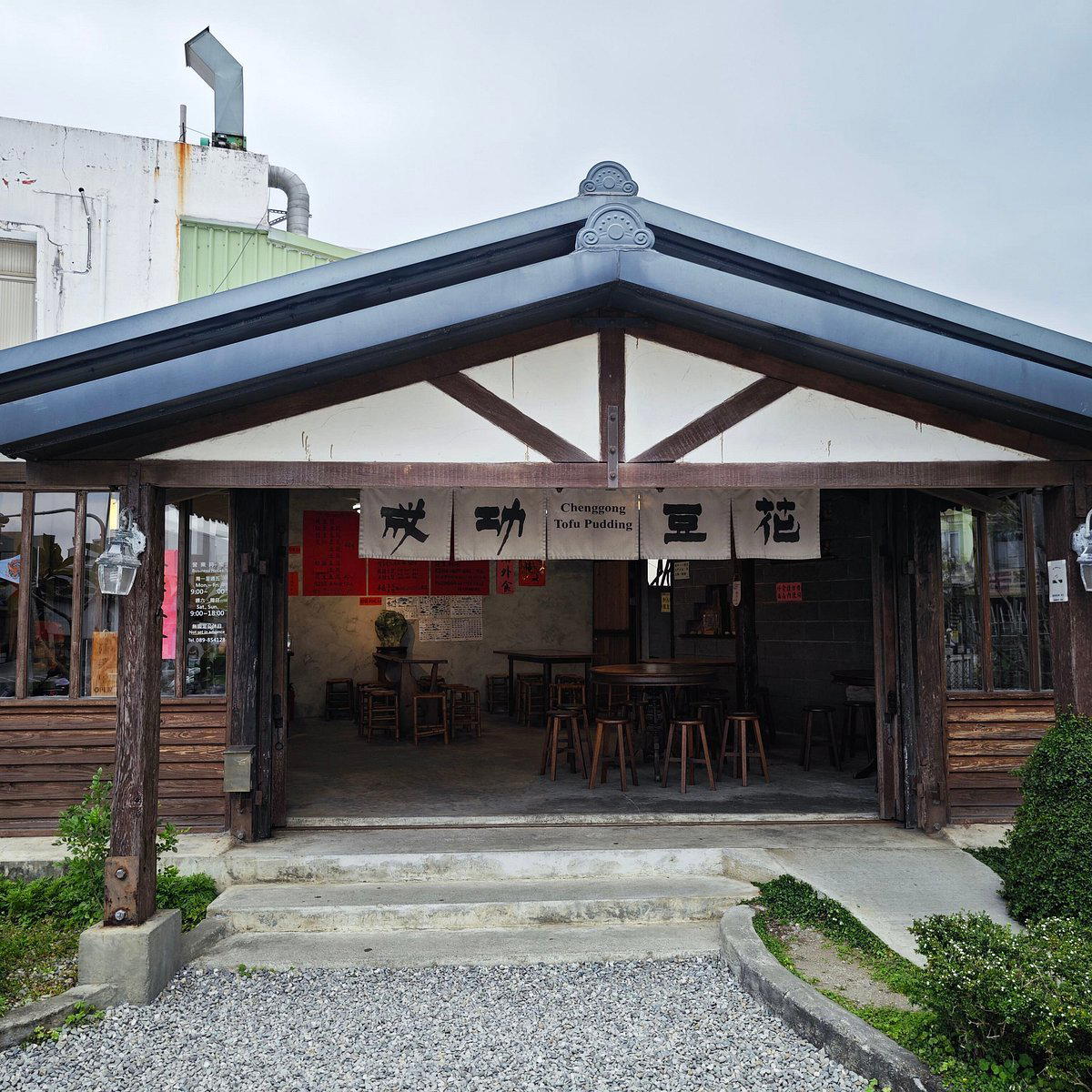
Travelers coming from the west of the island who want to understand the connective tissue between Taiwan's premium restaurant scene and its rural food producers would do well to spend time in the eastern townships. Chishang, Chenggong, and the surrounding corridor offer a version of Taiwanese food culture that operates without the urban performance layer. For a comparison point further south, Chenggong Douhua provides a similar lens into the tofu and soy tradition, this time in the fishing town of Chenggong, where the ingredient story is shaped by slightly different local conditions.
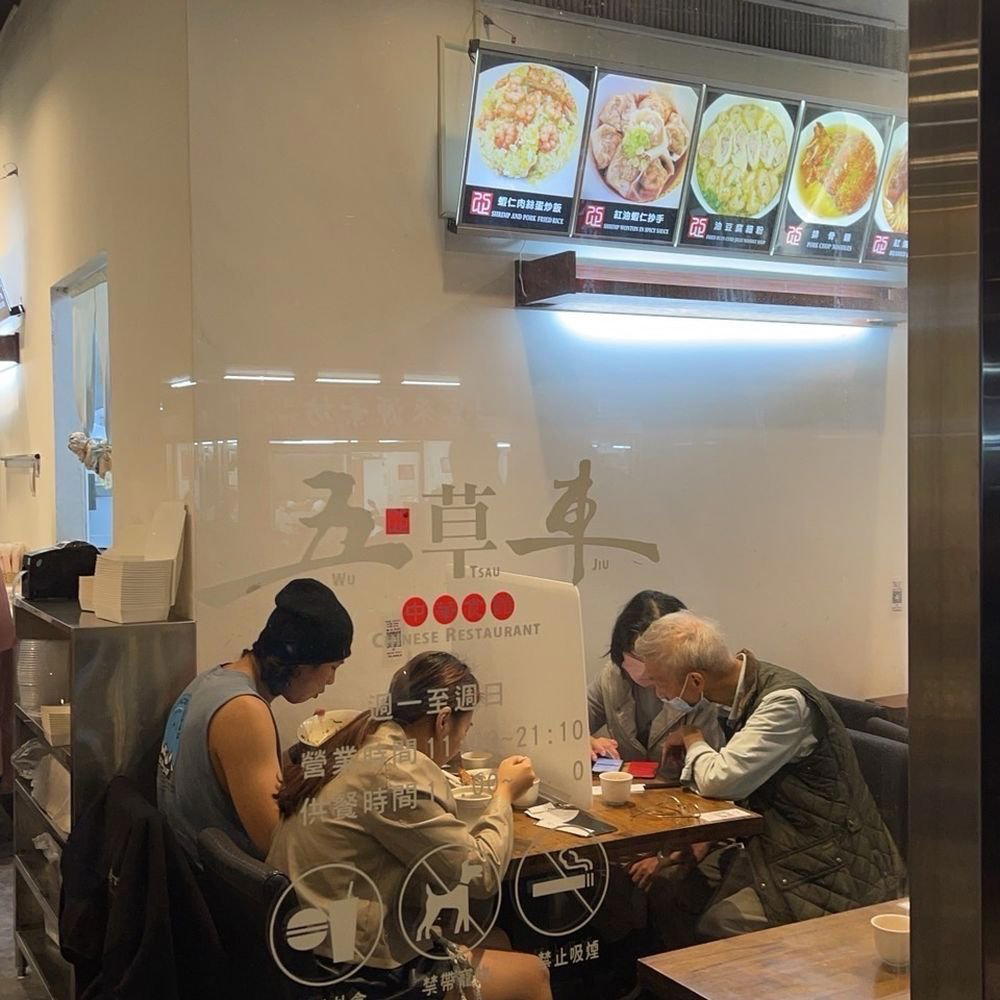
The broader picture of Taiwanese food, from the Michelin-recognized Cantonese cooking at the island's urban high-end tables to the producer-level craft in eastern townships, is one of sustained regional diversity. Shops like this one are the foundation layer of that picture. For a fuller view of Chishang's food options and how they map to the township's character, see our full Chishang restaurants guide.
Planning a Visit
Chishang is accessible by train on the South Link Line from Hualien or Taitung, with the township sitting roughly equidistant between the two cities. Like most fresh soy and tofu producers in Taiwan's rural townships, operations of this type typically run early morning hours and sell out before midday, arriving by 8 or 9am gives the leading chance of finding the full range of products available. No booking infrastructure exists for this category of shop; walk-in is the only mode of arrival, and the implicit queue is a first-come, first-served system that has governed Taiwan's morning market culture for generations.
Frequently asked questions
Is Ochi Beans Bun, Tofu Skin Soy Milk Shop worth a stop if I'm cycling the Chishang rice paddy route?
Chishang's cycling circuit along Provincial Highway 9 and its farm roads is one of the most-used leisure routes in Taitung County, and the township's food stops are a documented part of that experience. A soy milk and tofu skin shop fits naturally into a morning cycling itinerary as a high-protein, low-cost break. The shop's focus on soy-based products made in Chishang places it within the township's broader agricultural identity, making it contextually relevant rather than incidental to the visit.
What should I order at Ochi Beans Bun, Tofu Skin Soy Milk Shop?
The shop's name signals its focus: tofu skin, steamed buns, and soy milk are the three pillars of the menu. In fresh soy operations of this kind, the tofu skin and warm soy milk are typically made to order or in small daily batches, so arriving early gives you the widest selection. These are not supplementary items, they are the entire output of the kitchen.
Do they take walk-ins at Ochi Beans Bun, Tofu Skin Soy Milk Shop?
No booking information is publicly documented for this shop. Small soy-craft producers in Chishang typically operate on a first-come, first-served basis, with supply running out once the day's batch is finished. Coming before mid-morning is the safest approach, particularly on weekends when cycle tourism increases foot traffic through the township.
What's the signature at Ochi Beans Bun, Tofu Skin Soy Milk Shop?
Fresh tofu skin is the defining product: it requires precise temperature control and same-day consumption, which makes it a marker of a shop's technical discipline. In Chishang, where the surrounding agricultural land anchors the township's food identity, a soy operation built around tofu skin rather than processed soy products signals a deliberate craft orientation.
Do they accommodate allergies at Ochi Beans Bun, Tofu Skin Soy Milk Shop?
No allergy or dietary accommodation policy is publicly documented. The core menu is soy-forward by design, meaning soy is not an optional ingredient but the primary one across all items. Visitors with soy allergies should note this before visiting; those with other dietary concerns should plan to enquire directly at the counter.
How It Stacks Up
| Venue | Cuisine | Price | Awards | Notes |
|---|---|---|---|---|
| Ochi Beans Bun, Tofu Skin Soy Milk ShopThis venue (the venue you are viewing) | Taiwanese Soy Milk & Tofu Skin | $1–10 | Not listed | Not listed |
| JL Studio | Modern Singaporean Cuisine | $100–150 | 3 Michelin Stars · World's 50 Best #50 | Modern Singaporean, Singaporean |
| logy | Modern Japanese-Taiwanese Fusion Omakase | $100–150 | 2 Michelin Stars · World's 50 Best #22 | Modern European, Asian Contemporary |
| Le Palais | Fine Dining Cantonese | $150–200 | 3 Michelin Stars · La Liste Top Restaurants | Cantonese |
| Taïrroir | Taiwanese-French Fusion Fine Dining | $150–200 | 3 Michelin Stars · La Liste Top Restaurants | Taiwanese/French, Taiwanese contemporary |
| Mudan Tempura | Michelin-Starred Tempura | Not listed | 2 Michelin Stars · La Liste Top Restaurants | Tempura |
Continue exploring
More in Chishang
Restaurants in Chishang
All restaurants in Chishang →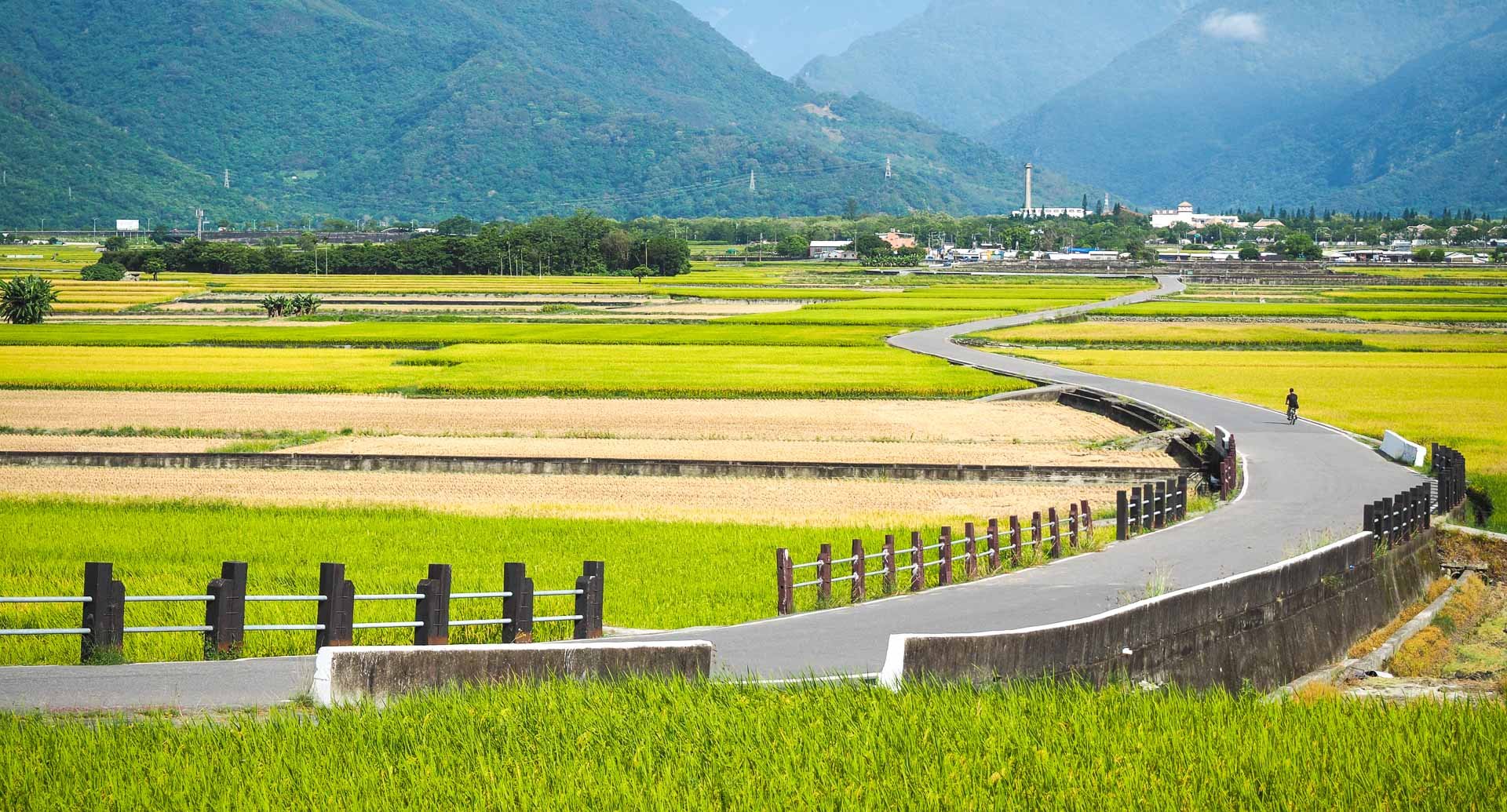
Hotels in Chishang
Browse all →
Details
- Quiet
- Rustic
- Classic
- Solo
- Casual Hangout
- Standalone
- Counter Dining
- A La Carte
- Soy Milk
- Vegan Options
- Vegetarian Friendly
Quiet, casual, and producer-focused, with a simple township atmosphere centered on traditional soybean preparation rather than polished dining.