Grand Café
Grand Café sits on the Route d'Arlon corridor in Strassen, positioned within the broader Bertrange dining belt that has developed into one of Luxembourg's more active mid-market restaurant zones. The café format places it in a tier defined by accessibility and consistent rhythm rather than occasion dining, making it a reference point for the area's everyday hospitality register.
Pearl is the En Primeur Club membership app — saves, bookings, and concierge access live there. Same editors, same standards.
- Address
- Rte d'Arlon, Strassen, Luxembourg
- Phone
- +352285670
- Website
- grand-cafe.lu
- Directions
- Get directions
 Saves & bookings on Pearl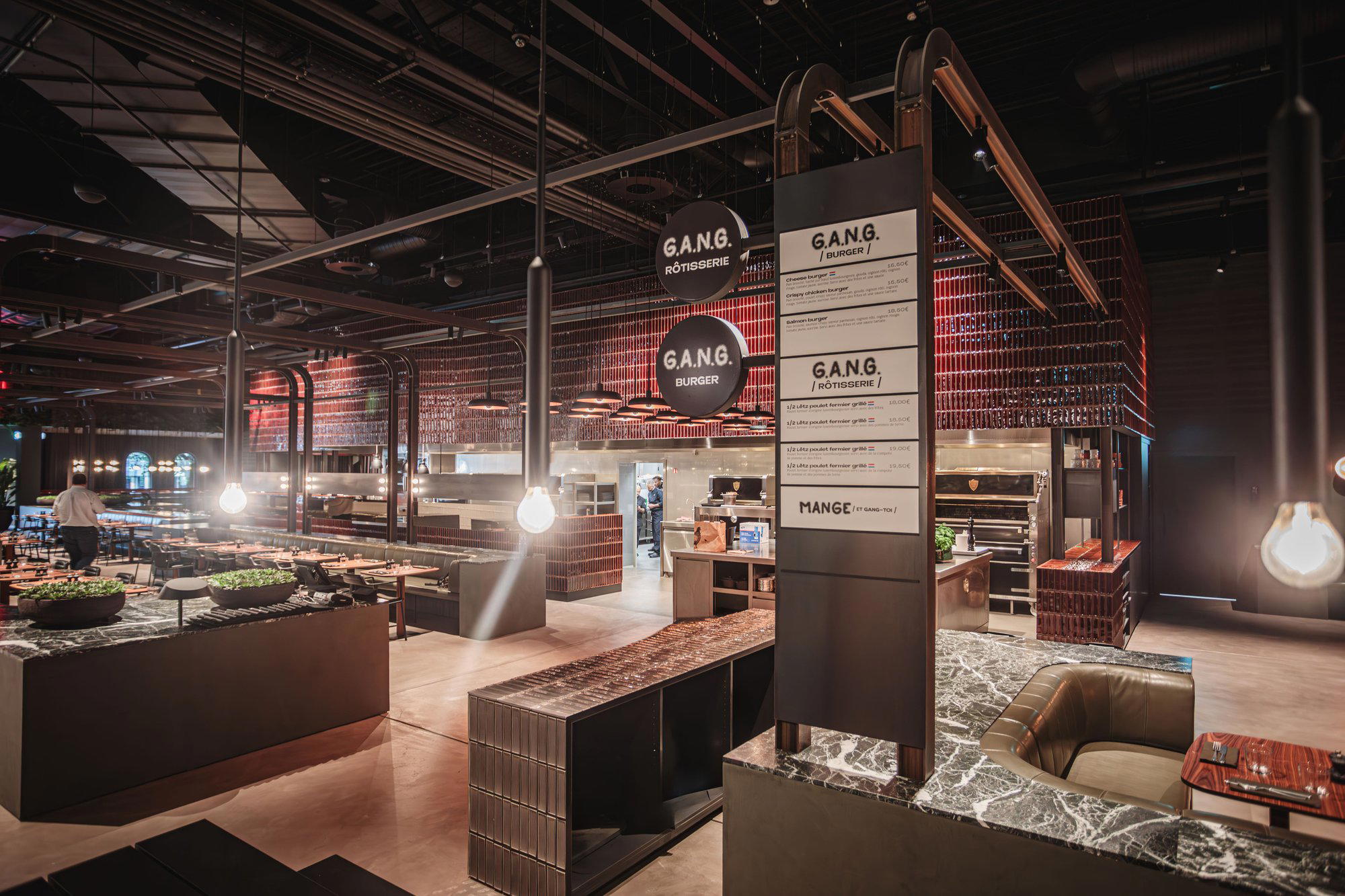
The Route d'Arlon Rhythm: How Grand Cafés Define a Dining Zone
There is a particular tempo to eating along the Route d'Arlon corridor that runs through Strassen and into the Bertrange municipality. The road is not a destination in the way that Luxembourg City's Grund or Clausen quarters are destinations, it functions instead as a working artery, lined with addresses that serve the rhythms of business lunches, neighbourhood regulars, and the kind of mid-week meals that do not require advance planning. Grand Café is a restaurant in Strassen, Luxembourg, serving French Brasserie & Grill fare at about $30 per person. It sits inside that register. The café format, with its broad seating and accessible pacing, belongs to a well-established European tradition: the brasserie-adjacent space that absorbs the full range of the day, from espresso through to a late plate, without demanding formal commitment from the guest.
That tradition matters as context. In Luxembourg, where dining culture sits at the intersection of French rigour, German practicality, and a genuinely international resident population, the café-brasserie format has proved more durable than in many comparable European capitals. The grand café model, high ceilings or generous room proportions implied by the name, a menu range that spans drinks, snacks, and full plates, operates as a social infrastructure as much as a culinary one. It is where the ritual of the meal is less scripted than in a tasting-menu room, but no less real.
The Dining Ritual at This Scale
At the café end of the dining spectrum, ritual is defined not by courses or ceremony but by pacing and permission. The permission to linger over a glass before ordering, to take coffee mid-meal rather than at the end, to arrive without a reservation and be absorbed into the room without disruption, these are the customs that the grand café format is built to accommodate. This contrasts sharply with the tighter choreography of Luxembourg's more formal addresses. For context, venues like Léa Linster in Luxembourg operate in a structurally different register, where the meal follows a predetermined arc and the diner's role is largely receptive. The grand café inverts that dynamic: the guest sets the pace.
That inversion is not a lesser form of dining. It reflects a different set of competencies in the kitchen and front-of-house, where the ability to handle simultaneous demands across a wide menu range, at varying points in service, requires a different kind of operational discipline than the tightly sequenced tasting format. Bertrange's dining belt has developed a cluster of addresses that each occupy a distinct position along this formality axis. Specto and B13 represent different points on that range, as do Namur and PODENCO Bodega, each with a distinct format logic. Grand Café occupies the accessible end: lower threshold, broader appeal, and a dining ritual shaped by the guest rather than the house.
Bertrange and Its Dining Belt: Regional Position
The Bertrange-Strassen zone has absorbed a volume of restaurant openings in recent years that exceeds what its residential density alone would predict. The explanation lies in proximity: the area sits between Luxembourg City's centre and the western suburbs, making it convenient for office workers, airport-adjacent travellers, and residents of the broader western canton. Beefbar Smets in Strassen represents one end of the local market, a branded international concept with a specific protein focus, while addresses in the café and brasserie tier serve a different function entirely.
Luxembourg's wider dining geography rewards some mapping for visitors. To the south, Les Roses in Mondorf Les Bains and Domaine La Forêt in Remich operate in the Moselle wine-country register, where the meal is often anchored around local viticulture. To the west and north, Kore in Steinfort and Beim Bertchen in Wahlhausen represent the rural-Luxembourg dining tradition, where sourcing proximity and regional character define the offer. The Route d'Arlon corridor, by contrast, is an urban-adjacent zone with a more plural character, absorbing influences from the city without being fully defined by them.
Further afield, addresses like Côté cour in Bourglinster and Le Bistrot Gourmand in Remerschen show how Luxembourg's mid-market bistro and café sector has spread across the country's compact geography. International comparators, Le Bernardin in New York City or Atomix in New York City, operate in an entirely different formal and economic tier, useful only as a reminder of how wide the spectrum of restaurant formats runs, and how each end of that spectrum serves a distinct social purpose.
What the Café Format Asks of the Visitor
The practical calculus for a visit to a grand café differs from that of a booked restaurant. The restaurant is recommended for reservations and is open Monday through Saturday, with Sunday closed. The genre traditionally absorbs walk-in traffic, meaning timing flexibility is a reasonable assumption, though peak lunch hours on working days along a busy road corridor will always compress availability. Venues in this format across Luxembourg and the broader Benelux region tend to anchor their strongest trade in the midday window, with evening service varying by the specific address and local custom.
For visitors building a wider Luxembourg itinerary, the Route d'Arlon strip is accessible by car from the city centre in under fifteen minutes, and the western suburbs are connected to the broader public transport network that serves the Luxembourg metropolitan area. Addresses in this zone are generally more parking-accessible than those in the city's historic core, which is a practical consideration for those arriving from further west. The our full Bertrange restaurants guide maps the full range of options in the municipality and provides a comparative reference for planning a visit. Adjacent options worth considering include Laotse in Moutfort, Der Napf in Wilwerdange, and Bo Zai Fan in Letzebuerg for a broader read on Luxembourg's mid-market dining range.
Where It Fits
Comparable venues nearby, for context on price, style, and recognition.
| Venue | Cuisine | Price | Notes |
|---|---|---|---|
| Grand CaféThis venue — the venue you are viewing | French Brasserie & Grill | $$ | Not listed |
| Namur | French Pâtisserie and Café | $$ | Bertrange |
| Specto | Modern Fusion Small Plates | $$ | Bertrange |
| PODENCO Bodega | Authentic Spanish Tapas & Mediterranean | $$$$ | Bertrange |
| B13 | Modern Brasserie with Barbecue | $$ | Bertrange |
| Ca(fé)sino SA | French Brasserie Chic | $$ | Ville Haute |
Continue exploring
More in Bertrange
Restaurants in Bertrange
Browse all →
Bars in Bertrange
Browse all →
At a Glance
- Classic
- Lively
- Casual Hangout
- Open Kitchen
- Extensive Wine List
Current opening hours
- Monday
- 8 AM–10 PM
- Tuesday
- 8 AM–10 PM
- Wednesday
- 8 AM–10 PM
- Thursday
- 8 AM–10 PM
- Friday
- 8 AM–10:30 PM
- Saturday
- 8 AM–10:30 PM
- Sunday
- Closed
Hours can change for holidays and private events. Last verified .
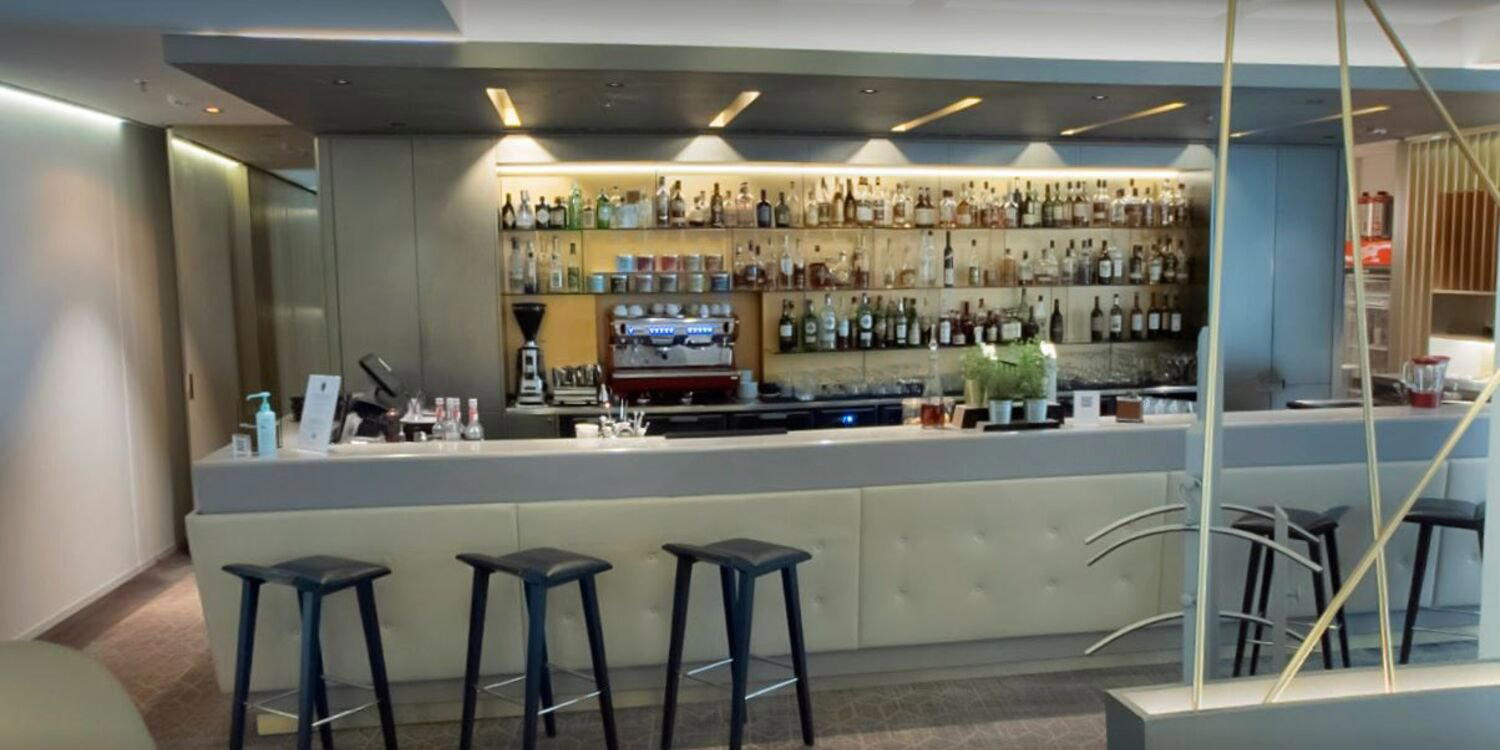
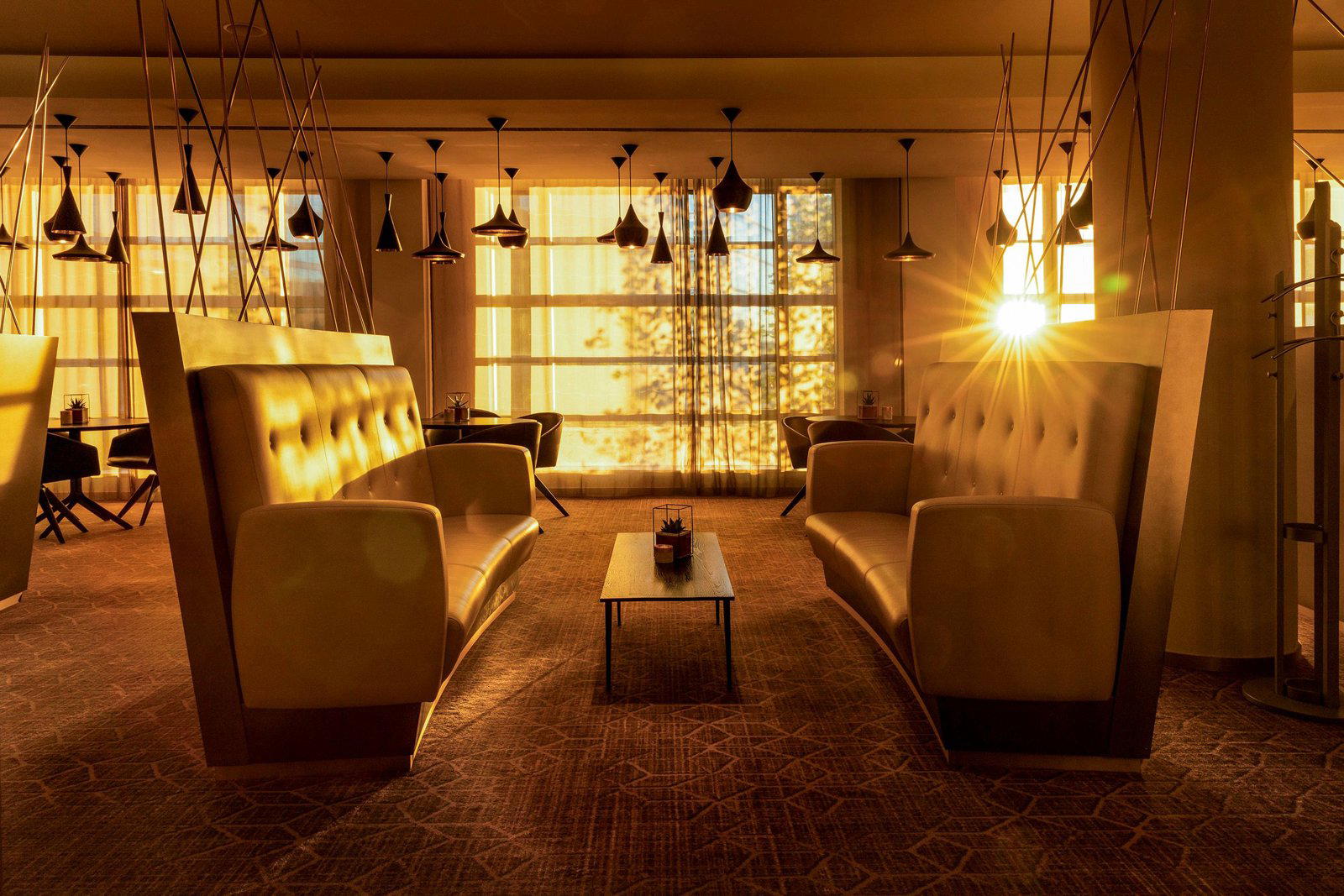
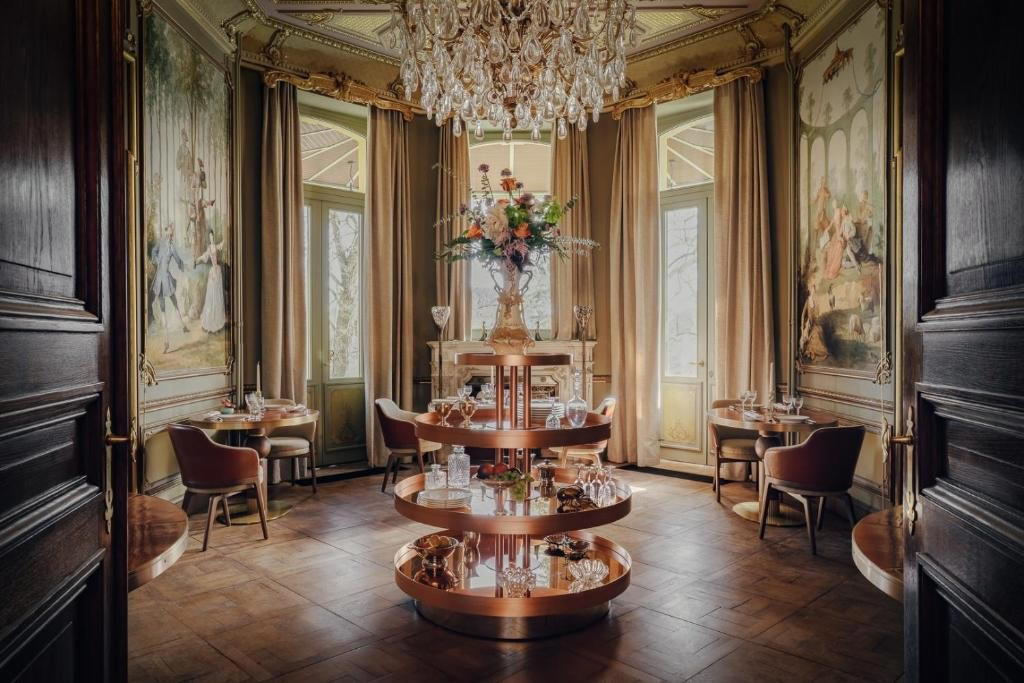
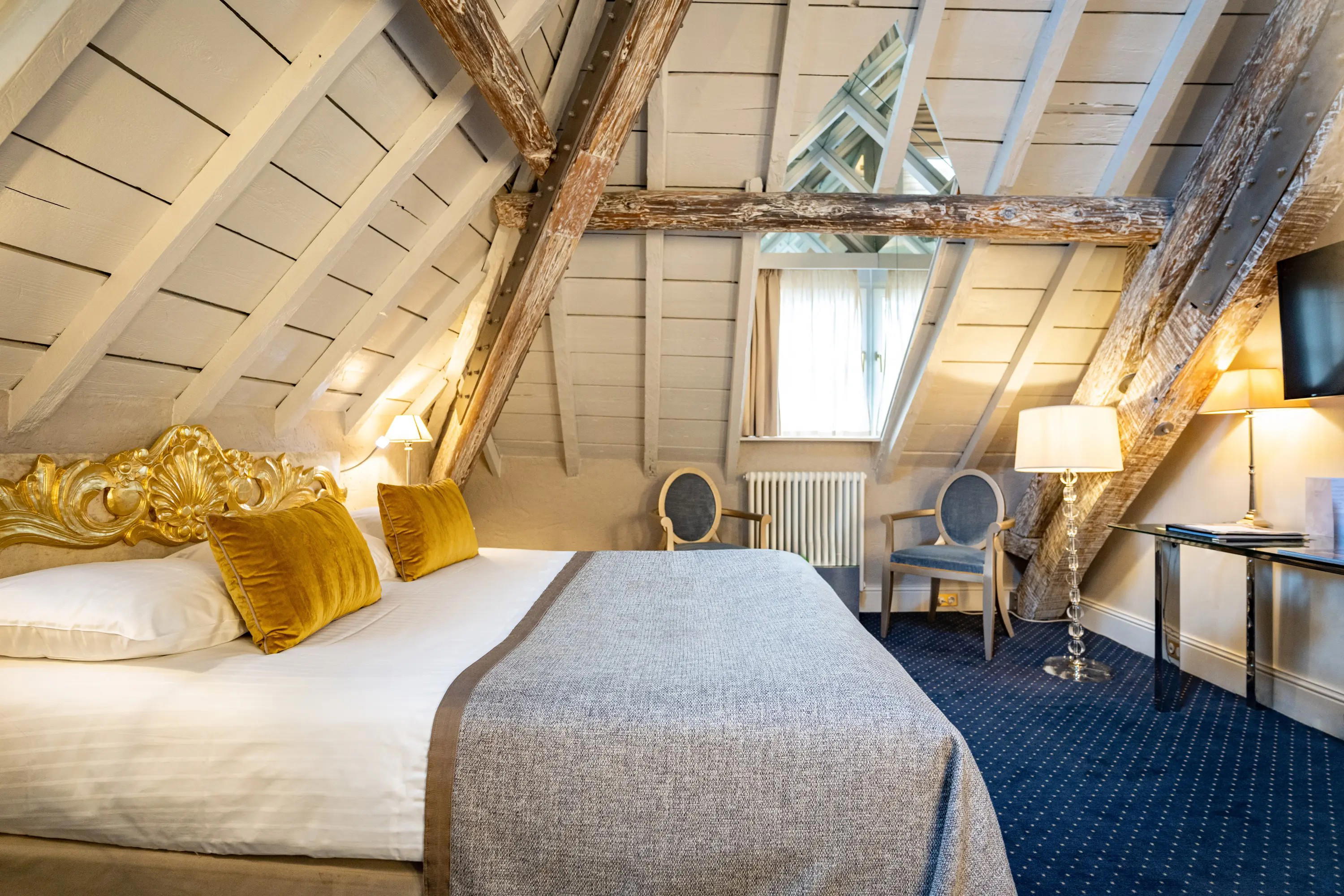
French brasserie style with modern yet atmospheric decoration, featuring smooth and friendly service.