Gran Sol

Gran Sol sits on Hondarribia's San Pedro street, drawing its name and its menu from the North Atlantic fishing grounds that have defined this Basque port town for centuries. Pintxos named after local landmarks, Jaizkibel, Hondarribia, anchor a direct traditional menu at accessible prices. Two consecutive Michelin Plates (2024, 2025) confirm consistent kitchen quality without pretension.
Pearl is the En Primeur Club membership app — saves, bookings, and concierge access live there. Same editors, same standards.
- Address
- San Pedro Kalea, 63, 20280 Hondarribia, Gipuzkoa, Spain
- Phone
- +34 943 64 27 01
- Website
- bargransol.com
- Directions
- Get directions
 Saves & bookings on Pearl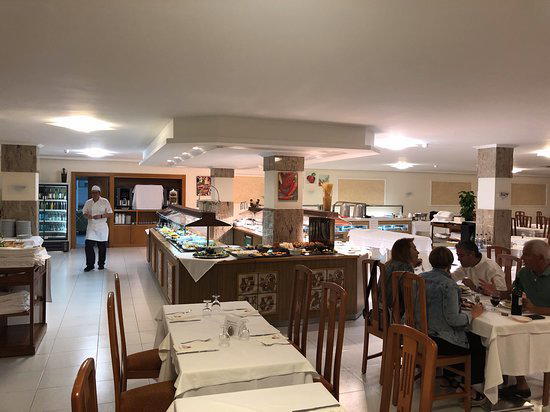
Where the Atlantic Comes Ashore
Gran Sol is a restaurant in Hondarribia, Gipuzkoa, serving Modern Basque Pintxos. This is a town that has measured time in tides and fishing seasons, and its bars and restaurants reflect that orientation directly. The Gran Sol fishing grounds of the North Atlantic, a stretch that Basque fleets have worked for generations, give this address both its name and its essential argument: the sea is not a theme here, it is the supply chain.
In the wider context of Basque dining, Hondarribia occupies a specific position. The region's prestige circuit runs through San Sebastián, where Arzak and Mugaritz in Errenteria represent the experimental, high-technique end of the tradition. Larrabetzu has Azurmendi; Lasarte-Oria has Martin Berasategui. What Hondarribia offers is something different: a fishing port that has maintained a working-town eating culture alongside its growing reputation as a short-break destination. Gran Sol belongs firmly to the former tradition.
The Atlantic Larder Behind the Pintxos Counter
The restaurant highlights ingredient provenance in Basque pintxos culture. The pintxos format, small preparations served on bread or skewers, consumed standing at a bar or seated at close tables, has always depended on hyper-local sourcing to justify its apparent simplicity. When the preparation is minimal, the material has to carry the plate.
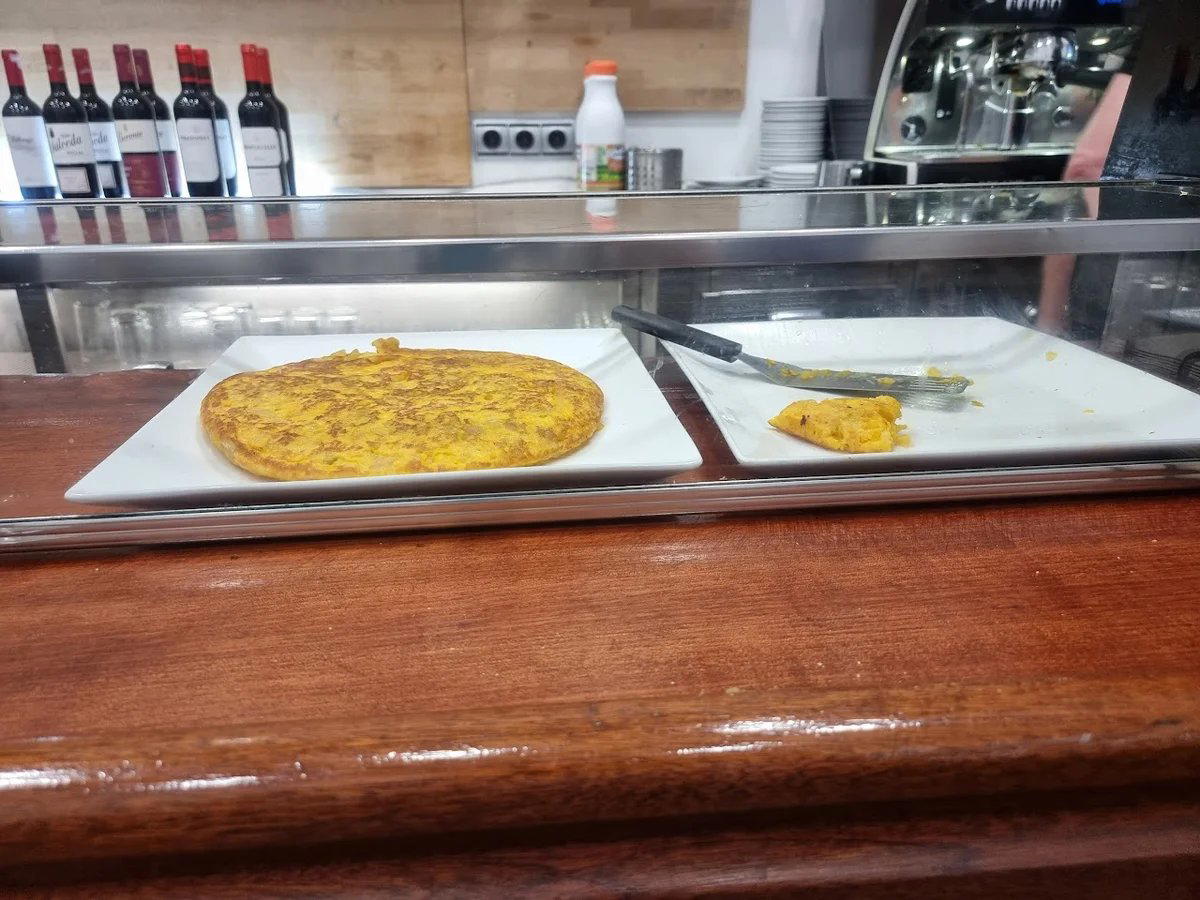
At the restaurant, three pintxos in particular function as a kind of geographic essay: Jaizkibel, Hondarribia, and Huevo Mollete. The first two take their names directly from local landmarks, the Jaizkibel mountain that runs along the coast and the town itself, signalling that these are not generic bar snacks but preparations grounded in place. This naming convention is common enough in Basque bar culture, but it works only when the ingredients behind the names earn the reference. The Michelin Plate recognition in both 2024 and 2025 suggests the kitchen is meeting that standard with enough consistency to satisfy external scrutiny.
The broader pattern here is instructive. Along the Cantabrian coast and into the Bay of Biscay, the sourcing hierarchy for restaurants and pintxos bars runs from industrial distributors at one end to direct port relationships at the other. Hondarribia's position as a working fishing port, rather than a post-industrial one, keeps the latter option genuinely available. For context on how seriously Atlantic sourcing can be taken at the opposite end of the price spectrum, Aponiente in El Puerto de Santa María has built three Michelin stars almost entirely around marine ingredients that most kitchens overlook. The restaurant is operating in a completely different price register, the single euro-sign category, but the underlying argument about place and provenance runs in the same direction.
Traditional Cuisine in a Basque Port Context
The restaurant's classification as Traditional Cuisine is worth examining against the category's wider range in Spain. At the progressive end of that tradition, kitchens like El Celler de Can Roca in Girona have reinterpreted classical foundations through contemporary technique. At the other end, traditional cuisine simply means cooking that privileges recognizable regional forms over innovation. In Hondarribia, that means preparations tied to the port's catch, Basque cooking methods that have remained largely stable for decades, and a pintxos format that prioritizes eating well over eating elaborately.
This is not a criticism. The Basque Country's argument for traditional cooking is one of the strongest in Europe precisely because the raw material, the fish, the peppers, the eggs, the cured meats, tends to be so close in origin. In a region where Cocina Hermanos Torres in Barcelona and DiverXO in Madrid represent the country's most technically ambitious cooking, there is still a compelling case for the bar that executes the classics without flinching. The restaurant's price point, accessible to any traveller, not reserved for expense-account meals, makes it part of the democratic strand of Basque food culture that the region's reputation is actually built on.
For comparison within the traditional cuisine category at a different scale and price tier, Auberge Grand'Maison in Mûr-de-Bretagne and Auga in Gijón show how the traditional format performs across the Atlantic coast of France and Spain's Asturias region respectively. In each case, the logic is similar: proximity to the source material, classical technique, and consistency over novelty.
The Hondarribia Eating Circuit
The restaurant sits within a wider eating scene that rewards a full day's exploration. Hondarribia's old town and port area concentrate much of the bar activity along a walkable route, and the pintxos circuit here functions as it does throughout the Basque Country: move between addresses, eat a little at each, and let the cumulative picture of the town's food culture build. For those who prefer a sit-down format with grilled meat alongside seafood, Laia Erretegia offers an asador alternative in the same town. Sutan provides another point of reference on the local dining circuit.
The Michelin Plate designation, awarded in both 2024 and 2025, places the restaurant among the addresses in Hondarribia where the cooking meets an external quality threshold.6 across 6,976 reviews adds volume to that signal.
The restaurant is located at San Pedro Kalea, 63, in Hondarribia, Gipuzkoa, Spain. The €2 price tier makes it realistic as either a standalone pintxos stop or part of a longer eating afternoon. Hondarribia is reachable by txalupa ferry from Hendaye across the Bidasoa river, or by car from San Sebastián in under half an hour.
- Jaizkibel
- Hondarribia pintxo
- Huevo Mollete
- Mika
- Zamburiñas
- Cod Hondarribia
Quick Comparison
Comparable venues nearby, for context on price, style, and recognition.
| Venue | Cuisine | Price | Awards | Notes |
|---|---|---|---|---|
| Gran SolThis venue — the venue you are viewing | Modern Basque Pintxos | $$ | Michelin Plate | Not listed |
| Sutan | Basque Grill Asador | $$ | Michelin Plate | Jaitzubia |
| Laia Erretegia | Basque Grill with Dry-Aged Steaks | $$$ | Michelin Plate | Arkolla |
| Alameda Restaurant at Hondarribia | Modern Basque Bidasoa Cuisine | $$$$ | Not listed | Hondarribia |
| Hotel Jaizkibel | Modern Basque Mediterranean | $$$ | Not listed | residential |
| Alameda | Modern Basque Bidasoa Cuisine | $$$$ | Michelin 1 Star | Hondarribia |
Recognition history
Dated appearances from independent guides and award organizations, with the underlying list record or original source where available.
Michelin Plate
Michelin
Michelin Plate
Michelin
Michelin Plate
Michelin
Continue exploring
More in Hondarribia
Restaurants in Hondarribia
Browse all →
Bars in Hondarribia
Browse all →
At a Glance
- Lively
- Well Known
- Rustic
- Energetic
- Casual Hangout
- Group Dining
- After Work
- Terrace
- Open Kitchen
- Beer Program
- Extensive Wine List
- Local Sourcing
- Sustainable Seafood
- Street Scene
Current opening hours
- Monday
- Closed
- Tuesday
- 11:30 AM–3:30 PM
- Wednesday
- 11:30 AM–3:30 PM
- Thursday
- 11:30 AM–3:30 PM
- Friday
- 11:30 AM–10 PM
- Saturday
- 11:30 AM–10 PM
- Sunday
- 11:30 AM–3:30 PM
Hours can change for holidays and private events. Last verified .
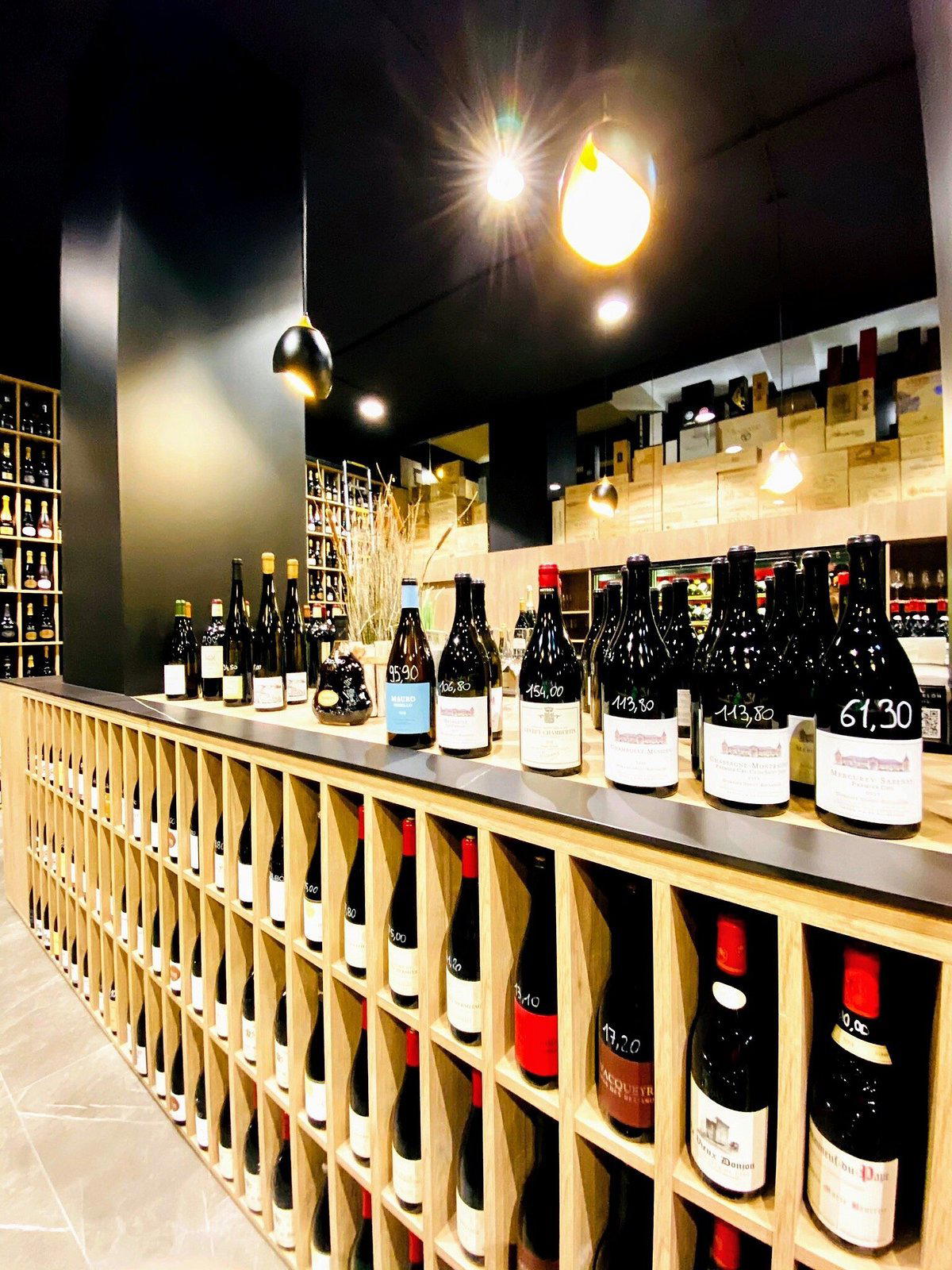
Bustling, crowded atmosphere with a lively terrace overlooking a picturesque street lined with colorful flower-bedecked houses; energetic and festive with constant activity and minimal quiet moments.