Our verdict
Gran Roque Hamburgueria sits on Av. Dom Pedro I in Franca's Recanto do Itambé district, representing the serious burger format that has taken hold across mid-sized Brazilian cities over the past decade. Where São Paulo's smash-burger wave set the template, venues like Gran Roque have adapted it to local tastes and regional supply chains, making the address worth understanding in the context of Franca's broader casual dining scene.

Pearl is the En Primeur Club membership app — saves, bookings, and concierge access live there. Same editors, same standards.
- Address
- Av. Dom Pedro I, 1101 - Recanto do Itambé, Franca - SP, 14402-010, Brazil
- Phone
- +5516993283759
- Hours
- Mon 6:30–11:30 PMTue ClosedWed 6:30–11:30 PMThu–Sat 6:30 PM–12 AMSun 6:30–11:30 PM
- Website
- granroque.com.br
- Directions
- Get directions
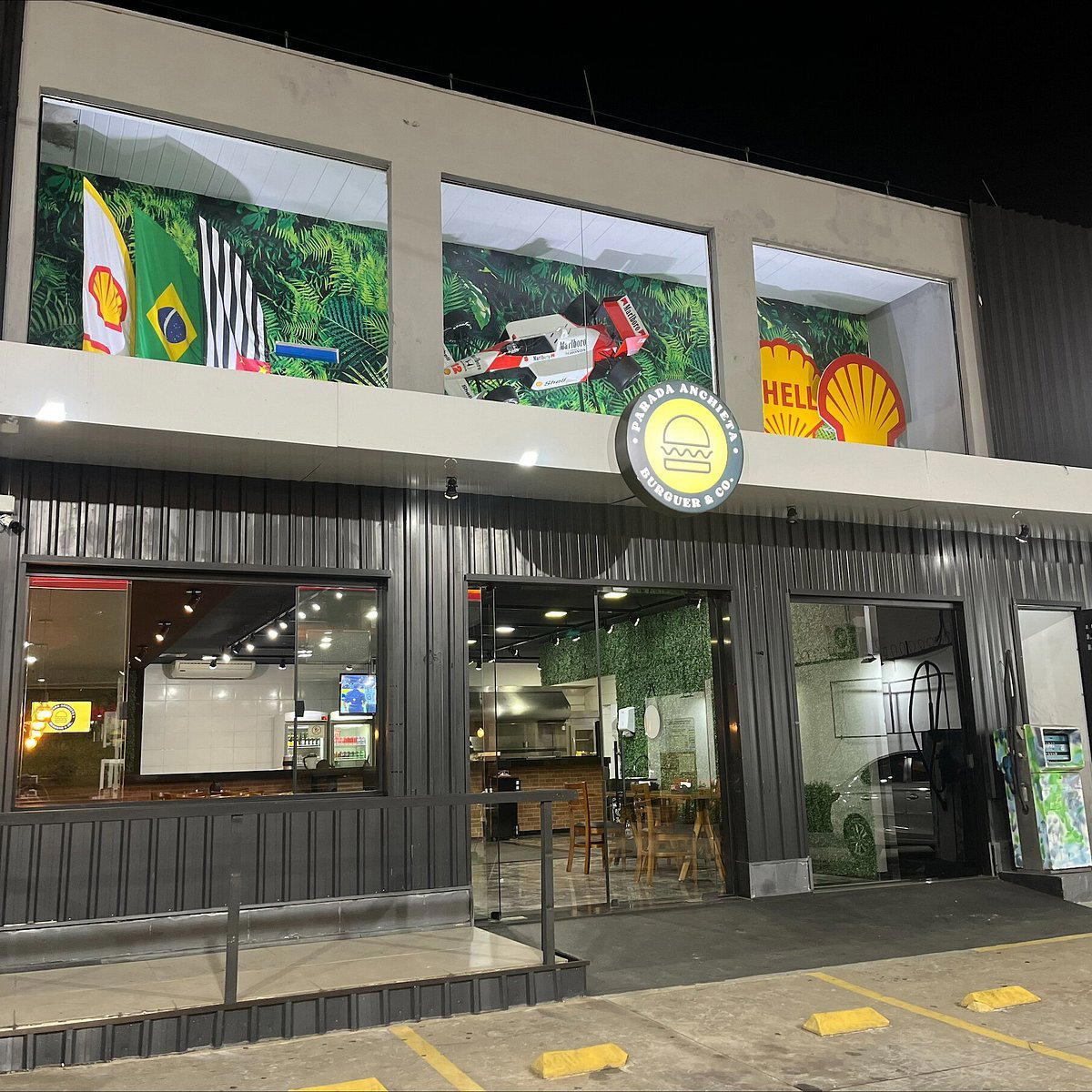
Franca's Burger Scene and Where Gran Roque Fits
Mid-sized Brazilian cities have absorbed the artisan burger format at a pace that surprises visitors who associate the movement exclusively with São Paulo or Rio de Janeiro. In Franca, a city of roughly 350,000 in São Paulo state whose economy runs on footwear manufacturing and agribusiness, the burger has become one of the more competitive dining categories. The format rewards exactly the kind of supply chain logic that interior São Paulo excels at: proximity to cattle country, access to fresh dairy for house-made cheeses and sauces, and a consumer base that takes its meat seriously. Gran Roque Hamburgueria, at Av. Dom Pedro I, 1101 in the Recanto do Itambé district, operates within that context.
The Recanto do Itambé address places Gran Roque away from Franca's historic center and closer to a residential stretch where the clientele tends to be local and repeat rather than tourist or occasion-driven. That kind of neighbourhood positioning shapes what a venue prioritises: consistency over spectacle, familiar sourcing over experimental menus. It also means the competition is measured against other neighbourhood-anchored operations rather than against Franca's more formal dining rooms.
The Ingredient Logic Behind Brazilian Artisan Burgers
The ingredient sourcing argument for the Brazilian burger format is direct, and it matters more here than in many international markets. Brazil sits among the world's largest beef producers, and interior São Paulo state sits within reach of some of the country's most productive cattle regions. The distance from farm to grind to grill, in a city like Franca, is far shorter than it would be for a comparable venue in a major coastal capital. That proximity has practical consequences: fresher cuts, faster turnover of ground beef, and less dependency on the extended cold-chain logistics that can flatten flavour before the patty ever hits a griddle.
Artisan burger movement in Brazil tracked this logic deliberately. From around 2012 onward, a generation of venues across the country moved away from frozen patties and standardised buns toward house-ground blends, local brioche suppliers, and regionally sourced toppings. The movement produced credible results in cities like São Paulo, where operators such as those behind the broader premium casual category could reference international benchmarks. In interior cities, the same movement took on a slightly different character: less about replicating a global template, more about applying local supply chain advantages to a format that the market had already accepted. Gran Roque operates in that second wave.
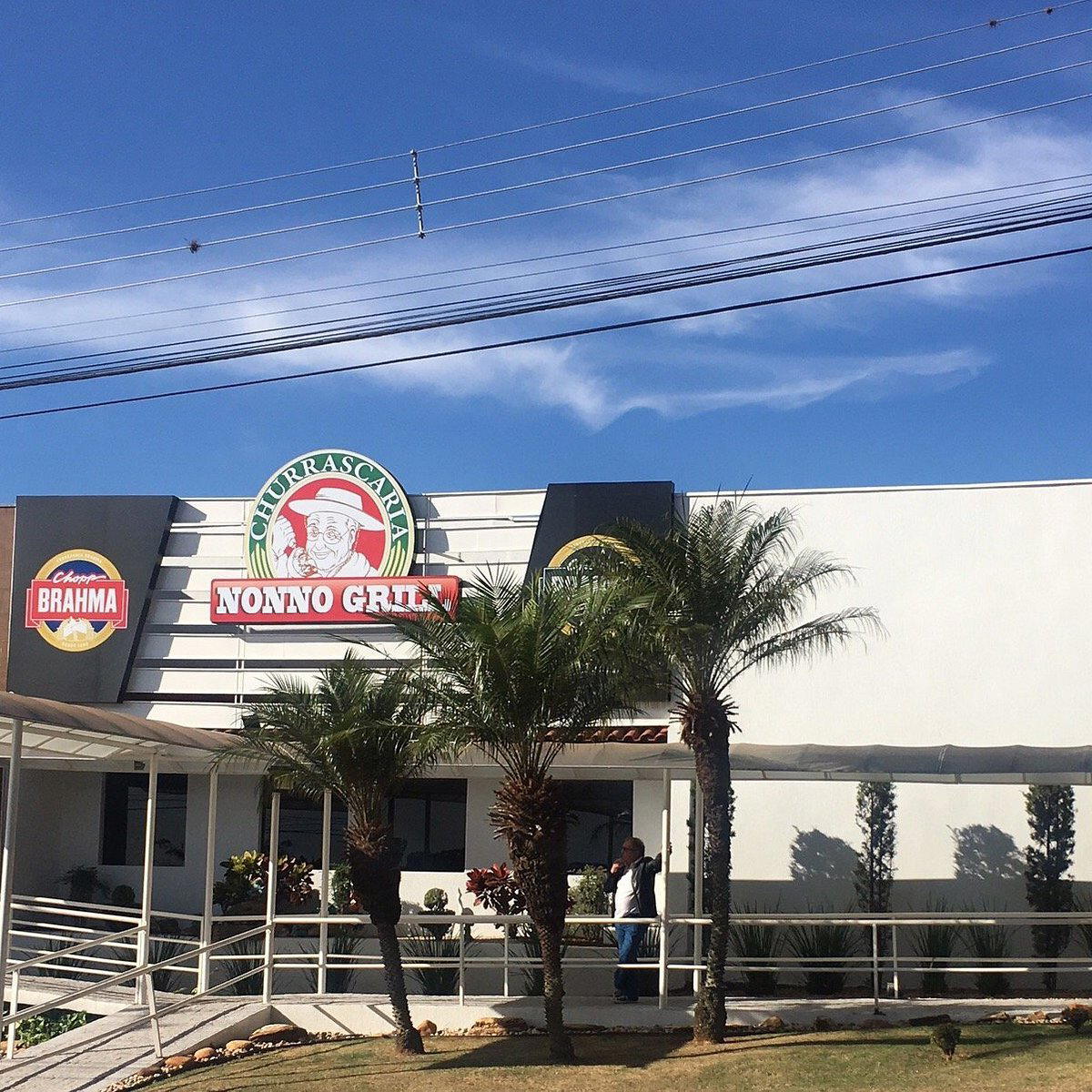
For visitors comparing Franca's dining options across categories, the contrast is instructive. Nonno Grill Churrascaria Franca SP anchors the city's churrasco tradition, where the sourcing story centres on whole cuts and live fire. Sapataria da Pizza represents the Italian-Brazilian pizza lineage that runs deep across São Paulo state. Hammay Sushi signals the Nikkei influence that has made Japanese-Brazilian cuisine a genuine category rather than a novelty across the interior. Gran Roque occupies a fourth lane: the contemporary burger format, where the sourcing argument is about beef quality and local dairy rather than tradition or cultural lineage.
Positioning Within Brazil's Casual Dining Spectrum
Brazil's restaurant scene has a pronounced split between high-concept fine dining, which concentrates in São Paulo and Rio, and the neighbourhood casual category that serves the majority of the population on a regular basis. At the fine dining end, venues like D.O.M. in São Paulo and Lasai in Rio de Janeiro operate with ingredient sourcing frameworks that are explicitly philosophical and internationally recognised. The neighbourhood casual segment works with the same underlying logic of local supply, but the stakes and the language are different: the question is whether the burger tastes like it came from nearby cattle country or from a central distributor.
Gran Roque sits squarely in the neighbourhood casual tier. That is not a diminishment. The venues that serve this tier reliably, with consistent quality and genuine attention to sourcing, are the ones that develop the kind of local loyalty that keeps a dining room running for years rather than seasons. Comparable operations in other Brazilian cities illustrate the range: Aero Burguer e Grill in Santa Cruz Do Sul represents how the format has taken root in Rio Grande do Sul's interior, while broader casual dining patterns play out across the country at venues like Casa da Flor Restaurante in Dourados and Cantina Pozzobon in Santa Maria. The burger format specifically has shown staying power in cities where beef culture is embedded in the local economy, which describes Franca's region accurately.
For context on how the casual format performs in São Paulo state more broadly, Famosa Pizza in Ribeirao Preto offers a parallel case in a nearby city of similar scale, where a single-format approach to a popular category has built durable local recognition. The pattern is consistent: format discipline and sourcing integrity matter more than concept novelty at this tier. See the full Franca restaurants guide for a broader map of where Gran Roque sits relative to the city's other dining categories.
Planning a Visit
Further afield in Brazil, the casual dining format that Gran Roque represents connects to a national network of neighbourhood-anchored venues worth tracking: Bistro Fitz Carraldo in Manaus, Casa da Dika Restô e Eventos in Braganca, Casa da Picanha Penedo in Itatiaia, Fornazzo Pizzaria in Passo Fundo, Kampeki Sushi in Canoas, and Arte e café Imperial - Matriz in Angra Dos Reis. Each operates within a different regional food tradition, but all share the same underlying principle: sourcing proximity as the primary quality argument. That principle, more than any single format or concept, is what has sustained the casual dining category across Brazil's interior cities.
For a global reference point on how ingredient sourcing functions as a quality framework at a different scale entirely, venues like Le Bernardin in New York City and Atomix in New York City demonstrate how the same logic operates when applied with fine dining rigour and international supply chain resources. The distance between those reference points and a neighbourhood hamburgueria in Franca is significant, but the underlying principle travels.
Frequently asked questions
What part of town is Gran Roque Hamburgueria in?
Gran Roque Hamburgueria is located at Av. Dom Pedro I, 1101 - Recanto do Itambé, Franca - SP, 14402-010, Brazil, Franca.
Is Gran Roque Hamburgueria a good option for a casual dinner in Franca's Recanto do Itambé district?
Gran Roque sits in the residential Recanto do Itambé neighbourhood, positioning it as a local dining option rather than a destination restaurant requiring a cross-city trip. Franca's mid-sized city format means artisan burger spots like this fill a gap between São Paulo-style fine dining and fast-food chains. For visitors staying near Av. Dom Pedro I or locals in the district, it represents the area's accessible end of the artisan burger movement.
What should I order at Gran Roque Hamburgueria?
Gran Roque operates within the Brazilian artisan burger format, where the burger itself is the centrepiece rather than a supporting item. The Recanto do Itambé location draws a neighbourhood crowd, so the menu is built around a focused selection of smashed or stacked burgers using Brazilian beef. Specific dishes are not published online, so arriving and asking what moves fastest that day is the most reliable approach.
Do they take walk-ins at Gran Roque Hamburgueria?
The venue has not published a reservations policy, and Brazilian neighbourhood hamburguerias in residential districts like Recanto do Itambé typically operate on a walk-in basis. Peak hours on weekends will see the highest demand. The address is Av. Dom Pedro I, 1101, Recanto do Itambé, Franca, SP, if you are planning ahead.
Fast Comparison
Comparable venues nearby, for context on price, style, and recognition.
| Venue | Cuisine | Price | Notes |
|---|---|---|---|
| Gran Roque HamburgueriaThis venue — the venue you are viewing | American Burgers | Not listed | Not listed |
| Sapataria da Pizza | Deep Pan Pizza with Brazilian Influences | Not listed | Franca |
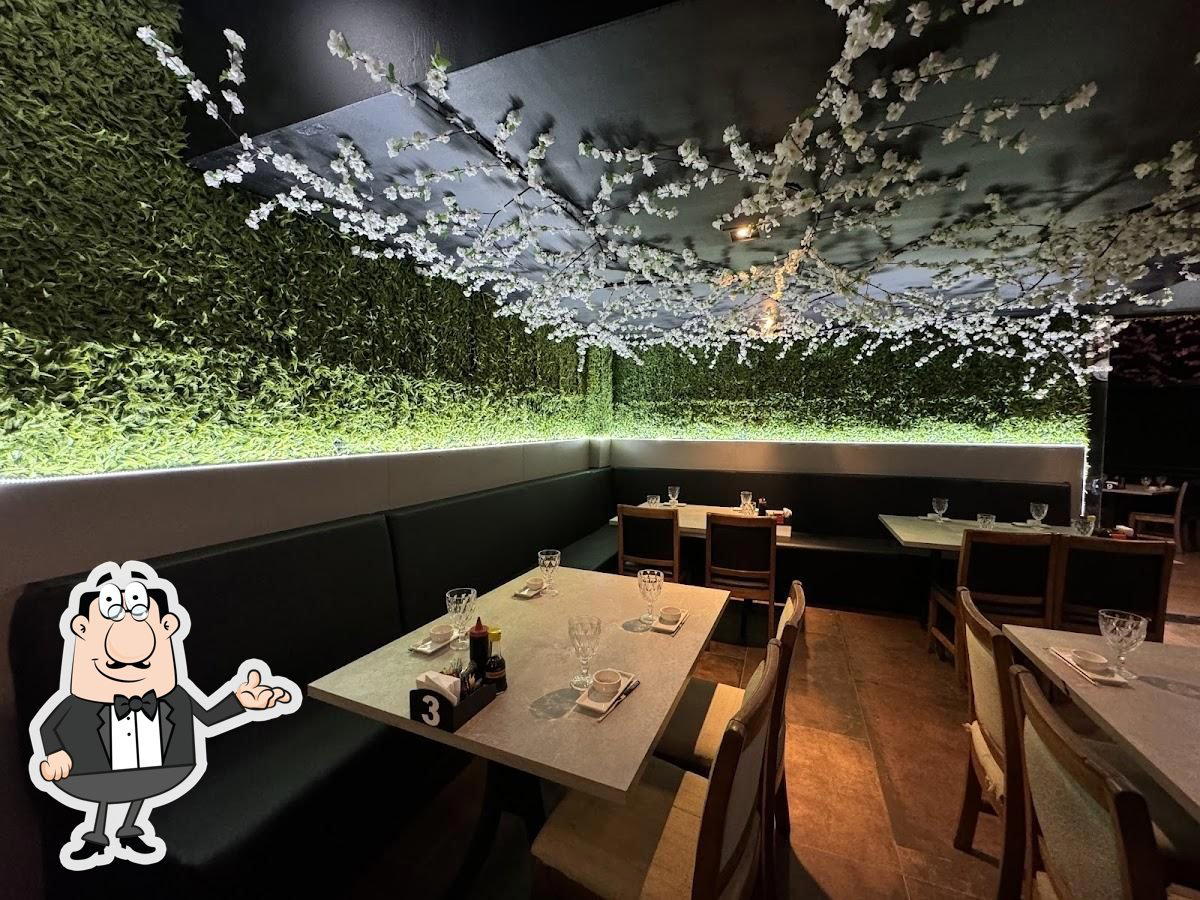
| HAMMAY SUSHI | Exclusive Sushi | Not listed | Centro |
| NONNO GRILL CHURRASCARIA FRANCA SP | Brazilian Churrascaria Rodizio | $20–30 | Res. Paraiso |
| Maki Sushi | Japanese Sushi Rodízio | Not listed | City Center |
| Tufas Burger | Gourmet Burgers | Not listed | Vila Rio Branco |
Continue exploring
More in Franca
Details
- Casual
- Casual Hangout
- A La Carte
Current opening hours
- Monday
- 6:30–11:30 PM
- Tuesday
- Closed
- Wednesday
- 6:30–11:30 PM
- Thursday
- 6:30 PM–12 AM
- Friday
- 6:30 PM–12 AM
- Saturday
- 6:30 PM–12 AM
- Sunday
- 6:30–11:30 PM
Hours can change for holidays and private events. Last verified .