On the Atlantic-facing boulevard in Pornichet, Grain de Folie occupies a position that says something about how the Loire-Atlantique coast has quietly developed a serious dining scene. The address at 150 Bis Bd des Océanides places it within reach of the bay and the market networks that define cooking at this latitude. For the local restaurant landscape, that proximity to source is not incidental.
Pearl is the En Primeur Club membership app — saves, bookings, and concierge access live there. Same editors, same standards.
- Address
- 150 Bis Bd des Océanides, 44380 Pornichet, France
- Phone
- +33240610606
- Directions
- Get directions
 Saves & bookings on Pearl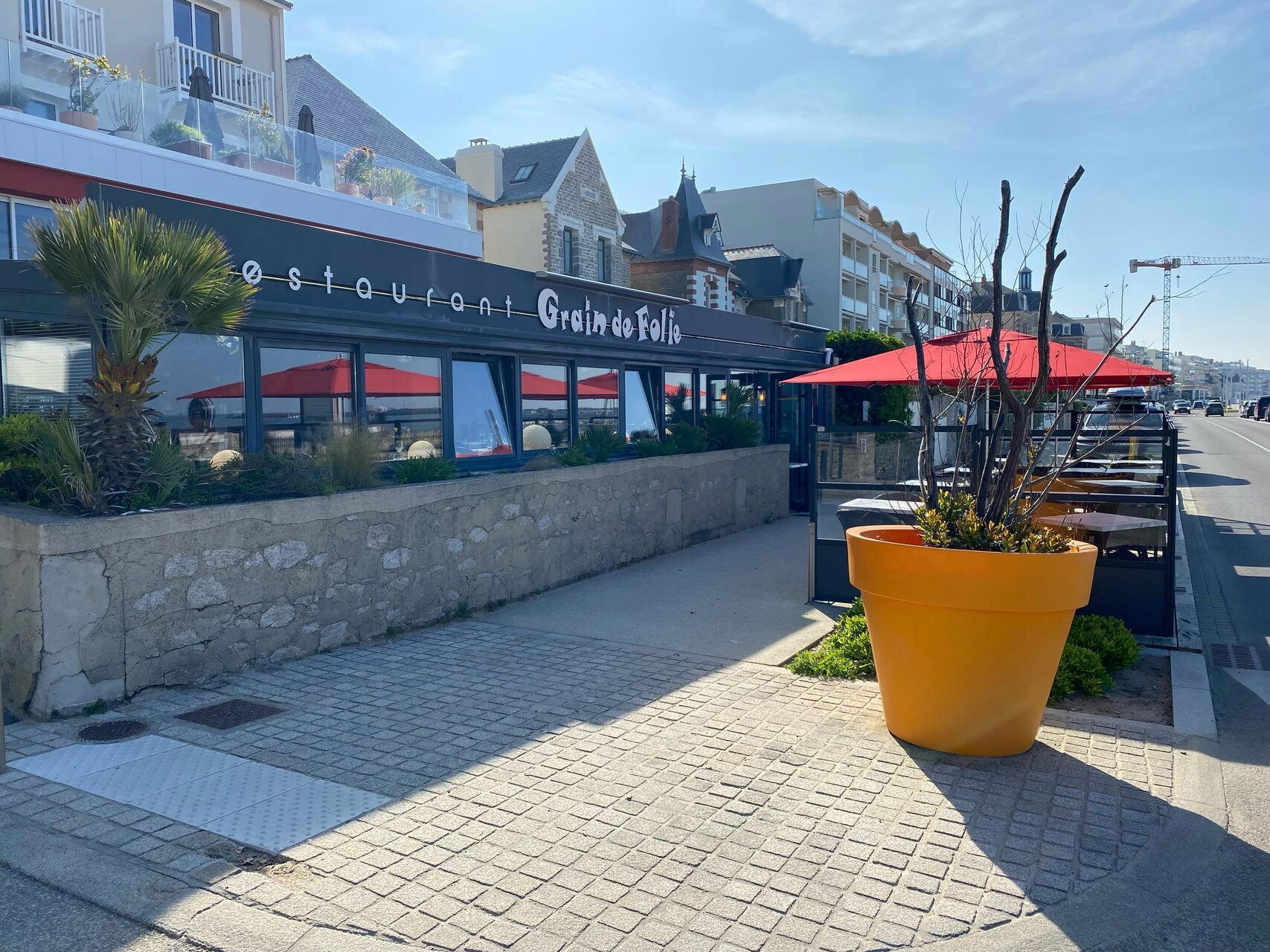
Where the Atlantic Shapes the Plate
The boulevard des Océanides in Pornichet runs close enough to the water that you register the salt air before you see the address. This stretch of the Loire-Atlantique coast sits between the Grande Côte dunes to the north and the sheltered harbour at La Baule-Escoublac to the south, and the geography is not merely scenic. It determines what arrives in restaurant kitchens each morning. Coastal Brittany and the Pays de la Loire have long operated as one of France's more productive fishing and shellfish corridors, and restaurants positioned along this edge have direct access to catch and produce cycles that their inland counterparts must source at remove. Christopher Coutanceau in La Rochelle, further south on the Atlantic seaboard, has built a two-Michelin-star reputation substantially on this same coastal supply logic. Grain de Folie is a French Coastal Brasserie at 150 Bis Bd des Océanides in Pornichet.
Pornichet is not a city with a deep fine-dining infrastructure the way Nantes or Rennes might be, and that relative thinness of competition actually sharpens the identity of the restaurants that do commit to quality sourcing here. Seasonal visitors from Paris and beyond arrive during summer expecting the coastal register: the brininess of local oysters, the textural specificity of fish pulled from nearby waters, the vegetables that thrive in Atlantic-tempered soil. A restaurant named, loosely, 'grain of madness' suggests at minimum a certain refusal of safe, generic choices, which in a mid-sized seaside town carries its own editorial weight.
The Sourcing Logic of the Atlantic Coast
French coastal cooking at the serious end operates on a shorter supply chain than most diners appreciate. The Loire estuary and the waters off Saint-Nazaire and the Presqu'île de Guérande form a triangle of supply that includes flatfish, crustaceans, estuary eels, and the salt produced at Guérande, which is among the more referenced fleur de sel in French professional kitchens. Guérande salt is harvested less than 20 kilometres from Pornichet, and any kitchen operating with ingredient-first intent on this coast would treat that proximity as an organizing principle rather than a detail. The same logic applies to the market gardens of the Loire-Atlantique hinterland, where the maritime microclimate extends inland far enough to support produce that carries a distinct coastal character.
This sourcing geography puts Pornichet restaurants in a genuinely different position from their equivalents in the French interior. Where a restaurant in Laguiole like Bras orients itself around the Aubrac plateau and its herbs and grassland livestock, or where Flocons de Sel in Megève draws from alpine pasture and mountain foraging traditions, a coastal Loire-Atlantique kitchen has its identity handed to it by the sea. The question is whether that identity is treated as a given or actively pursued. The restaurants in this region that hold critical attention are those that treat proximity to source as a discipline rather than a marketing claim.
Pornichet in the French Dining Context
France's most celebrated restaurants cluster, predictably, in Paris and in the gastronomic corridors of Lyon, Alsace, and the south. Alléno Paris au Pavillon Ledoyen, Troisgros in Ouches, Auberge de l'Ill in Illhaeusern, and Mirazur in Menton each represent a version of French high cooking anchored in a specific terroir and long institutional history. The Atlantic Loire coast occupies a less celebrated position in that hierarchy, but it is not without serious practitioners. Nantes has generated real critical attention in recent years, and smaller towns along the coast have begun producing restaurants that attract visitors specifically for the food rather than merely for the beach.
Pornichet itself is a compact resort town whose dining scene has historically tracked the summer tourist calendar. The better restaurants here tend to run shortened seasons, with peak operation from late spring through September and reduced or closed schedules through the colder months. For visitors planning around the food rather than the weather, late June through early September typically represents the window when both the kitchen is operating at full register and the local supply chains are at their most varied.
Nearby, POPS represents the modern cuisine angle within the same local market.
French Atlantic Cooking and Its Wider Connections
The cooking tradition along France's Atlantic coast has lines running in multiple directions. Particularly technically rigorous seafood cooking in France happens not in Paris but in places like La Rochelle and the Breton ports, where proximity to product allows a level of freshness-led simplicity that metropolitan kitchens spend considerable effort and expense trying to approximate. AM par Alexandre Mazzia in Marseille demonstrates a comparable Mediterranean version of this coastal-produce intensity. The Atlantic variant tends toward cooler, cleaner flavours with more emphasis on shellfish and flat-bodied fish than on the warm-water richness of Mediterranean cooking.
For reference points in French cooking that operate at the intersection of place and product, Auberge du Vieux Puits in Fontjoncouse and L'Oustau de Baumanière in Les Baux each demonstrate how deeply a restaurant can root itself in a specific regional supply. Those restaurants have Michelin recognition and decades of history behind them. The Atlantic Loire coast is an earlier chapter in the same story.
French cooking at the globally referenced level, from Paul Bocuse in Collonges-au-Mont-d'Or to Assiette Champenoise in Reims and Georges Blanc in Vonnas, has always been deeply regional in its foundations even when it reaches international audiences. The premise at a place like Grain de Folie, a small coastal address with a name that implies some level of culinary conviction, is the same premise at a much smaller scale: use what is nearby, and use it with intention. The Atlantic provides the brief. The kitchen answers it.
Planning Your Visit
Grain de Folie is located at 150 Bis Bd des Océanides, Pornichet, in the Loire-Atlantique department of western France. The town is accessible by train from Nantes, roughly 50 kilometres to the east, via the Saint-Nazaire line, with a short taxi or local bus transfer to the beachside boulevard. By car from Nantes, the A811 and D213 cover the distance in under an hour outside peak summer traffic. Grain de Folie is recommended for reservations and is open Monday, Thursday through Sunday for lunch and dinner, with Tuesday and Wednesday closed. For international comparisons at the ambitious end of French-influenced cooking, Le Bernardin in New York City and Atomix in New York City each demonstrate what sustained commitment to sourcing and technique produces over time. The restaurant operates in a different register and on a smaller stage, but the underlying logic of proximity to product is the same. For the Au Crocodile in Strasbourg end of the French institutional spectrum, the distance from Pornichet is considerable, in geography and ambition alike. What a small Atlantic address like this one offers instead is directness: a shorter line between ocean and table than most dining rooms in France can claim.
How It Stacks Up
Comparable venues nearby, for context on price, style, and recognition.
| Venue | Cuisine | Price | Awards | Notes |
|---|---|---|---|---|
| Grain de FolieThis venue — the venue you are viewing | French Coastal Brasserie | $$ | Not listed | Not listed |
| POPS | Modern French Bistronomic | $$$ | Michelin Plate | Pornichet |
| L’aventure | French Mountain Grill | $$ | Not listed | Oz en Oisans |
| .... Et la Fourmi | Traditional French Bistro | $$ | Not listed | Graslin - Commerce |
| La Maison du Puits | Traditional French Bistro | $$ | Not listed | Pleucadeuc |
| Chez moi | Breton Crêperie | $$ | Not listed | Place du Bouffay |
Continue exploring
More in Pornichet
Restaurants in Pornichet
Browse all →
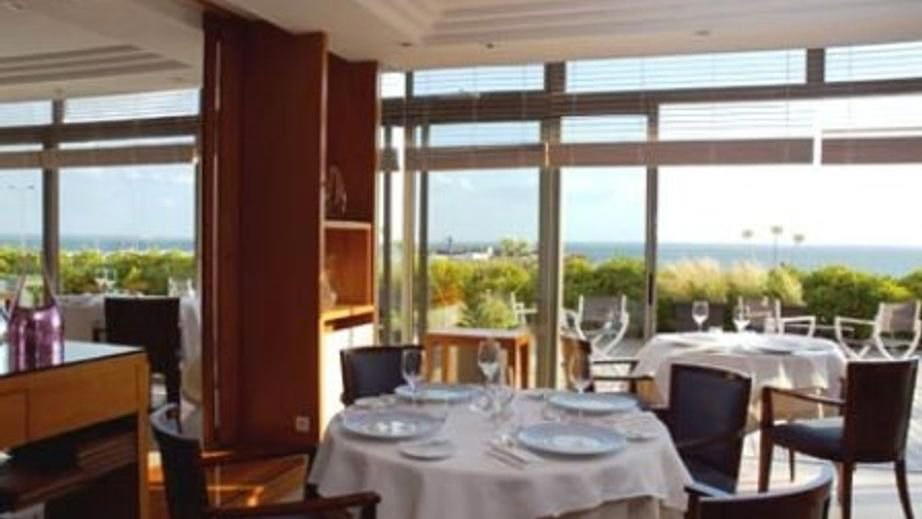
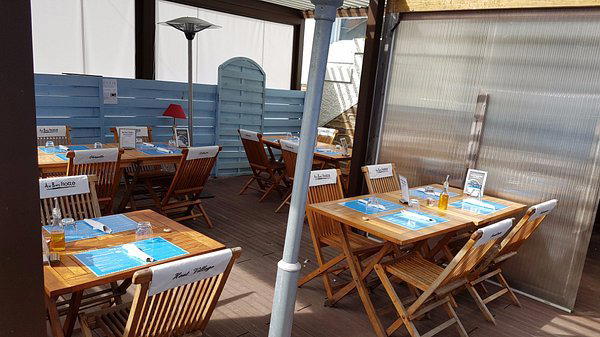
Bars in Pornichet
Browse all →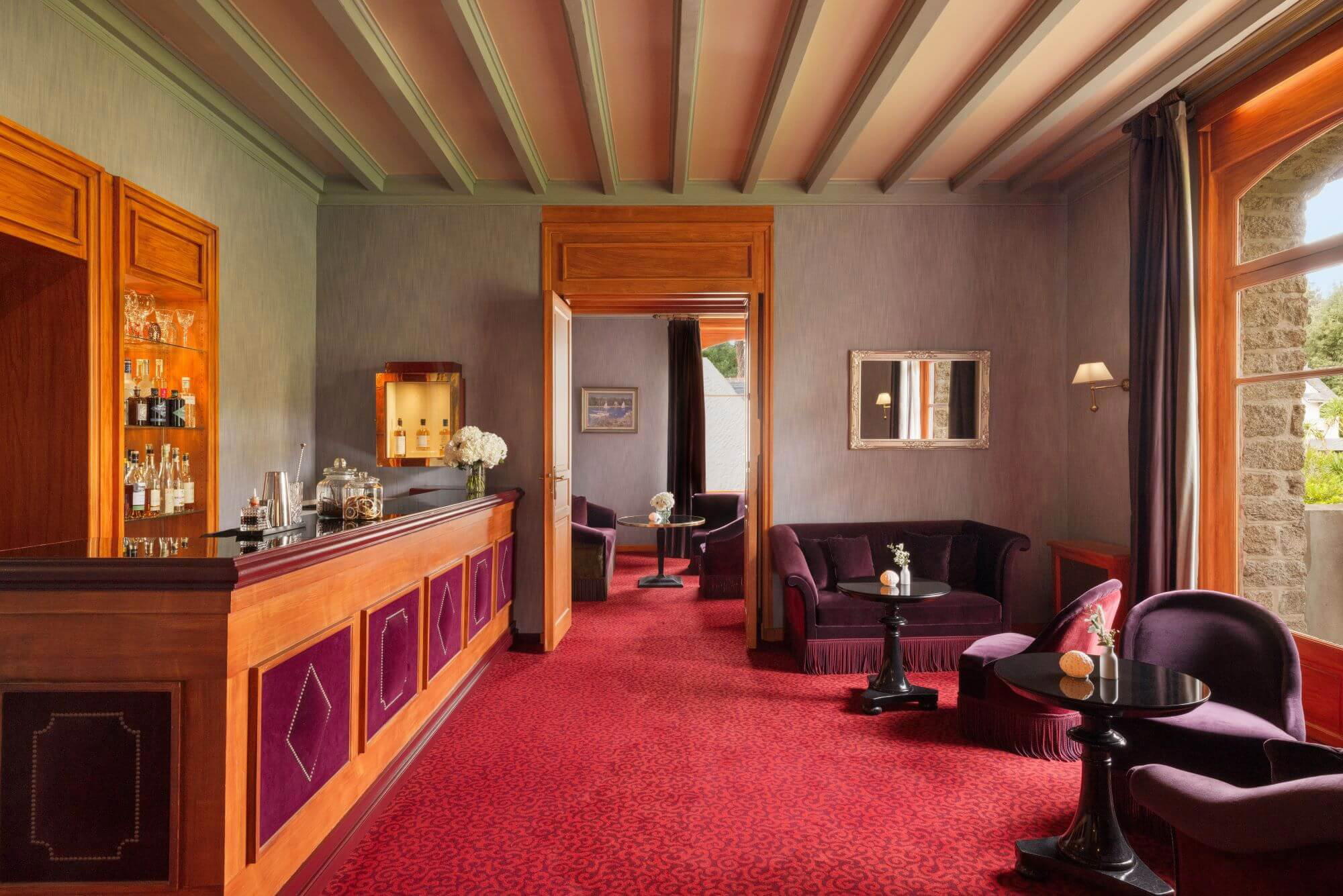
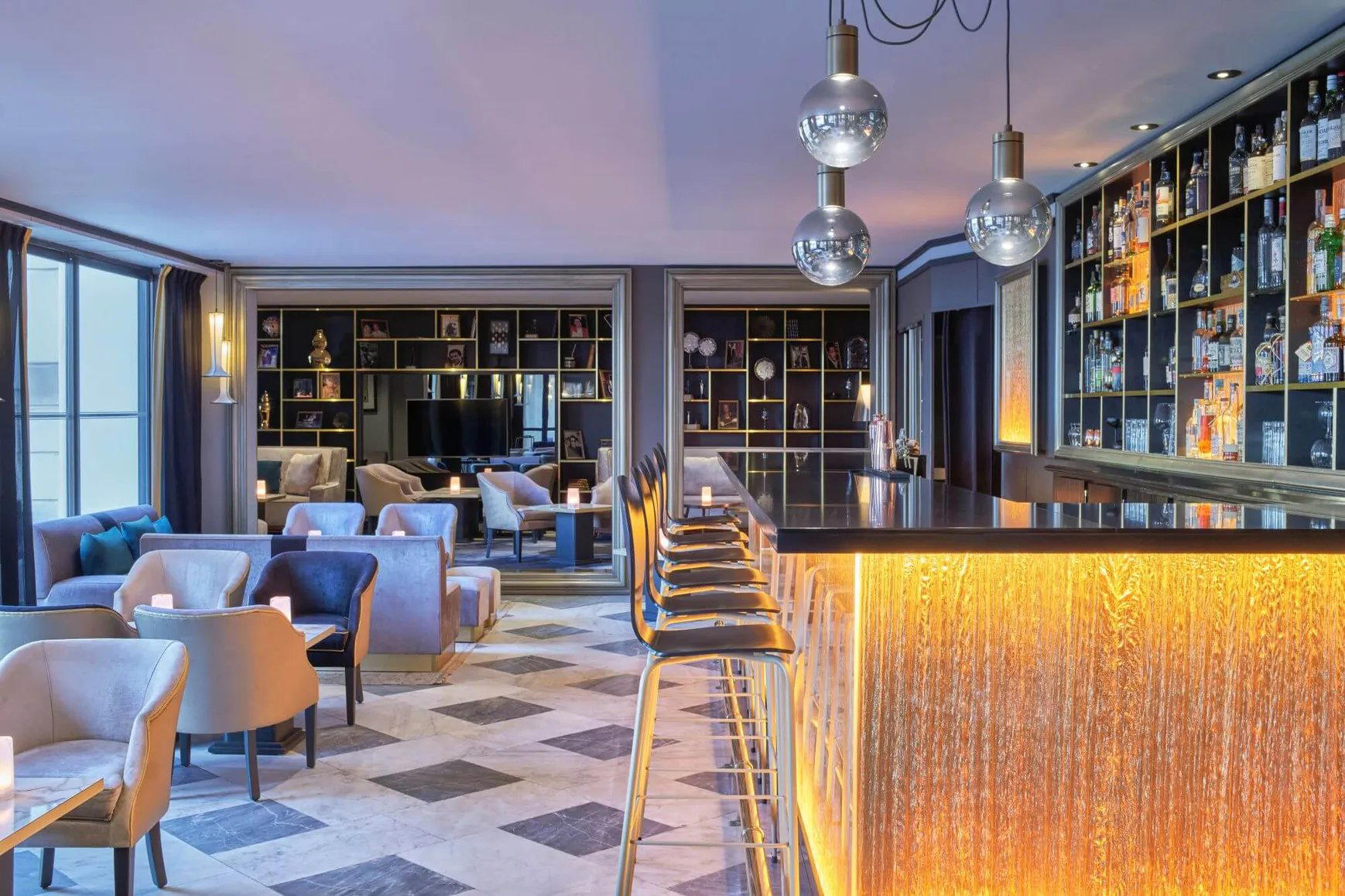
At a Glance
- Scenic
- Classic
- Cozy
- Elegant
- Date Night
- Family
- Casual Hangout
- Celebration
- Waterfront
- Terrace
- Panoramic View
- Beer Program
- Local Sourcing
- Farm To Table
- Waterfront
Current opening hours
- Monday
- 12–2:30 PM, 6–10 PM
- Tuesday
- Closed
- Wednesday
- Closed
- Thursday
- 12–2:30 PM, 6–10 PM
- Friday
- 12–2:30 PM, 6–10 PM
- Saturday
- 12–2:30 PM, 6–10 PM
- Sunday
- 12–2:30 PM, 6–10 PM
Hours can change for holidays and private events. Last verified .
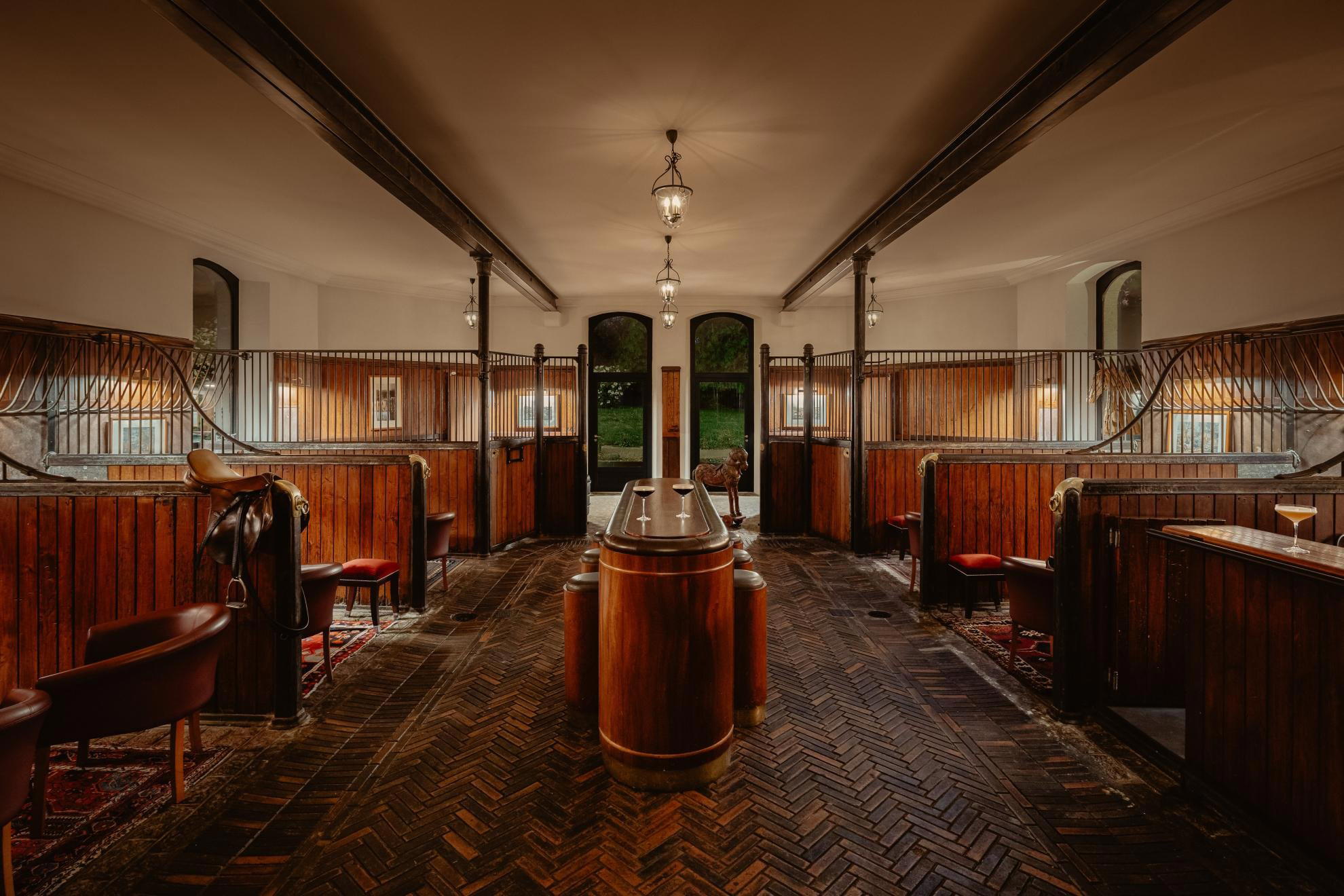
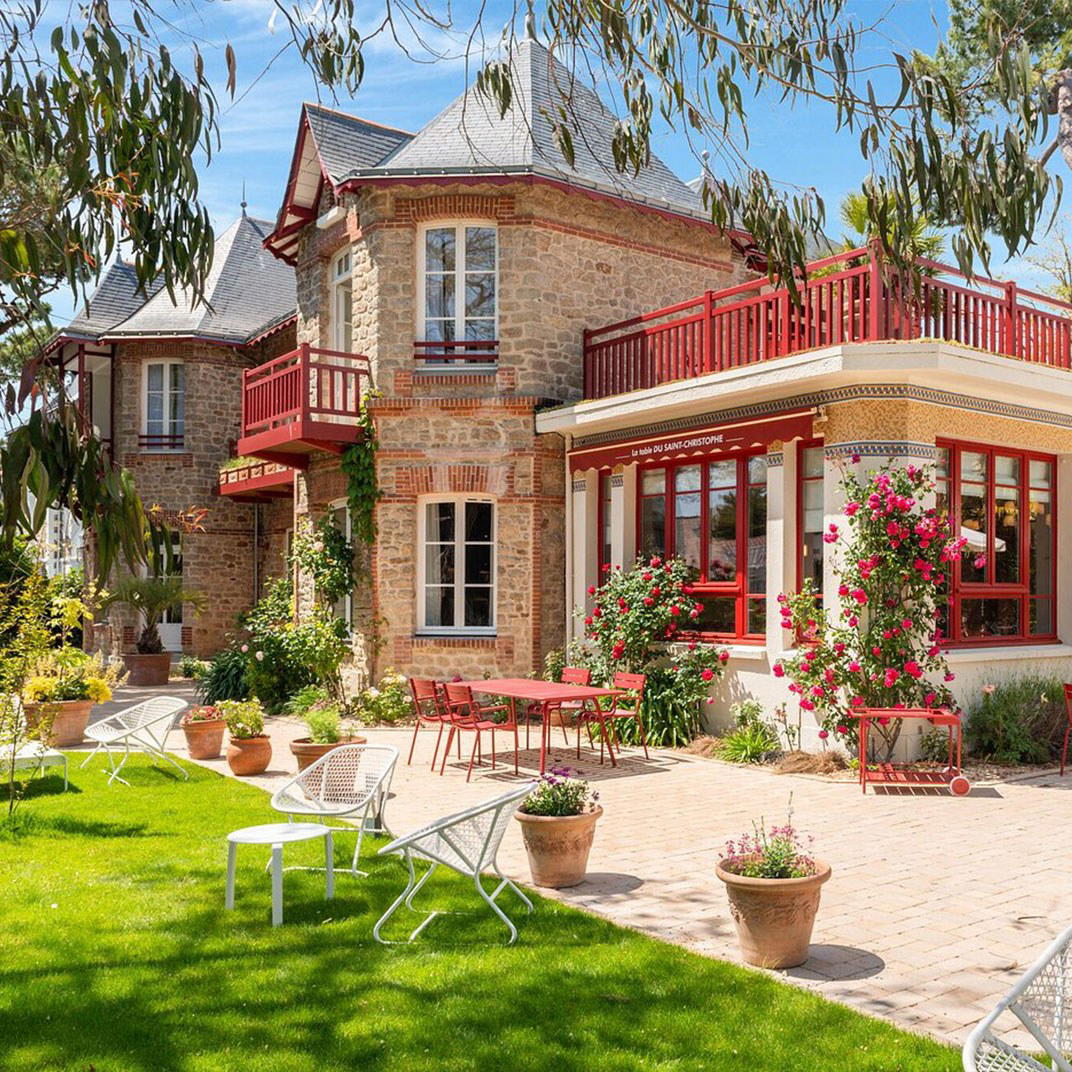
Relaxed yet refined atmosphere with natural light from waterfront views, decontracted charm with attentive service.