Chez moi
On La Roche-Bernard’s central Place du Bouffay, Chez Moi operates in the register that French provincial dining does quietly well: a town-square address with access to southern Brittany’s salt-marsh, estuary, and Gulf of Morbihan ingredient geography, cooking for a local crowd rather than a destination audience. No formal awards on record, but a clear sense of place.
Pearl is the En Primeur Club membership app — saves, bookings, and concierge access live there. Same editors, same standards.
- Address
- 7 Pl. du Bouffay, 56130 La Roche-Bernard, France
- Phone
- +33981809101
- Directions
- Get directions
 Saves & bookings on Pearl
Place du Bouffay and the Logic of Small-Town French Dining
La Roche-Bernard sits on a rocky promontory above the Vilaine river in southern Brittany, a medieval market town that most visitors pass through on the way to the Atlantic coast rather than stopping to eat. That instinct is worth reconsidering. The town’s central square, Place du Bouffay, is the kind of space that defines a certain register of French provincial life: worn stone facades, a covered market hall, and a handful of restaurants whose clientele skews heavily local. Chez Moi occupies an address on that square at number 7, placing it at the social and geographic center of a town that has, in quieter ways than its Breton neighbors to the north, maintained a serious relationship with the table.
The restaurant category that Chez Moi inhabits is one of the more instructive in French dining: the neighborhood address in a small town where the kitchen’s sourcing decisions are shaped less by culinary fashion and more by what is actually available, and good, within a short radius. This is structurally different from the celebrated destination restaurants of rural France, the likes of Bras in Laguiole or Auberge du Vieux Puits in Fontjoncouse, where sourcing philosophy is articulated explicitly and the address itself becomes part of the dish’s provenance story. At the neighborhood level, the same relationship with local supply exists but operates without fanfare.
Why Sourcing Matters Here More Than Elsewhere
Southern Brittany’s agricultural and maritime geography gives any kitchen in this area a material advantage that is easy to underestimate. The Vilaine estuary pushes salt-marsh lamb country close to the coast. Shellfish from the Gulf of Morbihan, among the more productive bivalve environments in France, sit within practical delivery range. The inland farming communities between La Roche-Bernard and Redon produce the kind of vegetables and poultry that, in Paris, arrive with regional appellations and premium price tags attached. A restaurant working from Place du Bouffay can, in theory, source from this geography with a proximity that a Paris bistro cannot replicate regardless of its sourcing budget.
This matters editorially because it shifts the frame through which a place like Chez Moi should be read. The question is not whether the kitchen is doing something technically ambitious in the way that three-Michelin-star operations like Mirazur in Menton or Alléno Paris au Pavillon Ledoyen are doing. The question is whether it is making intelligent use of an ingredient geography that is, objectively, excellent. In small-town Brittany, the baseline quality of raw material available to a conscientious kitchen is high enough that technique needs only to stay out of the way.
The Register of the Room
French provincial restaurants of this type tend to divide into two camps: those that have updated their dining rooms to signal contemporary seriousness, and those that have kept an older aesthetic intact, where the signals of quality run through the plate rather than the interior. Both approaches have merit, and both have their proponents among serious French food writers who argue that the latter tradition, the unvarnished room with good cooking, is in fact the more honest expression of what French restaurant culture produced before international design trends intervened.
Place du Bouffay itself functions as a kind of dining room threshold. Arriving via the town’s narrow medieval lanes, the square opens up with enough space to feel like a pause rather than a thoroughfare. This is the kind of approach to a restaurant that larger cities simply cannot offer: the physical experience of arriving somewhere that has its own settled character before you have crossed the threshold. It sits in a different register entirely from the carefully staged arrivals at destination addresses like Flocons de Sel in Megève or Le 1947 à Cheval Blanc in Courchevel, where the approach is engineered. Here, the character is inherited rather than designed.
Where Chez Moi Sits in the Wider French Table
France’s restaurant structure is often discussed in terms of its apex: the three-star institutions like Paul Bocuse in Collonges-au-Mont-d’Or, Troisgros in Ouches, or Auberge de l’Ill in Illhaeusern, which have defined French fine dining internationally for decades. Less discussed, but more representative of how most French people actually eat in restaurants, is the tier below: the town-square address, the family-run room, the kitchen that changes its menu with the market rather than with the season in any formally announced way. Maison Lameloise in Chagny and Georges Blanc in Vonnas represent an intermediate tier where provincial ambition meets institutional recognition. The restaurant operates further down that register, closer to the unremarked everyday tradition of serious French cooking without a public platform.
That positioning is a description of a category that travel journalism often overlooks. The restaurants that international visitors seek out in France are, disproportionately, those with formal recognition attached: stars, rankings, press profiles. The restaurants that French people actually value in their own regions are often none of those things. The restaurant on Place du Bouffay is the kind of address that earns its standing through repeat local custom rather than through award cycles, and that is a different but legitimate form of credibility.
For comparison, visitors drawn to the coastal French approach to sourcing and simplicity who want a formalized version of those values can look to La Vague d’Or in Saint-Tropez or L’Oustau de Baumanière in Les Baux. Those restaurants translate similar regional sourcing instincts into a more ceremonial format. The restaurant translates them into an afternoon lunch without ceremony, which is a different kind of proposition and suits a different kind of traveler. Our full La Roche-Bernard restaurants guide maps the town’s dining options across formats and price points.
Planning a Visit
La Roche-Bernard is most easily reached by car, sitting roughly midway between Nantes and Vannes on the N165. The town is compact enough that Place du Bouffay is within easy walking distance of any parking in the center. Visitors arriving from the coast or from the Loire-Atlantique interior will find the drive manageable as a lunch detour without needing to reroute significantly. As with most small-town French restaurants operating at this register, lunch service on weekdays draws a local professional crowd; weekends bring a more mixed clientele including visitors from the surrounding coastal area. A reservation is recommended.
Quick Comparison
Comparable venues nearby, for context on price, style, and recognition.
| Venue | Cuisine | Price | Awards | Notes |
|---|---|---|---|---|
| Chez moiThis venue — the venue you are viewing | Breton Crêperie | $$ | Not listed | Not listed |
| Auberge des Deux Magots | Modern French Seasonal Cuisine | $$$ | Bib Gourmand | Vieux Quartiers (Old Town) |
| L'Auberge Bretonne | Modern French Gastronomic | $$$ | Michelin Plate | La Roche-Bernard |
| Grain de Folie | French Coastal Brasserie | $$ | Not listed | Pornichet |
| Chez Franklin | Modern French Brasserie | $$ | Not listed | Graslin |
| Chez Brume | French Seafood Bistro | $$ | Not listed | Parcheminerie Toussaints |
Continue exploring
More in La Roche-Bernard
Restaurants in La Roche-Bernard
Browse all →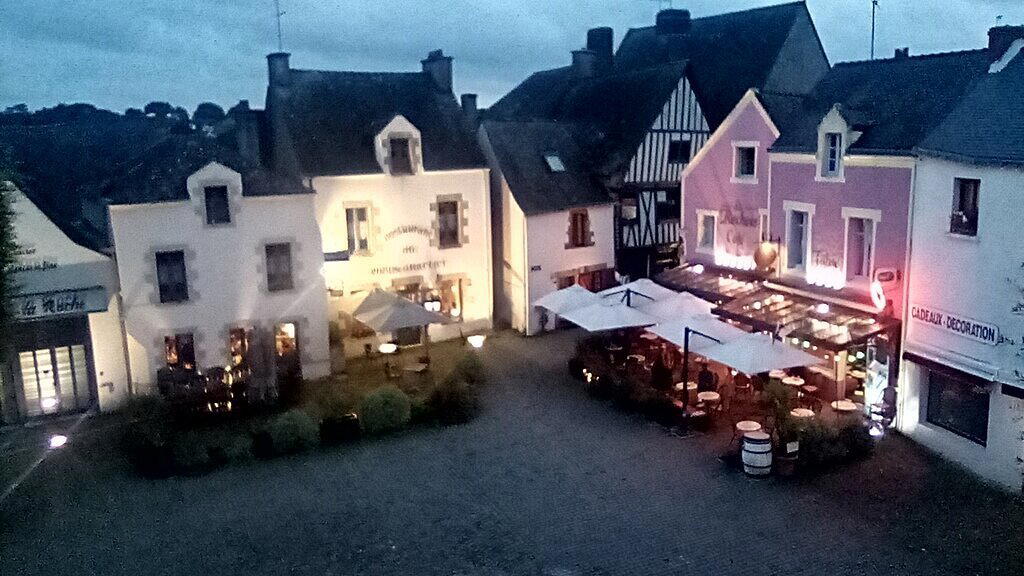
Bars in La Roche-Bernard
Browse all →
At a Glance
- Cozy
- Rustic
- Family
- Casual Hangout
- Terrace
- Local Sourcing
- Organic
Current opening hours
- Monday
- 12–2 PM, 7–9 PM
- Tuesday
- 12–2 PM, 7–9 PM
- Wednesday
- 12–2 PM, 7–9 PM
- Thursday
- 12–2 PM
- Friday
- Closed
- Saturday
- 12–2 PM, 7–9 PM
- Sunday
- 12–2 PM, 7–8:30 PM
Hours can change for holidays and private events. Last verified .
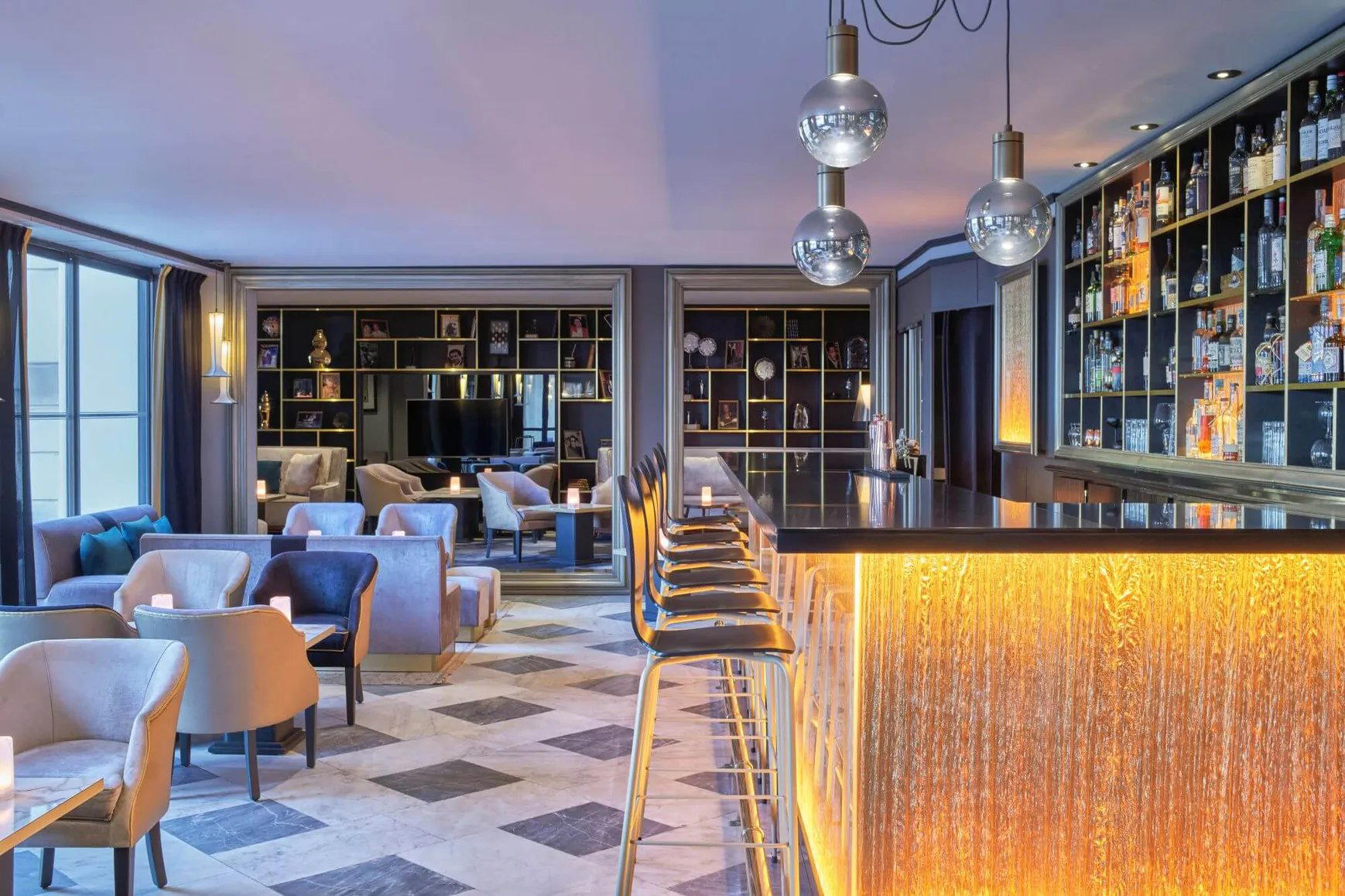
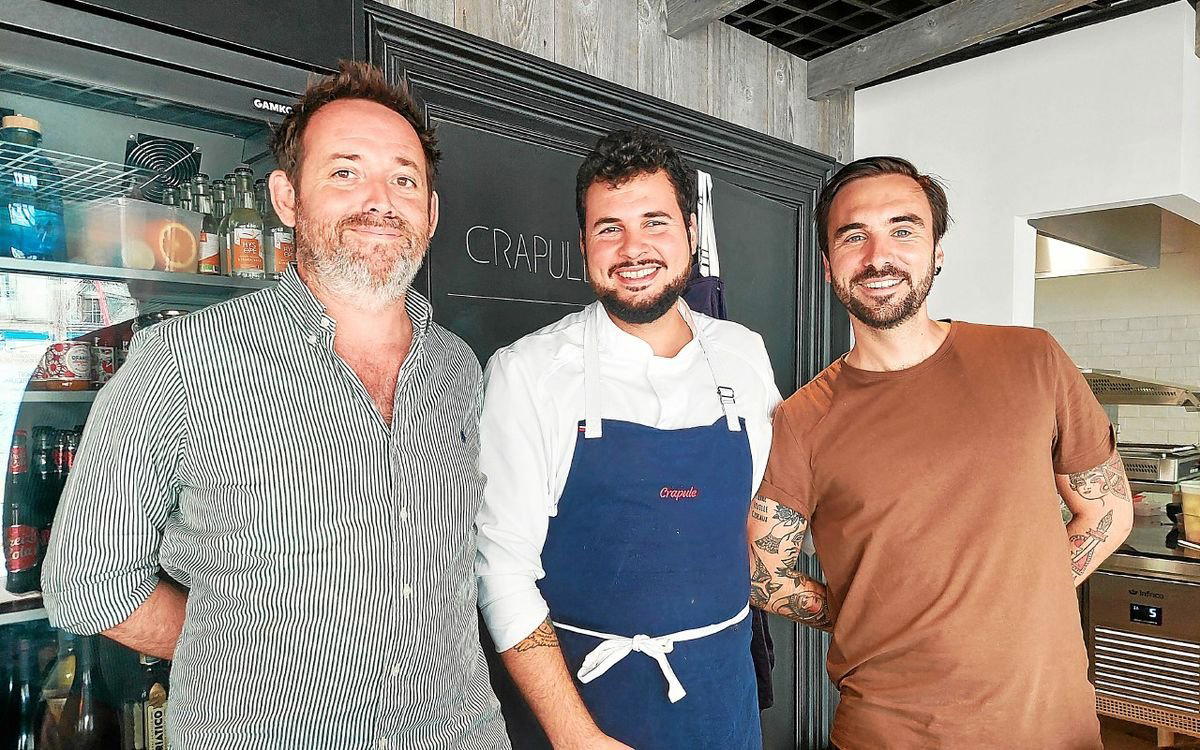
Charming and cozy atmosphere where guests feel at home, with a welcoming bar and terrace.