Slavkov dom sits at Golo Brdo 8 in Medvode, a small settlement in the Sava valley northwest of Ljubljana. The address places it within the network of Slovenian country dining houses that have anchored rural hospitality for generations, offering a reference point for visitors tracing the gostilna tradition beyond the capital.
Pearl is the En Primeur Club membership app — saves, bookings, and concierge access live there. Same editors, same standards.
- Address
- Golo Brdo 8, 1215 Medvode, Slovenia
- Phone
- +38613611242
- Website
- slavkovdom.com
- Directions
- Get directions
 Saves & bookings on Pearl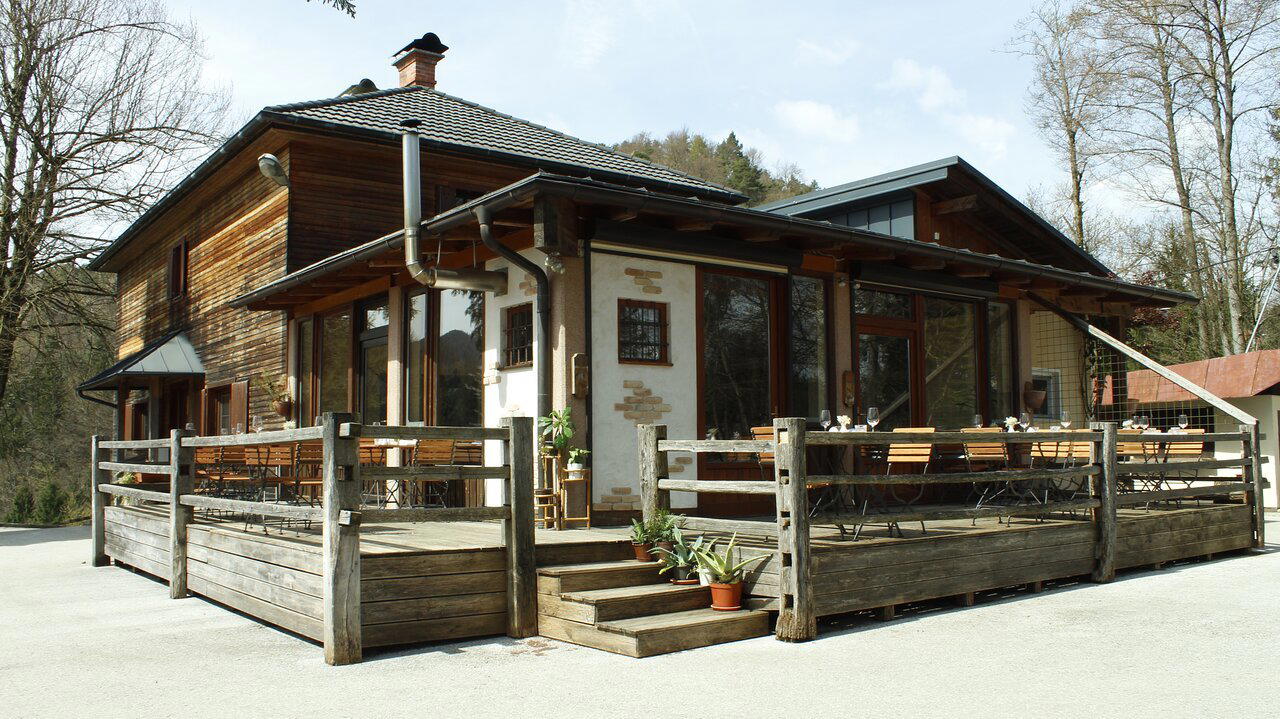
The Gostilna Tradition in the Sava Valley
Slovenia's rural dining culture runs on a format that predates restaurant categories as urban visitors understand them: the gostilna, or country inn, where the kitchen, the community, and the land exist in close proximity. In the Sava valley northwest of Ljubljana, that format has remained largely intact. Medvode, where the Sava and Selška Sora rivers converge, sits at the edge of Ljubljana's commuter radius but retains the agricultural character of a settlement oriented toward the hills rather than the city. The addresses here are not chef destinations in the Michelin-announcement sense; they are functioning parts of a local social fabric that happens to accommodate visitors.
Slavkov dom, at Golo Brdo 8 on the hillside above Medvode, belongs to that tradition. The address itself signals something: Golo Brdo translates loosely as bare or open hill, the kind of topographic name that appears throughout Slovenia's interior, and the elevation separates the place physically from the valley floor. Approaching from Medvode, the road climbs through mixed woodland before the building comes into view. It is the geography of the Slovenian country house rather than the urban dining room, and it conditions expectations accordingly.
What the Gostilna Format Means in Practice
The gostilna category covers a wide range in Slovenia. At one end sit neighbourhood taverns with a fixed lunch menu and a wine list that doubles as the bar list. At the other, properties like Grič in Šentjošt nad Horjulom have translated the farm-to-table ethos into a higher-price-point format with serious kitchen credentials. Gostilna Mihovec, also in Medvode, represents another local iteration of the same tradition. The format that connects them is a kitchen grounded in regional produce, a dining room that functions as a gathering point for locals, and a price structure calibrated to the community rather than to destination-dining traffic.
This matters for how visitors should position Slavkov dom in their planning. The properties that draw international coverage in Slovenia, among them Hiša Franko in Kobarid and Milka in Kranjska Gora, operate at €€€€ price points with tasting menus and advance booking requirements measured in weeks. Gostilna Pri Lojzetu in Vipava and Dam in Nova Gorica occupy a similar register. Country houses at Slavkov dom's address and format sit in a different tier, where the value of the visit is proportional to the coherence of the local experience rather than the ambition of the kitchen program.
Slovenian Country Cooking: The Cultural Frame
Understanding what a property like Slavkov dom represents requires some understanding of what Slovenian home-style cooking actually is. The cuisine of the country's interior, including the Ljubljana basin and the Sava valley, draws on Central European and Alpine traditions: buckwheat, pork, dairy from upland farms, mushrooms gathered from the surrounding forests, and preserved vegetables that carry summer produce through the winter. Žganci, a buckwheat porridge, and štruklji, rolled dumplings with fillings that vary by region and season, appear across this category of establishment as much as proteins do.
This is not a cuisine that has sought international visibility in the way that Slovenian fine dining now does, partly through the work of chefs like Ana Roš, whose influence radiates across the country's upper kitchen tier. The gostilna tradition is more conservative in the leading sense: it preserves techniques and preparations that would otherwise disappear under the pressure of ingredient cost, labour intensity, and the economics of running a small rural kitchen. The cultural argument for visiting these places is precisely that they are not performing their tradition for outside audiences; they are operating it for their own communities, with visitors admitted on those terms.
For context on how Ljubljana's urban dining scene connects to these rural roots, Restavracija Strelec in Ljubljana represents one point where city-based cooking draws explicitly on Slovenian culinary heritage. The rural gostilna and the urban heritage restaurant address similar material from opposite directions.
Placing Slavkov dom in the Wider Slovenian Network
Slovenia's dining map, read at a national level, reveals a pattern: frequently discussed kitchens cluster in the west (Kobarid, Vipava, Nova Gorica) and in Ljubljana, while the interior and the Ljubljana periphery contain a quieter network of country establishments that rarely reach international editorial coverage. Properties like Hiša Linhart in Radovljica, Pavus in Lasko, Gostilna Mlinar in Idrija, and Gostišče Karavla 297 in Trzic illustrate how widely the tradition distributes across the country's smaller towns and rural addresses.
The restaurant at Golo Brdo falls into this dispersed network. Its value is positional as much as culinary: it represents a type of place that Slovenian residents use differently from how visitors use the country's recognised dining destinations. Gostišče Neptun in Piran, Turistična Kmetija Breg in Brda, and Gostilna Oštirka in Celje each demonstrate how the gostilna and country-inn format adapts to different regional contexts across the country, from the Brda wine country to the Adriatic coast to the Savinja valley. Medvode's version has its own local character, shaped by the Sava valley rather than any of those other geographies.
For international visitors arriving in Ljubljana and looking to move beyond the city's dining options, Hiša Denk in Zgornja Kungota and the other properties in EP Club's Slovenia coverage provide a range of comparison points.
Planning a Visit
The practical information for the restaurant is direct. The address is Golo Brdo 8, 1215 Medvode, Slovenia, which places it above the main village on the hill road. Medvode itself is accessible from Ljubljana by regional bus or by car in approximately twenty minutes along the A1 motorway corridor. Current hours are Tuesday through Sunday, with Monday closed, and reservations are recommended.
The hillside setting means that arriving by car is the practical default. Visitors combining the restaurant with a wider circuit of Ljubljana-area dining might also consider the restaurants across the border of international recognition, such as Le Bernardin in New York City or Atomix in New York City, as reference points for understanding how differently the gostilna tradition scales relative to destination kitchens at the upper end of global dining.
Cost and Credentials
Comparable venues nearby, for context on price, style, and recognition.
| Venue | Cuisine | Price | Notes |
|---|---|---|---|
| Slavkov domThis venue — the venue you are viewing | Golo Brdo, Traditional Slovenian | $$ | Not listed |
| Gostilna Mihovec | Zgornje Pirniče, Contemporary Slovenian | $$ | Not listed |
| Gostilna Pr. Matičku | suburbs, Slovenian Game & Local Cuisine | $$ | Not listed |
| Pr' Končovc | Not listed | $$ | Javornik, Traditional Slovenian Farmhouse |
| Gostišče Karavla 297 | Podljubelj, Traditional Slovenian | $$ | Not listed |
| Slaščičarna Lolita | Not listed | $$ | Old Town (Stari Trg area), Artisanal Patisserie & Café |
Continue exploring
More in Medvode
Restaurants in Medvode
Browse all →
Bars in Medvode
Browse all →
Hotels in Medvode
Browse all →



At a Glance
- Cozy
- Rustic
- Scenic
- Family
- Group Dining
- Casual Hangout
- Garden
- Historic Building
- Local Sourcing
- Mountain
Current opening hours
- Monday
- Closed
- Tuesday
- 12–10 PM
- Wednesday
- 12–10 PM
- Thursday
- 12–10 PM
- Friday
- 12–11 PM
- Saturday
- 12–11 PM
- Sunday
- 12–10 PM
Hours can change for holidays and private events. Last verified .
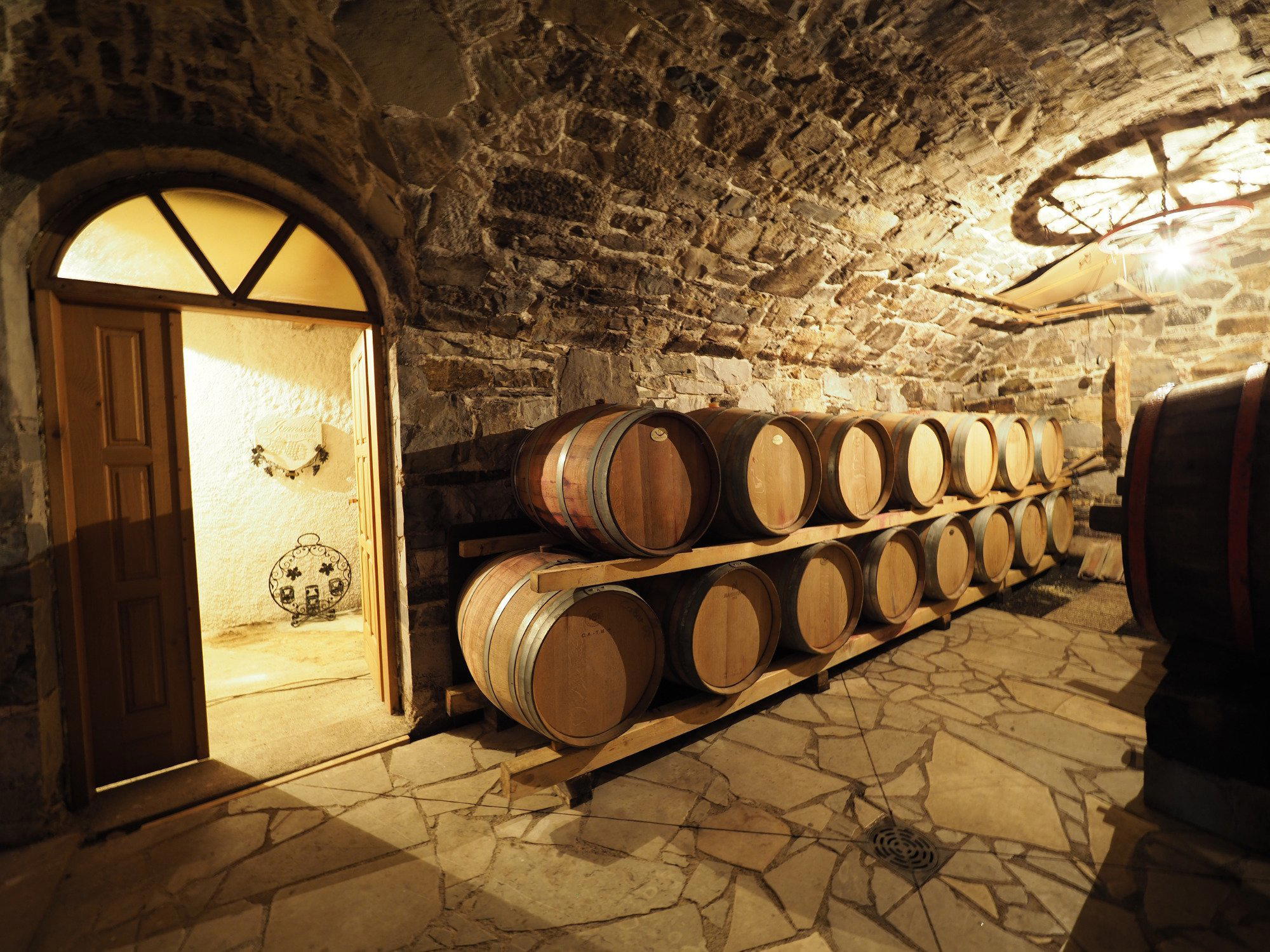
Cozy atmosphere with a fireplace, live music, and peaceful surroundings amidst hills and forests.