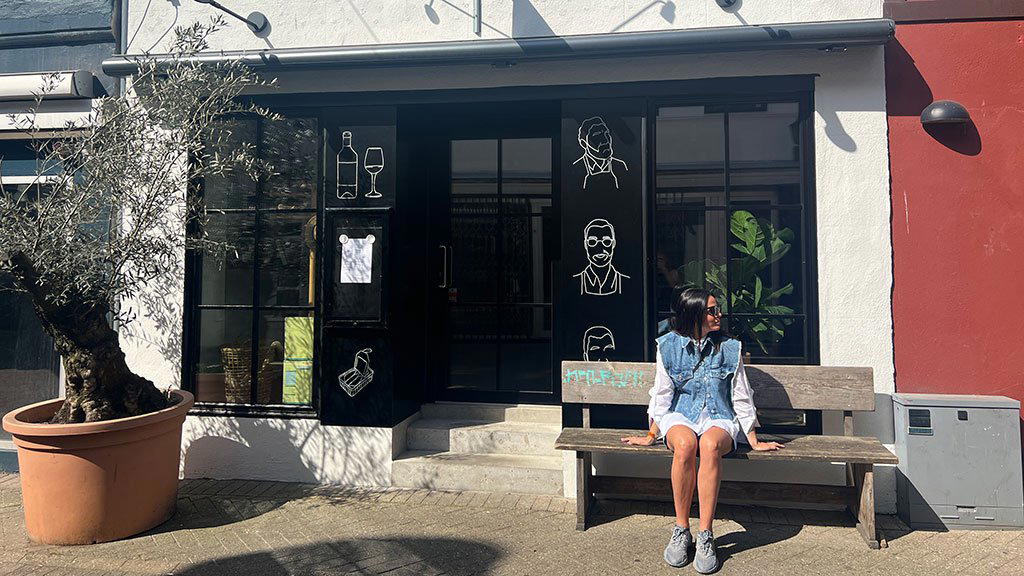
GOMA occupies a prominent address on Kongensgade in central Odense, placing it inside the city's growing conversation about serious Danish cooking outside Copenhagen. The venue sits in a dining scene that has expanded considerably as Funen's food culture finds regional definition, with peers including ARO and Kok & Vin shaping what contemporary Odense dining means.
Pearl is the En Primeur Club membership app — saves, bookings, and concierge access live there. Same editors, same standards.
- Address
- Kongensgade 66, 68, 5000 Odense C, Denmark
- Phone
- +4531755395
- Website
- goma.nu
- Directions
- Get directions
 Saves & bookings on Pearl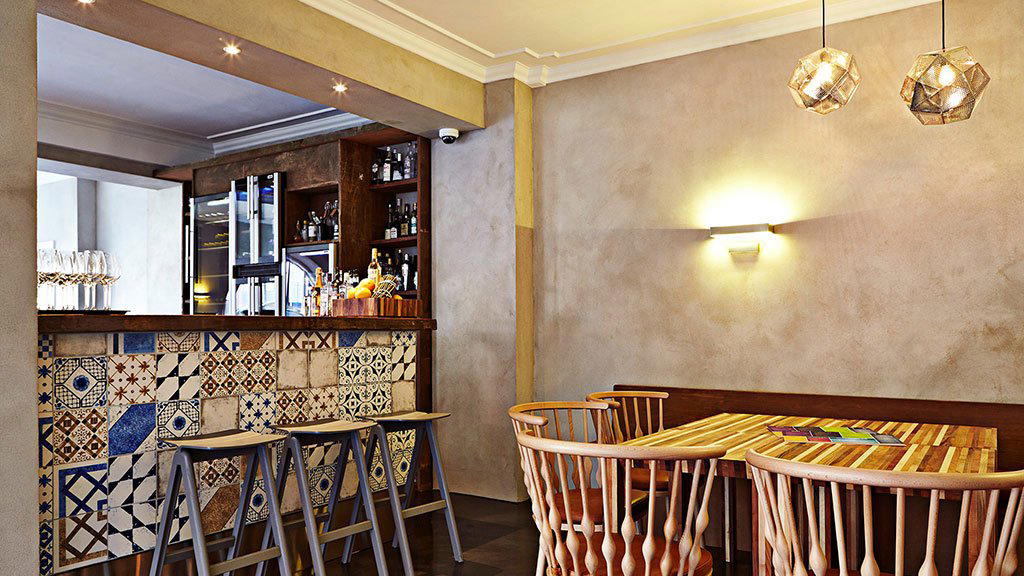
Kongensgade and the Broader Question of Danish Fine Dining Beyond the Capital
Danish fine dining has, for two decades, been understood primarily as a Copenhagen phenomenon. Geranium in Copenhagen and Jordnær in Gentofte defined the international conversation, and the infrastructure of awards, press attention, and international travel followed accordingly. What has shifted more quietly is the depth of intent emerging in provincial cities, Aarhus, Vejle, Fredericia, and, with increasing confidence, Odense. GOMA is a Nordic-Japanese Omakase Fusion restaurant in Odense, Denmark, at Kongensgade 66-68, and reservations are essential.
Odense is Denmark's third-largest city and the administrative heart of the island of Funen, a region whose agricultural identity, proximity to coastal waters, and slower pace relative to Copenhagen have historically made it a supplier to the capital rather than a destination in its own right. That dynamic is changing. The island's larder, game from inland estates, fish from the surrounding straits, produce from small farms, is the same material New Nordic kitchens built their reputation on, and chefs working in Odense now have both the supply chain and the audience to use it at a serious level.
What GOMA Addresses in the Odense Scene
The Odense restaurant tier has stratified noticeably in recent years. At one end sits the historically anchored, comfort-focused dining represented by Den Gamle Kro A/S, a venue whose appeal is rooted in continuity and Danish inn tradition. At the other end, venues like ARO (Modern Cuisine) operate in the contemporary tasting-menu format, priced at the €€ tier, with menus that reflect the current conventions of Scandinavian ingredient-led cooking. GOMA occupies a position within this conversation, on a central address that gives it visibility and foot traffic without the periphery challenge that affects some of Denmark's more remote serious kitchens.
Across Denmark's wider geography, the restaurants that have attracted sustained recognition outside the capital share a common characteristic: they have found ways to anchor their cooking to a specific regional identity rather than simply replicating Copenhagen models. Frederikshøj in Aarhus did this through a long-standing commitment to Jutland produce. Henne Kirkeby Kro in Henne built its identity around the West Jutland coast. LYST in Vejle leveraged its fjord setting as both visual and culinary context. For Odense, the relevant geography is Funen itself, an island whose culinary identity remains underdefined internationally even as its raw material quality is well established among Danish producers and buyers.
Cultural Roots of the Cuisine and What They Mean for a Funen Kitchen
The New Nordic framework, codified in the early 2000s and exported globally through a handful of Copenhagen restaurants, was always as much an ideology about sourcing and seasonality as it was a cooking style. Its central argument, that Nordic ingredients were as worthy of serious technique as French or Japanese ones, restructured how Danish chefs thought about their relationship to local producers. A decade and a half on, that argument has been largely won, and the more interesting question now is which regional sub-traditions within Denmark get developed with the same rigor that coastal Norway, the Faroe Islands, or Copenhagen's urban foraging culture have received.
Funen occupies a specific ecological niche. Surrounded by the Little Belt to the west and the Great Belt to the east, with a milder microclimate than much of mainland Denmark, it produces fruit, vegetables, and grain at a quality that earned it the informal designation of Denmark's garden island. That identity is culinary as much as agricultural. Venues that work seriously with Funen produce are engaging with a regional tradition that has depth but has not yet been fully narrated in the language of contemporary fine dining. This is the opportunity and the responsibility that comes with operating a serious restaurant in Odense in the current period.
Peers operating at similar levels of ambition in smaller Danish cities include Ti Trin Ned in Fredericia and Dragsholm Slot Gourmet in Hørve, both of which have built recognizable identities around specific Danish landscapes. Tri in Agger and Frederiksminde in Præstø represent the further end of the regional-destination model, where the journey to the restaurant is itself part of the proposition. GOMA, by contrast, operates in a city context, where the surrounding neighbourhood and foot-traffic dynamics are different and the competition for attention includes casual formats alongside tasting-menu peers like HOS, Kok & Vin, and I Pupi Siciliani.
Planning a Visit: What to Know Before You Go
GOMA is at Kongensgade 66-68 in central Odense, walkable from the city's main train station and from the Hans Christian Andersen quarter that draws most international visitors to the city. Odense is approximately 75 minutes from Copenhagen by direct train on the DSB intercity service, which makes a dinner visit feasible as a day trip from the capital, though the city merits an overnight stay if the wider Funen food scene is the draw. Current hours are Mon: Closed; Tue to Thu: 5:30–11 PM; Fri and Sat: 5:30 PM–12 AM; Sun: Closed.
A Pricing-First Comparison
Comparable venues nearby, for context on price, style, and recognition.
| Venue | Cuisine | Price | Notes |
|---|---|---|---|
| GOMAThis venue — the venue you are viewing | Odense C, Nordic-Japanese Omakase Fusion | $$$ | Not listed |
| Sortebro Kro | Not listed | $$$$ | Funen Village (Den Fynske Landsby), Classic Danish Nordic Cuisine |
| Kok & Vin | Not listed | $$$ | Odense city center, Classic French Bistro |
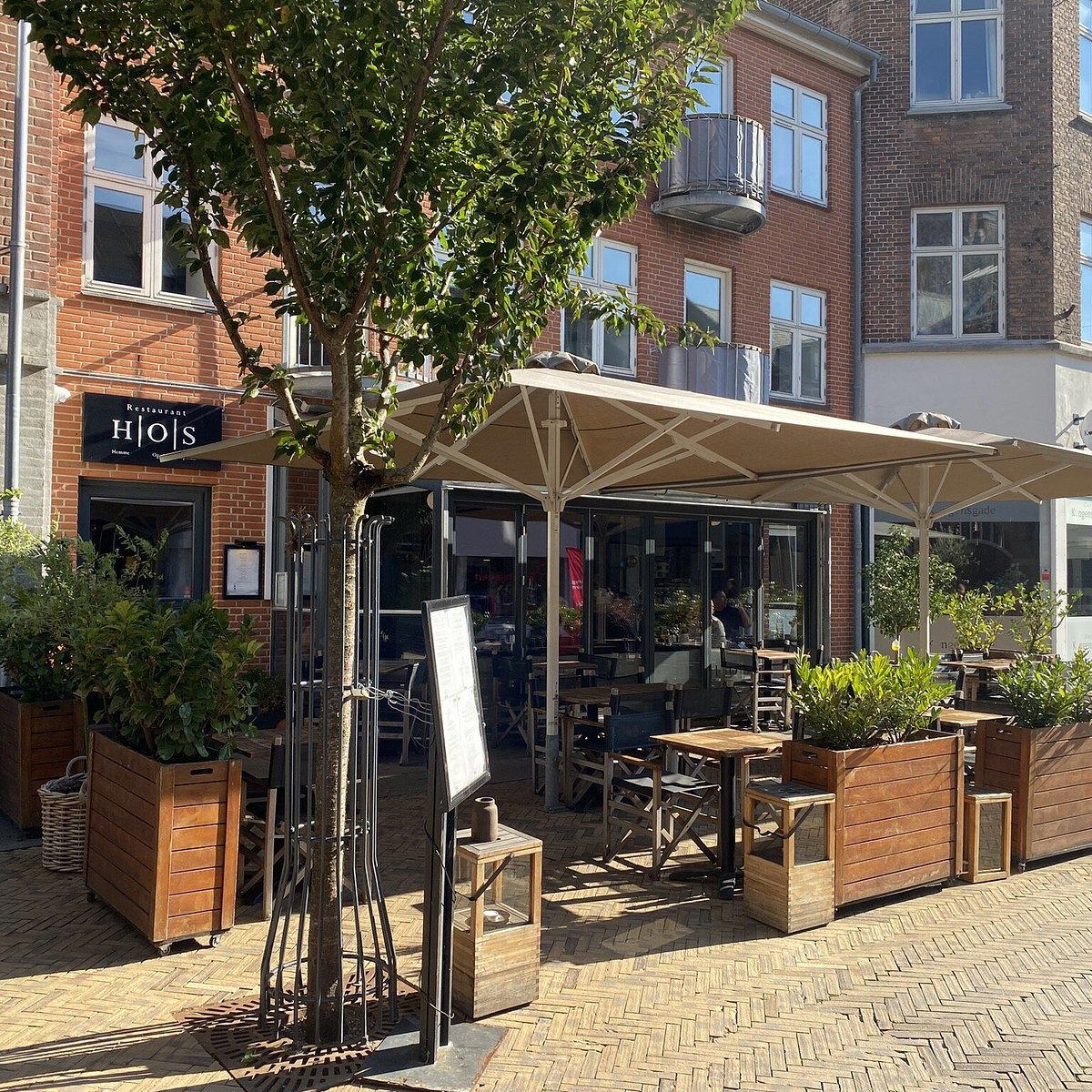
| HOS | Not listed | $$$ | center, Modern Danish with French influences |
| Oluf Bagers Gaard | Not listed | $$$ | central Odense, Modern Danish-Nordic with French influences |
| Den Gamle Kro A/S | Not listed | $$$ | Odense Old Town, Traditional Danish with French Influences |
Continue exploring
More in Odense
Restaurants in Odense
Browse all →
Bars in Odense
Browse all →
Hotels in Odense
Browse all →

At a Glance
- Elegant
- Intimate
- Sophisticated
- Modern
- Date Night
- Special Occasion
- Extensive Wine List
Current opening hours
- Monday
- Closed
- Tuesday
- 5:30–11 PM
- Wednesday
- 5:30–11 PM
- Thursday
- 5:30–11 PM
- Friday
- 5:30 PM–12 AM
- Saturday
- 5:30 PM–12 AM
- Sunday
- Closed
Hours can change for holidays and private events. Last verified .
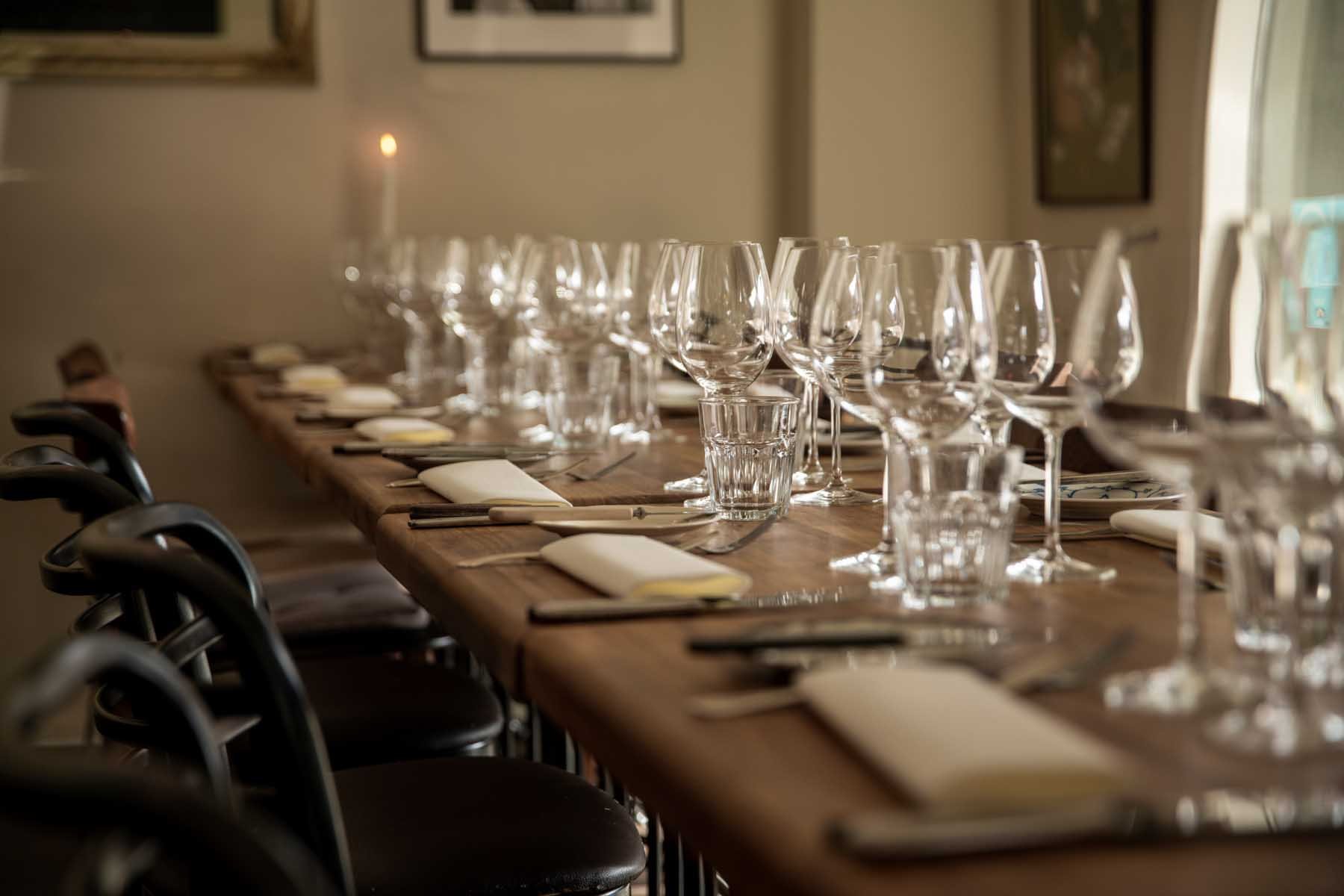
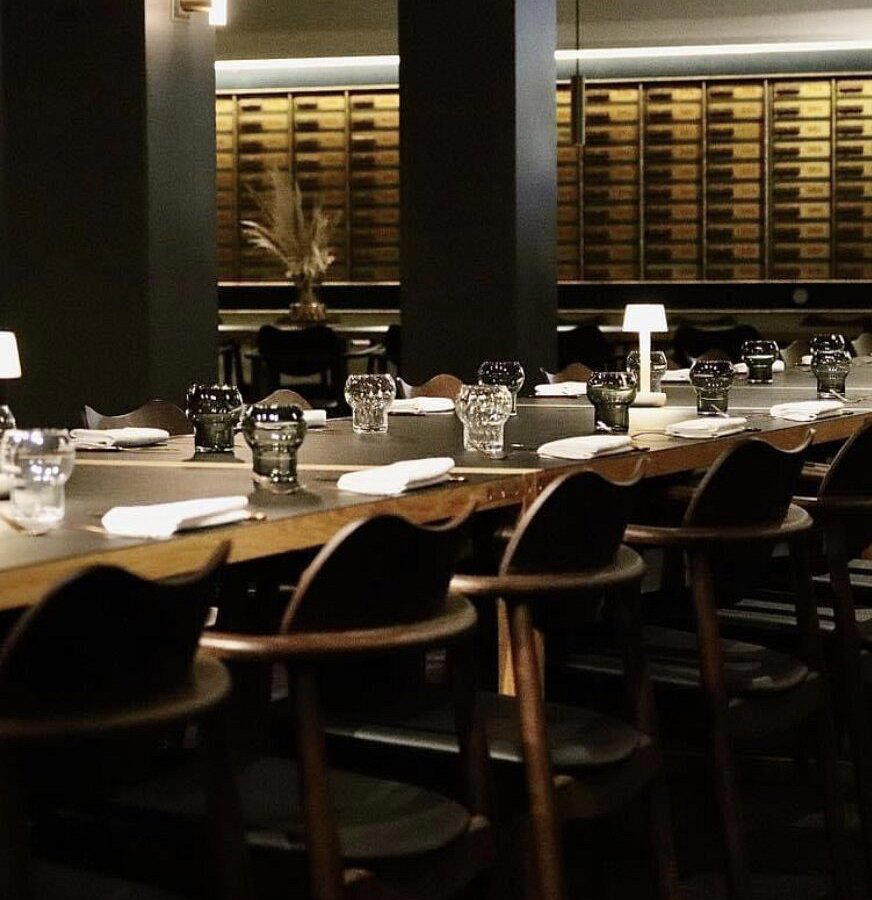
Elegant and intimate atmosphere with refined presentation and vivid plating that enhances the sophisticated dining experience.