A slice of Sicilian tradition on Vindegade in Odense, I Pupi Siciliani brings southern Italian ingredient culture to Denmark's third city, a context where that specificity is relatively rare. The kitchen draws on Sicilian sourcing traditions at a time when most of Odense's restaurant scene trends toward Nordic frameworks. Worth knowing before you book.
Pearl is the En Primeur Club membership app — saves, bookings, and concierge access live there. Same editors, same standards.
- Address
- Vindegade 73, 5000 Odense, Denmark
- Phone
- +4566111696
- Website
- ipupisiciliani.dk
 Saves & bookings on Pearl
Sicily on Vindegade: What Southern Italian Ingredient Culture Means in a Nordic City
Odense sits at an interesting crossroads in Danish dining. The city has, over the past decade, developed a serious restaurant culture anchored in Nordic produce frameworks, fermentation, foraged greens, cold-water fish, and the kind of hyper-local sourcing logic that defines restaurants like ARO (Modern Cuisine) and HOS. Against that backdrop, a restaurant drawing on Sicilian tradition is not simply a different cuisine, it represents a fundamentally different philosophy about where food should come from and what those origins are supposed to communicate.
Sicily's ingredient culture is built on sun-hours, volcanic soil, and a layered food history that pulls from Arab, Norman, and Greek influences across centuries. The island produces some of the Mediterranean's most distinct raw materials: blood oranges, capers from Pantelleria, pistachios from Bronte, tuna from the Strait of Messina, and a range of hard and fresh cheeses that travel poorly and taste leading when the sourcing chain is short and attentive. When a restaurant in northern Europe takes that tradition seriously, the gap between origin and plate becomes the central editorial question, and the answer tells you a great deal about what the kitchen values.
I Pupi Siciliani, at Vindegade 73 in Odense, operates inside that question. The name itself references the traditional Sicilian puppet theatre, the Opera dei Pupi, a UNESCO-recognized performing art form from Palermo and Catania that uses elaborately crafted wooden figures to stage chivalric epics. It is a specific cultural reference, not a generic Italian gesture, and it signals a particular kind of regional seriousness that separates this address from the broader category of Italian restaurants in Denmark.
Ingredient Culture as the Kitchen's Core Argument
Southern Italian cooking, and Sicilian cooking in particular, makes a different argument about ingredients than Nordic cuisine does. Where the Nordic framework tends to privilege proximity, what grows here, what is caught here, what can be preserved through a dark winter, Sicilian cooking argues for specificity of place regardless of distance. The capers are from Pantelleria because no caper grown elsewhere tastes quite the same. The pistachios are from Bronte because the soil composition at the foot of Etna produces a fat content and colour that are measurably distinct. This is not nostalgia; it is terroir logic applied to a pantry rather than a vineyard.
For a Danish kitchen operating with this philosophy, the sourcing discipline required is considerable. Maintaining ingredient integrity across a supply chain that runs from Sicily to Funen demands relationships rather than spot purchasing, and it requires a kitchen that can communicate why those distinctions matter to a dining public that may encounter them for the first time. Odense's restaurant audience has been educated by venues like Kok & Vin and Den Gamle Kro A/S to take provenance seriously, which makes the city a more receptive context for this argument than it might have been a decade ago.
Across Denmark more broadly, the restaurants that have attracted the most sustained critical attention, Geranium in Copenhagen, Jordnær in Gentofte, Frederikshøj in Aarhus, share a commitment to traceable sourcing. That commitment does not require Nordic ingredients. It requires knowing exactly where your ingredients come from and being able to make that knowledge legible through the plate. Sicilian kitchens operating at a high level, from Palermo to the Ragusano plateau, apply the same logic. I Pupi Siciliani sits in a tradition that has its own rigorous answer to the provenance question.
Where Odense's Italian Address Sits in a Wider Context
Italian restaurants in Denmark occupy a wider spread than they did fifteen years ago. At one end, there are the casual trattorias and pizza operations that function as reliable neighbourhood anchors. At the other, there is a smaller cohort of kitchens that treat Italian regional cooking with the same seriousness that tasting-menu restaurants apply to their own traditions, specific regions, specific producers, specific technique lineages. The gap between those two tiers is significant, and the address you are visiting tells you relatively little without understanding which tier it is operating in.
I Pupi Siciliani's name and address on Vindegade place it in Odense's established dining corridor, a street that carries a reasonable density of serious eating options for a city of this size. The Sicilian specificity of the name suggests an aspiration toward the more serious end of the regional Italian category.
For comparison, the broader Danish restaurant scene outside Copenhagen, including addresses like Alimentum in Aalborg, LYST in Vejle, and Domæne in Herning, demonstrates that serious dining ambition in Denmark's provincial cities is not the exception it once was. A Sicilian-focused kitchen in Odense fits a pattern of regional specialization becoming more common outside the capital. Internationally, the broader conversation about Italian regional sourcing runs through kitchens as different as Le Bernardin in New York City and Atomix in New York City, venues where ingredient origin is treated as a primary design parameter.
Planning Your Visit to Vindegade 73
I Pupi Siciliani is located at Vindegade 73, 5000 Odense, walkable from Odense's central train station, which connects to Copenhagen in approximately 1 hour 30 minutes by direct rail. Odense city centre is compact, and Vindegade is accessible on foot from most central hotels. Current booking information and pricing are not confirmed in the record. Opening hours are Wednesday to Saturday, 5:30 to 9 PM. Those planning a broader Danish itinerary may also find value in reviewing Henne Kirkeby Kro in Henne, Dragsholm Slot Gourmet in Hørve, Frederiksminde in Præstø, and MOTA in Nykøbing Sjælland as reference points for what serious provincial dining looks like across the country. The GOMA address in Odense is also worth noting for those building a multi-stop evening in the city.
How It Stacks Up
Comparable venues nearby, for context on price, style, and recognition.
| Venue | Cuisine | Price | Awards | Notes |
|---|---|---|---|---|
| I Pupi SicilianiThis venue — the venue you are viewing | Authentic Sicilian | $$ | , | |
| Den Gamle Kro A/S | Traditional Danish with French Influences | $$$ | , | Odense Old Town |
| Oluf Bagers Gaard | Modern Danish-Nordic with French influences | $$$ | , | central Odense |
| Madklubben Odense | Modern European Classics | $$ | , | Odense C |
| Pasfall | Contemporary Nordic with French Technique | $$$ | Michelin Plate | Odense C |
| Kok & Vin | Classic French Bistro | $$$ | Odense city center |
Continue exploring
More in Odense
Restaurants in Odense
Browse all →
Bars in Odense
Browse all →
Hotels in Odense
Browse all →
Wineries in Odense
Browse all →
At a Glance
- Cozy
- Rustic
- Intimate
- Classic
- Date Night
- Special Occasion
- Historic Building
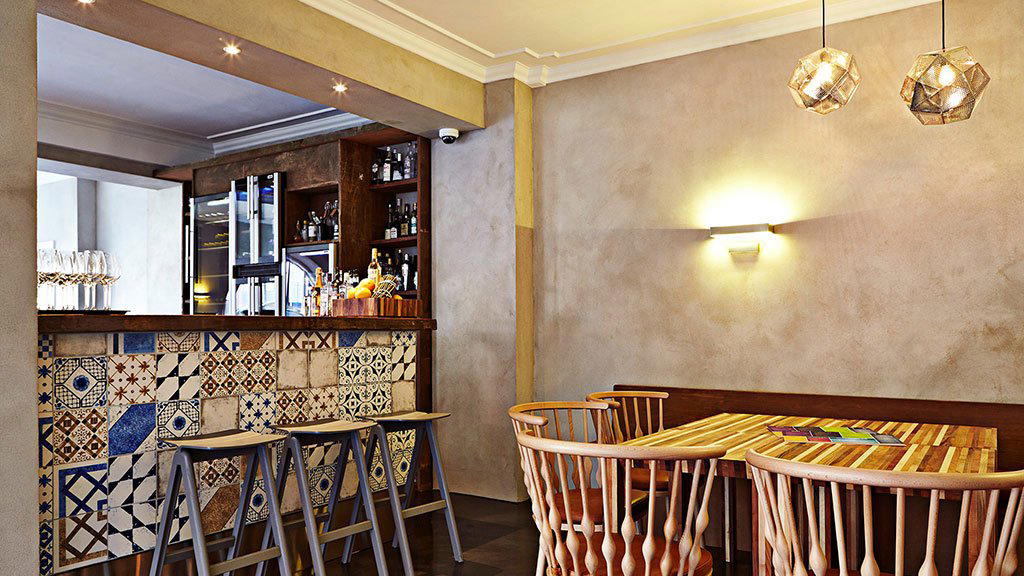
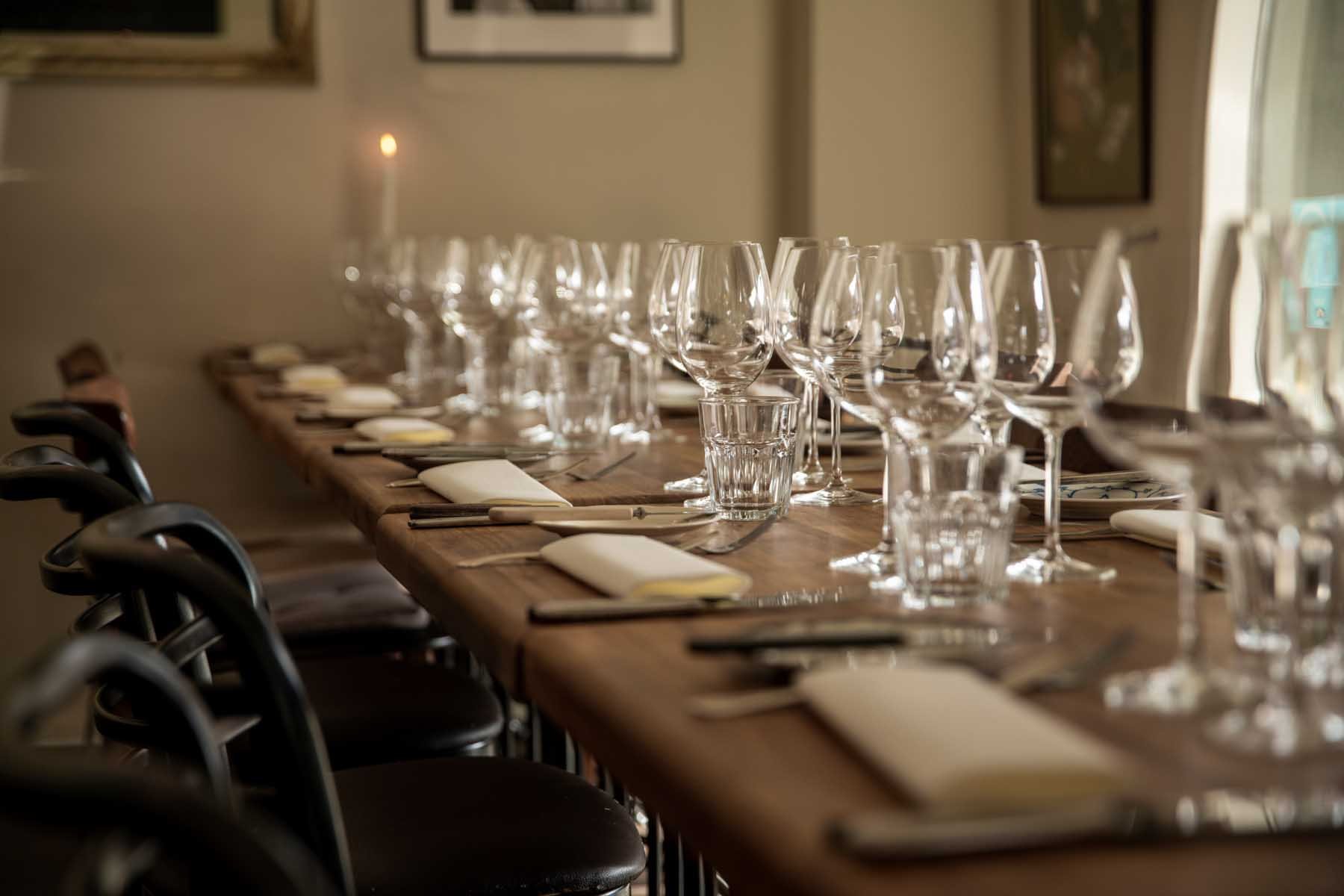
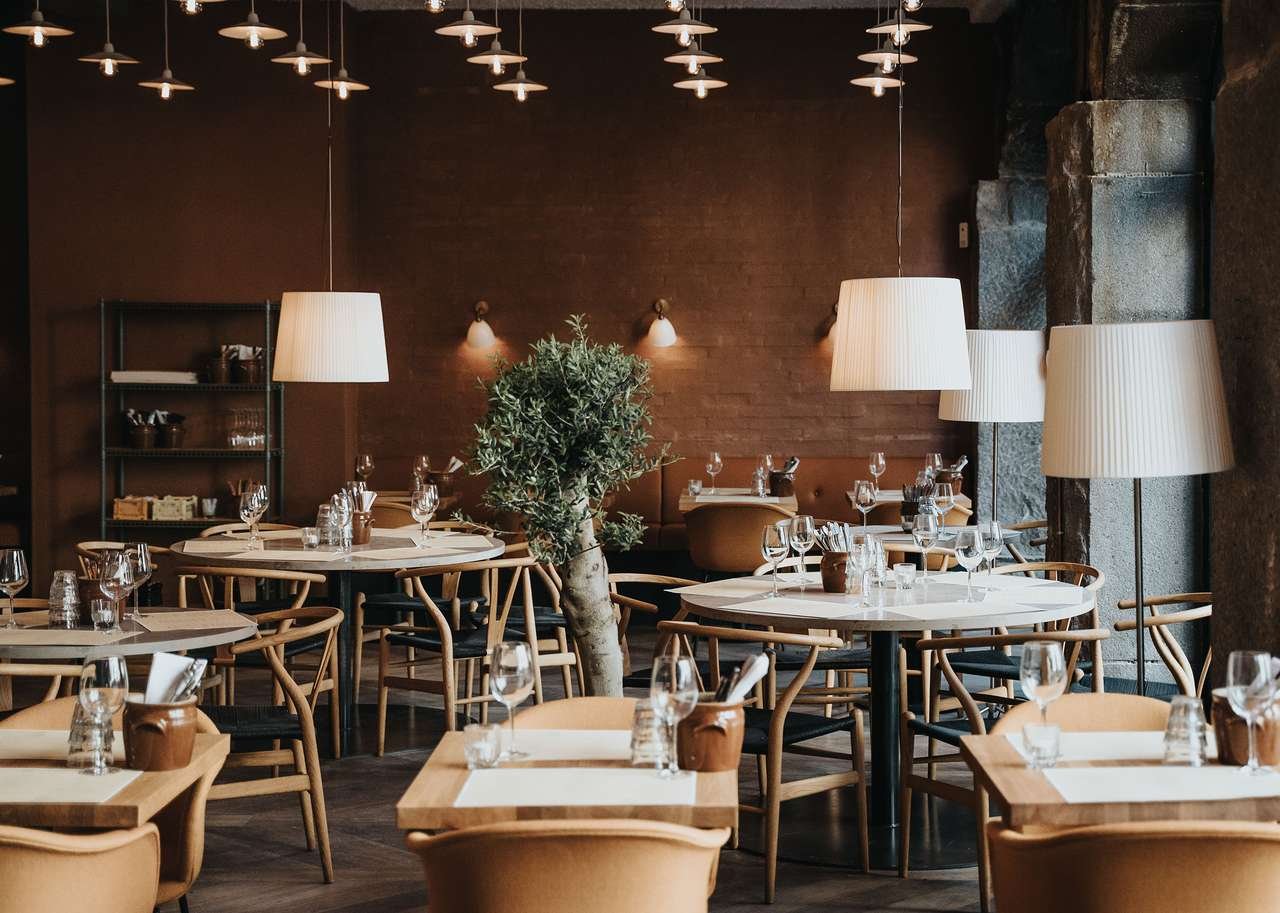
Warm, candlelit setting with rustic stone walls and cozy, homely atmosphere.