Den Gamle Kro A/S occupies a historic address on Overgade in central Odense, placing it among the city's most established dining names. The setting draws on centuries of Danish inn tradition, positioning the restaurant within a culinary lineage that predates the Nordic fine-dining wave. For visitors tracing Odense's food culture from its roots forward, this address is a useful anchor point.
Pearl is the En Primeur Club membership app — saves, bookings, and concierge access live there. Same editors, same standards.
- Address
- Overgade 23, 5000 Odense, Denmark
- Phone
- +4566121433
- Website
- dengamlekro.dk
- Directions
- Get directions
 Saves & bookings on Pearl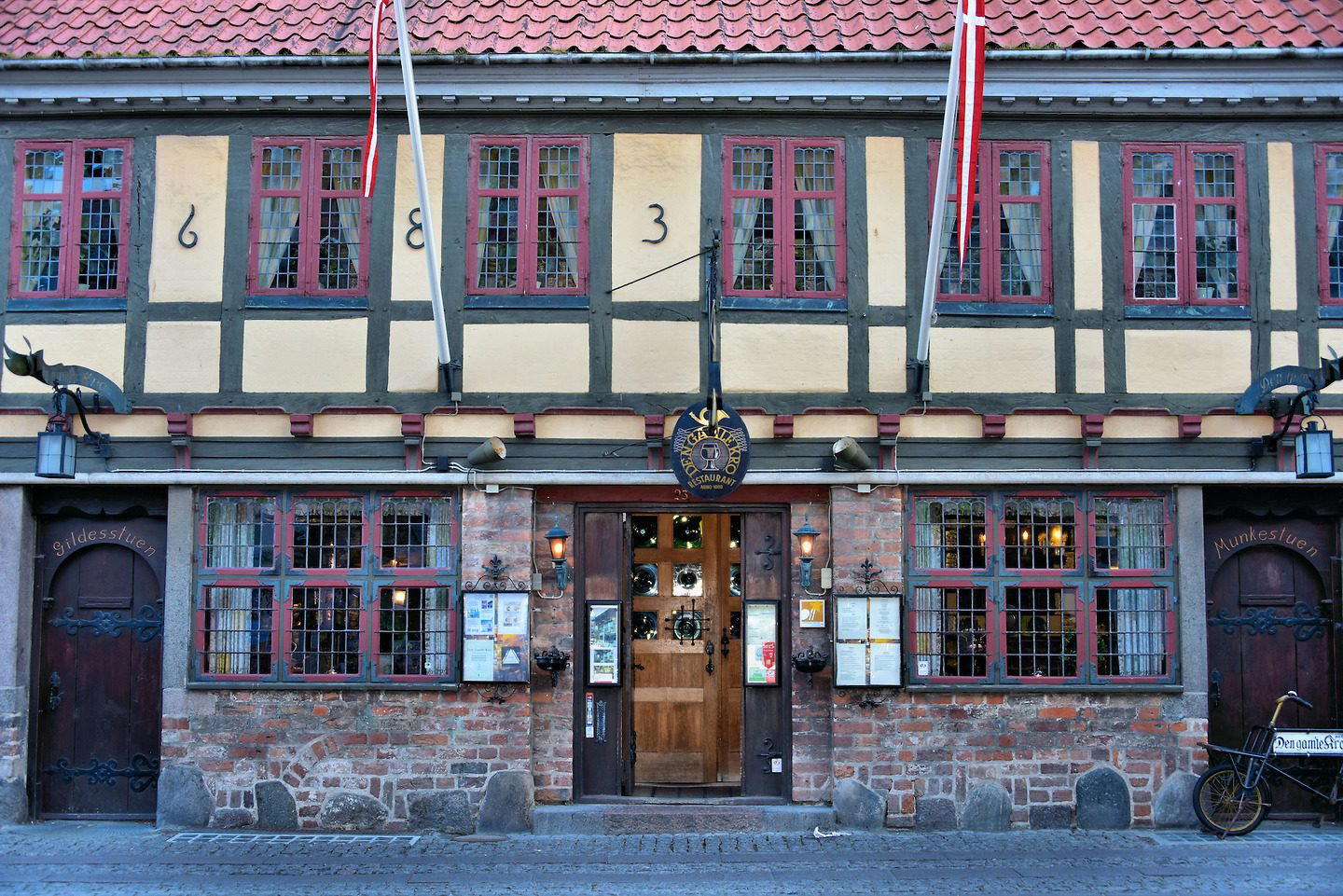
Where Overgade Meets the Older Danish Table
Overgade is one of Odense's oldest streets, running through the heart of the medieval city centre in a district where half-timbered facades and cobbled stretches set the physical register before a single dish arrives. Restaurants in this part of the city operate against a backdrop that does much of the atmospheric work on its own. Den Gamle Kro A/S sits at number 23, and the address signals a restaurant rooted in the Danish kro tradition, the roadside or town inn that has long served travellers and locals alike.
That tradition matters as a frame of reference, because the kro format shaped Danish food culture in ways that the New Nordic movement later reacted against and, in some respects, quietly borrowed from. The kro kitchen was always ingredient-led by necessity: you cooked what the surrounding farms and waters provided, within the constraints of season and geography. The pantry was local not by ideology but by logistics. What contemporary Danish fine-dining rooms articulate as a sourcing philosophy, the classic kro format simply practised as the only available option. Den Gamle Kro A/S, sitting in this older tradition on a street that pre-dates refrigeration by several centuries, inherits that relationship between place and plate whether it announces it or not.
The Ingredient Logic of the Danish Inn Kitchen
Danish agricultural geography is unusually concentrated. Funen, the island on which Odense sits, carries a reputation within Denmark as the country's garden island, a flat and fertile expanse where grain, root vegetables, dairy, and fruit have been farmed at scale for generations. Restaurants in Odense, regardless of their register or price point, operate closer to primary producers than their counterparts in Copenhagen simply by virtue of location. The supply chains are shorter, the seasonal windows more legible, and the provenance of a given ingredient more traceable.
This matters more in the kro format than in the modern tasting-menu room. In a traditional inn kitchen, the connection between local production and the plate is structural rather than decorative. What arrives on the table reflects what the season and the surrounding region are producing, not because it has been narrated for the guest, but because that is how the kitchen was built to function. Odense's position on Funen makes that structural sourcing more plausible than it would be in a city without the same agricultural density.
Compared to Odense's newer generation of dining rooms, including ARO (Modern Cuisine) and GOMA, Den Gamle Kro A/S represents an earlier version of the same underlying logic. HOS, Kok & Vin, and I Pupi Siciliani each occupy distinct niches in the city's current dining picture, but the kro format occupies a different category entirely, one that pre-dates the niche as a concept.
Odense and the Broader Danish Dining Map
Denmark's recognition on international dining lists has been concentrated in Copenhagen, with rooms like Geranium in Copenhagen and Jordnær in Gentofte anchoring the country's highest-recognition tier. Outside the capital, Michelin recognition has extended to rooms including Frederikshøj in Aarhus and, in the inn category specifically, Henne Kirkeby Kro in Henne, the latter a useful reference point for how the kro format can be repositioned within a fine-dining context when the sourcing and kitchen discipline are pushed to their limit.
The provincial inn tradition also surfaces in rooms like Frederiksminde in Præstø and Dragsholm Slot Gourmet in Hørve, where historic building stock and rural location are integral to the hospitality proposition. Odense's position as Funen's main city means it sits at a different point on that spectrum: more urban than a country kro, more historically layered than a purpose-built restaurant, and more embedded in a specific street and neighbourhood than a destination property outside a city centre.
Elsewhere in Jutland and the Danish provinces, rooms including LYST in Vejle, Ti Trin Ned in Fredericia, Tri in Agger, and Pearl by Paul Proffitt in Kruså demonstrate that serious Danish cooking is no longer a capital city phenomenon. The restaurant sits within that wider provincial picture, though its frame of reference is older than the contemporary fine-dining expansion that has characterised the past decade.
Planning a Visit
The restaurant is located at Overgade 23 in central Odense, within walking distance of the main city centre. Odense is reachable from Copenhagen by direct train in approximately ninety minutes, making it viable as a day trip or a natural stop on a longer Funen itinerary. The restaurant is recommended for reservations and open daily from late morning to evening. The address and neighbourhood are fixed reference points; operational specifics require direct confirmation.
Comparable Venues
Comparable venues nearby, for context on price, style, and recognition.
| Venue | Cuisine | Price | Notes |
|---|---|---|---|
| Den Gamle Kro A/SThis venue — the venue you are viewing | Traditional Danish with French Influences | $$$ | Not listed |
| Sortebro Kro | Classic Danish Nordic Cuisine | $$$$ | Funen Village (Den Fynske Landsby) |
| I Pupi Siciliani | Authentic Sicilian | $$ | Odense C |
| GOMA | Nordic-Japanese Omakase Fusion | $$$ | Odense C |
| Vår | Contemporary Nordic Fine Dining | $$$ | Odense C |
| Oluf Bagers Gaard | Modern Danish-Nordic with French influences | $$$ | central Odense |
Continue exploring
More in Odense
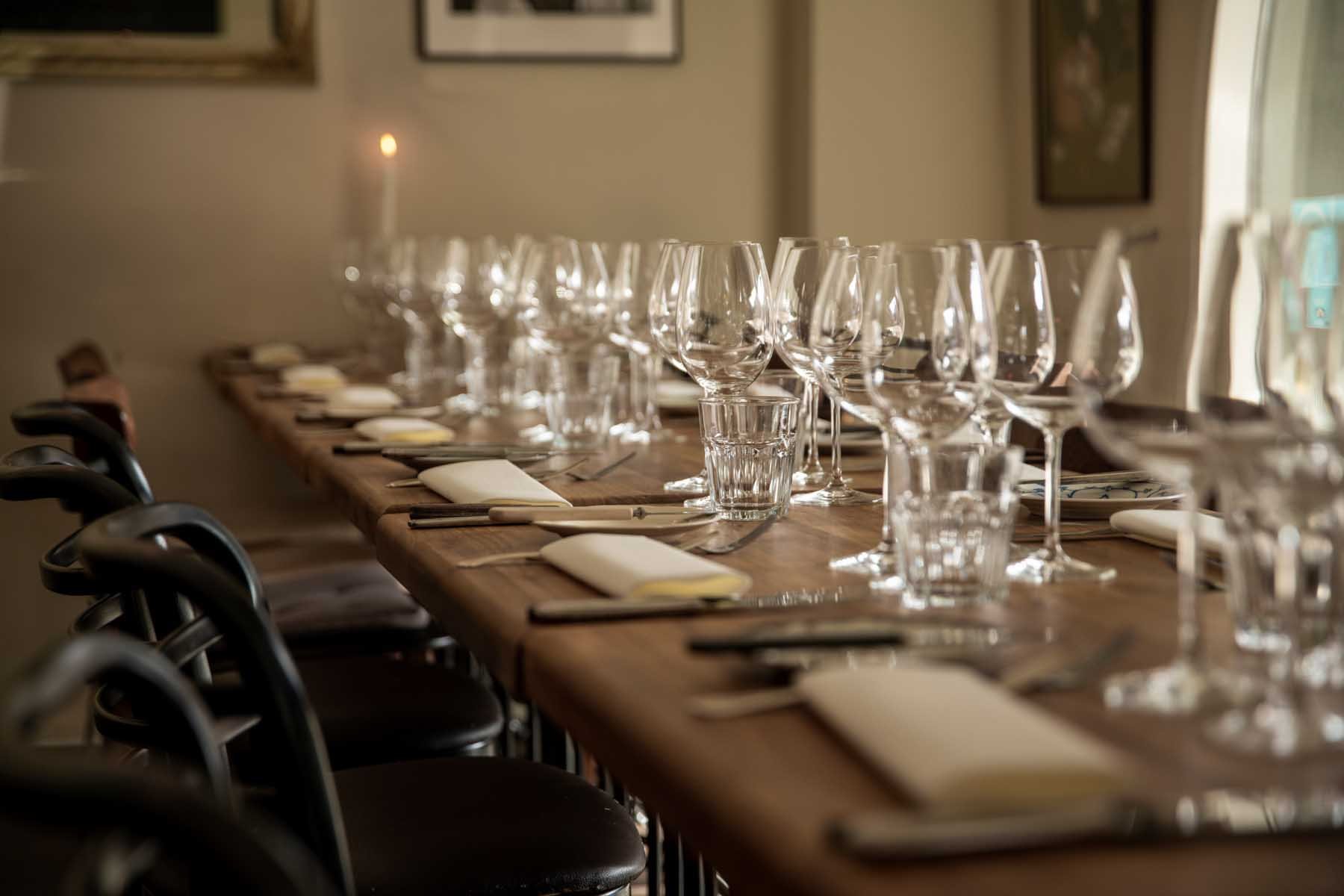
Restaurants in Odense
Browse all →
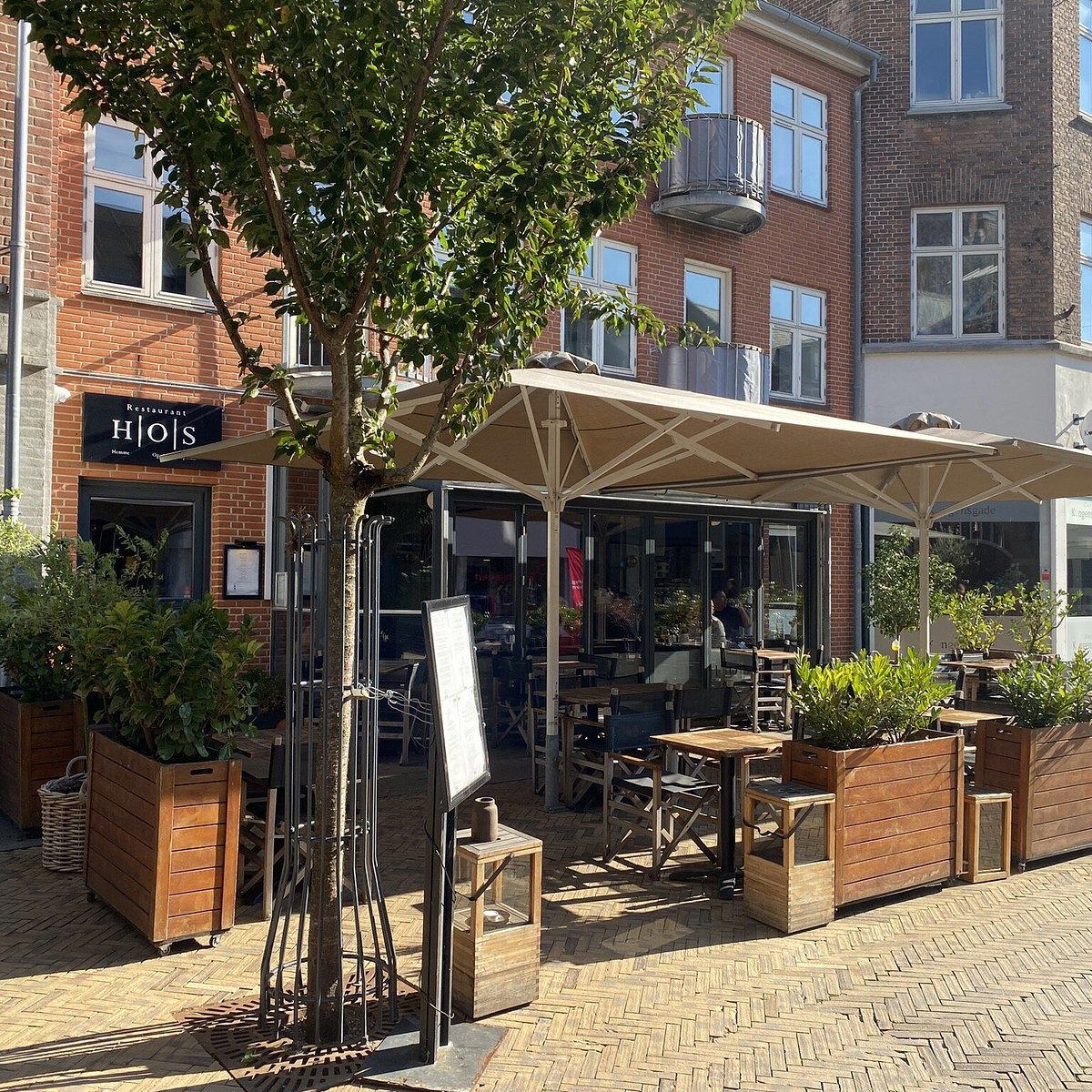
Bars in Odense
Browse all →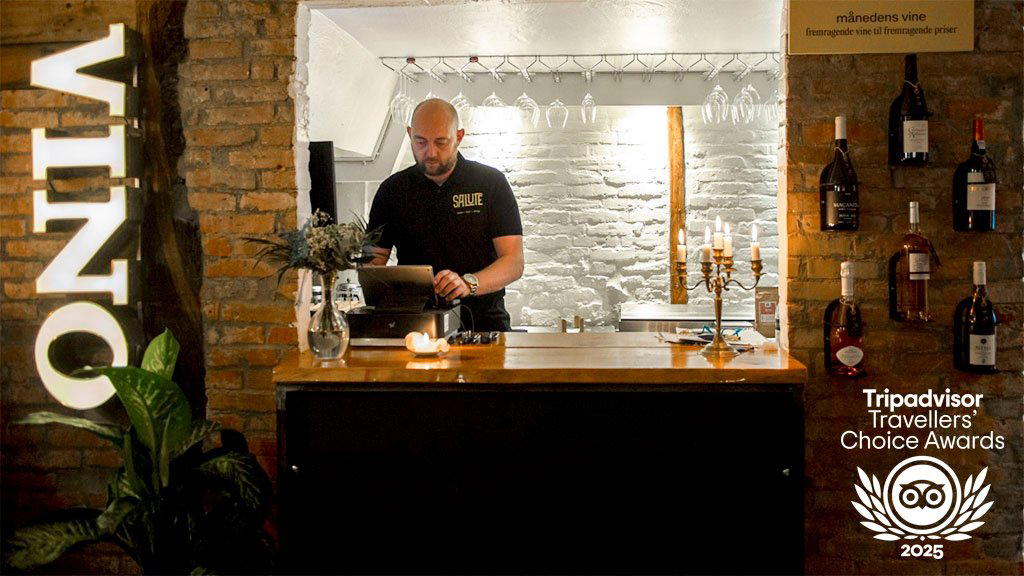
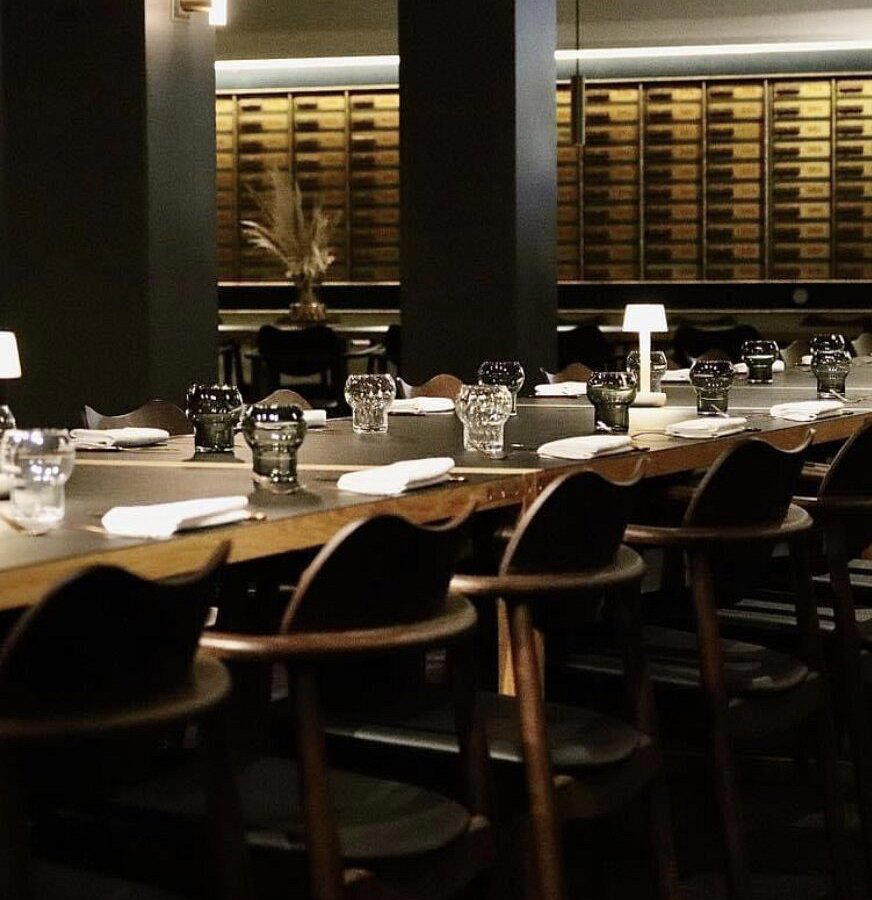
Hotels in Odense
Browse all →

At a Glance
- Classic
- Cozy
- Romantic
- Well Known
- Rustic
- Elegant
- Date Night
- Special Occasion
- Group Dining
- Celebration
- Historic Building
- Courtyard
- Private Dining
- Standalone
- Beer Program
- Local Sourcing
- Farm To Table
Current opening hours
- Monday
- 11:30 AM–9 PM
- Tuesday
- 11:30 AM–9 PM
- Wednesday
- 11:30 AM–9 PM
- Thursday
- 11:30 AM–9 PM
- Friday
- 11:30 AM–9 PM
- Saturday
- 11:30 AM–9 PM
- Sunday
- 12–9 PM
Hours can change for holidays and private events. Last verified .
Warm and charming atmosphere reminiscent of an old Danish inn with period details, preserved historic architecture, and a cozy courtyard garden creating an immersive 17th-century European experience.