

Star Wine List · White Guide Denmark Restaurants - Masters Level
Our verdict
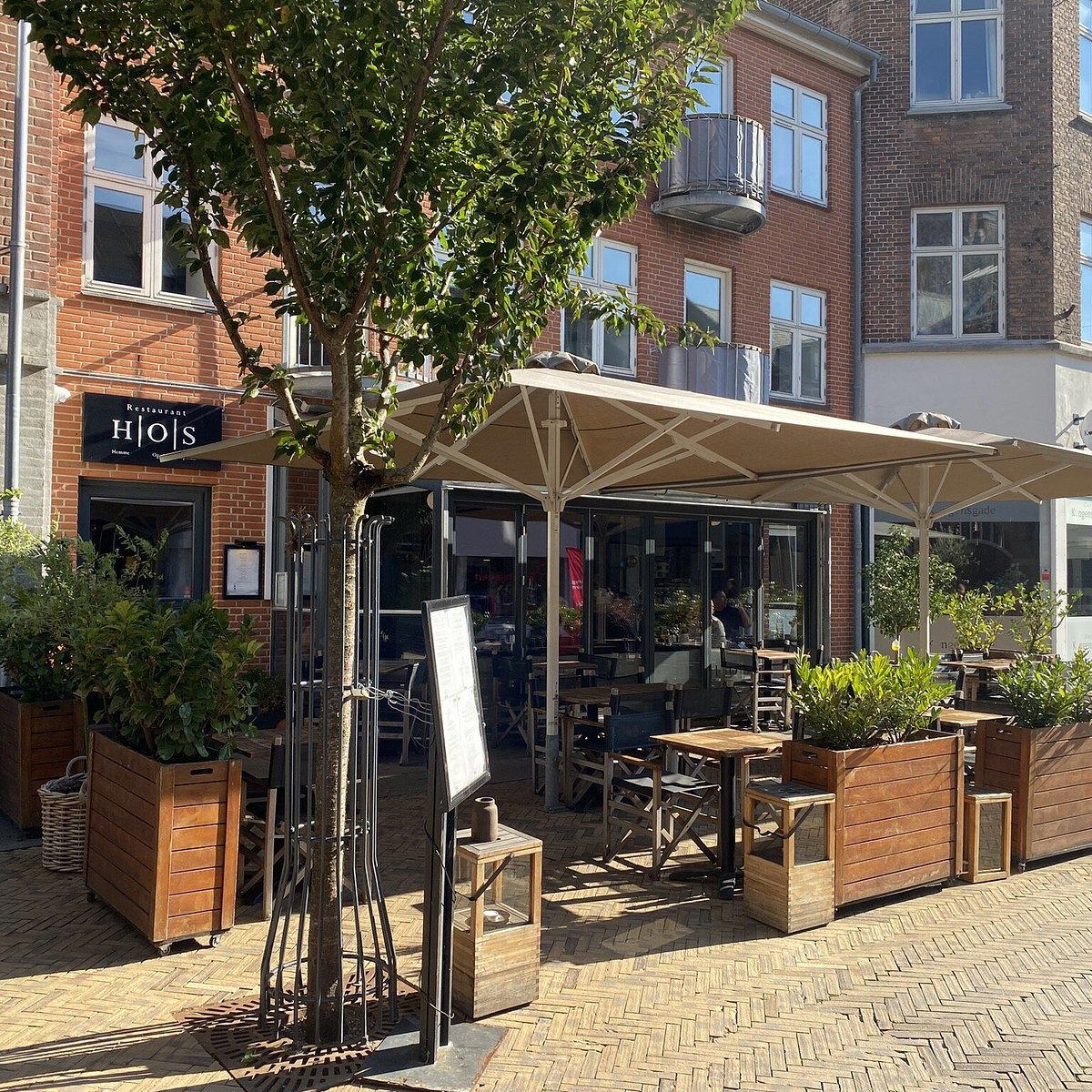
On Kongensgade in central Odense, HOS splits its day between traditional Danish smørrebrød at lunch and a Franco-Danish dinner menu that draws on the same local ingredient logic. Run by Jacob Spolum and a small team, it occupies a position between neighbourhood institution and serious dining destination, making it a reliable reference point for understanding how Odense eats.

Pearl is the En Primeur Club membership app — saves, bookings, and concierge access live there. Same editors, same standards.
- Address
- Kongensgade 65, 5000 Odense C, Denmark
- Phone
- +45 93 10 00 92
- Hours
- Mon–Tue ClosedWed–Thu 11:30 AM–4 PM, 6–10 PMFri–Sat 11:30 AM–4 PM, 6 PM–12 AMSun Closed
- Website
- restauranthos.dk
- Directions
- Get directions
- Booking
- Book on the venue's website
The menu
What to order
- Butter bread
- Torskerogn med taramasalata
Where Kongensgade Meets the Lunch Counter
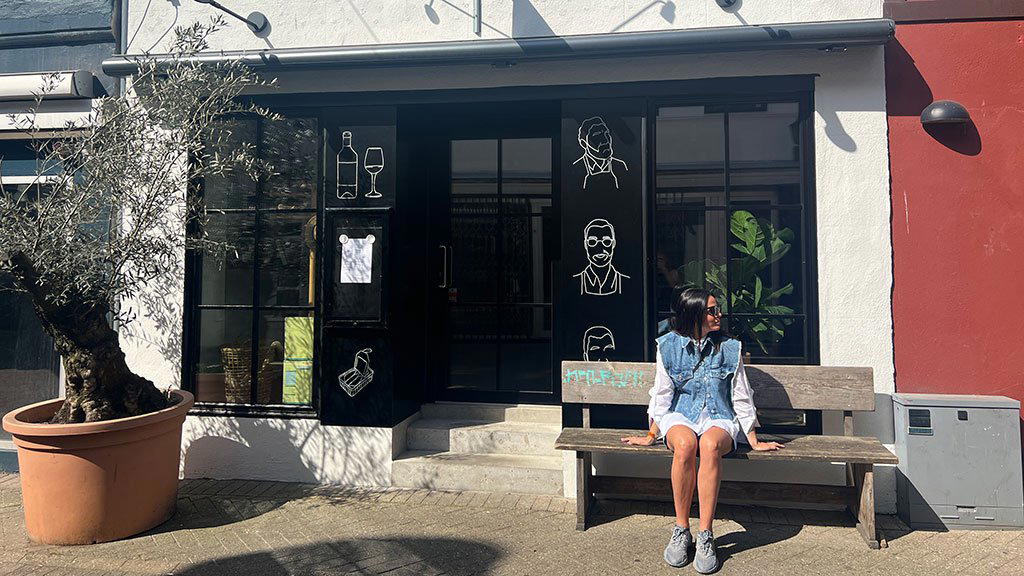
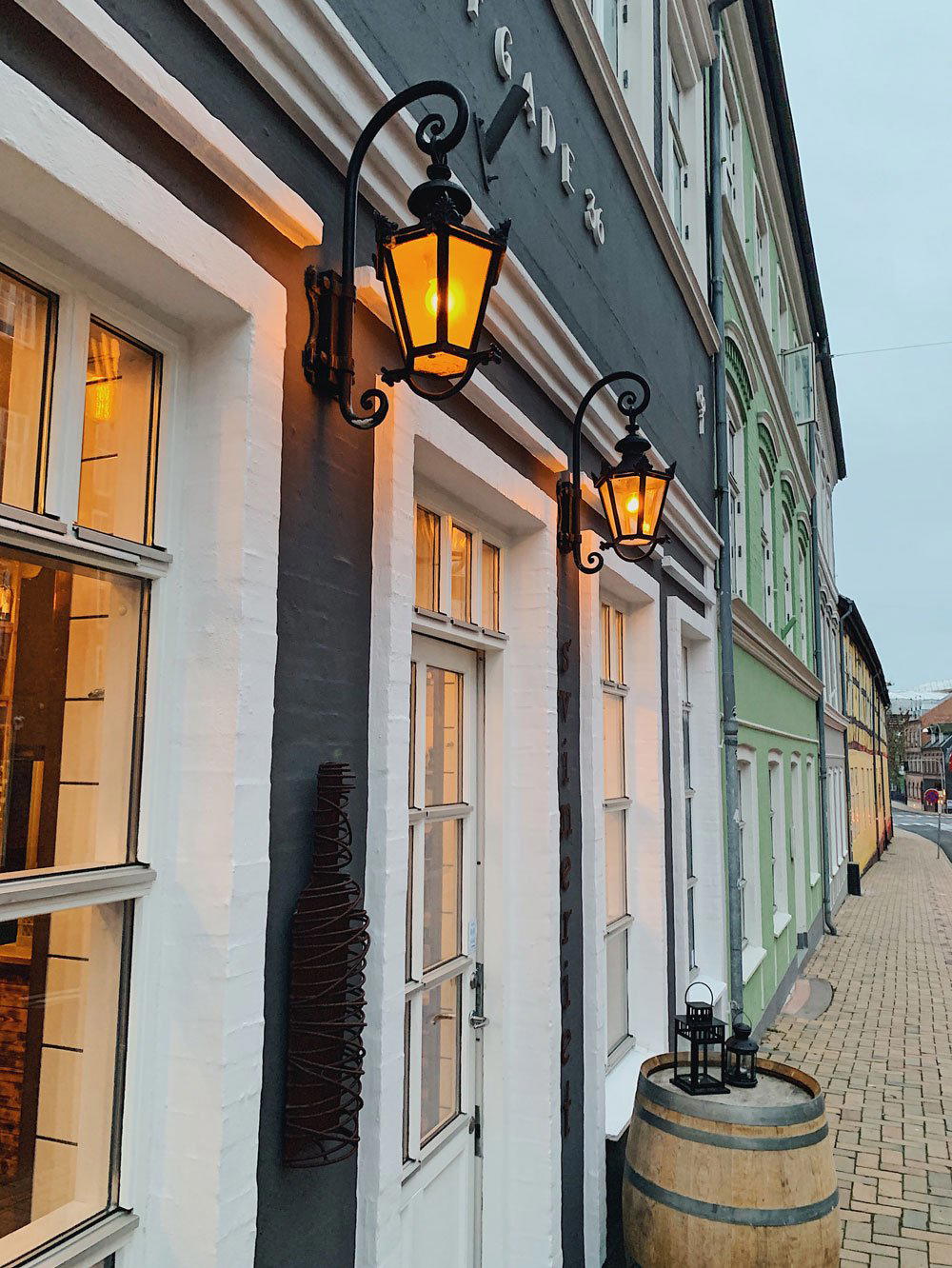
Kongensgade is one of Odense's main commercial arteries, and the stretch around number 65 tells you something about how the city has organised its better dining options: a mix of historic street-level spaces that carry real culinary intent without the ceremony of a dedicated fine-dining district. HOS sits in that context, a restaurant that reads differently depending on whether you arrive at noon or in the evening. At lunch, the room functions as a smørrebrød counter in the old Danish sense, open-faced rye bread with carefully sourced toppings that follow a seasonal logic rooted in the Danish larder. By dinner, the same kitchen pivots toward a combination of French technique and Danish ingredient vocabulary, a pairing that has defined serious Nordic cooking for the better part of three decades.
The Smørrebrød Tradition and What It Reveals About Sourcing
In Denmark, smørrebrød is not a casual offering. The discipline of putting good things on rye bread is genuinely demanding: the bread has to carry the weight of whatever sits on top of it, and the toppings, from cured fish to pickled vegetables to roasted meats, expose the quality of their raw materials directly, without the buffer of a sauce or a long cook. The tradition at HOS of anchoring the lunch menu around this format signals something about sourcing priorities. Smørrebrød done well is an argument for ingredient transparency, and Odense's position on Funen, the agricultural island that sits between Jutland and Zealand, gives restaurants in the city reasonable access to Danish produce, including dairy, root vegetables, cured pork products, and fish from the surrounding waters. Funen has historically been called the garden of Denmark, and that geographic fact is not incidental to how a kitchen committed to this format chooses its suppliers.
The French and Danish dinner combination is a different conversation but not an unrelated one. French culinary technique applied to northern European ingredients has been the structural logic behind many of Scandinavia's serious kitchens since long before the New Nordic wave made it fashionable to foreground the Nordic half. Restaurants like Frederikshøj in Aarhus and Jordnær in Gentofte represent the high end of that French-Nordic synthesis elsewhere in Denmark. HOS operates at a different register and in a smaller city, but the underlying ingredient logic connects to the same tradition: take Danish produce seriously, apply French structural discipline to it, and let the sourcing do most of the arguing.
HOS in the Odense Dining Context
Odense is Denmark's third city, and its restaurant scene rewards closer attention than the city's tourist profile might suggest. The dining options around the city centre have become more considered over the past decade, with a cluster of restaurants that take their cooking seriously without positioning themselves as destinations for visiting food critics. ARO operates in the modern cuisine register at a mid-range price point, and Pasfall covers similar territory at a lower entry price. Kok & Vin rounds out the picture for those interested in wine-led dining.
For the visitor planning a day in Odense, this dual format is practically useful. The Hans Christian Andersen Museum and the medieval old town are within reasonable walking distance of Kongensgade, which makes HOS a plausible lunch stop after a morning of sightseeing, and a viable dinner option for those extending their stay. The city is around an hour and twenty minutes from Copenhagen by train, which puts it in range for a day trip with a serious meal built in, or as a first or last night on a longer journey through Denmark. Travellers who have already explored Noma in Copenhagen or Henne Kirkeby Kro in Henne will find HOS a more understated but structurally coherent addition to a Danish dining itinerary.
The Franco-Danish Dinner Register
The combination of French and Danish cuisines at dinner is worth unpacking rather than accepting as a given. It is not a fusion exercise in the loose sense of that word. French culinary grammar, meaning classical sauce work, precise heat management, and structured plating, was absorbed into Danish fine dining over decades of professional exchange, and many Danish chefs trained in French kitchens before returning to work with Nordic ingredients. The result, across many Danish restaurants, is a cooking style that uses French architecture to give local produce a more formal platform. At HOS, the dinner menu represents that tradition applied at a city-centre neighbourhood level, where the audience is as likely to be local regulars as visitors with a specific culinary agenda.
This kind of restaurant, a dual-format address running smørrebrød at lunch and a more structured evening menu, is increasingly rare even in Denmark, where economic pressure has pushed many kitchens toward either a purely casual format or a higher-ticket dinner-only operation. The fact that HOS maintains both speaks to a specific commitment to Danish lunch culture alongside the evening register. Comparable dual-format commitments can be found at properties like Dragsholm Slot Gourmet in Hørve and Frederiksminde in Præstø, though both operate in hotel contexts with different structural demands. For broader context on how ingredient-driven cooking plays out internationally, restaurants like Le Bernardin in New York City and Emeril's in New Orleans demonstrate how classical French roots shape a kitchen's sourcing priorities across entirely different culinary traditions.
Planning Your Visit
HOS is at Kongensgade 65 in central Odense, in the 5000 C postcode that covers the city's commercial core. The address is direct to reach on foot from Odense Central Station, which is around fifteen minutes by foot and well-served by regional trains from Copenhagen, Aarhus, and other Danish cities. For those arriving by car, the centre of Odense has paid parking close to Kongensgade. Given the dual lunch and dinner format, visiting plans should account for which register you are prioritising. The smørrebrød lunch is a different experience to the Franco-Danish dinner, and each requires different timing. Booking ahead is advisable, particularly for dinner. For a fuller picture of what Odense offers, see our full Odense restaurants guide, our full Odense hotels guide, our full Odense bars guide, our full Odense wineries guide, and our full Odense experiences guide. For those tracking the broader Danish dining circuit, Alimentum in Aalborg and Domæne in Herning are worth including in a longer itinerary across the country.
Frequently asked questions
Is HOS good for families?
HOS operates a structured lunch and dinner service at Kongensgade 65 in central Odense, with a traditional smørrebrød lunch format that works well for groups with varied appetites. The Franco-Danish dinner register is more considered in pace and composition, which suits adults better than young children. Families with older children who are comfortable at a proper restaurant table should find it a good fit for lunch in particular.
How would you describe the vibe at HOS?
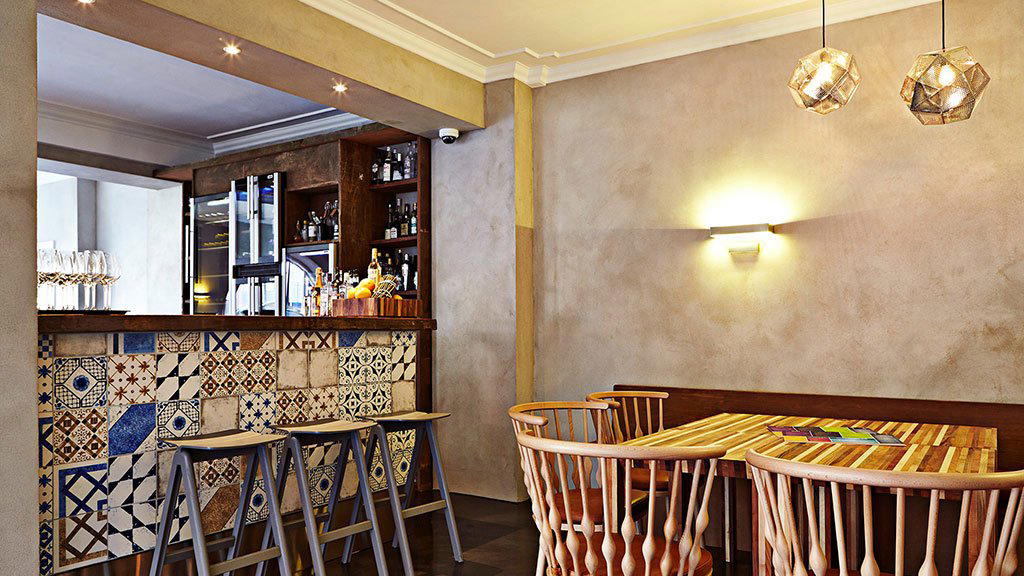
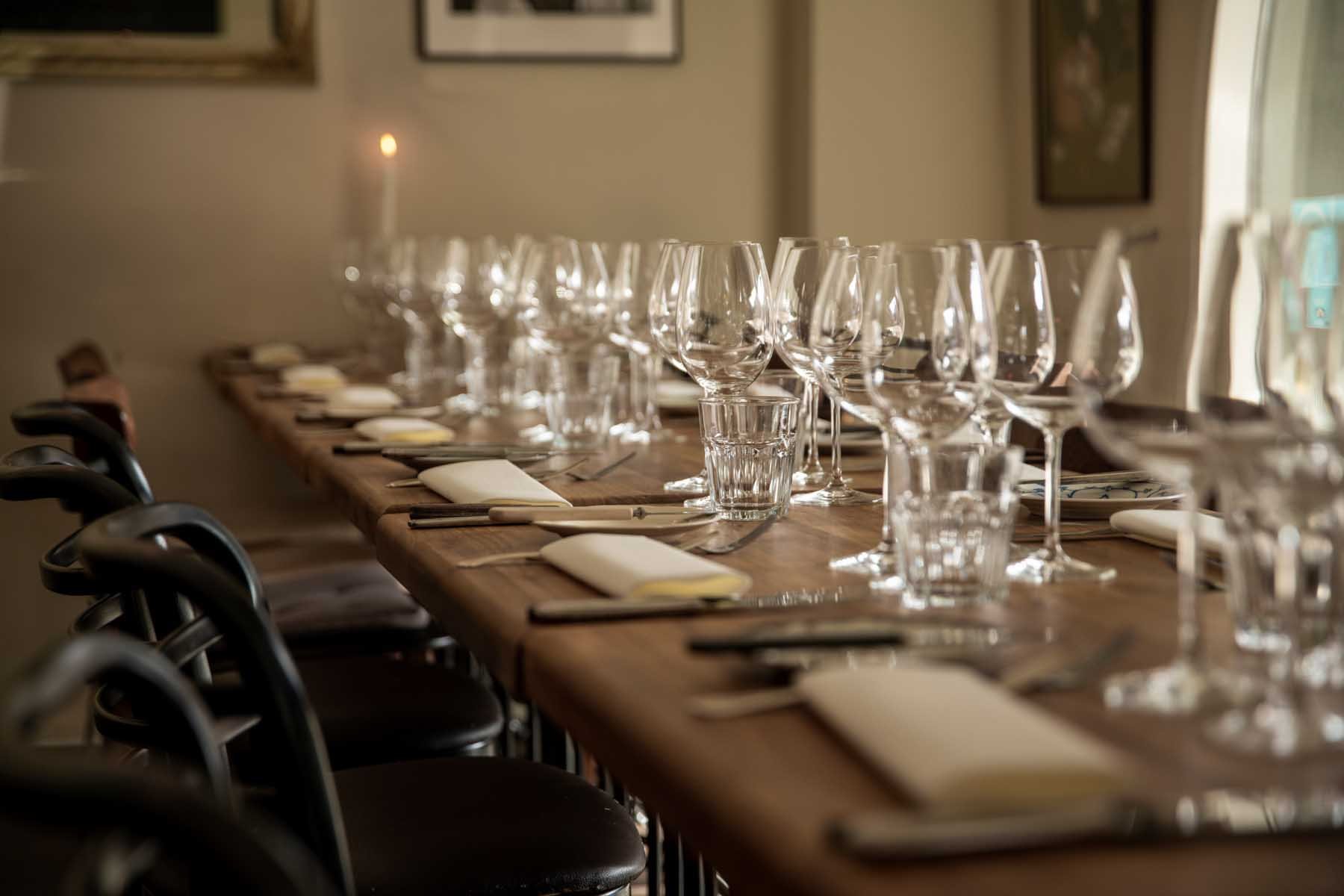
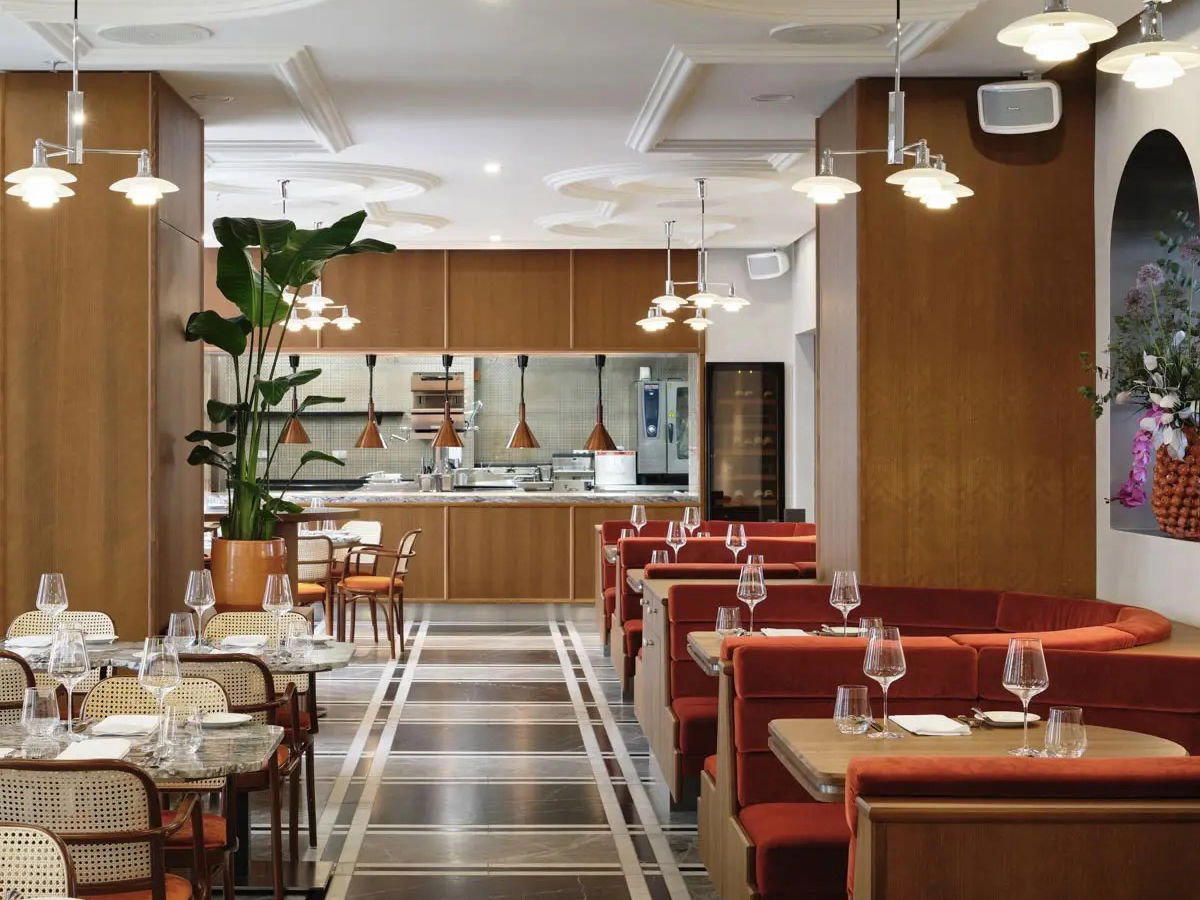
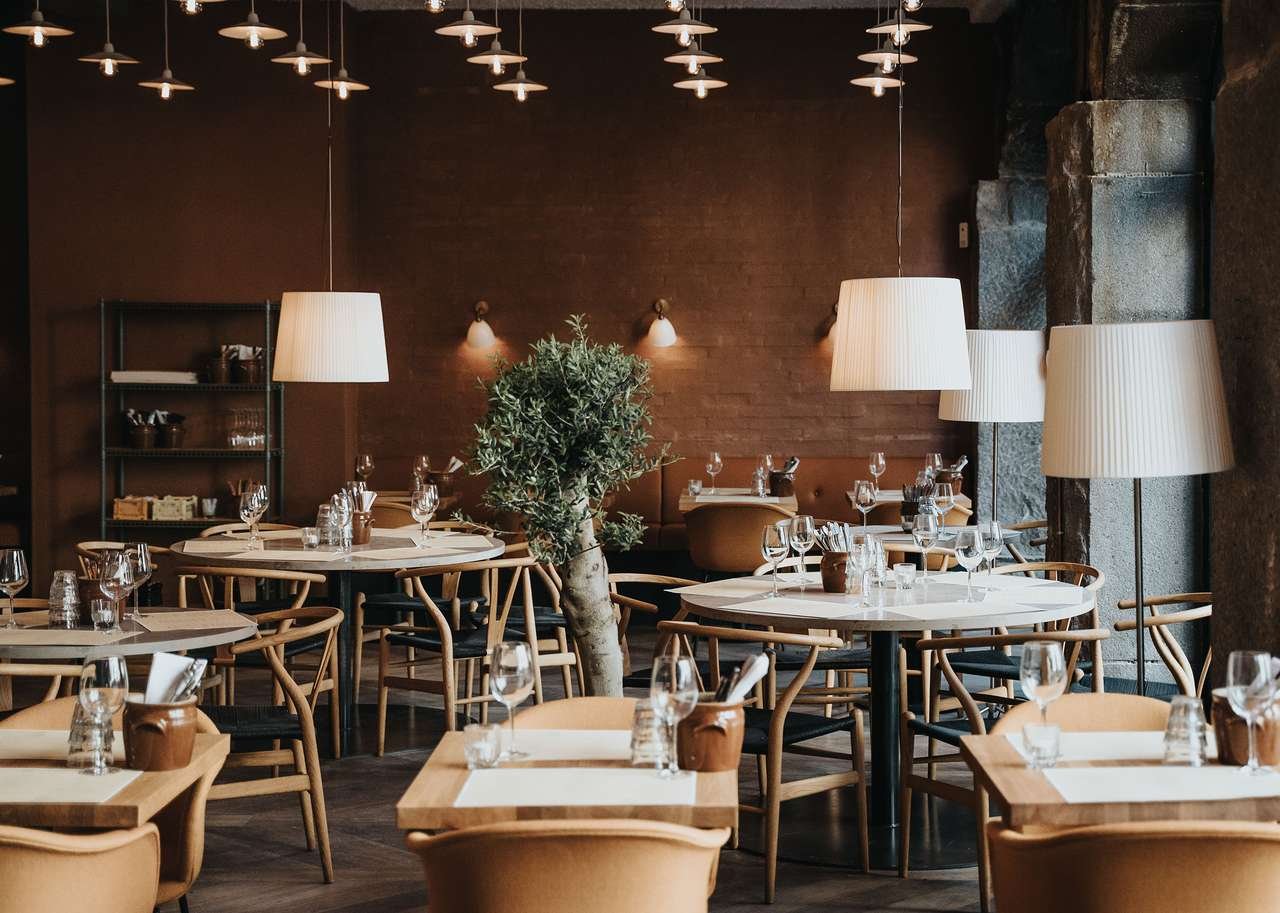
HOS occupies a central Odense address on Kongensgade and runs a dual identity: a composed, craft-focused lunch service built around smørrebrød, and a dinner mode that draws on both French and Danish cooking traditions. The tone is deliberate rather than casual, reflecting the discipline that serious smørrebrød and Franco-Danish dinner cooking both require. It sits closer to a neighbourhood institution than a destination-dining showcase.
Is HOS Michelin-listed?
HOS has received recognition including: HOS is located in the center of Odense and serves a traditional Danish smørrebrød for lunch and a combination of French and Danish cuisines for dinner. The restaurant is run by Jacob Spolum and Mich....
What should I order at HOS?
At lunch, the smørrebrød is the reason to be here: open-faced rye bread preparations in the Danish tradition, where the sourcing and construction of each topping carries real weight. At dinner, the menu combines French and Danish influences under the direction of the team led by Jacob Spolum, so dishes in that Franco-Danish register are the natural focus. Specific current menu items are best confirmed directly with the restaurant before your visit.
Where exactly is HOS?
HOS is located at Kongensgade 65, 5000 Odense C, Denmark, Odense.
At-a-Glance Comparison
Comparable venues nearby, for context on price, style, and recognition.
| Venue | Cuisine | Price | Awards | Notes |
|---|---|---|---|---|
| HOSThis venue — the venue you are viewing | Modern Danish with French influences | $50–100 | Star Wine List · White Guide Denmark Restaurants - Masters Level | Not listed |
| Pasfall | Contemporary Nordic with French Technique | $100–150 | Michelin Plate | Odense C |
| Kok & Vin | Classic French Bistro | $50–100 | Star Wine List | Odense city center |
| Oluf Bagers Gaard | Modern Danish-Nordic with French influences | $50–100 | Not listed | central Odense |
| GOMA | Nordic-Japanese Omakase Fusion | Not listed | Not listed | Odense C |
| Vår | Contemporary Nordic Fine Dining | Not listed | Not listed | Odense C |
Recognition history
Dated appearances from independent guides and award organizations, with the underlying list record or original source where available.
Star Wine List
Star Wine List
White Guide Denmark Restaurants - Masters Level
White Guide


Continue exploring
More in Odense
Restaurants in Odense
Browse all →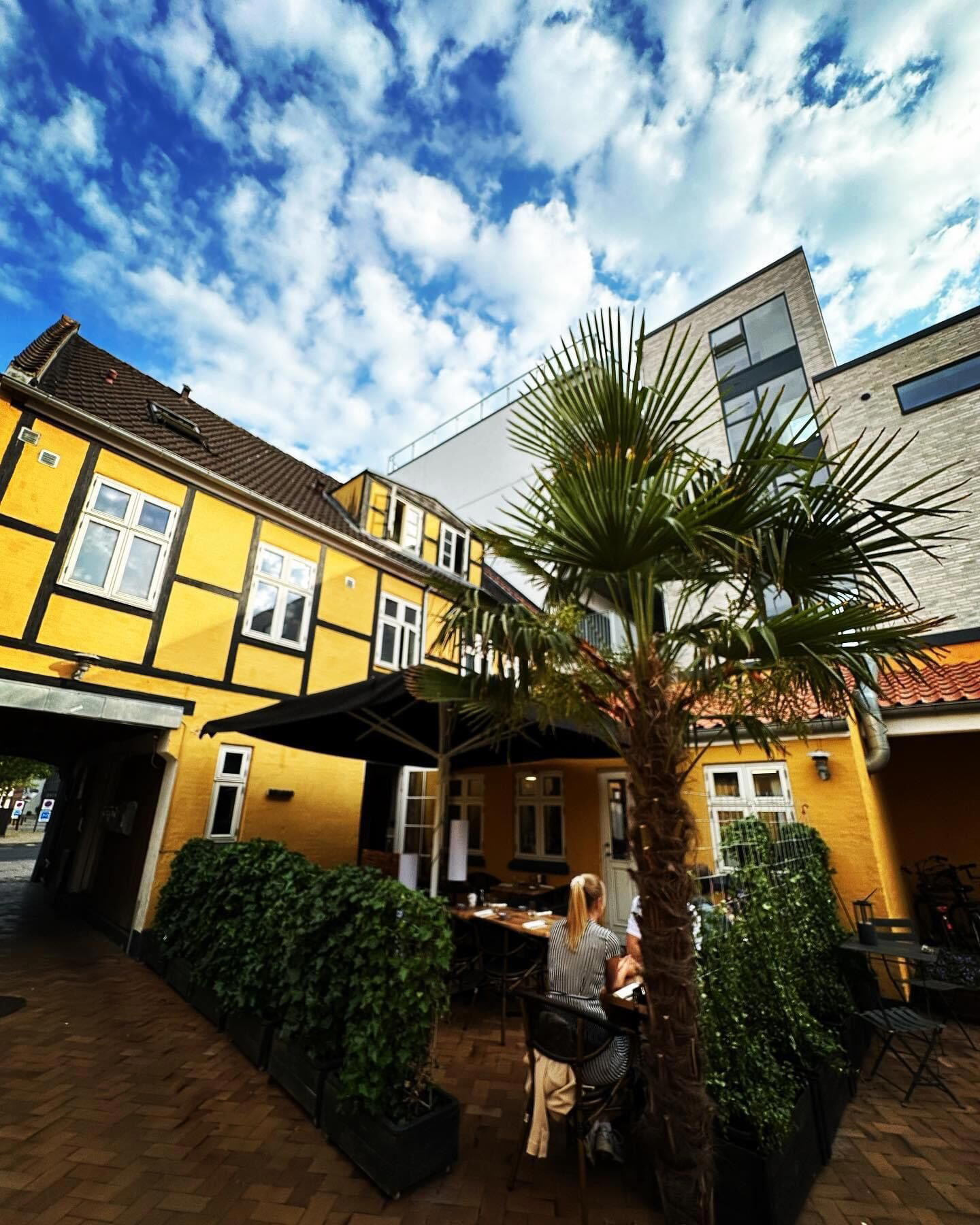
Bars in Odense
Browse all →
Hotels in Odense
Browse all →



HOS
The wine
- Wine program
- Curated wine list
- Extensive wine list
- Sommelier-led
Details
- Cozy
- Elegant
- Modern
- Intimate
- Sophisticated
- Minimalist
- Date Night
- Business Dinner
- Special Occasion
- Open Kitchen
- Extensive Wine List
- Sommelier Led
- Local Sourcing
- Organic
- Set Menu
- A La Carte
- Wine
- Allergy Accommodating
Current opening hours
- Monday
- Closed
- Tuesday
- Closed
- Wednesday
- 11:30 AM–4 PM, 6–10 PM
- Thursday
- 11:30 AM–4 PM, 6–10 PM
- Friday
- 11:30 AM–4 PM, 6 PM–12 AM
- Saturday
- 11:30 AM–4 PM, 6 PM–12 AM
- Sunday
- Closed
Hours can change for holidays and private events. Last verified .
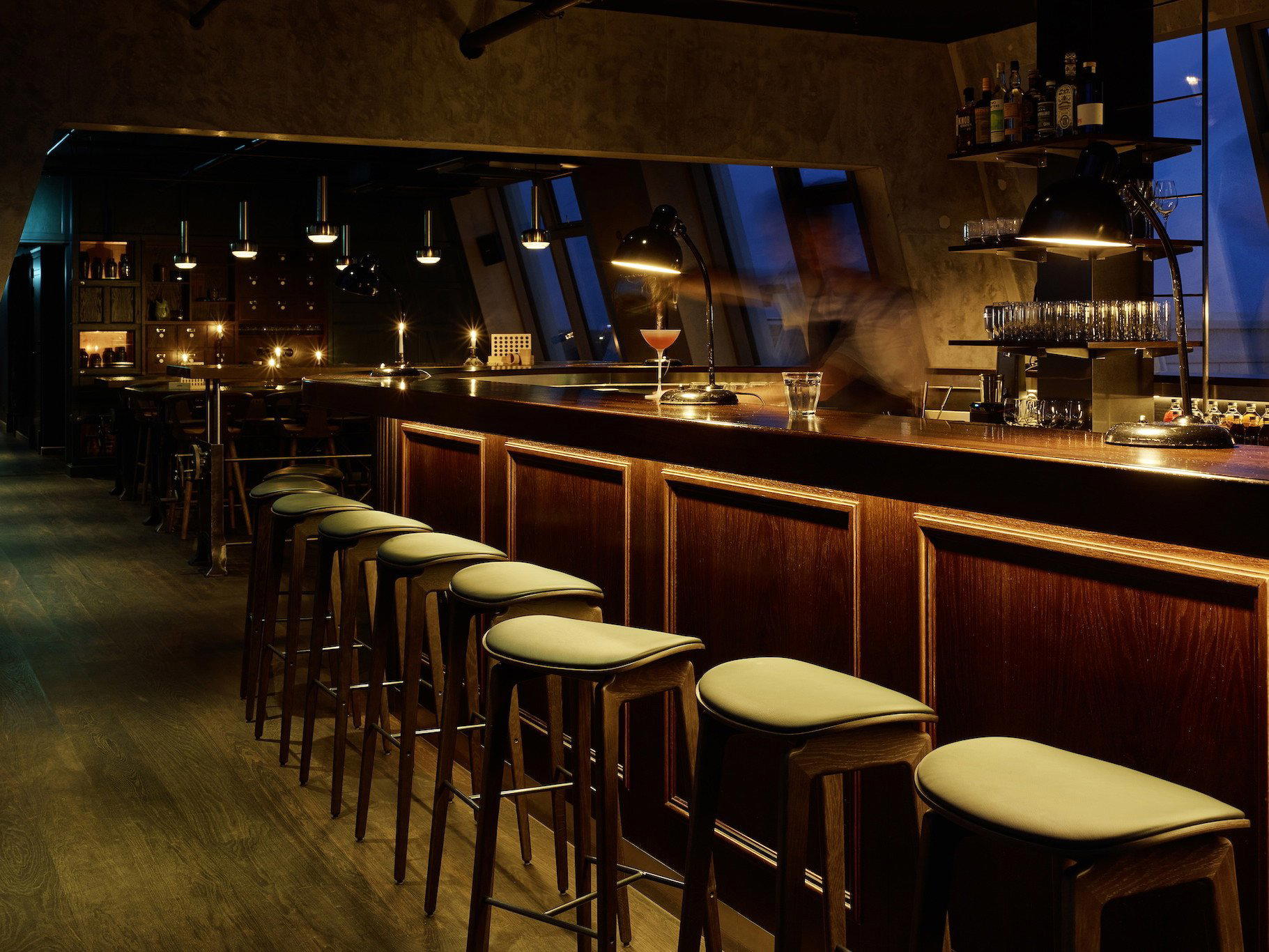
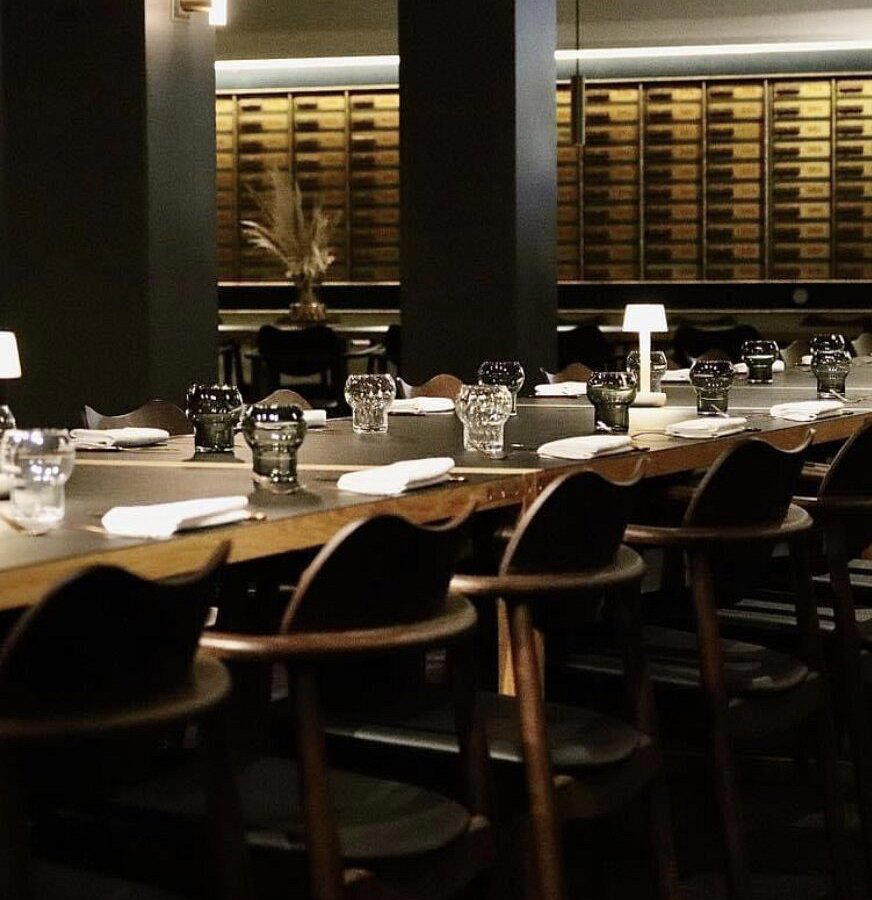
Cozy and atmospheric with simple classic decor, good acoustics, relaxed and pleasant vibe, and raw brick walls creating an intimate cave-like feel.