
Tabelog 100 #40
Our verdict
Gokuju Bimen umami places Higashiosaka ramen in a compact counter format, with repeated Tabelog Ramen Hyakumeiten selections from 2018 through 2025 giving it a firm signal beyond neighbourhood loyalty. The draw is not luxury theatre but precision: a small, ramen-focused room where sourcing, broth discipline, and noodle texture carry the experience.

Pearl is the En Primeur Club membership app, where members save venues, book tables and use the concierge.
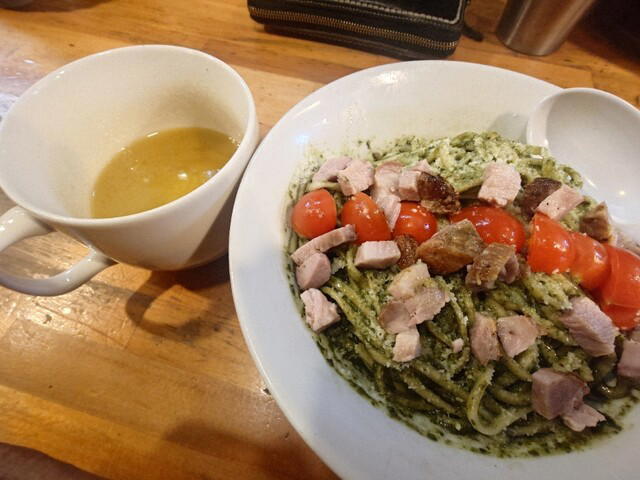
The menu
What to order
- Jidori shio ramen (local chicken salt broth)
- Junmoku shoyu ramen with pork belly
- Tokusei shoyu ramen
The approach to a serious Osaka ramen stop is rarely ceremonial. The meal is focused, the rhythm is quick, and the hierarchy is plain: broth, noodles, tare, aroma oil, then whatever garnish the bowl needs. Gokuju Bimen umami belongs to that practical Osaka tradition, where a short meal can carry the same scrutiny that diners apply to more formal dining rooms. Its selection for Tabelog Ramen Hyakumeiten in the Osaka 2025 list places it within the city’s recognised ramen tier rather than the casual station-stop category.
Osaka ramen, judged by broth discipline rather than spectacle
Osaka’s ramen culture sits in a different register from the city’s louder food mythology. Takoyaki and okonomiyaki give the city its public shorthand, but ramen rewards quieter distinctions: where the stock gets its depth, how salt or soy seasoning is calibrated, whether the noodles hold structure through the final third of the bowl. In that context, ingredient sourcing matters less as a romantic claim than as a technical one. A ramen shop can talk about produce, poultry, seafood, wheat, or water, but the bowl only works if those inputs resolve into balance.
The name Gokuju Bimen umami points directly at that concern. “Umami” is not decoration in ramen; it is the architecture. In Osaka, where dashi culture has long shaped everyday cooking, ramen shops often speak through clarity and layering rather than pure weight. The interest here is the way a focused ramen format forces a narrow set of decisions. There is little room for distraction from stock, noodle selection, and seasoning. That puts the shop closer to the ramen specialists in Osaka’s serious bracket than to broader casual restaurants where ramen is one option among many.
Recognition on the 2025 Hyakumeiten list also says something about visibility. Ramen fashion moves quickly: richer broths, seafood-led expressions, and handmade noodle programs all cycle through the city’s conversation.
A focused ramen format changes how the bowl is read
Ramen compresses the distance between production and eating. That matters. Noodles do not wait well, fat cools quickly, and aromatic lift fades as the bowl sits. A focused format makes the timing legible: bowls are best eaten promptly, and pace becomes part of the meal’s logic rather than an inconvenience. In Osaka, that format also suits purposeful solo dining, a category often undervalued by visitors planning every meal around groups and reservations.
The comparison set clarifies the position. Chuka Soba Fukuhara works in a similar ramen conversation, while Chotakasui Jun Teuchi Men Nishimura and Junai Udon Nadeshiko show how noodle culture around Osaka can split between ramen and udon at accessible spend levels. Taishu Chuuyuuka Shokudo Hakkai sits near the broader Chinese-diner lineage. Toriyaki Shogun Eiwa belongs to a different evening rhythm. The point is not that one category replaces another; it is that Gokuju Bimen umami is part of a narrow noodle conversation where the meal’s value is concentrated in a single bowl.
That makes it a useful stop for travellers who already understand Osaka beyond the usual tourist shorthand. The meal asks for a purposeful detour rather than a casual drift between shopping streets. For readers mapping a wider itinerary, Our full Osaka restaurants guide gives the broader dining frame, while Our full Osaka hotels guide, Our full Osaka bars guide, Our full Osaka wineries guide, and Our full Osaka experiences guide help place the stop inside a larger Kansai plan.
How to place it within a wider Osaka eating day
Osaka rewards pacing. A ramen meal like this works better as a focused stop than as one more snack in an overfilled crawl. Build the day around contrast: a bakery or coffee stop, a noodle lunch, then a different evening register. For casual daytime planning, Osaka has plenty of other cafes, bakeries, snack counters, and quick-service dining rooms. For a more composed dinner register, other Osaka dining can pull the itinerary toward a different kind of precision.
The broader lesson is that Japan’s compelling casual meals are often built on repetition and clarity rather than ceremony. A ramen bowl can feel as authored as a tasting menu, but the authorship is embedded in extraction, flour, seasoning, and timing. That same logic appears across the country in different forms, from focused noodle venues to tightly edited casual formats. Even outside Japan, the same principle holds: a narrow idea can carry more authority than a long menu when the execution is disciplined.
Gokuju Bimen umami is for diners who treat ramen as a discipline, not a convenience food. The Hyakumeiten recognition supplies the external signal; the ramen format supplies the operating logic. What matters is the fit between place and purpose: an Osaka venue, a bowl built around depth and timing, and a city that keeps proving its casual food culture can withstand close reading.
Style and Standing
Comparable venues by cuisine and price in the same metro.
| Venue | Cuisine | Price | Awards | Notes |
|---|---|---|---|---|
| Gokuju Bimen umamiThis venue (the venue you are viewing) | Ramen shop | $10–20 | Tabelog 100 #40 | Not listed |
| Menya Issou | Japanese Ramen Shop | $1–10 | Tabelog 100 #17 | Yao |
| Spice Curry Te | Japanese Curry | $1–10 | Tabelog 100 #59 | Chūō |
| Motsuyaki Doppo Tenma ten | Japanese motsuyaki standing bar | $20–30 | Tabelog 100 #60 | Kita |
| Karakuchi Meshiya Morigen | Spicy Japanese Curry House | $1–10 | Tabelog 100 #71 | Kita |
| Kamaage Udon Isshin | Traditional Kamaage Udon Shop | $10–20 | Tabelog 100 #16 | Sumiyoshi |
Recognition history
Dated appearances from independent guides and award organizations, with the underlying list record or original source where available.
Tabelog 100 #40 · No. 40
Tabelog · Tabelog 100 - Ramen - OSAKA - 2025
Continue exploring
More in Osaka
Restaurants in Osaka
All restaurants in Osaka →




Bars in Osaka
All bars in Osaka →

Hotels in Osaka
All hotels in Osaka →



Wineries in Osaka
Browse all →
Details
- Cozy
- Lively
- Solo
- Casual Hangout
- After Work
- Standalone
- Chefs Counter
- A La Carte
- Counter Dining
A compact, counter-only ramen shop with a casual, no‑frills feel, focused on efficient solo dining; the atmosphere is bustling during service hours but still approachable and comfortable for lone guests.