
Glacis Beisl occupies one of Vienna's most celebrated garden courtyards, where owner Paul Bodner serves traditional Austrian cooking, pork crackling dumplings, sauerkraut, and Wiener schnitzel, against a backdrop of mature trees in the 7th district. The setting places it firmly in the city's established Beisl tradition, where the courtyard is as much the draw as the food on the plate.
 Discover on Pearl
Pearl is the En Primeur Club membership app — saves, bookings, and concierge access live there. Same editors, same standards.
- Address
- Breite G. 4, 1070 Wien, Austria
- Phone
- +43 1 5265660
- Website
- glacisbeisl.at
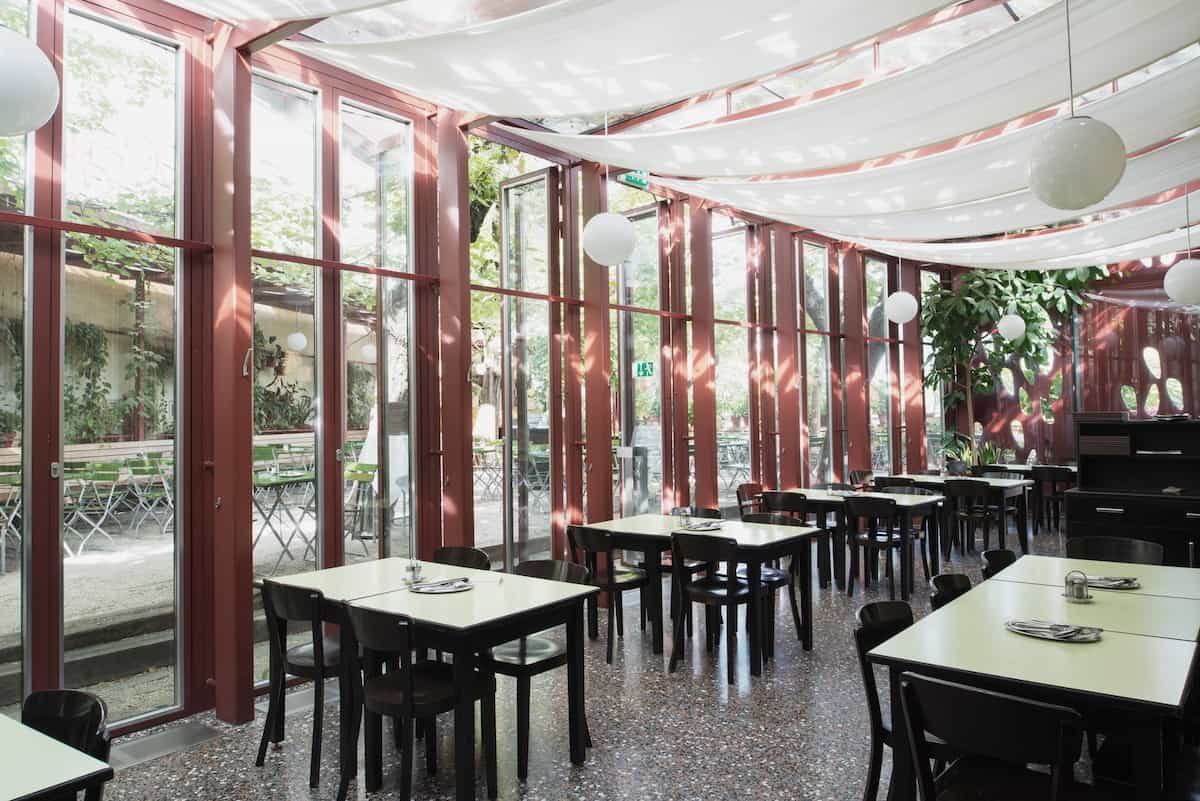
A Courtyard That Sets the Terms
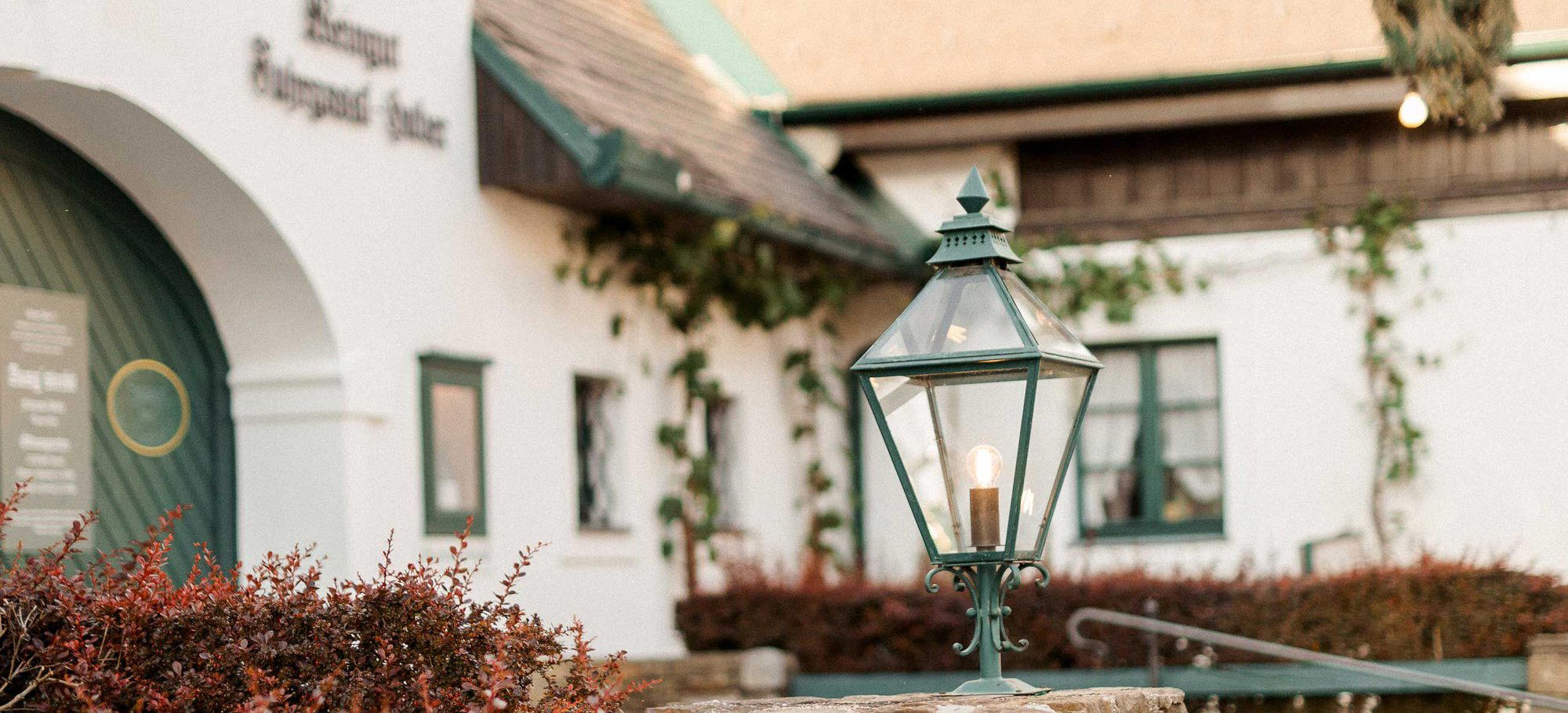
Vienna's garden dining scene divides roughly into two camps: the formal hotel terrace, where service choreography takes precedence over atmosphere, and the Beisl garden, where the courtyard itself is the main event. Glacis Beisl, at Breite Gasse 4 in the 7th district, belongs firmly to the second category. The setting is a tree-lined courtyard adjacent to the MuseumsQuartier, one of the most densely cultural precincts in central Europe, and the combination of dappled light through mature canopy and the low hum of the neighbourhood gives the restaurant its appeal.
That reputation has been built under owner Paul Bodner, who has positioned the space as a direct argument for Austrian comfort cooking done with care. In a city where the higher end of the restaurant market, Steirereck im Stadtpark, Amador, and Konstantin Filippou, has moved firmly toward modern technique and tasting-menu formats, Glacis Beisl occupies a different register entirely: seasonal Austrian produce, classical preparation, and a room (or rather, a garden) that lets the food speak without theatrical distraction.
What's on the Plate
The cooking at Glacis Beisl sits squarely within the Beisl tradition, which in Vienna means dishes rooted in the Habsburg larder: pork in its many forms, dairy-rich dumplings, pickled vegetables, and the schnitzel that has become the city's single most contested dish. Pork crackling dumplings with sauerkraut and Wiener schnitzel signal where the kitchen's priorities lie. These are not dishes that reward cutting corners. Schnitzel, in particular, is the kind of preparation where sourcing, fat temperature, and resting time separate a decent plate from a reference one, and a restaurant that leads with it is making a clear statement about its confidence in the fundamentals.
Austrian cooking of this type sits in an interesting position relative to the broader European conversation about regional cuisine. Where Mraz & Sohn and the creative Austrian tier work to reframe local ingredients through contemporary technique, and where Styrian-influenced cooking dominates the fine dining menus across the country, the traditional Beisl format holds its ground as an expression of continuity rather than reinvention. Glacis Beisl is part of that continuity. For a broader sense of how Austrian kitchens operate at different levels of ambition and formality, Ikarus in Salzburg, Landhaus Bacher in Mautern an der Donau, and Obauer in Werfen each represent distinct points on the same regional spectrum.
Booking and Planning
At Glacis Beisl, the booking question is inseparable from the setting question. The courtyard operates seasonally, which means demand concentrates in the warmer months, late spring through early autumn, when the garden is at its most appealing. During that window, and particularly on warm evenings in June and July, securing a table requires planning well ahead. The combination of a relatively contained outdoor space and a loyal local clientele means availability can be tight in peak season. Booking a week or more in advance for weekend evenings is the prudent approach; for a specific date with outdoor seating confirmed, two to three weeks is safer.
The address, Breite Gasse 4, 1070 Wien, places the restaurant within easy reach of the U2 line at MuseumsQuartier, which is also the logical starting point for a broader afternoon in the 7th district before dinner. For those exploring Vienna's restaurant scene more fully, Vienna's dining spans a wide range of price tiers and formats. Glacis Beisl also pairs naturally with a wider cultural itinerary, including the MuseumsQuartier programme.
On the question of when to visit within a meal service: the courtyard at dusk, as the light drops through the trees and the evening temperature settles, is the setting the restaurant is most associated with. Lunch is a lower-pressure booking with more availability, and on hot summer days the shade of the courtyard makes it arguably more comfortable than the evening, when tables are in higher demand.
Where Glacis Beisl Sits in Vienna's Dining Picture
Vienna's restaurant market at the upper end is dominated by the creative Austrian and modern European formats, places like Doubek and the multi-Michelin-starred rooms that compete on technique and sourcing credentials. Glacis Beisl does not compete in that tier, and makes no attempt to. Its competitive set is the serious traditional Beisl: restaurants where the courtyard or dining room matters, the cooking is grounded in regional Austrian recipes, and the experience is defined by hospitality rather than culinary ambition in the tasting-menu sense.
That positioning is not a limitation, it reflects a deliberate reading of what Vienna actually does well. The city's Beisl tradition predates most of the contemporary fine dining category, and at its finest it delivers something that the Michelin-level rooms in any city struggle to replicate: a sense of a place that belongs to its neighbourhood, where the food and the setting are in proportion with each other, and where the evening is not organised around a sequence of courses so much as around the pleasure of being somewhere with genuine character.
For travellers covering Austria more broadly, the country's regional cooking is worth tracking across multiple settings. Gourmetrestaurant Tannenhof in Sankt Anton am Arlberg, Griggeler Stuba in Lech, and Kräuterreich by Vitus Winkler in Sankt Veit im Pongau each show how Austrian culinary identity shifts with altitude and region. The Viennese Beisl, by contrast, is a lowland, urban, bourgeois form, and Glacis Beisl is among the most recognisable examples of it in the city. To explore Vienna's hospitality scene beyond restaurants, the city's hotels, bars, and wineries complete the picture.
Pricing, Compared
Comparable venues nearby, for context on price, style, and recognition.
| Venue | Cuisine | Price | Awards | Notes |
|---|---|---|---|---|
| Glacis BeislThis venue — the venue you are viewing | Hofburg, Modern Austrian Bistro | $$ | 1 recognition | |
| Marienhof | Hofburg, Traditional Viennese Cuisine | $$ | , | |
| Zum Kaiser | Innere Stadt, Traditional Viennese | $$ | , | |
| mozart&meisl | Doebling, Modern Austrian Gastropub | $$ | , | |
| Bitzinger Wurstestand | $$ | 1 recognition | Staatsoper, Traditional Viennese Sausages | |
| Goldener Baum | Baumgarten, Traditional Austrian | $$ | , |
Continue exploring
More in Vienna
Restaurants in Vienna
Browse all →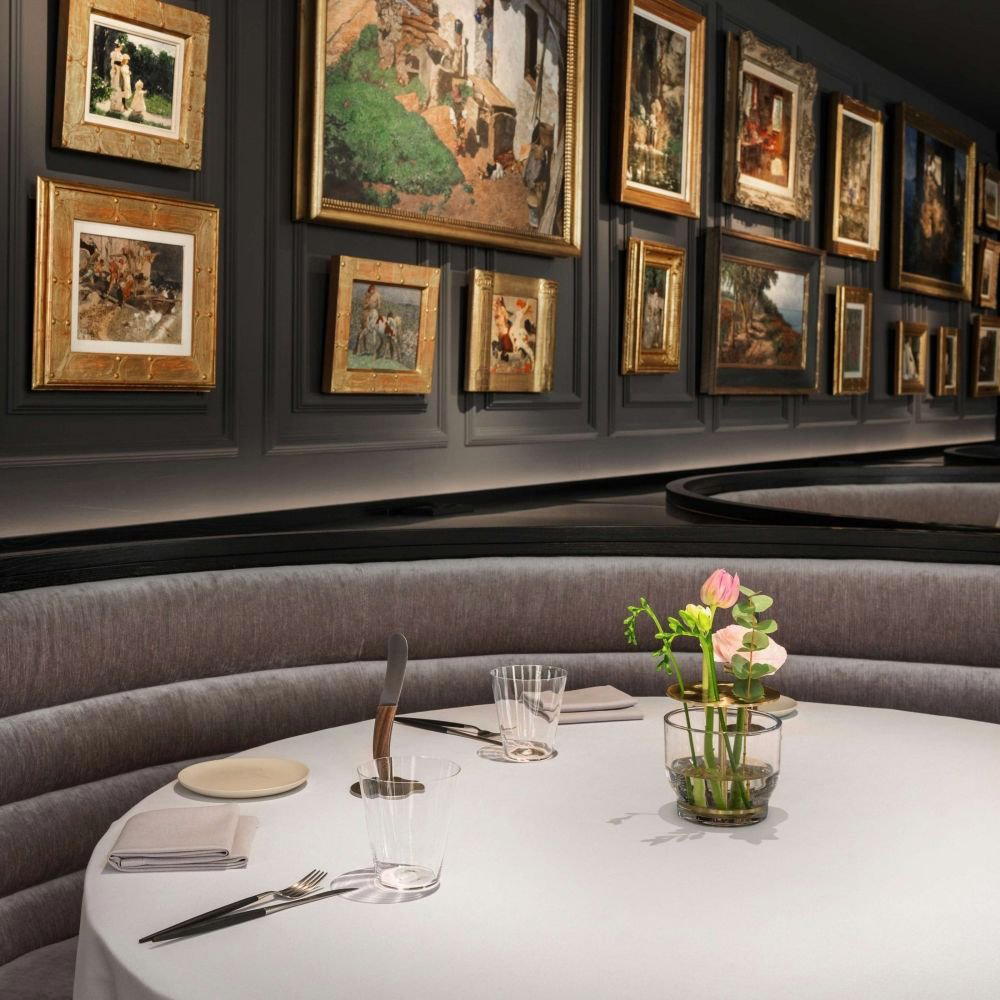
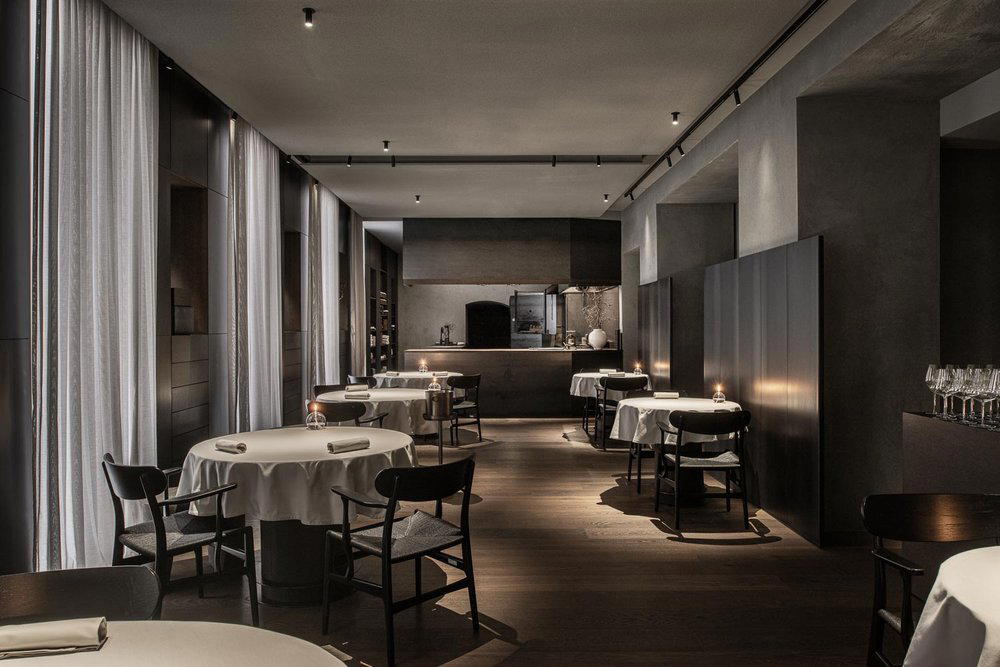
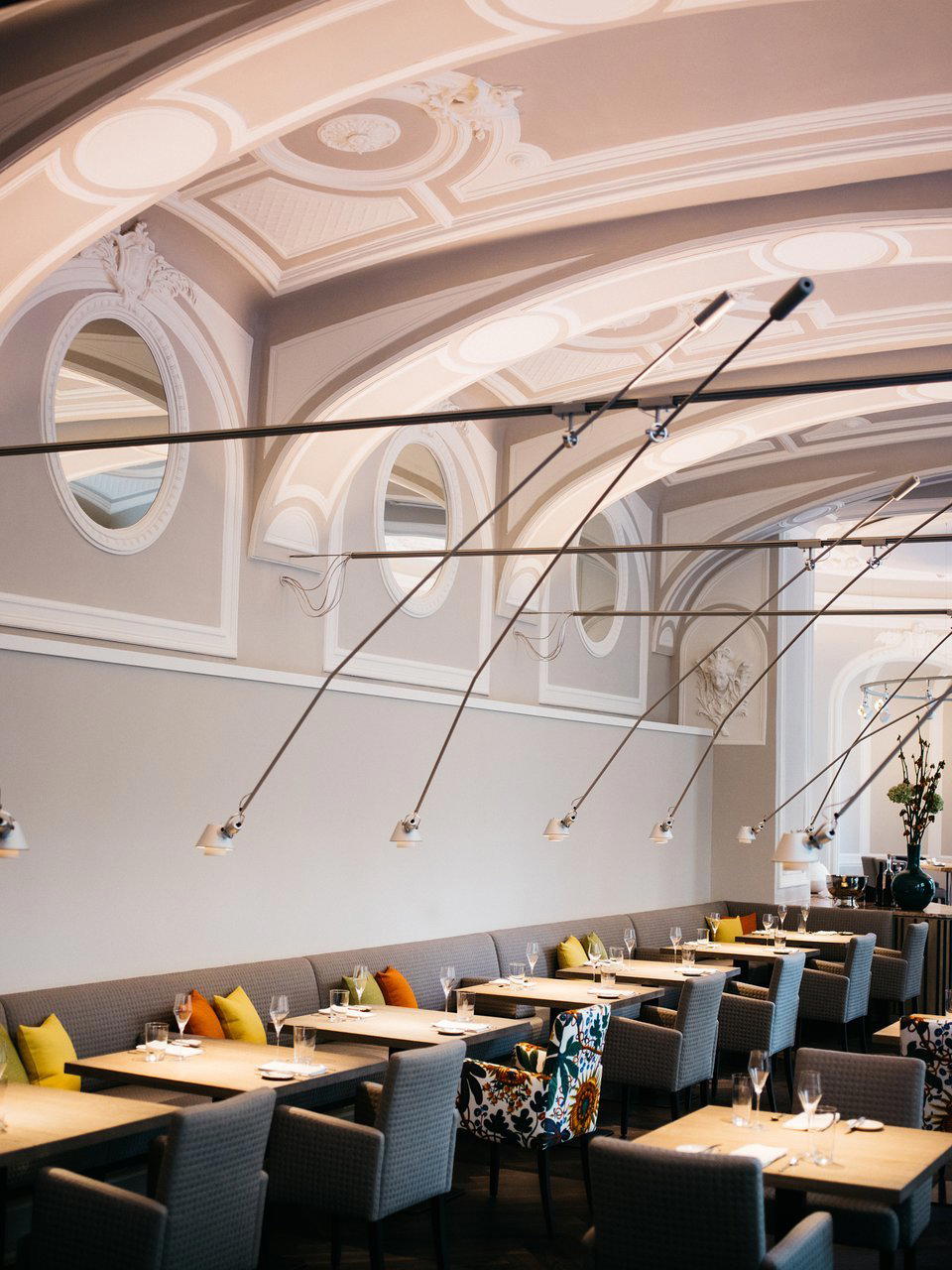
Bars in Vienna
Browse all →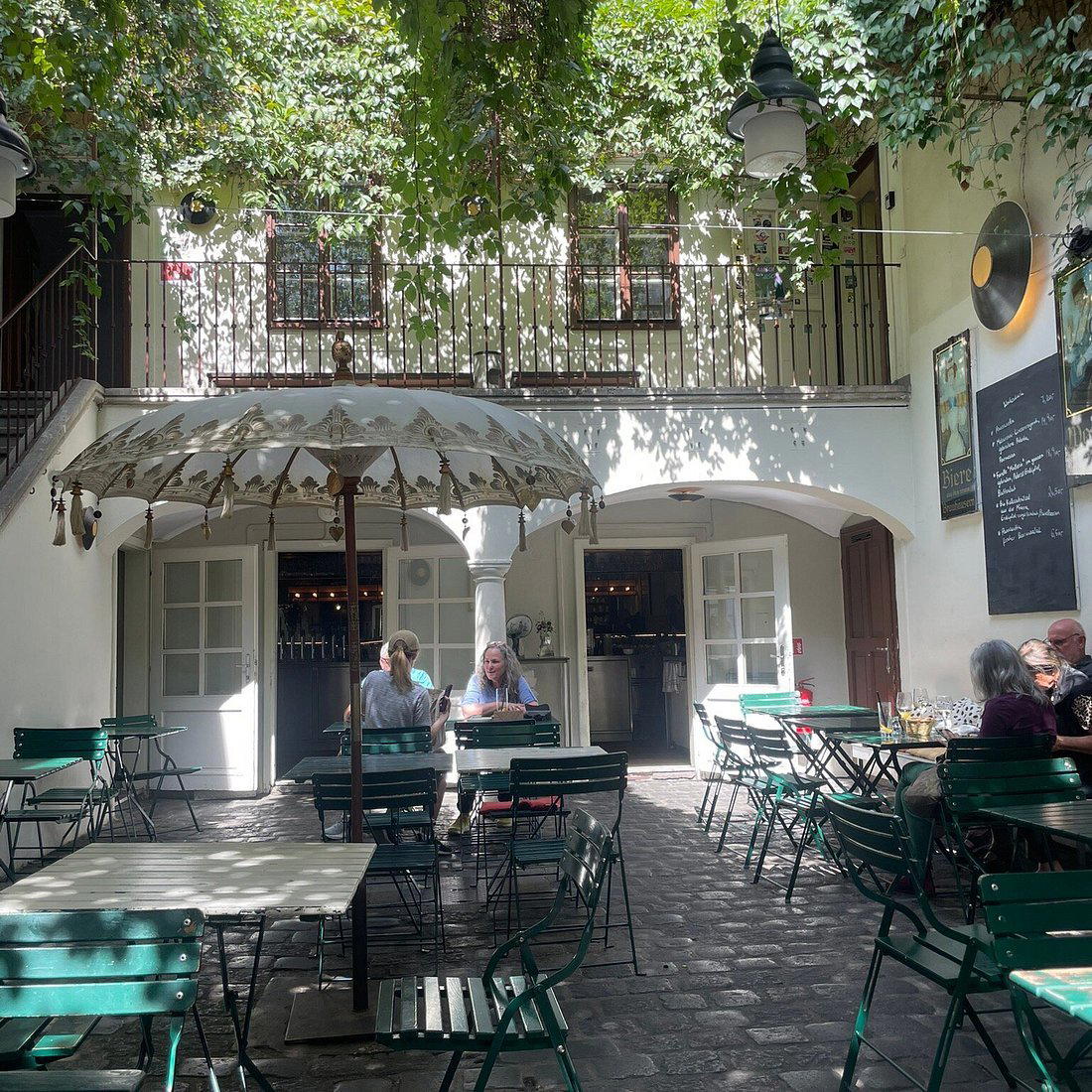
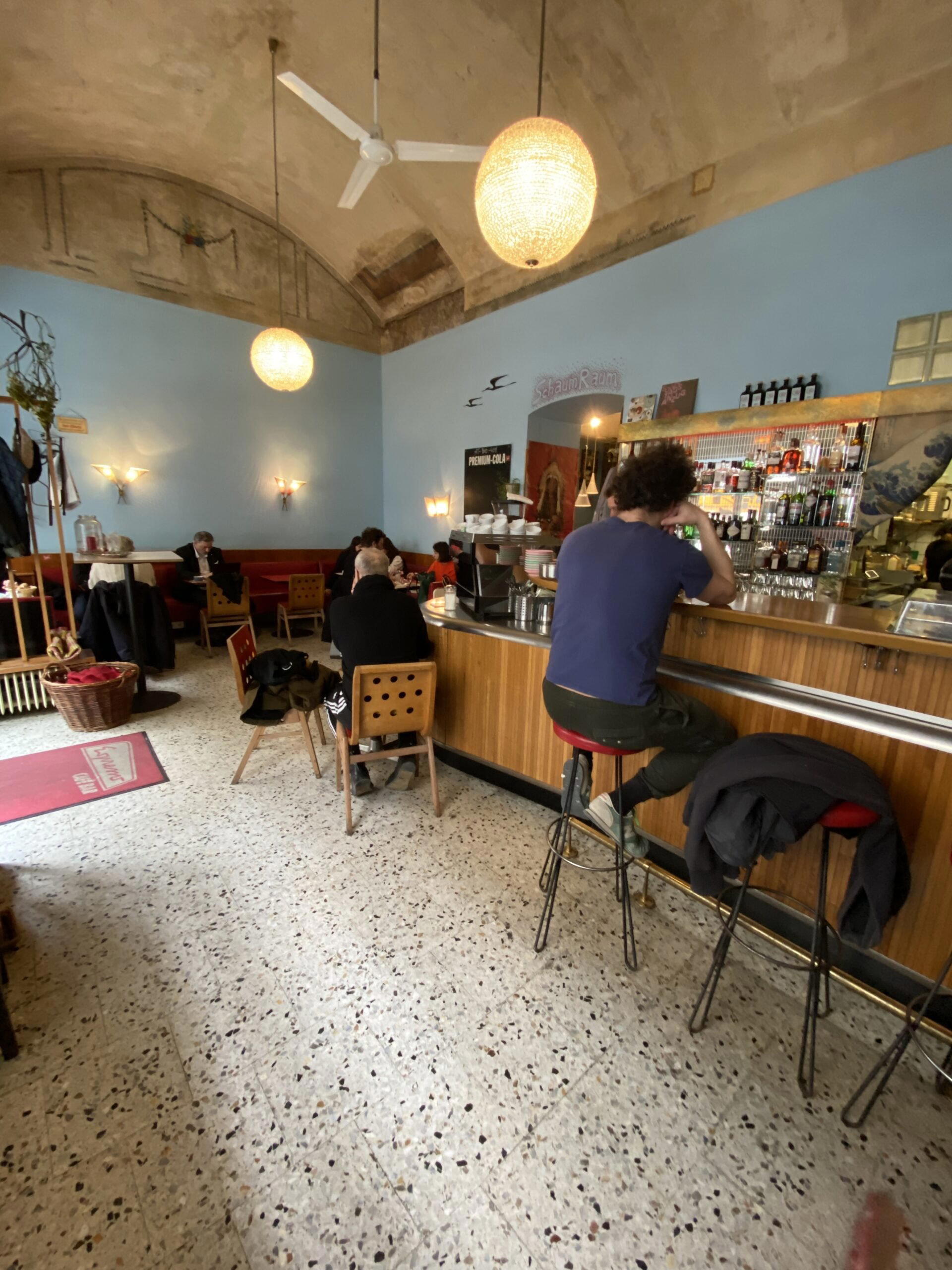
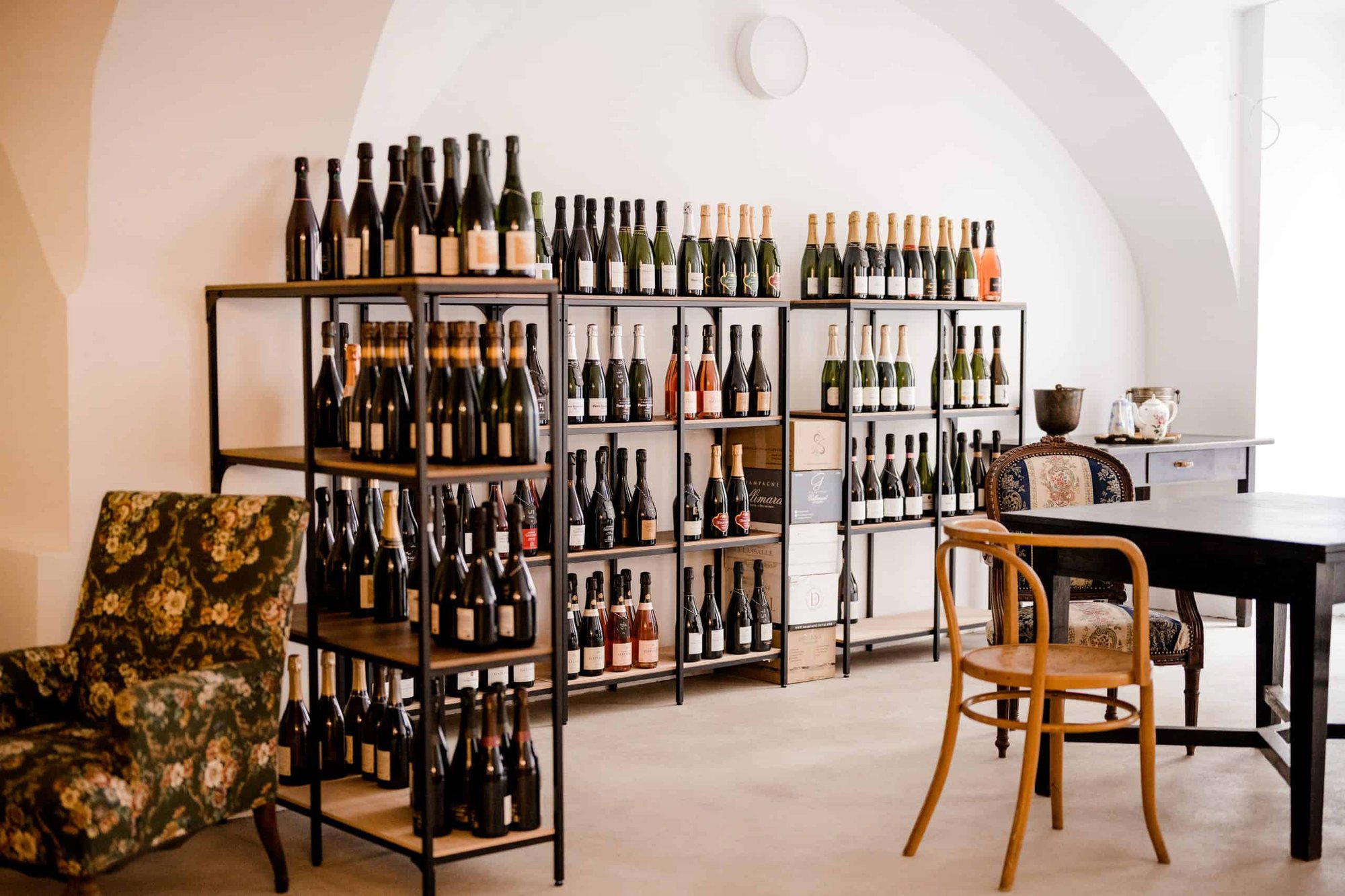
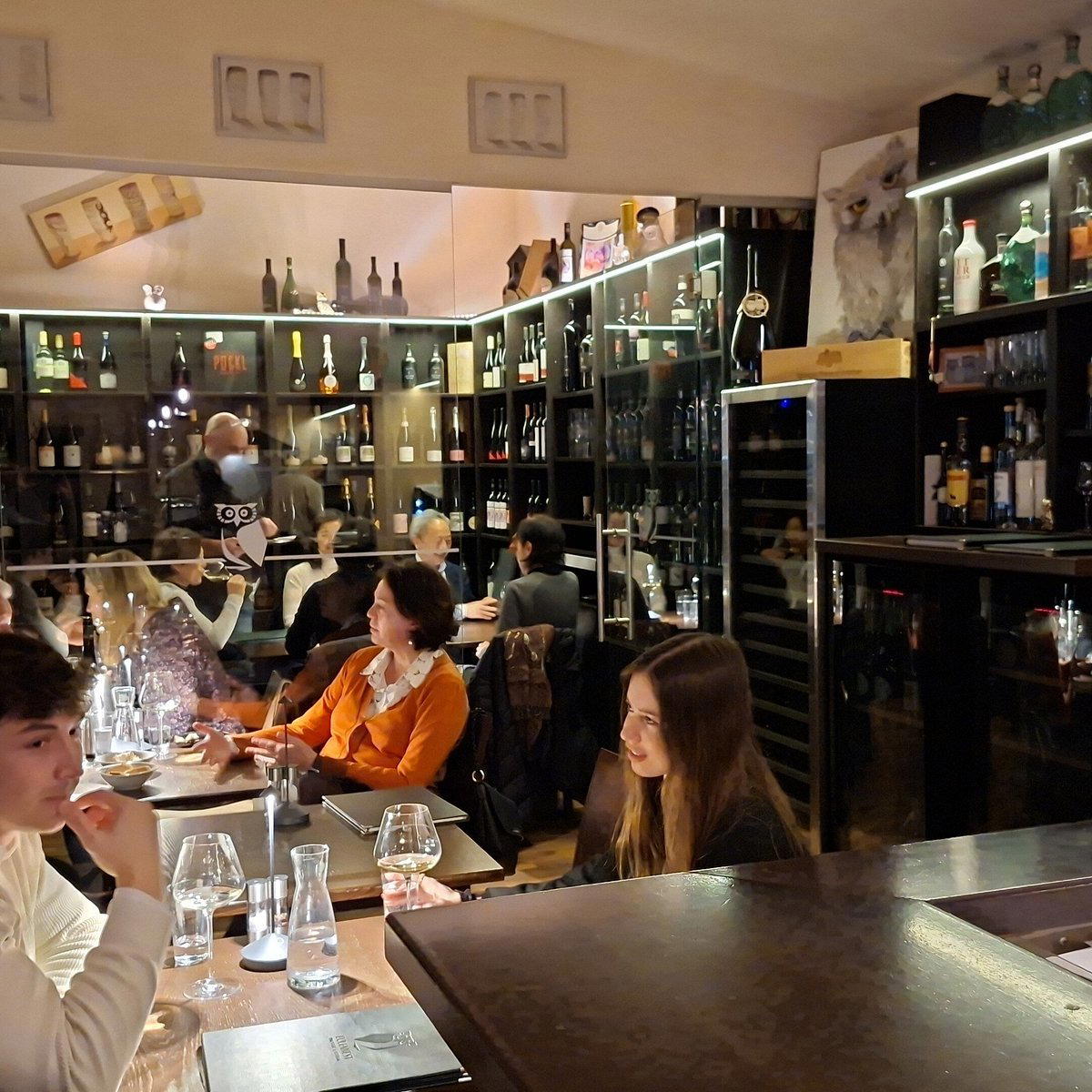
Hotels in Vienna
Browse all →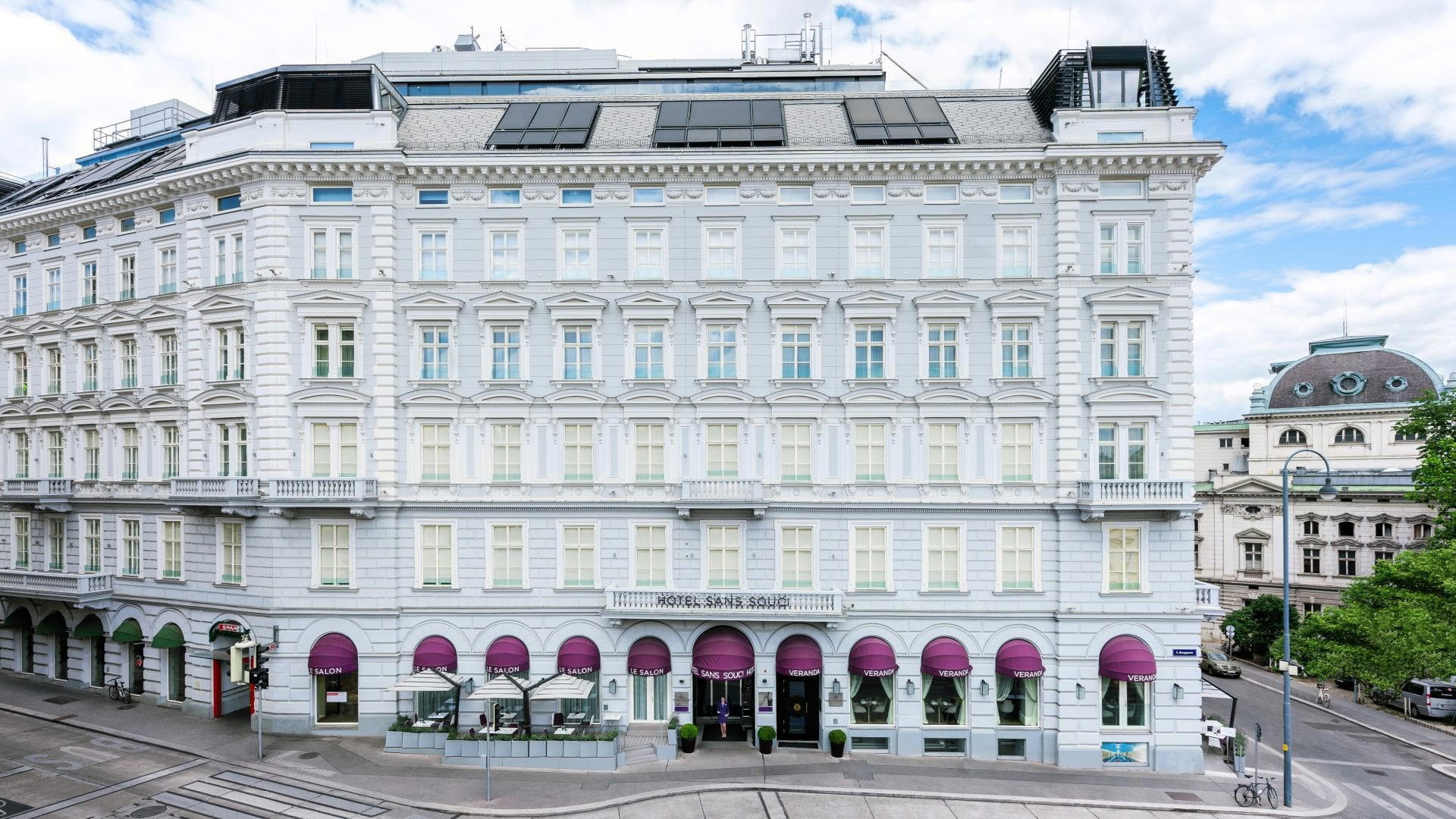
At a Glance
- Cozy
- Rustic
- Classic
- Date Night
- Casual Hangout
- Group Dining
- Garden
- Terrace
- Historic Building
- Extensive Wine List
- Local Sourcing
- Organic
- Garden
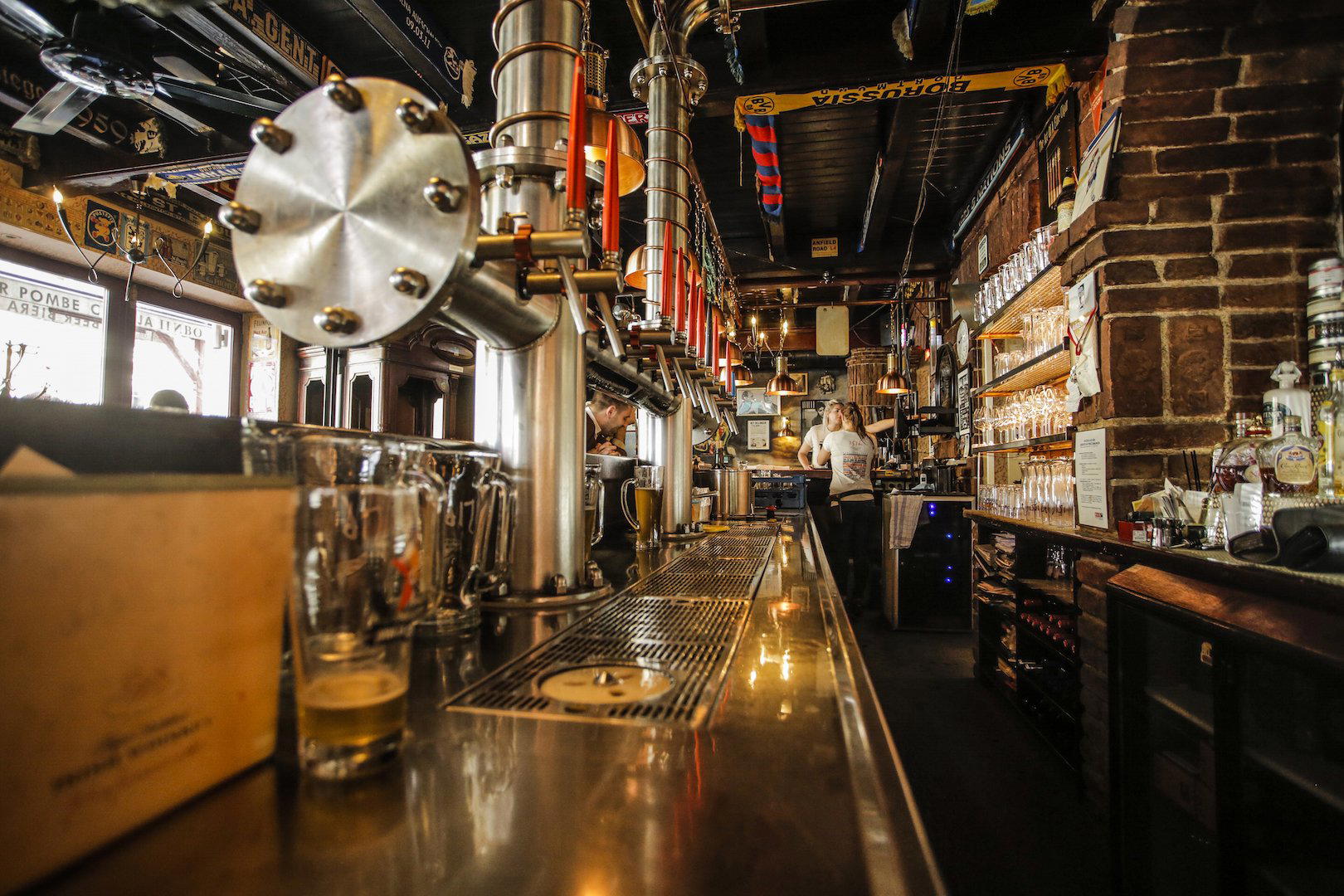
Cozy bistro atmosphere with plant-filled garden, modern interior in black and white with green accents, and serene outdoor seating.