Our verdict
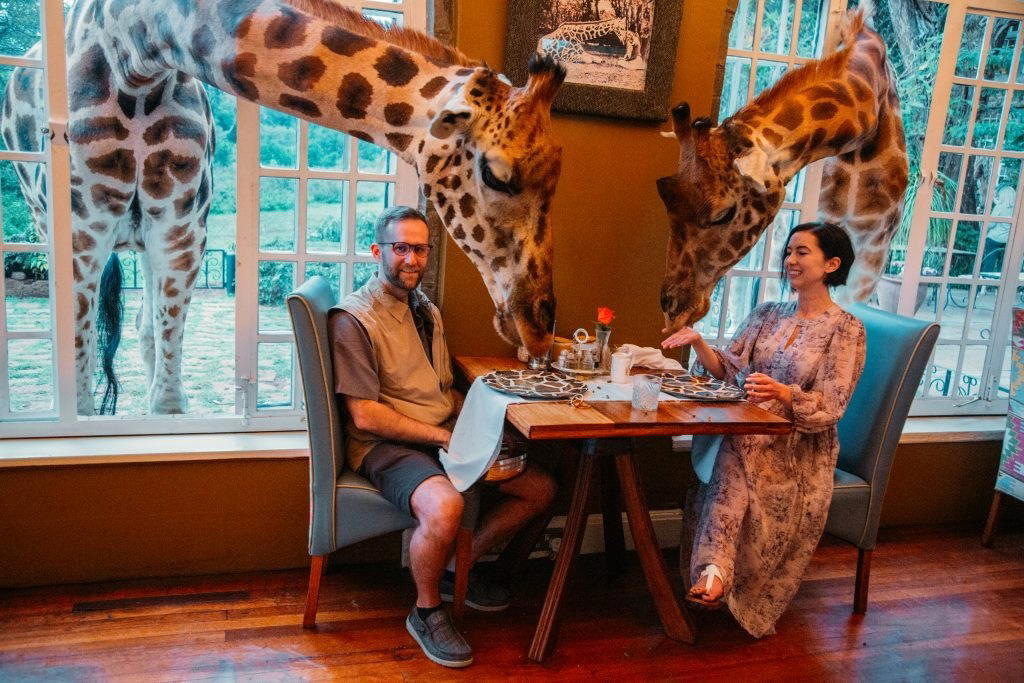
Lunch at Giraffe Manor is one of Nairobi's most photographed dining rituals, where Rothschild's giraffes push their heads through open windows to share the table in the literal sense. The Karen estate operates within a wider movement of Kenya's conservation-linked hospitality, where the meal itself is inseparable from its ecological setting. Advance booking is essential, and access is typically reserved for hotel guests and day-visit lunch reservations.

Pearl is the En Primeur Club membership app, where members save venues, book tables and use the concierge.
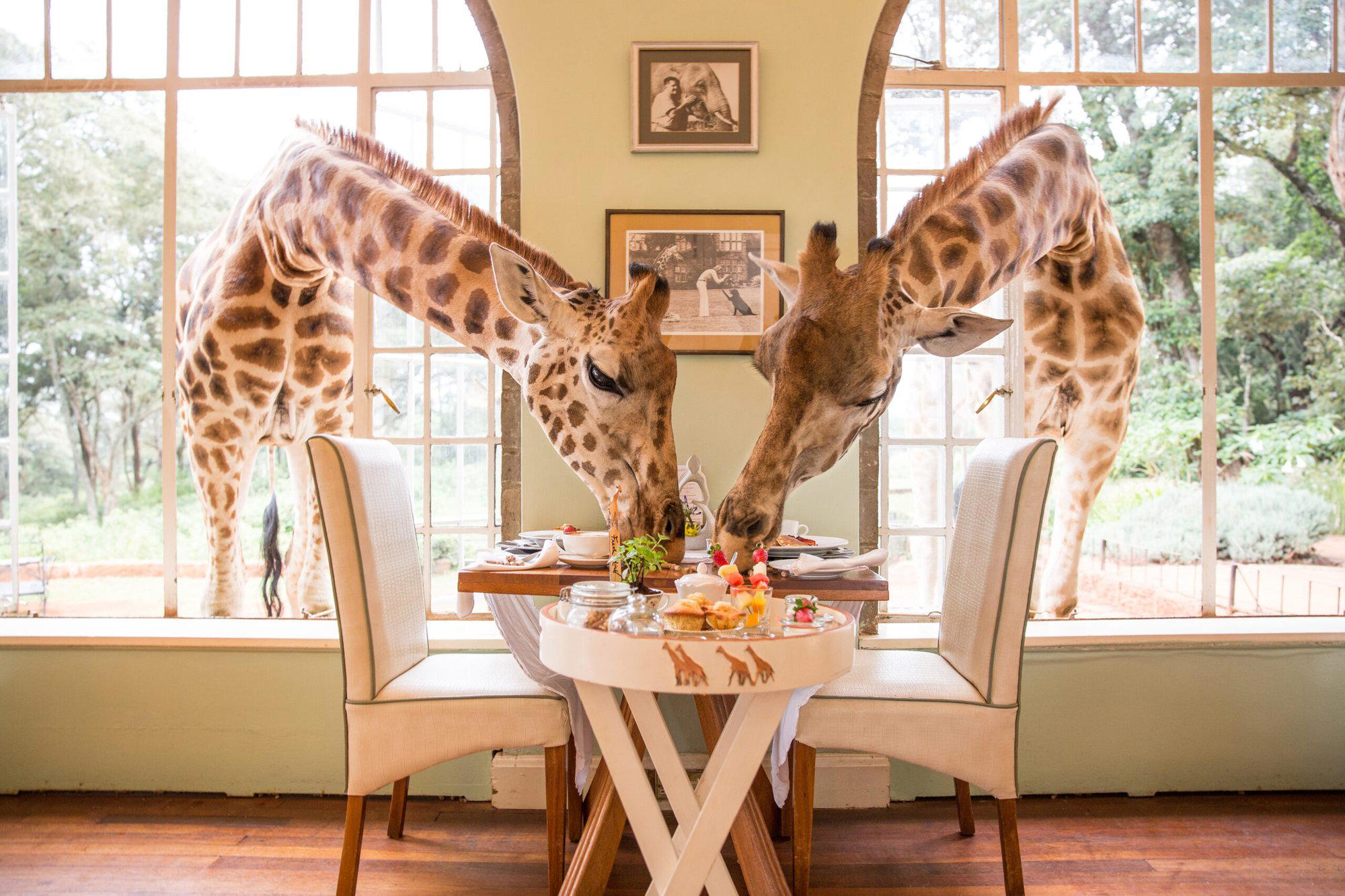
Where the Dining Room Has No Walls Worth Mentioning
Certain dining situations in Africa resist the usual framework of restaurant criticism. Giraffe Manor Lunch, held at the colonial-era estate in Karen, Nairobi, belongs to a category where the environment is not backdrop but co-author. The Rothschild's giraffe, one of the most endangered giraffe subspecies, has been part of this property's story since the African Fund for Endangered Wildlife established its Nairobi centre here in the 1970s. By the time you sit down to eat, the giraffes are not a sideshow. They are the reason the table exists in the form it does.
Karen itself occupies a distinctive position in Nairobi's dining geography. South of the city centre, away from the density of Westlands and the CBD, it functions as a quieter residential and conservation corridor. Talisman in Karen operates from the same neighbourhood and represents a different register of the Karen dining experience, one built around a long-running restaurant identity rather than estate hospitality. Giraffe Manor pulls from a completely different visitor profile: international travellers for whom the manor lunch sits alongside Kenya's safari circuit rather than its urban restaurant scene.
The Sourcing Logic of a Conservation Estate
The editorial angle that matters most here is not what is on the plate but where it comes from and why that origin shapes the entire proposition. Kenya's premium hospitality sector has increasingly leaned into farm-to-table sourcing, not as a marketing category but as a structural response to supply chain realities and conservation mandates. Estates that sit within or adjacent to wildlife corridors tend to source more locally by necessity and by mission alignment. The grounds of Giraffe Manor and the broader Karen Blixen-era estate culture in this part of Nairobi have long operated with an awareness of land stewardship that filters into kitchen practice.
This places Giraffe Manor Lunch in an interesting comparison with other conservation-anchored dining in Kenya. Great Plains Mara in Maasai Mara and ol Donyo Lodge in Chyulu Hills - Amboseli both operate within wildlife conservancies where the sourcing philosophy is inseparable from the conservation model. In each case, what arrives at the table is shaped by what the land and its surrounding communities produce, and the dining experience is constructed around that relationship rather than around a chef's personal vision. Giraffe Manor follows this same structural logic, even if its setting is peri-urban rather than deep bush.
Across Kenya's wider hospitality tier, the question of ingredient provenance has become a differentiating factor. Smaller lodges and estate properties increasingly work with Kenyan smallholder producers, highland vegetable growers, and coastal fisheries, building supply relationships that larger urban restaurants cannot easily replicate. This is the lens through which Giraffe Manor Lunch reads most clearly: a meal anchored in a specific ecological and agricultural context, served in a setting that makes that context visible in real time.
The Nairobi Conservation Dining Context
Nairobi occupies an unusual position globally as a city that borders a national park. That geography shapes the hospitality culture in Karen and Langata in ways that have no equivalent in other African capitals. The restaurants and estates that operate here are not simply urban dining venues that happen to be in a green suburb. They exist in active relationship with conservation infrastructure, wildlife populations, and land-use pressures that most city restaurants never encounter.
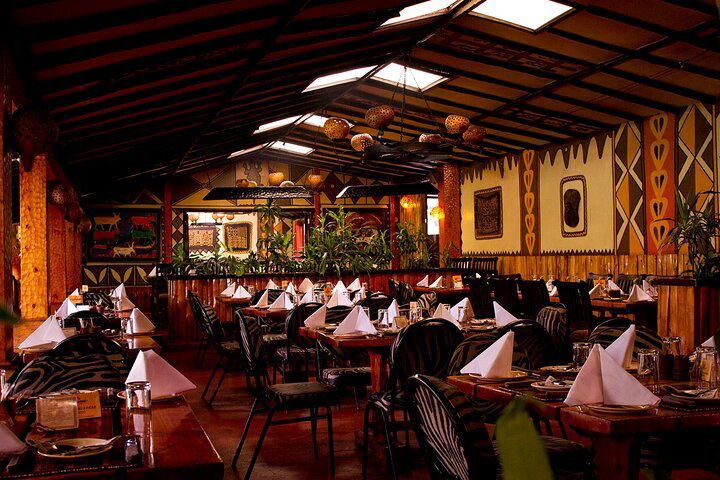
Carnivore (African Traditional) represents the older Nairobi tradition of game-meat dining, a format that has become more complicated as wildlife regulation has tightened over decades. Giraffe Manor operates from a different conservation ethic entirely: the giraffes are protected, the land is managed for their welfare, and the lunch service is constructed around that mission. For visitors moving between Nairobi's dining registers, this distinction matters. You are not eating at a wildlife venue; you are eating at a conservation programme that happens to include a dining room.
For those building a Kenya itinerary that extends beyond Nairobi, Ali Barbour's Cave Restaurant in Kwale and Funky Monkey in Ukunda represent the coastal counterpart to this highland conservation-linked dining tradition. The sourcing logic differs, driven by Indian Ocean seafood and coastal agricultural patterns, but the underlying proposition of environment-as-context is comparable.
Booking and Access
The practical structure of the Giraffe Manor Lunch experience is worth understanding before arrival. The property operates primarily as a small hotel, and lunch access for non-residents typically requires advance reservation, with availability shaped by hotel occupancy. This is not a drop-in dining venue. The window during which giraffes appear at the dining area is not guaranteed at all hours, and the midday visit is calibrated around the animals' feeding rhythms rather than guest preference. Planning around the Nairobi calendar matters too: the long rains from March to May and the short rains in November alter the property's character considerably, and the dry seasons, particularly July through October, align with Kenya's peak safari circuit and therefore with the heaviest demand for estate visits.
For visitors building a broader Nairobi restaurant itinerary around this lunch, About Thyme Restaurant, Arbor Place, Artcaffé Restaurant Ring Road Parklands, and Bao Box represent different registers of the city's dining range. A broader overview of where each of these fits within Nairobi's current restaurant scene is available in our full Nairobi restaurants guide.
The international comparison point is instructive. Destination-dining formats that use environment as the primary organising principle, such as Lazy Bear in San Francisco or the communal experiential format of Alinea in Chicago, have demonstrated that the frame around a meal can carry as much weight as the food itself. At Giraffe Manor, the frame is literal and ecological. That is either the point or it is not, and visitors who arrive expecting the food to be the centrepiece will have misread the proposition. Those who understand that conservation-linked hospitality operates on different terms than restaurant dining will leave with a clearer sense of what Kenya's estate culture has built over the past fifty years.
For reference, the global tier of formal restaurant dining, represented by venues such as Le Bernardin in New York City, Atomix in New York City, 8 1/2 Otto e Mezzo Bombana in Hong Kong, Alain Ducasse at Louis XV in Monte Carlo, and Emeril's in New Orleans, operates from an entirely different logic. Giraffe Manor is not competing in that space, nor does it need to. The comparison clarifies rather than ranks: this is conservation hospitality, and it should be evaluated on those terms.
Frequently asked questions
What is the atmosphere like at Giraffe Manor Lunch?
The setting is a colonial-era manor house in the Karen suburb of Nairobi, surrounded by grounds that form part of the African Fund for Endangered Wildlife sanctuary. Giraffes move freely around the building and routinely approach the dining terrace. The mood is unhurried and closer to a private estate house party than a conventional restaurant service.
Is Giraffe Manor Lunch family-friendly?
The experience is structured around close contact with Rothschild giraffes, which appeals strongly to families with children. That said, the property in Karen, Nairobi operates primarily as a boutique hotel, and the lunch format is designed for a small number of guests rather than large family groups. Access for non-resident visitors is restricted and must be arranged in advance through the estate.
What's the signature dish at Giraffe Manor Lunch?
Specific menu details are not published by the property and change with sourcing and season, so no single dish can be named as a fixed signature. What defines the food proposition here is provenance: the estate's location in Karen places it within a network of Kenyan conservation properties that prioritise local and ethical sourcing. The giraffe encounter at the table, not any individual plate, is the defining feature of the experience.
Can non-hotel guests attend lunch at Giraffe Manor in Nairobi, and how far in advance should they book?
Non-resident day visitors can attend lunch at the Karen estate, but access is limited by the property's small capacity and priority given to overnight guests. Booking well ahead is necessary, particularly during peak travel periods to Nairobi. Reservations must be made directly through the manor rather than via third-party dining platforms.
A quick peer reference to anchor this venue in its category.
| Venue | Cuisine | Price | Awards |
|---|---|---|---|
| Giraffe Manor LunchThis venue (the venue you are viewing) | Giraffe Manor Set Meals | Not listed | Not listed |
| Carnivore | Kenyan Rodizio Steakhouse | $50–100 | World's 50 Best #50 |
| Cultiva Farm Kenya | Farm-to-Table International | $30–50 | Not listed |
| Wasp & Sprout | Creative American Cafe | $10–20 | Not listed |
| Fonda's Taqueria, Westlands | Authentic Mexican Street Food | $10–20 | Not listed |
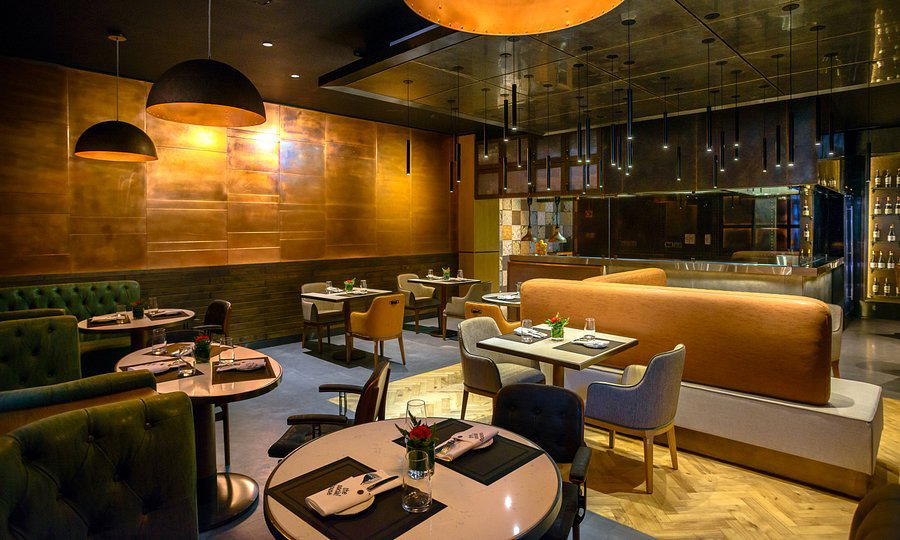
| Delta Towers | Global Grill & Craft Cocktails | $20–30 | Not listed |
Continue exploring
More in Nairobi
Restaurants in Nairobi
All restaurants in Nairobi →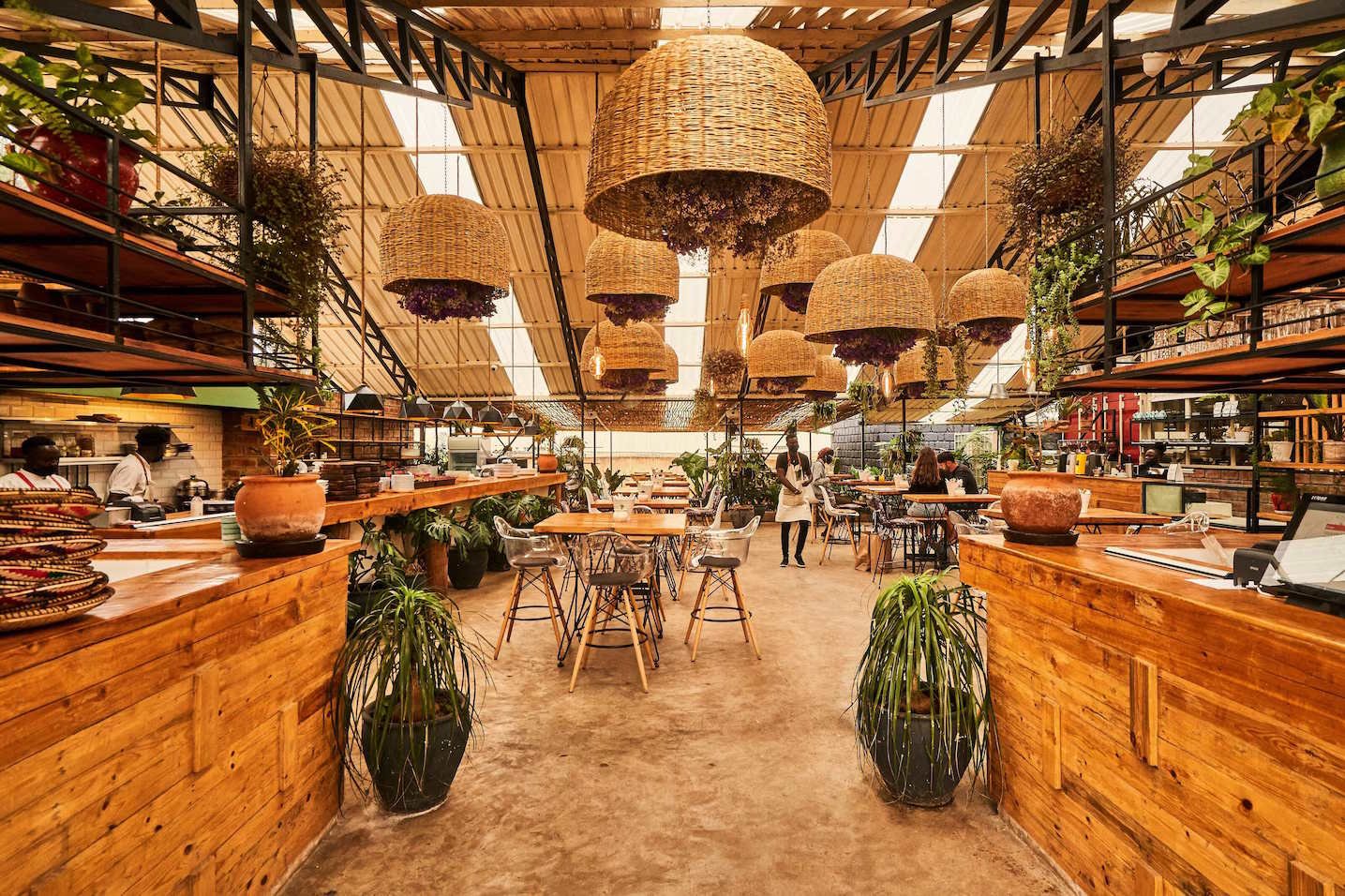
Details
- Well Known
- Elegant
- Scenic
- Whimsical
- Special Occasion
- Family
- Celebration
- Garden
- Historic Building
- Hotel Restaurant
- Local Sourcing
- Farm To Table
- Garden
- Set Menu
- Allergy Accommodating
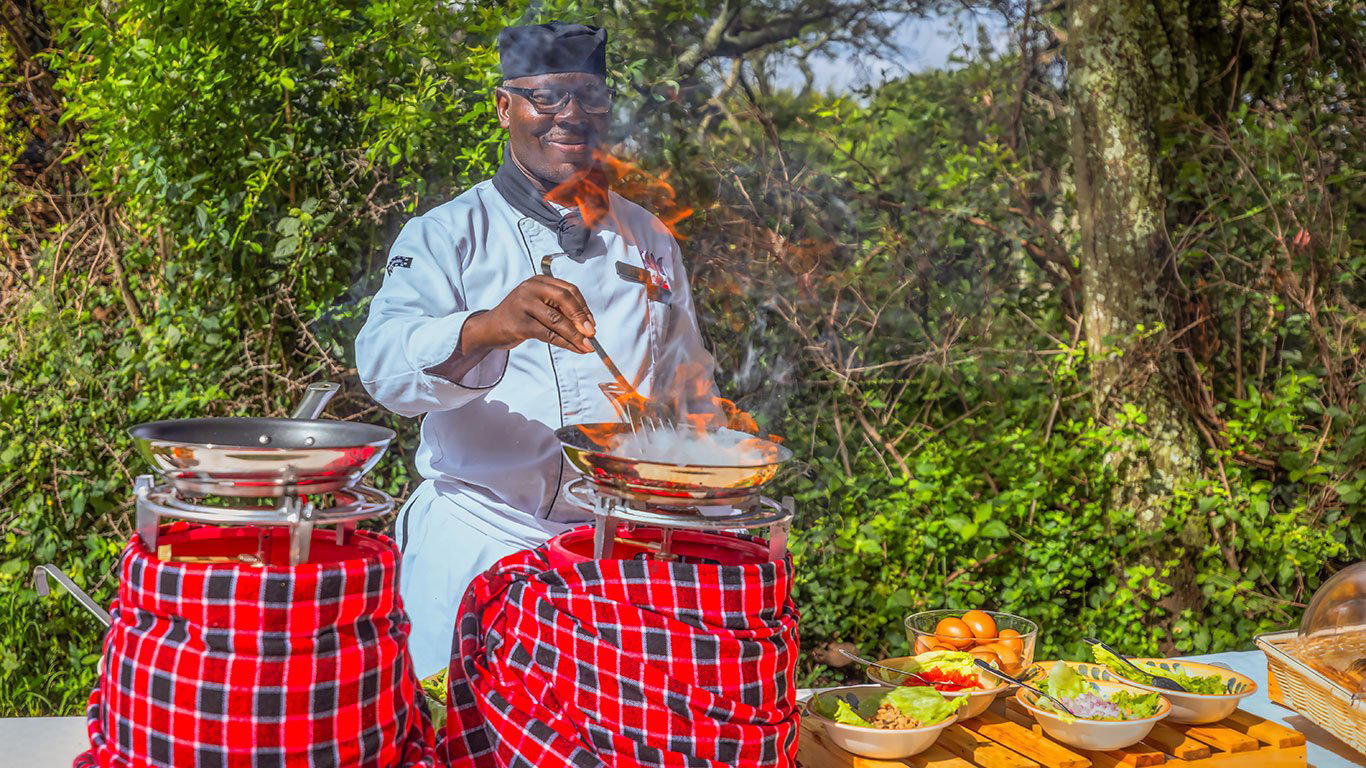
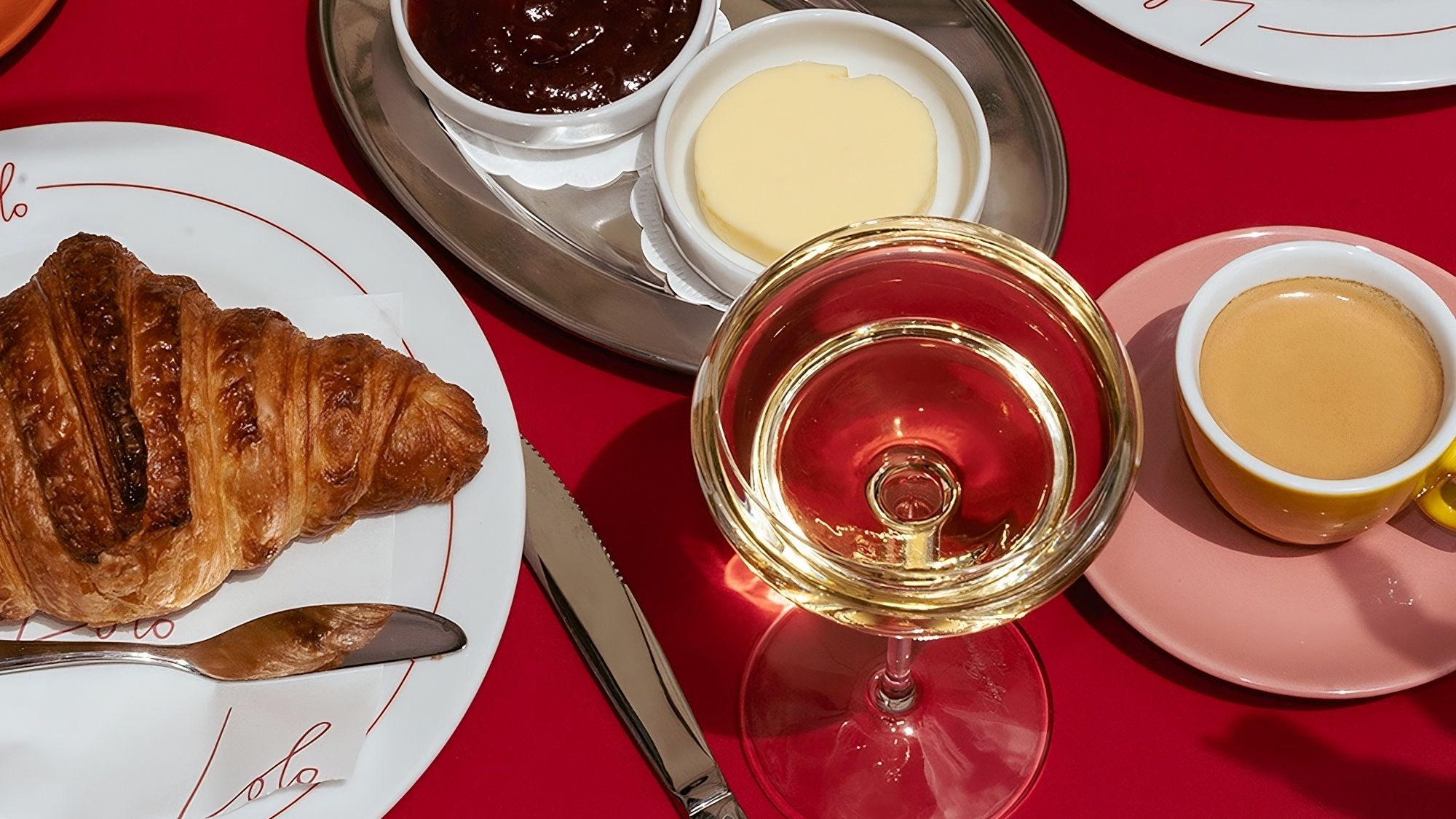
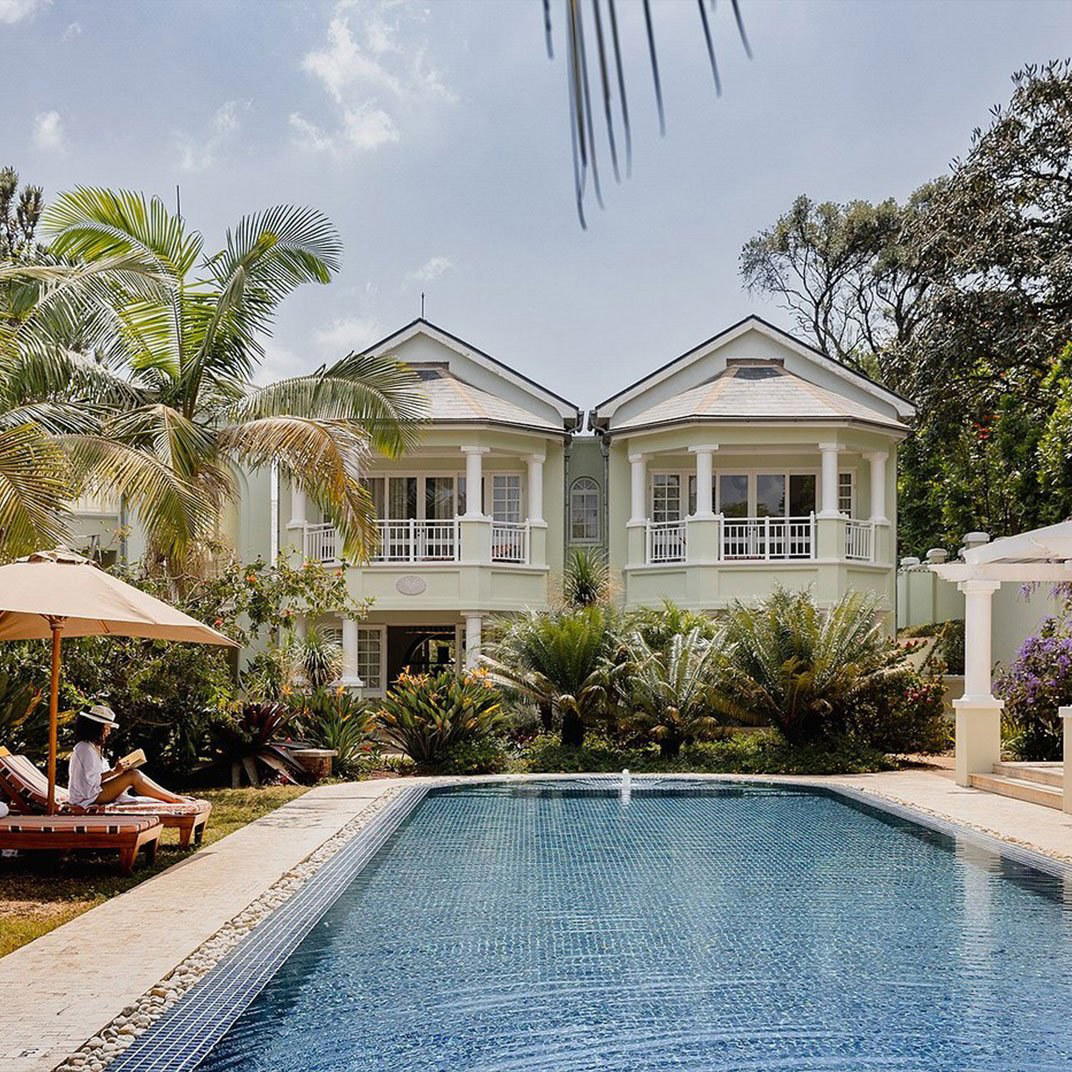
Elegant 1930s manor with tranquil gardens, historic charm, and wildlife encounters creating a magical, film-like atmosphere.