Our verdict
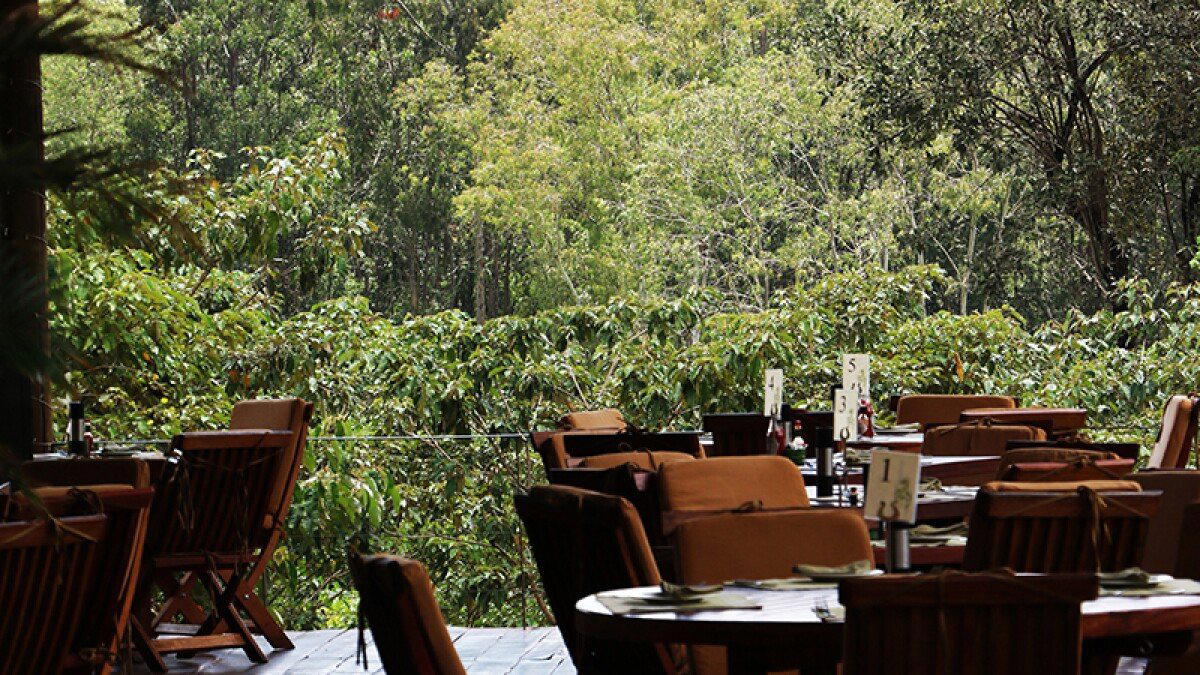
Set within Karura Forest on Nairobi's northern edge, The River Café occupies one of the city's most distinctive natural settings, where the sounds of the forest replace the city's ambient noise. The café draws both weekday lunch crowds and weekend visitors seeking a slower pace, placing it in a separate category from Nairobi's urban dining circuit. It is a reference point for outdoor dining in the capital.

Pearl is the En Primeur Club membership app, where members save venues, book tables and use the concierge.
The menu
What to order
- French Onion Soup
- Caesar Salad
- Blue Cheese Burger
- Fish & Chips
- Pumpkin & Black Bean Curry
- Braised Beef Osso Buco
Where the Forest Does the Work
Nairobi's dining scene splits cleanly between venues that compete on interior design and those that let their surroundings carry the atmosphere. The River Café belongs firmly to the second category. Positioned inside Karura Forest on the city's northern edge, the setting delivers what no amount of interior styling can manufacture: a canopy overhead, the sound of running water nearby, and a working distance from the urban noise that defines most of Nairobi's restaurant corridor. For a city that increasingly competes on rooftop terraces and polished interiors, a genuinely forested setting is a different kind of proposition entirely.
That positioning places The River Café in a specific peer group. It is not competing with the white-tablecloth dinner circuit of Westlands or the Karen garden-lunch establishments like Talisman in Karen. It occupies a narrower niche: daytime dining in a natural environment, where the experience depends on the setting as much as the plate. This is the kind of venue that earns its place in the city's conversation not through awards or chef pedigree, but through consistency of atmosphere and a reliable sense of remove from the capital's pace.
The Lunch-First Logic
The editorial angle that makes most sense for The River Café is time of day. Across Nairobi's broader dining circuit, the lunch-versus-dinner divide determines everything: pricing structure, crowd composition, menu ambition, and what the visit actually feels like. At venues anchored to a natural setting, that divide is even sharper. Karura Forest is a daytime destination. The forest trails draw walkers, cyclists, and families through the morning and into the afternoon, which means the café's lunch service benefits from a built-in audience with a specific mindset: people who have already been outdoors, who are not in a hurry, and who want food that fits the mood of the surroundings rather than challenging it.
This is a pattern visible across outdoor dining in other cities and contexts. Venues at ol Donyo Lodge in the Chyulu Hills or Great Plains Mara in the Maasai Mara function on similar principles: the environment sets the tempo, and the food serves the rhythm of the day rather than anchoring the occasion. The River Café translates that logic into an urban context, which is a rarer achievement than it sounds. Most city restaurants that attempt a nature-adjacent identity end up with a courtyard garden and a few potted ferns. A functioning forest with river access is a genuinely different register.
Evening service, where it exists, operates in a quieter mode. The forest after dark is a less navigable social space, and the crowd that comes for the daytime energy of Karura does not automatically convert into an evening dinner crowd. This is not a weakness; it is simply the honest shape of what the venue is. Dinner at forest-adjacent venues in Nairobi tends to draw visitors looking for a specific occasion, often more intimate, with the darkness and quiet doing atmospheric work that the daytime energy cannot replicate. The two services are different products, and the visitor who understands that distinction will calibrate expectations accordingly.
Nairobi's Outdoor Dining Context
Nairobi has a small but defined cluster of outdoor and nature-adjacent dining venues. The city's elevation, sitting at roughly 1,700 metres above sea level, gives it a climate that is genuinely hospitable to outdoor eating for much of the year, a fact that distinguishes it from coastal Kenya venues like Funky Monkey in Ukunda or Ali Barbour's Cave Restaurant in Kwale, where heat and humidity impose seasonal constraints on the outdoor experience. In Nairobi, the outdoor dining window is long, and venues that have secured genuinely natural settings have a structural advantage.
The River Café benefits from this directly. The forest setting is not incidental decoration; it is the primary reason most visitors make the trip. This places it in a different competitive frame from urban Nairobi restaurants like About Thyme, Arbor Place, or the more casual formats like Bao Box and Artcaffé on Ring Road Parklands. Those venues compete on menu, price point, and urban convenience. The River Café competes on something harder to replicate: a physical location that most of its peer group cannot access.
At the larger, more theatrical end of Nairobi's dining spectrum, Carnivore has long anchored the city's outdoor event-dining category with its open-air grill format. The River Café operates at a different register entirely: quieter, less performative, and more dependent on the visitor arriving with time to spend. The comparison is useful mainly to illustrate how wide Nairobi's outdoor dining range actually is.
For those building a broader Kenya itinerary, the EP Club full Nairobi restaurants guide maps the city's dining options across neighbourhoods and formats. Globally, the principle of environment-led dining shows up across very different price tiers, from the setting-dependent experience at Atelier Moessmer Norbert Niederkofler in Brunico to the format discipline of Lazy Bear in San Francisco, where the environment is constructed rather than inherited. The River Café's advantage is that its environment arrived ready-made.
Planning a Visit
Karura Forest sits on the northern edge of Nairobi, accessible from the Kiambu Road and Limuru Road entrances. The forest charges a conservation entry fee, which is standard practice and funds trail maintenance, visitors should factor this into the visit. Given the café's dependence on the daytime outdoor experience, a morning walk followed by lunch is the format that most visitors find most coherent. The trail network is extensive enough to fill two to three hours before sitting down. Midweek visits tend to be quieter than weekends, when the forest draws larger trail crowds and the café sees corresponding volume. With no phone number or booking portal confirmed in EP Club's data, visiting without a reservation carries more uncertainty on weekends; arriving early in the lunch window reduces that risk.
Frequently asked questions
Where is The River Café located?
The River Café is located at Karura Forest, Nairobi, Kenya, Nairobi.
Is The River Café inside Karura Forest accessible from both the Kiambu Road and Limuru Road entrances?
Karura Forest has multiple access points, with the Kiambu Road and Limuru Road entrances both serving the northern Nairobi side of the reserve. The River Café sits within the forest, so your choice of entrance affects your walking or driving route to the venue, checking current forest maps or asking at the gate will point you toward the most direct path to the café.
What do people recommend at The River Café?
Because The River Café sits inside Karura Forest on the northern edge of Nairobi, visitors consistently flag the outdoor setting itself as the draw, a shaded, riverside environment that differs sharply from the city's interior-focused dining rooms.
Can I walk in to The River Café?
Walk-ins may be possible, but Karura Forest itself charges a conservation entry fee at the gate before you reach the café, so arriving without a forest entry plan adds a step. Given the venue's location within a managed forest reserve, confirming availability directly before visiting is advisable, particularly on weekends when the forest draws significant foot traffic from Nairobi residents.
What's The River Café best at?
The River Café's clearest strength is its position inside Karura Forest, one of the few dining environments in Nairobi where the surrounding nature, rather than interior design, carries the atmosphere. Nairobi sits at roughly 1,700 metres above sea level, which keeps midday temperatures comfortable and makes the forest setting a genuine advantage for extended lunches in a way that few other cities on the continent can replicate.
What if I have allergies at The River Café?
Arriving with written details of your dietary requirements and speaking directly with staff on the day is the most reliable approach for any outdoor or nature-set café operating outside a formal restaurant group structure.
Category Peers
Comparable options at a glance, pulled from our tracked venues.
| Venue | Cuisine | Price | Awards | Notes |
|---|---|---|---|---|
| The River CaféThis venue (the venue you are viewing) | Continental Bistro with Kenyan Produce | $10–20 | Not listed | Not listed |
| Carnivore | Kenyan Rodizio Steakhouse | $50–100 | World's 50 Best #50 | African Traditional |
| Chowpaty Fast Foods Ltd | Pure Vegetarian Indian | $10–20 | Not listed | Not listed |
| About Thyme Restaurant | Contemporary Fusion | $20–30 | Not listed | Not listed |
| Arbor Place | Southeast Asian & Italian Fusion | $10–20 | Not listed | Not listed |
| Bao Box | Fusion Casual Dining with Games | Not listed | Not listed | Not listed |
Continue exploring
More in Nairobi
Restaurants in Nairobi
All restaurants in Nairobi →
Details
- Scenic
- Relaxed
- Bohemian
- Quiet
- Brunch
- Casual Hangout
- Group Dining
- Family
- Terrace
- Garden
- Panoramic View
- Standalone
- Beer Program
- Local Sourcing
- Garden
- A La Carte
- Family Style
- Wine By The Glass
- Coffee
- Vegetarian Friendly
- Gluten Free Options
Current opening hours
- Monday
- 8 AM–6:30 PM
- Tuesday
- 8 AM–6:30 PM
- Wednesday
- 8 AM–6:30 PM
- Thursday
- 8 AM–6:30 PM
- Friday
- 8 AM–6:30 PM
- Saturday
- 8 AM–6:30 PM
- Sunday
- 8 AM–6:30 PM
Hours can change for holidays and private events. Hours as of .
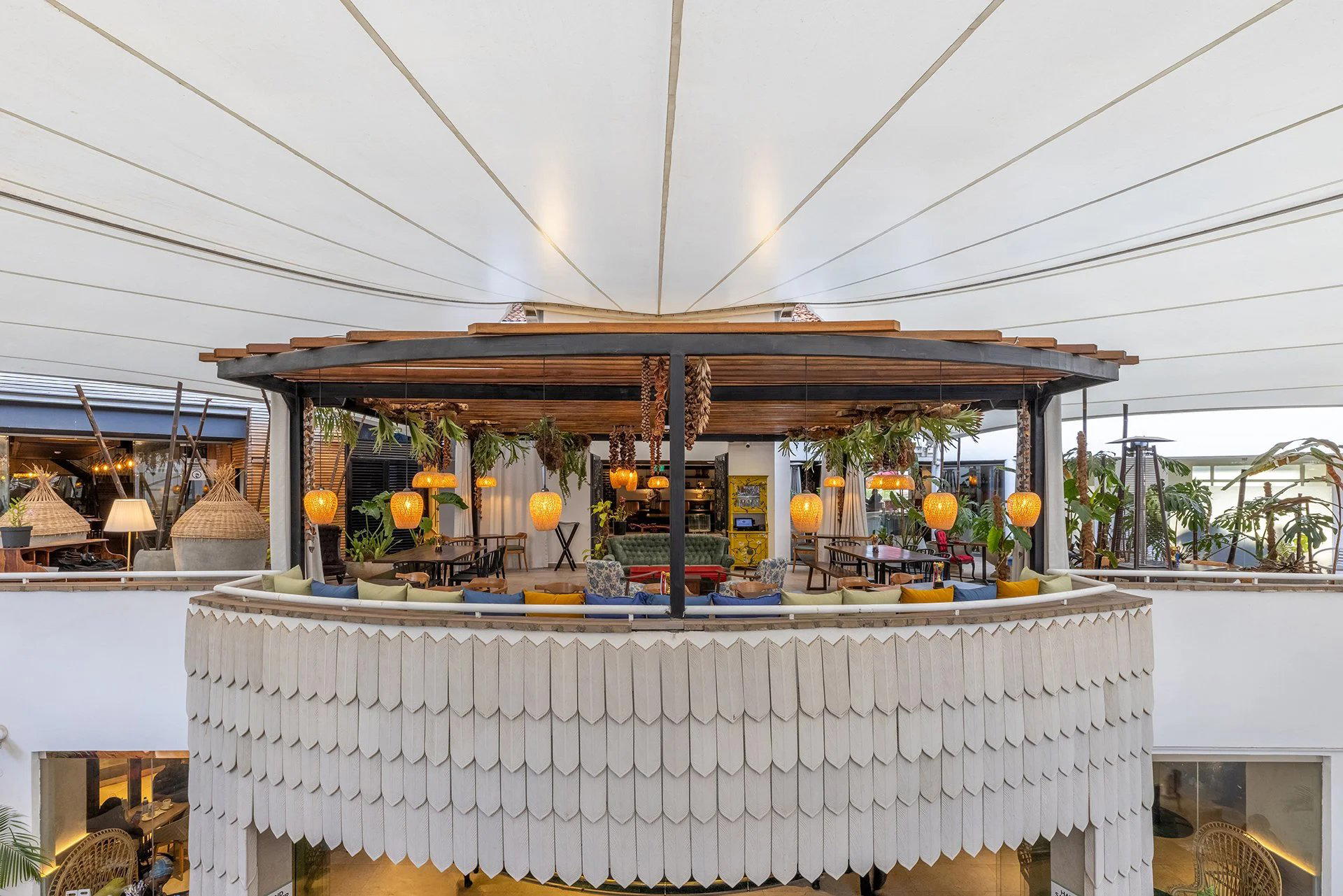
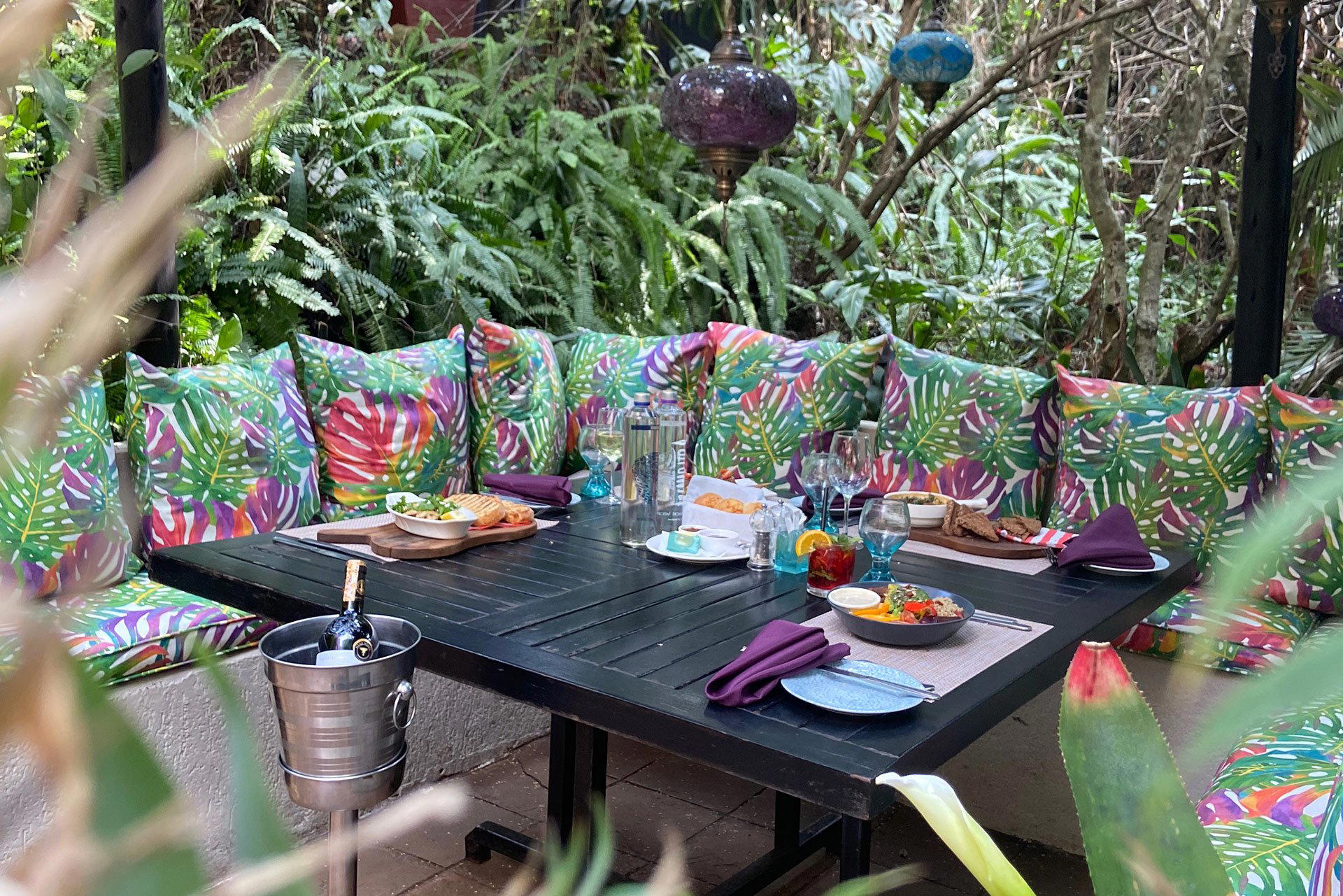
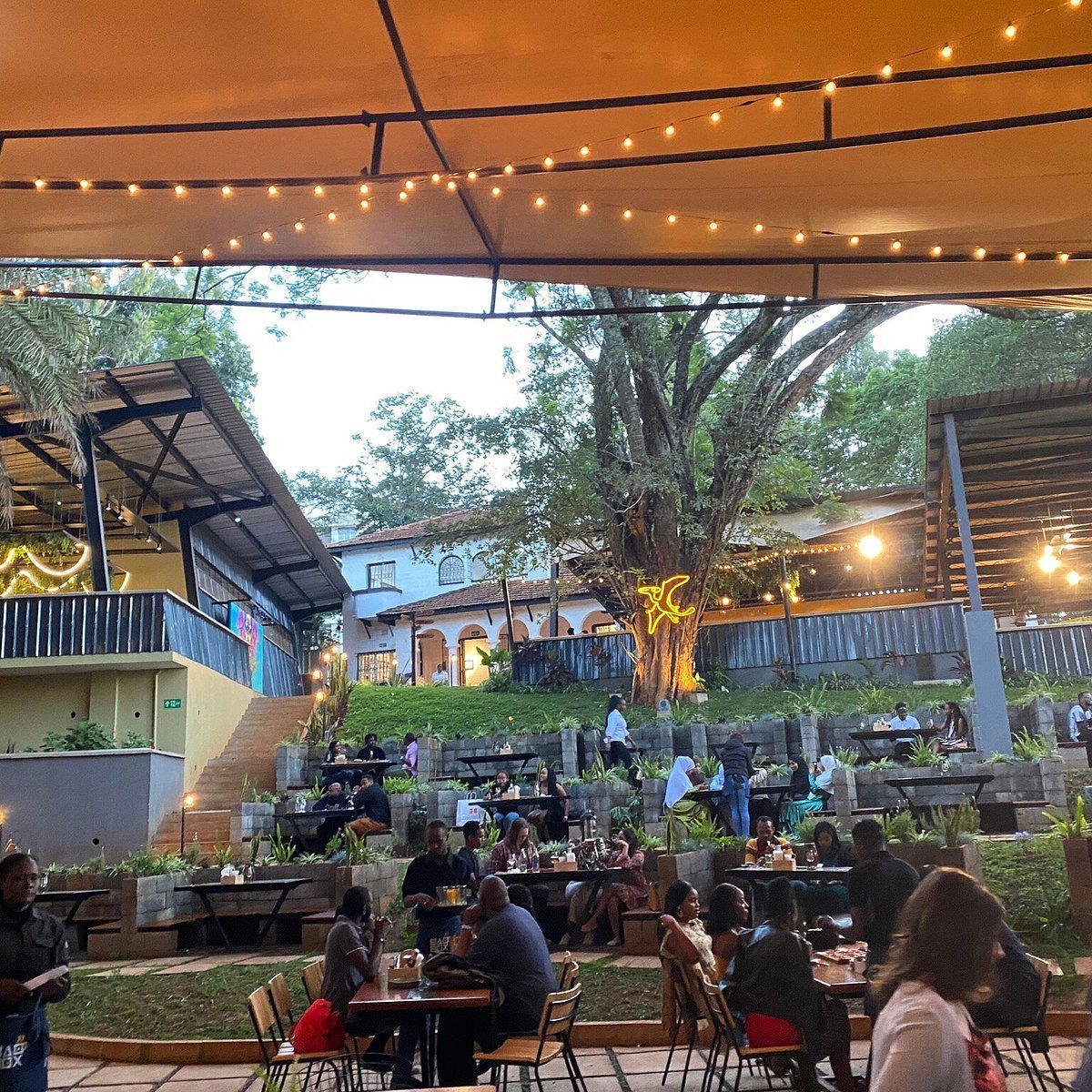
Open-sided canvas roof with high ceilings overlooking emerald-green forest canopy, natural daylight, surrounded by exotic birds and lush vegetation, creating a serene and atmospheric setting.