Our verdict
On the 20th floor of One Africa Place along Waiyaki Way, INTI occupies one of Nairobi's most commanding restaurant positions. The name signals Andean roots in a city that has become increasingly receptive to internationally-framed dining, placing INTI in a growing tier of Nairobi restaurants that operate at the intersection of imported technique and local appetite.

Pearl is the En Primeur Club membership app, where members save venues, book tables and use the concierge.
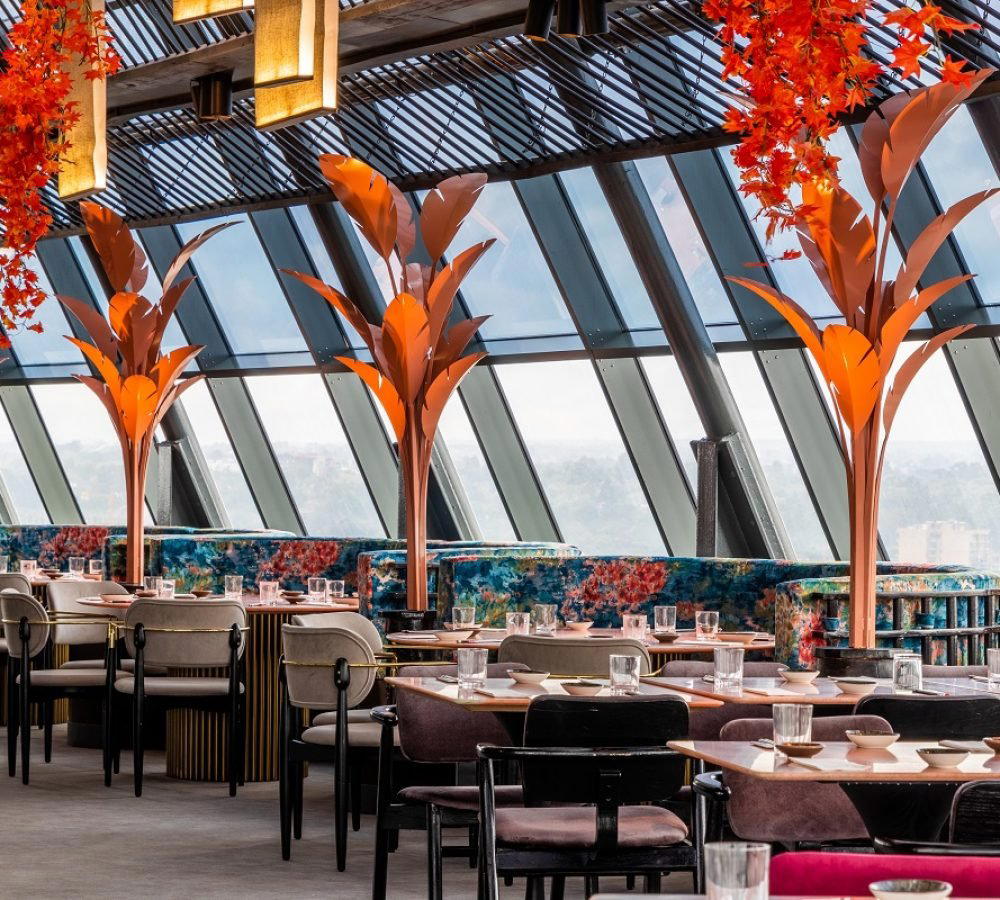
A City That Has Learned to Look Up
Nairobi's restaurant scene has spent the last decade sorting itself into distinct tiers. At street level and in the mid-market, the conversation is dominated by local staples and the kind of casual international formats that travel well. INTI, on the 20th floor of One Africa Place along Waiyaki Way, belongs to that upper bracket by geography alone: the address is a statement before the menu is even considered.
The building sits on one of Nairobi's primary commercial arteries, and the elevation produces the kind of city panorama that reframes how visitors understand the scale of the place. Nairobi from this height is not the chaotic traffic city of reputation but a genuinely sprawling, green-canopied metropolis. That physical context matters editorially because it shapes expectations at the door. Restaurants that place themselves this high above a city are making an argument about where they belong in the conversation.
The Cultural Roots Behind the Name
INTI is the Quechua word for the sun, central deity of the Inca civilisation and one of the most durable symbols in Andean cultural identity. That etymology is not incidental. Peruvian cuisine has undergone one of the more significant repositionings in global gastronomy over the past two decades, moving from regional curiosity to a fully-formed international culinary language. Restaurants in cities from London to Tokyo now carry Peruvian-inflected menus as a marker of contemporary seriousness, and that trajectory is the context in which INTI's name lands.
Peru's culinary reach comes partly from its extraordinary biodiversity: the country covers coastal desert, highland plateau, and Amazon basin, each producing distinct ingredients and traditions. The ceviche tradition alone spans dozens of regional variations, and the country's Chinese and Japanese immigrant communities produced fusion forms, chifa and Nikkei, that have become internationally referenced categories in their own right. When a restaurant in Nairobi draws on this tradition, it is positioning itself within a specific global conversation, one that venues like Atomix in New York City and Le Bernardin in New York City participate in from different culinary angles: the argument that cuisine identity can be serious, specific, and transportable simultaneously.
Nairobi's Upper-Tier Dining Context
To understand where INTI sits in this city, it helps to map what surrounds it. Nairobi's premium dining options have historically skewed toward safari-adjacent hospitality and long-standing local institutions. Venues like Carnivore have held ground for decades on the strength of a format, the nyama choma tradition scaled into a theatrical dining event, that is deeply rooted in East African culture. Talisman in Karen represents a different lineage: the settler-era farmhouse restaurant that has evolved into a contemporary dining destination. These are venues where the cultural grounding is local and legible.
INTI operates on a different axis. It brings a foreign culinary tradition to a city that has shown appetite for exactly that kind of import, particularly among Nairobi's international business community and the diplomatic corps concentrated in the Westlands and Upper Hill corridors. One Africa Place, sitting close to that commercial zone, is a logical address for a restaurant making that pitch. Nearby, the city's mid-market international options include Artcaffé Restaurant Ring Road Parklands and Bao Box, formats that serve the city's demand for accessible international eating. INTI aims further up that ladder.
The broader Kenya dining picture extends well beyond the capital. On the coast, venues like Ali Barbour's Cave Restaurant in Kwale and Funky Monkey in Ukunda serve a beach resort clientele with entirely different expectations. In the wilderness, properties like Great Plains Mara in Maasai Mara and ol Donyo Lodge in Chyulu Hills tie fine dining to safari experience, where the setting does most of the heavy lifting. INTI's challenge is the opposite: to build a reason to ascend 20 floors in the middle of a commercial district, without landscape theatre as a prop. The panorama helps, but the menu has to carry the weight.
What the Format Signals
High-floor restaurant formats share certain structural characteristics regardless of city. They tend to attract business entertaining and occasion dining over repeat neighbourhood traffic. They price at a premium justified partly by the view and partly by the address. And they draw comparisons to the international tier rather than the local mid-market, which means the reference points shift from what else is on the street to what the concept would cost in Dubai, Singapore, or Johannesburg.
Globally, the Peruvian fine dining format has been represented at serious levels. Venues like Alain Ducasse at Louis XV in Monte Carlo and Alinea in Chicago demonstrate that high-format restaurants can sustain international reputations built on total control of every dining variable. The question for any ambitious format in an emerging culinary city is how much of that control translates across supply chains, staff training depth, and a local dining culture that may be encountering the format for the first time.
Other Nairobi venues approaching the premium register from different angles include About Thyme Restaurant and Arbor Place, both of which have staked positions in the city's upscale dining tier. Lazy Bear in San Francisco and 8½ Otto e Mezzo Bombana in Hong Kong show what happens when a specific culinary identity is held with absolute consistency across years and markets. For Emeril's in New Orleans, regional identity became the foundation for broader recognition. The pattern across all of these is the same: clarity of concept, sustained over time, in a format that holds its position against evolving competition.
Planning a Visit
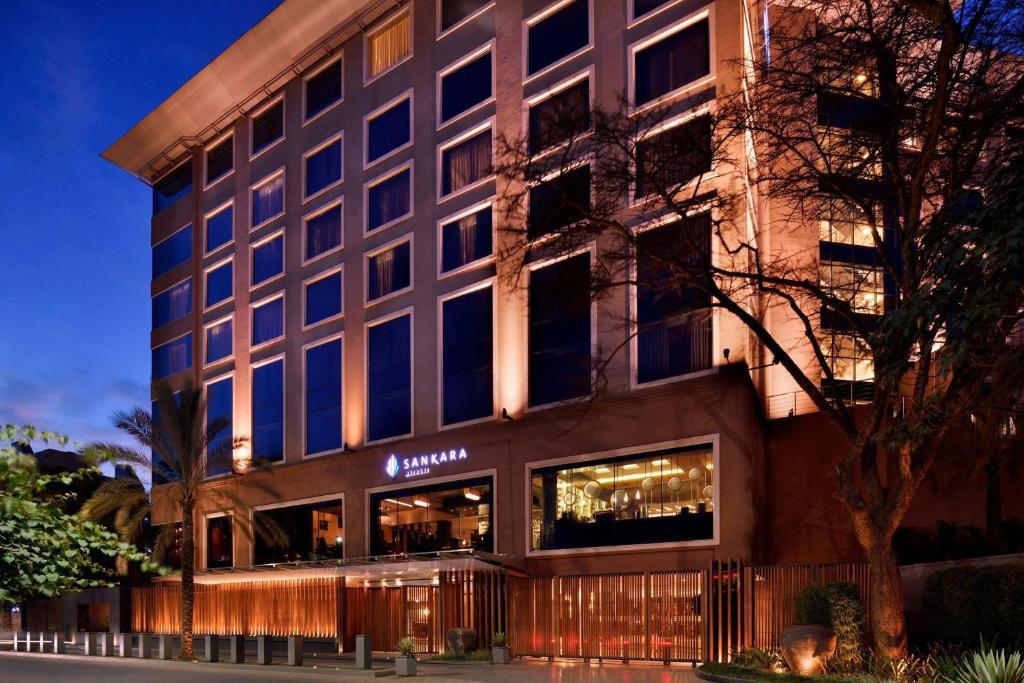
INTI occupies the 20th floor of One Africa Place on Waiyaki Way, one of Nairobi's main westbound corridors connecting the CBD to Westlands and beyond. The address is within the commercial district, which means traffic timing matters: Nairobi's rush hours run roughly 7 to 9am and 5 to 8pm and both windows on Waiyaki Way can be significant delays. Evening reservations that arrive after 8pm tend to find the commute more manageable. For those visiting from outside the city, the venue is roughly equidistant from the Westlands hotel cluster and the CBD. Given the building's commercial nature, valet or self-parking in the building are the practical entry options. Our full Nairobi restaurants guide covers the broader dining picture if you are building an itinerary around several meals in the city.
Frequently asked questions
Where do I go for INTI?
INTI is located at 20th Floor One Africa Place, Waiyaki Wy, Nairobi, Kenya, Nairobi.
Does INTI's location on the 20th floor of One Africa Place affect the dining experience compared to Nairobi's ground-level restaurants?
Altitude changes more than the view: at 20 floors above Waiyaki Way, INTI sits above the noise and traffic of one of Nairobi's main westbound corridors, which structurally separates it from the street-level mid-market venues that dominate much of the city's dining conversation. High-floor formats in Nairobi have historically attracted business entertaining and milestone occasions rather than casual walk-in trade, so the experience is shaped as much by the building's context as by the cuisine. One Africa Place itself is a commercial address that signals a certain clientele and service register.
What should I eat at INTI?
INTI draws on Andean cultural identity, the name itself is the Quechua word for the sun, the central deity of Inca civilisation, which points toward a menu with Latin American influence as its conceptual anchor.
How far ahead should I plan for INTI?
INTI occupies the 20th floor of One Africa Place on Waiyaki Way, a position that draws business entertaining and occasion dining traffic across Nairobi's Westlands corridor. High-floor venues at this tier in the city tend to fill on weekends and during corporate dinner periods. Booking at least one to two weeks ahead is a reasonable baseline, with more lead time required around public holidays or peak business travel windows.
What's the defining dish or idea at INTI?
The defining idea at INTI is the convergence of Andean cultural symbolism with Nairobi's emerging upper-tier dining tier. INTI, meaning the Inca sun deity in Quechua, signals a deliberate departure from the safari-lodge and European-heritage formats that have historically dominated Nairobi's premium restaurant segment. Whether that translates to ingredient sourcing, cooking technique, or presentation language is something the current menu will confirm.
Can INTI accommodate dietary restrictions?
No specific dietary policy is confirmed in available venue data for INTI at One Africa Place, Nairobi. The practical approach is to check the venue's official channels before booking, as high-floor occasion venues at this level in Nairobi's dining scene typically have kitchen flexibility for advance requests, though this cannot be assumed without confirmation.
Is INTI overpriced or worth every penny?
No pricing data is confirmed for INTI at time of writing, which makes a direct value assessment difficult. What is clear is that the 20th-floor position at One Africa Place places it structurally among Nairobi's premium occasion venues, where pricing tends to reflect both the food programme and the address. Verifying current covers and pricing directly with the restaurant before booking is the most reliable approach.
Budget Reality Check
Comparable venues nearby, for context on price, style, and recognition.
| Venue | Cuisine | Price | Notes |
|---|---|---|---|
| INTIThis venue (the venue you are viewing) | Nikkei (Japanese-Peruvian Fusion) | $50–100 | Not listed |
| Giraffe Manor Lunch | Giraffe Manor Set Meals | Not listed | Langata, Giraffe Manor Set Meals |
| Cultiva | Farm-to-Table International | $30–50 | Langata, Farm-to-Table International |
| Marketplace | International All-Day Grill & Breakfast Buffet | $20–30 | Nairobi Airport (JKIA), International All-Day Grill & Breakfast Buffet |
| Peppertree | Global Fusion Grill & Craft Cocktails | $20–30 | Kilimani, Global Fusion Grill & Craft Cocktails |
| Delta Towers | Global Grill & Craft Cocktails | $20–30 | Kilimani, Global Grill & Craft Cocktails |
Continue exploring
More in Nairobi
Restaurants in Nairobi
All restaurants in Nairobi →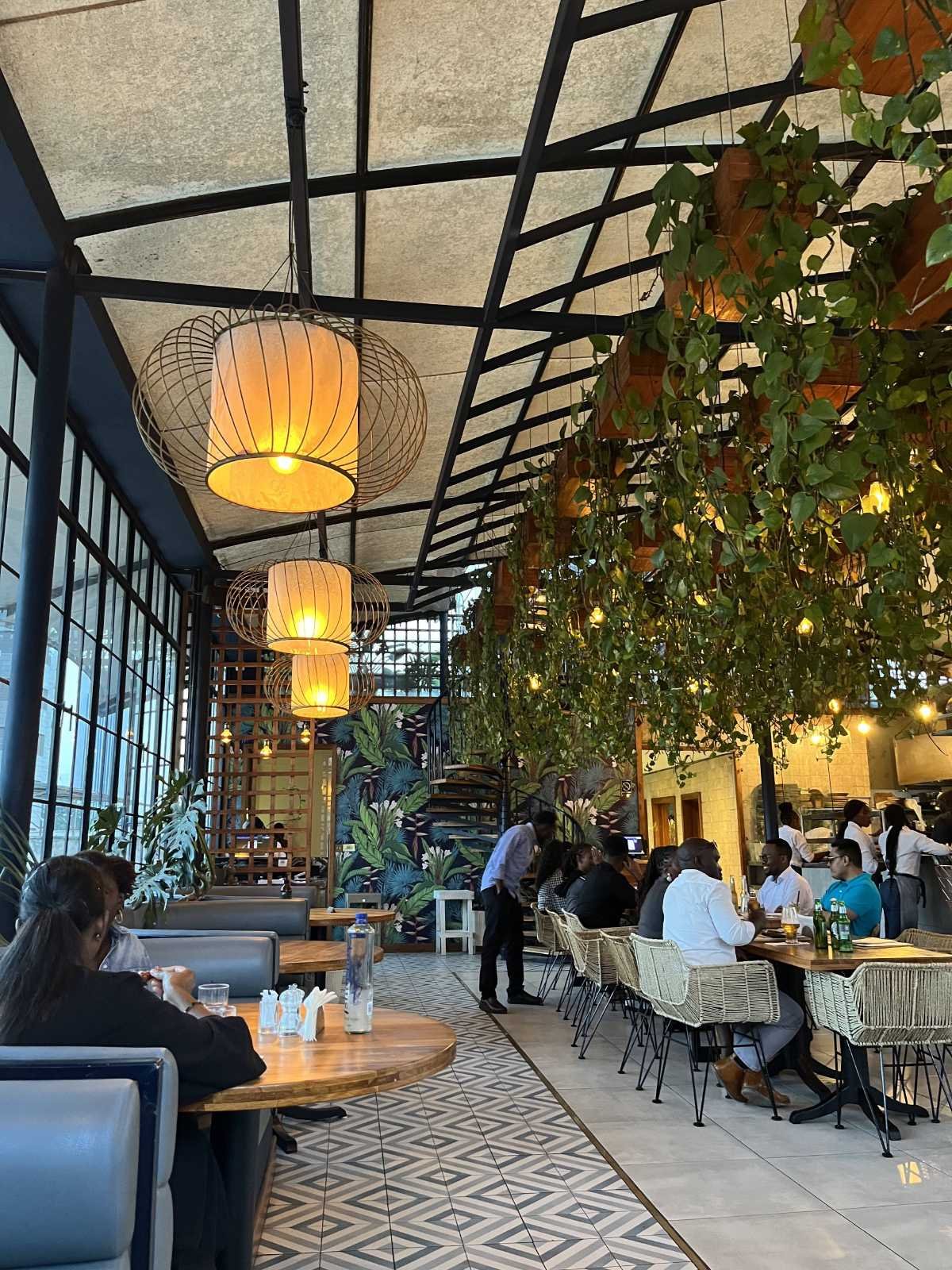
Details
- Trendy
- Sophisticated
- Modern
- Elegant
- Date Night
- Business Dinner
- Special Occasion
- Rooftop
- Panoramic View
- Craft Cocktails
- Local Sourcing
- Skyline
- A La Carte
- Small Plates
- Pisco Sours
- Vegetarian Friendly
- Vegan Options
- Gluten Free Options
Current opening hours
- Monday
- 12–10 PM
- Tuesday
- 12–10 PM
- Wednesday
- 12–10 PM
- Thursday
- 12–10 PM
- Friday
- 12–10 PM
- Saturday
- 12–10 PM
- Sunday
- 12–10 PM
Hours can change for holidays and private events. Hours as of .
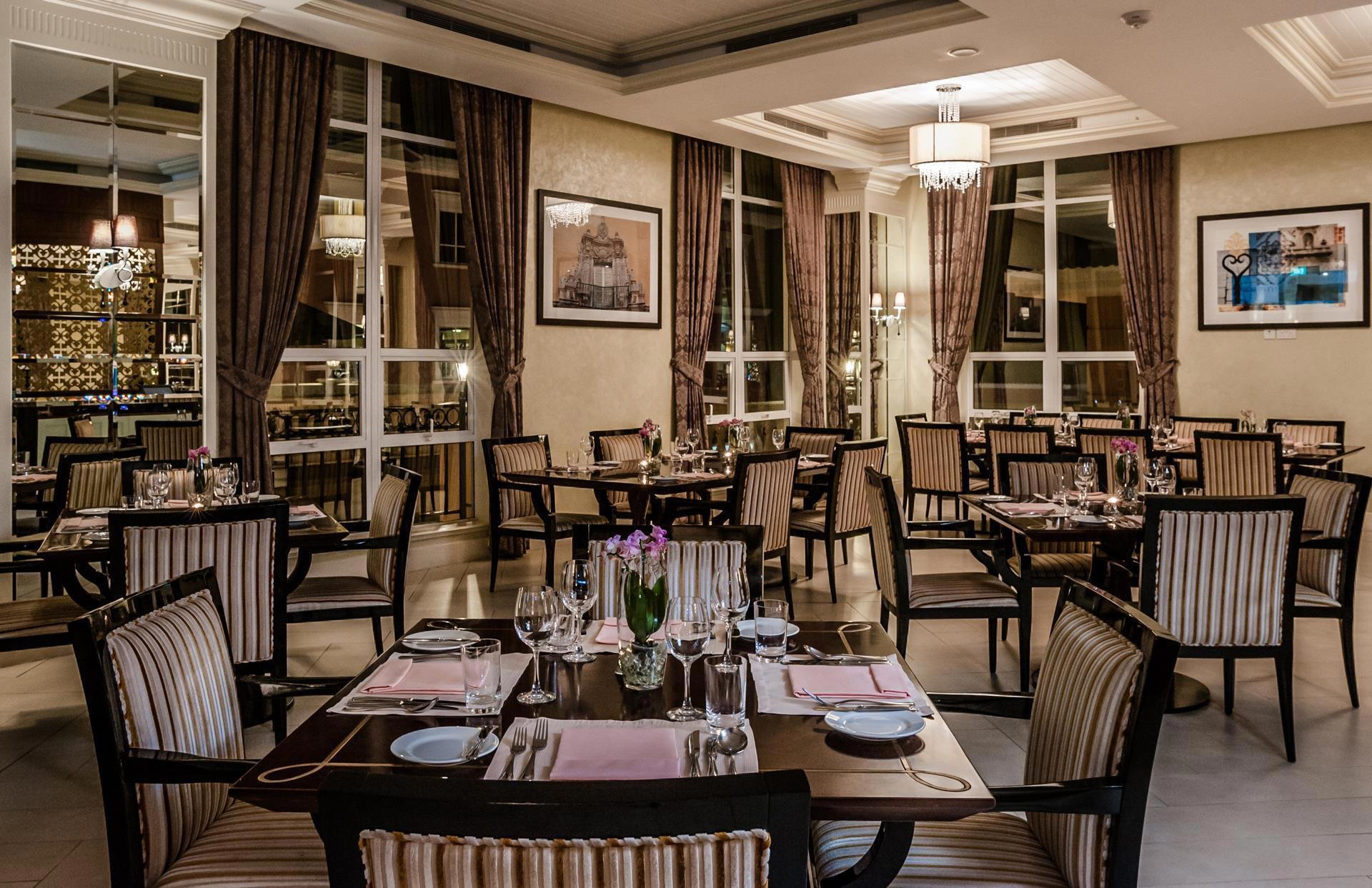
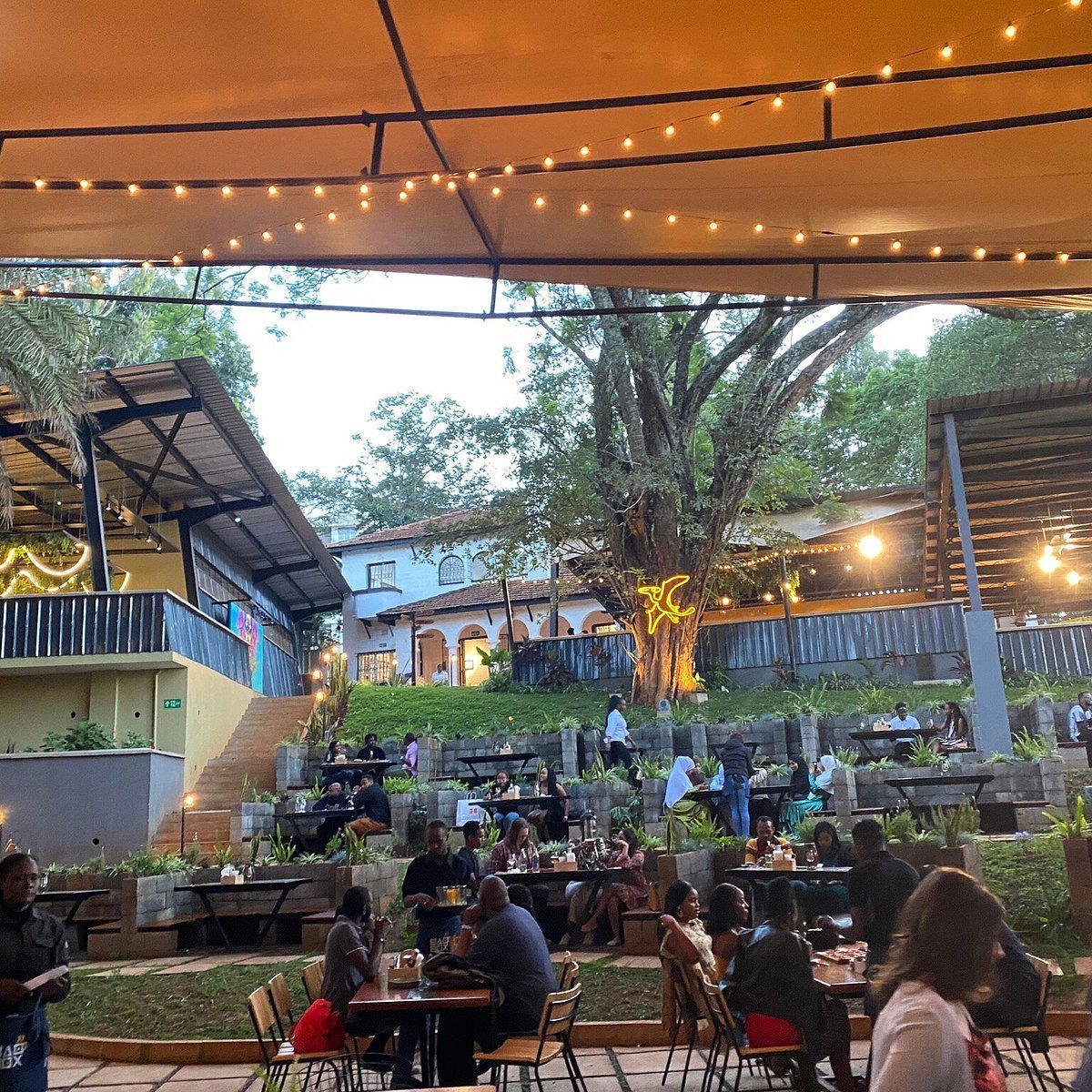
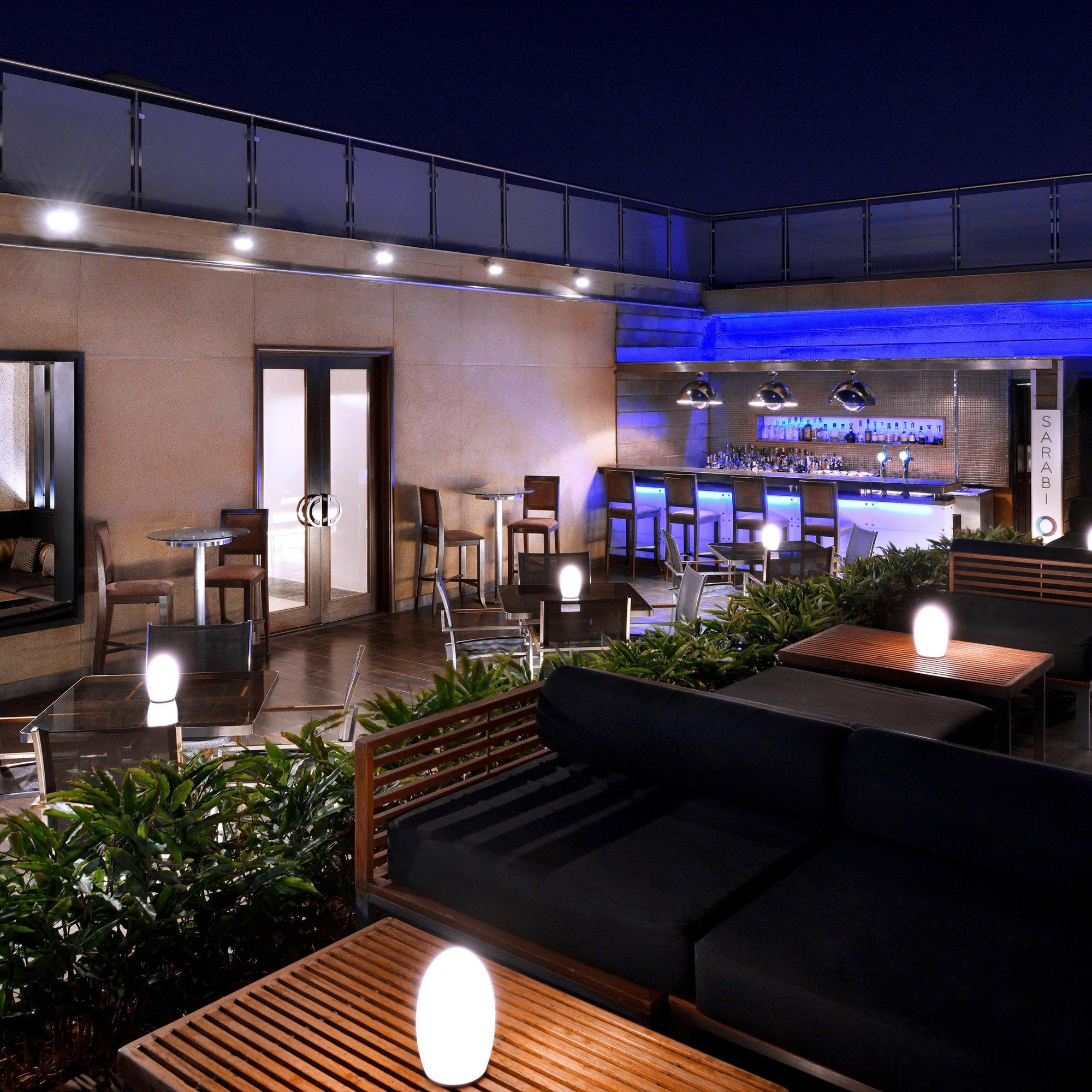
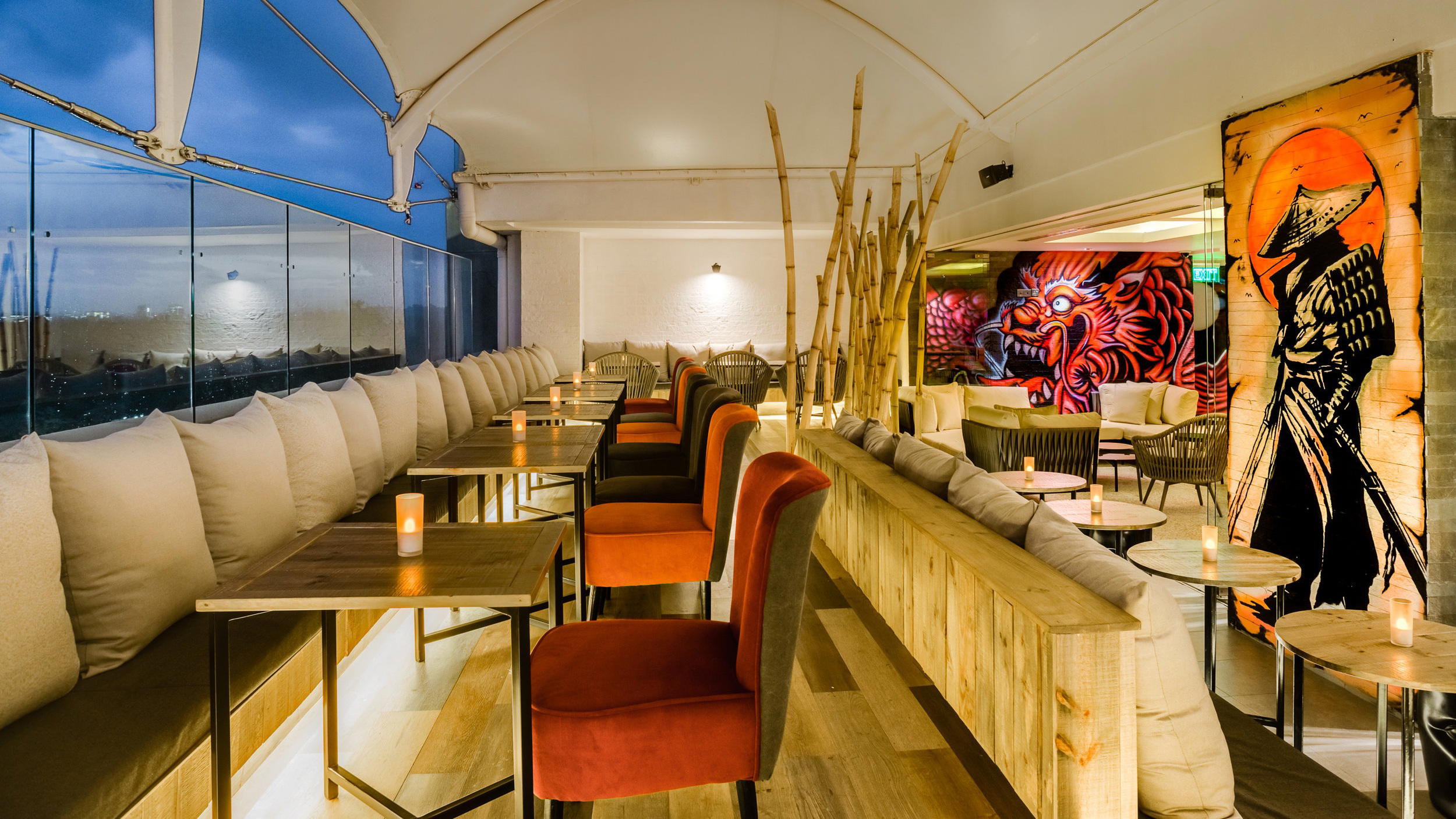
Chic and elegant with modern sophisticated lighting and lively atmosphere enhanced by panoramic city views.