

Tabelog 100 #100
Our verdict
Ginza Ibuki sits in Ginza’s serious Japanese-cuisine tier: small-format, fish-led, and built around the counter-and-private-room rhythm that defines much of Tokyo’s high-end kappo culture. Recognition from Tabelog 100 for Japanese cuisine in Tokyo and Opinionated About Dining’s 2026 Japan Recommended list gives it a stronger critical signal than many neighbourhood kappo rooms operating at similar scale.

Pearl is the En Primeur Club membership app, where members save venues, book tables and use the concierge.
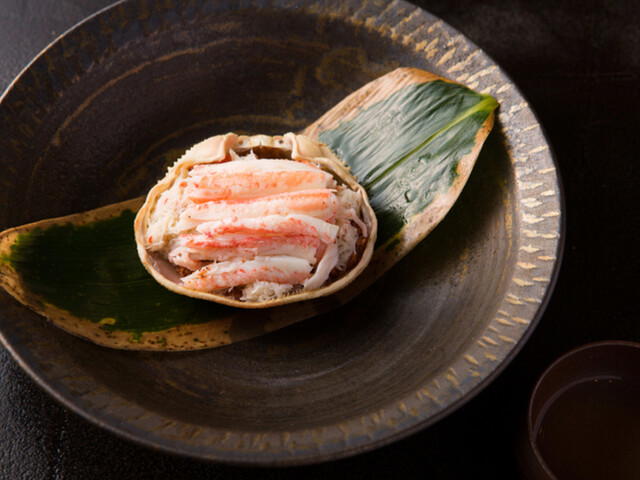
The menu
What to order
- Flame-seared bonito (katsuo no tataki)
- Seasonal kaiseki course
- Tempura assortment
- Freshly cooked seasonal rice
In Tokyo, the appeal is discipline rather than spectacle: measured service, careful pacing, and the quiet seriousness of Japanese cuisine for guests who know the city’s important meals do not always depend on street-facing drama. Ginza Ibuki is best understood through Tokyo’s Japanese-cuisine culture rather than through the export-friendly image of sushi counters and ramen queues. Its appeal sits within Tokyo dining’s more composed register, where seasonality, pacing, and reliability matter more than decoration.
Tokyo usefully sorts Japanese restaurants. Luxury alone is not enough; the city spans department-store dining, formal counters, long-running washoku rooms, polished specialists, and high-ticket destination meals. Ginza Ibuki’s reception gives it identity: it is included in the 2025 Tabelog Hyakumeiten selection for Japanese cuisine, with a listed score of 3.78. That signal places it in a competitive group where consistency and local recognition matter more than a single burst of attention.
Tokyo Japanese cuisine measured by awards, not theatre
The Tabelog Hyakumeiten selection matters because it narrows the field to Japanese cuisine rather than grouping every ambitious restaurant together. A 3.78 Tabelog score is meaningful in a market where local diners score conservatively against a deep bench of Japanese-cuisine rooms. This does not make the restaurant a trophy address by itself; it does suggest a room assessed within a demanding local platform where small differences in execution and reliability carry weight.
That distinction matters because Tokyo contains several dining economies. At one end are destination meals whose prices and booking difficulty dominate discussion. At another are practical specialists such as Soba Sasuga, where soba anchors a specific proposition, or Ginza Ichibun, in a higher-price conversation. Casual names such as Chukasoba Ginza Hachigou, Ginza Hachigo and Kobiki Cho Yuzukamiya show how Tokyo supports everyday formats as well. Ginza Ibuki sits in the serious Japanese-cuisine conversation: more recognition-led than casual neighbourhood dining, less defined by global trophy culture than the hardest-to-access bookings.
A composed format for focused Tokyo dining
The format suits a particular Tokyo meal. This is not the kind of restaurant to approach for volume, spectacle, or a sprawling group itinerary. Tokyo diners distinguish between restaurants suited to conversation and those suited to performance; Ginza Ibuki reads closer to the former while retaining the discipline expected of a serious Japanese-cuisine address. It is the sort of booking where the value is in pacing and composure rather than theatrical presentation.
The pricing information defines the audience more clearly than any invented signature dish would. Dinner is listed at JPY 15,000 - JPY 19,999, while lunch is listed at JPY 10,000 - JPY 14,999. That puts Ginza Ibuki in a serious but not maximal Tokyo bracket: expensive enough to demand intention, not necessarily positioned as a global trophy booking. Without a verified signature plate, the safer reading is categorical: a Japanese-cuisine restaurant with serious-dining expectations, not a place to chase a named dish.
Recognition matters because Tokyo’s Japanese-cuisine field is unusually dense. A 2025 Tabelog Hyakumeiten listing and a 3.78 score give Ginza Ibuki a clearer editorial frame than unverified claims about chef biography, founding story, or room statistics. The larger point is not mythology; it is that the restaurant is evaluated within a category where craft, pacing, and seasonality face an unusually deep local field.
How to place it within a Tokyo dining itinerary
For visitors planning Tokyo, this is not the slot for maximal theatre. It suits a night for Japanese cuisine with recognized local standing, a composed mood, and a Tokyo setting that does not need to announce itself loudly. Choose it when the goal is a serious Japanese meal rather than a restaurant built around spectacle. The appeal is strongest for diners who value quiet confidence, conservative local scoring, and the slower rewards of a recognized room.
Tokyo rewards specialization, so balance this meal with sharper formats elsewhere. Other Tokyo dining rooms will read differently from Ginza Ibuki’s polished Japanese-cuisine register: some are built around noodles, some around casual counter eating, others around highly formal destination meals. The useful comparison is not whether one is better than another, but whether the night calls for focused Japanese cuisine, everyday comfort, or a more performative dining experience.
Readers mapping a broader Japan trip can set Tokyo’s controlled formality against regional Japanese-food references and more casual formats elsewhere. Japanese formats abroad underline the contrast as well: restaurants outside Japan often translate familiar ideas for local audiences, while Ginza Ibuki remains rooted in Tokyo’s Japanese-cuisine dining culture. That difference is precisely the reason to treat it as part of a Tokyo itinerary rather than as a generic Japanese restaurant stop.
For wider planning, use Our full Tokyo restaurants guide alongside Our full Tokyo hotels guide, Our full Tokyo bars guide, Our full Tokyo wineries guide, and Our full Tokyo experiences guide. The reason to seek this address is not novelty. It is 2025 Tabelog Hyakumeiten recognition for Japanese cuisine, a 3.78 local-platform score, and a Tokyo format that rewards diners who want Japanese cuisine without turning dinner into a status performance.
Frequently asked questions
What are the opening hours for Ginza Ibuki?
Current opening hours for Ginza Ibuki should be confirmed directly with the restaurant before visiting.
What does dinner at Ginza Ibuki typically cost?
Dinner at Ginza Ibuki is listed at JPY 15,000 - JPY 19,999; lunch is listed at JPY 10,000 - JPY 14,999.
What's Ginza Ibuki's location?
Tokyo.
What makes Ginza Ibuki worth seeking out?
Ginza Ibuki carries 2025 Tabelog Hyakumeiten recognition in the Japanese cuisine category, with a listed score of 3.78. That gives it clear local-platform weight for diners seeking a serious Tokyo Japanese-cuisine meal.
Pricing, Compared
Comparable venues to place this listing in its category.
| Venue | Cuisine | Price | Awards | Notes |
|---|---|---|---|---|
| Ginza IbukiThis venue (the venue you are viewing) | Seasonal Kaiseki in Ginza | $100–150 | Tabelog 100 #100 | Not listed |
| Toku Uchiyama | Traditional Japanese Kaiseki | $200–300 | Tabelog 100 #77 | Chūō, Traditional Japanese Kaiseki |
| 日本料理 つきぢ田村 | Traditional Japanese Kaiseki | $200–300 | Not listed | Chūō, Traditional Japanese Kaiseki |
| Ginza Yonemura | Edo Ryori Kaiseki | $200–300 | Not listed | Chūō, Edo Ryori Kaiseki |
| Azabu Muroi | Seasonal Kaiseki Omakase | $300–500 | Not listed | Chūō, Seasonal Kaiseki Omakase |
| Namba | Modern Japanese Omakase | $300–500 | La Liste Top Restaurants · Tabelog Silver #86 | Chiyoda, Modern Edomae Omakase |
Recognition history
Dated appearances from independent guides and award organizations, with the underlying list record or original source where available.
Opinionated About Dining Top Restaurants in Japan Recommended
Opinionated About Dining
Tabelog 100 #100 · No. 100
Tabelog · Tabelog 100 - Japanese cuisine - TOKYO - 2025
Continue exploring
More in Tokyo
Restaurants in Tokyo
All restaurants in Tokyo →







Details
- Elegant
- Intimate
- Quiet
- Sophisticated
- Date Night
- Business Dinner
- Special Occasion
- Celebration
- Solo
- Standalone
- Private Dining
- Design Destination
- Sake Program
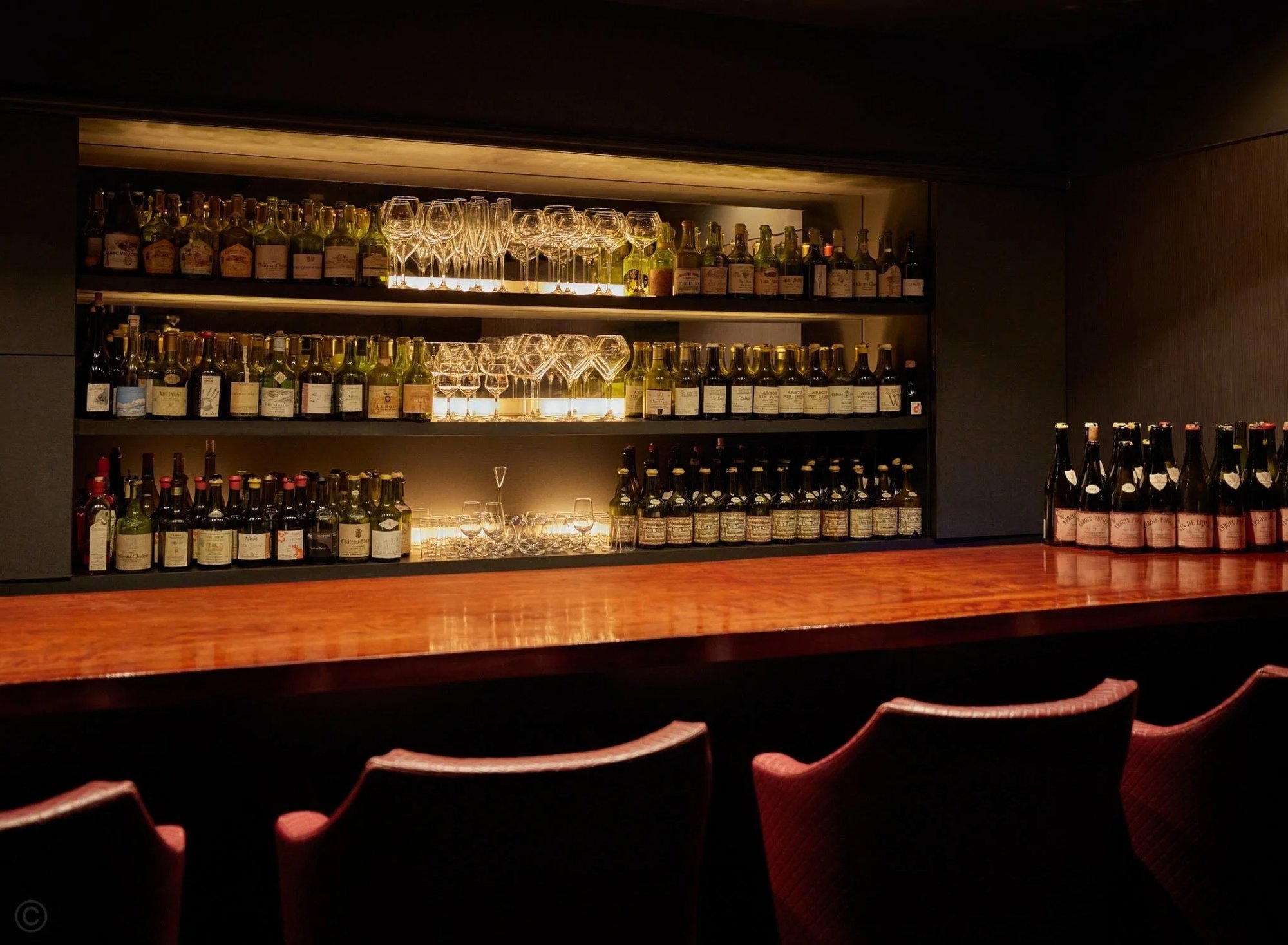
- Extensive Wine List
- Local Sourcing
- Tasting Menu
- Set Menu
- Sake
- Wine
- Allergy Accommodating
Current opening hours
- Monday
- 6–10 PM
- Tuesday
- 6–10 PM
- Wednesday
- 6–10 PM
- Thursday
- 6–10 PM
- Friday
- 11:30 AM–2:30 PM, 6–10 PM
- Saturday
- 11:30 AM–2:30 PM, 6–10 PM
- Sunday
- Closed
Hours can change for holidays and private events. Hours as of .
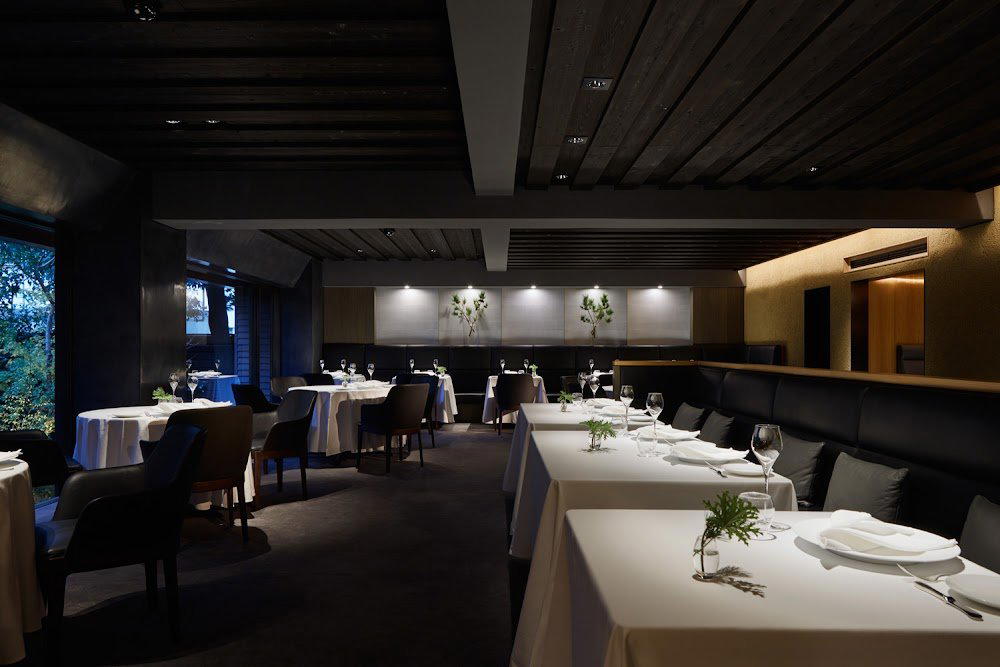
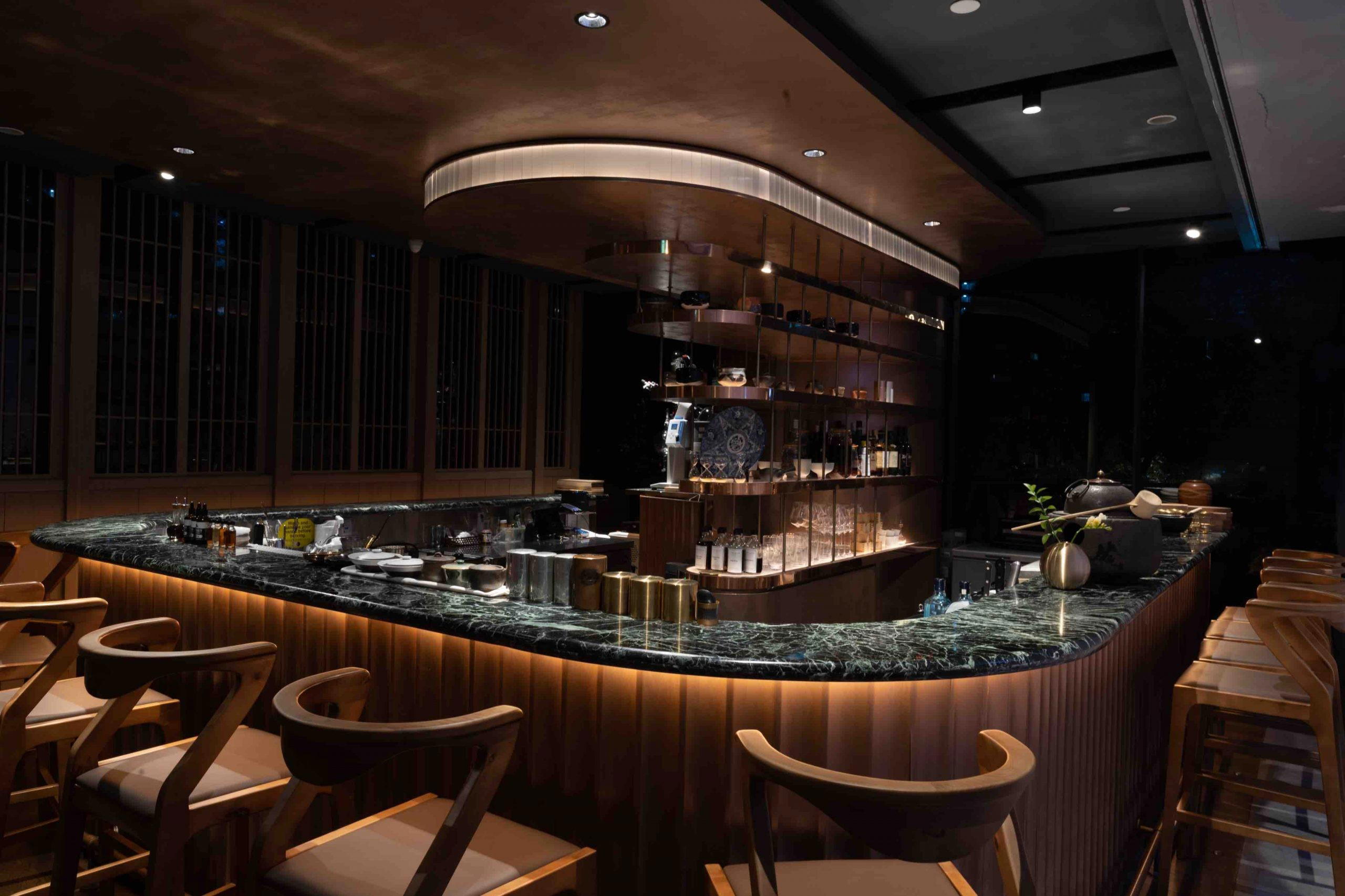
A serene, refined basement space on a quiet Ginza backstreet, with a calm, low-noise atmosphere designed for guests to relax and enjoy a leisurely multi-course meal; lighting and decor are understated and traditional rather than flashy, emphasizing comfort and quiet conversation.