Acero
Our verdict
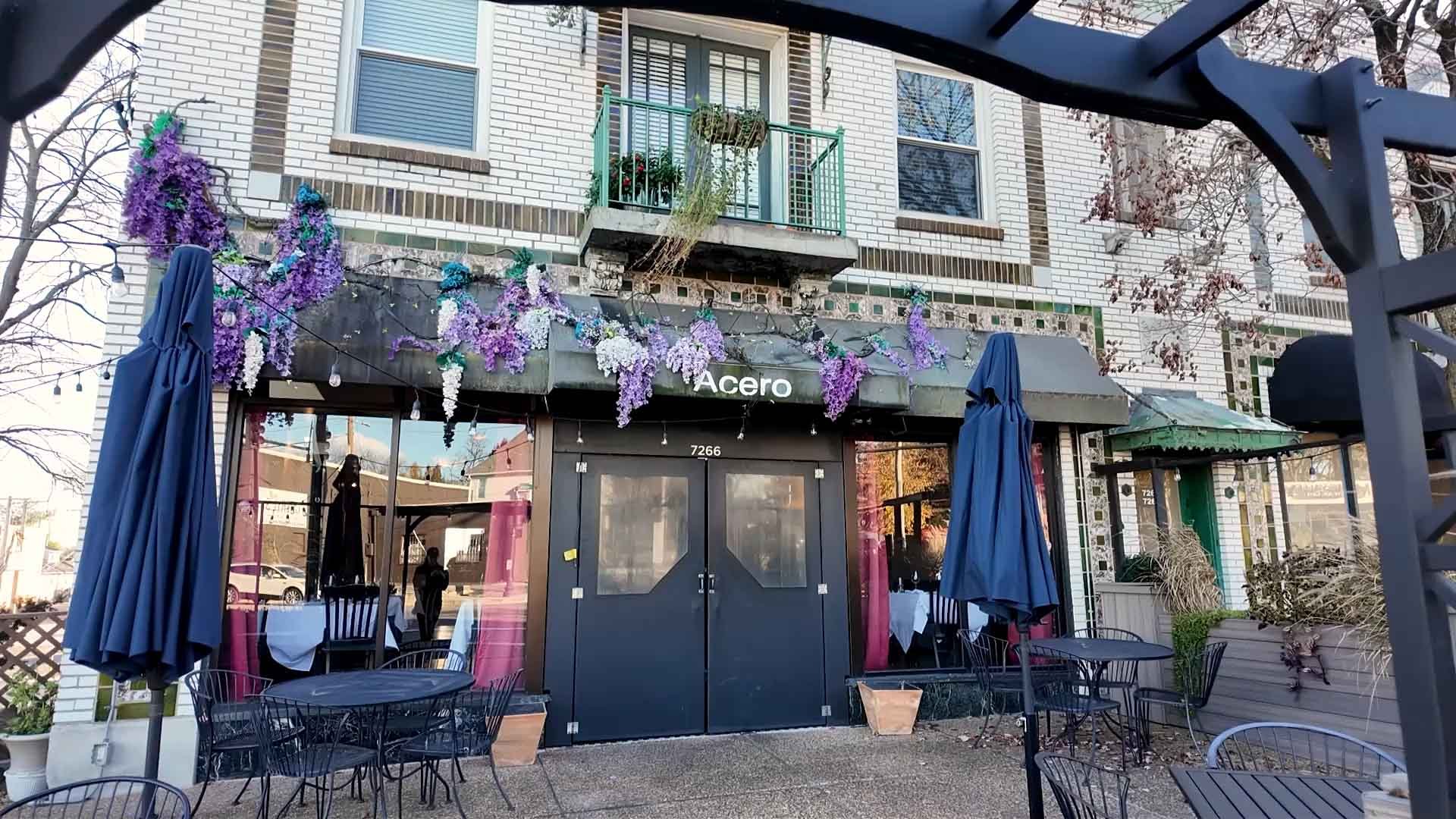
Acero occupies a well-worn address on Manchester Road in Maplewood, Missouri, where the suburb's compact dining scene has quietly built a reputation that punches above its zip code. The room has the settled confidence of a neighborhood restaurant that knows exactly what it is — and that clarity, in a dining culture saturated with concept-forward noise, carries its own authority. For the full picture of Maplewood's table, see our city guide.

Pearl is the En Primeur Club membership app — saves, bookings, and concierge access live there. Same editors, same standards.
- Address
- 7266 Manchester Rd, Maplewood, MO 63143
- Phone
- (314) 644-1790
- Hours
- Mon ClosedTue–Thu 5–9 PMFri–Sat 5–10 PMSun Closed
- Website
- acero-stl.com
- Directions
- Get directions
- Booking
- Book on OpenTable
The menu
What to order
- Gnoccho Fritto
- Egg Raviolo
- Spaghetti Chitarra
Manchester Road and the Maplewood Dining Moment
Maplewood sits just west of St. Louis proper, a small municipality whose Manchester Road corridor has become one of the more interesting stretches of independent dining in the Missouri region. The suburb's scale works in its favor: small enough that restaurants build genuine neighborhood regulars, large enough to sustain ambition. Acero, at 7266 Manchester Rd, plants itself in the middle of that dynamic — a fixed point on a street that has seen a steady accumulation of serious independent operators over the past decade. The approach to the address follows a pattern common to Maplewood's commercial strip: low-rise storefronts, mixed residential density just off the road, and the kind of ambient quiet that makes the warmth emanating from a restaurant window feel genuinely inviting rather than performed.
For context on how Acero fits within the broader Maplewood dining picture, our full Maplewood restaurants guide maps the area's key operators and explains what distinguishes this corridor from comparable suburban strips in the metro region.
Sourcing as a Dining Argument
Across American restaurant culture, the question of ingredient sourcing has split into two distinct camps. One treats provenance as a marketing layer — a list of farm names on the menu that functions as signal without fundamentally altering what arrives at the table. The other treats sourcing as a structural decision: one that shapes the menu's rhythm, limits what's available by season, and forces a kitchen to make genuine choices rather than defaulting to the commodity supply chain. The restaurants that operate in the second camp tend to produce food that reads differently, not necessarily louder or more technically complex, but more specific. A tomato that traveled three miles tastes like a place. One that traveled three thousand tastes like the industry.
This tension plays out at the regional level in ways that are sharper in the Midwest than in, say, Northern California, where proximity to agricultural abundance and the precedent set by operations like Single Thread Farm in Healdsburg have made farm-integration a near-standard expectation at the premium tier. At the national level, this conversation has been most rigorously shaped by places like Blue Hill at Stone Barns in Tarrytown, where the farm-to-table relationship is structural rather than decorative, and the menu is effectively written by the growing season. Closer to home, Smyth in Chicago has demonstrated that the upper Midwest can sustain ingredient-driven ambition at a nationally recognized level.
Acero's address on Manchester Road puts it in a market where these pressures are real but the infrastructure for sourcing locally is thinner than in coastal markets. That context matters when assessing what a kitchen here can realistically achieve versus what a kitchen in the Napa Valley corridor, anchored by resources like those available to The French Laundry, can take for granted.
The Room and What It Signals
In American dining at the independent level, the physical environment of a restaurant tends to communicate its competitive positioning faster than a menu does. A Maplewood address on Manchester Road places Acero in a neighborhood tier, not the downtown St. Louis hotel-adjacent circuit, not a destination-only format that requires planning months in advance. The comparison set at this price point and geography includes operators like Restaurant Lorena's, which shares the same corridor and the same logic of suburban-serious dining, where the room is comfortable rather than theatrical and the food does the talking.
That register of dining, confident, neighborhood-rooted, without the apparatus of a reservation queue or a tasting menu commitment, is increasingly the format where the most interesting regional cooking happens. Cities like Denver have demonstrated this pattern, with operations like The Wolf's Tailor building national recognition from a non-downtown address. Boulder's Frasca Food and Wine has held a James Beard Award from a similarly non-centrist location for years. The lesson is consistent: geography within a metro area is less determinative than kitchen seriousness and a clear point of view on what the restaurant is trying to do.
Placing Acero in a Broader American Context
The American dining conversation tends to center on a small number of coast-weighted reference points: Le Bernardin in New York City, Lazy Bear in San Francisco, Providence in Los Angeles, Addison in San Diego. What that frame misses is the density of serious independent cooking happening in smaller metros and suburban corridors, often with fewer resources and without the critical infrastructure that coastal cities provide. A restaurant in Maplewood, Missouri does not have access to the food media apparatus of New York or the agricultural network of the Napa Valley. What it has is a local customer base that knows the room, returns regularly, and measures the kitchen against lived experience rather than national benchmarks.
That model of dining has its own integrity. Emeril's in New Orleans built a durable reputation partly on a similar logic: a city that takes its food seriously at the neighborhood level, not just at the destination level. The Inn at Little Washington in Virginia is a more extreme version of the same pattern, a restaurant of genuine national standing that happens to be nowhere near a major metro. Ingredient-driven approaches like those at Oyster Oyster in Washington, D.C. and sourcing-forward formats at ITAMAE in Miami further illustrate that the sourcing argument is being made across American markets, not just in the obvious ones. Even internationally, the principle holds: Atelier Moessmer Norbert Niederkofler in Brunico has built one of Europe's most discussed ingredient-to-table programs from a mountain town with no metropolitan adjacency. And at the high-concept end of Korean-inflected tasting menus, Atomix in New York City demonstrates how sourcing specificity and cultural framing can function together as a coherent dining argument.
Acero, operating from its Manchester Road address without the weight of those reference points, is making a quieter version of the same argument: that where food comes from, and what a kitchen does with that constraint, is the most honest measure of what a restaurant believes.
Planning a Visit
Acero sits at 7266 Manchester Rd in Maplewood, MO 63143, accessible from central St. Louis in under fifteen minutes by car. As a neighborhood-anchored independent on a working commercial corridor, it operates on the kind of schedule that rewards a direct call or check of current hours before visiting, particularly midweek when service patterns at smaller restaurants can shift seasonally. Booking in advance is advisable for weekend evenings, when the corridor's dining options concentrate demand. The room's format and neighborhood positioning suggest a moderately priced evening rather than a special-occasion commitment, making it an accessible entry point into Maplewood's dining character without requiring the planning horizon of the city's more formal rooms.
Frequently asked questions
Is Acero okay with children?
Nothing in Acero's available profile signals an explicit children's policy either way. Given its positioning as a neighborhood-anchored independent on Manchester Road in Maplewood, it likely functions as a community restaurant where mixed-age tables are not unusual. Calling ahead is the most reliable way to confirm before bringing young guests.
What's the overall feel of Acero?
Acero sits on Manchester Road, a corridor in Maplewood that has emerged as one of the more considered stretches of independent dining west of St. Louis proper. At the neighborhood-independent level, the room tends to communicate the restaurant's competitive positioning before the food arrives. Expect a setting calibrated to the surrounding residential community rather than to downtown St. Louis foot traffic.
What should I order at Acero?
For a neighborhood independent on Manchester Road in Maplewood, the practical move is to ask the server what's been sourced locally that week, since ingredient-driven independents in this corridor tend to shift focus based on what's current.
How do I find Acero?
Acero is located at 7266 Manchester Rd, Maplewood, MO 63143, Maplewood.
How hard is it to get a table at Acero?
No reservation data or wait-time information is currently documented for Acero at 7266 Manchester Rd, Maplewood, MO 63143. Neighborhood-anchored independents on the Manchester Road corridor can fill quickly on weekend evenings, so contacting the restaurant directly before a Friday or Saturday visit is advisable.
At-a-Glance Comparison
| Venue | Cuisine | Price | Awards | Notes |
|---|---|---|---|---|
| AceroThis venue — the venue you are viewing | Rustic Italian with Local Sourcing | $50–100 | Not listed | Not listed |
| Le Bernardin | French Seafood Fine Dining | $300–500 | 3 Michelin Stars · World's 50 Best #13 | French, Seafood |
| Lazy Bear | Modern American Tasting Menu | Not listed | 2 Michelin Stars · World's 50 Best #25 | Progressive American, Contemporary |
| Atomix | Modern Korean Tasting Menu | $300–500 | 2 Michelin Stars · World's 50 Best #7 | Modern Korean, Korean |
| Per Se | French Fine Dining Tasting Menu | $300–500 | 3 Michelin Stars · World's 50 Best #40 | French, Contemporary |
| Masa | Traditional Japanese Omakase | $500+ | 2 Michelin Stars · World's 50 Best #27 | Sushi, Japanese |
Continue exploring
More in Maplewood
Restaurants in Maplewood
Browse all →
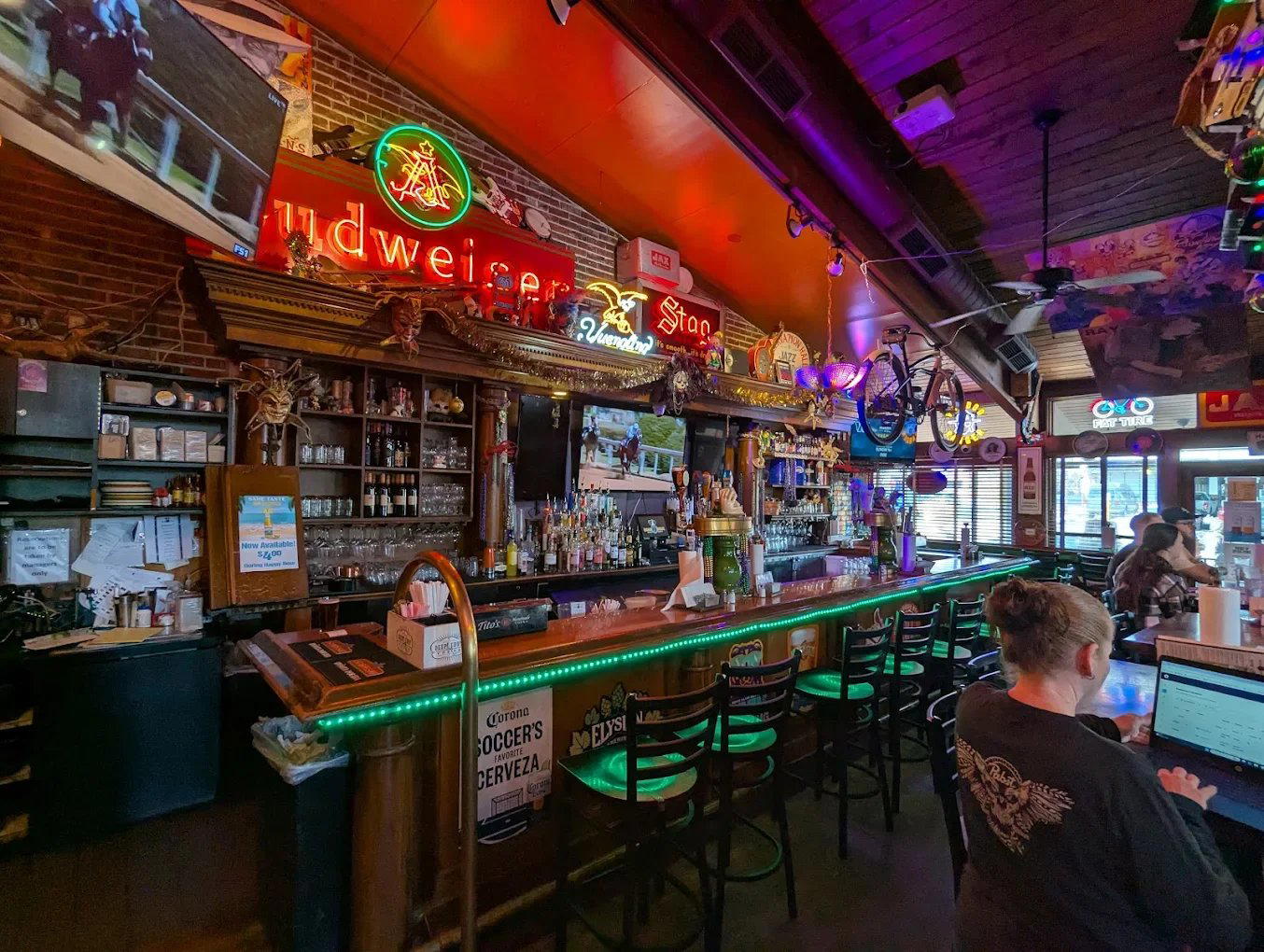
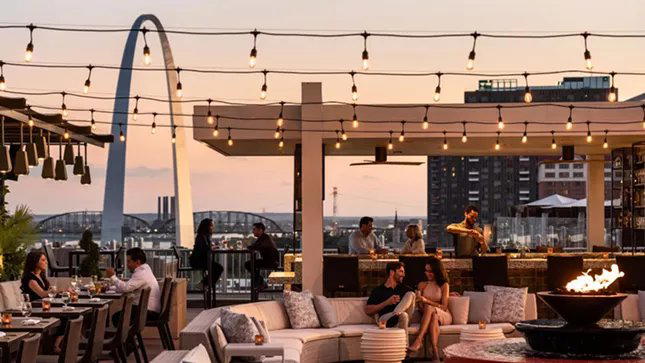
Bars in Maplewood
Browse all →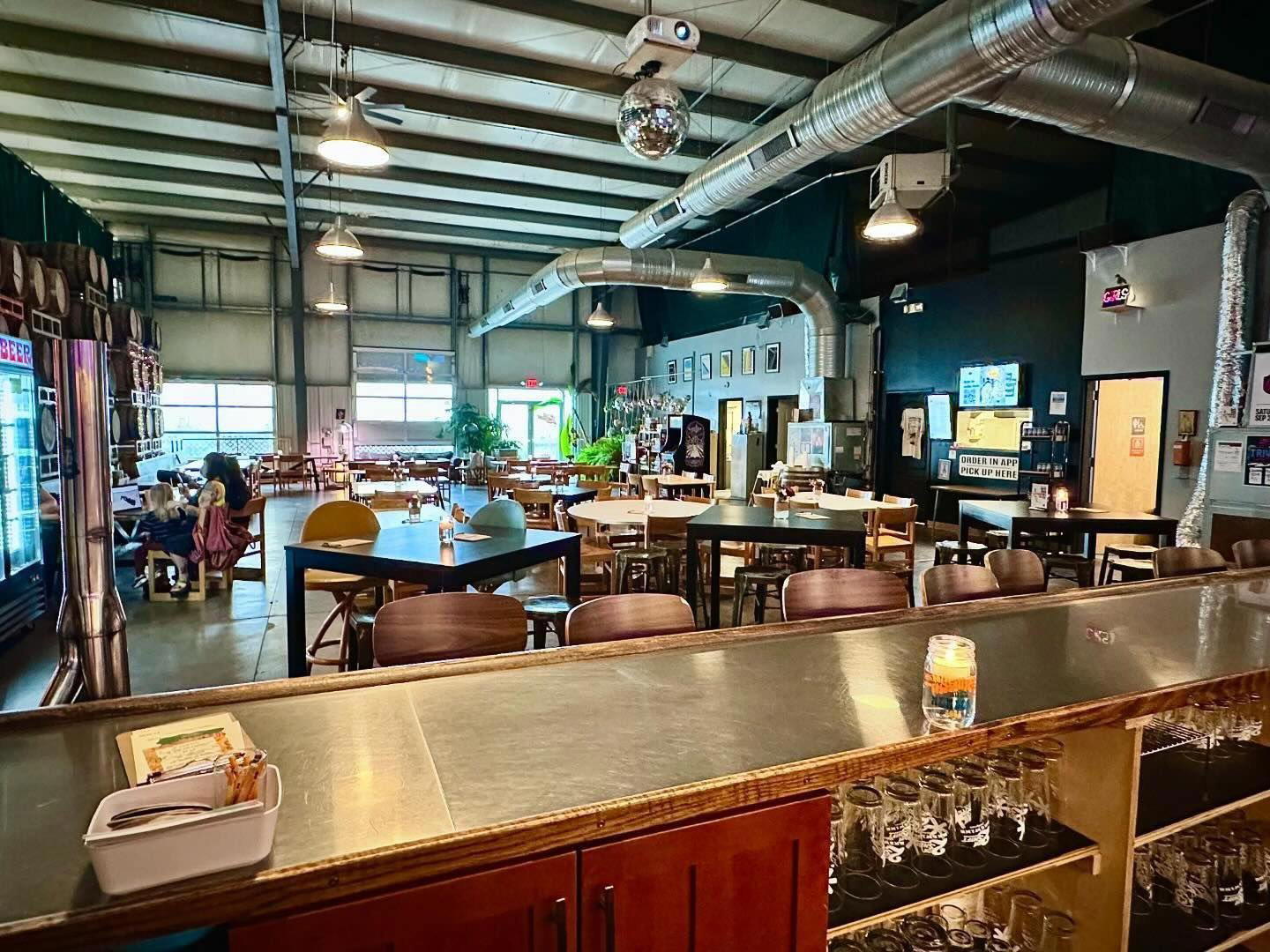
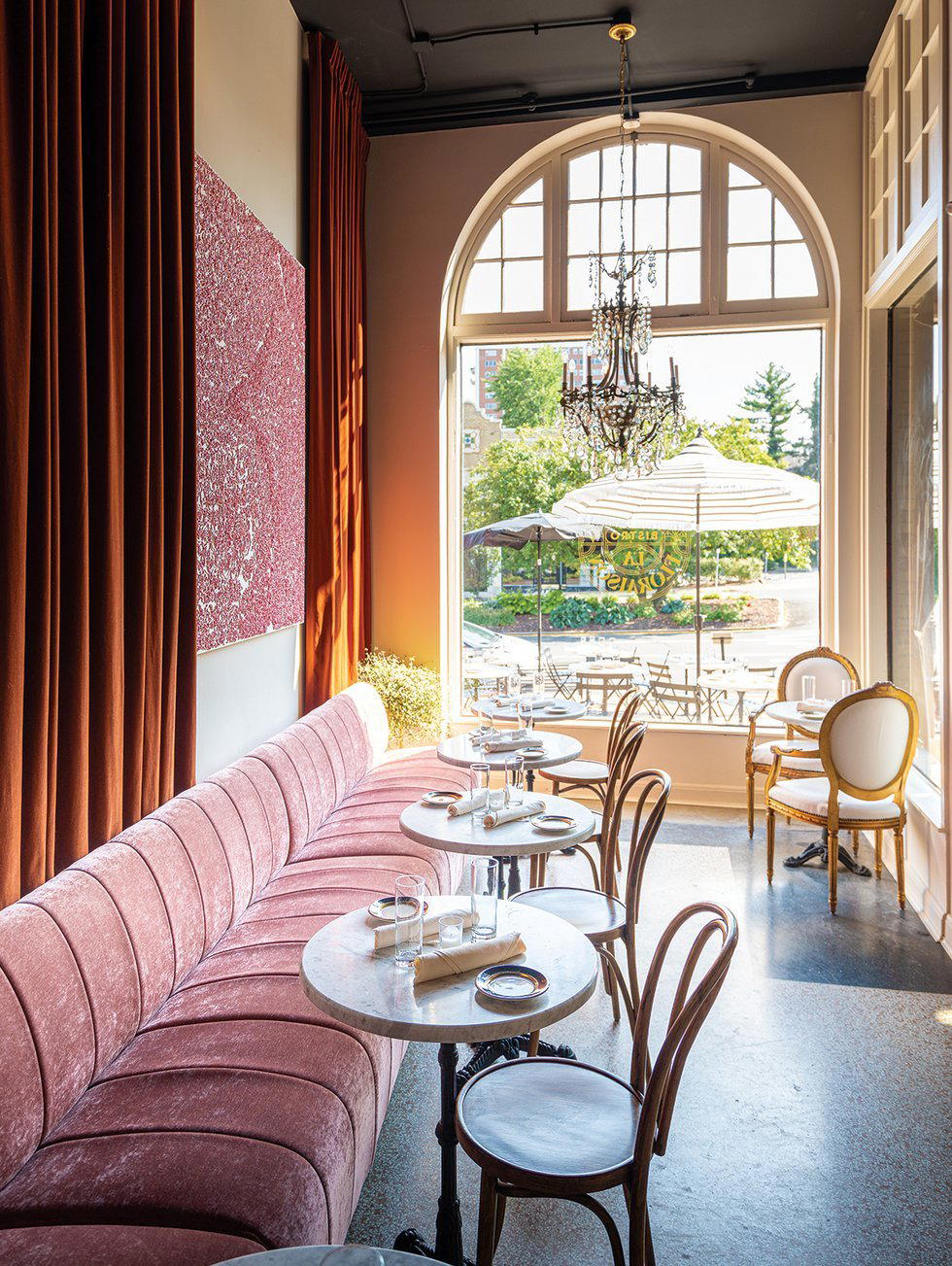

Details
- Elegant
- Romantic
- Sophisticated
- Intimate
- Date Night
- Special Occasion
- Celebration
- Open Kitchen
- Wine Cellar
- Standalone
- Extensive Wine List
- Sommelier Led
- Farm To Table
- Local Sourcing
- Tasting Menu
- A La Carte
- Italian Wine
- Amaro Aperitifs
- Vegetarian Friendly
- Gluten Free Options
Current opening hours
- Monday
- Closed
- Tuesday
- 5–9 PM
- Wednesday
- 5–9 PM
- Thursday
- 5–9 PM
- Friday
- 5–10 PM
- Saturday
- 5–10 PM
- Sunday
- Closed
Hours can change for holidays and private events. Last verified .
Nice lighting and polished mood with a lovely bistro environment; feels like an upscale neighborhood restaurant rather than stuffy fine dining.