Robin


James Beard Award Nominee · New York Times America's Best Restaurants
Our verdict
Robin gives St Louis a tightly edited Midwestern tasting-menu room rather than another broad regional comfort-food address. The appeal is the way local references are sharpened into four courses, with optional snacks, and backed by 2026 James Beard recognition in the Best New Restaurant category.

Pearl is the En Primeur Club membership app — saves, bookings, and concierge access live there. Same editors, same standards.
- Address
- 7268 Manchester Rd, St. Louis, MO 63143
- Phone
- (314) 712-6124
- Hours
- Mon ClosedTue–Thu 5–9 PMFri–Sat 5–10 PMSun Closed
- Website
- robinrestaurant.com
- Directions
- Get directions
The menu
What to order
- Minnesota hot dish
- Dorothy’s Potatoes
- Duck breast schnitzel
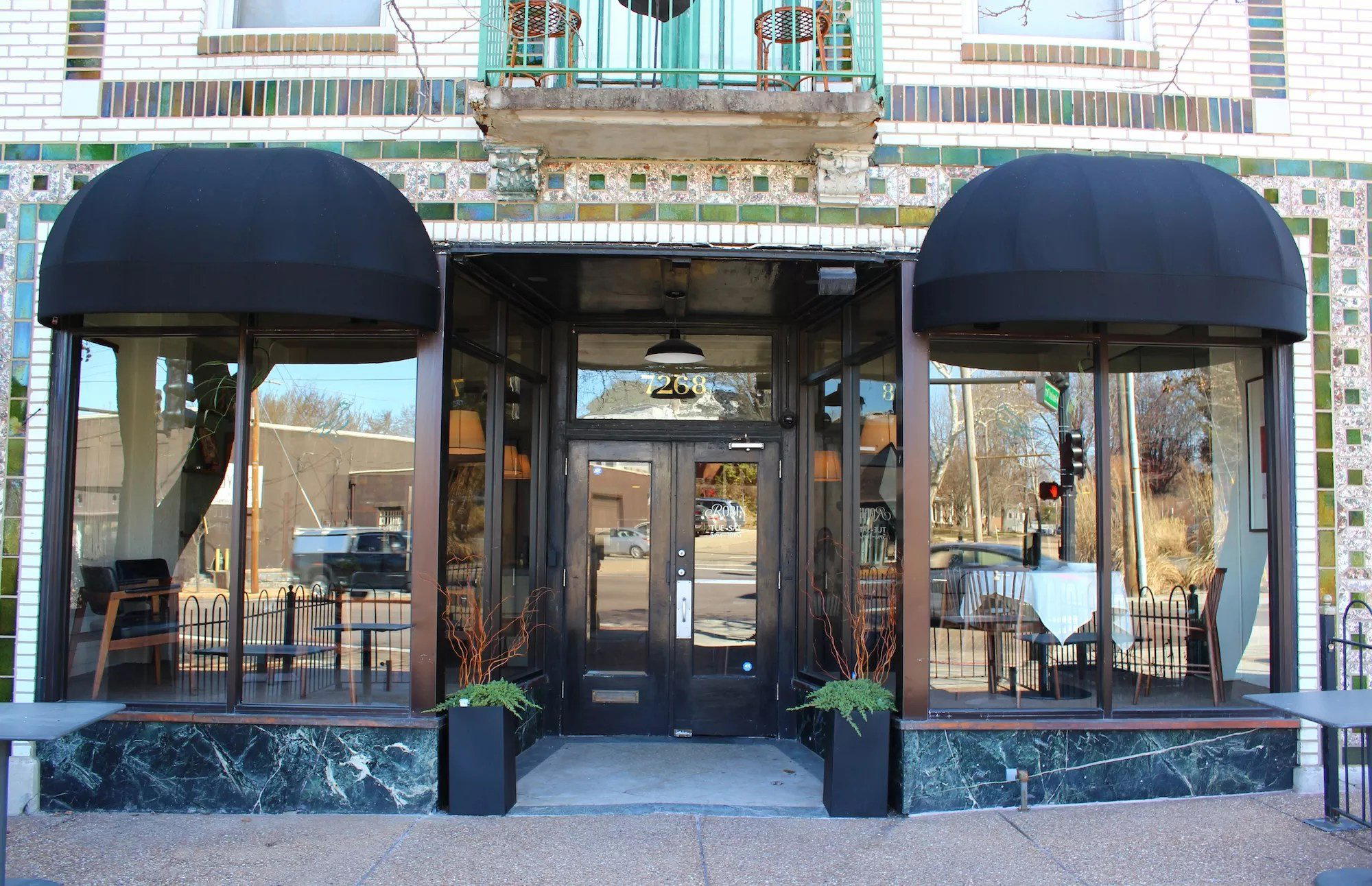
The approach to Robin is part of the point: a plain run of storefronts gives way to a compact dining room softened by low light and earth-toned restraint. That contrast suits the cooking. St Louis has long been comfortable with generous, deeply rooted neighborhood dining. Here, a regional vocabulary is compressed into a tasting-menu format, which changes the conversation from portion size to editing.
That editing matters because Midwestern cooking can get flattened into nostalgia outside the region. The stronger version is controlled and expressive: familiar regional flavors, preserved accents, richness, smoke, and crisp textures used with discipline rather than sentimentality. Robin works in that lane, taking recognizable regional signals and tightening them into a four-course menu, with optional snacks for diners who want the fuller read of the kitchen.
Midwestern ideas, treated as structure rather than theme
The cooking has already drawn national attention: Robin was named a 2026 James Beard Foundation Restaurant and Chef Award semifinalist and nominee for Best New Restaurant. That recognition is useful not as decoration, but as a category signal. It places a small St Louis restaurant inside a national conversation that has moved beyond coastal tasting rooms and into cities where regional identity carries the meal.
The menu language is playful, but the better reading is technical. The kitchen’s lively takes on Midwestern specialties are surprising without feeling unserious, and the short format gives each course a clear job. Rather than leaning on abundance alone, the meal uses pacing, contrast, and restraint to make familiar regional ideas feel more deliberate.
That regional angle is the serious part of the restaurant’s argument. Local food becomes more persuasive when it is allowed to feel specific without being trapped in costume. The point is not to turn Midwestern cooking into a museum piece, but to treat it as material for composition. The result is a St Louis meal that reads locally without leaning on civic clichés.
A tasting-menu room with a neighborhood temperature
Chef-owner Alec Schingel’s role is best understood through format rather than biography. The four-course structure keeps the experience concise, while the optional snacks give the kitchen room for wit before the sequence settles into a more composed rhythm. In a city where many memorable meals are built around long-standing local dining traditions, this kind of compact tasting menu offers a different kind of St Louis dinner: smaller in scale, more controlled, and more dependent on careful editing.
The room’s softness also does useful work. A tasting menu can become stiff when the service frame overwhelms the food, but this setting keeps the meal closer to a neighborhood restaurant than a ceremonial dining room. That is a meaningful distinction for St Louis. The city’s better dining culture is rarely about spectacle; it tends to reward places that understand comfort, repetition, and local appetite. Robin takes that civic instinct and pares it down.
For travelers building a wider St Louis itinerary, the restaurant belongs in the dining portion of the trip rather than as a catchall night out. Start with our full St Louis restaurants guide, then use our full St Louis hotels guide, our full St Louis bars guide, our full St Louis wineries guide, and our full St Louis experiences guide to shape the rest of the stay.
How to read the meal in a broader American context
Robin is not trying to imitate coastal omakase, extended dégustation, or luxury-hotel dining. Its interest is narrower and more useful: what happens when Midwestern specialties are given the pacing and compression usually associated with tasting-menu restaurants. That puts it in conversation with a wider American shift toward regional specificity, where the point is not rarity for its own sake but a sharper reading of where the meal is being cooked.
That shift can be seen across different formats around the country, from counter-service precision to drinking-food focus and tightly edited casual formats. The common thread is not cuisine type; it is the move away from generic premium dining toward formats that make a clear argument.
St Louis travelers can also read Robin against the city’s range without turning the meal into a ranking exercise. Other local dining rooms may offer classic hospitality, comfort, neighborhood ease, or nightlife-adjacent energy. Robin’s lane is different: a regional tasting menu that treats St Louis and the broader Midwest as source material for composition.
For readers comparing American regional cooking beyond St Louis, the useful reference points are broad rather than one-to-one: restaurants that express place through format, restraint, and local appetite. Those comparisons are not analogues in cuisine or market; they show how place-specific eating can take many forms without losing a sense of where the meal is being cooked.
The reason to pay attention is not hype. A James Beard Best New Restaurant nomination in 2026 confirms that Robin has entered the national field quickly, but the stronger case is on the plate: a short menu, Midwestern references, and enough technical control to keep nostalgia from doing all the work.
Frequently asked questions
Can I bring kids to Robin?
Robin’s four-course tasting menu, with optional snacks, is set up more like a chef-driven dinner than a flexible family restaurant. In St Louis, it may suit older children who can handle a fixed meal and a quieter dining room.
What should I expect atmosphere-wise at Robin?
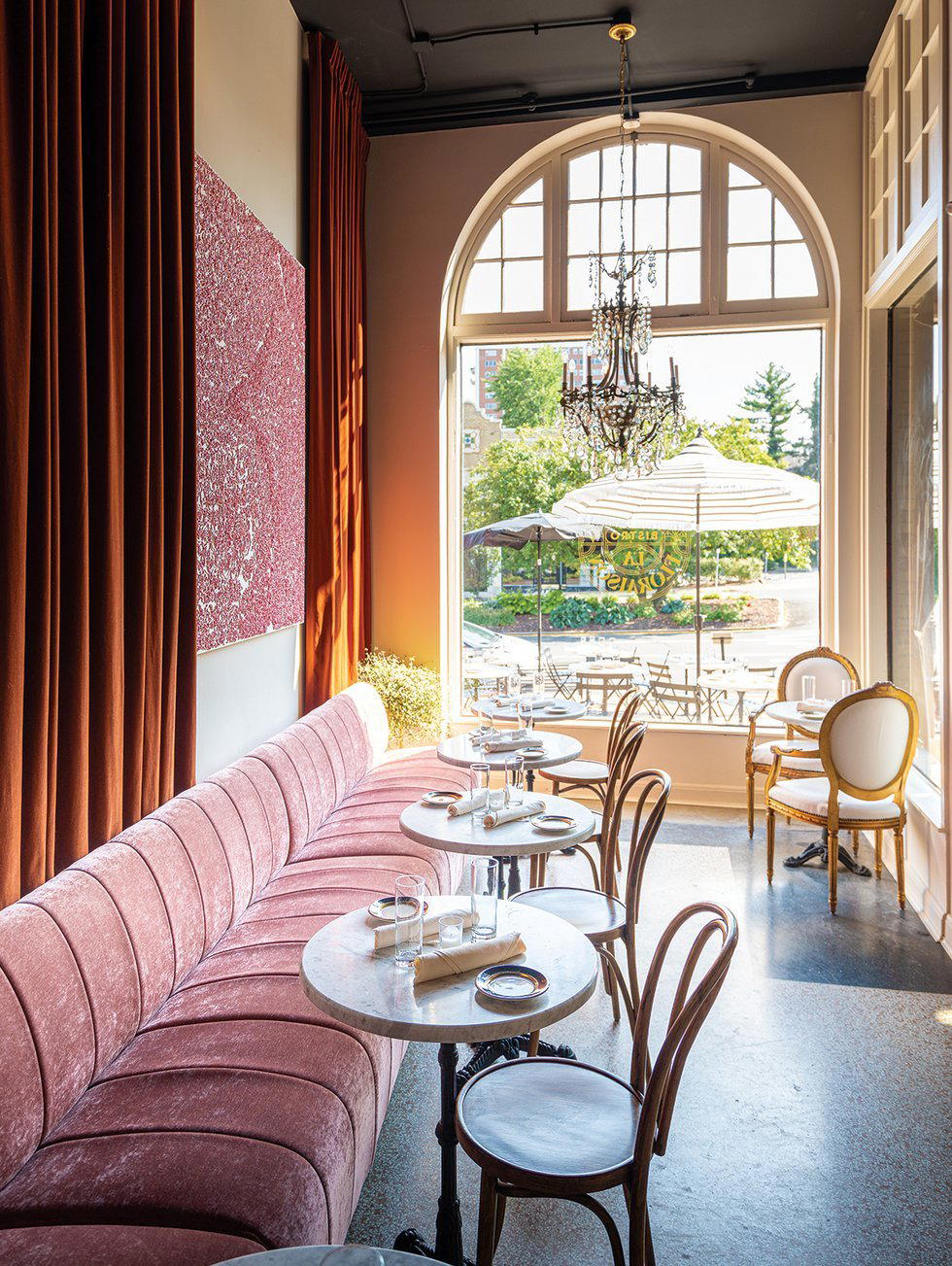
Expect a boxy room made warm with soft lighting and soothing earth tones, set among drab storefronts in St Louis. The mood is restrained rather than flashy, which fits a regional tasting menu and a 2026 James Beard Foundation semifinalist profile.
What awards or recognition does Robin have?
Robin has received recognition as a James Beard Foundation 2026 Restaurant and Chef Award semifinalist and nominee in the Best New Restaurant category.
What type of food is Robin known for?
Robin is known for lively takes on Midwestern specialties served through a four-course tasting menu, with optional snacks.
What time does Robin open and close?
Check Robin directly for current opening hours.
What's the address for Robin?
St Louis.
Nearby-ish Comparables
| Venue | Cuisine | Price | Awards |
|---|---|---|---|
| RobinThis venue — the venue you are viewing | Seasonal Midwestern Bistro | $50–100 | James Beard Award Nominee · New York Times America's Best Restaurants |
| Bogart’s Smokehouse | Traditional St. Louis BBQ | $20–30 | Not listed |
| Crown Candy Kitchen | Classic American Soda Fountain | $10–20 | Not listed |
| Mai Lee | Authentic Vietnamese | $20–30 | Not listed |
| Pappy’s Smokehouse | Memphis-Style BBQ | $20–30 | Not listed |
| Ted Drewes Frozen Custard | Classic Frozen Custard | $1–10 | Not listed |
Recognition history
Dated appearances from independent guides and award organizations, with the underlying list record or original source where available.
James Beard Award Nominee
James Beard Award
New York Times America's Best Restaurants
New York Times
Full recognition history (3 entries)
James Beard Award Semi Finalist
James Beard Award

Details
- Cozy
- Intimate
- Modern
- Date Night
- Special Occasion
- Open Kitchen
- Craft Cocktails
- Local Sourcing
- Prix Fixe
Current opening hours
- Monday
- Closed
- Tuesday
- 5–9 PM
- Wednesday
- 5–9 PM
- Thursday
- 5–9 PM
- Friday
- 5–10 PM
- Saturday
- 5–10 PM
- Sunday
- Closed
Hours can change for holidays and private events. Last verified .
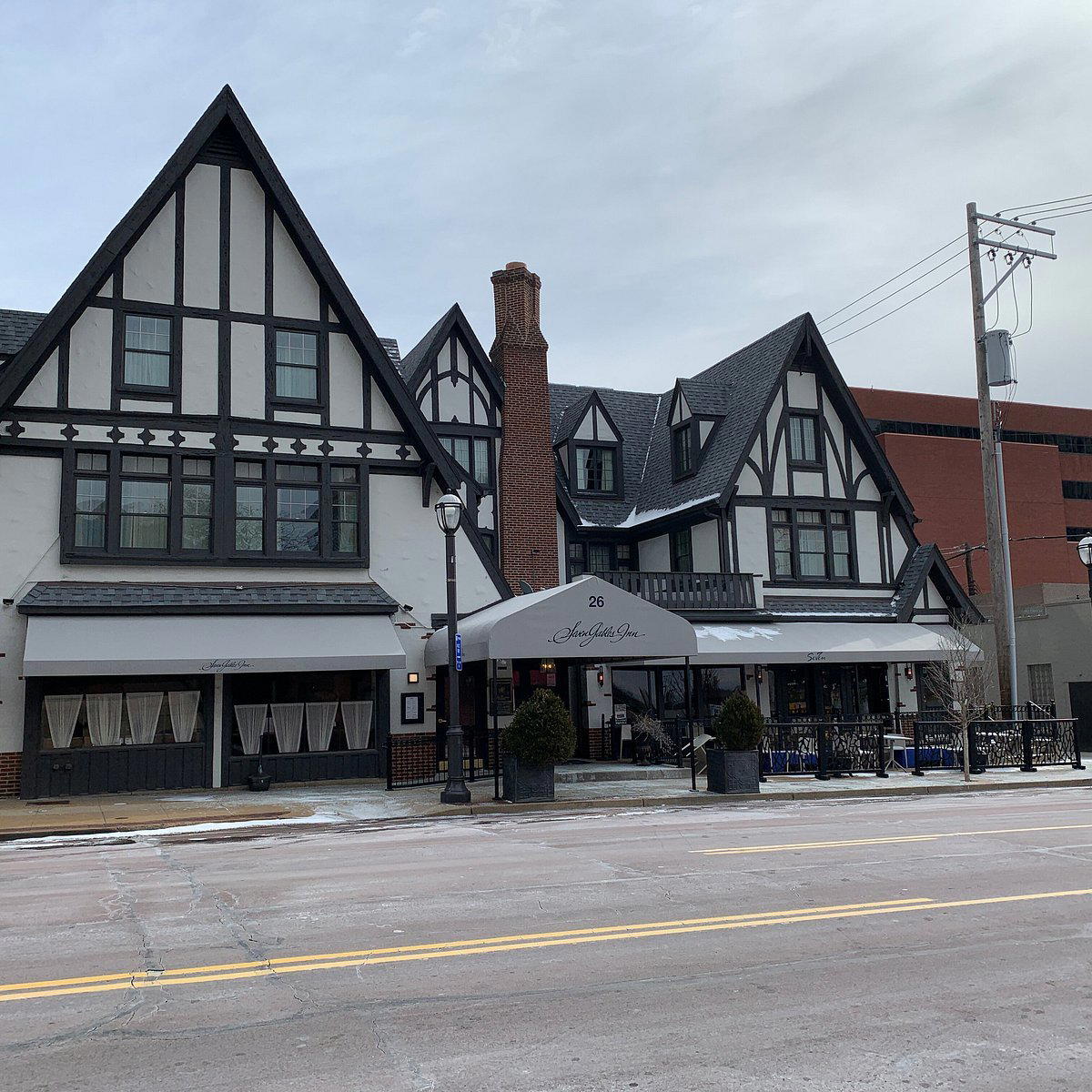
Cozy vintage storefront with bistro feel, warm lighting from open kitchen, and intimate bar seating.