Geraldine's


Wine Spectator Best of Award of Excellence
Our verdict
Geraldine's occupies a steady position in Austin's mid-to-upper dining tier, offering a progression through local ingredients and Southern-inflected technique at 605 Davis St. The room draws a crowd that ranges from hotel guests to deliberate destination diners, placing it alongside the city's more considered casual-to-formal crossover addresses. For Austin, it represents the kind of kitchen that treats the arc of a meal as a structure worth designing.

Pearl is the En Primeur Club membership app, where members save venues, book tables and use the concierge.
The menu
What to order
- Hot Honey Fried Chicken Sandwich
- Crispy BBQ Pork Ribs
Where Austin's Dining Register Shifts Into Something More Deliberate
Austin's food scene has long been sorted into two loud categories: the smoke-and-queue barbecue circuit and the high-concept tasting counter. Between those poles, a smaller set of addresses operates at a register that is neither casual nor ceremonial, kitchens where the meal has a shape, courses build on one another, and the room is designed to let that progression land. Geraldine's, at 605 Davis St in the Rainey Street corridor, sits inside that middle tier. It is a dining room that rewards guests who arrive with some intention, not just appetite.
The Rainey Street district has evolved considerably since its early days as a bungalow-bar strip. The area now holds one of the denser concentrations of considered restaurants in the city, drawing a crowd that is as likely to have booked ahead as stumbled in. Geraldine's position within that geography gives it a built-in peer context: the diner who arrives here is probably already comparing it, consciously or not, to the stronger addresses in Austin's mid-to-upper tier. That comparison tends to flatter a kitchen with a clear point of view about how a meal should move.
The Arc of the Meal: From Opening Notes to the Finish
The most useful frame for understanding what Geraldine's is doing is the tasting progression, not in the strict multi-course omakase sense, but in the older, simpler logic that a well-constructed dinner has a beginning, a middle, and a close that feel connected. Austin's better casual-to-formal crossover kitchens have absorbed that logic from fine dining traditions and applied it to menus that don't require a prix fixe format to deliver it.
An evening here tends to open with lighter, sharper preparations, the kind of early-course thinking that functions as calibration. Acidity and texture do most of the work at this stage, setting a palate expectation for what follows. The mid-meal is where the kitchen's Southern-inflected technique becomes more legible: richer proteins, slower-cooked foundations, the kind of ingredient treatment that takes its cues from regional tradition without being bound to it. The close, whether dessert or a savory finish, is where this kind of kitchen either earns or loses the earlier investment. At its finest, a meal structured this way leaves the table feeling that the kitchen had a plan, and executed it with enough confidence to be worth the attention.
That structure places Geraldine's in a specific competitive conversation. It is not operating in the same register as Barley Swine, whose New American tasting format is more explicit and more technically ambitious. Nor does it share a tier with Craft Omakase, where the progression is the entire point of the format. Instead, Geraldine's occupies the space between those dedicated tasting experiences and the more relaxed end of Austin's serious dining options, a position that requires its own kind of discipline to hold convincingly.
Austin's Tasting-Progression Tradition and Where Geraldine's Fits
The broader American dining conversation around meal structure has moved considerably in the past fifteen years. Kitchens from Lazy Bear in San Francisco to Smyth in Chicago have demonstrated that the tasting-progression format can be built around a strong regional identity rather than classical French scaffolding. Blue Hill at Stone Barns in Tarrytown extended that argument to agricultural sourcing. Single Thread Farm in Healdsburg took it further still, toward a total-experience model. These are not direct peers of Geraldine's, but they represent the current that has reshaped what diners expect from a meal with any architectural intention.
In Austin, that current has been channeled more modestly. Hestia builds its progression around live-fire technique with enough commitment to earn consistent recognition. On the barbecue side, la Barbecue and InterStellar BBQ operate in a format where the sequence is determined by the cut, not the kitchen's editorial instinct. Geraldine's sits apart from both of those, in the territory where Southern-American tradition and a more considered kitchen sensibility meet.
For a broader map of where Geraldine's fits within Austin's current dining tiers, the EP Club Austin restaurants guide provides a fuller breakdown of how the city's kitchens are currently positioned relative to one another.
The Room and the Guest Experience
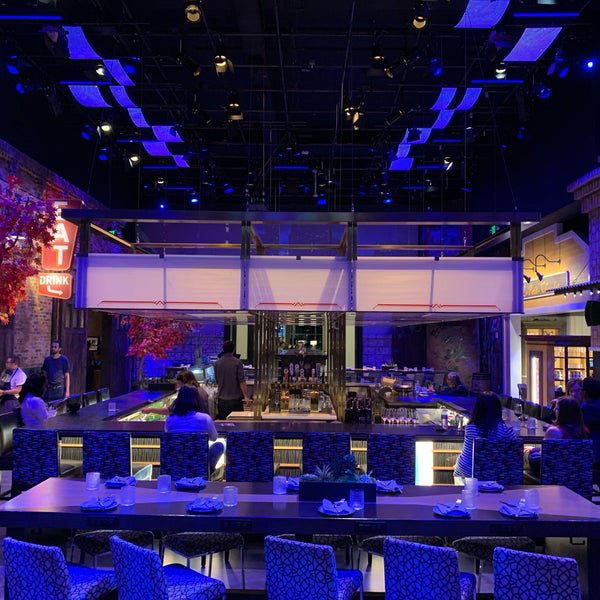
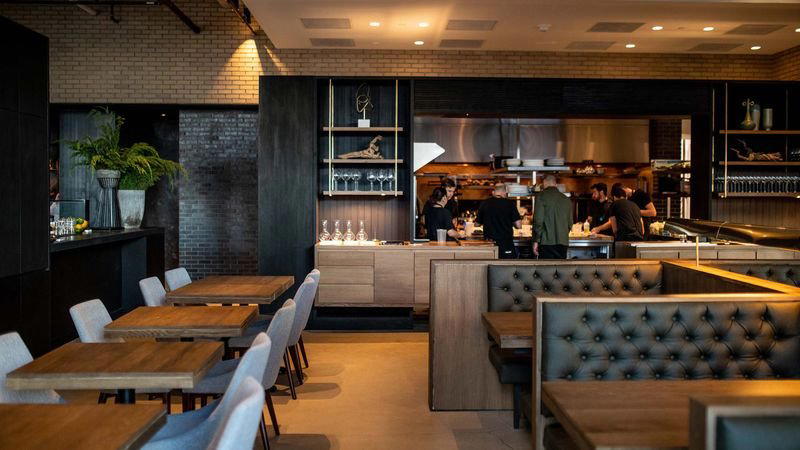
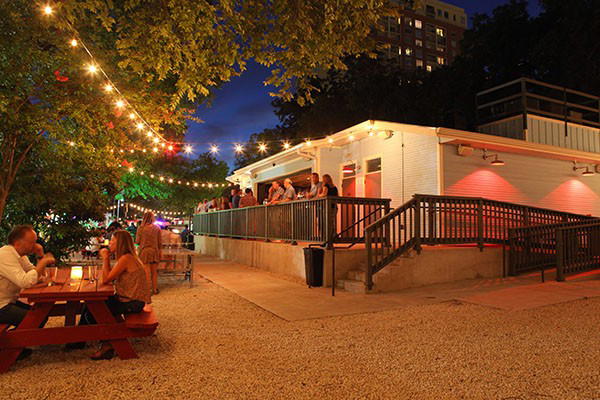
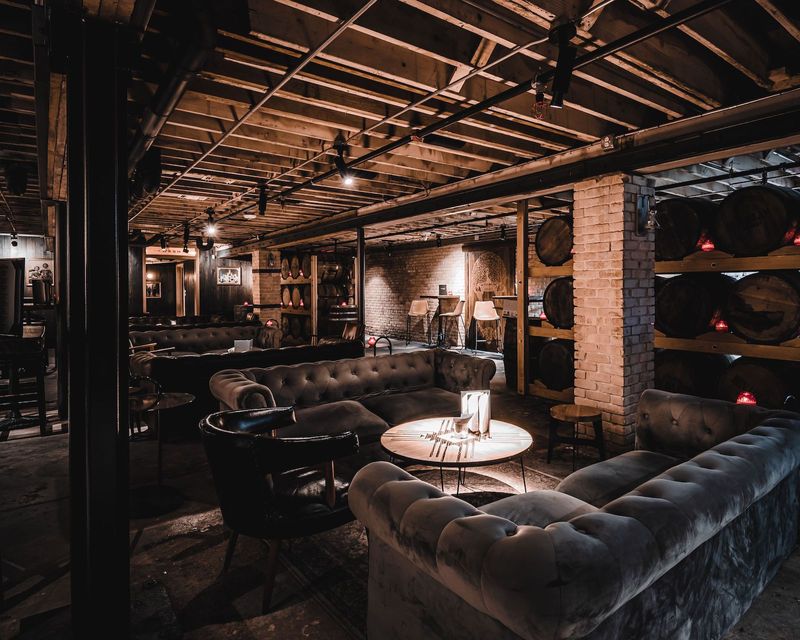
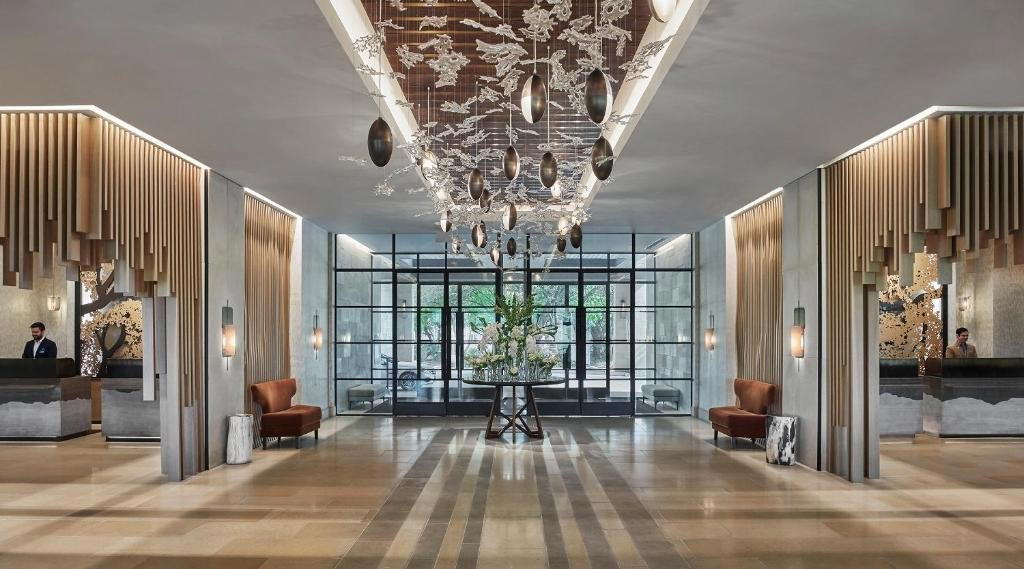
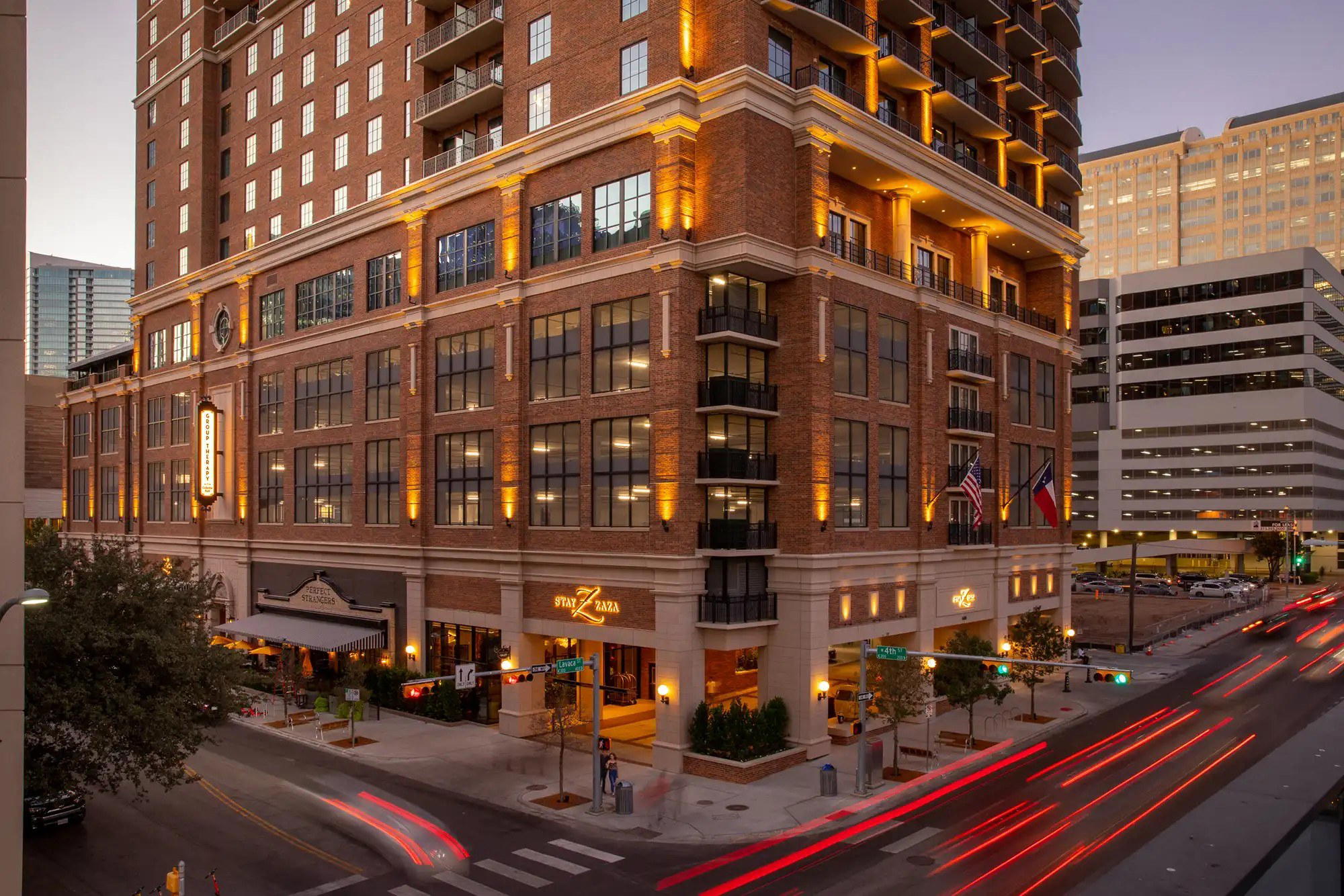
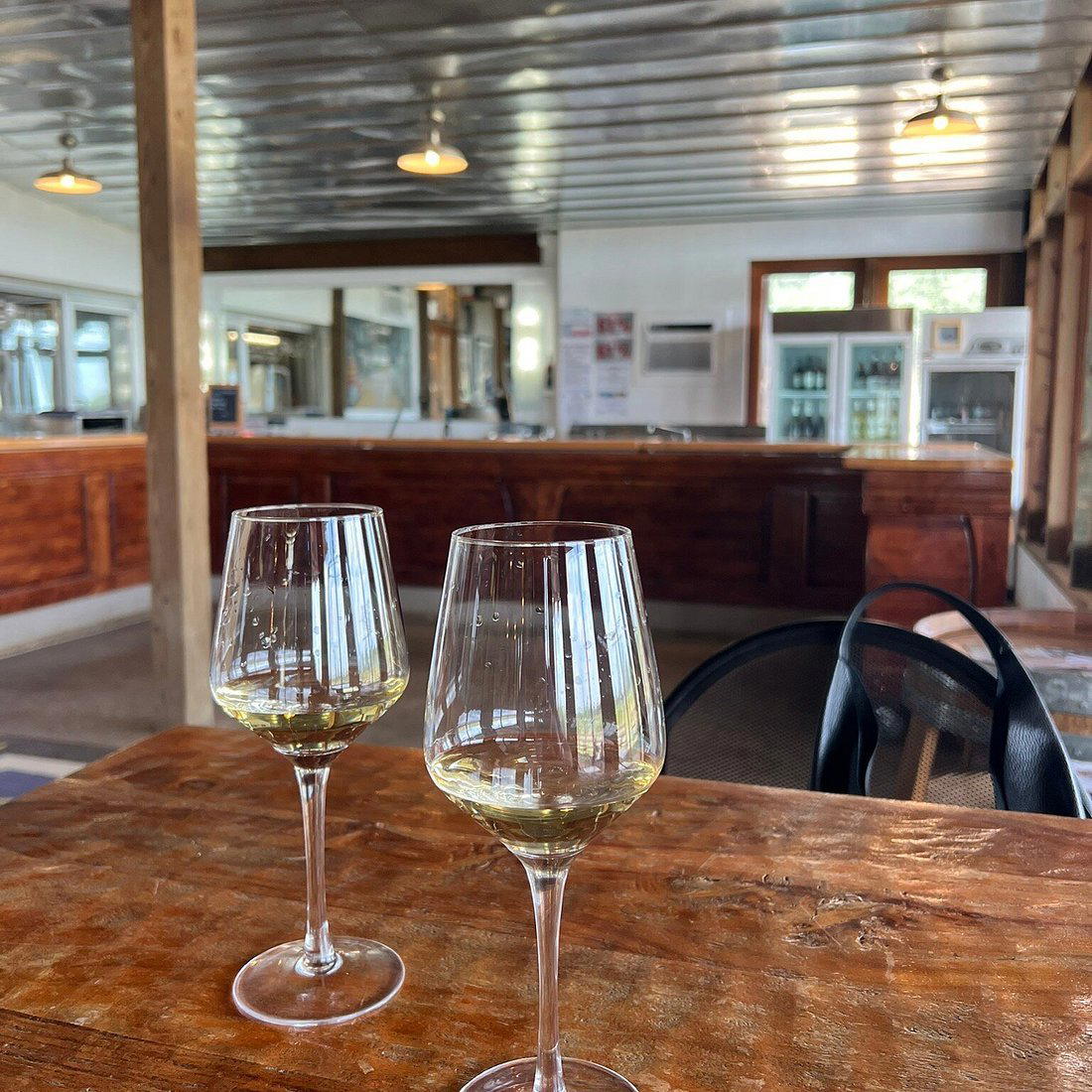
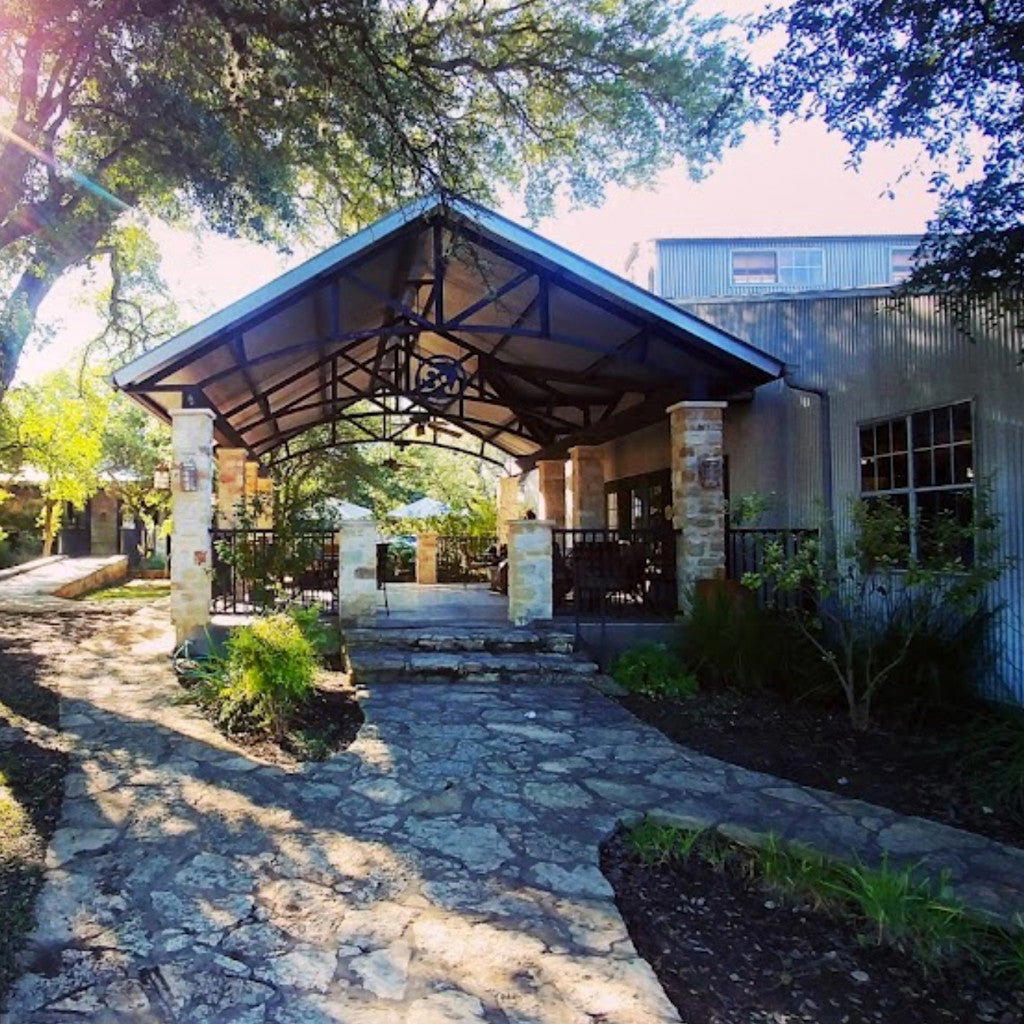
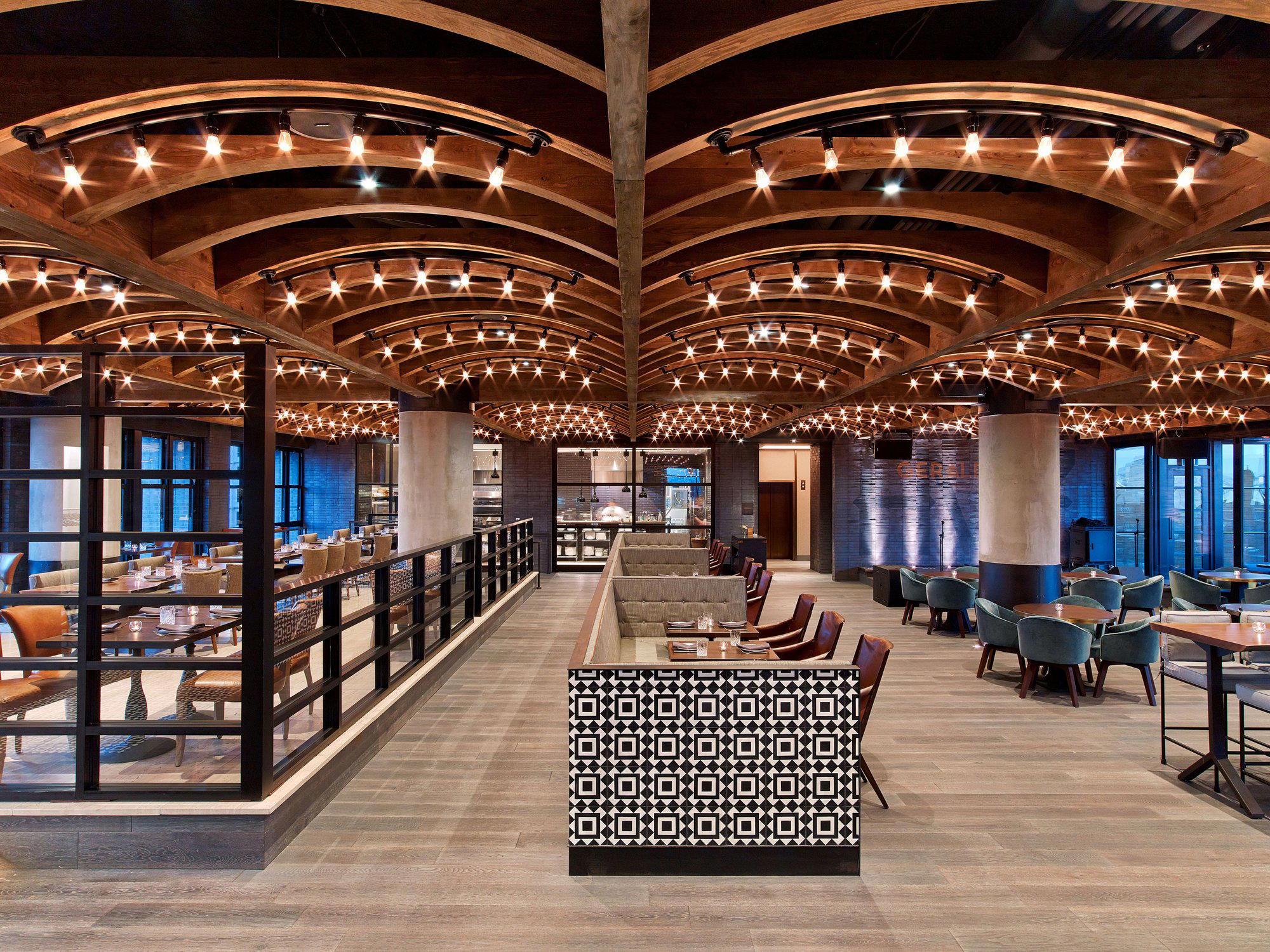
Geraldine's physical location within what is understood to be a hotel-adjacent property on Davis St gives it a dual audience: guests who arrive through the hotel and local diners who arrive as a destination. That split is common in this category across American cities, and it tends to create a specific kind of dining room energy, less insular than a chef's-table-format restaurant, more assembled than a neighborhood bistro. The room functions as a social space as much as a dining one, which suits the Rainey Street context, where the evening tends to extend beyond the table.
For comparison, the same hotel-embedded format appears at very different scales and price points elsewhere: Le Bernardin in New York City operates as an independent institution within its hotel-adjacent footprint, while Addison in San Diego and Providence in Los Angeles show what the format looks like when the kitchen ambition is pushed further. At the accessible end, Emeril's in New Orleans built a long-running reputation inside a similar embedded-restaurant model. Geraldine's operates closer to the approachable end of that spectrum, where the room's energy is an asset rather than a distraction from the food.
The more architecturally serious end of the American tasting-progression tradition, places like The French Laundry in Napa, The Inn at Little Washington, or Atomix in New York City, operates at a different level of commitment and price. Geraldine's does not compete in that bracket, but understanding that bracket clarifies what the mid-tier is doing: absorbing the structural logic of the tasting progression without the full formality or the full cost.
Know Before You Go
- Address: 605 Davis St, Austin, TX 78701
- Neighbourhood: Rainey Street corridor, close to the central Austin waterfront area
- Format: Dining room with bar, suited to both hotel guests and destination diners
- Practical note: Rainey Street is a high-traffic evening district, arriving by rideshare is more practical than driving, particularly on weekends
- Comparison set: Positions between the casual barbecue tier and the full tasting-counter format; closer in register to Olamaie and Jeffrey's than to Barley Swine or Craft Omakase
Frequently asked questions
What's Geraldine's's location?
Geraldine's is located at 605 Davis St, Austin, TX 78701, Austin.
How does Geraldine's fit into the Austin dining scene compared to its Rainey Street neighbours?
Geraldine's occupies a crossover position on Davis St that most Rainey Street addresses don't attempt: it draws a hotel-adjacent crowd without defaulting to hotel-restaurant conservatism. Where neighbouring spots lean into the district's bar-first energy, Geraldine's tilts the room toward a meal-led experience grounded in Southern-American cooking. That positioning makes it one of the more food-serious options within walking distance of the strip.
What should I order at Geraldine's?
The kitchen's most focused work appears in the mid-course range, where Southern-inflected technique and Texas ingredient sourcing converge most clearly. Opening and closing plates tend toward crowd accessibility, so the middle of the menu is where the kitchen's actual point of view comes through. If a server offers guidance on daily-driven plates, take it, that's where ingredient sourcing decisions are most visible.
Is Geraldine's reservation-only?
Geraldine's sits on Davis St in Austin's Rainey Street district, a corridor where walk-in availability tightens considerably on weekends. The venue draws both hotel guests and destination diners, which means tables move faster than the street's more casual addresses. Booking ahead, particularly for Thursday through Saturday, is the practical approach.
What's the defining dish or idea at Geraldine's?
The defining idea is structural: Geraldine's works within a Southern-American reference frame and applies enough culinary discipline to read as a tasting progression rather than a conventional à la carte sit-down. It's less about a single plate and more about how the meal moves, from lighter, ingredient-forward material toward richer, technique-heavier finishes. That arc is what separates it from Austin's more format-conventional mid-tier addresses.
Comparison Snapshot
Comparable venues nearby, for context on price, style, and recognition.
| Venue | Cuisine | Price | Awards | Notes |
|---|---|---|---|---|
| Geraldine'sThis venue (the venue you are viewing) | Modern Mexican with Southern Influences | $50–100 | Wine Spectator Best of Award of Excellence | Not listed |
| El Alma | Contemporary Mexican | $30–50 | Not listed | Auditorium Shores |
| Nomade | Coastal Yucatán Mexican | $50–100 | Not listed | Bouldin |
| VERDAD True Modern Mexican | True Modern Mexican | $50–100 | Not listed | Rosedale |
| Tomalo | Modern Mexican Grill | Not listed | Not listed | Town Lake |
| Curra's Grill Oltorf | Authentic Interior Mexican | $20–30 | Not listed | Dawson |
Recognition history
Dated appearances from independent guides and award organizations, with the underlying list record or original source where available.
Opinionated About Dining Casual in North America Recommended
Opinionated About Dining
Wine Spectator Best of Award of Excellence
Wine Spectator