Loystubn
Alpine Carinthia on a Plate Bad Kleinkirchheim sits in a fold of the Nockberge mountains in Carinthia, a region where the culinary identity is shaped less by urban ambition than by what the surrounding land produces: game from the forests, dairy...
Pearl is the En Primeur Club membership app — saves, bookings, and concierge access live there. Same editors, same standards.
- Address
- Thermenstraße 4, 9546 Bad Kleinkirchheim, Austria
- Phone
- +43434240744
- Website
- pulverer.at
- Directions
- Get directions
 Saves & bookings on Pearl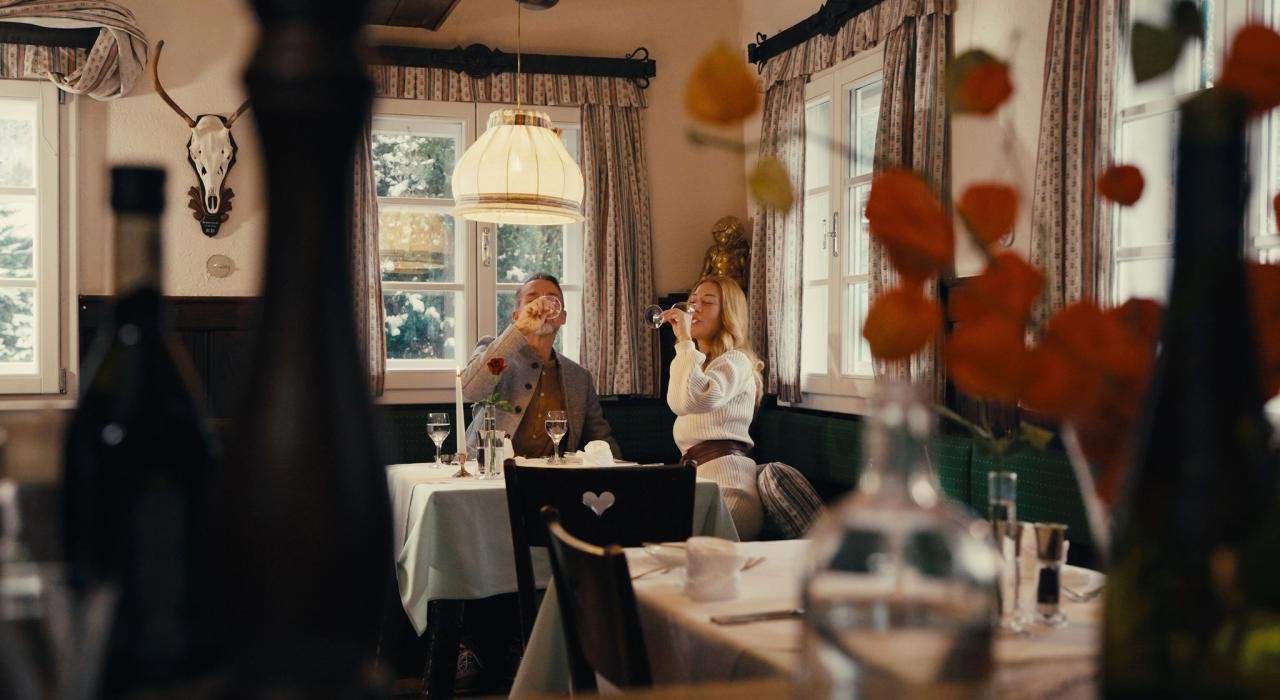
Alpine Carinthia on a Plate
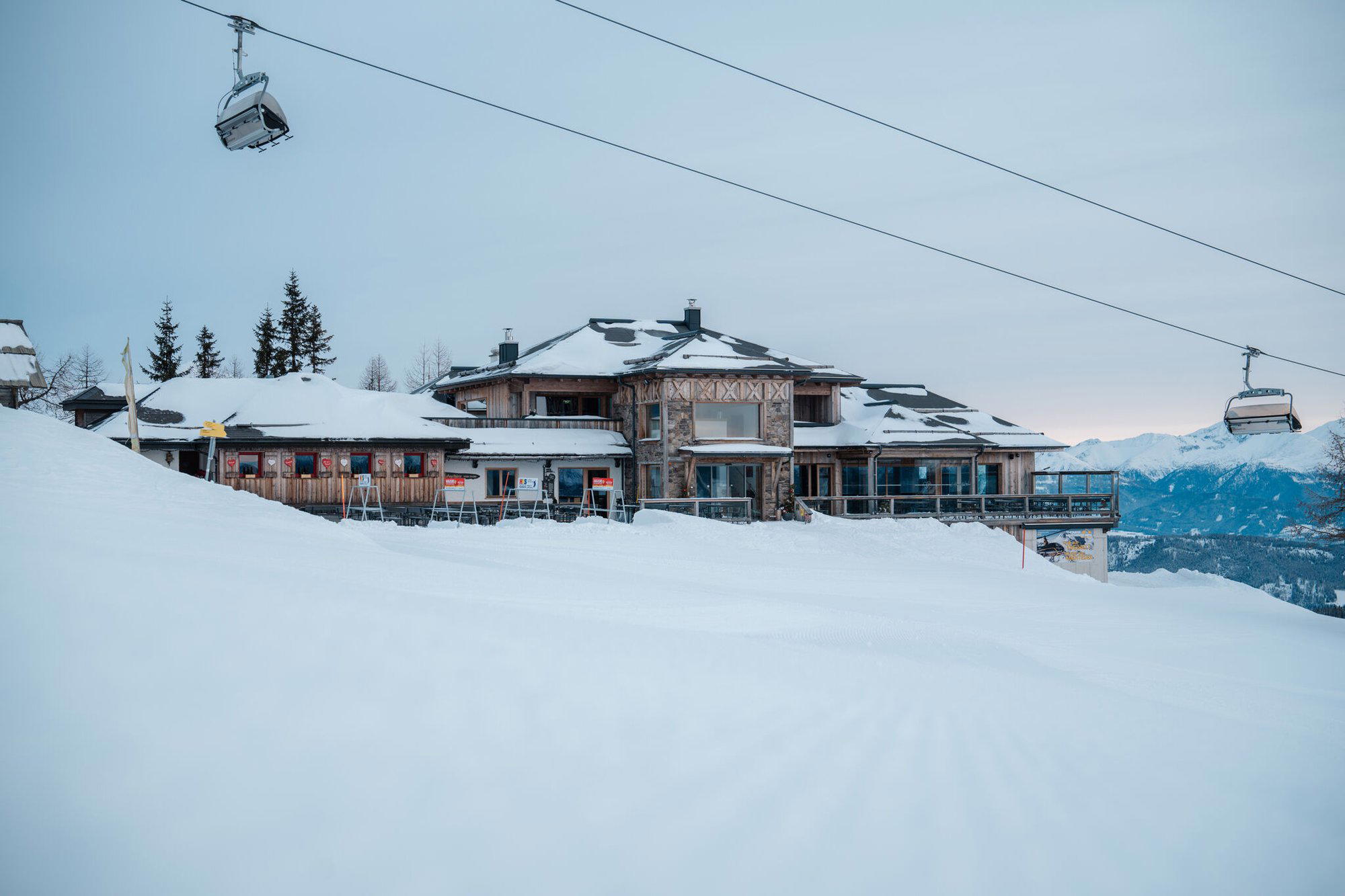
Bad Kleinkirchheim sits in a fold of the Nockberge mountains in Carinthia, a region where the culinary identity is shaped less by urban ambition than by what the surrounding land produces: game from the forests, dairy from high pastures, freshwater fish from cold mountain lakes, and root vegetables that benefit from short growing seasons at altitude. The village is better known internationally for its thermal spas and ski slopes than for its restaurant scene, but that low profile has kept the dining culture here grounded in local sourcing rather than imported trends. Loystubn, addressed at Thermenstraße 4, occupies a position in that scene.
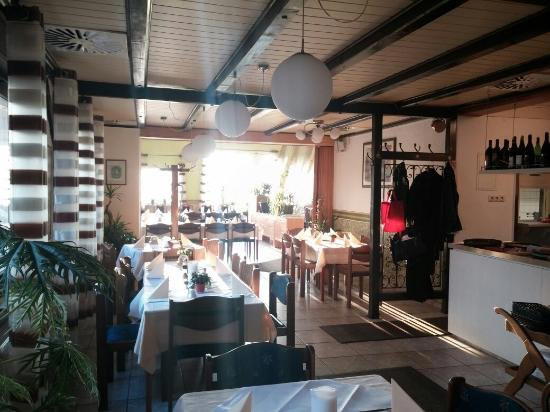
The address places it on the main thermal road through the resort, meaning guests arriving from the Römerbad or St. Kathrein thermal complexes walk past on the way to accommodation. The physical setting follows the Carinthian Stubn tradition: timber-panelled rooms, low ceilings, and the general impression that the space has absorbed decades of wood smoke and slow cooking. That format carries its own editorial logic. The Stubn model, common across the Austrian Alpine corridor, is not a casual format but a deliberately intimate one, where the room size limits covers and forces a more deliberate approach to service and menu construction.
What the Region Puts on the Table
Alpine Carinthia has a distinct ingredient profile that separates it from the Viennese restaurant mainstream or the Salzburg corridor. Carinthian cuisine's most recognisable export is the Käsknödel, a cheese-stuffed bread dumpling that varies by producer and household, alongside Kärntner Kasnudeln, pasta pockets filled with a mixture of fresh curd cheese, potatoes, and herbs. These dishes encode the logic of the region's agricultural history: dairy-forward, grain-dependent, and built around preservation techniques suited to a mountain winter economy.
For context, the Austrian Alpine dining scene at the serious end has moved toward a model that keeps those regional foundations but applies modern technique and obsessive sourcing discipline. Restaurants like Döllerer in Golling an der Salzach have spent years building a regional alpine identity that references glacial-water fish, high-altitude herbs, and a wine list calibrated to alpine producers. Further west, Gourmetrestaurant Tannenhof in Sankt Anton am Arlberg and Griggeler Stuba in Lech operate in a comparable peer tier, where the Stubn format meets serious kitchen ambition. Carinthia has historically sat slightly outside that recognition circuit, which means restaurants here often source with the same seriousness but without the same international attention.
Ingredient Sourcing as the Argument
In the Austrian Alpine context, ingredient provenance is increasingly the dividing line between restaurants that are replicating a format and those making an actual argument about place. The Nockberge UNESCO Biosphere Reserve, which covers much of the terrain around Bad Kleinkirchheim, creates specific conditions for sourcing: the reserve designation restricts industrial farming practices and concentrates smaller-scale producers within a defined geographic zone. For any restaurant operating at the address, that proximity to a biosphere reserve is an operational fact with real menu implications. Herbs, dairy, and foraged produce from within the Nockberge perimeter carry a traceability that is harder to claim in a lowland setting.
The broader Carinthian supply chain includes trout and char from the Millstätter See and the Weißensee, two of Austria's clearest cold-water lakes sitting within reach of the valley. Game from managed Carinthian forest estates enters the regional supply in autumn. These are not imported ingredients dressed up as local; they are part of a supply geography that restaurants in this area can access at a scale that urban kitchens cannot. That structural advantage in sourcing is what makes the Carinthian mountain restaurant category worth taking seriously, independent of any individual venue's execution.
For comparison within Bad Kleinkirchheim's own restaurant cluster, venues like Das Ronacher, gellius, NockResort, Restaurant Adriana, and Trattlers Einkehr each occupy slightly different positions in the local offer. The presence of multiple hotel-attached and freestanding dining options in a village of this size reflects the resort economy: the spa and ski visitor base creates year-round demand that a purely local population could not sustain. Loystubn operates within that same demand structure.
The Wider Austrian Alpine Dining Frame
Austria's serious restaurant culture extends from the urban anchors in Vienna, where Steirereck im Stadtpark has long represented the country's most visible international benchmark, through the Salzburg axis with venues like Ikarus in Salzburg and Obauer in Werfen, and into the Alpine hinterland where herb-focused and produce-led formats have developed their own logic. Kräuterreich by Vitus Winkler in Sankt Veit im Pongau and Landhaus Bacher in Mautern an der Donau represent different corners of that extended regional network. Ois in Neufelden and Restaurant 141 by Joachim Jaud in Mieming extend the picture further into Austria's less-covered dining regions.
Carinthia sits at the southern edge of that network, bordering Slovenia and Italy, which gives its ingredient culture a slightly different character: there is more influence from across the Karawanken range than is typical in Tirol or Salzburg province. That cross-border geography shows up in cheese types, in the prevalence of buckwheat alongside wheat flour, and in the use of ingredients more common in Friulian or Slovenian cooking than in the Tyrolean mainstream.
Planning a Visit
Bad Kleinkirchheim is accessible by road from Klagenfurt, roughly 65 kilometres to the south-east, and from Villach, about 45 kilometres distant. The resort operates on a dual-season model, with the ski season running through winter and the spa and hiking season covering summer and early autumn. Thermenstraße 4 is a central resort address, walkable from the main thermal bath facilities. As with most Stubn-format restaurants in the alpine resort economy, demand concentrates around peak ski weeks in January and February and the summer hiking season from July through September. Visiting outside those windows, in late autumn or early spring, typically means quieter conditions. Our full Bad Kleinkirchheim restaurants guide covers the broader dining context for the resort.
Fast Comparison
| Venue | Cuisine |
|---|---|
| LoystubnThis venue — the venue you are viewing | This venue |
Continue exploring
More in Bad Kleinkirchheim
Restaurants in Bad Kleinkirchheim
Browse all →
Bars in Bad Kleinkirchheim
Browse all →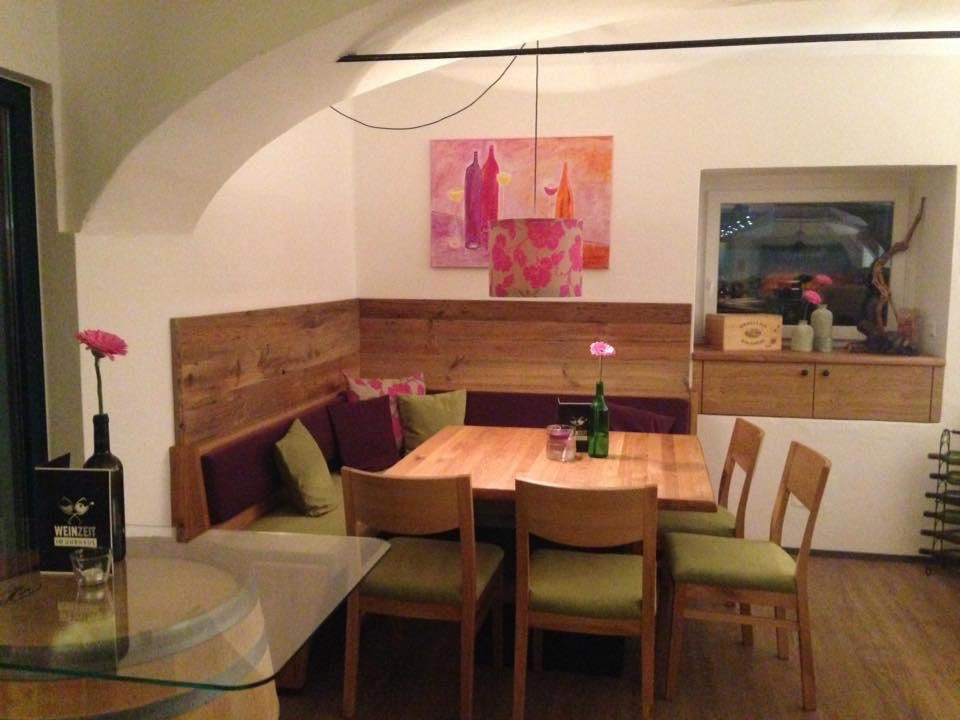

Hotels in Bad Kleinkirchheim
Browse all →

At a Glance
- Cozy
- Rustic
- Intimate
- Special Occasion
- Date Night
- Historic Building
- Hotel Restaurant
- Extensive Wine List
- Local Sourcing
- Farm To Table
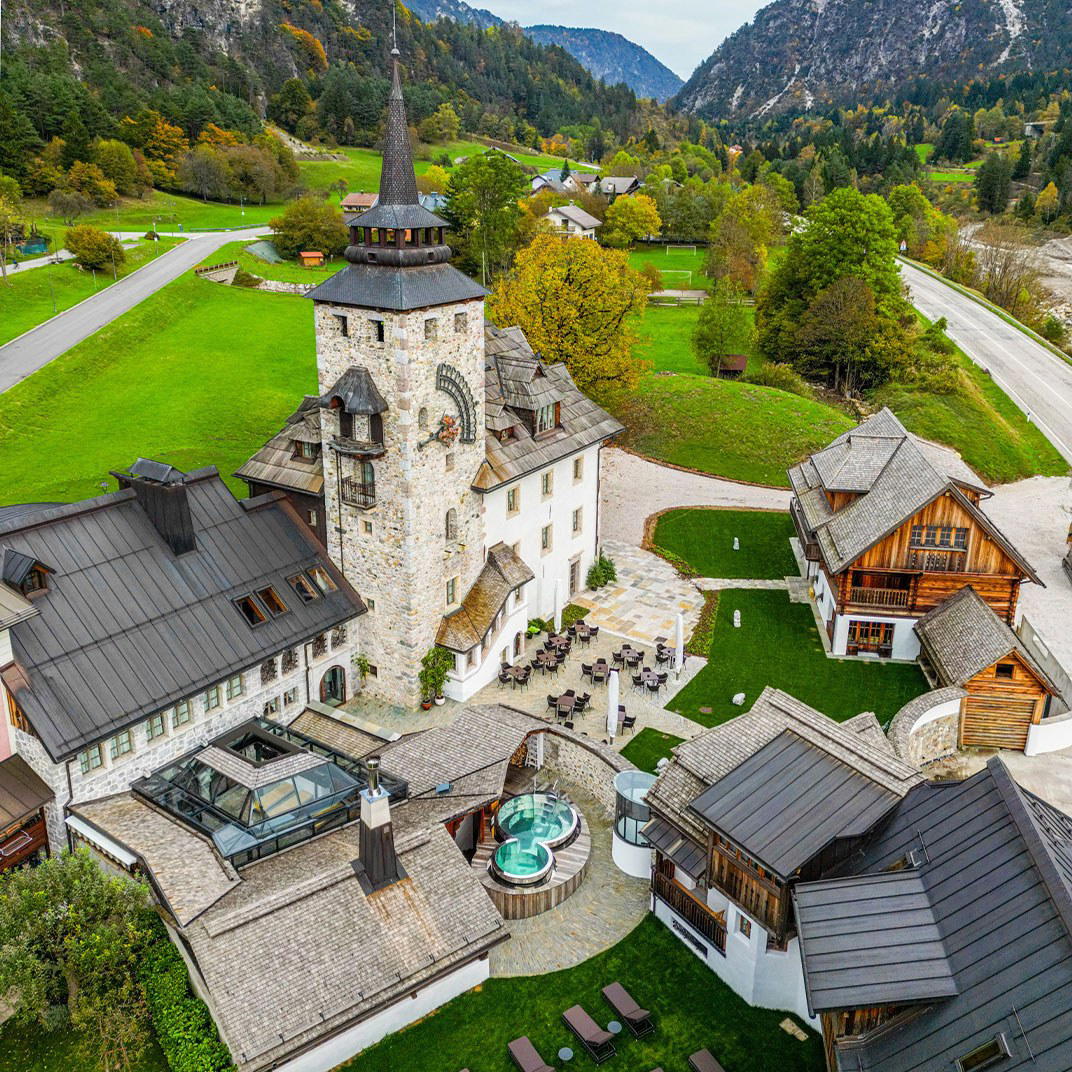
Cozy and rustic ambiance in a 400-year-old building with white tablecloths, candles, and traditional elements.