
Tabelog 100 #74
Our verdict
GEJO brings Toyama’s sushi culture into a small counter format shaped by the city’s fishing identity and Hokuriku’s appetite for serious seafood. Its Tabelog Sushi WEST “Tabelog 100” 2025 selection and eight-seat scale place it in the region’s specialist tier rather than the casual sushi circuit.

Pearl is the En Primeur Club membership app — saves, bookings, and concierge access live there. Same editors, same standards.
- Address
- 182 Higashiiwasemachi, Toyama, 931-8358, Japan
- Phone
- +81 76-471-8522
- Hours
- Daily 12–3 PM, 6–10 PM
- Website
- gejo.jp
- Directions
- Get directions
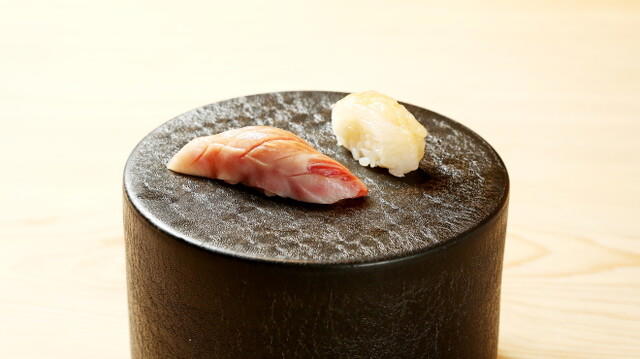
Toyama changes the temperature of a meal before the first sushi appears. The city’s coastal setting, local pride, and measured pace matter: Toyama’s serious restaurants are built less on metropolitan theatre than on proximity to water, season, and restraint. In that setting, GEJO feels like part of a local seafood argument, not a transplant of big-city ceremony.
Toyama Bay has long given the prefecture a seafood identity sharper than its size suggests. Deep, cold, and close to shore, the bay helps explain why local dining culture treats fish as civic confidence rather than luxury add-on. Sushi here is less about importing prestige than deciding how much intervention the product needs. The stronger meals reward diners who understand the city’s geographic advantage: short supply lines, high local pride, and meals judged against the coast as much as against other restaurants.
Toyama sushi with port-town gravity, not big-city spectacle
The premium Japanese dining map often divides between capital-city rooms with international demand and regional restaurants with tighter market relationships. GEJO belongs to the latter. Its 2025 Tabelog Hyakumeiten recognition is a clear external trust signal, but the more useful reading is cultural: a Toyama sushi and seafood restaurant earning attention shows wider recognition of Hokuriku seafood dining beyond the usual urban circuits.
The format is deliberately focused. The meal sits in the committed-restaurant category, where pacing, discipline, and ingredient confidence matter more than menu breadth. That scale changes expectations. This is not a Toyama stop for a loose seafood crawl or casual pre-train dinner; it belongs in the planning tier of destination meals where the experience depends on surrendering to sequence and timing. Within Toyama, it reads as a serious seafood-led booking, and in a different lane from other local dining rooms such as Oryori Fujii or broader modern rooms.
A useful comparison sits within the city’s own range. Cave Yunoki is relevant for travellers choosing one high-commitment Toyama meal. Kuchi Iwa and Piatto Suzuki Cinque point to other ways of spending an evening in the city. The decision is less “which restaurant is nicer” than what kind of Toyama the itinerary needs: sushi and seafood for bay-facing identity, composed Japanese dining for seasonal structure, or another local style for a softer evening.
The counter suits diners who read sushi as regional culture
Japanese sushi outside the largest cities can be misunderstood by travellers expecting a universal script. Toyama complicates that. The city’s seafood reputation is tied to the Sea of Japan coast, winter fishing culture, and a local habit of taking fish seriously without making every meal ceremonial. A restaurant like this suits diners who want to see how regional Japan expresses luxury with fewer flourishes. The point is not a parade of named signatures; it is the discipline of a room designed around fish, rice, and close observation.
The experience reinforces that local-Japanese frame without needing excessive explanation. GEJO is best approached as a controlled, seafood-led occasion rather than a drop-in sushi bar. For celebrations, that focus can help, though the format makes planning and timing more important than in a larger, more flexible dining room.
Toyama’s restaurant scene is compact enough that one serious booking can define a trip. For a fuller read, EP Club’s coverage includes other Toyama dining rooms useful for understanding how the city moves between everyday local cooking and higher-touch dining. The broader city index sits at Our full Toyama restaurants guide, with adjacent planning through Our full Toyama hotels guide, Our full Toyama bars guide, Our full Toyama wineries guide, and Our full Toyama experiences guide.
How to place it within a Japan itinerary
The smart use of GEJO is as a regional anchor, not a substitute for Tokyo sushi. Tokyo’s prestige counters compete on density, lineage, and demand; Toyama’s case rests on the relationship between a smaller city and a serious coast. That makes the meal especially persuasive for travellers crossing Hokuriku or pairing Toyama with Kanazawa, the Tateyama Kurobe Alpine Route, or a seafood-led rail itinerary along the Sea of Japan side.
Compared with other out-of-metro reference points such as Saseki, the Toyama restaurant is best understood through its local context rather than through a simple hierarchy. The Tabelog score of 3.79 and 2025 recognition are useful signals, but the stronger editorial reason to go is the alignment between format and geography: a focused sushi and seafood restaurant in a city whose dining confidence begins with fish.
For a wider Japan food itinerary, the contrast is instructive. Other meals across Japan show how broad the country’s dining register becomes beyond trophy sushi, from meat-led dinners and izakaya cooking to casual urban stops and sake-focused experiences. Those comparisons sit in a different cultural frame altogether; GEJO’s argument is narrower, quieter, and more rooted in Toyama.
The verdict is direct: this is a strong choice for travellers who want Toyama’s seafood identity expressed through a compact, serious sushi format. It is less suited to diners seeking flexibility, large-party ease, or a broad à la carte evening. The reward lies in choosing the city for what it does with fish, then letting a focused meal make that argument without excess noise.
Frequently asked questions
Is GEJO good for families?
GEJO is a focused sushi and seafood restaurant in Toyama, so families should consider whether the format suits the group before booking.
What kind of setting is GEJO?
GEJO is in Toyama. The setting is best understood as a focused sushi and seafood room where the meal is built around Toyama’s coastal identity.
What should I budget for a meal at GEJO?
Budget at GEJO is listed as Dinner: JPY 20,000 - JPY 29,999; Lunch: JPY 20,000 - JPY 29,999.
What are the opening hours for GEJO?
Check directly with GEJO for current opening hours before planning a visit.
Booking and Cost Snapshot
Nearby venues at a similar price tier for orientation.
| Venue | Cuisine | Price | Awards | Notes |
|---|---|---|---|---|
| GEJOThis venue — the venue you are viewing | Sushi Omakase | $150–200 | Tabelog 100 #74 | Not listed |
| Kuchi Iwa | Soba and sake multi-course Japanese | $50–100 | Tabelog 100 #47 | Higashi-Iwase, Soba and sake multi-course Japanese |
| Boteyan (ぼてやん多奈加) | Okonomiyaki & Yakisoba | $10–20 | Tabelog 100 #94 | Toyama Station area, Square Okonomiyaki Specialist |
| 鮨し人 | Edomae Sushi Omakase | $150–200 | Not listed | Nishinakanomachi, Edomae Sushi Omakase |
| 日本料理 雲海 | Japanese Seafood | Not listed | Not listed | Toyama, Japanese Seafood |
| Sushi Namba | Traditional Sushi Omakase | $30–50 | Tabelog 100 #80 | Kumonmyo, Traditional Sushi Omakase |
Recognition history
Dated appearances from independent guides and award organizations, with the underlying list record or original source where available.
Tabelog 100 #74 · No. 74
Tabelog · Tabelog 100 - Sushi - WEST - 2025
Continue exploring
More in Toyama
Restaurants in Toyama
Browse all →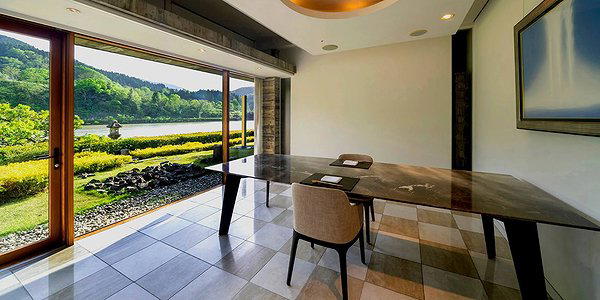
Hotels in Toyama
Browse all →
Wineries in Toyama
Browse all →
Details
- Sophisticated
- Quiet
- Intimate
- Elegant
- Modern
- Special Occasion
- Date Night
- Business Dinner
- Private Event
- Chefs Counter
- Design Destination
- Standalone
- Sake Program
- Extensive Wine List
- Local Sourcing
- Sustainable Seafood
- Street Scene
- Omakase
- Counter Dining
- Set Menu
- Sake
- Wine
- Champagne
- Pescatarian Friendly
Current opening hours
- Monday
- 12–3 PM, 6–10 PM
- Tuesday
- 12–3 PM, 6–10 PM
- Wednesday
- 12–3 PM, 6–10 PM
- Thursday
- 12–3 PM, 6–10 PM
- Friday
- 12–3 PM, 6–10 PM
- Saturday
- 12–3 PM, 6–10 PM
- Sunday
- 12–3 PM, 6–10 PM
Hours can change for holidays and private events. Last verified .
A small, reservation-only counter setting with an inviting Japanese atmosphere that feels polished, intimate, and experience-driven.