Gazab
Our verdict
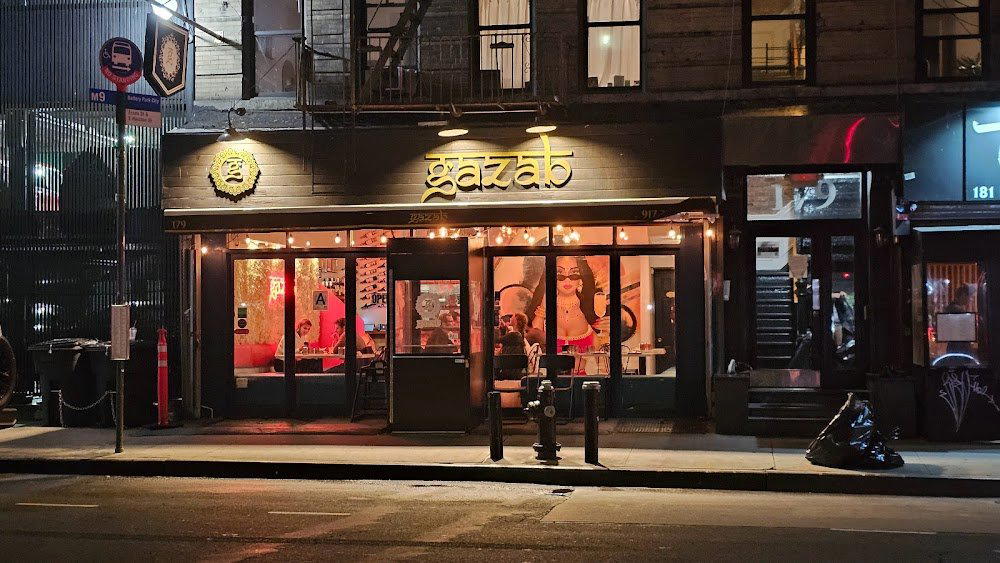
On Essex Street in the Lower East Side, Gazab occupies a position in one of New York's most contested dining corridors, where Indian-inflected and South Asian kitchens have steadily reshaped the block's identity. The address puts it within walking distance of both legacy neighborhood institutions and newer arrivals pressing against the same price tier and audience.

Pearl is the En Primeur Club membership app, where members save venues, book tables and use the concierge.
The menu
What to order
- Parsi Lamb Salli Boti
- Chicken Tikka
- Gobi Manchurian
- Butter Chicken
Essex Street and the South Asian Table in New York
The Lower East Side has never resolved its identity cleanly, and that tension is part of what makes it a productive address for restaurants. Essex Street in particular sits at the intersection of the neighborhood's old-world Jewish deli tradition, its post-2000s bar and small-plates era, and a more recent wave of South Asian kitchens that have moved beyond the curry-house format into something with sharper editorial intent. Gazab, at 179 Essex St, lands inside that last current.
Indian cuisine in New York has spent the past decade sorting itself into distinct tiers. The midrange corridor along Lexington Avenue in Murray Hill remains the reference point for volume and value. But a separate cohort has been building in lower Manhattan and Brooklyn, restaurants that approach the Indian pantry with the same structural seriousness that Korean kitchens brought to New York through places like Atomix, or that French technique has long commanded at addresses like Le Bernardin. Gazab positions itself within that more considered tier.
How the Menu Reads
The editorial angle that matters most when assessing a restaurant in this category is not what the kitchen cooks, but how the menu is architected. A menu is an argument. It tells you what the kitchen believes, what it is willing to defend, and how it expects the diner to move through the meal. In New York's upper-casual Indian tier, that argument is often muddled: snacks bleed into mains, regional logic is abandoned in favor of crowd-pleasing breadth, and the result is a menu that gestures at ambition without committing to it.
What distinguishes the more serious addresses in this category is constraint. The willingness to say less, to anchor a menu in a specific regional tradition rather than spanning the subcontinent, is the marker that separates a kitchen with a point of view from one chasing coverage. The question a first visit to Gazab is leading used to answer is which of those two positions the kitchen occupies. The Essex Street address puts it in a neighborhood where that question has real stakes, because the audience is sophisticated enough to notice the difference.
At the price tiers where New York's most structurally demanding restaurants operate, including tasting-menu rooms like Eleven Madison Park, Per Se, and Masa, the menu format is total: a fixed sequence, a single argument, a complete statement. Indian kitchens operating below that tier have more format freedom, but that freedom creates its own discipline problem. The ones that handle it well treat the a la carte menu as a list rather than an inventory, each section earning its place relative to the others.
The Lower East Side as a Dining Address
Location shapes expectation, and Essex Street is not a neutral address. The opening of the Essex Market in its current form repositioned the corridor as a destination for food-focused foot traffic rather than purely residential dining. The neighborhood draws a crowd that is younger, price-sensitive in some respects but experientially ambitious in others, willing to wait for a table at a room with no reservation line but reluctant to pay tasting-menu prices for a meal that doesn't justify the format.
That audience pressure is useful context for understanding how a restaurant at this address needs to pitch itself. The comparison set is not Blue Hill at Stone Barns or The French Laundry. It is the block itself, and the blocks adjacent. In that local competition, what a kitchen does with spice logic, with sourcing, and with the internal coherence of its menu sections is what earns a return visit.
Across American cities, the restaurants that have made the most credible case for their cuisine's depth have done so through menu discipline as much as through technique. Smyth in Chicago, Lazy Bear in San Francisco, and Providence in Los Angeles each built their reputations on a clear editorial position expressed through format. The Indian kitchens that will define the next phase of the cuisine's New York presence will likely do the same.
What the Address Implies About the Audience
A restaurant on Essex Street in 2024 is not signaling exclusivity. It is signaling accessibility with specificity, a combination that requires the kitchen to deliver on both counts. The neighborhood has enough dining density that a room which underdelivers does not get a second chance from the local audience. Word of mouth in the Lower East Side moves fast and is not especially forgiving.
That environment tends to reward kitchens that have a clear identity on the plate rather than ones that try to satisfy every preference. The South Asian restaurants that have built the most durable followings in New York have generally done so by committing to a regional logic, whether that is the coastal fish preparations of Kerala, the slow-braised traditions of Lucknow, or the street-food vocabulary of Mumbai, and then executing within that frame with consistency. Breadth for its own sake is a liability in a neighborhood where the audience already has plenty of options.
For a broader map of where Gazab sits within New York's dining corridors, our full New York City restaurants guide covers the city's key neighborhoods and price tiers in detail. Comparable format experiments in other American cities are documented in our coverage of Addison in San Diego, Frasca Food and Wine in Boulder, Single Thread Farm in Healdsburg, and Emeril's in New Orleans. For European reference points on regional cuisine done with discipline, see our features on Atelier Moessmer Norbert Niederkofler in Brunico and Dal Pescatore in Runate, and The Inn at Little Washington for a domestic example of long-term identity coherence.
Planning a Visit
Gazab is located at 179 Essex St, New York, NY 10002, in the Lower East Side. The address is accessible by subway via the Delancey St/Essex St station on the J, M, and Z lines. Given the neighborhood's dining density, walk-in availability varies significantly by day and time; weekday evenings tend to offer more flexibility than weekend dinner service. No booking details, pricing, or hours are confirmed in current public records, so checking directly at the address or through search listings before visiting is the practical approach.
Quick reference: 179 Essex St, Lower East Side, New York NY 10002. Subway: Delancey/Essex St (J/M/Z).
Frequently asked questions
What's Gazab's location?
Gazab is located at 179 Essex St, New York, NY 10002, New York City.
Is Gazab on Essex Street suitable for a group dinner in New York City?
Located at 179 Essex St in the Lower East Side, the restaurant is accessible via the Delancey St/Essex St subway station, which makes it a practical convergence point for groups coming from across Manhattan or Brooklyn. For parties of six or more, contacting the restaurant in advance is advisable at most Lower East Side venues of this scale.
What dish is Gazab famous for?
Gazab sits on Essex Street in the Lower East Side, a corridor that rewards restaurants with a defined culinary point of view, the kitchen's South Asian orientation shapes what regulars return for, though the precise standout plates are best confirmed directly with the restaurant.
Can I walk in to Gazab?
The Lower East Side dining scene in 2024 skews toward reservations at dinner, particularly for kitchens with a focused menu structure. Arriving early or at off-peak hours is the more reliable approach if you haven't booked ahead.
What's the signature at Gazab?
No single dish has been publicly cited as Gazab's signature in documented sources. The restaurant's address on Essex Street, a corridor repositioned by the Essex Market and a denser restaurant population, suggests a kitchen oriented toward specificity over breadth. The South Asian framework is the clearest through-line.
What if I have allergies at Gazab?
Standard practice at South Asian kitchens in New York City includes dishes with nuts, dairy, gluten, and shellfish as recurring ingredients. check the venue's official channels at 179 Essex St, New York, NY 10002 before visiting to confirm what the kitchen can accommodate.
Recognition Snapshot
Comparable venues nearby, for context on price, style, and recognition.
| Venue | Cuisine | Price | Notes |
|---|---|---|---|
| GazabThis venue (the venue you are viewing) | Indian | $20–30 | Not listed |
| Mughlai Indian Cuisine | Authentic Mughlai Indian | $20–30 | Gramercy |
| Patiala | Authentic North and South Indian | $20–30 | Midtown-Times Square |
| Bombay Grill house | Traditional Indian | $20–30 | Greenpoint |
| Fonty’s Deli + Dukaan | Indian-ish Sandwiches | $20–30 | West Village |
| Saar Indian Bistro | Modern Indian Bistro | $30–50 | Midtown-Times Square |
Continue exploring
More in New York City
Restaurants in New York City
All restaurants in New York City →
Bars in New York City
All bars in New York City →

Details
- Lively
- Trendy
- Casual
- Casual Hangout
- Group Dining
- Date Night
- Open Kitchen
- A La Carte
- Small Plates
- Vegetarian Friendly
Current opening hours
- Monday
- Closed
- Tuesday
- 5–9:30 PM
- Wednesday
- 5–9:30 PM
- Thursday
- 5–9:30 PM
- Friday
- 12–4 PM, 5–10:30 PM
- Saturday
- 12–4 PM, 5–10:30 PM
- Sunday
- 12–4 PM, 5–10:30 PM
Hours can change for holidays and private events. Hours as of .
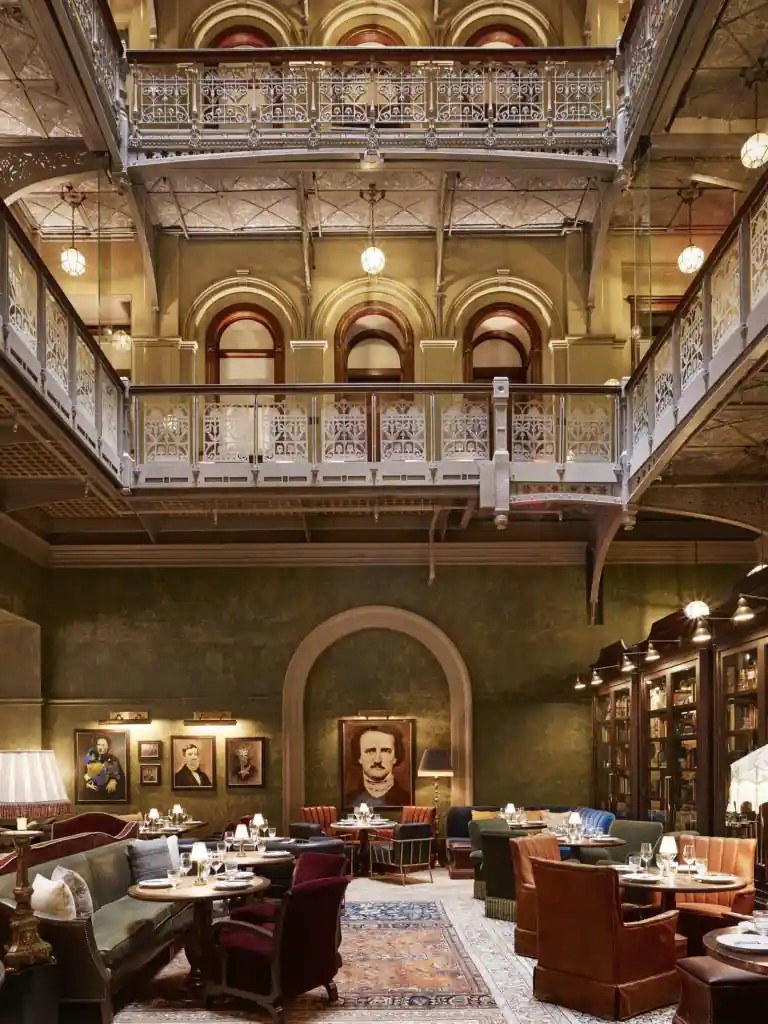
Lively and casual dining room with a come-as-you-are vibe, suitable for families and friends.