
Michelin Plate
Our verdict
Gaudium occupies a stone-arched dining room within Altafulla's Gran Claustre Boutique Hotel, bringing a Michelin Plate credential and chef Jaume Drudis's seasonal, French-inflected cooking to one of Tarragona's most atmospheric medieval villages. Four menu formats — from a three-course weekday lunch to an eight-course Sensory Experience — give the room range across price points, anchored by a glass-fronted wine cellar and an open kitchen at its centre.

Pearl is the En Primeur Club membership app — saves, bookings, and concierge access live there. Same editors, same standards.
Where Medieval Stone Meets an Open Kitchen
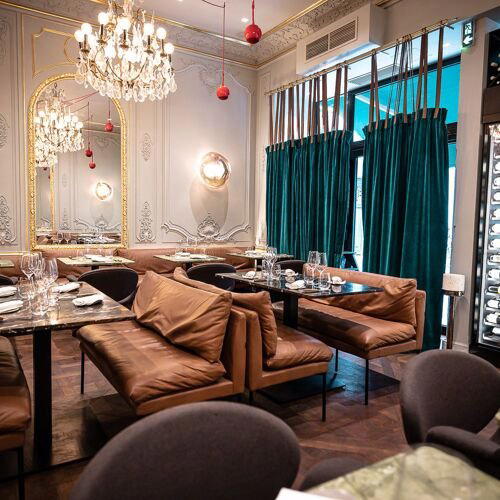
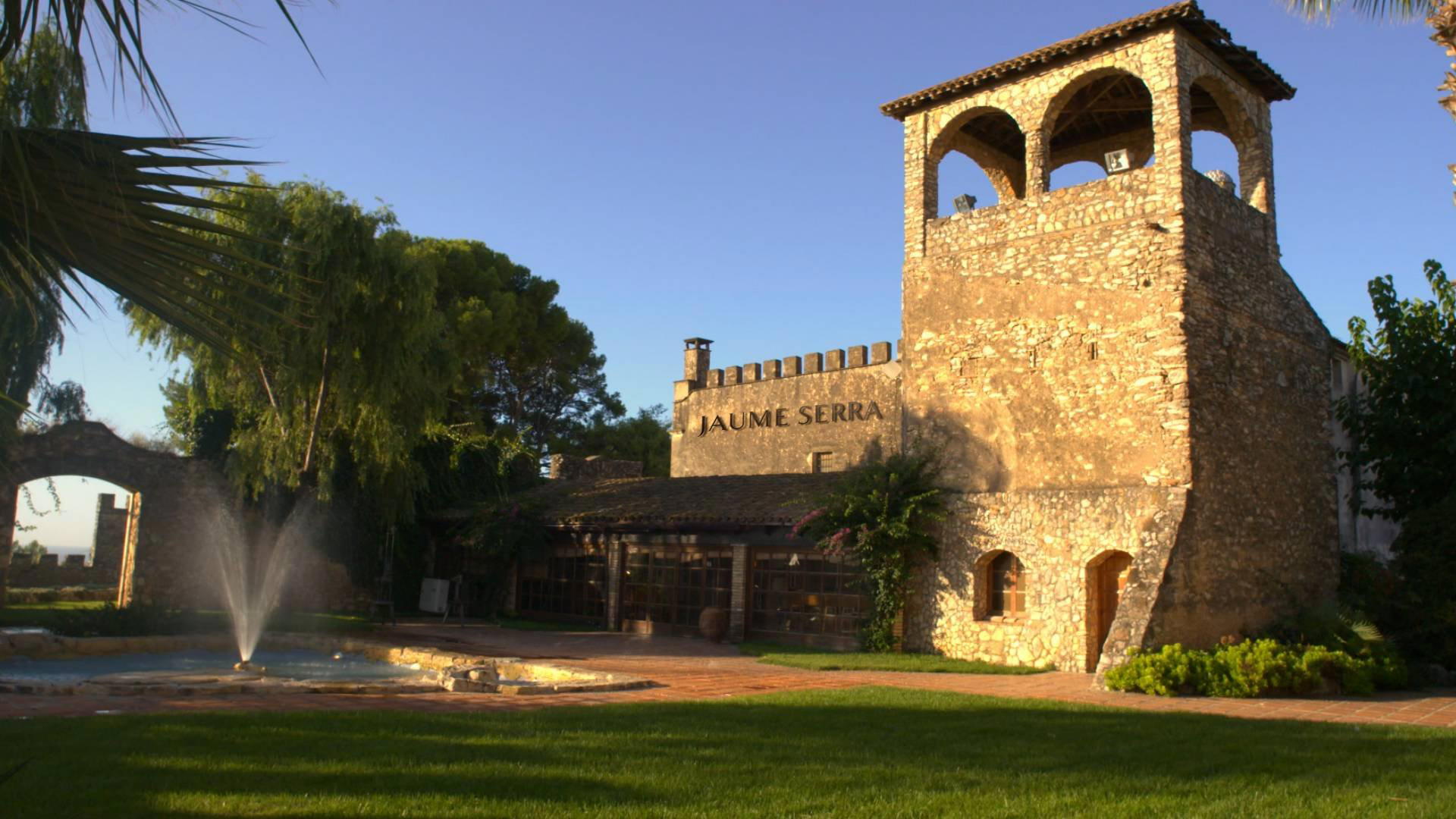
Altafulla is the kind of Catalan coastal town that resists casual discovery. Tucked behind its medieval walls a short drive southwest of Tarragona, its upper village moves at a pace that has little to do with the beach resort activity below. In that context, Gaudium occupies an instructive position: a restaurant serious enough to hold a Michelin Plate (2025), housed within the Gran Claustre Boutique Hotel but operating with its own street entrance on Carrer del Cup, 7, and its own identity. The setting reads as a careful calibration between heritage architecture and contemporary dining design — stone walls, a glass-fronted wine cellar visible from the room, and an open kitchen that makes the cooking part of the atmosphere rather than something hidden behind a service door.
That last detail matters more than it might seem. In a regional town like Altafulla, an open kitchen is an editorial statement. It signals that the kitchen has confidence in its process, and it gives diners a spatial relationship with the cooking that most village restaurants in this part of Tarragona do not offer. The wine cellar, similarly, is not decorative. It anchors the room's identity as a place where the drinks program carries real weight alongside the food.
Traditional Cooking in Its Catalan Context
Catalan cuisine occupies a specific position within Spain's broader gastronomic conversation. While the international attention has historically gravitated toward the avant-garde end — the molecular work that defined elBulli's era, and the Basque and Valencian creative houses like El Celler de Can Roca in Girona, Arzak in San Sebastián, or Quique Dacosta in Dénia, there is a quieter, more durable strand of serious cooking that works from tradition outward rather than from concept inward. Gaudium fits that second mode. Chef Jaume Drudis works with seasonal produce, grounds the menu in traditional technique, and brings a visible French influence to the presentation and detail. That French thread is coherent in this region: the proximity to the French border has historically shaped Catalan cooking in ways that distinguish it from the cuisines of Castile or Andalusia, and restaurants like Auberge Grand'Maison in Mûr-de-Bretagne represent a northern version of the same French-rooted tradition applied to regional produce.
The emphasis on detail and presentation at this price point, Gaudium sits in the €€ range, is worth noting. In Spain's mid-market dining tier, the gap between technically disciplined kitchens and those coasting on good ingredients alone is wide. A Michelin Plate signals that the former applies here: the inspectors found cooking worth documenting, without awarding a full star. For a restaurant in a village of Altafulla's scale, that credential carries proportionally more weight than it would in Barcelona or Madrid.
For comparison within the Catalan creative tier, restaurants such as Cocina Hermanos Torres in Barcelona and nationally recognised names like Azurmendi in Larrabetzu, Aponiente in El Puerto de Santa María, Mugaritz in Errenteria, Martin Berasategui in Lasarte-Oria, DiverXO in Madrid, and Ricard Camarena in València operate at the three-star and high-concept end. Gaudium makes no claim on that territory. A comparable approach applied to northern Spanish seafood traditions can be found at Auga in Gijón.
Four Menus, One Kitchen
The menu architecture at Gaudium is structured to serve different visit types without compromising the kitchen's coherence. The Ambigú format, three courses, available at weekday lunches, gives the restaurant accessibility that higher-format-only venues cannot offer. It also makes Gaudium a practical option for travellers passing through the Costa Daurada on a weekday who want a proper sit-down lunch without committing to a full afternoon. The Seasonal Experience and Sea Experience both run to five courses, with the latter oriented around coastal and marine produce from the surrounding Tarragona coastline. The Sensory Experience at eight courses is the full expression of the kitchen's range and sits at the serious end of what a €€-rated restaurant typically offers.
That range across formats is relatively uncommon at this price tier. Most mid-range restaurants in Catalonia's smaller towns operate on a single menu or a direct à la carte. The structured progression from three to eight courses suggests a kitchen organised around a clear culinary position rather than an opportunistic response to whatever the seasonal market provides.
Altafulla as a Dining Context
The broader Altafulla dining scene is small. The town's restaurant count reflects its size, and serious kitchens operating at Gaudium's level are scarce in the immediate area. Bruixes de Burriac represents the other notable dining reference point in the town. For visitors building a longer stay around the area's food and drink offer, the full Altafulla restaurants guide, hotels guide, bars guide, wineries guide, and experiences guide provide a mapped overview of what the town and surrounding area offers across categories.
Gaudium's position within the Gran Claustre Hotel makes it a natural anchor for an overnight stay, though its independent entrance means it functions equally well as a dining destination for those based elsewhere along the Costa Daurada.
Planning Your Visit
Gaudium is located at Carrer del Cup, 7, in Altafulla's upper medieval quarter, with its own entrance separate from the hotel's main access points. The €€ price positioning makes the five- and eight-course menus accessible without the reservation lead times or budget commitment that define Spain's starred destination restaurants. The weekday Ambigú lunch is the lowest-commitment entry point and a practical option for regional travellers. Given the small size of Altafulla's dining scene and the Michelin Plate recognition, booking ahead is advisable, particularly on weekends and during the summer coastal season when the Costa Daurada's visitor numbers peak. Phone and online booking details are best confirmed directly through the Gran Claustre Hotel's communication channels, as venue-specific contact information is not listed centrally.
Frequently asked questions
Can I bring kids to Gaudium?
At the €€ price tier, Gaudium is accessible enough that families are not out of place, but the format rewards attention. The three-course Ambigú menu, available on weekday lunches, is the most relaxed entry point and likely the most practical option with younger diners. The eight-course Sensory Experience is a different proposition, better suited to adults who engage with a structured progression of dishes.
What is the atmosphere like at Gaudium?
The room sits inside the Gran Claustre Boutique Hotel's medieval stone building but operates with its own entrance and identity. Contemporary design elements — an open-view kitchen and a glass-fronted wine cellar — give the space a considered, modern feel against the older architecture. It reads as a serious dining room rather than a hotel restaurant afterthought, which is consistent with its 2025 Michelin Plate recognition.
What awards or recognition does Gaudium have?
Gaudium has received recognition including: If you’re visiting this attractive medieval town, book a table here! This restaurant, part of the Gran Claustre Boutique Hotel, but with its own identity and entrance, is a good place to stop thanks to its attractive combination of design a….
What do regulars order at Gaudium?
The Sea Experience, a five-course menu with a clear orientation toward the Tarragona coastline, is the format most aligned with the kitchen's stated emphasis on seasonal, locally grounded produce. Chef Jaume Drudis's French-influenced technique means that even familiar Catalan ingredients tend to arrive with a precision of presentation that distinguishes the tasting menus from straightforward regional cooking. The Seasonal Experience five-course format is the more versatile choice if the sea-focused menu feels too specific.
Cost Snapshot
| Venue | Cuisine | Awards |
|---|---|---|
| GaudiumThis venue — the venue you are viewing | Modern Catalan Fine Dining | Michelin Plate |
| Aponiente | Progressive - Seafood, Creative | Michelin 3 Star |
| Arzak | Modern Basque, Creative | Michelin 3 Star |
| DiverXO | Progressive - Asian, Creative | Michelin 3 Star |
| El Celler de Can Roca | Progressive Spanish, Creative | Michelin 3 Star |
| Quique Dacosta | Creative | Michelin 3 Star |
Recognition history
Dated appearances from independent guides and award organizations, with the underlying list record or original source where available.
Michelin Plate
Michelin
Full recognition history (3 entries)
Michelin Plate
Michelin
Michelin Plate
Michelin
Continue exploring
More in Altafulla
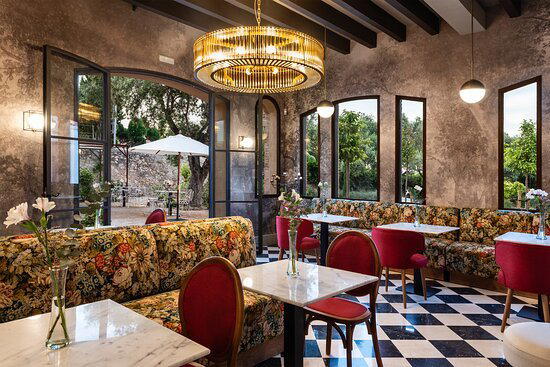
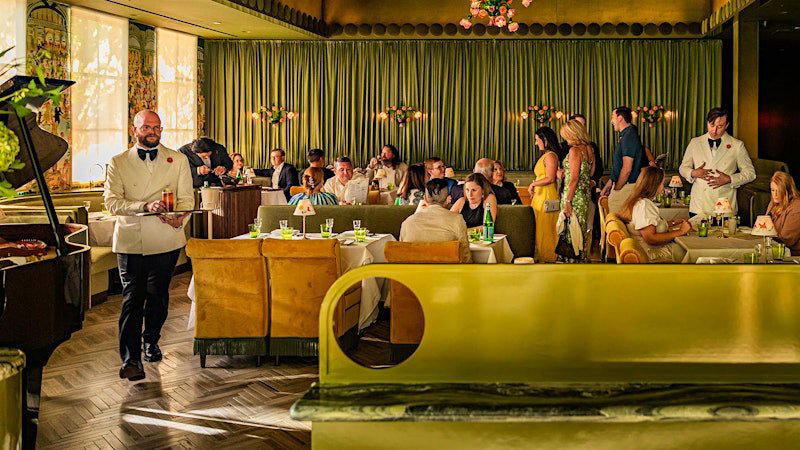
Restaurants in Altafulla
All restaurants in Altafulla →
Bars in Altafulla
Browse all →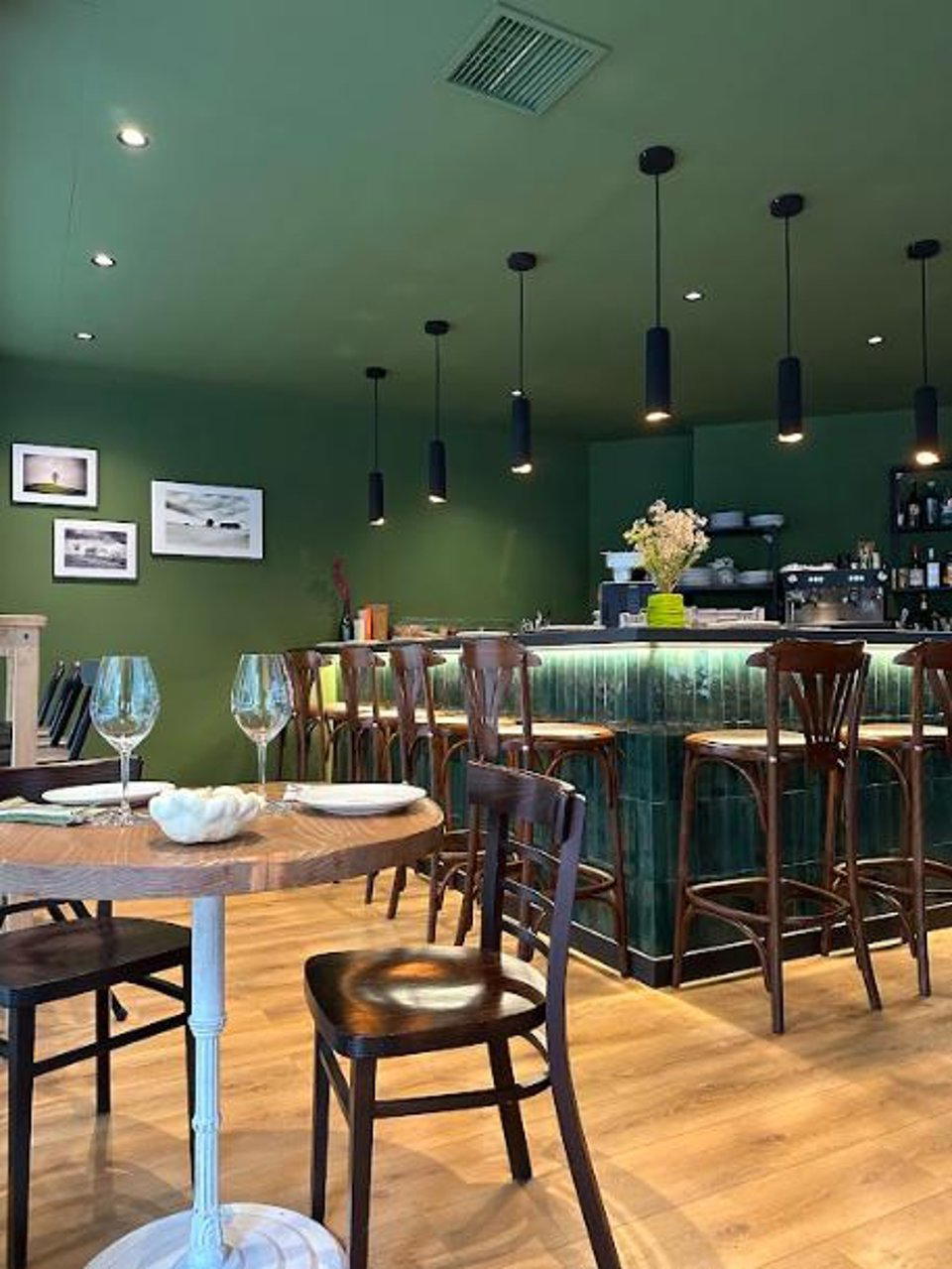
Hotels in Altafulla
Browse all →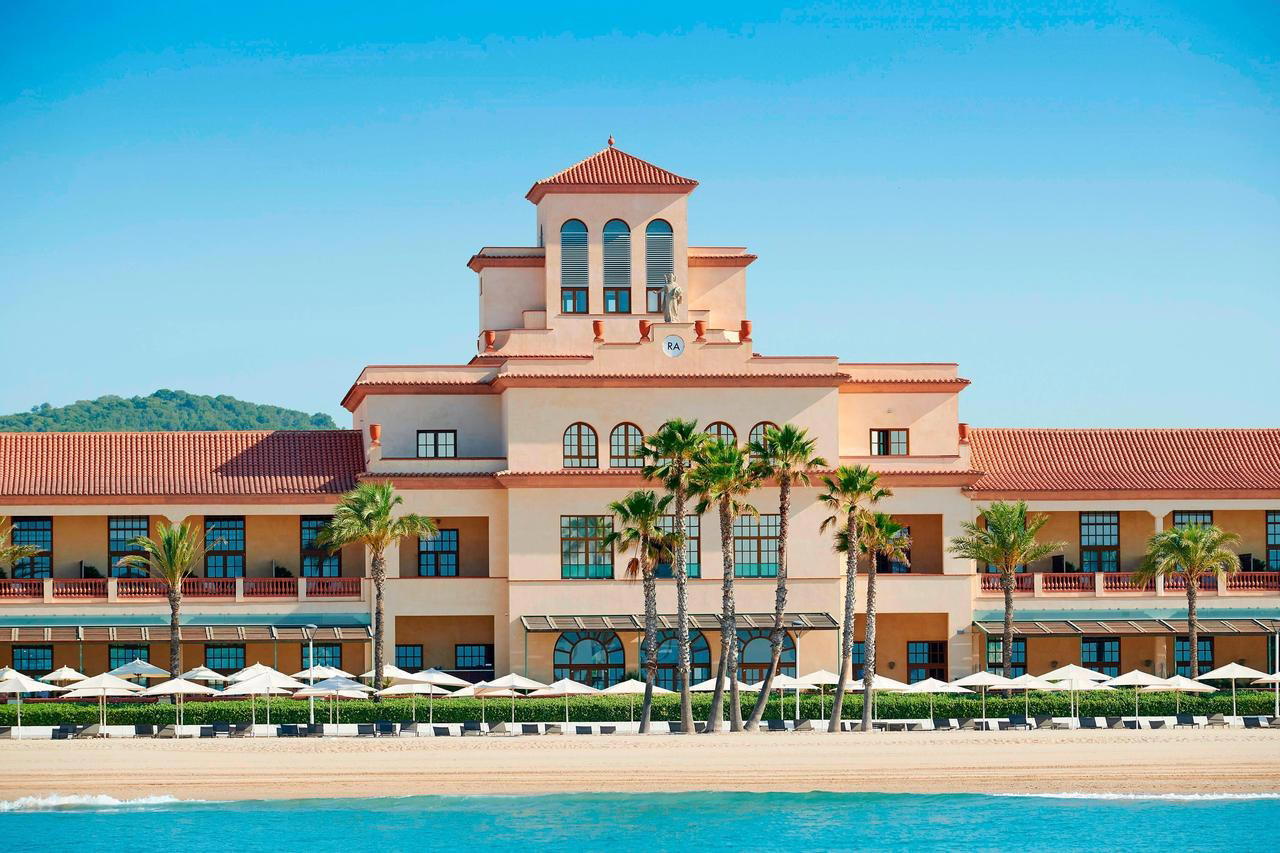

Details
- Elegant
- Intimate
- Sophisticated
- Special Occasion
- Open Kitchen
- Wine Cellar
- Extensive Wine List
- Local Sourcing
- Tasting Menu
- Vegan Options
Current opening hours
- Monday
- 1–4 PM, 7:30–10:30 PM
- Tuesday
- 1:30–4 PM, 7:30–10:30 PM
- Wednesday
- 1–4 PM, 7:30–10:30 PM
- Thursday
- 1–4 PM, 7:30–10:30 PM
- Friday
- 1–4 PM, 7:30–10:30 PM
- Saturday
- 1–4 PM, 7:30–10:30 PM
- Sunday
- 1–4 PM, 7:30–10:30 PM
Hours can change for holidays and private events. Last verified .
Clean lines, serene palette, soft light, understated elegance with quiet confidence.