
Tabelog 100 #87
Our verdict
Fukuoka’s creative dining tier is smaller and more personal than Tokyo’s tasting-menu circuit, and gasutoronomi ya kogakeisuke sits in that intimate register: creative-Italian cooking, fish focus, wine attention, and Tabelog 100 Innovative / Creative cuisine recognition for 2025. The draw is not spectacle, but the controlled feel of a 15-seat room where counter, tables, and private-room formats change the tempo of the evening.

Pearl is the En Primeur Club membership app, where members save venues, book tables and use the concierge.
The menu
What to order
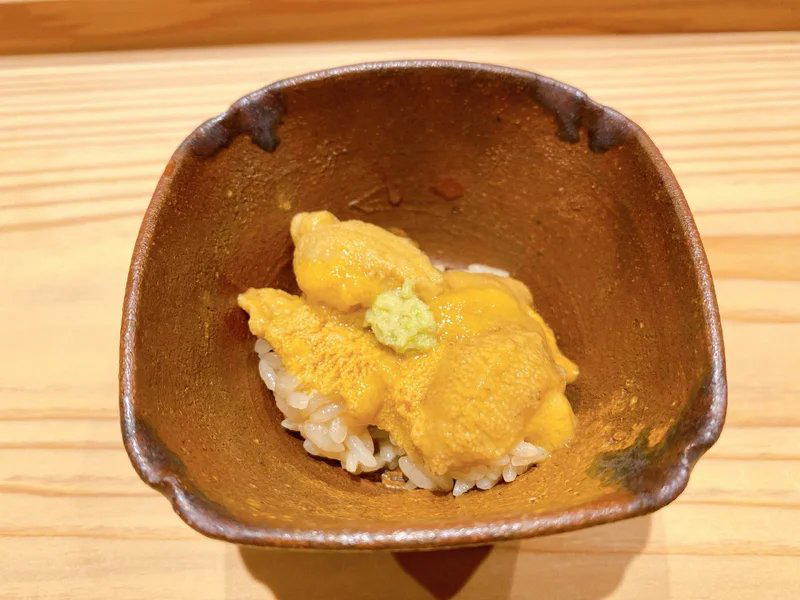
- 10‑course omakase gastronomy menu
- Obanzai late‑night small plates
- Local fresh fish course
- Wagyu beef course
Fukuoka does not announce all of its serious restaurants with big-city polish. The approach is quieter: carefully paced evenings, focused counters and dining rooms, and a culture that asks visitors to pay attention before the first glass arrives. In that setting, gasutoronomi ya kogakeisuke belongs to Fukuoka’s creative-dining current, where the listed Creative and Italian categories sit closer to the city’s lived rhythm than to a formal hotel-dining image. Recognition from Tabelog’s 2025 Innovative / Creative cuisine 100 selection gives the restaurant a clear trust signal in a category where Michelin coverage and English-language media often overlook regional depth.
Fukuoka’s restaurant identity is often reduced to ramen, yakitori, and late-night street food, but that shorthand misses the premium end. Strong dining culture and lower-key hospitality give its ambitious restaurants a different charge from larger metropolitan scenes. Creative and Italian cooking here works when it does not over-explain itself; the category rewards restraint, control, and a meal composed enough for timing to matter.
A compact creative-Italian room shaped by Fukuoka tempo
The listed categories, Creative and Italian, place the restaurant in a hybrid lane increasingly important in regional Japan. This is not Italian dining as trattoria nostalgia, nor innovation as laboratory performance. The useful frame is a contemporary format that can move between Japanese ingredient logic and European structure without forcing either into a slogan.
Recognition from Tabelog’s 2025 Hyakumeiten selection gives the restaurant a clear trust signal in a category where English-language media often overlook regional depth. It places the room inside a national conversation about creative cooking, not just a local Fukuoka list. Its Tabelog score of 3.62 reads the same way: not mass-market popularity, but enough specialist attention to separate it from casual neighbourhood dining.
Scale is part of the argument, but the public facts are better read through price and positioning than through unsupported room statistics. With dinner listed at JPY 15,000 - JPY 19,999, gasutoronomi ya kogakeisuke asks to be treated as a planned premium meal rather than an improvised stop. That bracket changes how the evening lands: the diner arrives expecting focus, pacing, and a point of view.
That flexibility also says something about Fukuoka. Premium dining here is less obsessed with a single orthodox posture. A restaurant can be serious about its category while still feeling connected to the city around it. The result feels less performative than larger-city reservation culture, though no less exacting when the cooking is focused.
Where it sits against Fukuoka's broader dining map
Fukuoka’s dining range is unusually compressed. A visitor can move from everyday counters to sushi, grill-led meals, and contemporary tasting formats within the same city. In the comparison set, Hakata Gomasaba Ya, Sushi Gosuian, Tori Kami Garden City, Wagyu Steak TEPPANYAKI 10 FUKUOKA, ZAEKA, and gasutoronomi ya kogakeisuke help sketch that range without reducing Fukuoka to one style of meal. gasutoronomi ya kogakeisuke sits in the premium creative lane: more composed than a casual stop, less singularly traditional than a tightly defined genre, and framed by its Creative and Italian listing.
That middle position suits travelers who already understand Fukuoka’s staples and want the city’s contemporary register. The Creative and Italian categories connect it to a modern restaurant language without making it feel detached from place. It is smart for diners who want Fukuoka to feel regional rather than provincial: local in mood, but not trapped by local clichés.
Fukuoka’s dining rhythm also matters. Serious eating does not always mean early, hushed formality. The city supports an adult pace: dinner as the center of the night, not merely a prelude. For broader planning, Our full Fukuoka restaurants guide gives context, with parallel planning in Our full Fukuoka hotels guide, Our full Fukuoka bars guide, Our full Fukuoka wineries guide, and Our full Fukuoka experiences guide.
How to read the room before choosing it
The decision is less about chasing one famous dish than choosing a style of evening. Diners who want a fixed hierarchy of luxury may prefer other premium formats in Fukuoka. Diners who want Fukuoka’s creative cooking at close range will find the appeal in the category, the dinner price bracket, and the way Italian structure can soften the boundary between regional context and contemporary tasting-menu language.
Practical expectations should stay grounded in the published signals. The restaurant is listed in Creative and Italian categories, carries a Tabelog score of 3.62, and sits in a dinner budget of JPY 15,000 - JPY 19,999. Those facts make it a considered booking for diners seeking a premium Fukuoka meal rather than a casual, open-ended stop.
For visitors building a Fukuoka itinerary, the restaurant pairs better with a food-led stay than a checklist trip. It rewards those who plan to eat widely across the city, from everyday local rooms to sushi, grill-led dining, and other contemporary formats. Against that range, Creative and Italian cooking in Fukuoka becomes part of the city’s food grammar rather than an imported category.
The wider Japan map sharpens the point. A premium traveler comparing regional formats might look across unnamed beef-focused, grill-led, cafe, contemporary, curry, sake-bar, or snack-driven dining elsewhere, then notice how Fukuoka’s version is quieter and more compact in feel. gasutoronomi ya kogakeisuke is valuable precisely because it does not need to overstate itself: the recognition, category, score, and dinner bracket already explain why it belongs on a serious Fukuoka dining shortlist.
Frequently asked questions
What part of town is gasutoronomi ya kogakeisuke in?
Fukuoka.
What's the price range at gasutoronomi ya kogakeisuke?
Pricing at gasutoronomi ya kogakeisuke is listed as JPY 15,000 - JPY 19,999.
Do I need a reservation for gasutoronomi ya kogakeisuke?
The published dinner budget and Tabelog 2025 Hyakumeiten recognition signal a restaurant that should be treated as planned dining rather than a casual walk-in option. Check the venue's official channels for the latest reservation details.
What makes gasutoronomi ya kogakeisuke worth seeking out?
Its case rests on a specific combination: Tabelog 2025 Hyakumeiten recognition, a Tabelog score of 3.62, a Creative and Italian brief, and a dinner price range of JPY 15,000 - JPY 19,999. The appeal is less about a single advertised dish than about a focused premium Fukuoka dining choice.
Is gasutoronomi ya kogakeisuke allergy-friendly?
Those details are not provided in the supplied venue facts. For allergy handling, special requests, payment methods, and other practical planning, check the venue's official channels for the latest details in Fukuoka.
A Quick Peer Check
Comparable venues to anchor price and recognition.
| Venue | Cuisine | Price | Awards | Notes |
|---|---|---|---|---|
| gasutoronomi ya kogakeisukeThis venue (the venue you are viewing) | Creative Italian Fusion Tasting Menu | $100–150 | Tabelog 100 #87 | Not listed |
| Taigen Honkan | Yakiniku & Teppanyaki with House-Raised Wagyu | $50–100 | Tabelog 100 #51 | Chūō |
| Yakitori Morimoto | Yakitori | Not listed | Tabelog 100 #75 | Chūō |
| Oryori Yamanokuchi | Japanese Izakaya | $50–100 | Tabelog 100 #86 | Chūō |
| Nishimura | Edomae Sushi Omakase | $30–50 | Tabelog 100 #64 | Hakata |
| Tokishirazu | Creative Japanese Izakaya-style Dining | $30–50 | Tabelog 100 #30 | Chūō |
Recognition history
Dated appearances from independent guides and award organizations, with the underlying list record or original source where available.
Tabelog 100 #87 · No. 87
Tabelog · Tabelog 100 - Innovative / Creative cuisine - 2025
Continue exploring
More in Fukuoka
Restaurants in Fukuoka
All restaurants in Fukuoka →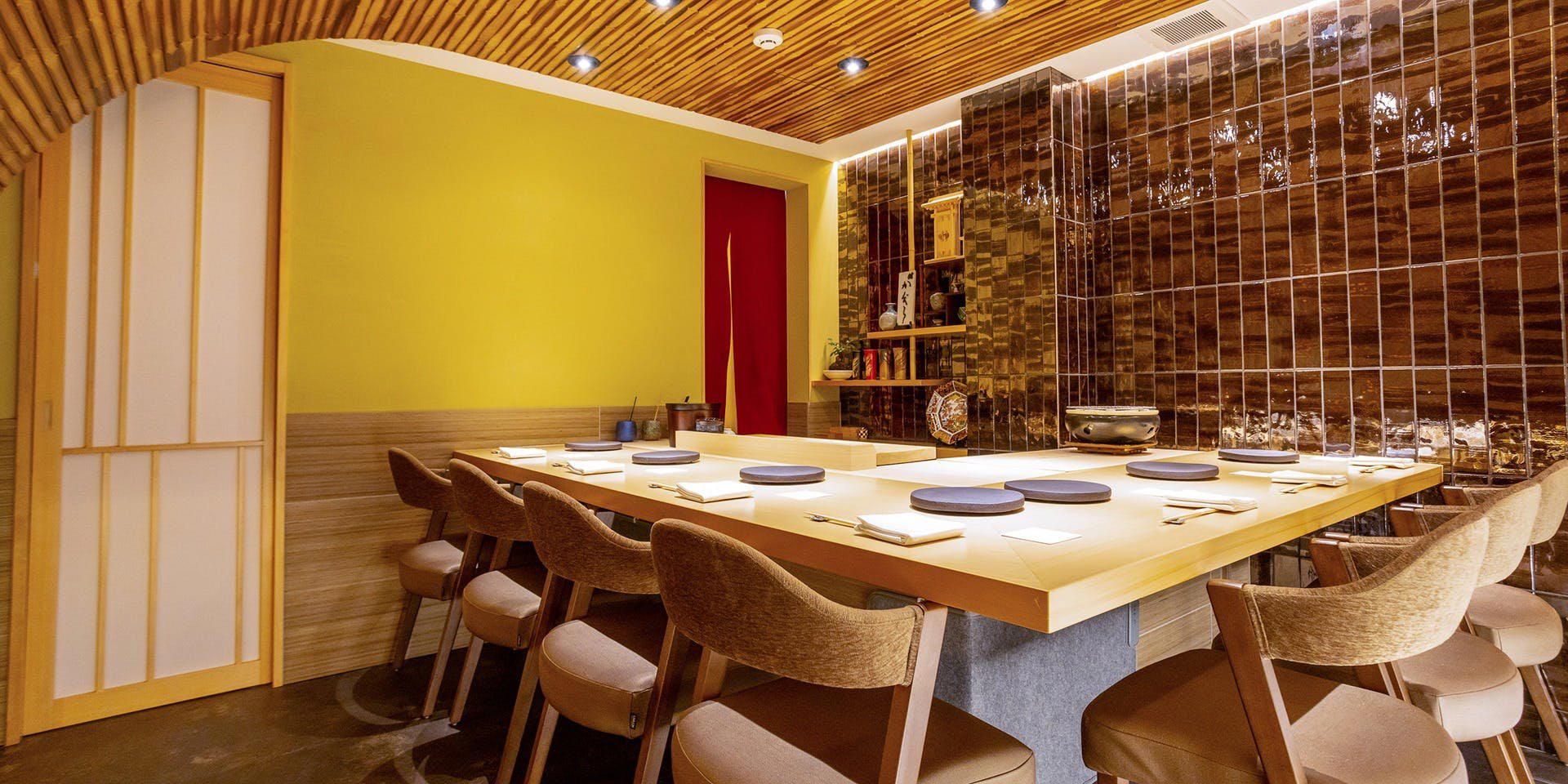
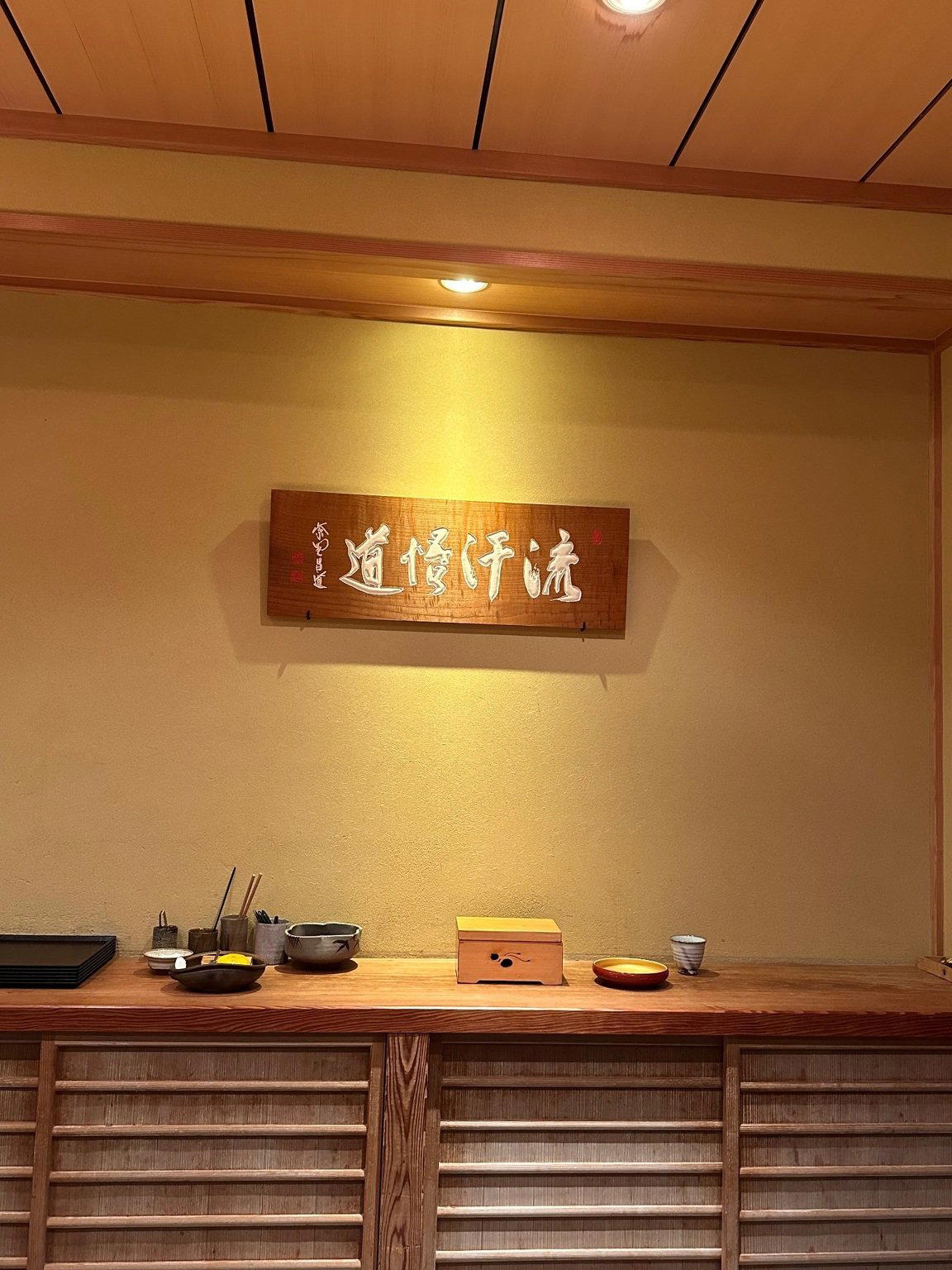
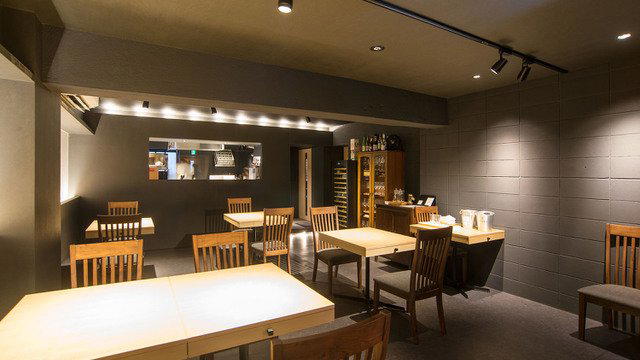
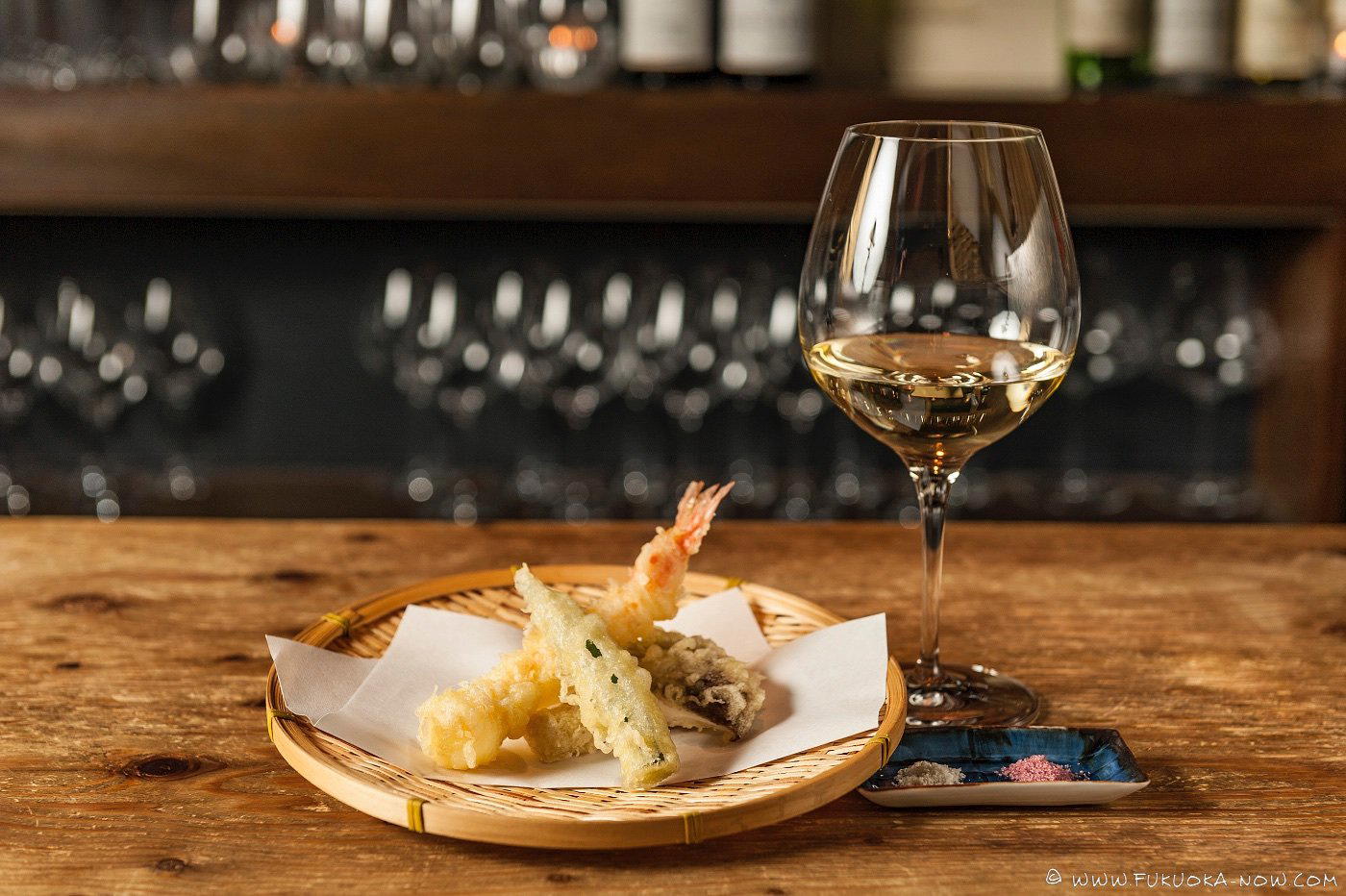
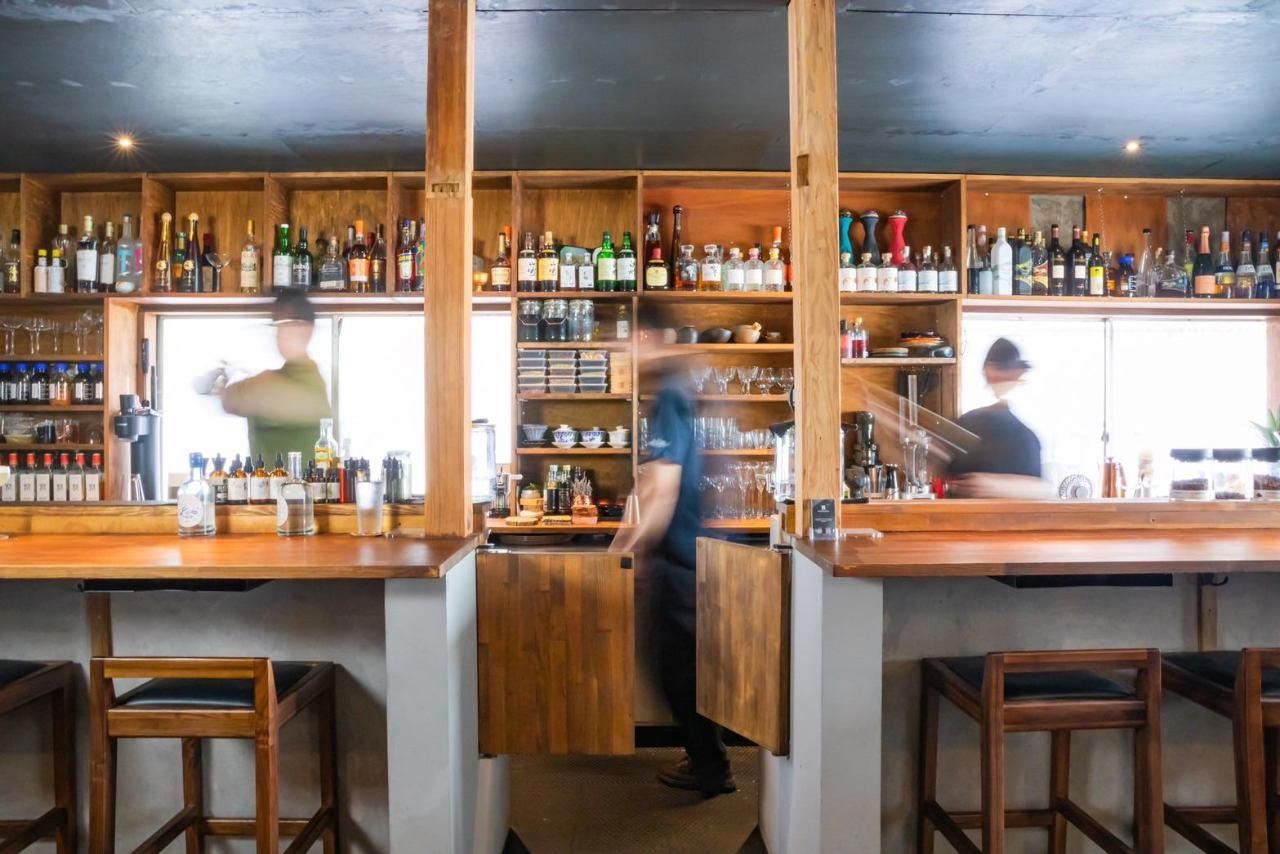
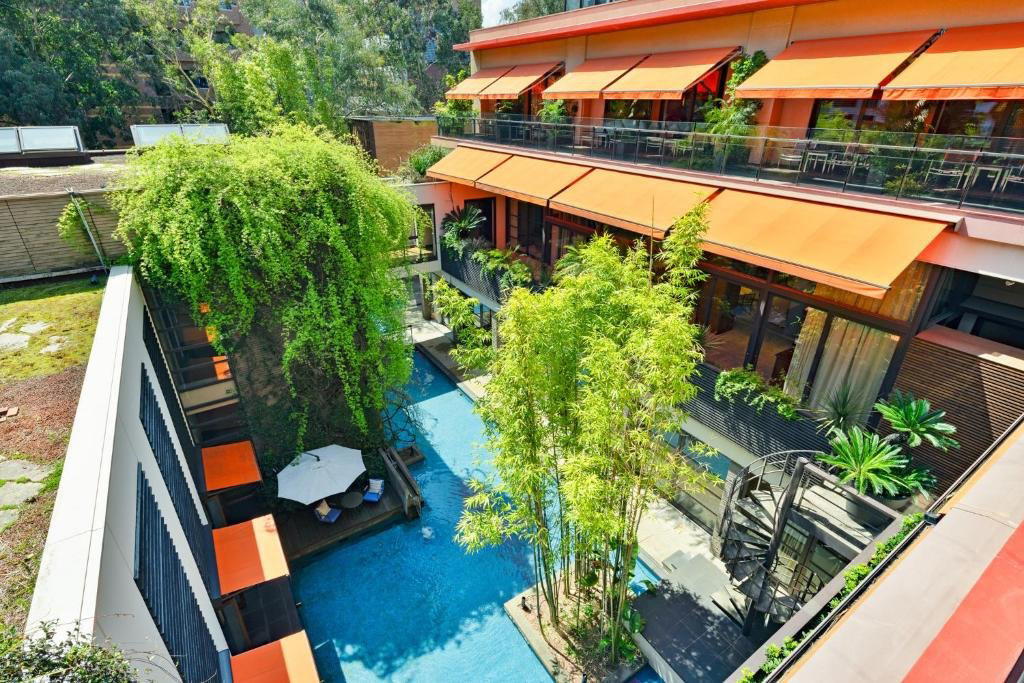
gasutoronomi ya kogakeisuke
The wine
- Extensive wine list
- Sommelier-led
Details
- Lively
- Cozy
- Intimate
- Trendy
- Date Night
- Special Occasion
- Late Night
- Solo
- Group Dining
- After Work
- Chefs Counter
- Private Dining
- Standalone
- Extensive Wine List
- Sommelier Led
- Local Sourcing
- Tasting Menu
- Set Menu
- Counter Dining
- Wine
- Beer
Current opening hours
- Monday
- 6:30 PM–1 AM
- Tuesday
- Closed
- Wednesday
- 6:30 PM–1 AM
- Thursday
- 6:30 PM–1 AM
- Friday
- 6:30 PM–1 AM
- Saturday
- 6:30 PM–1 AM
- Sunday
- 6:30 PM–1 AM
Hours can change for holidays and private events. Hours as of .
Small, relaxed counter‑focused space with a lively, friendly atmosphere; guests interact closely with the chef over an inventive tasting menu, with lighting and mood geared more to cozy late‑night dining than formal fine dining.