
Michelin Plate
Our verdict
A Michelin Plate-recognized Gasthof on Salzburg's southern edge, Gasthof Schloss Aigen sits within the grounds of Schloss Aigen park and serves traditional Austrian cooking at the €€€ price point.

Pearl is the En Primeur Club membership app, where members save venues, book tables and use the concierge.
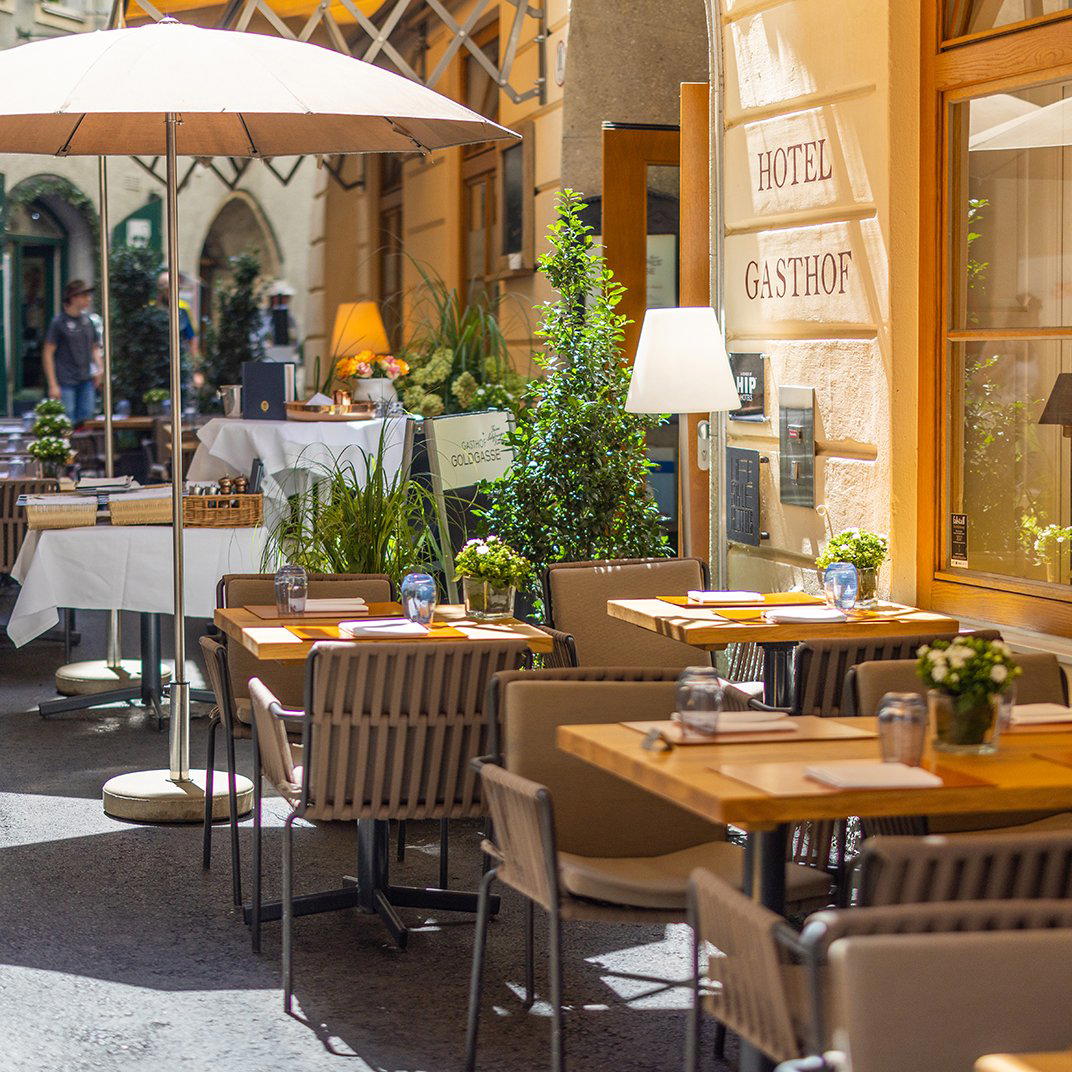
Where the Gasthof Tradition Meets a Salzburg Setting
The Gasthof, as a format, is one of the most durable institutions in Austrian hospitality. It sits between the casual Wirtshaus and the full ceremony of a Gourmetrestaurant, offering serious cooking in a room that still looks and feels like somewhere locals actually eat. Salzburg has several strong examples across its price tiers, but the southern residential edge of the city, around the Schloss Aigen district, operates at a different rhythm from the tourist-dense Altstadt. Gasthof Schloss Aigen, on Schwarzenberg-Promenade 37, occupies this quieter register, drawing on the parkland setting of Schloss Aigen and serving traditional Austrian cooking to a clientele that skews local and repeat rather than transient.
That positioning matters when you are thinking about how to plan a Salzburg table. The city's dining options have stratified considerably in recent years. At the leading, venues like Senns hold two Michelin stars, while Ikarus at Hangar-7 carries two stars and a creative Modern European format that attracts international visitors as much as residents. At the middle tier, the €€€ bracket where Gasthof Schloss Aigen operates, Michelin recognition tends to come in the form of a Plate rather than stars, signalling cooking that meets the inspector's threshold for quality without entering the tasting-menu circuit. Schloss Aigen has held that Michelin Plate designation in both 2024 and 2025, making it a consistent reference point for Austrian cooking at this level rather than a one-year anomaly.
Reading the Michelin Plate in Context
The Michelin Plate is sometimes misread as a consolation prize, but in a city like Salzburg it functions more usefully as a filter. It separates restaurants that meet a baseline of culinary seriousness from the broader field of tourist-oriented venues that fill the Altstadt. In Salzburg's current Michelin cohort, starred restaurants include Senns, Ikarus, and Esszimmer, while the Plate tier covers a wider group of kitchens worth the detour for food-led travellers who are not exclusively chasing starred experiences. Gasthof Schloss Aigen sits in that Plate group with consecutive recognition, which is a stronger signal than a single-year listing.
For context on how the €€€ tier behaves elsewhere in Austria, comparable traditional-format houses include Huber's im Fischerwirt and Meissl & Schadn in Salzburg, while the broader Austrian regional scene includes operations like Döllerer in Golling an der Salzach and Kräuterreich by Vitus Winkler in Sankt Veit im Pongau, both of which work within the same tradition of grounded Austrian cooking with serious kitchen credentials. Further afield, Steirereck im Stadtpark in Vienna and Landhaus Bacher in Mautern an der Donau represent the upper ceiling of what Austrian classical cooking can achieve, which gives you a useful sense of where the Plate tier sits within that national hierarchy.
Planning Your Visit: What to Know Before You Go
The editorial angle most relevant to Gasthof Schloss Aigen is the booking question. Traditional Gasthof-format restaurants in Austria often operate with fewer online touchpoints than urban fine-dining venues: no digital booking widget, no real-time availability platform, and a reliance on telephone or email contact that can feel opaque to international visitors.
Those peak windows are significant here. Salzburg compresses enormous visitor volume into specific months: the Salzburg Festival runs through July and August, drawing an international audience for opera, theatre, and concerts that places pressure on every food-led reservation in the city. The Christmas and Advent market season, running from late November through December, creates a second surge. Gasthof Schloss Aigen's search interest peaks in April, May, November, and December according to available trend data, which aligns with shoulder seasons around these major events rather than the festival peak itself. This suggests a local and regional visitor pattern: people arriving before or after the main crowds, looking for the kind of serious Austrian table that the Altstadt's tourist-facing venues do not consistently provide.
The Schloss Aigen location also requires a decision about transport. The address on Schwarzenberg-Promenade places the restaurant outside easy walking distance from the city centre, which means either a taxi, rideshare, or a deliberate plan to use Salzburg's public bus network. For visitors arriving from elsewhere in Austria or from Alpine resort areas, the broader regional context includes comparable destinations like Gourmetrestaurant Tannenhof in Sankt Anton am Arlberg and Griggeler Stuba in Lech, both of which operate within the same Alpine Austrian culinary tradition at a comparable or higher price point.
Austrian Cooking at the €€€ Register
Traditional Austrian cuisine at the €€€ level occupies a specific culinary space. It is not the simplified Schnitzel-and-dumpling offering of casual tourism restaurants, nor is it the intervention-heavy modernist cooking of the starred tier. The Gasthof register tends toward dishes rooted in Central European culinary history: game preparations drawing on the surrounding Alpine forests, lake fish from the Salzkammergut region, seasonal produce handled with the kind of precision that Michelin inspectors look for without the theatrical plating of a full tasting menu. This is cooking where the craft is in the sourcing, the stock-making, and the execution of classical technique rather than in conceptual novelty. Comparable Austrian venues working this tradition in different regional contexts include 1er Beisl im Lexenhof in Nußdorf am Attersee, which sits within the same lake-and-mountain sourcing geography. For those curious about how Austrian cooking translates into a diaspora context, Cafe Sabarsky in New York City offers a useful reference point for how the tradition carries internationally.
Salzburg's broader dining and hospitality offer extends well beyond restaurants. Those planning a full visit can consult our full Salzburg restaurants guide, alongside our Salzburg hotels guide, bars guide, wineries guide, and experiences guide for a complete picture of what the city offers across categories. For a grounding in Salzburg's established hotel-dining tradition, Goldener Hirsch remains the most instructive comparison point for understanding how the city's heritage dining has evolved.
Frequently asked questions
Can I walk in to Gasthof Schloss Aigen?
Walk-in availability is not confirmed, and traditional Gasthof-format restaurants in Austria at the €€€ level commonly operate with advance reservations, particularly during Salzburg's peak periods in spring and late autumn. Given the Michelin Plate recognition for 2024 and 2025, demand is likely to exceed casual walk-in capacity. Contacting the venue at Schwarzenberg-Promenade 37 directly before visiting is advisable.
What It’s Closest To
| Venue | Cuisine | Price | Awards | Notes |
|---|---|---|---|---|
| Gasthof Schloss AigenThis venue (the venue you are viewing) | Traditional Austrian Boiled Beef | Not listed | Michelin Plate | Not listed |
| Ikarus | Guest Chef Fine Dining | $200–300 | 2 Michelin Stars · La Liste Top Restaurants | Modern European, Creative |
| Esszimmer | Modern French Fine Dining | $100–150 | 1 Michelin Star · Falstaff Restaurant - 95 Falstaff Points | Modern Austrian, Creative |
| Senns | Modern Cosmopolitan Fine Dining | Not listed | 2 Michelin Stars · La Liste Top Restaurants | Austrian |
| Pfefferschiff | Modern Austrian Fine Dining | $100–150 | 1 Michelin Star · Falstaff Restaurant - 95 Falstaff Points | Creative |
| Animo by Aigner | Mediterranean Seasonal Trattoria | $50–100 | Michelin Plate | Mediterranean Cuisine |
Recognition history
Dated appearances from independent guides and award organizations, with the underlying list record or original source where available.
Michelin Plate
Michelin
Full recognition history (3 entries)
Michelin Plate
Michelin
Michelin Plate
Michelin
Continue exploring
More in Salzburg
Restaurants in Salzburg
All restaurants in Salzburg →
Bars in Salzburg
All bars in Salzburg →
Details
- Rustic
- Cozy
- Classic
- Elegant
- Special Occasion
- Family
- Date Night
- Garden
- Historic Building
- Extensive Wine List
- Garden
- A La Carte
- Vegetarian Friendly
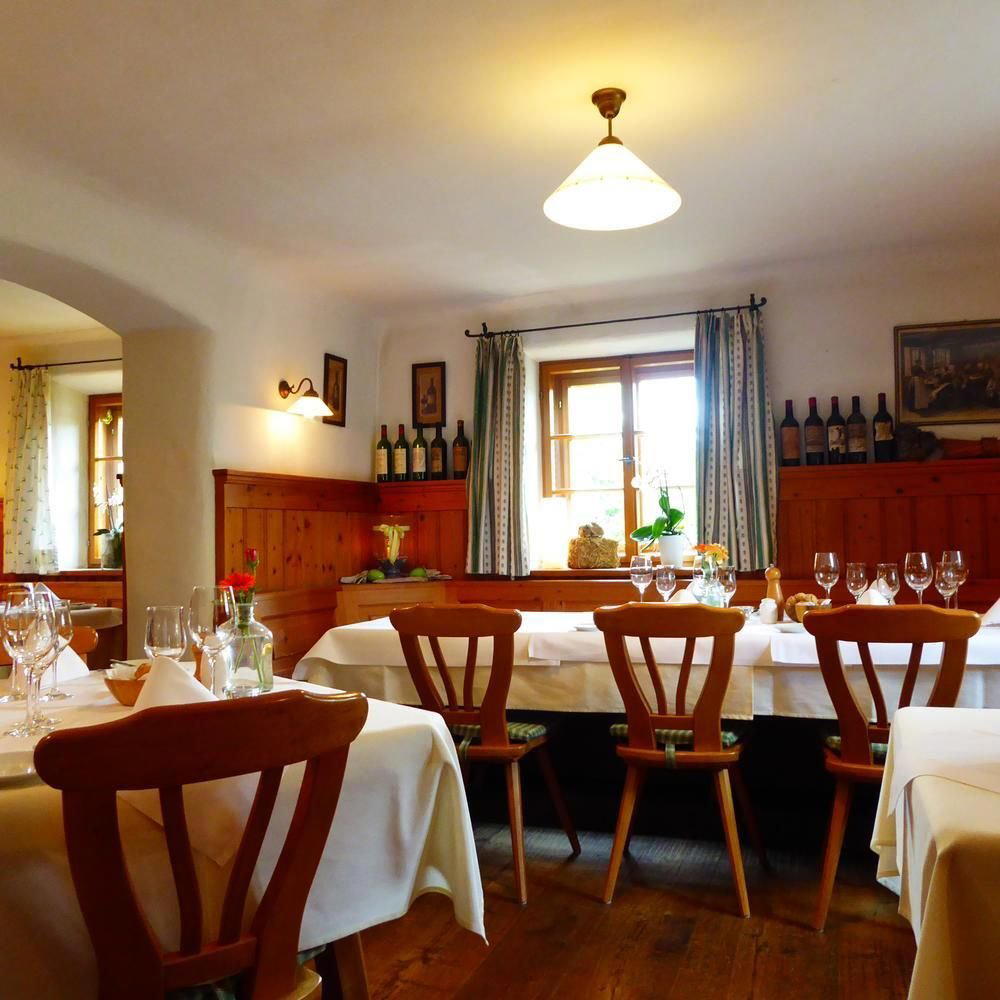
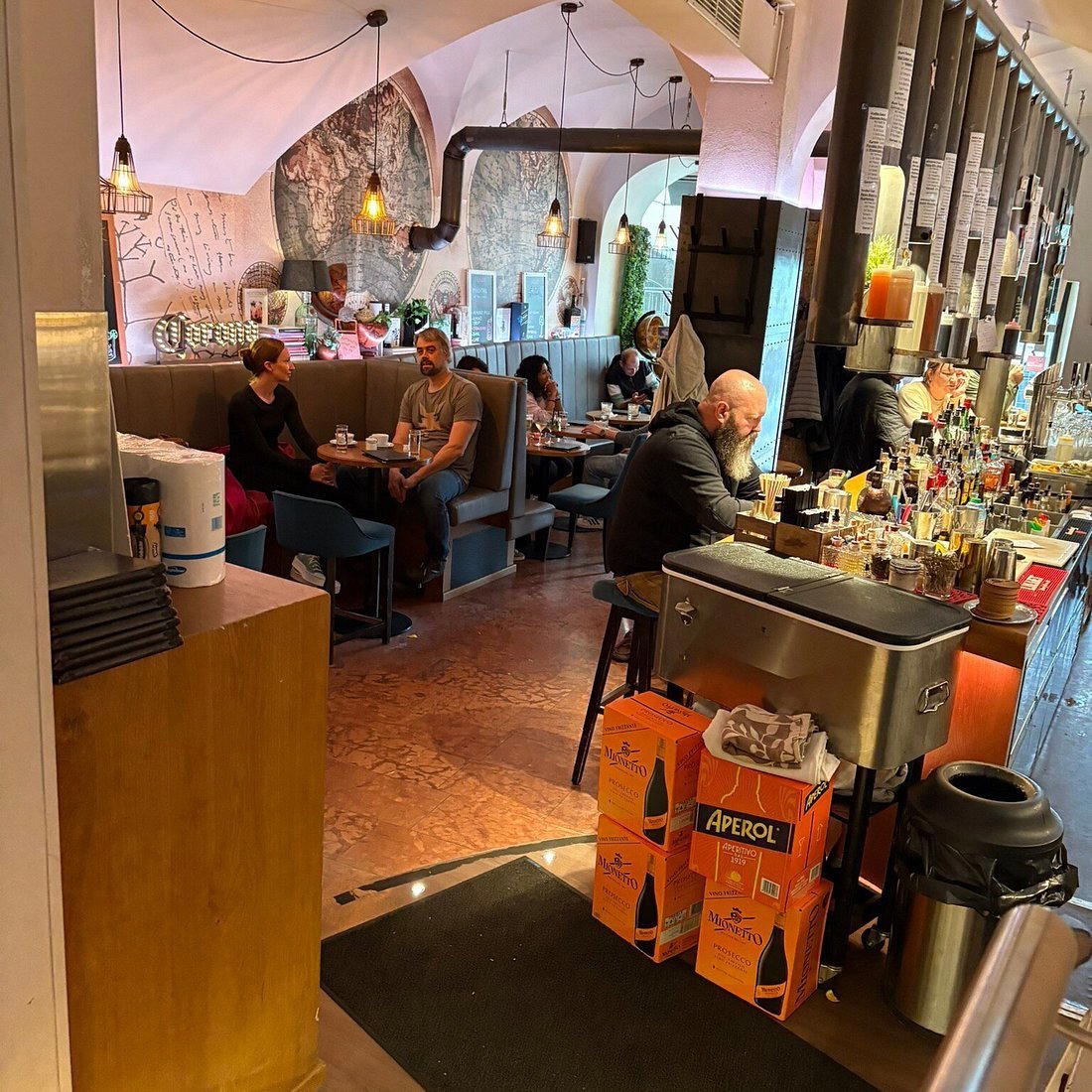
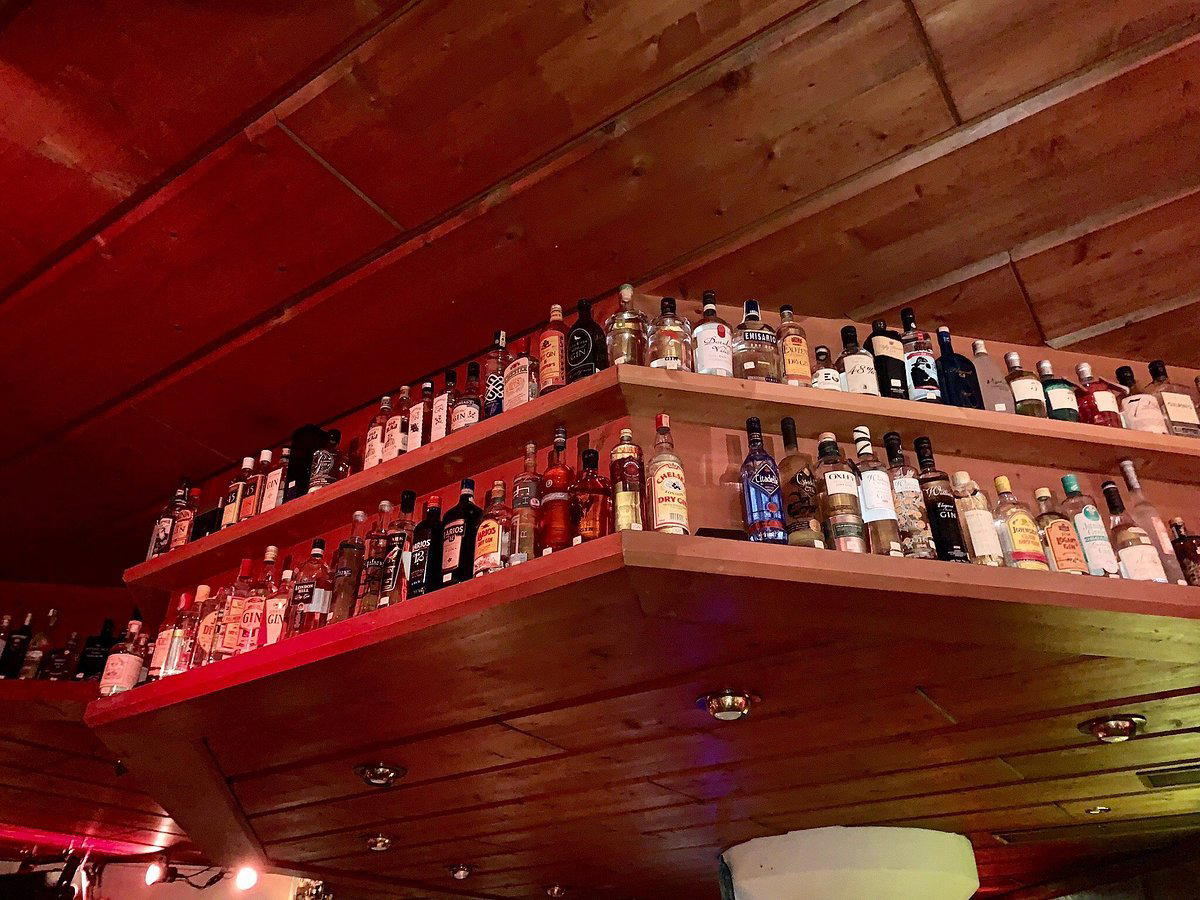
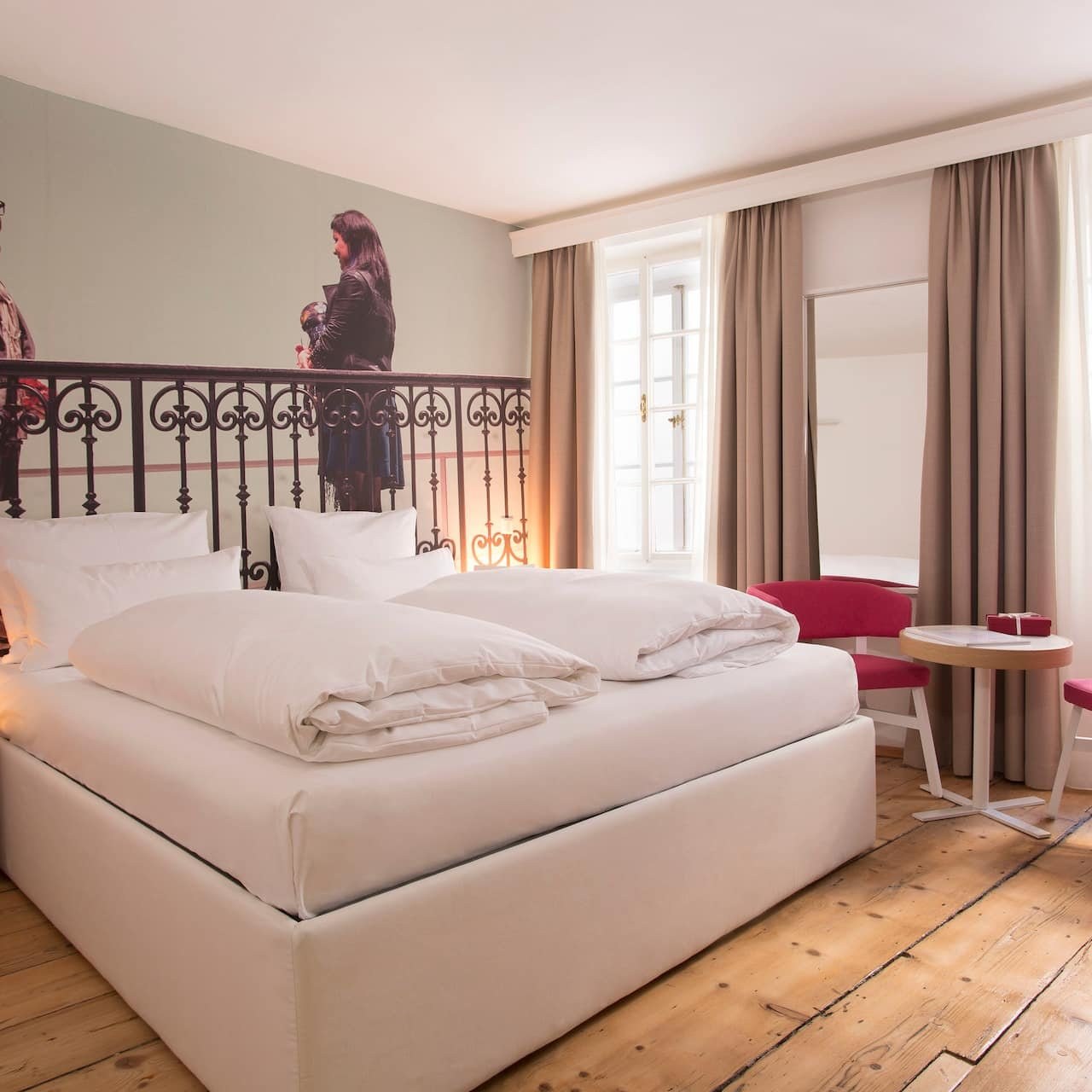
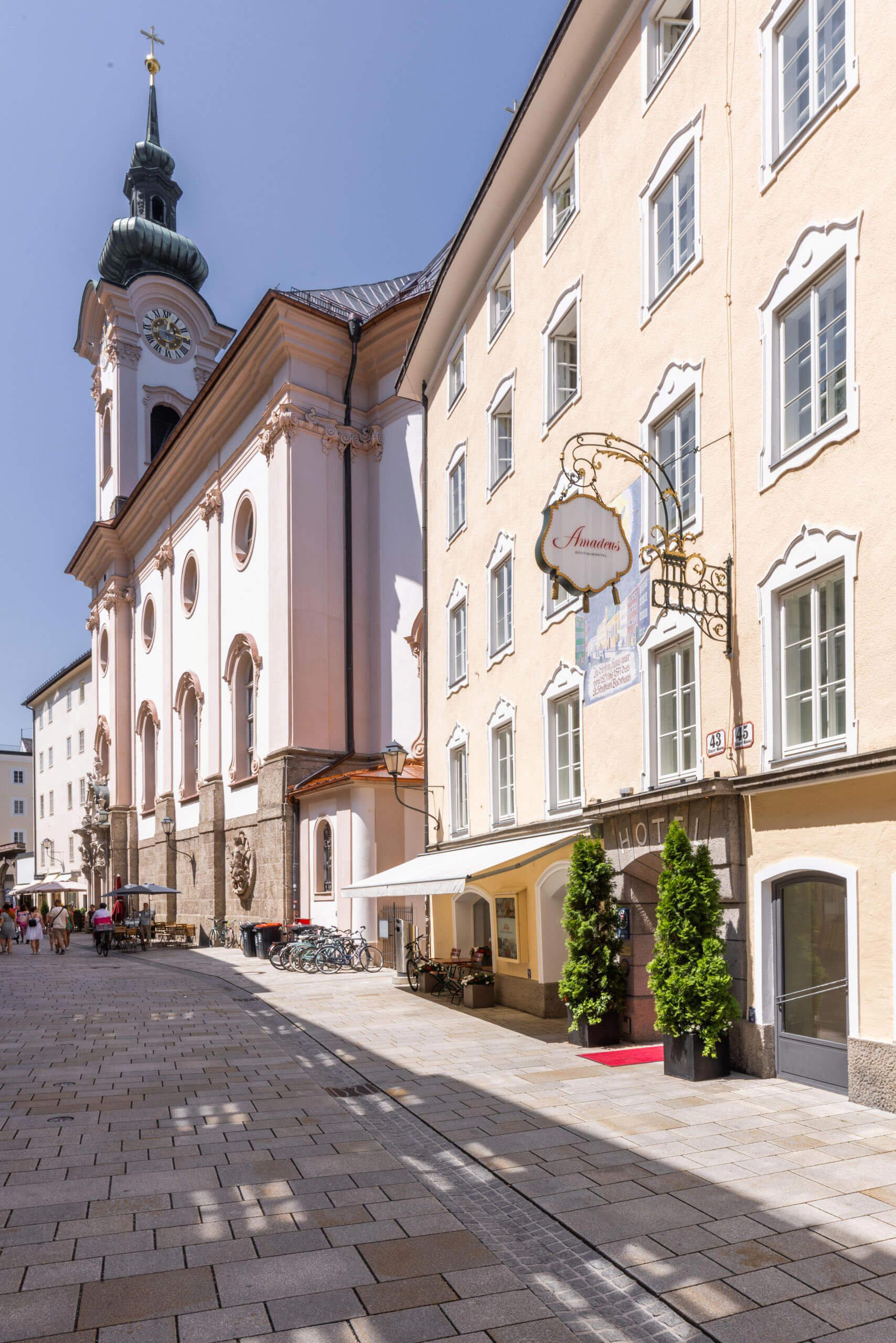
Charming traditional Austrian 'Stube' with wood benches, tasteful decoration, family appeal, and shaded garden for outdoor dining.