
Michelin Plate
Our verdict
On Salzburg's most-visited pedestrian street, Meissl & Schadn holds two consecutive Michelin Plate recognitions (2024 and 2025) while keeping its pricing in the accessible mid-range bracket. The kitchen operates in the Austrian tradition: grounded, seasonal, and structured around the kind of cooking that has defined the region's gastronomy for generations.

Pearl is the En Primeur Club membership app, where members save venues, book tables and use the concierge.
The menu
What to order
- Wiener Schnitzel
- Salzburger Nockerl
- Tafelspitz
Getreidegasse and the Weight of Address
Getreidegasse is one of the most photographed streets in Austria, a narrow medieval corridor where guild signs hang from wrought-iron brackets and the footfall in summer rivals any European shopping district. Eating well on a street like this requires a certain resistance to the pull of tourist convenience, and the fact that Meissl & Schadn has held a Michelin Plate in both 2024 and 2025 while sitting at number 50 on that corridor says something meaningful about its position in Salzburg's dining hierarchy. The address is conspicuous; the cooking is the argument for staying.
In Austrian cities, the Michelin Plate sits below star level but above the mass of unrecognised establishments. It signals kitchens that Michelin inspectors consider worth noting for good food without the full architectural commitment of a star recommendation.
The Arc of an Austrian Meal
Traditional Austrian cooking has always been structured rather than improvisational. A meal in this tradition moves through defined registers: something cool and clean to open, a soup course that is rarely optional in the classical format, a main that anchors around protein and rendered fat, and a dessert that leans on the dairy-and-pastry tradition the country has exported globally. That sequencing is not nostalgia; it reflects a cuisine built around the logic of seasons and the larder, where the progression of courses mirrors the progression of effort in the kitchen.
For context outside Austria, consider what a comparably positioned institution looks like elsewhere. Cafe Sabarsky in New York City exports the Viennese Kaffeehaus tradition to a different continent, leaning into the pastry and mittagessen formats. Within Austria's own mountain corridor, Obauer in Werfen and Döllerer in Golling an der Salzach represent the refined regional end of the same tradition, where local ingredients from the Salzach valley and Alpine foothills push the cooking toward something more formally ambitious. Meissl & Schadn operates in the register between those poles: more structured than a Kaffeehaus, less architecturally ambitious than a destination dining room.
The Michelin Plate classification, sustained across two consecutive editions, is the key trust signal here. It indicates that the kitchen's output is consistent enough for an inspector to return and find the same level of care. In a category where many restaurants drift once the novelty of an opening fades, that kind of reliability across 2025 and 2024 Michelin cycles is evidence of operational discipline rather than a single good season.
Salzburg's Mid-Range Austrian Table: Where the Category Sits
Salzburg's restaurant scene organises itself into legible tiers. At the leading, Senns and the Michelin-starred rooms pull the city toward contemporary Austrian, where the tradition is filtered through technique and modern presentation. In the middle bracket, places like Meissl & Schadn anchor the Austrian identity through more direct execution: the cooking is recognisable, the format is accessible, and the price point keeps it within reach of a wider audience. At the heritage end, Goldener Hirsch and Gasthof Schloss Aigen carry the weight of institutional Austrian hospitality, where the room and the tradition are as much the product as the plate.
Understanding where Meissl & Schadn fits that structure matters for the reader's decision. This is not the room for a long modernist tasting progression with wine pairing and amuse-bouche sequences. It is the room for Austrian cooking executed with enough rigour to earn inspector attention, at a price point that reflects the mid-range bracket rather than the upper tier.
For those interested in how the broader region frames this kind of cooking, Kräuterreich by Vitus Winkler in Sankt Veit im Pongau and Gourmetrestaurant Tannenhof in Sankt Anton am Arlberg show how Austrian and Alpine cooking migrates toward the creative and premium end of the spectrum once the address moves into resort territory. Griggeler Stuba in Lech sits in that same refined Alpine category. Back in Salzburg's own orbit, Huber's im Fischerwirt operates as another point of reference in the city's more grounded Austrian dining tier.
The benchmark against which Meissl & Schadn competes most directly is its own consistency record. It reflects an experience that delivers on a predictable basis across a wide range of visitors, which on Getreidegasse, where foot traffic includes everyone from festival tourists to serious diners, is harder to sustain than it might appear.
Planning a Visit
Getreidegasse 50 is in the heart of Salzburg's Old Town, a UNESCO-listed zone that fills rapidly during the summer festival season and again around Christmas markets. The street itself is pedestrianised, which means approaching on foot from the Altstadt is direct. For those staying across the river in the Neustadt or the hotel belt around the main train station, the walk across one of the central bridges takes under fifteen minutes. Booking ahead is advisable during the Salzburg Festival period in July and August, when the city's restaurant capacity is under significant pressure from the international influx that accompanies the music programme. Outside those windows, walk-in availability at the €€ tier tends to be more forgiving. For the wider picture of where to eat and drink in the city, the full Salzburg restaurants guide maps the scene by tier and cuisine type. Readers planning a full stay should also reference the Salzburg hotels guide, the bars guide, the wineries guide, and the experiences guide for a complete itinerary. Those extending their Austrian trip toward Vienna should note that Steirereck im Stadtpark represents the apex of the national dining tradition in the capital. And for an Attersee-region alternative in the Austrian mid-range, 1er Beisl im Lexenhof in Nußdorf am Attersee is worth the detour.
Frequently asked questions
What's the best thing to order at Meissl & Schadn?
The menu follows the arc of traditional Austrian cooking, so the strongest choices will be dishes rooted in that canon: braised meats, structured starters, and the kind of desserts the Viennese tradition does well. Given the Michelin Plate recognition in both 2024 and 2025, the kitchen is executing classical Austrian fare at a reliable standard. The €€ price range means portions and value are calibrated for a proper meal, not a snack stop.
What's the price range at Meissl & Schadn?
Pricing at Meissl & Schadn is listed as €€.
What's the address for Meissl & Schadn?
Meissl & Schadn is located at Getreidegasse 50, 5020 Salzburg, Austria, Salzburg.
How hard is it to get a table at Meissl & Schadn?
Getreidegasse 50 sits in the heart of Salzburg's UNESCO-listed Old Town, which means the surrounding area fills quickly during the summer festival season and the Christmas market period. Booking ahead is advisable during those windows. Outside peak season, the mid-range positioning and Austrian focus attract a steadier local crowd rather than purely tourist traffic, which typically eases availability.
What has Meissl & Schadn built its reputation on?
Consecutive Michelin Plate recognition in 2024 and 2025 points to consistent kitchen execution rather than a one-year result. The restaurant occupies a clear position in Salzburg's dining tiers: committed to traditional Austrian cuisine at accessible €€ prices on one of the city's most prominent streets. That combination of address, category, and awarded consistency is the foundation of its standing.
Comparison Snapshot
Comparable options at a glance, pulled from our tracked venues.
| Venue | Cuisine | Price | Awards | Notes |
|---|---|---|---|---|
| Meissl & SchadnThis venue (the venue you are viewing) | Traditional Austrian Brasserie | $30–50 | Michelin Plate | Not listed |
| Ikarus | Guest Chef Fine Dining | $200–300 | 2 Michelin Stars · La Liste Top Restaurants | Modern European, Creative |
| Esszimmer | Modern French Fine Dining | $100–150 | 1 Michelin Star · Falstaff Restaurant - 95 Falstaff Points | Modern Austrian, Creative |
| Senns | Modern Cosmopolitan Fine Dining | Not listed | 2 Michelin Stars · La Liste Top Restaurants | Austrian |
| Pfefferschiff | Modern Austrian Fine Dining | $100–150 | 1 Michelin Star · Falstaff Restaurant - 95 Falstaff Points | Creative |
| Animo by Aigner | Mediterranean Seasonal Trattoria | $50–100 | Michelin Plate | Mediterranean Cuisine |
Recognition history
Dated appearances from independent guides and award organizations, with the underlying list record or original source where available.
Michelin Plate
Michelin
Full recognition history (3 entries)
Michelin Plate
Michelin
Michelin Plate
Michelin
Continue exploring
More in Salzburg
Restaurants in Salzburg
All restaurants in Salzburg →
Bars in Salzburg
All bars in Salzburg →
Details
- Classic
- Elegant
- Cozy
- Group Dining
- Special Occasion
- Open Kitchen
- Terrace
- Historic Building
- Extensive Wine List
- Street Scene
- A La Carte
- Vegetarian Friendly
Current opening hours
- Monday
- 11:30 AM–10 PM
- Tuesday
- 11:30 AM–10 PM
- Wednesday
- 11:30 AM–10 PM
- Thursday
- 11:30 AM–10 PM
- Friday
- 11:30 AM–10 PM
- Saturday
- 11:30 AM–10 PM
- Sunday
- 11:30 AM–10 PM
Hours can change for holidays and private events. Hours as of .
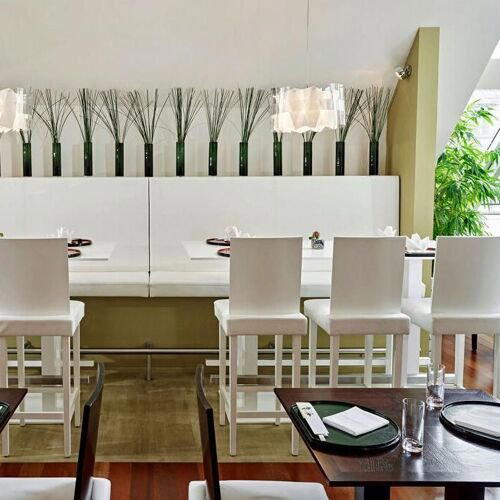
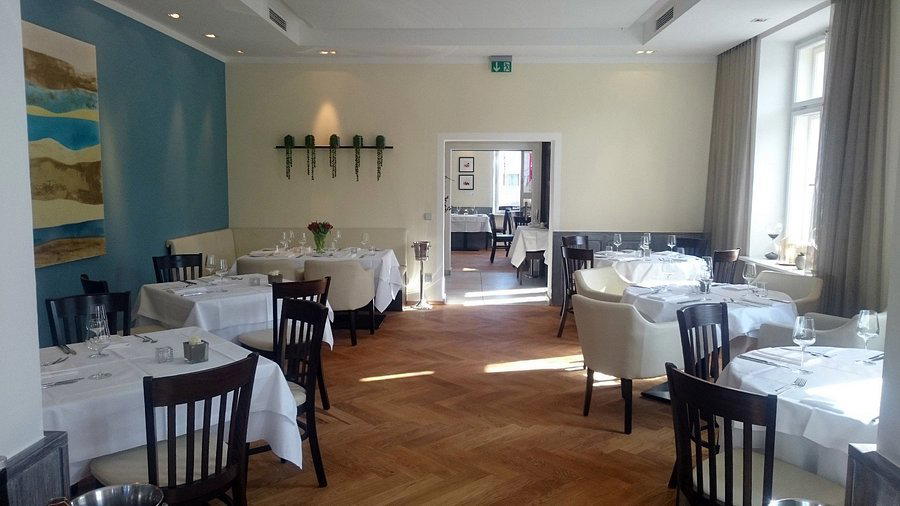
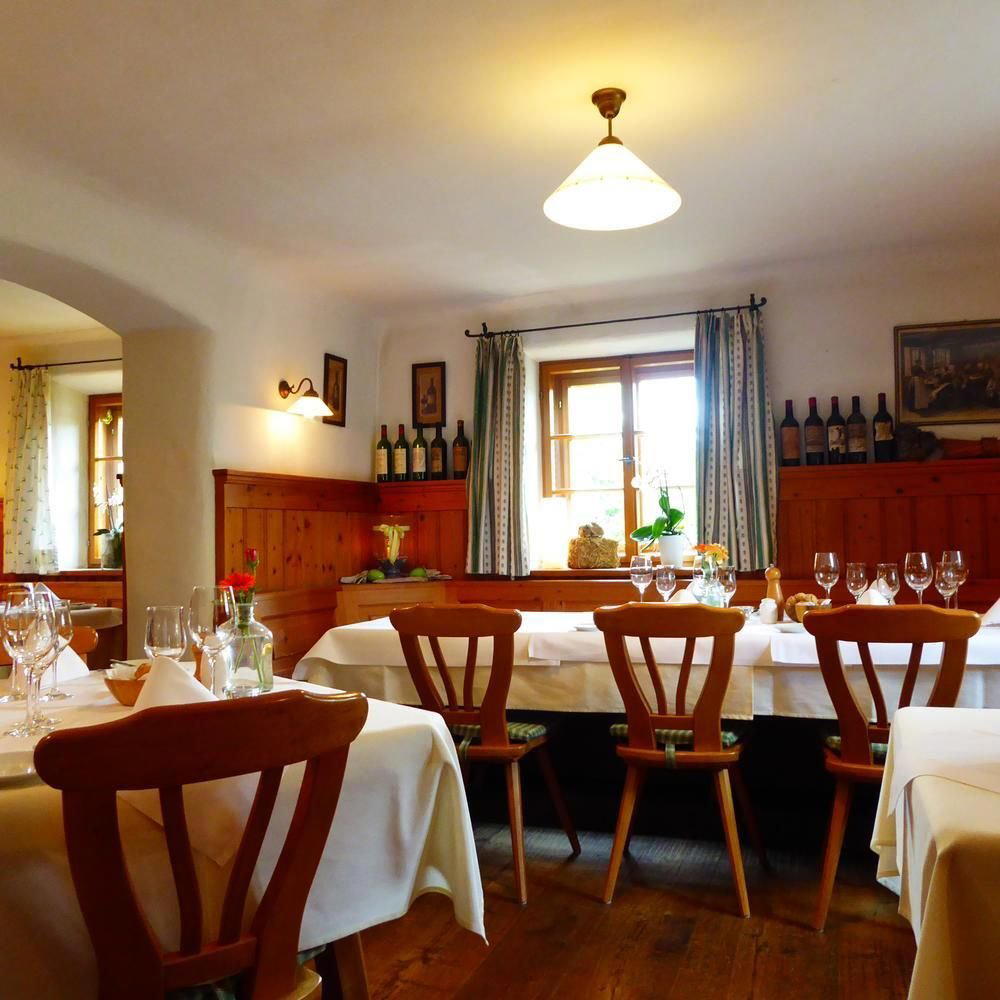
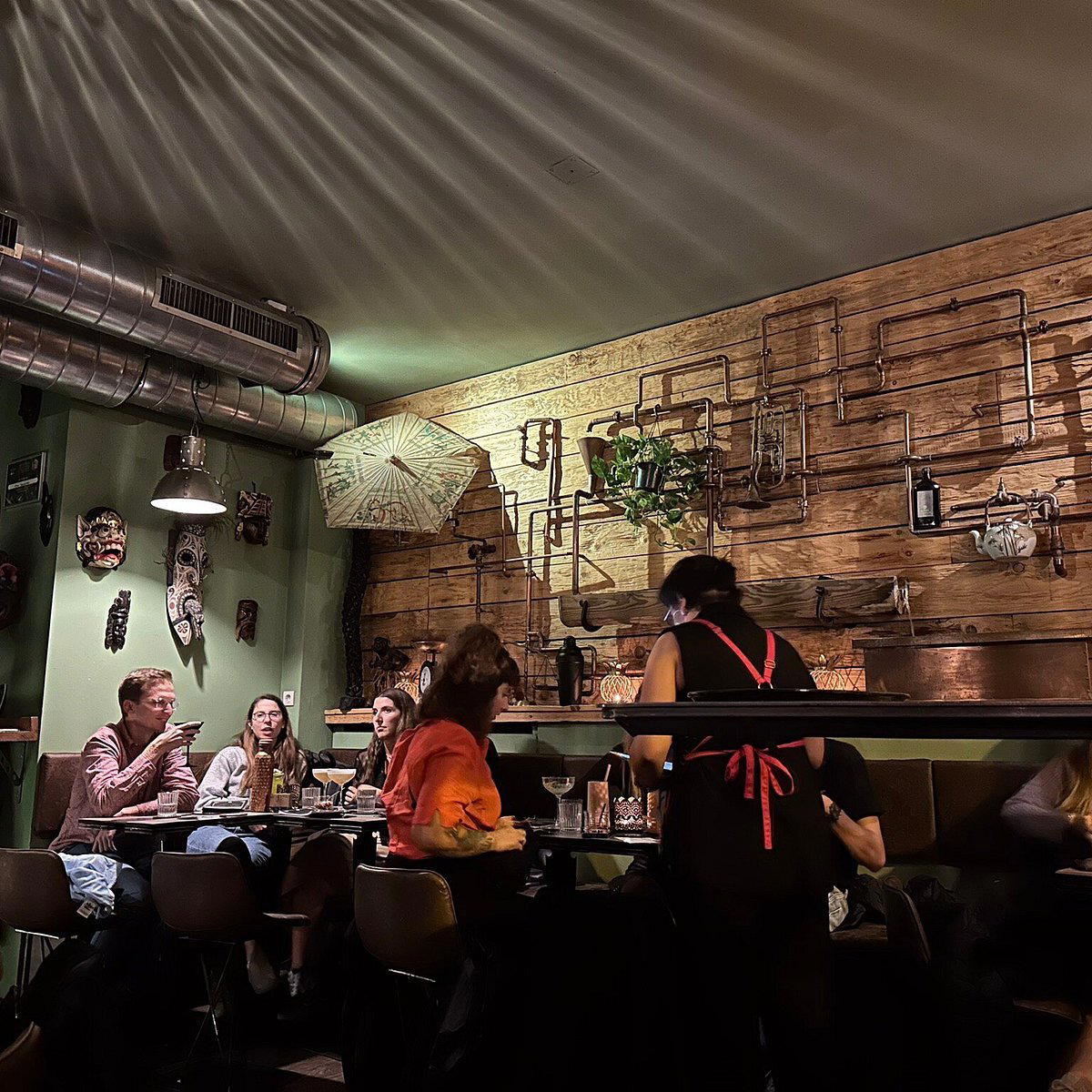
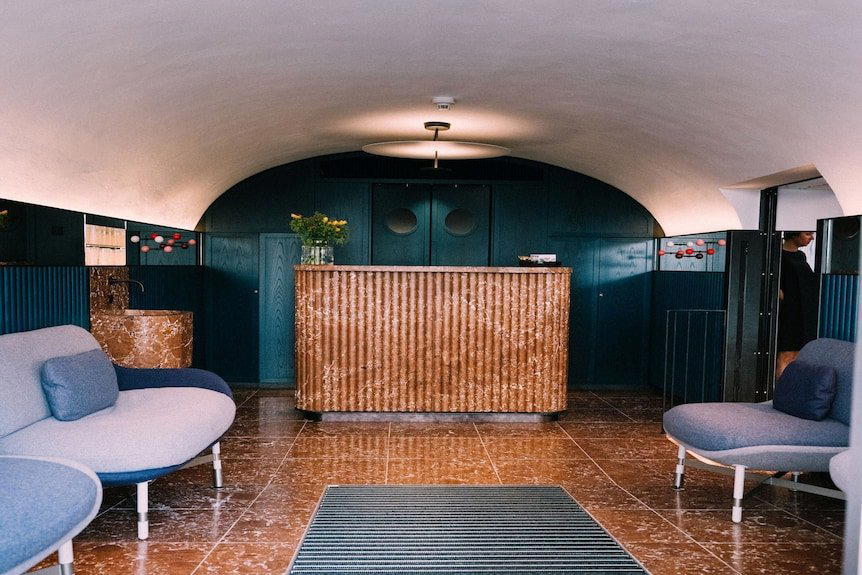
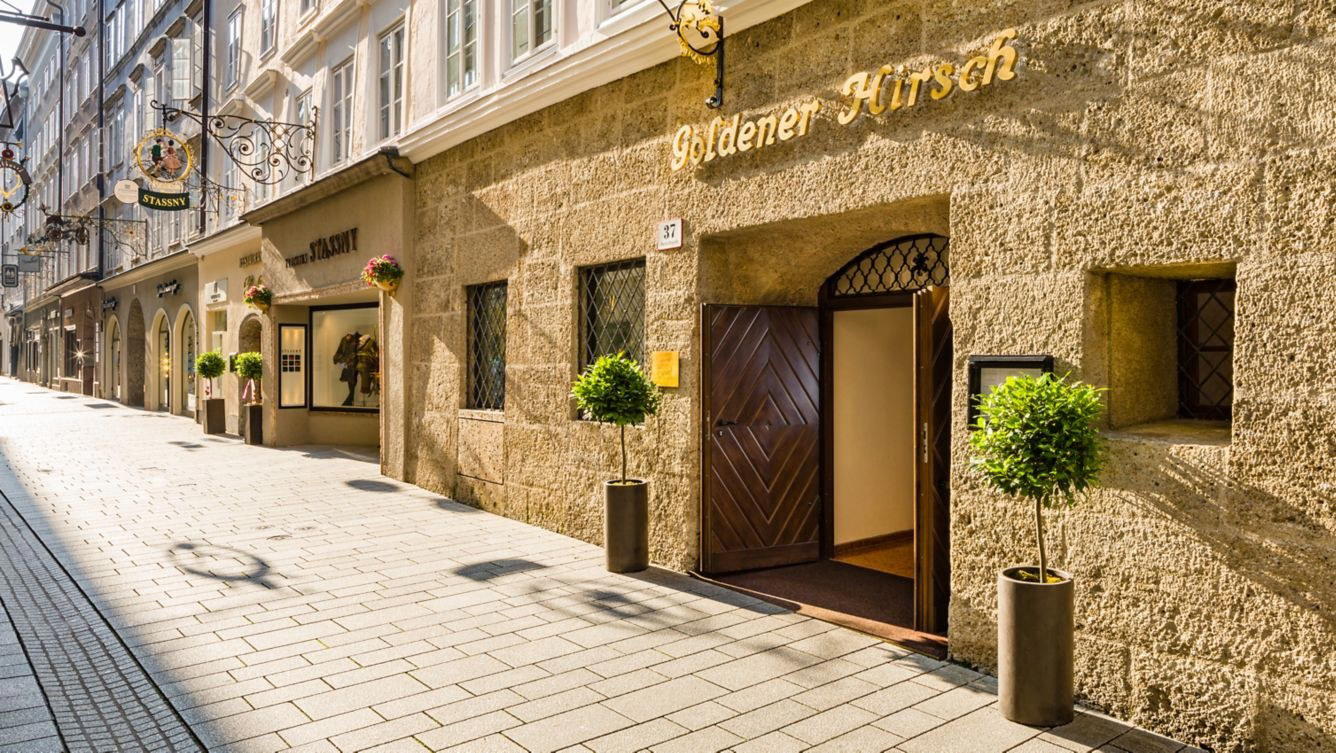
Stylish details across two floors create a welcoming brasserie feel with warm, classic interiors and an inviting terrace on well-known Getreidegasse.