Garden Cafe Woodstock
Garden Cafe sits on Old Forge Road in Woodstock, New York, where the Hudson Valley's farm-dense agricultural corridor shapes what ends up on the plate. The cafe occupies the casual end of Woodstock's dining scene, where the emphasis is on approachable, ingredient-forward cooking in a setting that matches the town's arts-community character.
Pearl is the En Primeur Club membership app — saves, bookings, and concierge access live there. Same editors, same standards.
- Address
- 6 Old Forge Rd, Woodstock, NY 12498
- Phone
- +1 845 679 3600
- Website
- thegardencafewoodstock.com
- Directions
- Get directions
 Saves & bookings on Pearl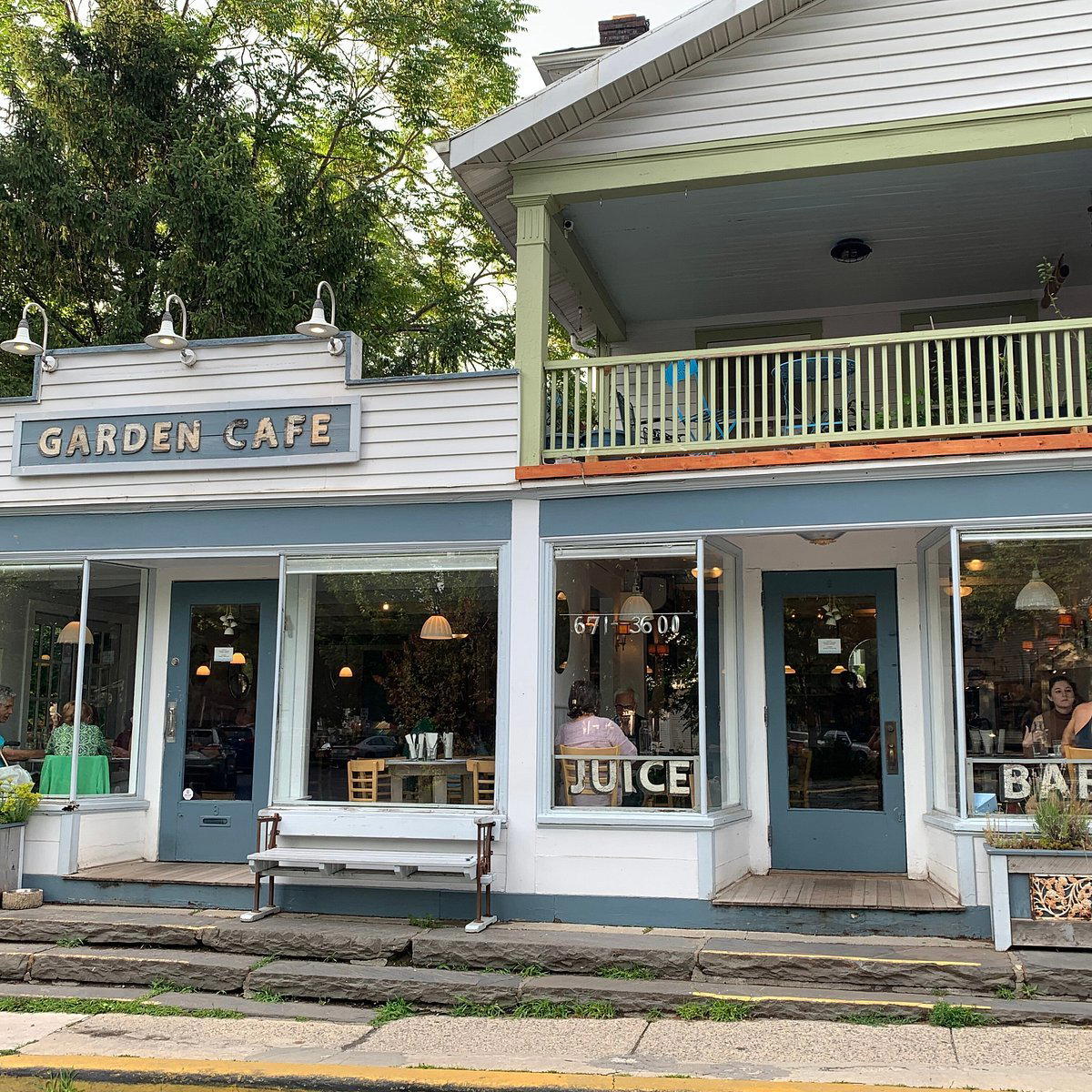
Where the Hudson Valley's Growing Season Meets the Plate
Woodstock, New York occupies a particular position in American small-town dining that has little to do with its famous 1969 music festival and everything to do with geography. The town sits at the northern edge of a farming corridor that runs through Ulster and Dutchess counties, where the Hudson Valley's distinctive terroir, cold winters, short but intense growing seasons, and a tradition of small-scale agriculture dating back centuries, produces ingredients that have attracted serious culinary attention from New York City chefs and local operators alike. Garden Cafe, an Organic Vegan Café & Juice Bar in Woodstock, operates within that context. Its address places it in the walkable core of the village, close enough to the town green that it draws foot traffic from the mix of weekenders, full-time residents, and the artists and musicians who have shaped Woodstock's cultural identity since the early twentieth century.
The physical approach to the cafe sets expectations clearly. Woodstock's main commercial strip favors low-slung buildings, painted wooden signs, and the kind of unhurried pedestrian rhythm that distinguishes it from the more tourist-pressured towns further down the Hudson Valley. A cafe operating in this environment answers to a different set of demands than a destination restaurant. The audience includes locals who will return twice a week and visitors who have driven up from the city for a weekend and want something that tastes like where they are, not something that could be anywhere.
Ingredient Sourcing as the Central Argument
The Hudson Valley has become one of the more closely watched agricultural regions in the northeastern United States, because the concentration of specialty farms within a manageable radius has made it viable for restaurants at every price point to source with genuine specificity. Operations like Blue Hill at Stone Barns in Tarrytown have demonstrated what happens when the farm-to-table argument is made at the highest technical level, but the more interesting story in the Hudson Valley is how that sourcing ethic has filtered into everyday dining. A cafe in Woodstock drawing on local produce, dairy, or grains is participating in a regional food system that is genuinely developed, not performing a marketing narrative.
This matters for how you read a place like Garden Cafe. In cities where farm-to-table has become shorthand for premium pricing without corresponding ingredient traceability, a small operation in a farming town carries different credentials. Ulster County's agricultural producers are identifiable, their seasons are fixed and unforgiving, and the menus that reflect them honestly change in ways that menus importing shelf-stable ingredients do not. The cafe format in Woodstock, lower overhead than a full-service restaurant, a clientele that includes regulars with specific expectations, tends to enforce a certain ingredient honesty that more elaborate dining rooms can obscure behind technique.
For comparison, the sourcing arguments at places like Single Thread Farm in Healdsburg or Smyth in Chicago are built into tasting menus where the farm relationship is a central narrative and the price reflects it. Garden Cafe operates at a different register, where the ingredient story is present but not announced with the apparatus of fine dining.
Woodstock's Dining Scene in 2024
Woodstock's restaurant options have expanded and contracted over the decades in line with the town's economic cycles, but the current scene is more coherent than it has been in some time. The town supports a range of formats: Cucina handles the Italian-leaning dinner audience, The Little Bear addresses the craft cocktail and small-plates format, and Century House holds the more traditional American tavern position. Bub-Ba-Q covers the casual end of the barbecue spectrum, and Good Night has built a following for its evening-focused programming. Garden Cafe occupies the daytime and casual dining tier, a slot that in a town of Woodstock's size sees steady demand from the resident population and weekend visitors who are not looking for a full sit-down dinner experience.
That comparable set tells you something useful: Woodstock is not a one-restaurant town, and the cafes and casual operations within it are not simply filling gaps left by more serious dining rooms. They are, in many cases, the primary point of contact that most visitors and residents have with local ingredients on any given day.
The Broader Regional Frame
It is worth placing Woodstock's dining identity against a wider American context. The same sourcing conversation that animates Hudson Valley cafes and farm tables also runs through operations as technically ambitious as Le Bernardin in New York City, The French Laundry in Napa, Providence in Los Angeles, Addison in San Diego, Lazy Bear in San Francisco, Emeril's in New Orleans, Atomix in New York City, The Inn at Little Washington, and Atelier Moessmer Norbert Niederkofler in Brunico. What distinguishes the Woodstock version of this conversation is its scale and informality. You are not paying a tasting menu premium to be told where your vegetables came from. The relationship between land and plate is simply part of how the town eats.
The Hudson Valley's short growing season means that late summer and early autumn represent the peak of what local sourcing can deliver. Tomatoes, corn, stone fruits, and the first root vegetables of fall arrive within weeks of each other in a concentrated rush that menus in the region have to absorb quickly. A cafe operating on a daily or weekly changing basis is better positioned to track that rhythm than a restaurant locked into a printed card.
Planning Your Visit
Garden Cafe is located at 6 Old Forge Road in the village center of Woodstock, New York. Woodstock is accessible from New York City by car in approximately two hours, and the village is walkable once you arrive, with parking available near the town green. Garden Cafe follows a walk-in-friendly policy and is open Monday, Thursday through Sunday from 11:30 AM to 8 PM; it is closed Tuesday and Wednesday. Woodstock weekends from late spring through foliage season in October see the heaviest visitor traffic.
A Quick Peer Check
Comparable venues nearby, for context on price, style, and recognition.
| Venue | Cuisine | Price | Notes |
|---|---|---|---|
| Garden Cafe WoodstockThis venue — the venue you are viewing | Organic Vegan Café & Juice Bar | $$ | Not listed |
| Good Night | Modern Southeast Asian | $$ | Woodstock |
| The Little Bear | Chinese | $$ | Bearsville |
| Cucina | Contemporary Italian | $$$ | Woodstock |
Continue exploring
More in Woodstock
Restaurants in Woodstock
Browse all →
Bars in Woodstock
Browse all →
Hotels in Woodstock
Browse all →

At a Glance
- Bohemian
- Cozy
- Rustic
- Whimsical
- Casual Hangout
- Brunch
- Family
- Group Dining
- Garden
- Standalone
- Zero Proof
- Organic
- Local Sourcing
- Farm To Table
- Garden
Current opening hours
- Monday
- 11:30 AM–8 PM
- Tuesday
- Closed
- Wednesday
- Closed
- Thursday
- 11:30 AM–8 PM
- Friday
- 11:30 AM–8 PM
- Saturday
- 11:30 AM–8 PM
- Sunday
- 11:30 AM–8 PM
Hours can change for holidays and private events. Last verified .
Warm, welcoming community space with natural lighting and an outdoor garden area; feels authentic to Woodstock's bohemian spirit without being kitschy.