Cucina
Cucina sits on Mill Hill Road in Woodstock, NY, occupying the kind of address that rewards those who already know the Hudson Valley dining circuit. The menu structure here reads as a considered argument for Italian-rooted cooking applied to regional ingredients, positioning the restaurant within Woodstock's small but serious table-service tier rather than its more casual café culture.
Pearl is the En Primeur Club membership app — saves, bookings, and concierge access live there. Same editors, same standards.
- Address
- 109 Mill Hill Rd, Woodstock, NY 12498
- Phone
- +18456799800
- Website
- cucinawoodstock.com
- Directions
- Get directions
 Saves & bookings on Pearl
Mill Hill Road and the Logic of a Woodstock Dining Room
Woodstock's restaurant scene divides cleanly into two registers: the counter-service cafés and breakfast spots that serve the town's day-tripper traffic, and a smaller set of sit-down rooms that operate on a different set of expectations entirely. Cucina, at 109 Mill Hill Road, belongs to the latter group. The address places it slightly removed from the concentrated foot traffic of Tinker Street, which in practical terms means the room fills because people intend to be there, not because they happened to walk past. That self-selection shapes the atmosphere in ways that matter: the room functions as a dining destination rather than a convenience stop.
Among Woodstock's more serious table-service options, which include Garden Cafe Woodstock, The Little Bear, and Century House, Cucina occupies a distinct position through its Italian orientation. Italian-American cooking in the Hudson Valley has a long regional history tied to the area's mid-century arts community and its overlapping waves of New York City migration, and Cucina sits in that tradition while applying it to a contemporary dining room context. For a fuller picture of where this fits within the town's broader options, the full Woodstock restaurants guide maps the competitive set in detail.
How the Menu Is Structured and What That Tells You
The editorial angle that makes Cucina legible as a dining choice is menu architecture. Italian cooking, at its most coherent, organizes itself through progression: antipasti that establish acidity and texture, a pasta course that carries the structural weight of the meal, secondi that close rather than overwhelm. When a kitchen respects that logic, the meal has an internal rhythm that composed tasting formats at destination restaurants like The French Laundry in Napa or Blue Hill at Stone Barns in Tarrytown achieve through explicit sequencing. Cucina's version of this is informal rather than prescribed, but the category structure of an Italian menu carries its own inherent architecture regardless of whether it's enforced by a set format.
Pasta, in this context, is not a side act. In Northern Italian and Italian-American traditions, the handmade pasta course occupies the center of gravity on any serious menu. A kitchen's commitment to this section, whether through housemade dough, regional specificity in sauce construction, or seasonal ingredient integration, tells you more about the restaurant's seriousness than almost any other signal. The Hudson Valley's proximity to small farms and seasonal produce suppliers gives a kitchen like Cucina direct access to the kind of ingredients that make that commitment visible on the plate.
The broader menu structure, moving from lighter first courses through pasta to protein-anchored mains, mirrors the logic applied at varying scales across the Italian dining tier, from neighborhood trattorie to the more elaborate programs you find at Le Bernardin in New York City or the farm-to-table Italian traditions documented at places like Atelier Moessmer Norbert Niederkofler in Brunico. The scale and ambition differ enormously, but the underlying structural logic connects them: a menu should argue for something, not simply list options.
Woodstock's Position in the Regional Dining Circuit
The Hudson Valley has developed a recognizable identity in the broader American culinary conversation over the past two decades, driven partly by the density of serious farms within a day's drive and partly by the migration of New York City restaurant professionals seeking different operating conditions. Woodstock sits at the cultural end of this geography rather than the purely agricultural one, which means its restaurant population skews toward creative independents rather than farm-to-table showcase operations.
That puts Cucina in a different frame than, say, a destination farm restaurant like Single Thread Farm in Healdsburg or a tasting-menu program like Smyth in Chicago. It also distinguishes it from the more urban Italian fine-dining tier represented by Atomix in New York City or the California coastal programs at Providence in Los Angeles. What Woodstock's independent restaurant tier offers instead is density of character within a small geographic footprint, and Cucina contributes Italian-rooted specificity to that mix.
The town's other options cover complementary ground. Bub-Ba-Q handles the smoked meat register. Good Night occupies a different format tier. The concentration of independent operators means visitors can build a multi-day eating itinerary without repetition, which is itself an argument for the town as a short-break destination rather than a single-meal stop.
Planning Your Visit
Cucina's Mill Hill Road address is accessible from the central Woodstock village area on foot or by car; the location outside the immediate Tinker Street cluster means parking is generally less contested than at the town's more central spots. For visitors arriving from New York City, Woodstock sits roughly two hours north by car, making it a realistic weekend destination. The restaurant operates within Woodstock's broader independent dining ecosystem, and given the town's popularity as a Hudson Valley weekend destination, particularly in autumn foliage season and summer, securing a reservation in advance is the practical approach rather than walking in. Specific hours and booking details are best confirmed directly through the restaurant or current listings before travel.
For those building a longer Woodstock itinerary, the combination of Cucina's Italian-focused menu with the town's other independent operators, including the southern-inflected Bub-Ba-Q and the vegetable-forward Garden Cafe Woodstock, covers enough culinary ground to structure a full weekend without leaving the town center. Destination visitors comparing Cucina against larger-scale American restaurant programs at Addison in San Diego, The Inn at Little Washington, or Emeril's in New Orleans are working in a fundamentally different category; Cucina's value is in what it contributes to a place-specific, independent dining culture rather than in competing on format or scale with those programs. The Lazy Bear in San Francisco model of community-table format dining is another contrast point that clarifies what Cucina is: a neighborhood restaurant with regional cooking roots, operating at the scale the town warrants.
Continue exploring
More in Woodstock
Restaurants in Woodstock
Browse all →
Bars in Woodstock
Browse all →
Hotels in Woodstock
Browse all →


At a Glance
- Cozy
- Rustic
- Romantic
- Elegant
- Date Night
- Special Occasion
- Open Kitchen
- Terrace
- Local Sourcing
Current opening hours
- Monday
- 5–9 PM
- Tuesday
- 5–9 PM
- Wednesday
- 5–9 PM
- Thursday
- 5–9 PM
- Friday
- 5–10 PM
- Saturday
- 5–10 PM
- Sunday
- 5–9 PM
Hours can change for holidays and private events. Last verified .
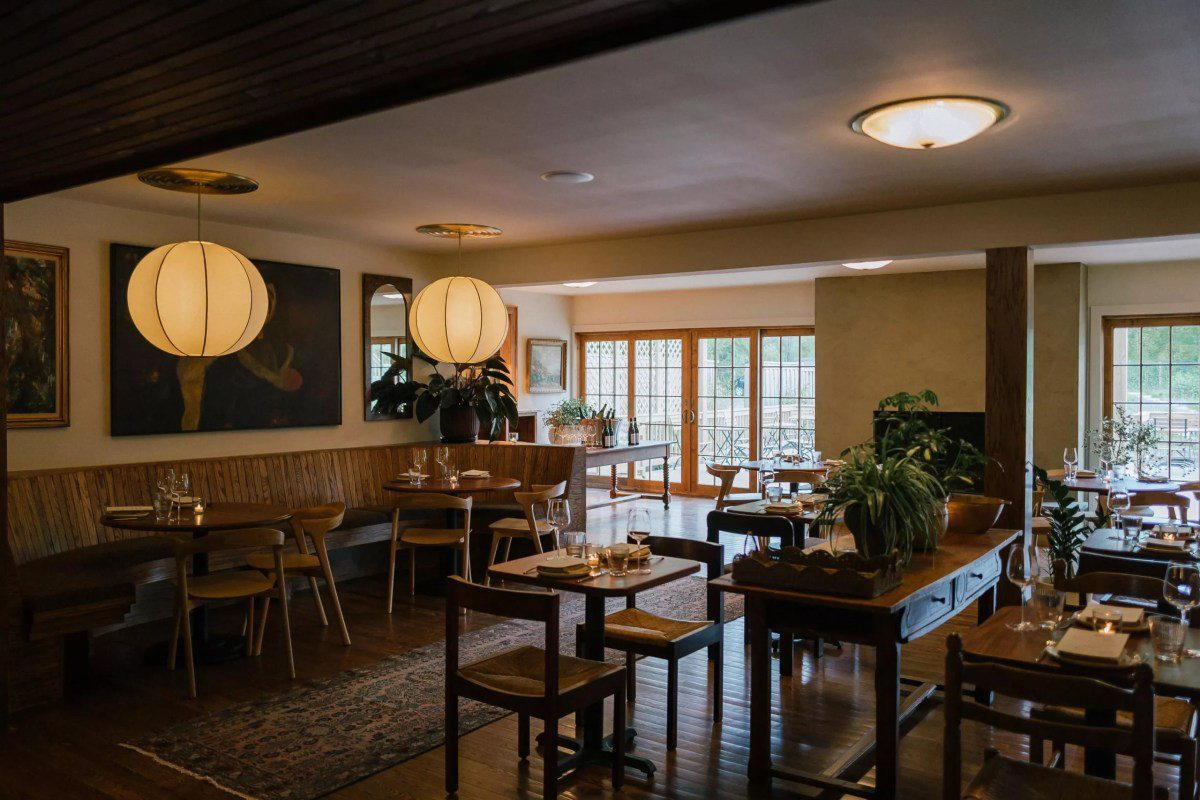
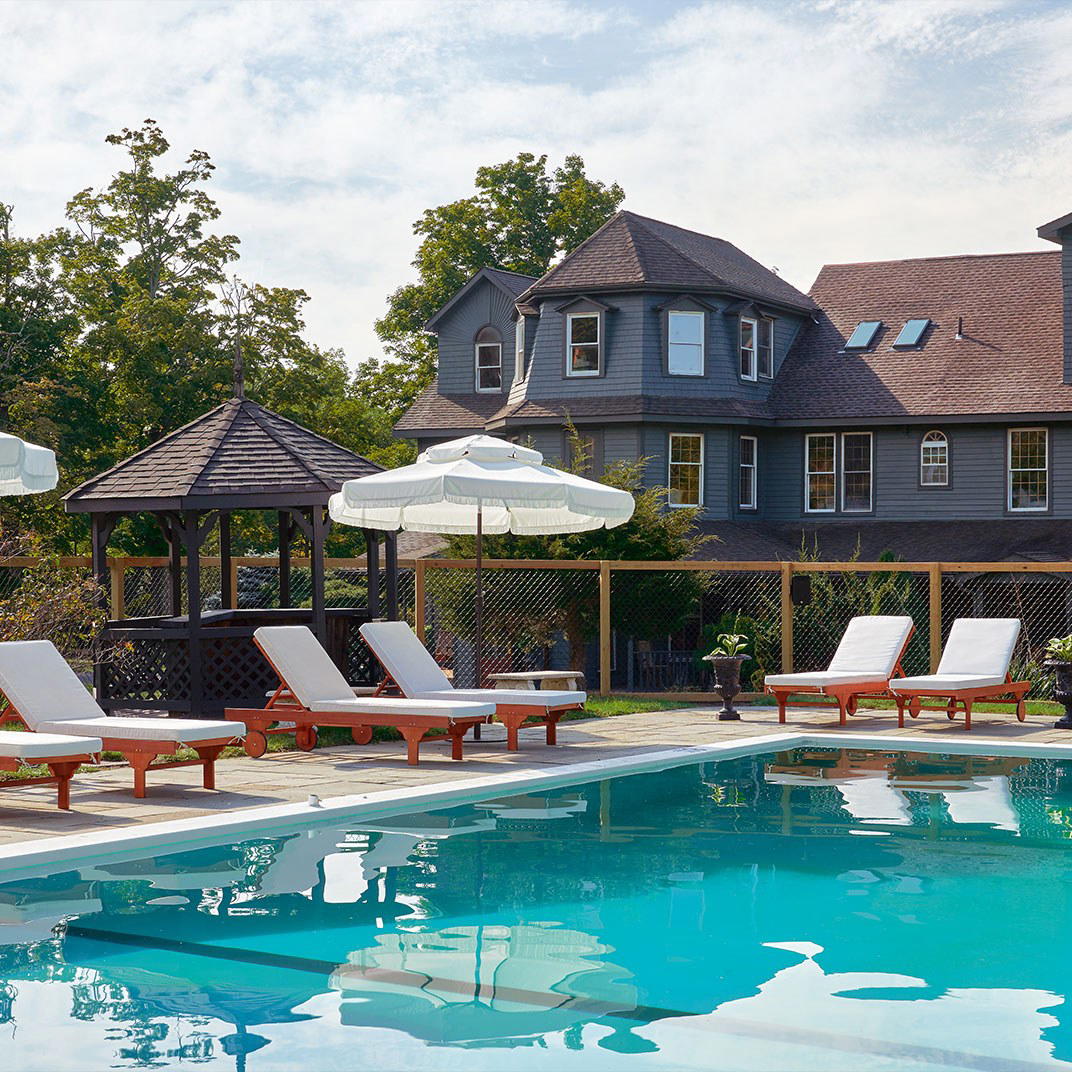
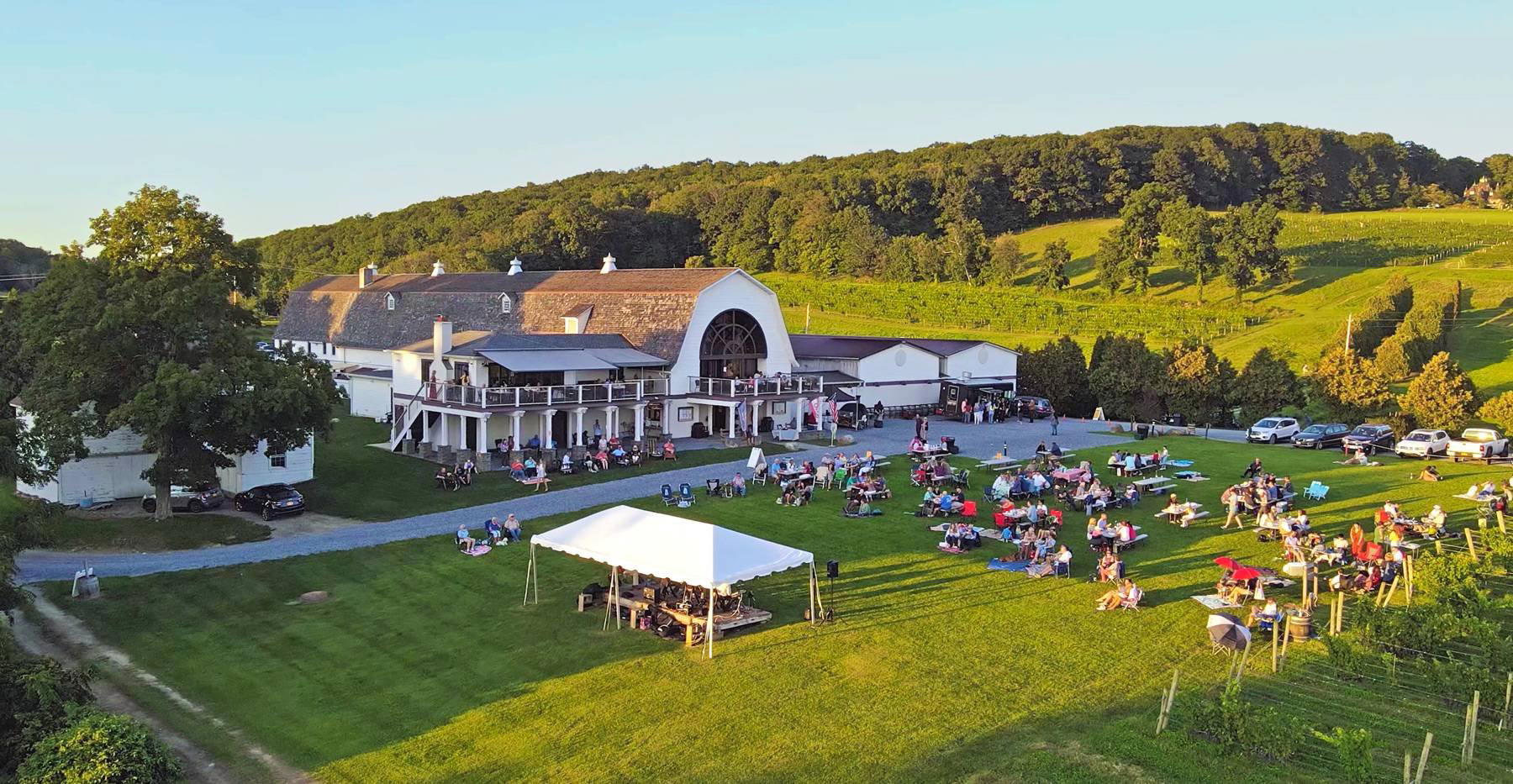
Warm country chic atmosphere with modern touches, wraparound porch for summer and fireside dining in winter.
Know Before You Go
- Getting there
- 109 Mill Hill Rd, Woodstock, NY 12498