Garage
Garage occupies a Colorado Street address in downtown Austin, where the city's most concentrated stretch of bars and late-night venues meets a quieter, design-conscious edge. The space itself does the editorial work, framing whatever arrives on the plate or in the glass against a physical container built for staying rather than passing through. For Austin's downtown circuit, it represents a particular kind of ambition.
Pearl is the En Primeur Club membership app — saves, bookings, and concierge access live there. Same editors, same standards.
- Address
- 503 Colorado St, Austin, TX 78701
- Phone
- +15123693490
- Website
- opentable.com
- Directions
- Get directions
 Saves & bookings on Pearl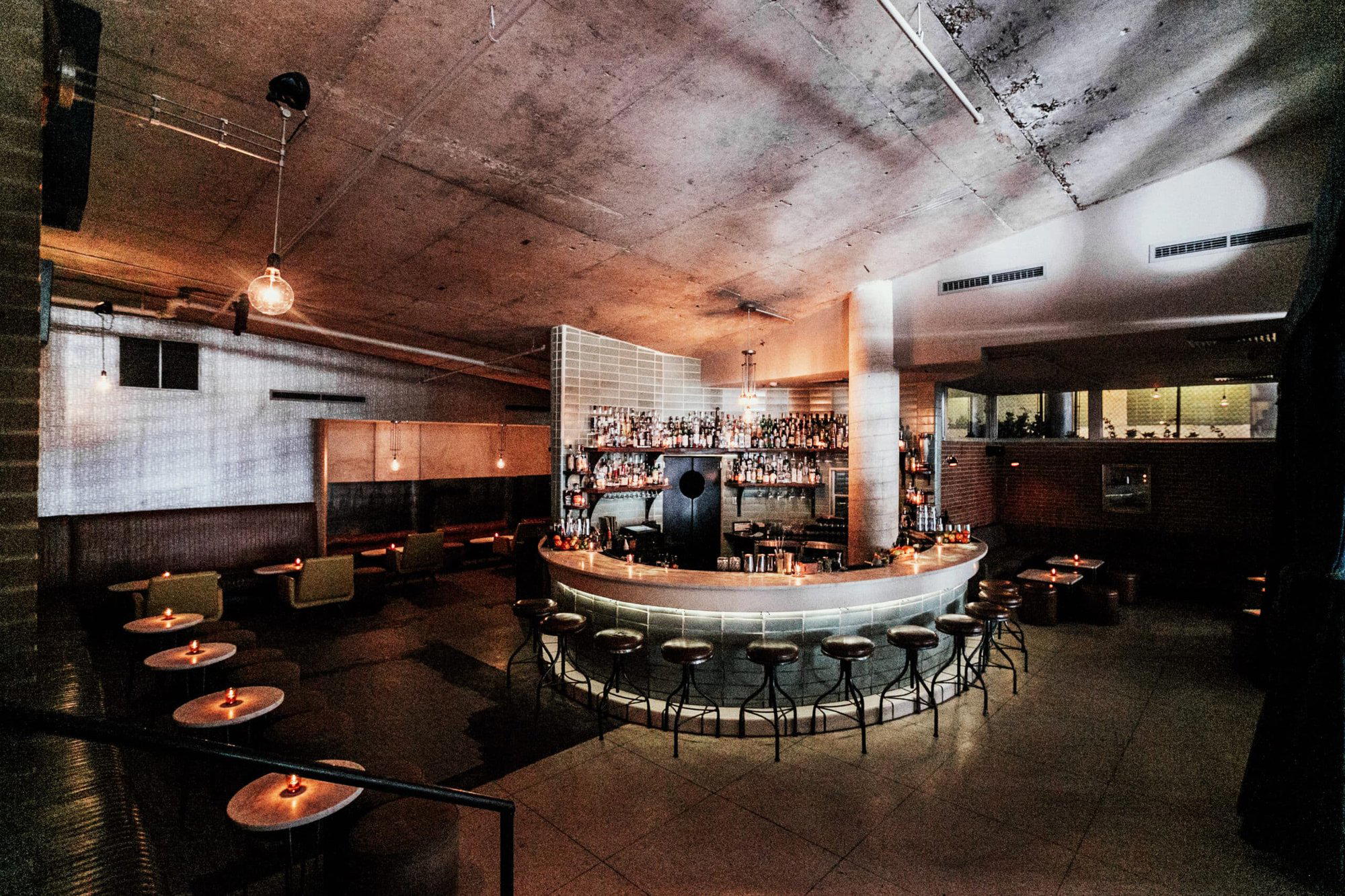
Colorado Street and the Architecture of Staying
Downtown Austin's bar and restaurant corridor along Colorado Street operates at a different register than Rainey or East Sixth. The blocks between Fifth and Second have long attracted venues that aim at a slightly older, more settled crowd, places where the design is doing as much work as the menu. Garage sits inside that zone, at 503 Colorado, and the address alone signals something about intent. In a city that has spent the last decade arguing about what kind of restaurant town it wants to be, the spaces that land on Colorado tend to answer that question by investing in the physical container first.
Austin's downtown dining scene has thinned and reshuffled repeatedly since 2020, with several Colorado Street operators cycling out and newer concepts moving in to test whether the foot traffic from hotels and convention business can sustain something more considered than a sports bar or a quick-service concept. The ones that hold tend to share a spatial logic: enough room to absorb a noisy Friday without losing the ability to have a conversation, a design language that ages past the opening-week press cycle, and a format that works across lunch, early evening, and late-night without requiring a full reset between services.
The Physical Container as Editorial Statement
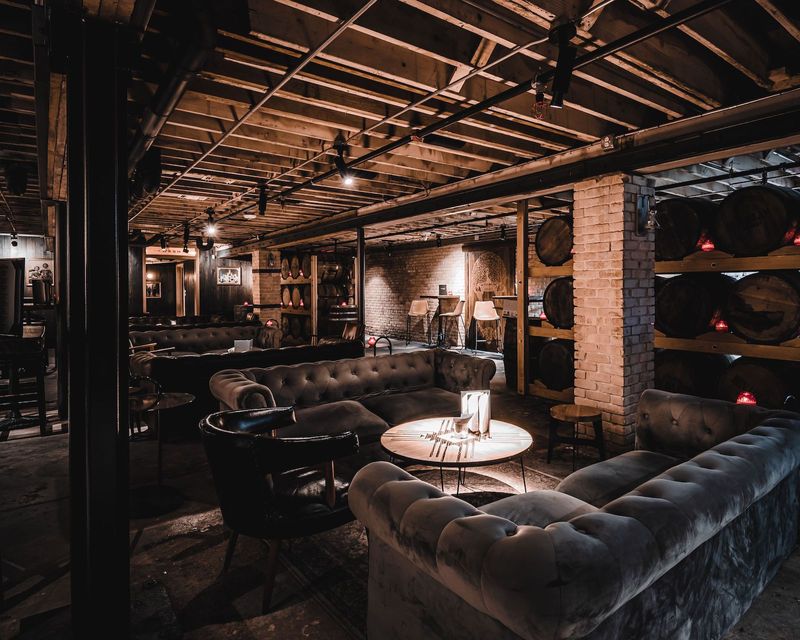
The name Garage carries a specific set of design associations. In American hospitality, the term has been used to signal reclaimed industrial materials, exposed structure, raw concrete, and the kind of high-ceiling volume that makes a room feel democratic rather than precious. Whether Garage on Colorado leans into that tradition or subverts it, the choice of name is itself a positioning decision. It places the venue in a conversation with a broader movement in American dining and drinking that has treated the adaptive reuse of utilitarian spaces, warehouses, parking structures, loading docks, as an aesthetic rather than simply a cost-saving measure.
That movement has produced some of the more interesting interiors in American hospitality over the past fifteen years. The shift away from white-tablecloth formality toward spaces that feel assembled rather than decorated reflects a real change in how dining rooms are experienced: lighting that comes from multiple lower sources rather than overhead chandeliers, seating arrangements that mix communal tables with smaller two-tops, bar counters designed to be destinations rather than waiting areas. When a venue like Hestia in Austin builds its entire identity around a central live-fire hearth as both cooking apparatus and spatial anchor, or when Barley Swine uses an intimate, low-ceiling format to reinforce its tasting-menu concentration, they are making the same argument: the room is the first course.
Austin has enough of these spatially intentional venues now that the category has its own competitive dynamics. A downtown address adds cost and foot-traffic opportunity simultaneously. The challenge for any Colorado Street operator is converting walk-in volume into the kind of repeat, considered visit that builds a reputation over years rather than months.
Where Garage Sits in the Austin Spectrum
Austin's dining and drinking scene in 2024 spans an unusually wide range of formats and price points for a city of its size. At one end, the barbecue tradition, represented by operators like la Barbecue and InterStellar BBQ, anchors a category that requires almost no design investment because the product itself carries the room. At the other end, Craft Omakase operates in the counter-format concentration tier, where the physical arrangement of eight to twelve seats around a chef's workspace is the entire design program.
Between those poles sits a large and contested middle, downtown bars and restaurants that need to justify a Colorado Street rent by offering something the outer neighborhoods do not: proximity to hotels, convention attendees, and the post-work professional crowd that does not want to drive to East Austin on a Tuesday. For that audience, design legibility matters more than it does in a neighborhood spot. A guest who has never been before needs to read the room quickly and decide whether to commit. The venues that succeed in that downtown middle tend to have a clear spatial identity, something that communicates format, price expectation, and social register in the first ten seconds.
Nationally, the venues that have done this most effectively share a common discipline. Smyth in Chicago uses a sparse, almost severe dining room to signal tasting-menu focus. Lazy Bear in San Francisco built a communal-table format that changes how guests relate to each other and to the kitchen. At the fine-dining end of that spectrum, rooms like those at Le Bernardin in New York or The French Laundry in Napa have become reference points precisely because the architecture does not call attention to itself, which is itself a design position. Closer in spirit to the Austin context, Providence in Los Angeles and Addison in San Diego have both used design investment as a trust signal for a market that might otherwise route to a more familiar address. The same logic applies in a city like Austin, where the dining infrastructure is newer and the audience is still forming its habits.
Other reference points worth holding in mind when thinking about what a spatially ambitious downtown Austin venue can become: Blue Hill at Stone Barns in Tarrytown, Single Thread Farm in Healdsburg, The Inn at Little Washington, Atomix in New York, Emeril's in New Orleans, and Atelier Moessmer Norbert Niederkofler in Brunico all demonstrate that a room's identity, when executed with consistency, compounds over time into something that outlasts any individual menu cycle.
For the full picture of where Austin's restaurant scene sits in relation to venues like these, see our full Austin restaurants guide.
Know Before You Go
How Garage Austin compares with similar nearby venues.
| Venue | Cuisine | Price |
|---|---|---|
| Comedor | Mexican | $$$ |
| The Driskill Grill | Steakhouse/Texas fine dining | Not listed |
Continue exploring
More in Austin
Restaurants in Austin
Browse all →
Bars in Austin
Browse all →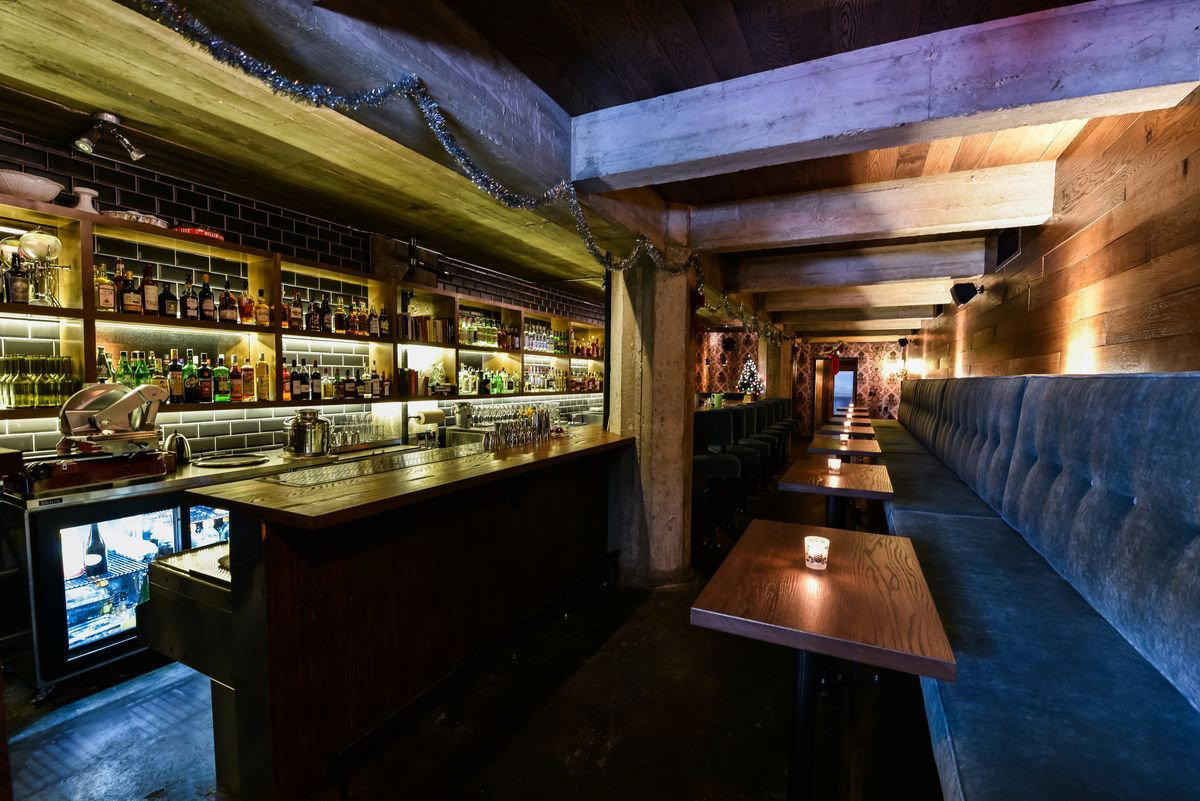
Hotels in Austin
Browse all →

At a Glance
- Intimate
- Lively
- Sophisticated
- Casual Hangout
- After Work
- Late Night
- Group Dining
- Historic Building
- Open Kitchen
- Standalone
- Craft Cocktails
Current opening hours
- Monday
- 5 PM–12 AM
- Tuesday
- 5 PM–12 AM
- Wednesday
- 5 PM–2 AM
- Thursday
- 5 PM–2 AM
- Friday
- 5 PM–2 AM
- Saturday
- 5 PM–2 AM
- Sunday
- Closed
Hours can change for holidays and private events. Last verified .
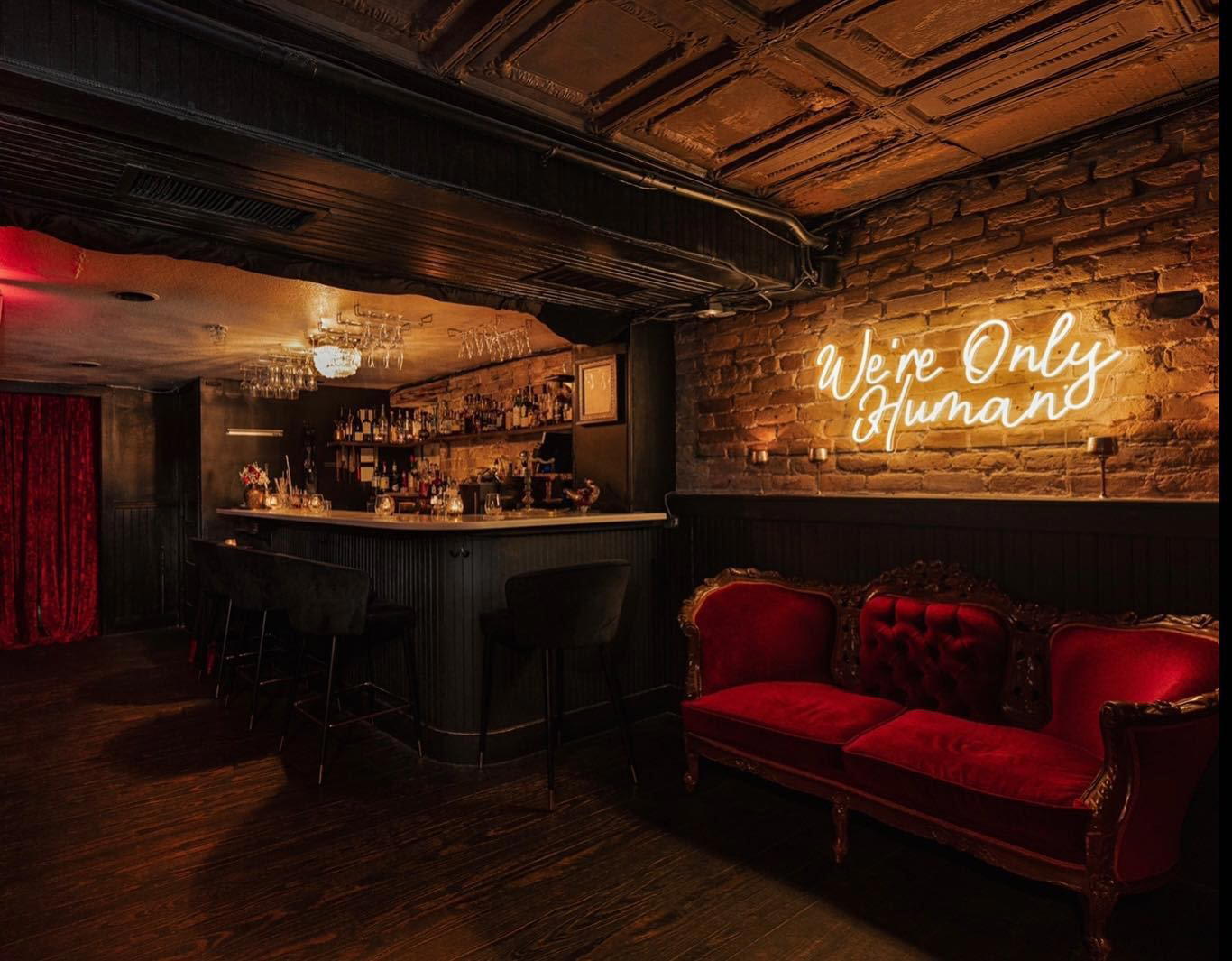
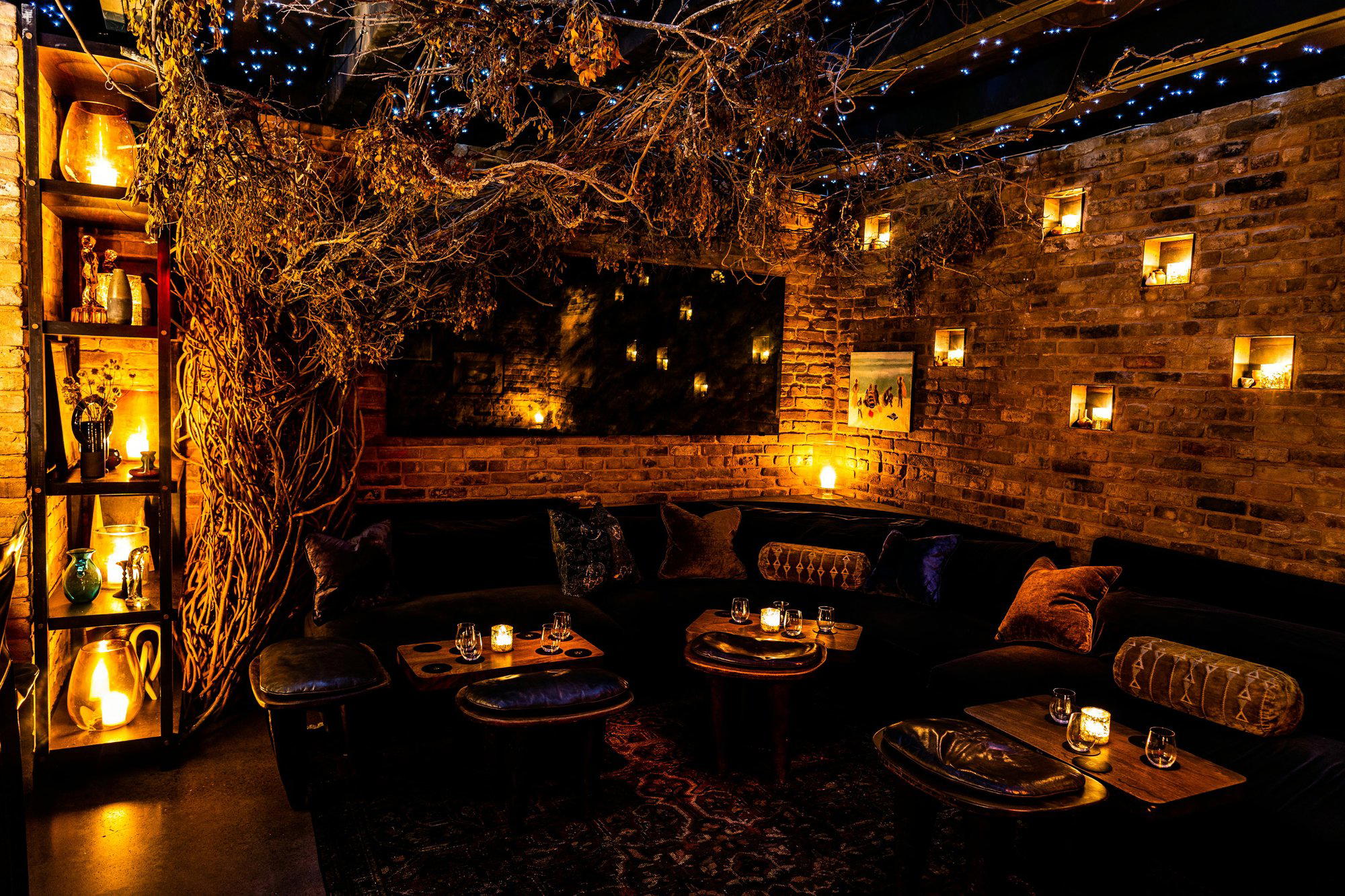
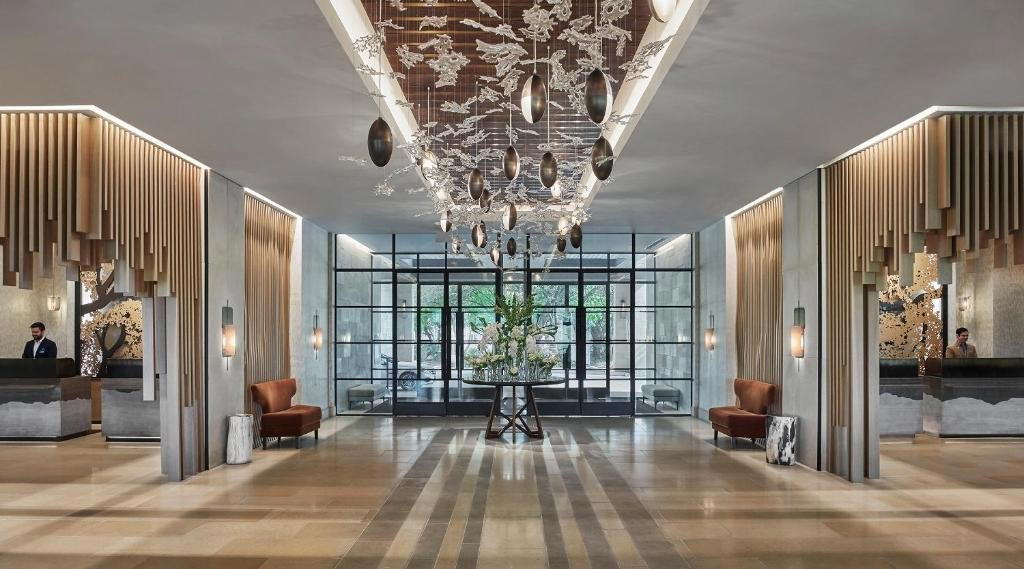
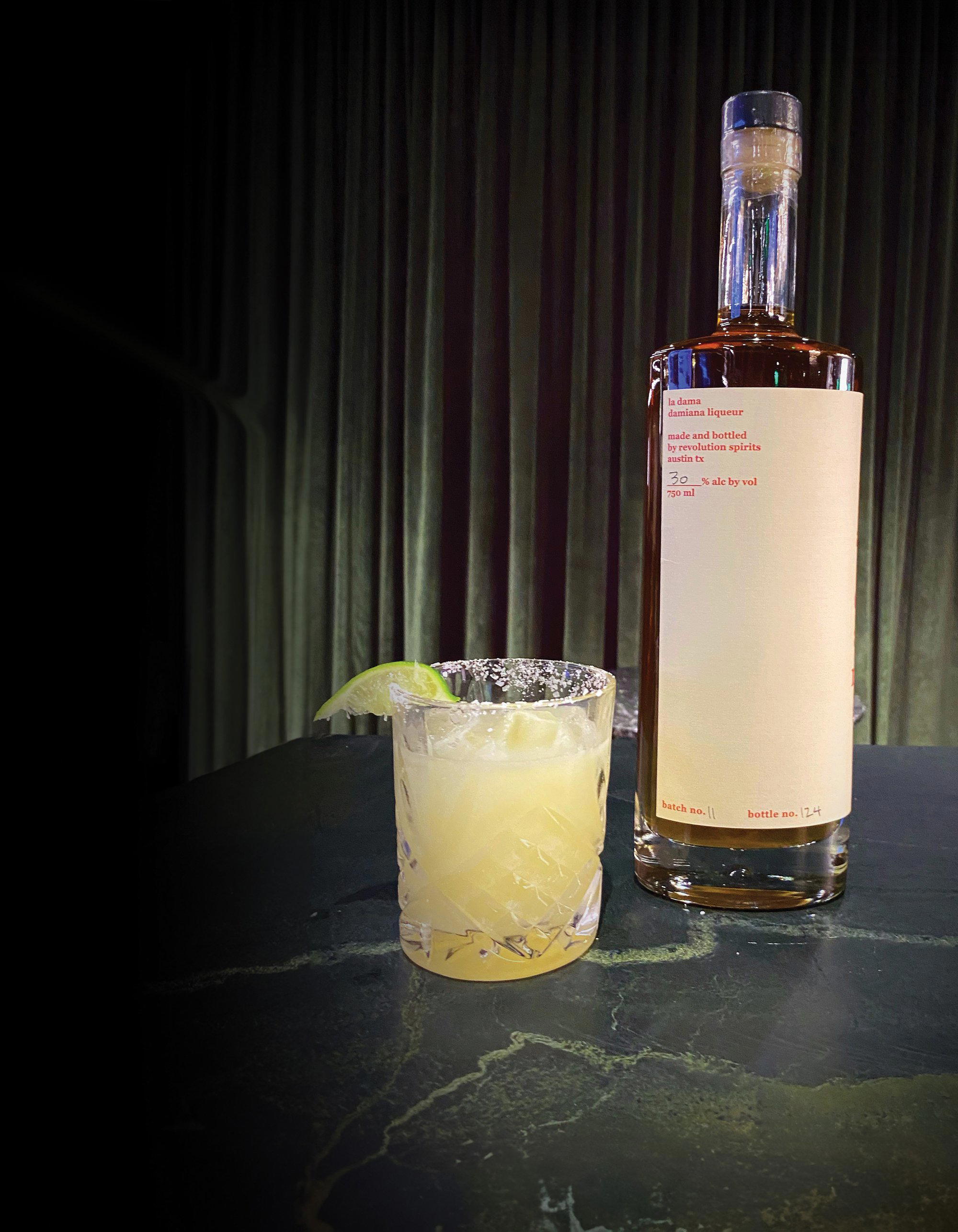
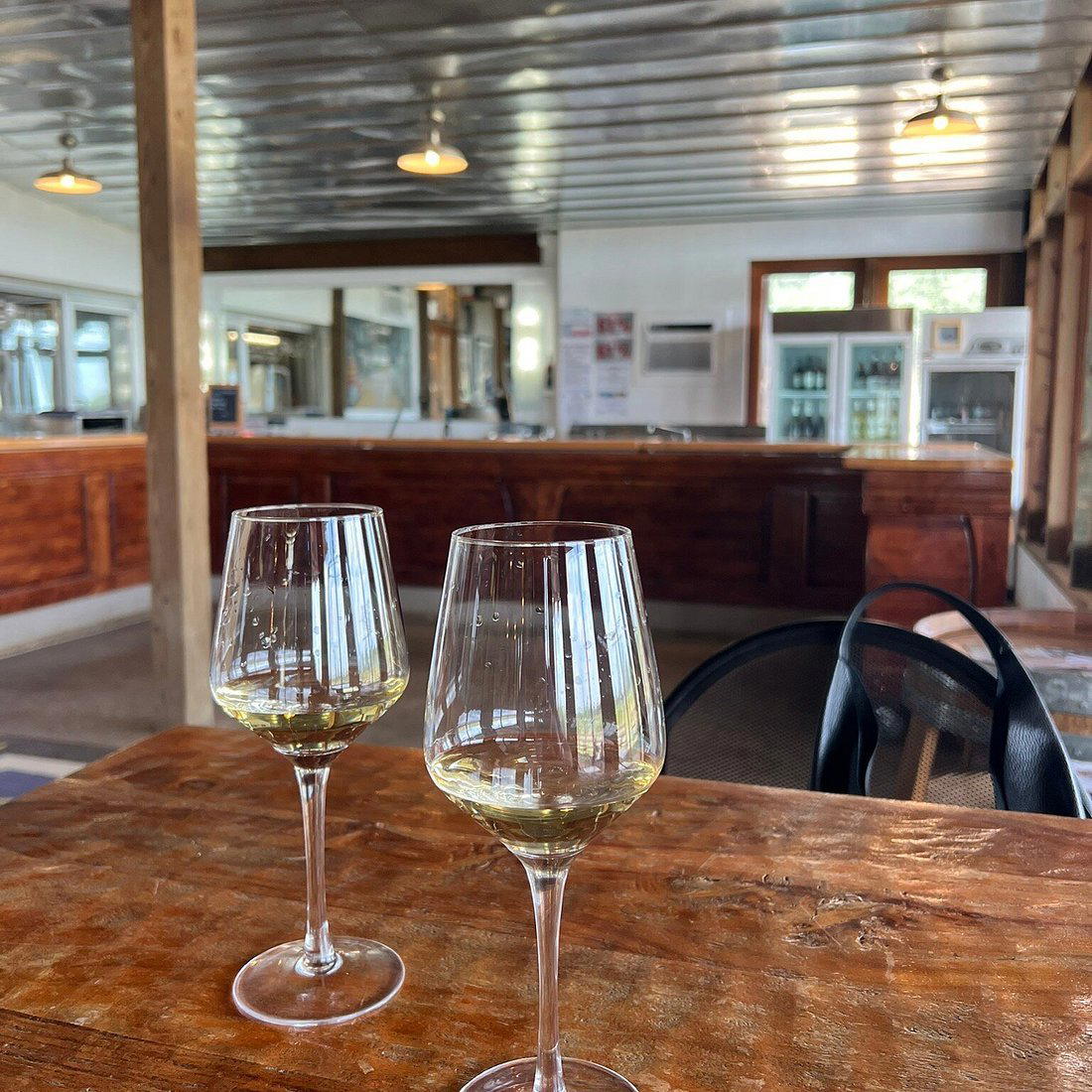
Dimly lit with low lighting, neon signage, and a tucked-away speakeasy aesthetic that shields guests from street views while maintaining an intimate yet lively atmosphere.
Know Before You Go
- Getting there
- 503 Colorado St, Austin, TX 78701