FUXBAU


FUXBAU in Stuben am Arlberg holds consecutive Michelin Plate recognition for 2024 and 2025, placing it among the village's most consistent regional tables. For the Arlberg's small but serious dining circuit, it represents the grounded, place-rooted end of the local spectrum.
Pearl is the En Primeur Club membership app — saves, bookings, and concierge access live there. Same editors, same standards.
- Address
- Stuben 22, 6762 Stuben, Austria
- Phone
- +43 5582 30188400
- Website
- restaurant-fuxbau.at
- Directions
- Get directions
 Saves & bookings on Pearl
Where Alpine Regional Cooking Finds Its Ground Floor
Stuben am Arlberg is a hamlet that most visitors drive through on the way to larger resort towns, yet it supports a dining scene disproportionate to its size. The village sits at the western approach to the Arlberg pass, and the cooking that has taken root here over generations reflects that geography: produce drawn from altitude, preparations shaped by long winters, and a hospitality tradition built around feeding people who have been outside in serious mountain weather. FUXBAU, at Stuben 22, occupies that tradition.
The category of regional cuisine in Austria carries more weight than the label might suggest elsewhere. In the Alpine west, it implies a specific set of commitments: sourcing tied to the surrounding valleys, preparations that reference local farmhouse cooking, and a format calibrated for guests who eat with appetite rather than performance. At the €€ price tier, FUXBAU sits at the accessible end of the Arlberg's dining spectrum, well below the destination tasting-menu operations that cluster around Sankt Anton and Lech, and closer in spirit to the kind of table that a village like Stuben historically produced for its own community before ski tourism reshaped the region's hospitality economy.
Michelin Recognition in Context
FUXBAU has received Michelin Plate recognition in both 2024 and 2025, placing it in a specific tier of Austrian recognition. The Plate, awarded to restaurants offering good cooking without the full critical elevation of a star, functions as Michelin's signal that the kitchen is technically reliable and worth a detour on its own terms. In a country where the upper end of the dining scene is anchored by operations like Steirereck im Stadtpark in Vienna and Döllerer in Golling an der Salzach, the Plate distinction for a village restaurant at the €€ price point represents something different: consistency and craft operating at a scale that does not require the infrastructure of a full tasting-menu program.
Within the Arlberg corridor specifically, that recognition gains further weight. The nearby Gourmetrestaurant Tannenhof in Sankt Anton am Arlberg and Griggeler Stuba in Lech represent the higher-end bracket of the region's dining circuit. FUXBAU prices and pitches well below that tier, which makes its Michelin recognition a statement about the kitchen's quality relative to its format rather than its ambition to compete with the region's destination dining.
6 from 410 reviews adds a complementary data point. At that volume, the rating reflects sustained guest satisfaction across multiple seasons rather than a concentrated burst of early enthusiasm, which is a meaningful indicator for a small village restaurant operating in a market with significant seasonal turnover.
Regional Cuisine as Cultural Argument
Austrian Alpine regional cooking is often misread as a category defined by rusticity, but the more precise framing is that it represents a specific negotiation between the agricultural possibilities of high-altitude terrain and the expectations of a community that uses food as a form of cultural continuity. The dishes that define this tradition, from preparations using mountain dairy to techniques that evolved from necessity in isolated valleys, carry an argument about place that more itinerant fine-dining formats cannot replicate.
This is the tradition in which FUXBAU operates. The regional cuisine classification, combined with the Michelin Plate's signal of technical competence, suggests a kitchen that takes those inherited forms seriously rather than deploying them as aesthetic dressing for a more generic contemporary menu. Across Austria's serious regional tables, from Landhaus Bacher in Mautern an der Donau to Obauer in Werfen, the shared characteristic is a willingness to let the region's own ingredients and techniques carry the argument without forcing them into an international fine-dining idiom. FUXBAU, operating at a more accessible price point than either of those houses, belongs to the same broader cultural disposition even if it occupies a different tier of the recognition hierarchy.
For comparison, the regional cuisine format at FUXBAU's price and scale finds parallels in other Alpine contexts: Gannerhof in Innervillgraten and Fahr in Künten-Sulz represent the same commitment to place-rooted cooking operating outside the high-volume resort dining circuit. The common thread is a kitchen that reads its geography as a resource rather than a constraint.
Stuben am Arlberg's Dining Position
The village's dining circuit is small by absolute measure but notable for its range. Alongside FUXBAU, Chef's Table by Joshua Leise represents the modern cuisine end of the local spectrum, offering a contrasting format at a different price tier. Together, the two restaurants give Stuben a dining range that a hamlet of its size would not typically support, a consequence of the Arlberg's consistent draw of guests who prioritise eating as seriously as skiing.
The broader Austrian Alpine dining scene, which includes destination operations like Ikarus in Salzburg, Kräuterreich by Vitus Winkler in Sankt Veit im Pongau, Ois in Neufelden, and Restaurant 141 by Joachim Jaud in Mieming, spans price points and formats that FUXBAU does not compete with directly. Its comparable set is the category of regionally committed, Michelin-recognised village restaurants that serve serious cooking without requiring the guest to commit to a multi-hour tasting format or a correspondingly high price point.
Planning a Visit
FUXBAU is located at Stuben 22 in the village centre, accessible via the Arlberg road from either Langen am Arlberg to the west or Sankt Anton to the east. Given Stuben's size and the seasonal nature of Alpine resort dining, visiting during the winter season, when the Arlberg's hospitality economy is at full operation, is one reliable approach. The €€ price positioning means the restaurant sits within reach for guests who may be allocating budget across multiple nights in the region rather than concentrating spend on a single destination dinner. Booking in advance is advisable given the village's limited total dining capacity. For a fuller picture of what the area offers, consider Stuben am Arlberg restaurants, hotels, bars, wineries, and experiences.
Budget Reality Check
Comparable venues nearby, for context on price, style, and recognition.
| Venue | Cuisine | Price | Awards | Notes |
|---|---|---|---|---|
| FUXBAUThis venue — the venue you are viewing | Alpine | $$ | Michelin Plate | Not listed |
| Chef's Table by Joshua Leise | Stuben am Arlberg, Alpine Haute Cuisine | $$$$ | Michelin Plate | Not listed |
| Pfeffermühle | Not listed | $$$ | Michelin Plate | Lech am Arlberg, Modern Austrian Alpine Fine Dining |
| Gasthof Adler | Dining | Not listed | Bib Gourmand | Not listed |
| Lechtaler Stube | Not listed | $$$ | Michelin Plate | Oberlech, Classic Austrian with Regional Influences |
| Carnozet | Not listed | $$ | Bib Gourmand | Hirschegg, Kleinwalsertal, Modern Alpine Inn Cuisine |
Recognition history
Dated appearances from independent guides and award organizations, with the underlying list record or original source where available.
Falstaff Restaurant - 92 Falstaff Points
Falstaff
Michelin Plate
Michelin
Michelin Plate
Michelin
Michelin Plate
Michelin
Continue exploring
More in Stuben am Arlberg
Restaurants in Stuben am Arlberg
Browse all →
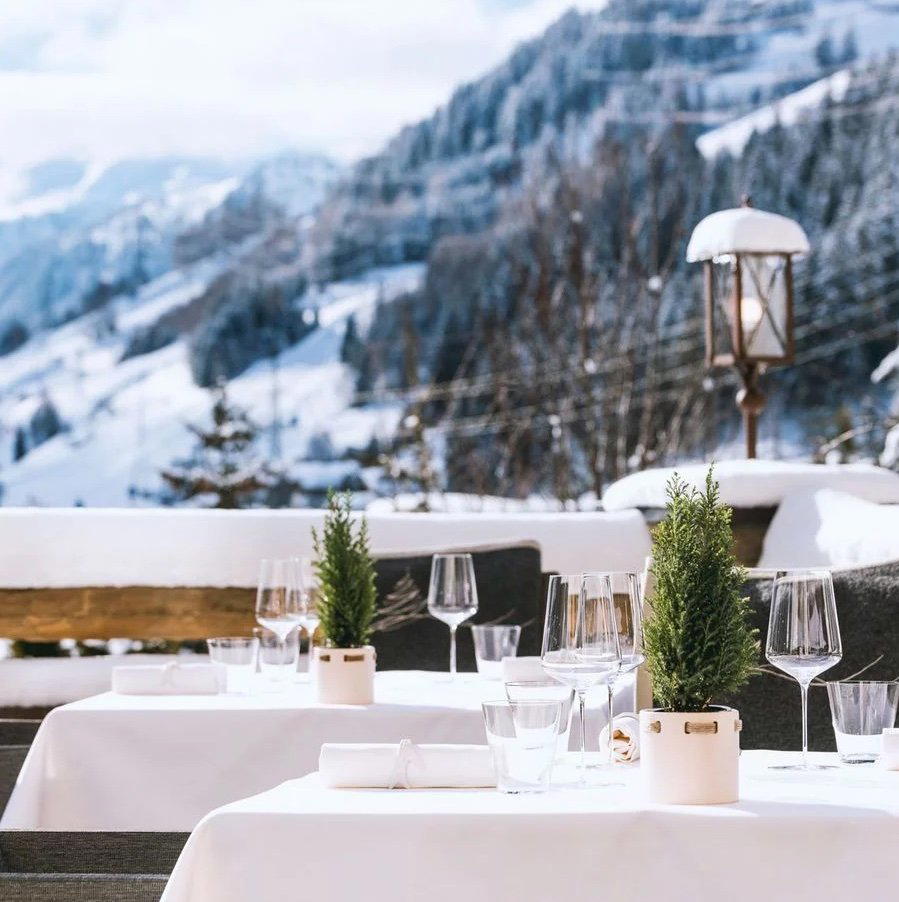
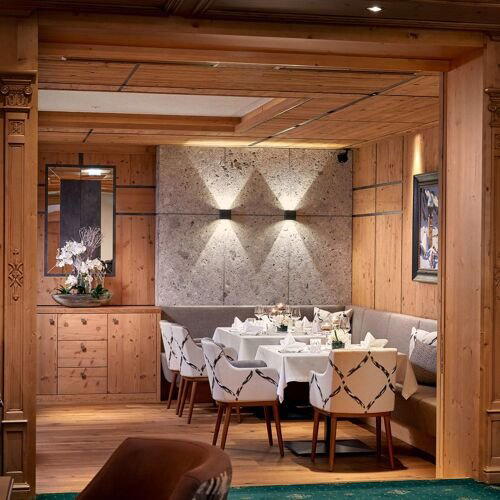
Bars in Stuben am Arlberg
Browse all →
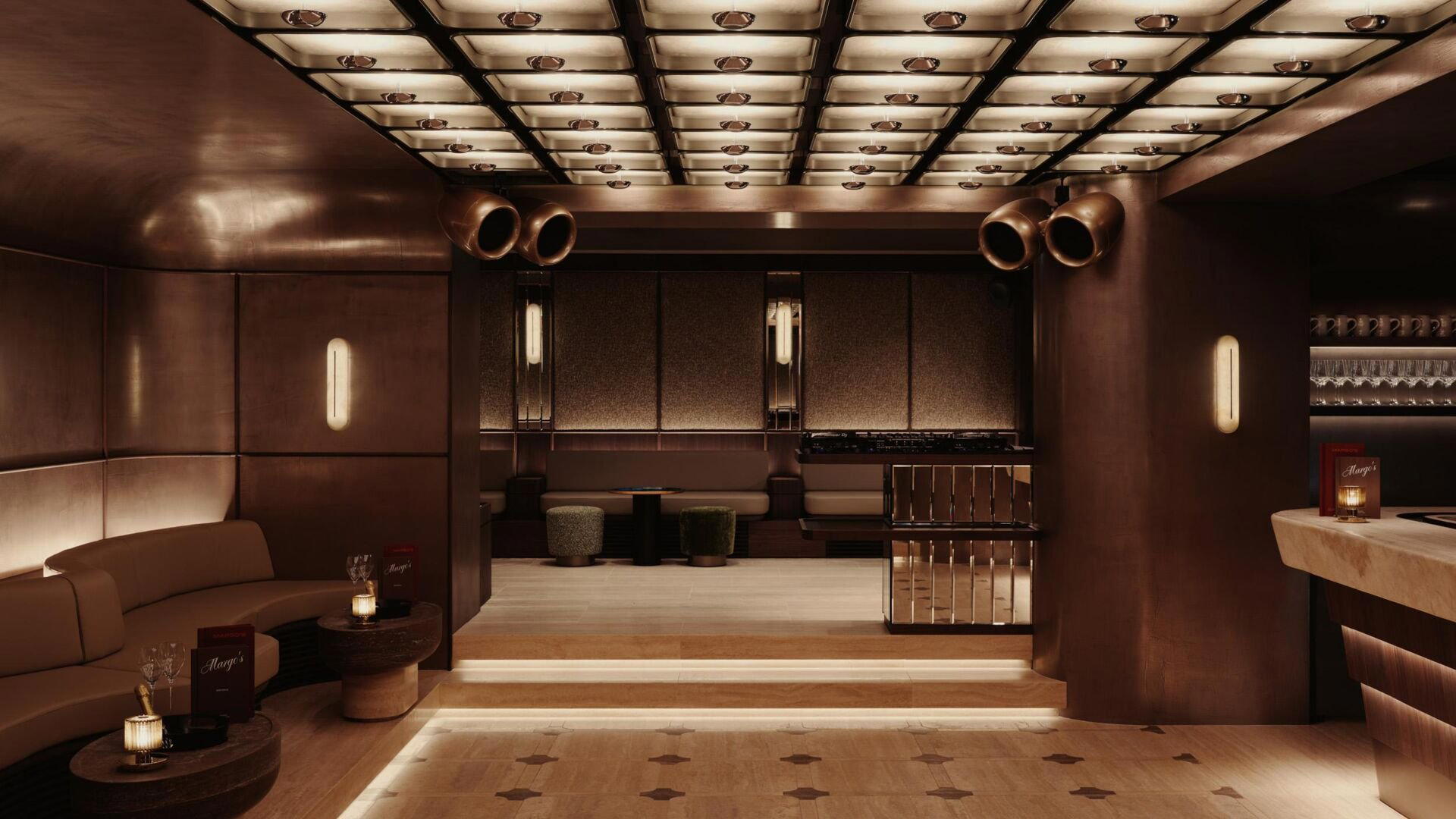


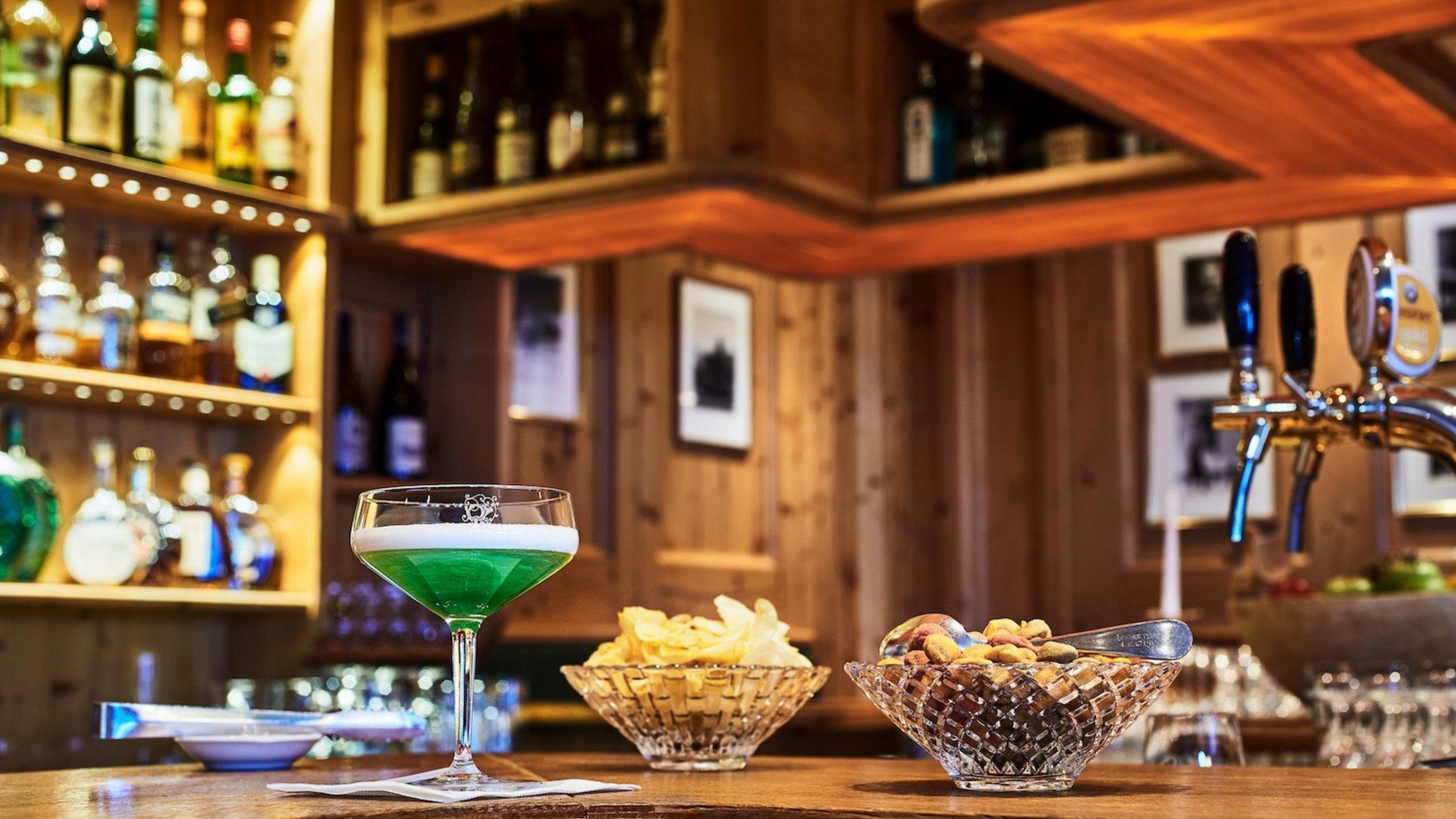
Hotels in Stuben am Arlberg
Browse all →
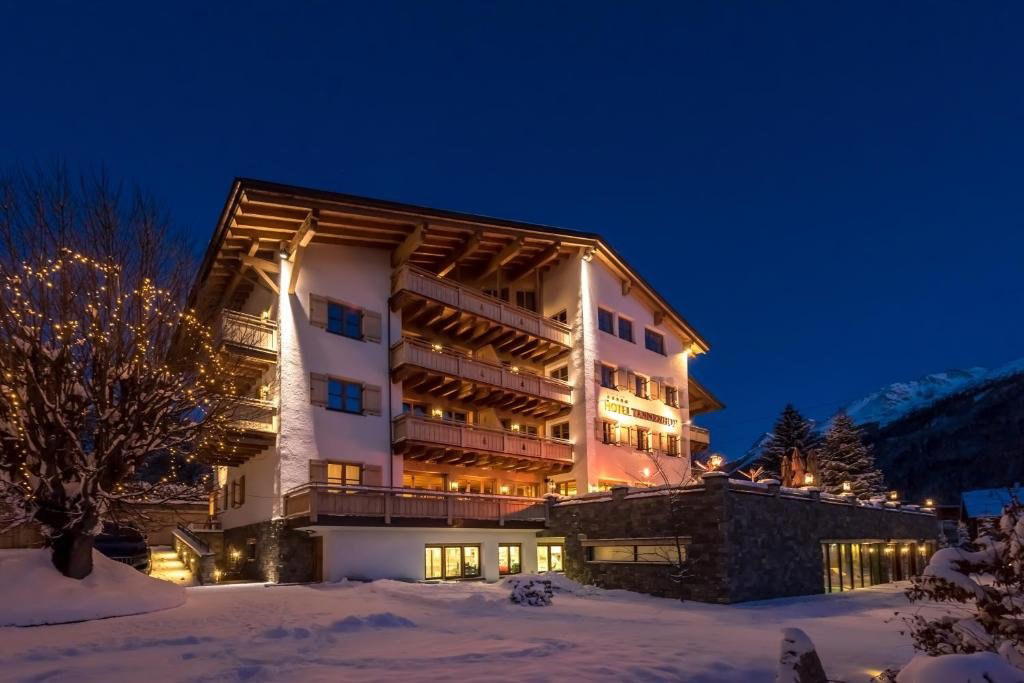

At a Glance
- Cozy
- Rustic
- Modern
- Scenic
- Special Occasion
- Date Night
- Celebration
- Hotel Restaurant
- Local Sourcing
- Mountain
Current opening hours
- Monday
- Closed
- Tuesday
- Closed
- Wednesday
- 11 AM–11 PM
- Thursday
- 11 AM–11 PM
- Friday
- 11 AM–11 PM
- Saturday
- 11 AM–11 PM
- Sunday
- 11 AM–11 PM
Hours can change for holidays and private events. Last verified .