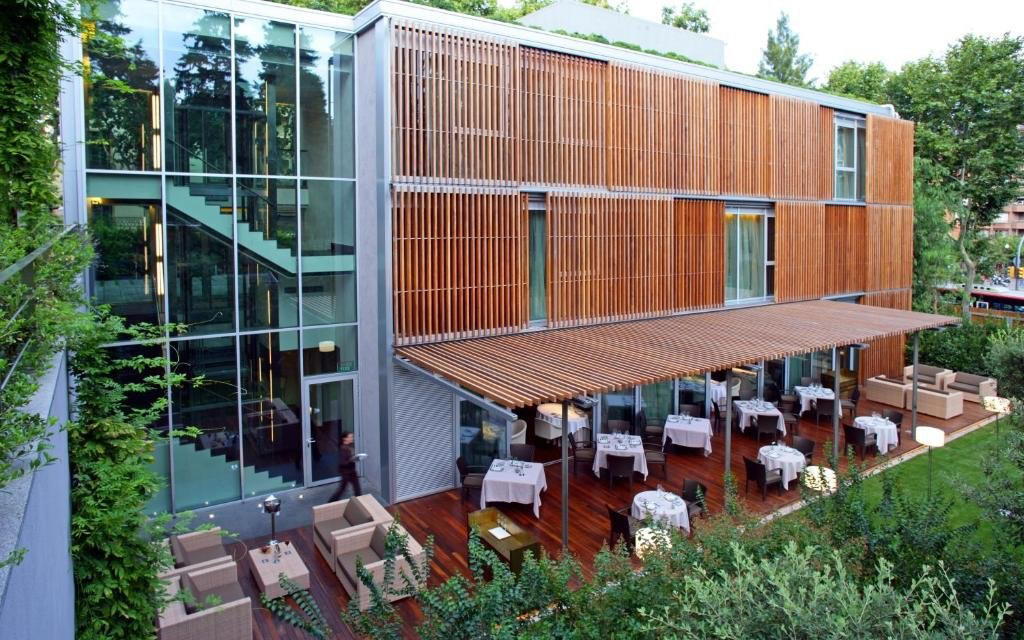
Fusco occupies a quiet stretch of Passeig de Sant Gervasi in Barcelona's Sarrià-Sant Gervasi district, a neighbourhood that sits at a considered distance from the city's more saturated dining circuits. The restaurant works within the tradition of kitchens that treat local Catalan and Spanish ingredients as the fixed point, with technique as the variable, placing it in a comparable set alongside Barcelona's more methodical creative addresses.
Pearl is the En Primeur Club membership app — saves, bookings, and concierge access live there. Same editors, same standards.
- Address
- Pg. de St. Gervasi, 81, Sarrià-Sant Gervasi, 08022 Barcelona, Spain
- Phone
- +34935592530
- Website
- fuscorestaurant.com
- Directions
- Get directions
 Saves & bookings on Pearl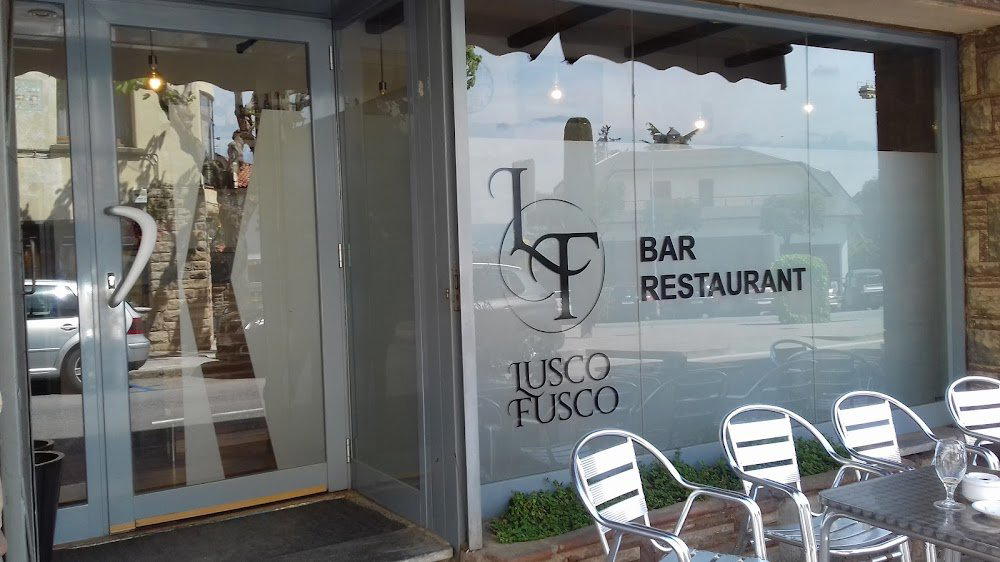
Where Sarrià-Sant Gervasi Meets the Technical Kitchen
Passeig de Sant Gervasi runs through one of Barcelona's more residential upper districts, the kind of neighbourhood where the dining room tends to reflect the street outside it: quieter, more deliberate, less performative than the Eixample blocks further south. Fusco occupies number 81 along this stretch, in Sarrià-Sant Gervasi, Barcelona, a district that has historically attracted kitchens more interested in precision than in spectacle. The approach here belongs to a recognisable strand of Spanish cooking that treats the local larder as a fixed point and imports technique, from classical French kitchens, from Basque rationalism, from the Catalan modernist tradition, as the working instrument.
That intersection of indigenous product and foreign method is one of the more interesting arguments in contemporary Spanish cuisine. You see it across the country's most discussed addresses: Quique Dacosta in Dénia drawing on the Costa Blanca's marine pantry through a heavily technical lens, Ricard Camarena in València applying rigorous method to the huerta's vegetables, Aponiente in El Puerto de Santa María treating the Bay of Cádiz as a research subject. In each case, the kitchen's credibility rests on how well imported discipline serves local material, not on the technique itself. Fusco participates in that broader conversation from its position in Barcelona's upper residential tier.
Barcelona's Creative Kitchen Circuit, and Where Fusco Sits
Barcelona's most discussed creative kitchens cluster in a fairly tight comparable set. Disfrutar, carrying three Michelin stars, operates at the summit of that bracket with a format rooted in elBulli methodology and a tasting menu structure that runs long and technically ambitious. Cocina Hermanos Torres works a converted warehouse in Sant Antoni with a similarly decorated and spatially theatrical format. ABaC, in the Sarrià-Sant Gervasi district itself, holds two stars and positions itself as a hotel-integrated creative address. Lasarte brings a three-star Basque lineage to the Eixample. Enigma operates on a more conceptually driven, experience-led model.
Fusco sits in Sarrià-Sant Gervasi alongside ABaC but operates from a different reference point, less the hotel dining room, more the neighbourhood kitchen with a technical vocabulary. That distinction matters in Barcelona's current dining structure, where particularly decorated rooms carry high price points and long booking windows, and a tier below them offers serious cooking to a less saturated reservation queue. Compared to the Michelin-starred circuit at the leading, the mid-tier creative address in a residential district represents a different kind of proposition: more accessible in booking terms, more consistent in atmosphere, and often more tightly focused in its menu logic.
The broader Spanish creative scene provides useful comparison points beyond Barcelona. El Celler de Can Roca in Girona is close enough to draw the natural comparison, a kitchen that treats Catalan ingredient culture as primary and technique as servant. Arzak in San Sebastián and Martin Berasategui in Lasarte-Oria define the Basque version of this conversation. Mugaritz in Errenteria takes it into more experimental territory. Azurmendi in Larrabetzu adds a sustainability dimension. At DiverXO in Madrid and Atrio in Cáceres, the same broad argument, local material, imported rigour, manifests in different aesthetic registers.
The Ingredient-Method Argument in Catalan Cooking
Catalonia's larder is one of the more varied in Spain: Pyrenean game and mountain mushrooms from the north, seafood drawn from the Costa Brava and the Delta de l'Ebre, the market vegetables that define the Boqueria's rhythm, and a charcuterie tradition that runs through almost every kitchen at every price point. The question any serious Catalan kitchen faces is how much technique to place in front of that material before it becomes an obstacle rather than a tool. Particularly discussed Barcelona addresses have generally landed on restraint as the answer, or at least on technique that resolves into clarity rather than complexity for its own sake.
Internationally, this argument has a clear reference point in how French-trained kitchens treat regional product, and it surfaces in places as different as Le Bernardin in New York City, where classical French discipline is placed in service of product quality above all, and Lazy Bear in San Francisco, where technique is made legible and the sourcing narrative is part of the format. The shared logic is that imported method earns its place by making the ingredient more itself, not less.
Planning a Visit
Sarrià-Sant Gervasi is accessible by FGC rail from Plaça de Catalunya, with the Sarrià or Les Tres Torres stops reducing the distance to a short walk. It is not a neighbourhood that rewards an unplanned evening, fewer late-night fallback options exist here than in the Eixample or Born, so building a meal at Fusco into a deliberate evening makes logistical sense. The district is quieter than central Barcelona on most nights, which tends to work in the dining room's favour.
At a Glance
Comparable venues nearby, for context on price, style, and recognition.
| Venue | Cuisine | Price | Notes |
|---|---|---|---|
| FuscoThis venue — the venue you are viewing | Not listed | $$ | Not listed |
| TXALAPARTA | Sants, Authentic Basque Tapas & Pintxos | $$ | Not listed |
| SAGARDI BCN Gòtic | Not listed | $$ | Sant Pere, Santa Caterina i la Ribera, Traditional Basque Pintxos & Tapas |
| Ca l'Agut | Barri Gotic, Traditional Catalan | $$ | Not listed |
| Restaurant Pasa Tapas | Not listed | $$ | Sant Pere, Santa Caterina i la Ribera, Traditional Spanish Tapas & Paella |
| Can Ramonet | Not listed | $$ | la Barceloneta, Traditional Catalan Seafood and Rice |
Continue exploring
More in Barcelona
Restaurants in Barcelona
Browse all →
Bars in Barcelona
Browse all →
Hotels in Barcelona
Browse all →
At a Glance
- Cozy
- Elegant
- Date Night
- Casual Hangout
- Terrace
- Extensive Wine List
- Craft Cocktails
- Local Sourcing