Furana
Set within Porto Vecchio's fortified haute ville, Furana draws on the island's interior for its culinary direction, where Corsican produce and tradition take precedence over Mediterranean convention. The address on Rue de la Porte Génoise places it at the heart of the old town's restaurant circuit, where a handful of serious tables have quietly reshaped expectations for the region's dining scene.
Pearl is the En Primeur Club membership app — saves, bookings, and concierge access live there. Same editors, same standards.
- Address
- Rue de la Prte Génoise, 20137 Porto-Vecchio, France
- Phone
- +33495705803
- Website
- restaurantfurana.com
- Directions
- Get directions
 Saves & bookings on Pearl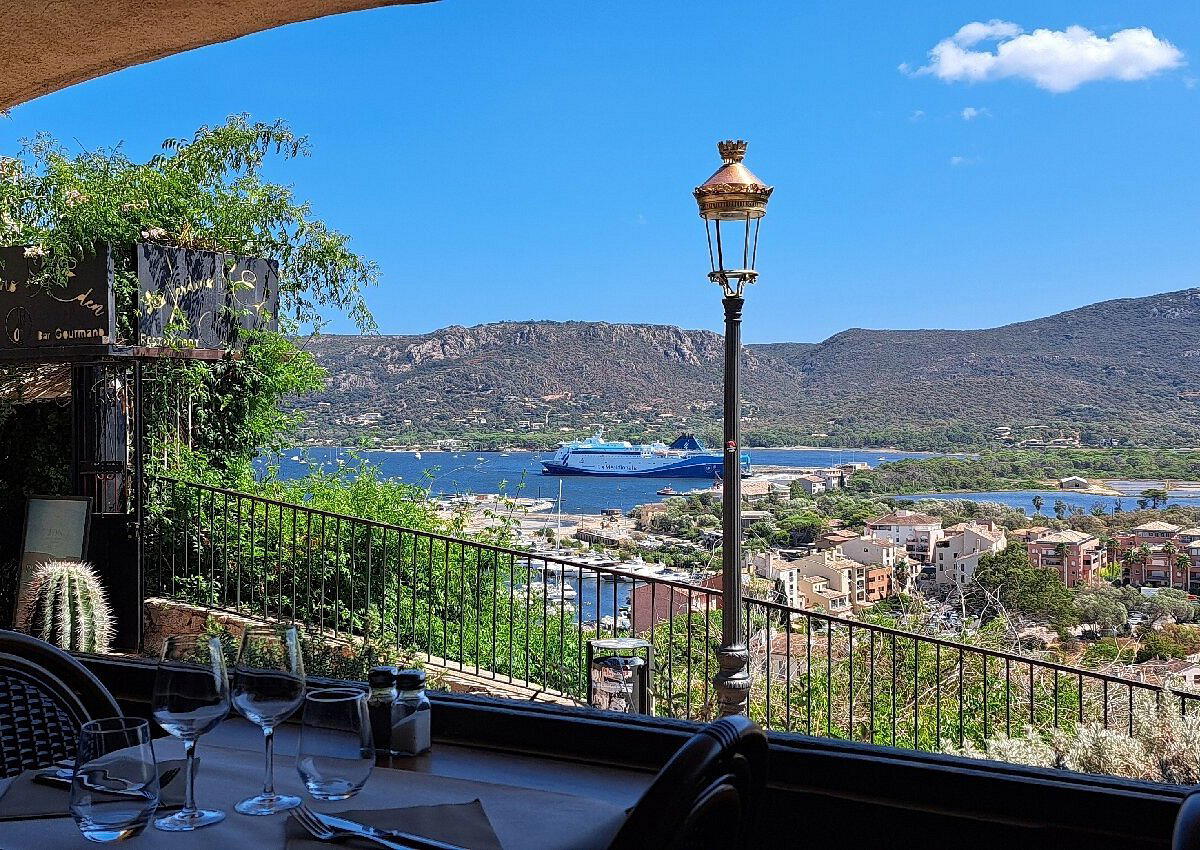
Where the Old Town Meets the Island's Interior
Porto Vecchio's haute ville sits behind thick Genoese walls that have absorbed centuries of trade wind and granite dust. The upper town's narrow lanes converge around a small cluster of restaurants that serve the summer influx without surrendering entirely to it. This is the part of Porto Vecchio where the architecture does the heavy lifting and the better tables let the food follow the same logic, rooted, direct, unhurried. Furana occupies a position on Rue de la Porte Génoise, the artery that cuts through the fortified quarter, where the street narrows and the stone underfoot gives way to the particular quiet of a Corsican evening. The setting frames a specific kind of dining expectation before a single dish arrives.
Corsican Sourcing as the Starting Point
The island's food identity has always been defined by what the interior produces rather than what the coast imports. Chestnut flour, brocciu cheese, charcuterie from free-range pigs raised in the maquis, and herbs gathered from the scrubland that covers the mountain approaches to Porto Vecchio: these are the ingredients that distinguish Corsican cooking from the broader Provençal and Italian-influenced traditions of the western Mediterranean. Restaurants that work seriously with this material tend to position themselves against a different comparable set than the seafood-forward addresses that dominate the island's tourist strip.
Furana's address in the old town places it within walking distance of competitors including A Cantinetta, La Table de Nathalie, Le Divin, and Sous la Tonnelle, all of which have built their own relationships with local sourcing and seasonal rhythms. Within this cluster, the defining question is usually the degree to which a kitchen commits to the island's own larder versus supplementing it with mainland or imported product. That commitment shapes not just the menu but the entire character of a meal.
The broader French tradition of terroir-driven cooking has produced some of the country's most respected destination restaurants, from Bras in Laguiole, where the Aubrac plateau defines every plate, to Auberge du Vieux Puits in Fontjoncouse, which has made the Corbières a credible dining destination in its own right. Corsica represents a distinct version of this tradition: an island that has preserved its food culture through geographic isolation rather than deliberate gastronomic positioning, which makes the ingredient story feel less constructed and more structural.
The Haute Ville Dining Circuit in Context
Porto Vecchio's upper town has developed a concentration of serious restaurants that functions somewhat like a small-scale version of the fortified village dining scenes found in inland Provence or the Languedoc. The density matters: within a short walk, a visitor can compare several distinct approaches to Corsican cuisine without the logistical friction of driving between addresses. This compression has raised standards across the cluster, since each kitchen is immediately visible to the others' clientele.
The summer season structures everything. Porto Vecchio's population expands sharply from June through August, when the marina fills and the beaches south of the town draw an international crowd accustomed to eating well. The haute ville's restaurant circuit absorbs this demand without losing its identity, partly because the physical constraints of the old town limit how many covers any single address can add. The architecture enforces a ceiling on scale that the better kitchens have turned into an advantage.
France's most decorated destination tables, from Flocons de Sel in Megève to Mirazur in Menton and Auberge de l'Ill in Illhaeusern, have each built their reputations on a specific, place-bound ingredient logic. Porto Vecchio's better tables operate at a different scale and with different ambitions, but the underlying principle is the same: that what grows or is raised nearby should determine what appears on the plate. The island's charcuterie tradition alone, protected under the Label Rouge and Indication Géographique Protégée systems, gives any kitchen that works with it a direct connection to a food culture with formal, documented provenance.
What the Setting Communicates
The atmosphere in Porto Vecchio's haute ville during the summer months is shaped by the contrast between the fortified stone and the heat outside the walls. Evenings cool faster at altitude than on the waterfront, and the narrow streets create a shade that the marina cannot offer. Dining in this part of town carries a different texture from the seafront terraces: more enclosed, more directly connected to the Genoese and Corsican history of the place, and more conducive to the kind of meal where the conversation continues past the point when it should reasonably have stopped.
Internationally, the kind of ingredient-forward, place-rooted cooking that defines stronger examples from this old town cluster has its equivalents in addresses as different as Troisgros in Ouches, Les Prés d'Eugénie in Eugénie-les-Bains, Paul Bocuse's Auberge du Pont de Collonges, La Table du Castellet, Georges Blanc in Vonnas, Alléno Paris au Pavillon Ledoyen, Le Bernardin in New York, and Lazy Bear in San Francisco: all places where the sourcing decision precedes the culinary technique.
Planning Your Visit
Furana sits on Rue de la Porte Génoise in Porto Vecchio's walled upper town, which is accessible on foot from the main car parks at the edge of the haute ville. The old town's streets are not navigable by car, so arriving on foot from the lower town is the practical approach. Porto Vecchio in peak summer operates on a reservations-first basis across its better tables, and the haute ville's limited cover counts mean that walk-in availability at dinner is unreliable from July through mid-August. Visiting outside the peak window, in June or September, gives access to the same kitchens with considerably less pressure on availability and a different, quieter atmosphere in the lanes themselves.
At-a-Glance Comparison
Comparable venues nearby, for context on price, style, and recognition.
| Venue | Cuisine | Price | Awards | Notes |
|---|---|---|---|---|
| FuranaThis venue — the venue you are viewing | Traditional Corsican | $$$ | Not listed | Not listed |
| Les Bergeries de Palombaggia | Modern Corsican Mediterranean Fine Dining | $$$$ | Not listed | Route de Palombaggia |
| La Table de Mina | Modern Corsican Mediterranean Fine Dining | $$$$ | Michelin Plate | Palombaggia |
| Sous la Tonnelle | Traditional Corsican French Bistro | $$ | Not listed | Porto-Vecchio Old Town |
| La Table de Nathalie | Modern French Bistro | $$$ | Not listed | Porto-Vecchio |
| A Cantinetta | Corsican Bistro | $$ | Not listed | Porto-Vecchio |
Continue exploring
More in Porto-Vecchio
Restaurants in Porto-Vecchio
Browse all →
Bars in Porto-Vecchio
Browse all →
At a Glance
- Elegant
- Romantic
- Scenic
- Date Night
- Special Occasion
- Terrace
- Panoramic View
- Historic Building
- Local Sourcing
- Waterfront
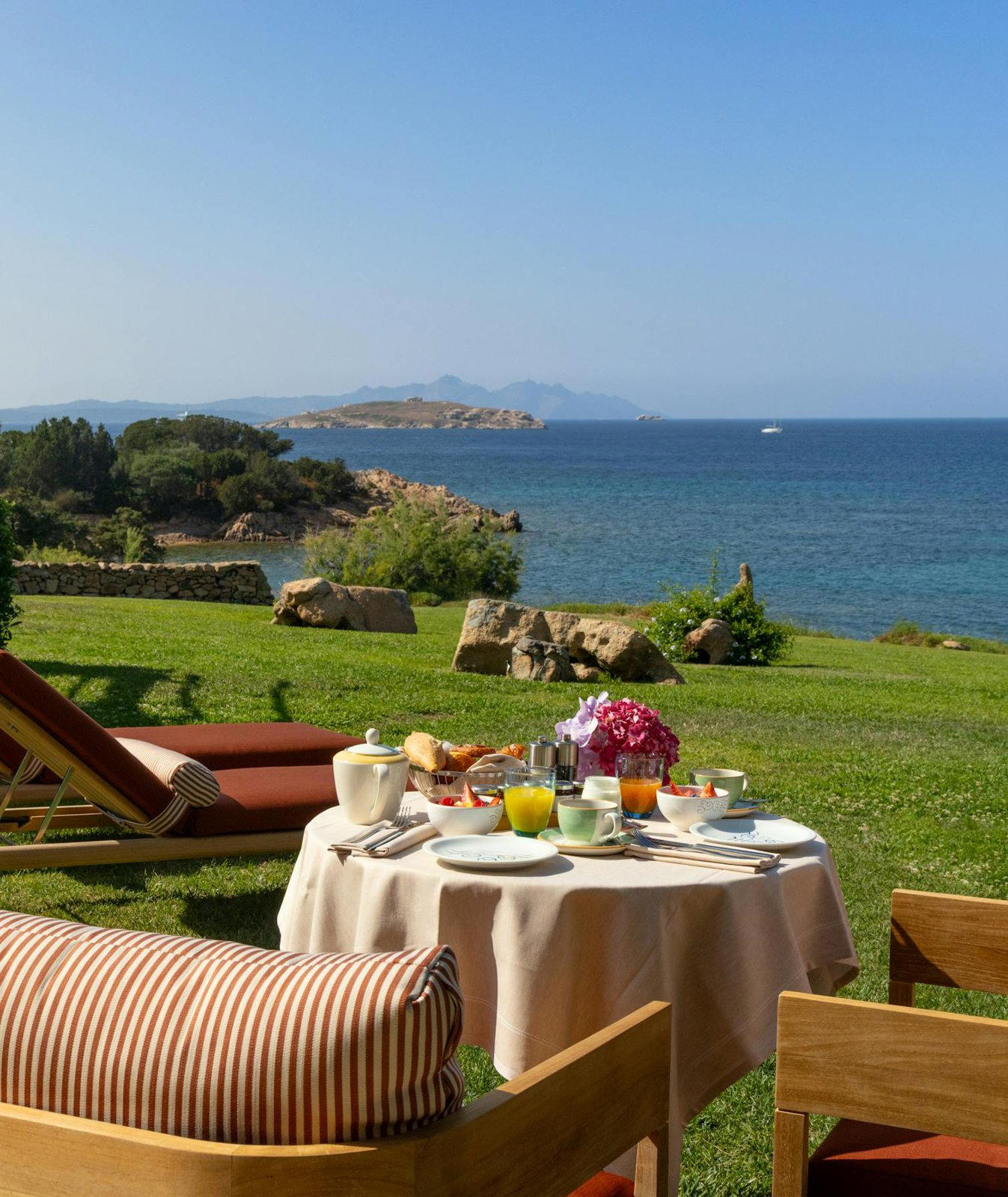
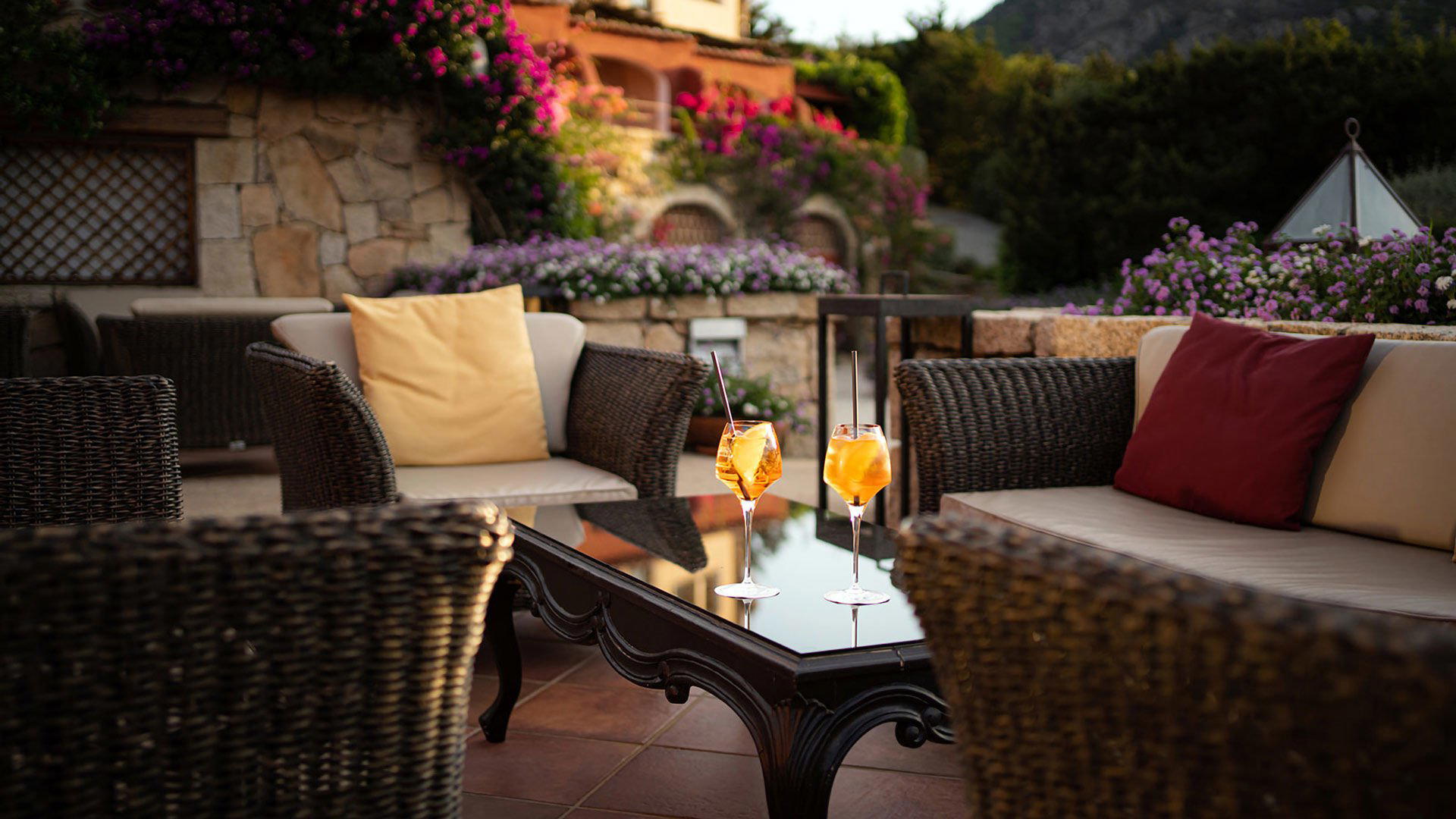
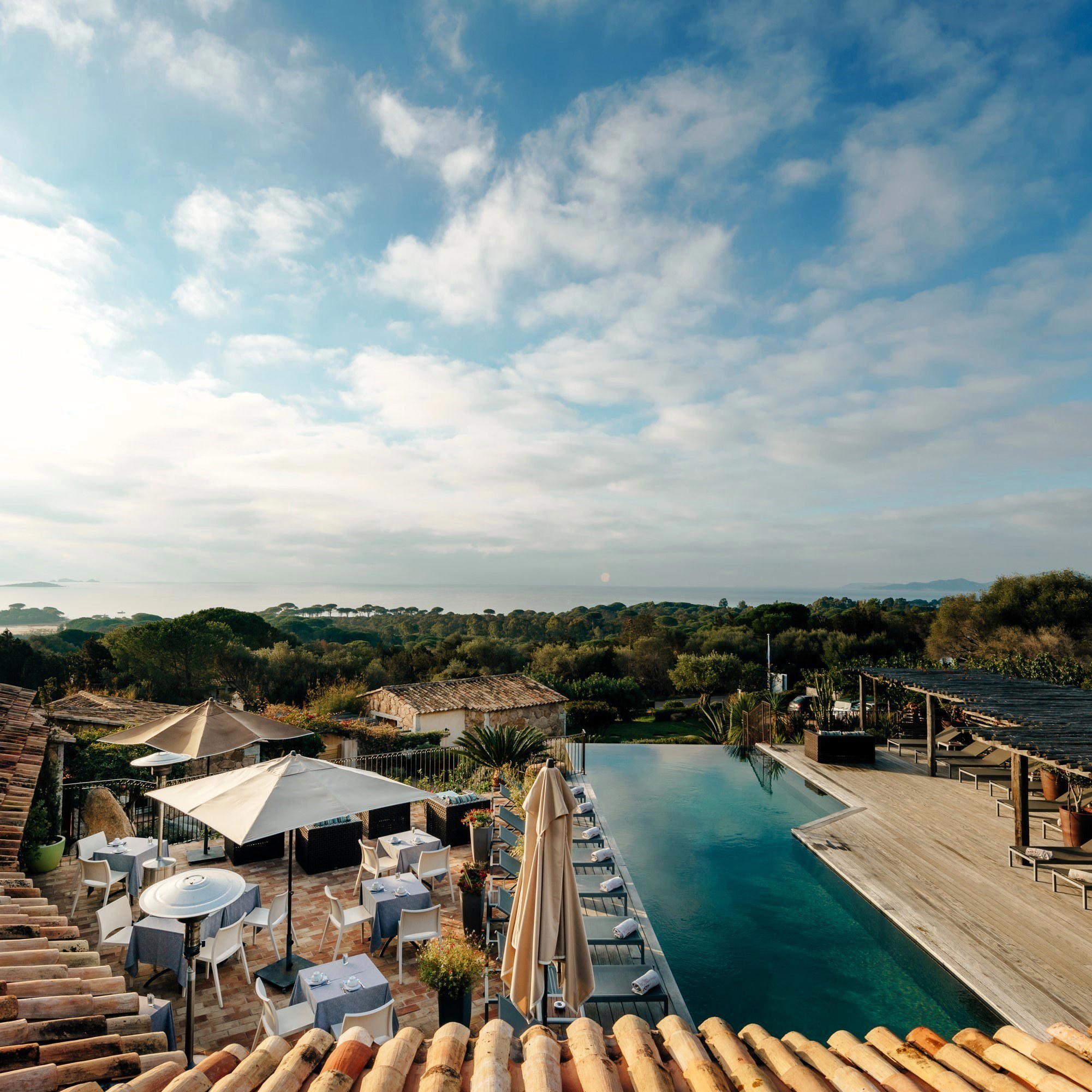
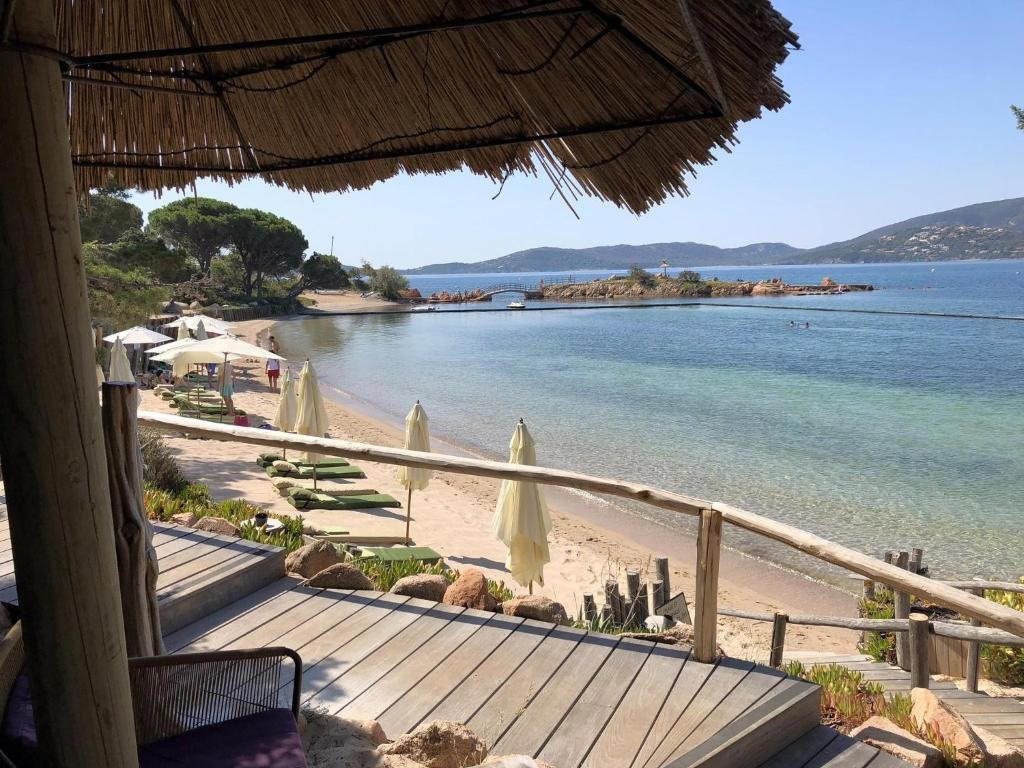
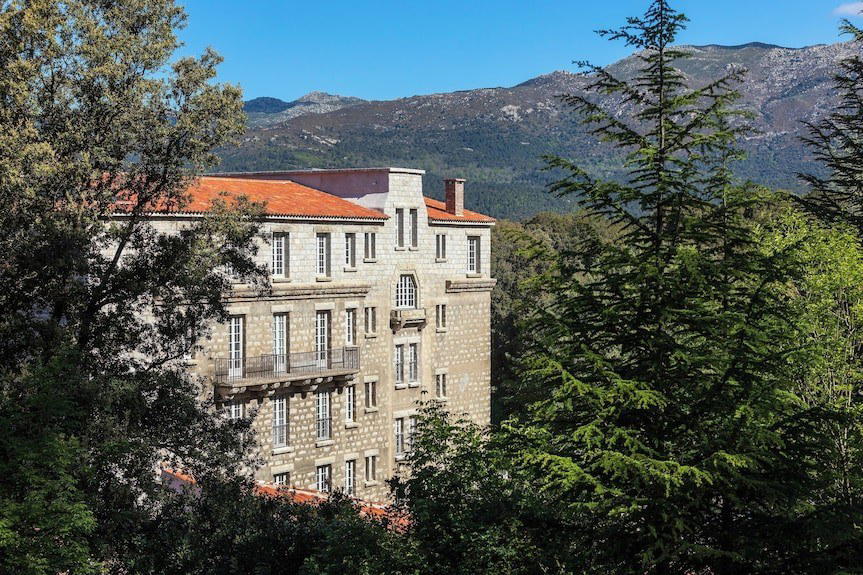
Warm elegant setting in old stone building with charming dining room and terrace overlooking the gulf.