La Table de Nathalie
In Porto-Vecchio's old town, La Table de Nathalie operates within a dining culture shaped by the island's larder: local charcuterie, coastal fish, and Corsican produce that shifts with the season. The address on Rue Jean Jaurès places it among the town's compact cluster of independent restaurants, a short walk from the citadel ramparts. For visitors working through the island's dining options, it represents the mid-tier independent category distinct from the resort-anchored fine dining at the southern cape.
 Discover on Pearl
Pearl is the En Primeur Club membership app — saves, bookings, and concierge access live there. Same editors, same standards.
- Address
- 4 Rue Jean Jaurès, 20137 Porto-Vecchio, France
- Phone
- +33495716525
- Website
- latabledenathalie.com
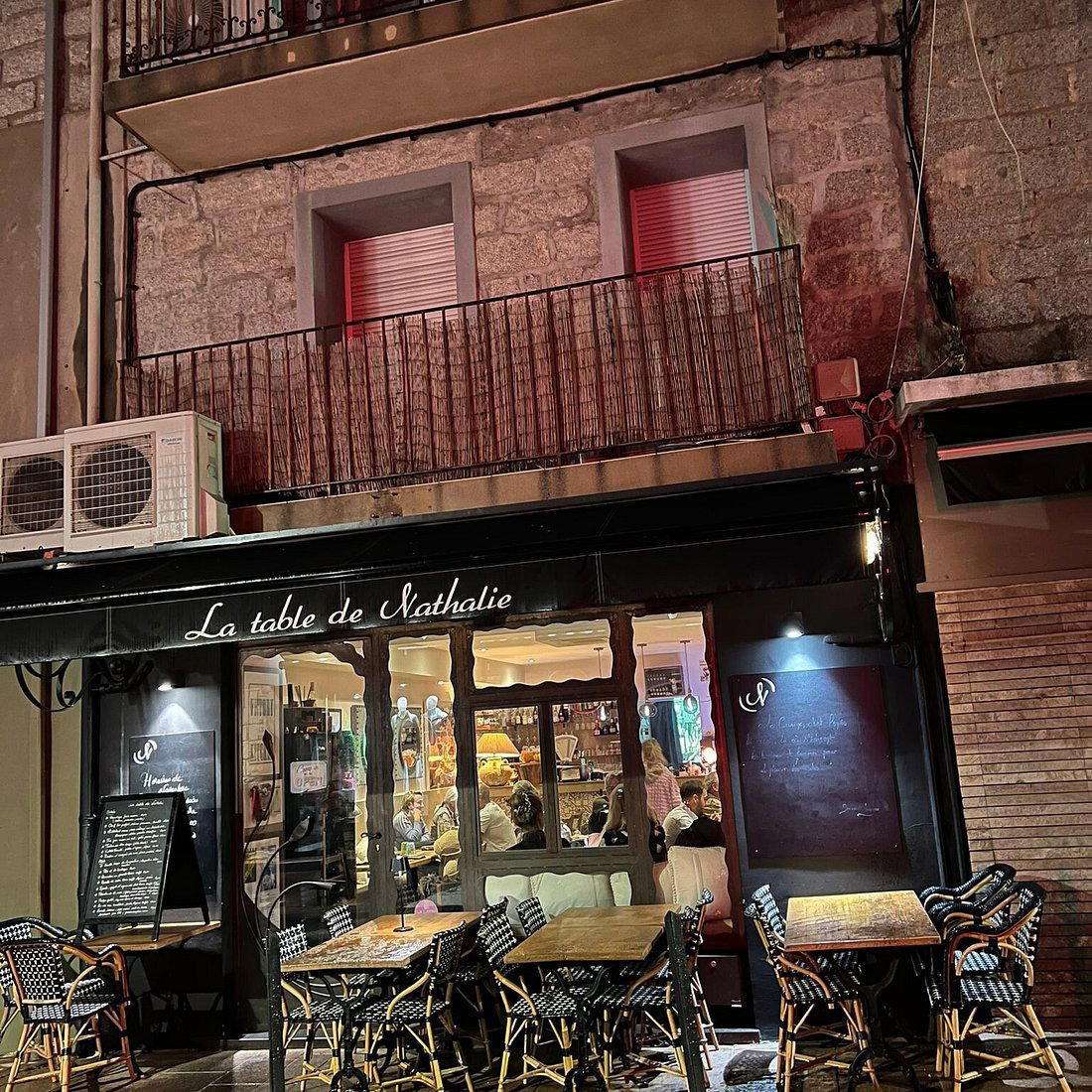
Where Corsican Produce Sets the Terms
Porto-Vecchio's old town arrives slowly on foot: a climb through stone-arched streets, past shuttered granite walls and the occasional glimpse of the gulf through a gap in the buildings. By the time you reach Rue Jean Jaurès, the pace has already shifted. The street sits at the quieter interior edge of the upper town, away from the harbour-facing terraces that fill earliest in the evening. It is the kind of address that rewards those who have already learned the layout of the vieille ville rather than those following a waterfront instinct.
La Table de Nathalie is a Modern French Bistro in Porto-Vecchio, serving about $50 per person. Porto-Vecchio's dining scene divides fairly cleanly between the resort tier anchored at the southern cape, where Casadelmar sets the benchmark for modern fine dining at the €€€€ level, and a smaller cohort of independent addresses in and around the old town that operate at a more accessible price point without abandoning seriousness of intent. La Table de Nathalie belongs to the latter group, alongside addresses such as A Cantinetta and Furana.
The Island as Larder
Corsican cooking draws its character from geography as much as technique. The island's interior produces chestnut flour, brocciu cheese, cured pork from free-range pigs raised on acorns and chestnuts, and herb-scented honeys that carry the maquis directly onto the plate. The coastline adds a different set of variables: sea bass, red mullet, lobster, and the small rocky-shore species that rarely travel off-island. The result is a larder that is both narrow and specific, which tends to concentrate culinary identity rather than dilute it.
This sourcing logic is worth understanding before sitting down anywhere in Porto-Vecchio. Restaurants that work within these constraints produce menus that change with what is available rather than what is predictable. The seasonal ceiling is low by the standards of French mainland cooking, but the floor is also higher: ingredients that arrive on the plate have typically not crossed a warehouse or a long cold chain. For visitors accustomed to dining at addresses like Mirazur in Menton or Bras in Laguiole, where the relationship between kitchen and immediate landscape is a core editorial position, the Corsican approach will feel familiar in its logic if different in its specific palette.
Within Porto-Vecchio's independent restaurant tier, the ingredient question separates the more considered kitchens from those that import standard French bistro supply chains onto the island. La Table de Mina occupies a similar mid-tier position at the €€€ level, and Don Cesar represents the modern cuisine strand at the same bracket. The density of independent options in the old town means that sourcing discipline and cooking clarity become the real differentiators, since price and format alone do not separate these addresses clearly enough.
Independent Kitchens and the French Provincial Tradition
France's regional restaurant culture has always maintained a category that sits below the Michelin-starred tier but above the generic brasserie: the small independent table driven by a named cook, usually in a town where the alternative is either tourist volume or no serious option at all. The Alsatian model at Auberge de l'Ill in Illhaeusern or the mountain-village positioning of Flocons de Sel in Megève represent the decorated upper end of this tradition, but the category extends well below those reference points to exactly the kind of address that La Table de Nathalie appears to represent.
What sustains these restaurants in smaller cities and resort towns is not awards accumulation but repeat clientele and a clear sense of what the kitchen does and does not do. Porto-Vecchio draws a sophisticated summer visitor base alongside the yachting crowd, and that audience supports restaurants that take sourcing and execution seriously without requiring the full apparatus of a gastronomic temple. The comparison set for La Table de Nathalie is not Alléno Paris au Pavillon Ledoyen or Paul Bocuse; it is the community of thoughtful independents that make provincial French dining worth seeking out in the first place.
The contrast with the resort end of the market is also worth noting. Restaurants operating inside or adjacent to luxury hotels, such as Assiette Champenoise in Reims or Au Crocodile in Strasbourg at the decorated end, carry a different kind of overhead and a different relationship with their customer. An independent address on a town-centre street answers only to what the kitchen produces and what the regulars return for. That accountability, when it works, produces more honest cooking.
Reading Porto-Vecchio's Dining Map
The broader Porto-Vecchio dining picture requires some orientation. The southern cape hotels concentrate the highest price points and the most formal service formats. The old town distributes independent addresses across a narrower range of price and style, with Italian influence running through several kitchens as a product of the island's geographic proximity to Sardinia and its historical connections across the Tyrrhenian. Charcuterie boards anchored by lonzu and coppa di testa appear across menus regardless of culinary register, and the local wine production, centred on Nielluccio and Vermentino, provides a sensible pairing frame for much of what is cooked here.
For visitors building a Porto-Vecchio itinerary across several nights, the practical split is direct: Casadelmar for the high-end modern cuisine benchmark, the old town independents for the mid-tier tables that connect most directly to local produce and neighbourhood rhythm. Our full Porto-Vecchio restaurants guide maps the full spread across price points and styles.
La Table de Nathalie sits at 4 Rue Jean Jaurès, reachable on foot from any part of the upper town in under ten minutes. Reservations are recommended, especially in summer.
Comparable Venues
Comparable venues nearby, for context on price, style, and recognition.
| Venue | Cuisine | Price | Awards |
|---|---|---|---|
| La Table de NathalieThis venue — the venue you are viewing | |||
| Casadelmar | Modern Cuisine | €€€€ | Michelin 2 Star |
| La Table de Mina | Modern Cuisine | €€€ | |
| Les Bergeries de Palombaggia | Corsican French | ||
| A Cantinetta | |||
| Furana |
Continue exploring
More in Porto-Vecchio
Restaurants in Porto-Vecchio
Browse all →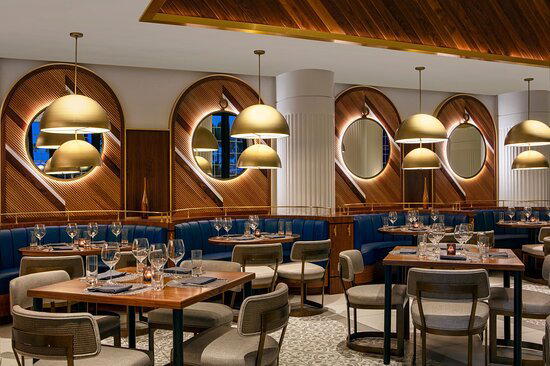
At a Glance
- Cozy
- Elegant
- Intimate
- Date Night
- Special Occasion
- Terrace
- Extensive Wine List
- Local Sourcing
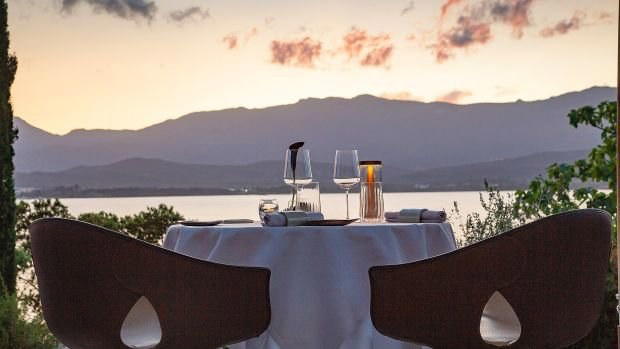
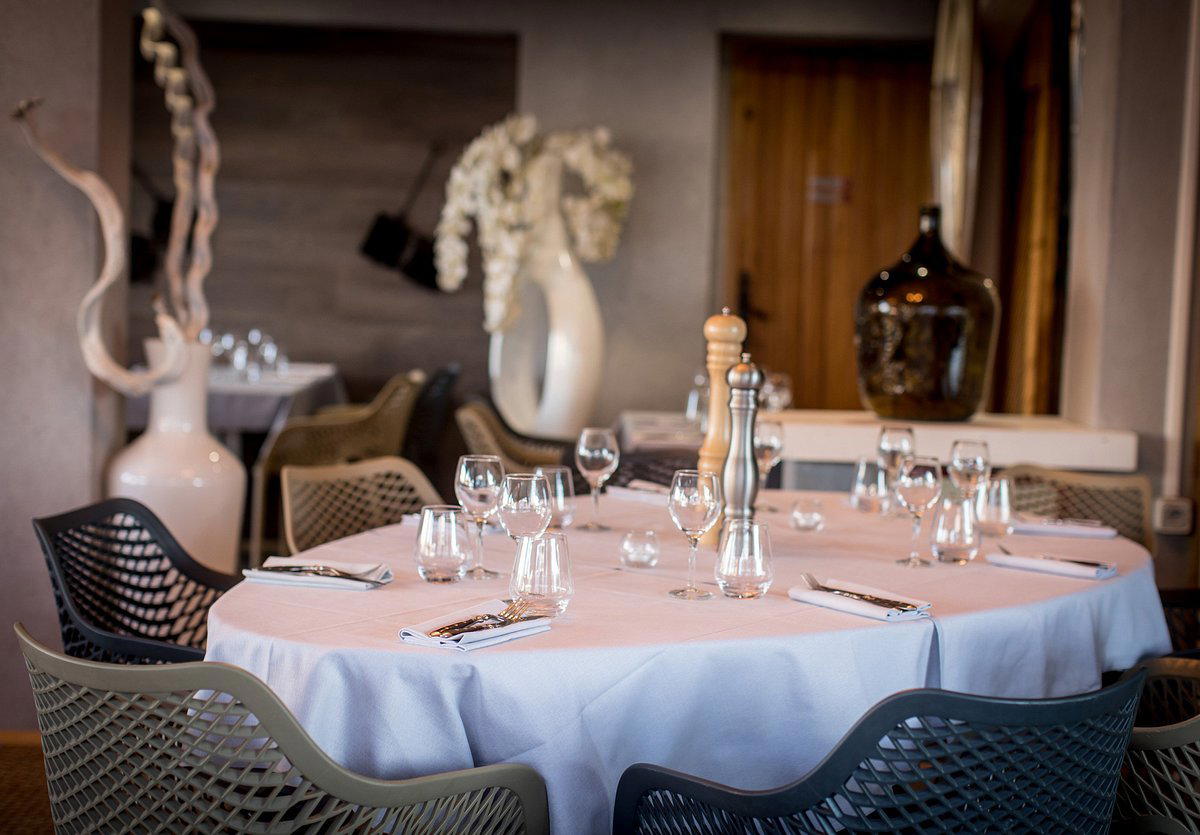
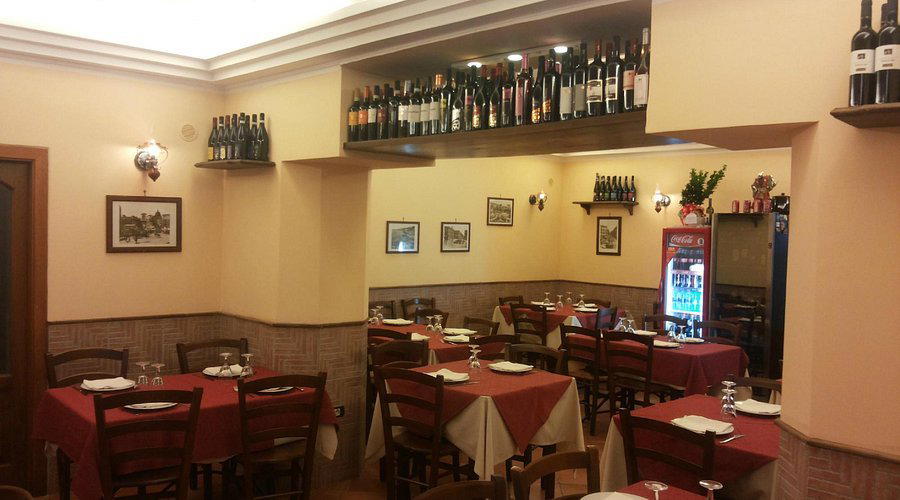
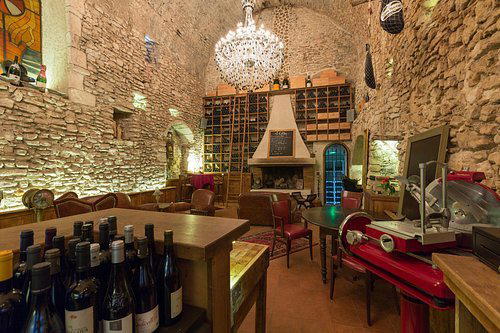
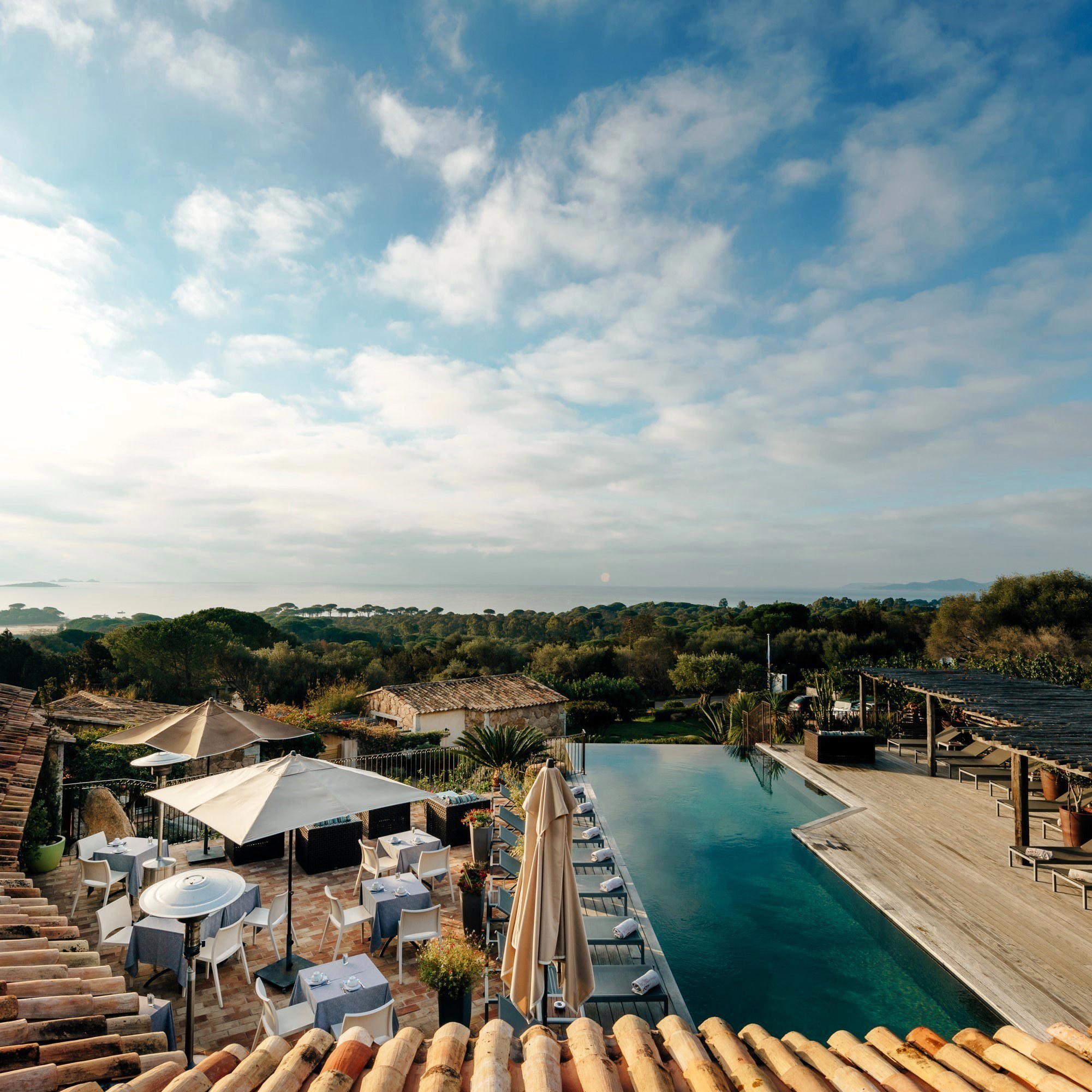
Charming wood-lined interior with warm, cozy atmosphere and sunny terrace.