Les Bergeries de Palombaggia

Relais Chateaux Award
Our verdict
A Relais & Châteaux property set across five acres of Corsican maquis a short walk from Palombaggia beach, Les Bergeries de Palombaggia frames traditional stone architecture against one of the Mediterranean's most photographed coastlines. Access is via the Route de Palombaggia south of Porto-Vecchio.

Pearl is the En Primeur Club membership app — saves, bookings, and concierge access live there. Same editors, same standards.
- Address
- Rte de Palombaggia, 20137 Porto-Vecchio, France
- Phone
- +33 4 95 70 03 23
- Website
- hotel-palombaggia.com
- Directions
- Get directions
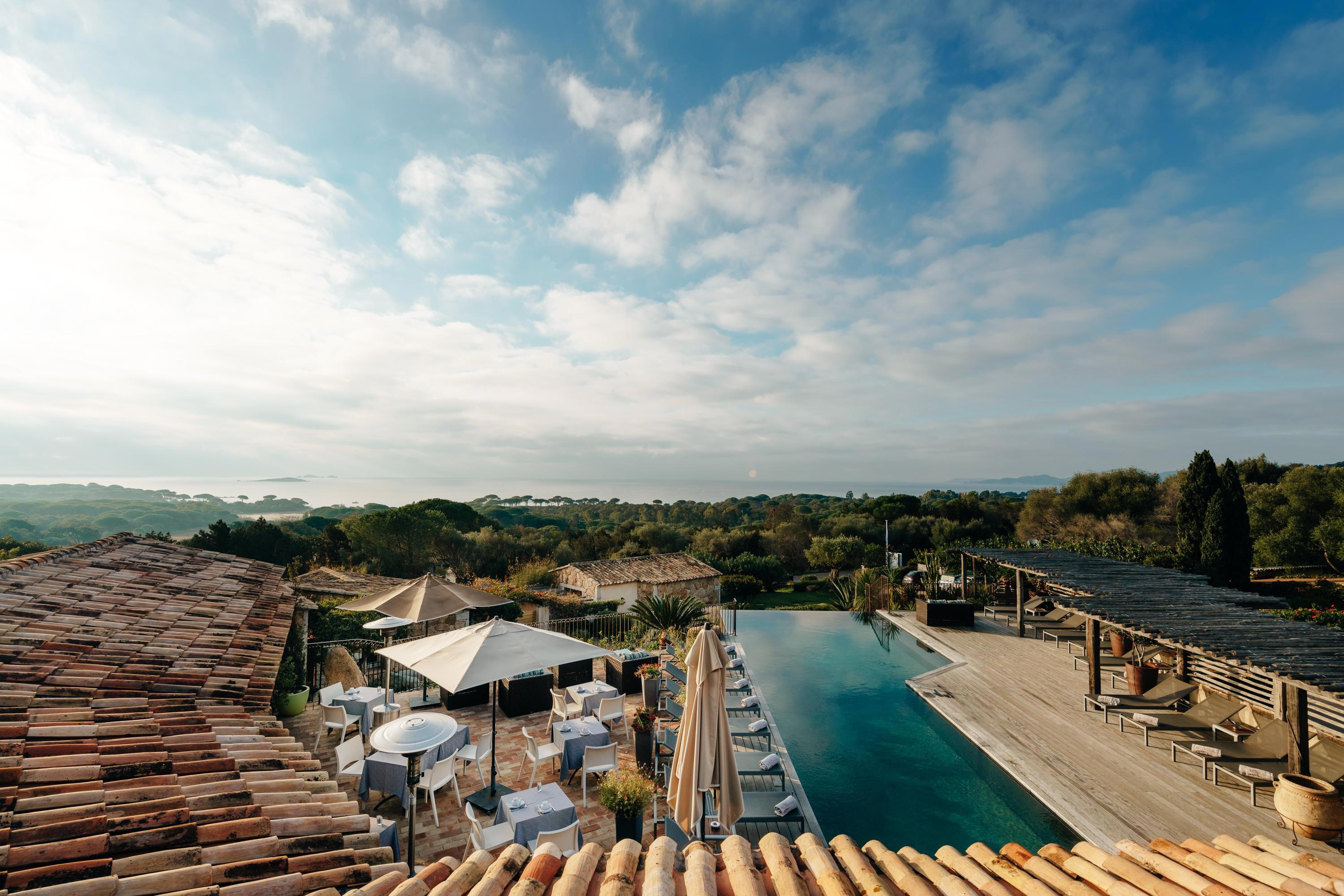
Maquis, Stone, and the Southern Corsican Table
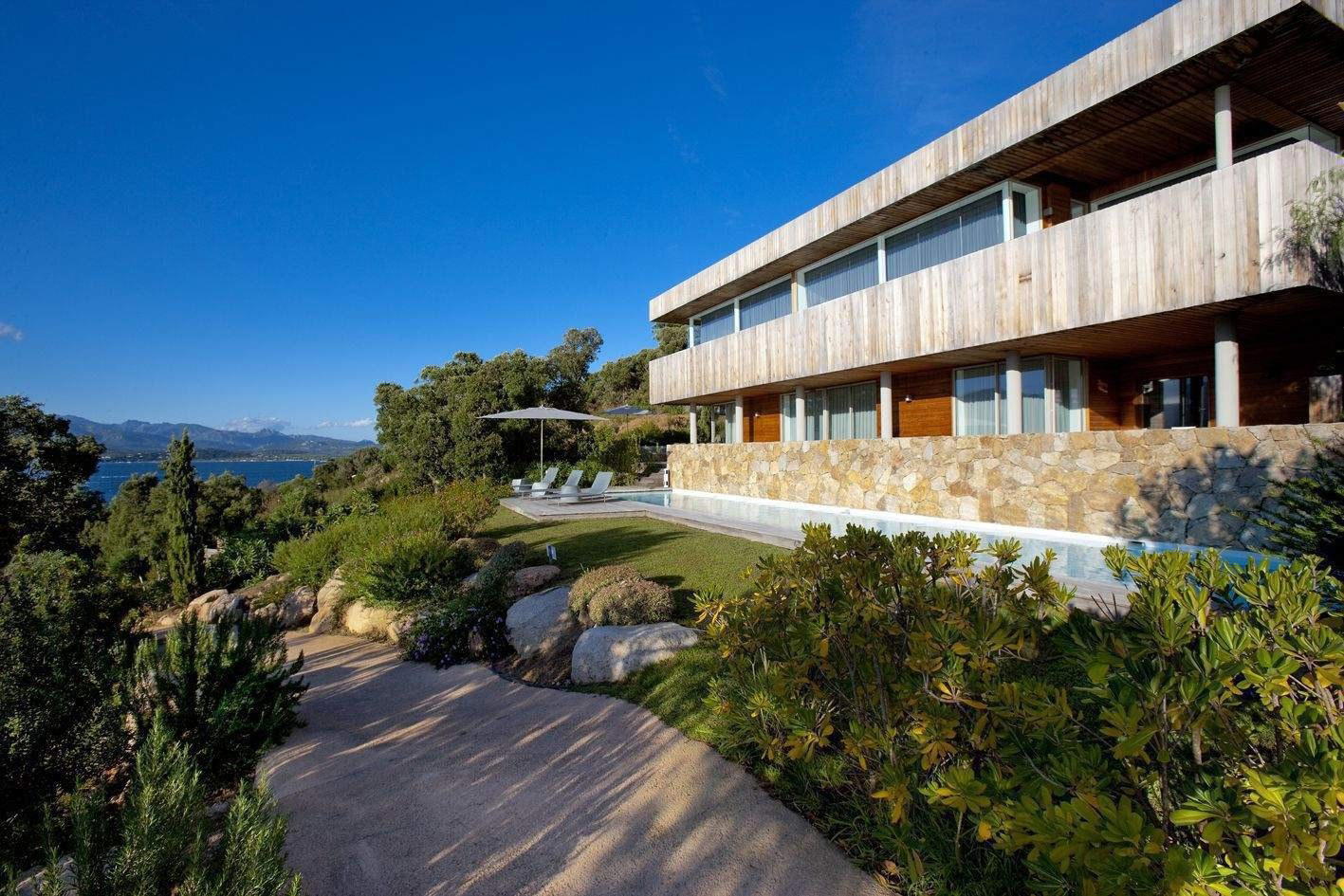
Corsica's southern coast has long operated on a different register from the mainland French dining circuit. Where Paris rewards technical precision and metropolitan references, the restaurants that define the Porto-Vecchio end of the island tend to foreground place itself: the aromatic scrubland that covers the interior hills, the pink granite coastline, and a Corsican larder that remains stubbornly local in character. Les Bergeries de Palombaggia sits squarely within that tradition. Set on a five-acre estate along the Route de Palombaggia, close to one of the Mediterranean's most widely recognised beaches, it operates as a Relais & Châteaux member property where the physical environment is as much the offering as what arrives on the plate.
The architectural logic matters here. Traditional stone construction, characteristic of the bergerie building type that gives the property its name, anchors the estate to the Corsican vernacular rather than to the generic Mediterranean luxury aesthetic that has spread across the region's hospitality sector. Bergeries were historically shepherds' shelters, and the form carries a specific cultural weight on the island: low, solid, built from local granite, designed to sit within the maquis rather than above it. That framing shapes expectations before a meal begins. This is not the polished minimalism of a contemporary resort dining room; it is something more rooted in the agricultural and pastoral history of the island's south.
Where the Property Sits in Porto-Vecchio's Dining Tier
Porto-Vecchio's restaurant scene has developed into a recognisable tier structure over the past decade. At the upper end, properties like Casadelmar, Don Cesar, and U Santa Marina operate at the €€€€ price point with modern cuisine formats that look outward toward the broader French gastronomic conversation. A step below in pricing, venues like La Table de Mina and Le Belvédère occupy the €€€ bracket with modern cuisine that keeps closer to the island's produce. Les Bergeries de Palombaggia operates within a different framing altogether: its Relais & Châteaux membership signals a commitment to place-rooted hospitality rather than culinary competition with the town's more urbane tables.
Relais & Châteaux membership, held since the date listed in the property record, functions as a meaningful trust signal in this context. The network applies consistent standards around architectural integrity, culinary rootedness, and property-level character, and membership requires ongoing compliance. For diners unfamiliar with the southern Corsican scene, it serves as a reliable indicator that the property delivers on its positioning rather than simply describing it.
The Corsican French Table and What It Implies
Corsican French as a cuisine category sits between two distinct traditions. The French culinary lineage provides the structural grammar: sauce work, technique, the logic of a composed plate. The Corsican component supplies the ingredients and the cultural insistence: charcuterie from free-ranging pigs fed on chestnuts and acorns, sheep and goat cheeses from the island's pastoral highlands, brocciu in its seasonal fresh form, wild herbs from the maquis including nepita and rosemary, and seafood from the waters immediately offshore. The combination is not fusion in any contemporary sense; it is simply what happens when French culinary training meets an island larder that has remained relatively isolated from industrial supply chains.
For diners who have experienced the broader range of French regional cooking, including the more elaborate tasting formats at places like Mirazur in Menton or the heritage-weighted tradition of Troisgros in Ouches, or the institutional weight of Paul Bocuse in Collonges-au-Mont-d'Or, the Corsican French register reads as something more intimate and territorially specific. It is not trying to participate in the same conversation as Alléno Paris or the mountain precision of Flocons de Sel in Megève. The ambition is narrower and, for that reason, more coherent. Similarly, internationally-minded modern cooking at venues like Le Bernardin in New York or Atomix operates from an entirely different set of premises. The Corsican kitchen's reference points stay close to the island.
The Setting as Editorial Argument
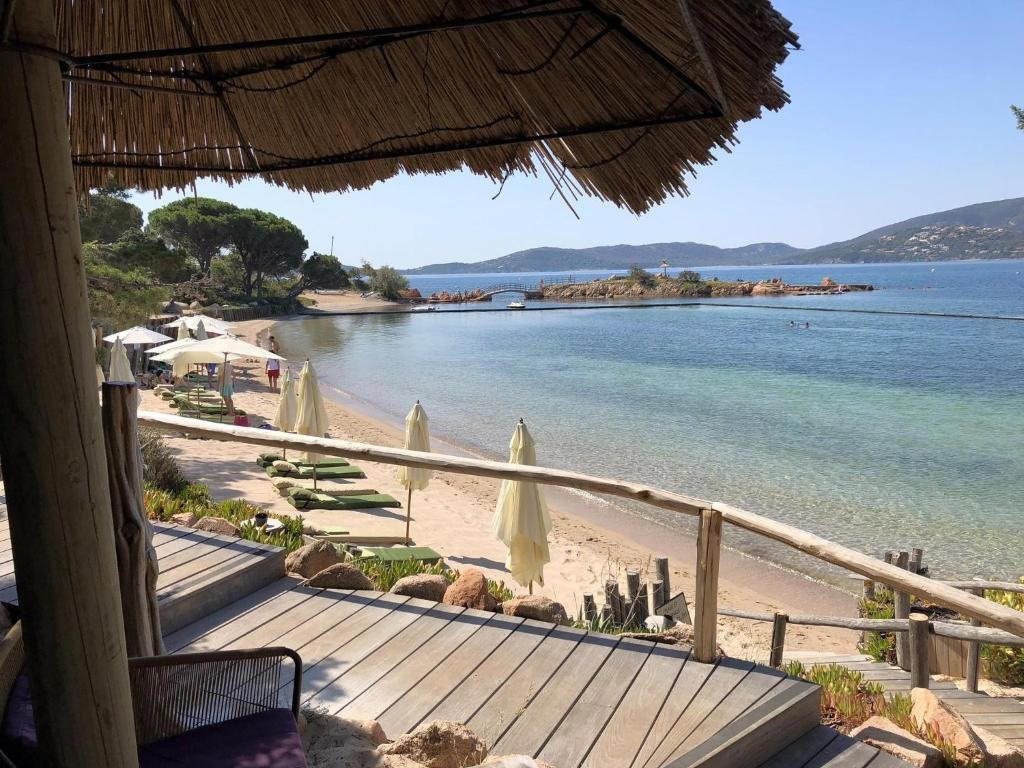
The proximity to Palombaggia beach is not incidental context. The beach itself draws a specific visitor profile: travellers who have made a deliberate choice to reach the southern tip of Corsica, which involves either a ferry crossing or a flight to Figari or Ajaccio followed by a drive, rather than opting for easier Mediterranean alternatives. That self-selecting audience tends to be invested in the particularity of the place. Dining at an estate property built in traditional Corsican stone, on a five-acre site within the maquis, a short distance from a coastline that remains less developed than comparable stretches of the Riviera or Sardinia, is consistent with that investment.
At this level of visitor selectivity, review populations skew toward engaged travellers rather than casual passers-by, which gives the aggregate score additional weight. Bras in Laguiole, another French property where setting and culinary tradition are inseparable from each other, operates on a comparable logic of place-rootedness, though at a different technical register. The comparison illustrates how strongly the French regional table can be defined by geography rather than by a single chef's vision.
Planning a Visit
Property is accessible via the Route de Palombaggia south of Porto-Vecchio town. Given the estate's position outside the town centre, a car or taxi is the practical approach; the road toward Palombaggia beach is well-signposted from the main Porto-Vecchio ring road. The southern Corsican season runs roughly from late May through September, with August representing the peak of both beach attendance and restaurant pressure in the area. Reservations at Relais & Châteaux properties of this type are handled through the property directly; contact details are available at hotel-palombaggia.com, and the Relais & Châteaux network also handles bookings through its central platform. The email listed for the property is palombaggia@relaischateaux.com, and the telephone number is +33 (0)4 95 70 03 23. For broader context on where to eat, drink, and stay across the town, see our full Porto-Vecchio restaurants guide, our full Porto-Vecchio hotels guide, our full Porto-Vecchio bars guide, our full Porto-Vecchio wineries guide, and our full Porto-Vecchio experiences guide.
Frequently asked questions
What part of town is Les Bergeries de Palombaggia in?
Les Bergeries de Palombaggia is located at Rte de Palombaggia, 20137 Porto-Vecchio, France, Porto-Vecchio.
Awards and Standing
Comparable venues nearby, for context on price, style, and recognition.
| Venue | Cuisine | Price | Awards | Notes |
|---|---|---|---|---|
| Les Bergeries de PalombaggiaThis venue — the venue you are viewing | Modern Corsican Mediterranean Fine Dining | $100–150 | Relais Chateaux Award | Not listed |
| Sous la Tonnelle | Traditional Corsican French Bistro | $30–50 | Not listed | Porto-Vecchio Old Town |
| Le Belvédère | Mediterranean Fine Dining | Not listed | Michelin Plate | Porto-Vecchio |
| Don Cesar | Modern Mediterranean with Italian-Corsican Influences | $100–150 | Michelin Plate | Porto-Vecchio |
| Le Divin | Corsican French Bistro | Not listed | Not listed | Porto-Vecchio |
| Furana | Traditional Corsican | Not listed | Not listed | Bastion |
Recognition history
Dated appearances from independent guides and award organizations, with the underlying list record or original source where available.
Relais Chateaux Award
Relais Chateaux
Continue exploring
More in Porto-Vecchio
Restaurants in Porto-Vecchio
Browse all →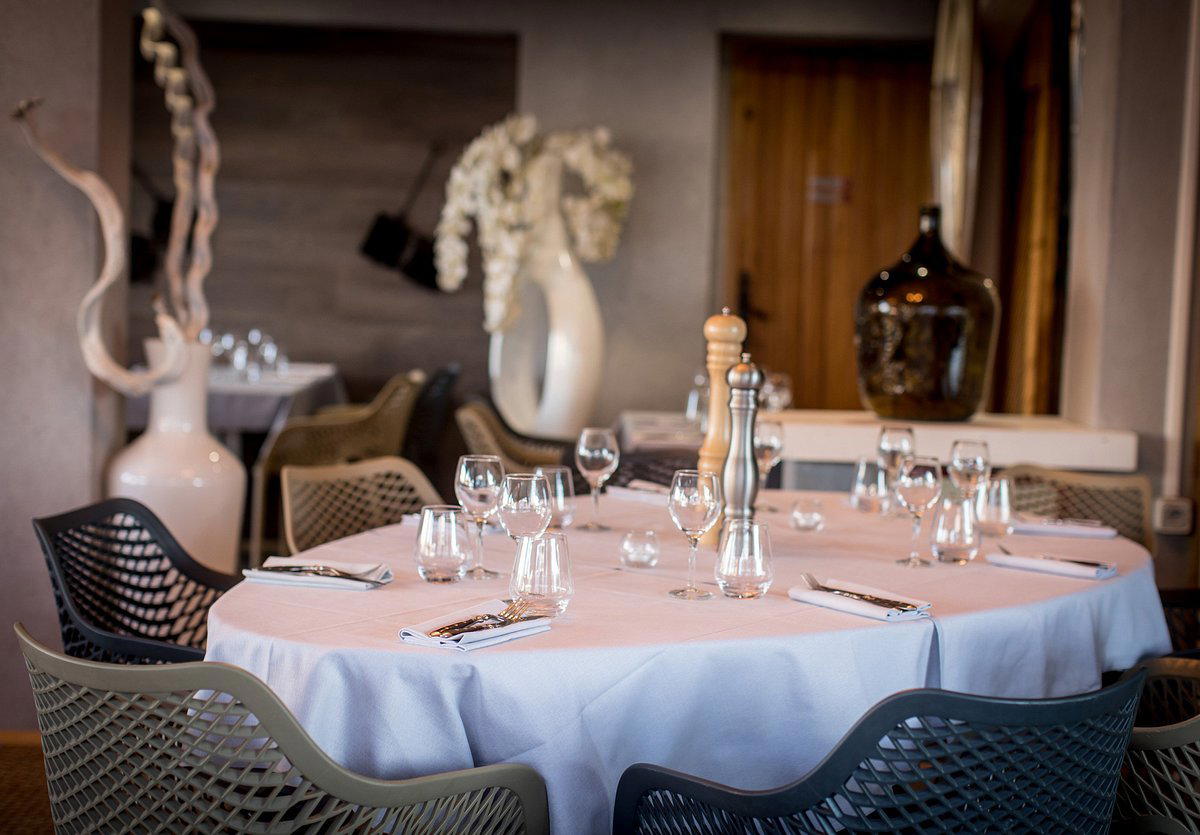
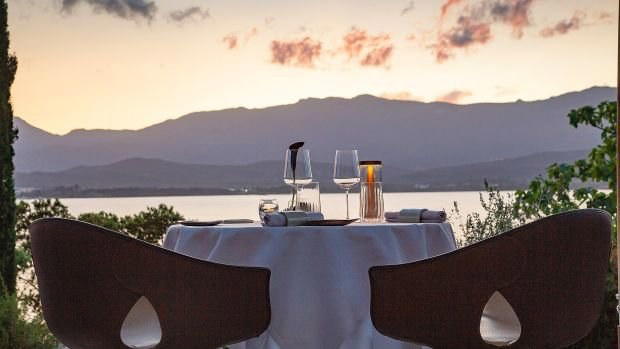
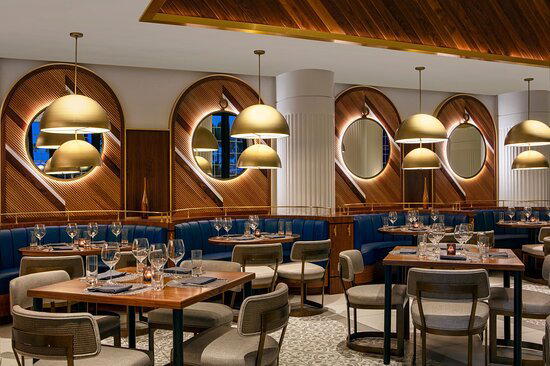
Bars in Porto-Vecchio
Browse all →
Hotels in Porto-Vecchio
Browse all →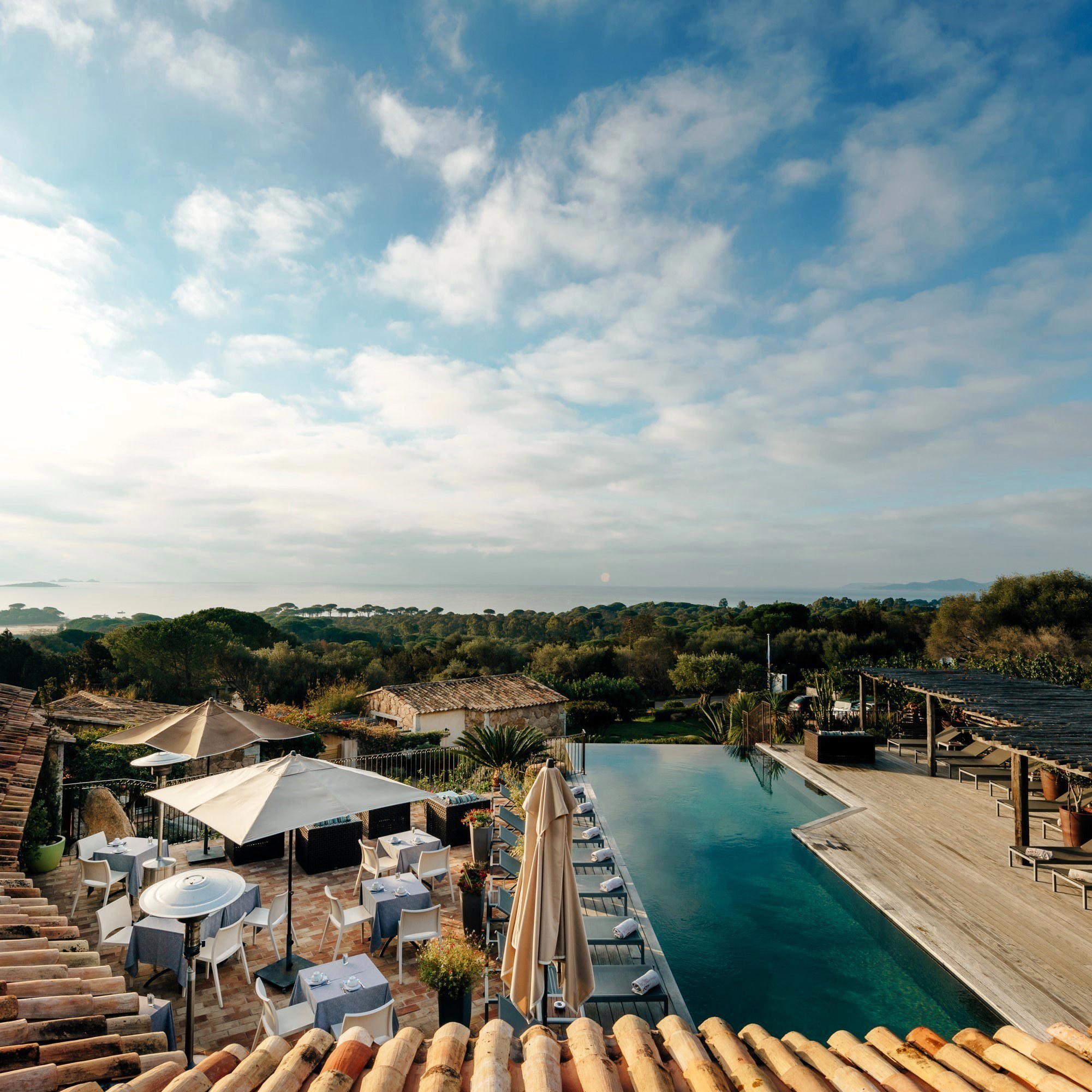
Wineries in Porto-Vecchio
Browse all →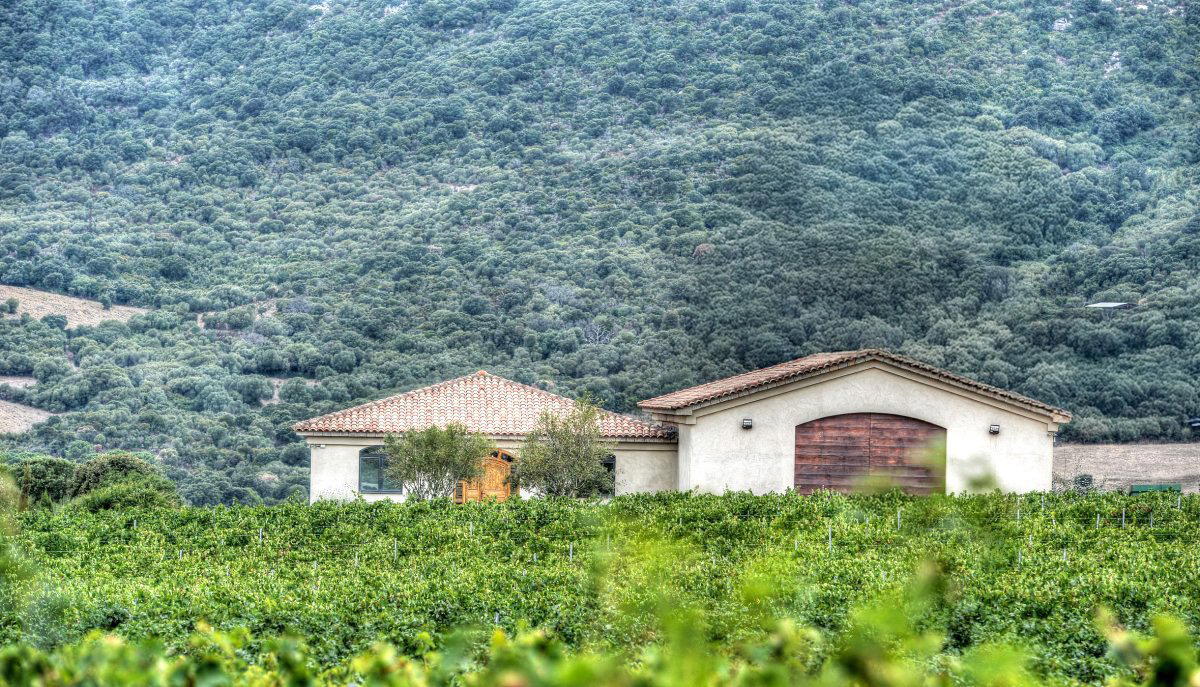

Details
- Elegant
- Rustic
- Scenic
- Intimate
- Sophisticated
- Date Night
- Special Occasion
- Terrace
- Hotel Restaurant
- Sommelier Led
- Local Sourcing
- Waterfront
- Mountain
- Tasting Menu
- A La Carte
- Prix Fixe
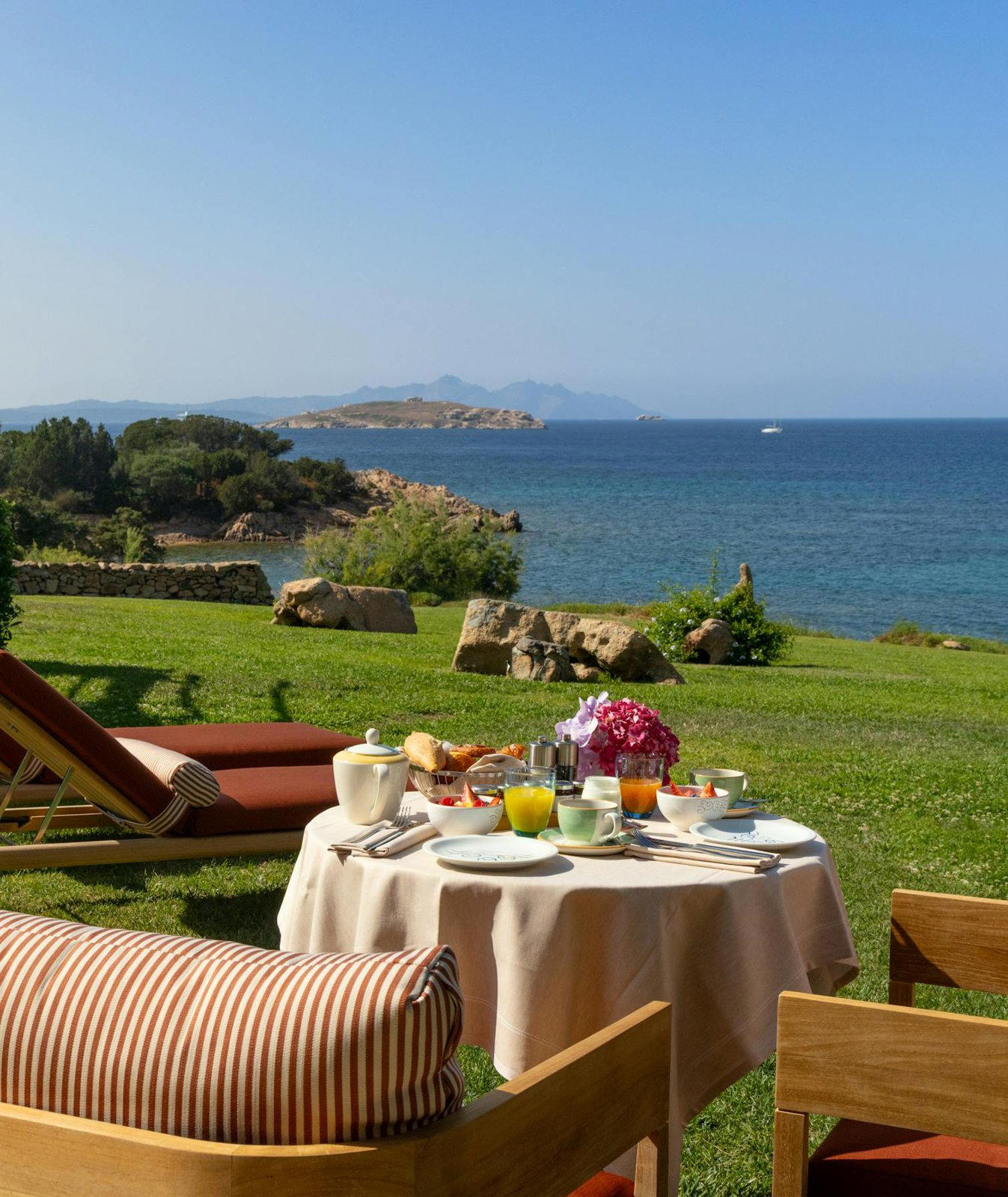
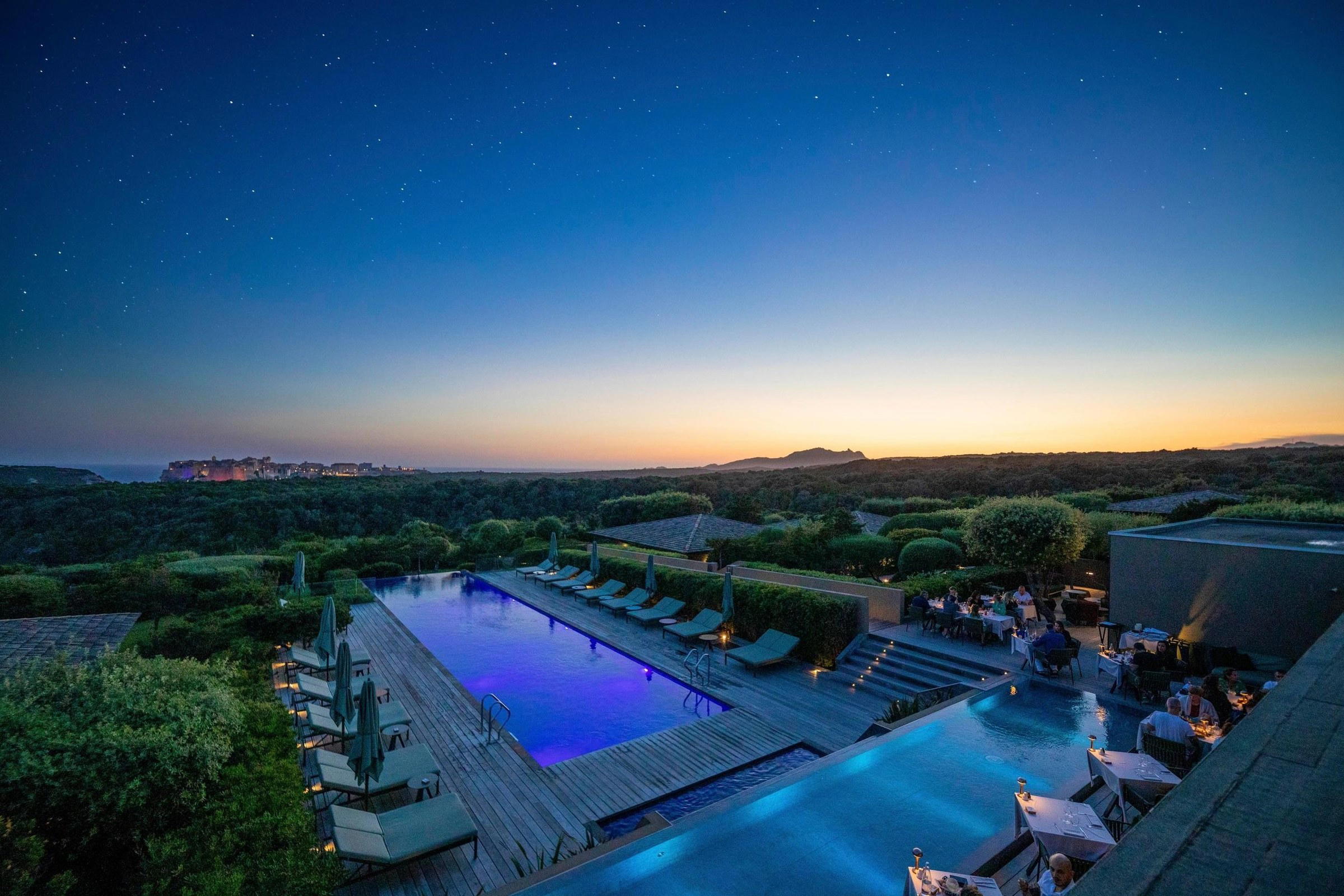
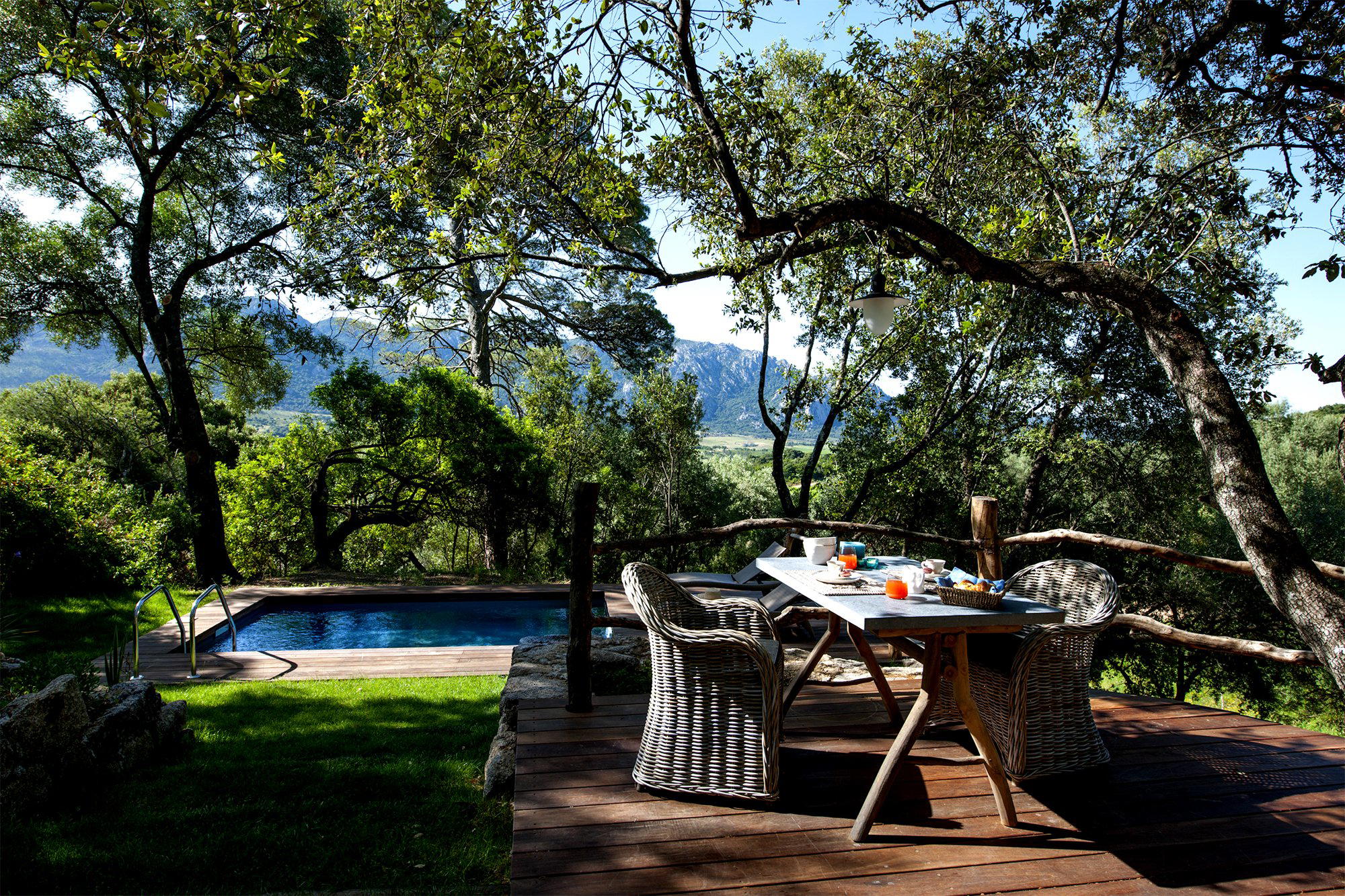
Elegant and convivial cocoon with views of sea and mountains, poolside terrace dining, and a refined, sensory atmosphere.