A Cantinetta
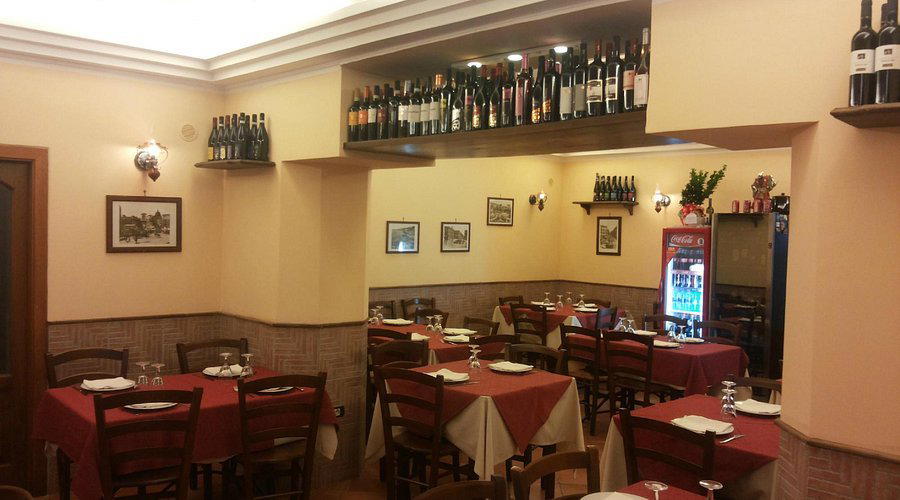
A Cantinetta sits on Rue Sampiero Corsu in Porto-Vecchio's old town, operating within a dining scene that divides between high-end resort cuisine and neighbourhood tables rooted in Corsican tradition.
Pearl is the En Primeur Club membership app — saves, bookings, and concierge access live there. Same editors, same standards.
- Address
- 6 Rue Sampiero Corsu, 20137 Porto-Vecchio, France
- Phone
- +33495521109
- Directions
- Get directions
 Saves & bookings on Pearl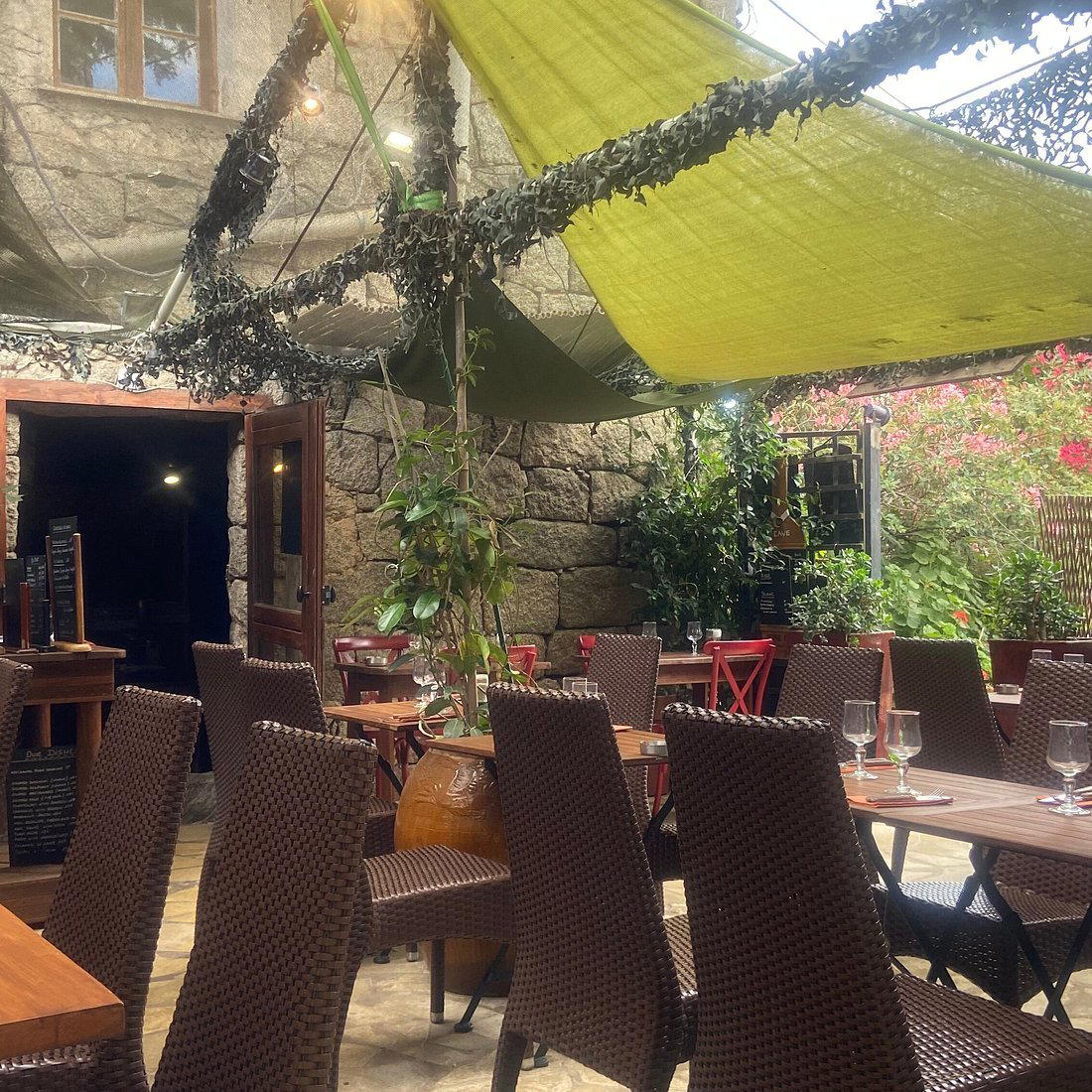
Porto-Vecchio's Old Town Table Culture
The old town of Porto-Vecchio occupies a hilltop citadel above the marina, its narrow streets running between Genoese-era stone walls toward small squares where restaurants open their shutters well after sunset. The neighbourhood operates on a different logic: smaller rooms, locally sourced plates, and a pace that reflects the Corsican relationship with the table as a social institution rather than a transaction. A Cantinetta, at 6 Rue Sampiero Corsu, is a Corsican Bistro in Porto-Vecchio.
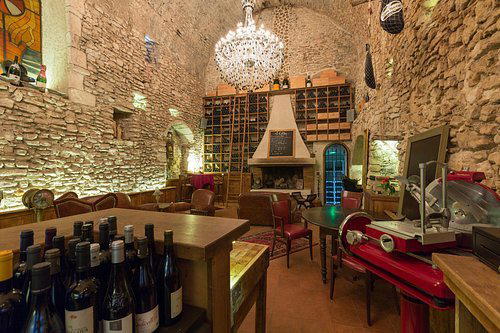
The cantinetta format itself carries cultural weight across the western Mediterranean. In Italian usage, the term traditionally signals a wine-forward room, somewhere between a cellar and a neighbourhood osteria, where the glass anchors the meal rather than accompanying it as an afterthought. Corsica's deep linguistic and culinary ties to the Italian mainland, particularly to Tuscany and Liguria, mean the format lands with some native logic on the island. The cuisine of Corsica draws from both the French mainland and Ligurian Italy, filtered through centuries of pastoral and maritime tradition: charcuterie from inland villages, cheese aged in mountain air, fish brought in from the Tyrrhenian and the Gulf of Porto-Vecchio itself.
Where A Cantinetta Sits in the Porto-Vecchio Dining Picture
Porto-Vecchio's restaurant offer splits into at least three distinct tiers. At the leading, properties like Casadelmar (Modern Cuisine) operate a high-end contemporary format with prices and formality to match, drawing a clientele that books accommodation at the same address. A step down in formality but still solidly in the mid-to-upper bracket, tables such as La Table de Mina (Modern Cuisine) and Don Cesar (Modern Cuisine) work the modern bistro register, with menus that balance local product against contemporary technique. Then there is the neighbourhood tier, where the emphasis shifts from spectacle to regularity: tables where locals eat on a Tuesday, where the wine list reflects island producers rather than prestige appellations, and where the format is built around return visits rather than once-a-holiday occasions.
A Cantinetta reads as belonging to that third category, positioned inside the old town where the tourist geography is denser but where the format signals a different intention to the resort-facing rooms further down toward the marina. For comparison, Furana and La Table de Nathalie occupy adjacent points in the town's dining map, each addressing a similar local and visitor audience without the ceremony of the hilltop fine-dining circuit.
Corsican Cuisine and the Traditions Behind It
Understanding what a Corsican neighbourhood table typically presents requires some grounding in the island's food culture, which operates quite differently from the mainland French tradition. Where France's celebrated restaurant lineage runs through Paul Bocuse - L'Auberge du Pont de Collonges in Collonges-au-Mont-d'Or, the long institutional weight of Auberge de l'Ill in Illhaeusern, and the landscape-driven contemporary approach seen at Bras in Laguiole, Corsican cooking has always sat outside that metropolitan arc. Its identity is pastoral and insular in the literal sense, shaped by the maquis, the mountains, and the sea rather than by the brigade system or the Paris-Lyon axis.
The island's charcuterie tradition is among the more developed in France. Lonzu, coppa, and figatellu, produced from semi-wild pigs raised in chestnut forest, carry AOC or IGP designations that reflect genuine regional specificity. Brocciu, the fresh sheep and goat cheese made seasonally from whey, appears across dishes from fritters to pasta. These are not decorative local touches but structural ingredients around which menus are built. In the south, around Porto-Vecchio and the Alta Rocca, the proximity to the sea adds tuna, sea urchin, and the various catches of the Bonifacio Strait to a table that otherwise looks inland.
The cantinetta format, when applied faithfully to Corsican material, typically means a short, frequently changing menu anchored to what is available locally that week, a wine list weighted toward island producers from Nielluccio and Vermentino-based appellations such as Patrimonio and Muscat du Cap Corse, and a room that is more interested in the quality of the conversation than the theatre of service.
Planning Your Visit
Old town of Porto-Vecchio is accessible on foot from the lower town and marina in around ten minutes on foot, climbing via stepped lanes to the citadel level. The high season on the island runs from late June through August, when the population of the south increases sharply and restaurant covers across all categories become harder to secure without advance planning. The shoulder months of May, June, and September offer more availability and, typically, more settled service. For a neighbourhood table in the old quarter, booking ahead during summer is standard practice even at rooms without significant press coverage, as local capacity is limited relative to the seasonal visitor numbers. The restaurant is recommended for reservations and is open daily from 12 to 11 PM.
For context on how the Porto-Vecchio dining offer compares to the wider French restaurant scene, the range is considerable. The controlled modern ambition at Mirazur in Menton, the Alpine precision of Flocons de Sel in Megève, the technical rigour at Alléno Paris au Pavillon Ledoyen in Paris, or the ingredient-led philosophy at Assiette Champenoise in Reims all operate within a mainland French framework that Corsican tables consciously or structurally stand apart from. That distance is not a weakness; it is the point. A room like A Cantinetta draws its credibility from local rootedness rather than from alignment with the institutional French dining tradition. The same logic applies, in different registers, to the urban contemporaries AM par Alexandre Mazzia in Marseille and Au Crocodile in Strasbourg, both of which draw from regional material to build something distinct from the Paris-centred conversation. Beyond France entirely, the comparison to places like Troisgros - Le Bois sans Feuilles in Ouches, Le Bernardin in New York City, or Atomix in New York City illustrates how far the neighbourhood cantinetta format sits from the global fine-dining circuit, and why that distance is a meaningful choice for a certain kind of traveller.
Price and Recognition
Comparable venues nearby, for context on price, style, and recognition.
| Venue | Cuisine | Price | Notes |
|---|---|---|---|
| A CantinettaThis venue — the venue you are viewing | Porto-Vecchio, Corsican Bistro | $$ | Not listed |
| Furana | Bastion, Traditional Corsican | $$$ | Not listed |
| Sous la Tonnelle | Not listed | $$ | Porto-Vecchio Old Town, Traditional Corsican French Bistro |
| Le Divin | Porto-Vecchio, Corsican French Bistro | $$ | Not listed |
| La Table de Nathalie | Porto-Vecchio, Modern French Bistro | $$$ | Not listed |
| Les Bergeries de Palombaggia | Not listed | $$$$ | Route de Palombaggia, Modern Corsican Mediterranean Fine Dining |
Continue exploring
More in Porto-Vecchio
Restaurants in Porto-Vecchio
Browse all →
Bars in Porto-Vecchio
Browse all →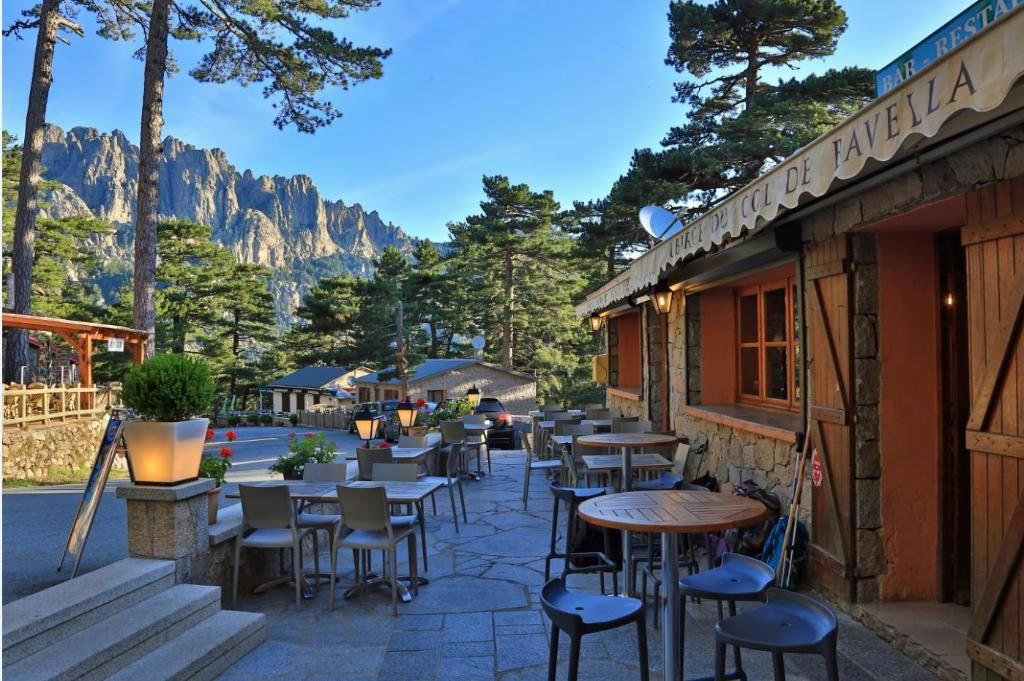
At a Glance
- Cozy
- Intimate
- Rustic
- Casual Hangout
- Terrace
- Extensive Wine List
Current opening hours
- Monday
- 12–11 PM
- Tuesday
- 12–11 PM
- Wednesday
- 12–11 PM
- Thursday
- 12–11 PM
- Friday
- 12–11 PM
- Saturday
- 12–11 PM
- Sunday
- 12–11 PM
Hours can change for holidays and private events. Last verified .
Pleasant, welcoming atmosphere like a straw hut in vegetation with warm hospitality.