Almanac


James Beard Award Semi Finalist · Esquire Best Martinis in America
Our verdict
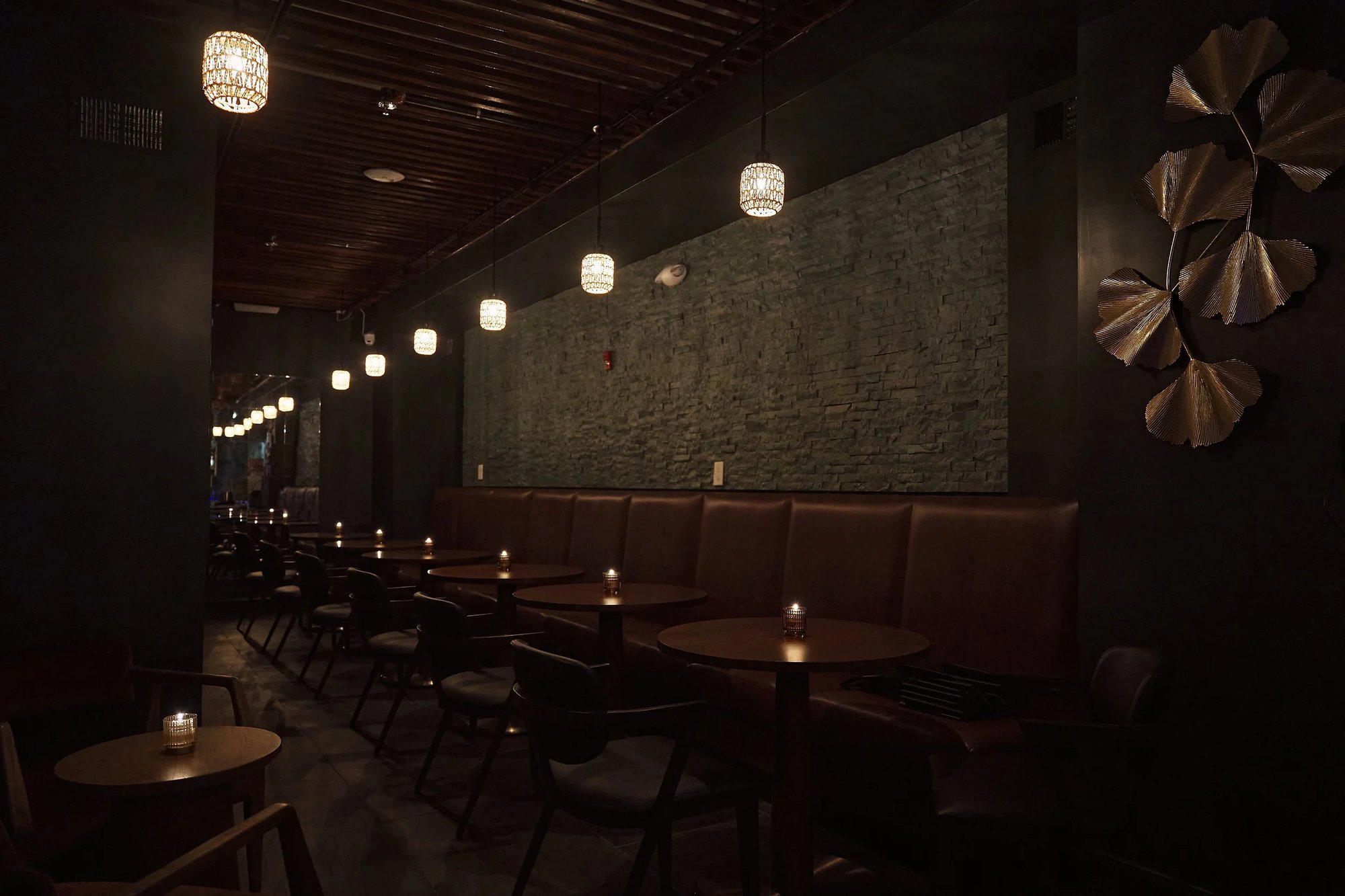
Almanac occupies a second-floor perch on Market Street in Old City, earning Esquire's Best Martinis in America recognition for 2025. The bar sits within Philadelphia's expanding cocktail scene, where serious drink programs have moved from novelty to expectation. For visitors building an evening around the city's historic core, it anchors the drinking end of the itinerary.

Pearl is the En Primeur Club membership app, where members save venues, book tables and use the concierge.
The menu
What to order
- Wagyu Hot Dog
- Miso Glazed Wings
- Juban District Cocktail
- Chūhai
- Old Fashioned with Japanese Whiskey
Old City, Upstairs: Where Philadelphia's Cocktail Ambitions Live
Philadelphia's Old City has always carried a dual identity: cobblestoned heritage on street level, and something more restless on the floors above. The second-floor position of Almanac, at 310 Market Street, places it in a long tradition of bars that use elevation as editorial, you climb to get there, and the act of climbing signals that you have made a deliberate choice. This is not a bar you stumble into from the sidewalk. It is a bar you seek out, which is precisely the dynamic that sustains serious drink programs in a city that increasingly expects them.
American cocktail culture has spent the better part of two decades cycling through phases: the speakeasy era of hidden doors and theatrical concealment, the farm-to-glass period of aggressively local ingredients, and now a more mature moment where technical discipline and editorial restraint define the leading programs. Esquire's 2025 recognition of Almanac among the leading martini programs in America places it squarely in this third phase, a moment when the martini, the least forgiving of cocktails, has become the benchmark test for serious bars. A venue that executes it at a nationally recognized level has either found the right approach to dilution, temperature, and ratio, or it has not. There is no middle ground with a martini.
The Martini as a Cultural Artifact
The martini's significance in American bar culture runs deeper than nostalgia. It is the drink that forced American bartenders to reckon with European technique, specifically with the French and Italian vermouth traditions, and with the question of how much transformation a spirit should undergo before it reaches the glass. The tension between wet and dry, stirred and spirit-forward, is a genuine technical argument with culinary consequences. Bars that build a program around the martini are, in effect, taking a position on that argument and committing to it publicly.
Almanac's Esquire recognition in 2025 arrives during a period when Philadelphia has been asserting its standing in the national dining and drinking conversation with unusual confidence. The city's restaurant scene, anchored by institutions like Fork and newer voices like Friday Saturday Sunday, has drawn sustained national attention. The bar tier is following the same trajectory, with drink programs moving from supporting roles in restaurant contexts toward standalone destinations that justify specific travel. Almanac sits at that edge of the transition.
Old City as a Drinking Neighborhood
Old City occupies a particular position in Philadelphia's geography of pleasure. It is the neighborhood that tourists discover first, because it contains the historical anchors, and that Philadelphians return to selectively, because the tourist traffic can work against intimacy. Second-floor bars in Old City have historically navigated this tension by creating rooms that feel distinct from the street-level commerce below. The climb filters the room in ways that ground-floor spaces cannot control.
The broader Philadelphia bar scene has developed considerable range. Our full Philadelphia bars guide maps the city's drinking neighborhoods in detail, from Fishtown's volume-forward venues to the more considered programs in Rittenhouse and along South Street. Old City sits in its own category: historic context, tourist proximity, and a second-floor ambience that suits bars with something specific to say about what they serve. For visitors also working through the restaurant side of the city, our full Philadelphia restaurants guide provides the wider picture, including boundary-crossing options like Mawn for Cambodian and Pan-Asian cooking, My Loup for French-leaning work, and South Philly Barbacoa for the city's most serious Mexican cooking.
Benchmarking Against the National Tier
A 2025 Esquire recognition places Almanac in a competitive set that extends well beyond Philadelphia. The bars that earn national drink-program recognition in any given year are typically operating in one of three modes: they have a technical innovation that the rest of the industry has not yet absorbed, they have achieved a level of consistency that makes them a reference point for a classic format, or they have created a room experience that makes the drink feel inseparable from its setting. For a martini program, the second and third modes are most relevant. Innovation in the martini is marginal by definition, the drink resists radical transformation. What separates a nationally recognized martini from a competent one is precision and hospitality.
For context on what national bar recognition looks like across different formats and cities, bars at the level of Le Bernardin in New York City and dining rooms at the scale of Alinea in Chicago or The French Laundry in Napa demonstrate how sustained editorial recognition shapes category expectations. In that context, Almanac's single-category Esquire award represents a clear, verifiable credential in a measurable space: the martini, named, in 2025, nationally.
Philadelphia's position in that national conversation has been building steadily. The city sits between New York and Washington in geography and, increasingly, in culinary ambition. Programs that achieve national recognition here are operating without the institutional support that New York's density provides, which makes the achievement structurally harder. Venues like Atomix in New York City or Lazy Bear in San Francisco benefit from larger local press ecosystems. Philadelphia venues earn national recognition in spite of relative media undercoverage, not because of it.
Planning a Visit
Almanac occupies the second floor at 310 Market Street, placing it within easy reach of Old City's primary cluster of restaurants and the waterfront. For visitors combining a dinner at one of the neighborhood's restaurants with a dedicated cocktail stop, the Market Street address anchors an efficient evening. The second-floor format suggests a room with finite capacity, which in practice means that walk-in availability on busy nights is unpredictable.
For visitors building a broader Philadelphia itinerary, our full Philadelphia hotels guide covers the accommodation side, and our full Philadelphia experiences guide and wineries guide extend the picture further. Restaurants in the national conversation, Emeril's in New Orleans, Single Thread Farm in Healdsburg, or 8 1/2 Otto e Mezzo Bombana in Hong Kong, provide useful calibration for what sustained editorial recognition looks like across different formats, but the Philadelphia tier is building its own internal logic, and Almanac's 2025 Esquire credential is a data point in that argument.
Frequently asked questions
Is Almanac Michelin-listed?
Almanac has received recognition including: Esquire Best Martinis in America (2025).
Where exactly is Almanac?
Almanac is located at 310 Market St Second Floor, Philadelphia, PA 19106, Philadelphia.
What do regulars order at Almanac?
The martini program is the clearest starting point: Esquire named Almanac among the Best Martinis in America for 2025, which is a specific editorial credential rather than a general accolade. That recognition positions the martini as the drink the bar's identity is built around, making it the logical order for any first visit.
How hard is it to get a table at Almanac?
Current reservation and capacity data for Almanac isn't on file, but the second-floor format at 310 Market Street typically means a more contained room than a ground-floor bar. A venue carrying a 2025 Esquire national recognition tends to see increased demand, arriving early or on an off-peak weeknight is the pragmatic approach until booking details are confirmed.
Booking and Cost Snapshot
Comparable venues nearby, for context on price, style, and recognition.
| Venue | Cuisine | Price | Awards | Notes |
|---|---|---|---|---|
| AlmanacThis venue (the venue you are viewing) | Japanese-American Cocktail Lounge | $30–50 | James Beard Award Semi Finalist · Esquire Best Martinis in America | Not listed |
| Dancerobot | Japanese-American Comfort Izakaya | $30–50 | Resy Top Restaurants in America #7 | Rittenhouse Square, Japanese-American Comfort Izakaya |
| Double Knot | Modern Japanese Izakaya | $50–100 | Not listed | Washington Square West, Modern Japanese Izakaya |
| Amá | Modern Mexican | $50–100 | James Beard Award Semi Finalist · Resy Best of the Hit List | Olde Kensington, Modern Mexican |
| Bastia | Sardinian and Corsican Mediterranean | $30–50 | Esquire Best New Restaurants #28 | Fishtown, Sardinian and Corsican Mediterranean |
| Fuji Mountain | Japanese Sushi and Seafood | $20–30 | Not listed | Rittenhouse Square, Japanese Sushi and Seafood |
Recognition history
Dated appearances from independent guides and award organizations, with the underlying list record or original source where available.
James Beard Award Semi Finalist
James Beard Award
Esquire Best Martinis in America
Esquire
Continue exploring
More in Philadelphia
Restaurants in Philadelphia
All restaurants in Philadelphia →
Details
- Intimate
- Sophisticated
- Elegant
- Date Night
- Special Occasion
- After Work
- Casual Hangout
- Chefs Counter
- Craft Cocktails
- Sake Program
- Farm To Table
- Local Sourcing
- Organic
- Omakase
- Counter Dining
- Small Plates
- Craft Cocktails
- Japanese Spirits
- Seasonal Ingredients
Current opening hours
- Monday
- 5 PM–1 AM
- Tuesday
- 5 PM–1 AM
- Wednesday
- 5 PM–1 AM
- Thursday
- 5 PM–1 AM
- Friday
- 5 PM–1 AM
- Saturday
- 5 PM–1 AM
- Sunday
- Closed
Hours can change for holidays and private events. Hours as of .
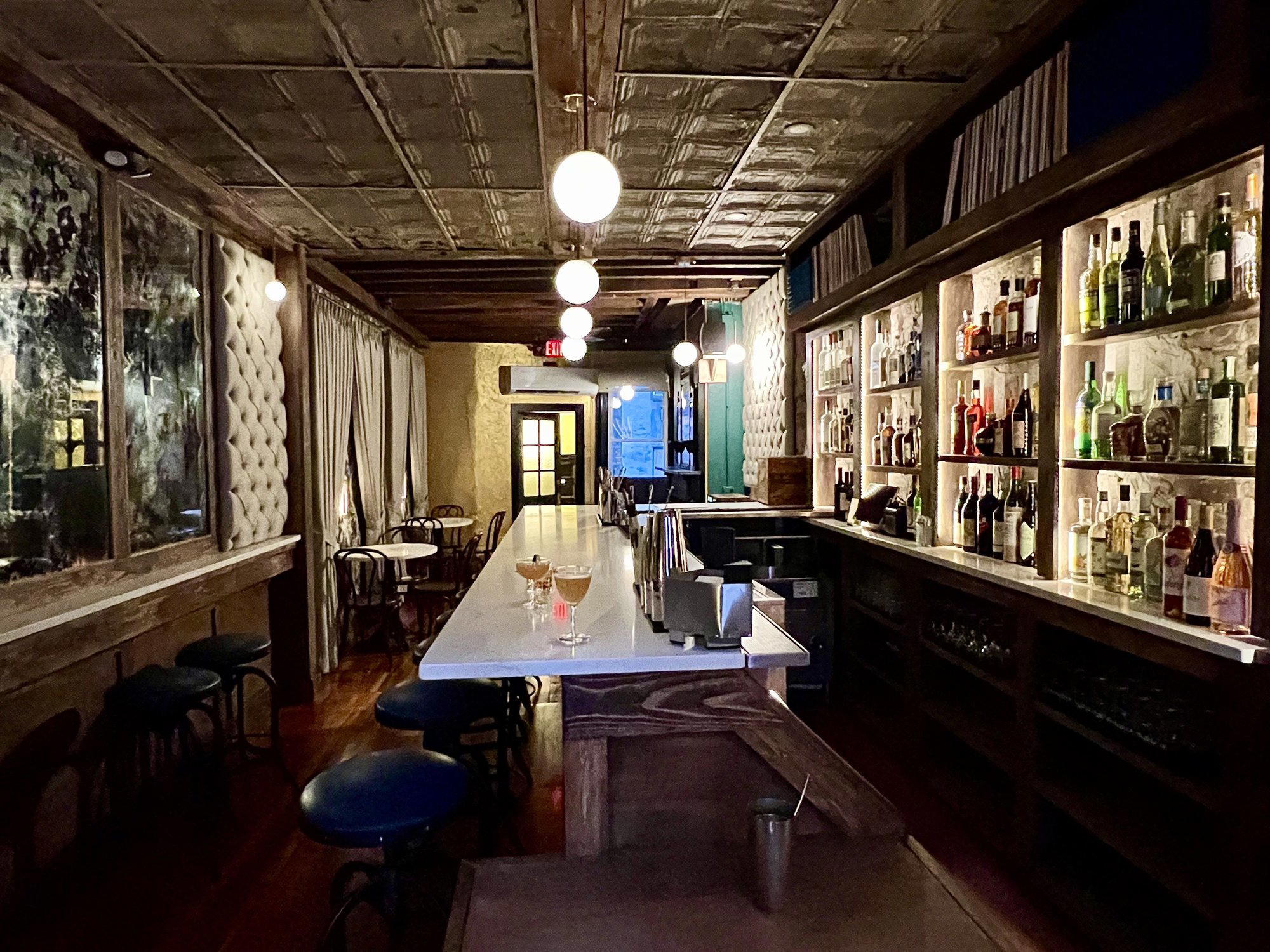
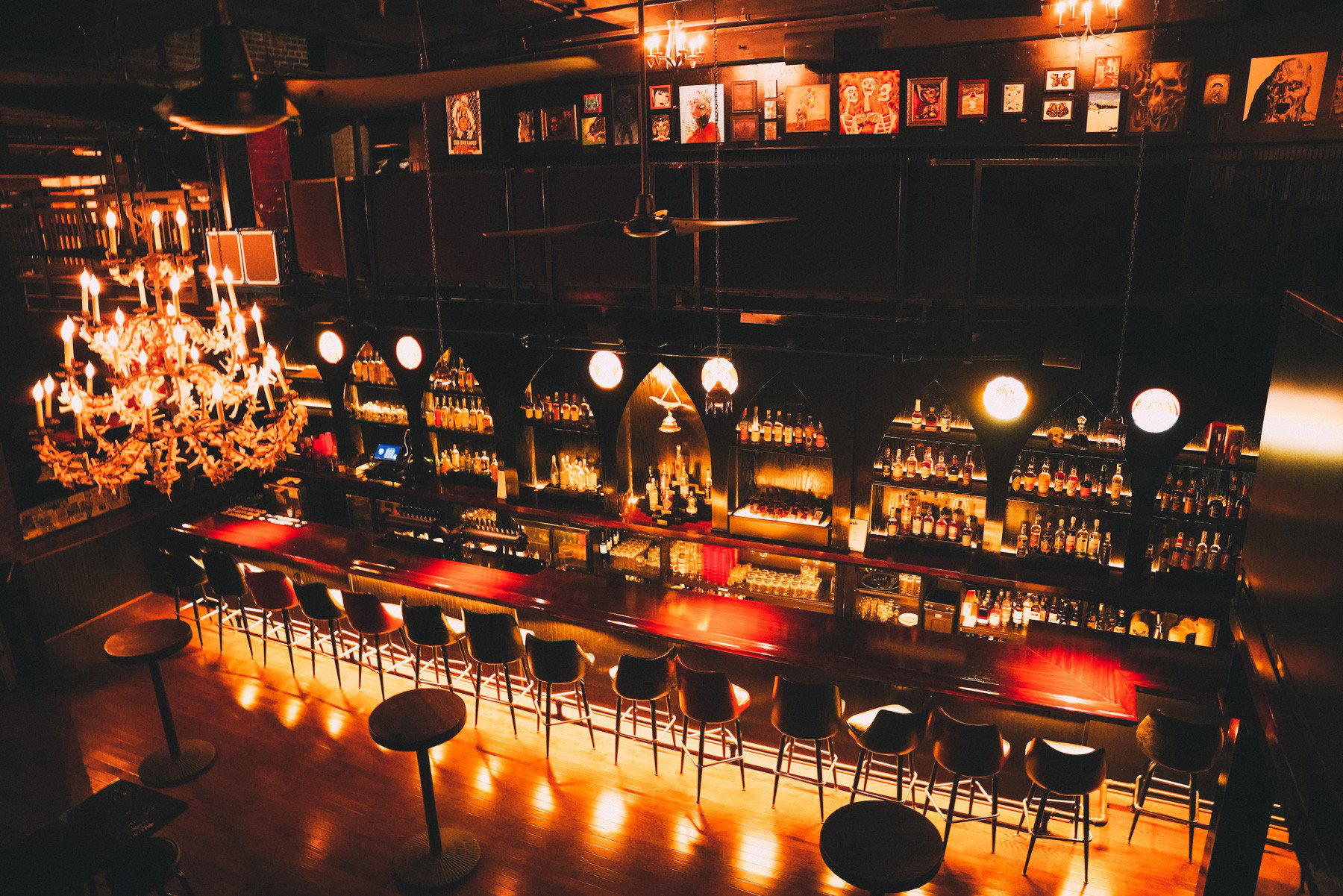
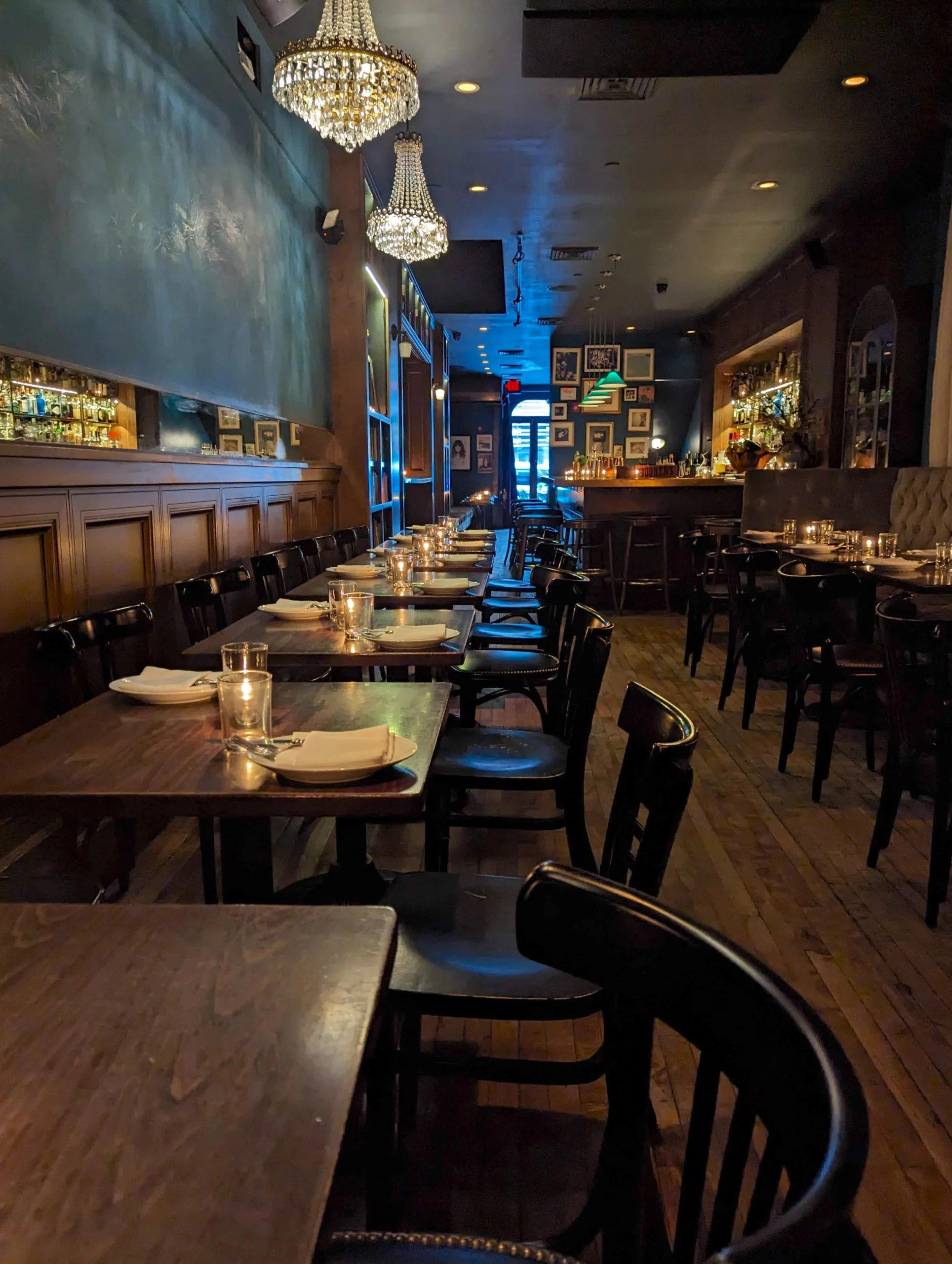
Low-lit, wood-accented intimate space with warm hospitality touches including welcome towels and barley tea; designed for slow, intentional drinking with strict house rules maintaining a refined atmosphere.