
Michelin Plate
Our verdict
A Michelin Plate–recognised Spanish contemporary restaurant on the second floor of The Taste Thonglor, Fuego pairs Ibérico traditions with Japanese ingredients in an intimate open-kitchen format. The room sits squarely in Thonglor's mid-to-upper dining tier, priced at ฿฿฿, where Spanish technique and Japanese pantry staples meet across tapas, paella, and a miso cheesecake that closes the meal with considered precision.

Pearl is the En Primeur Club membership app, where members save venues, book tables and use the concierge.

The menu
What to order
- Wagyu paella
- Presa Iberica
- Miso cheesecake
Spanish Curing Culture in a Japanese-Inflected Room
In Spanish dining tradition, cured ham is not a garnish or a side note, it is the anchor around which a table organises itself. The ritual of slicing Jamón Ibérico de Bellota, the careful fanning of translucent petals across warm ceramic, the expectation that the fat will melt before it reaches the palate: these are protocols as codified as any tea ceremony. That the same culture of patient craft, premium sourcing, and quiet ceremony maps so naturally onto Japanese culinary sensibility is not a coincidence. It is the premise on which Bangkok's Fuego builds its kitchen.
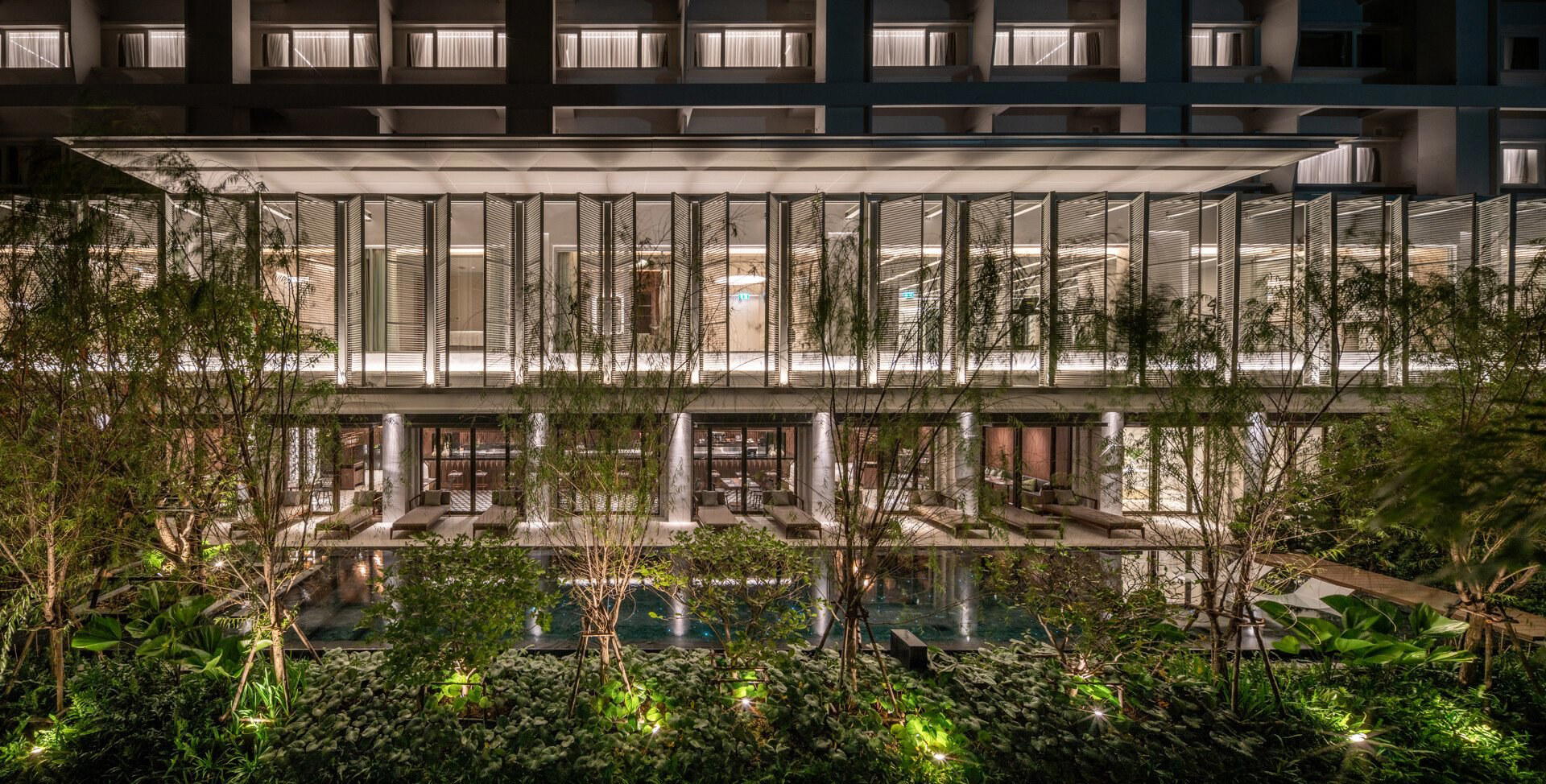
The restaurant occupies the second floor of The Taste Thonglor building on Thong Lo, Bangkok's most consistently ambitious dining corridor. Thonglor draws a concentration of foreign-trained chefs and specialist restaurant formats that is matched by few neighbourhoods in Southeast Asia. Within that corridor, Fuego positions itself at the ฿฿฿ price tier, below the ฿฿฿฿ bracket occupied by Michelin-starred anchors like Sorn (Southern Thai), Baan Tepa (Thai contemporary), Côte by Mauro Colagreco (Mediterranean, Modern Cuisine), Gaa (Modern Indian, Indian), and Sühring (German), but with recognition from the Michelin Guide in the form of a 2025 Plate award, signalling kitchen consistency that the guide considers worth tracking.
The Open Kitchen as Performance of Precision
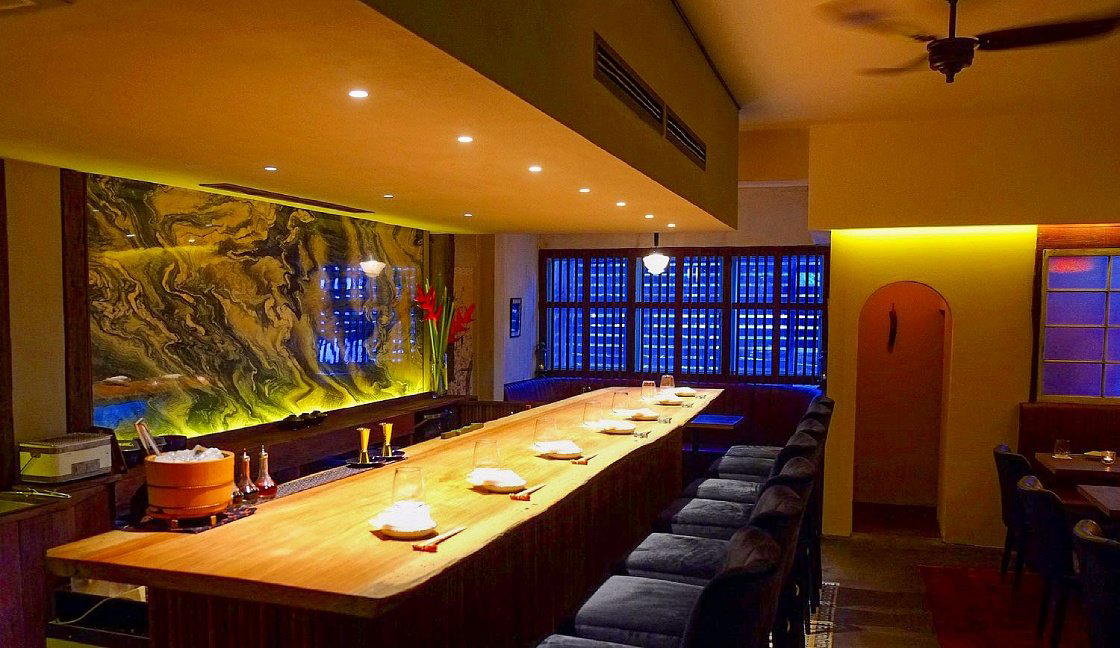
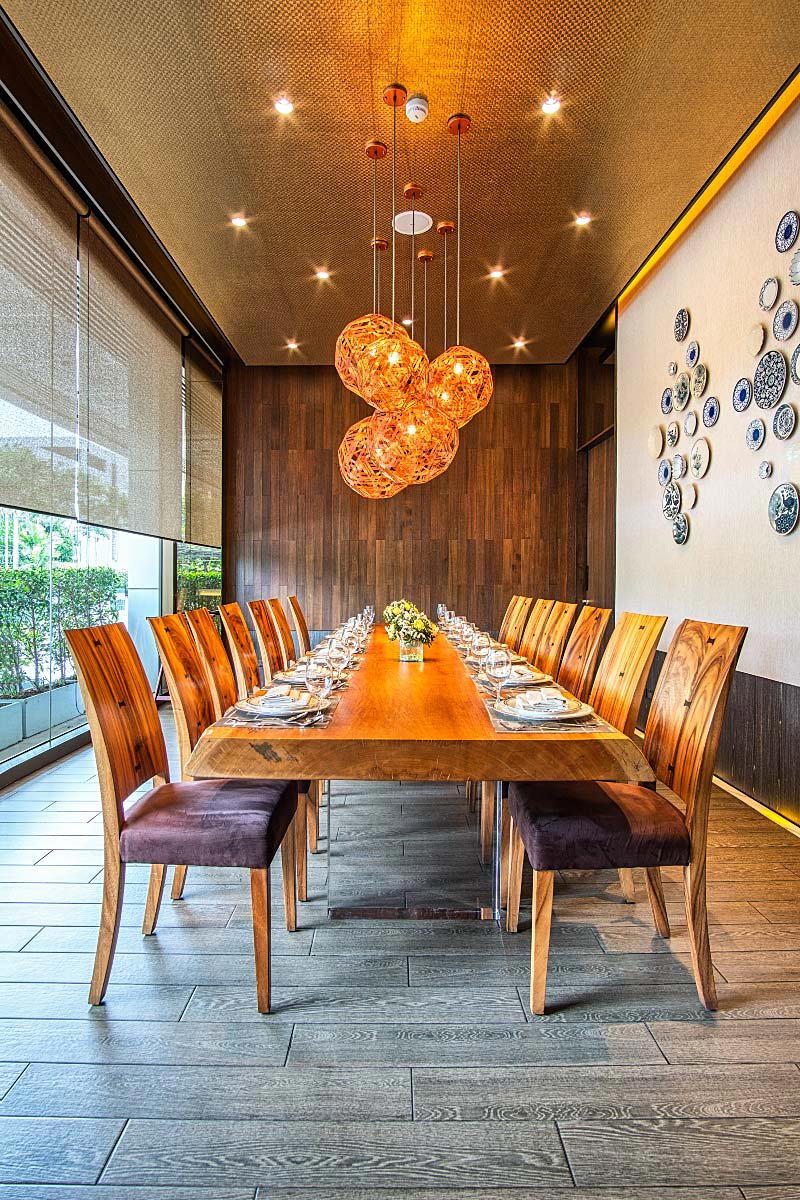
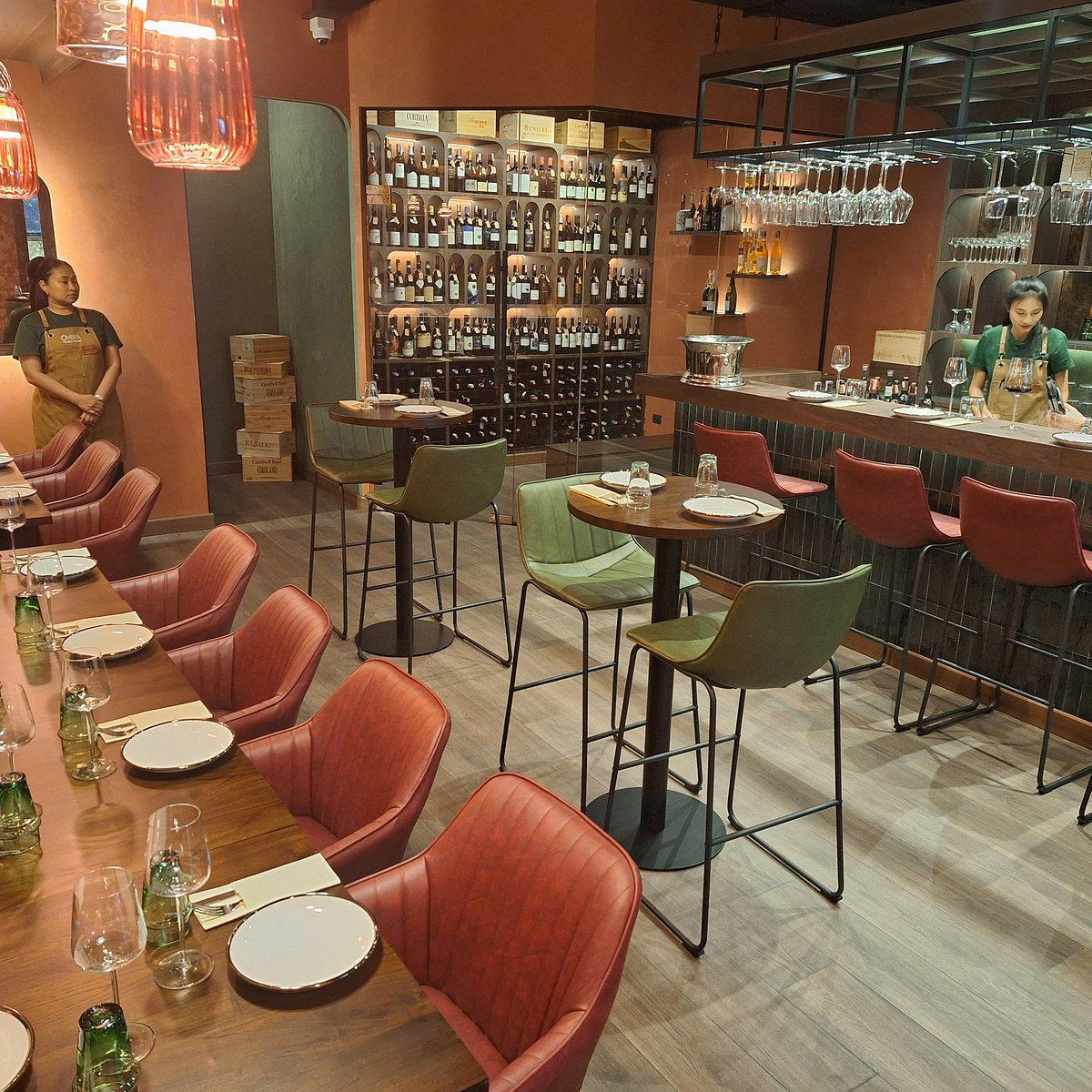
The format at Fuego centres on an open kitchen, which in the Spanish tradition is less about theatre and more about accountability. When a Spanish chef works an open counter, guests at the pass can observe the temperature of the pan before the paella rice goes in, the moment proteins are rested, the order in which components arrive. The intimacy of the setting compounds this: in a room that does not function at scale, each table receives a proportionally greater share of the kitchen's attention.
Spanish chef directing this kitchen brings a documented interest in Japanese cuisine, a combination that speaks to a broader pattern across contemporary dining in Bangkok, where cross-cultural fluency is increasingly the point of difference rather than the novelty. Spanish technique applied to Japanese ingredients is not a gimmick when both traditions share structural values: restraint in seasoning, obsession with sourcing, and a preference for letting premium raw materials do the work rather than obscuring them with excessive manipulation.
Jamón, Tapas, and the Architecture of a Spanish Meal
Tapas format is central to how Spanish curing culture reaches the table. In Spain, Jamón Ibérico de Bellota arrives as a standalone ritual, ordered first, eaten slowly, treated as the measure of a kitchen's sourcing standards. The quality of the ham signals the quality of everything that follows. Fuego's tapas program operates within this framework, with Spanish and Japanese ingredients crossing between formats that both cultures understand instinctively: small portions, precise execution, the assumption that the diner will order across multiple rounds.
Paella is flagged as a signature dish in the Michelin recognition notes, a sensible anchor for a Spanish contemporary menu, and one of the hardest Spanish dishes to execute well in a climate as humid as Bangkok's. Proper paella requires a specific moisture balance and the development of socarrat, the caramelised crust at the base of the pan, which depends on heat control and timing that shifts in tropical kitchens. That it features prominently enough to draw specific attention from guide inspectors suggests the kitchen treats it as a technical statement rather than a crowd-pleaser.
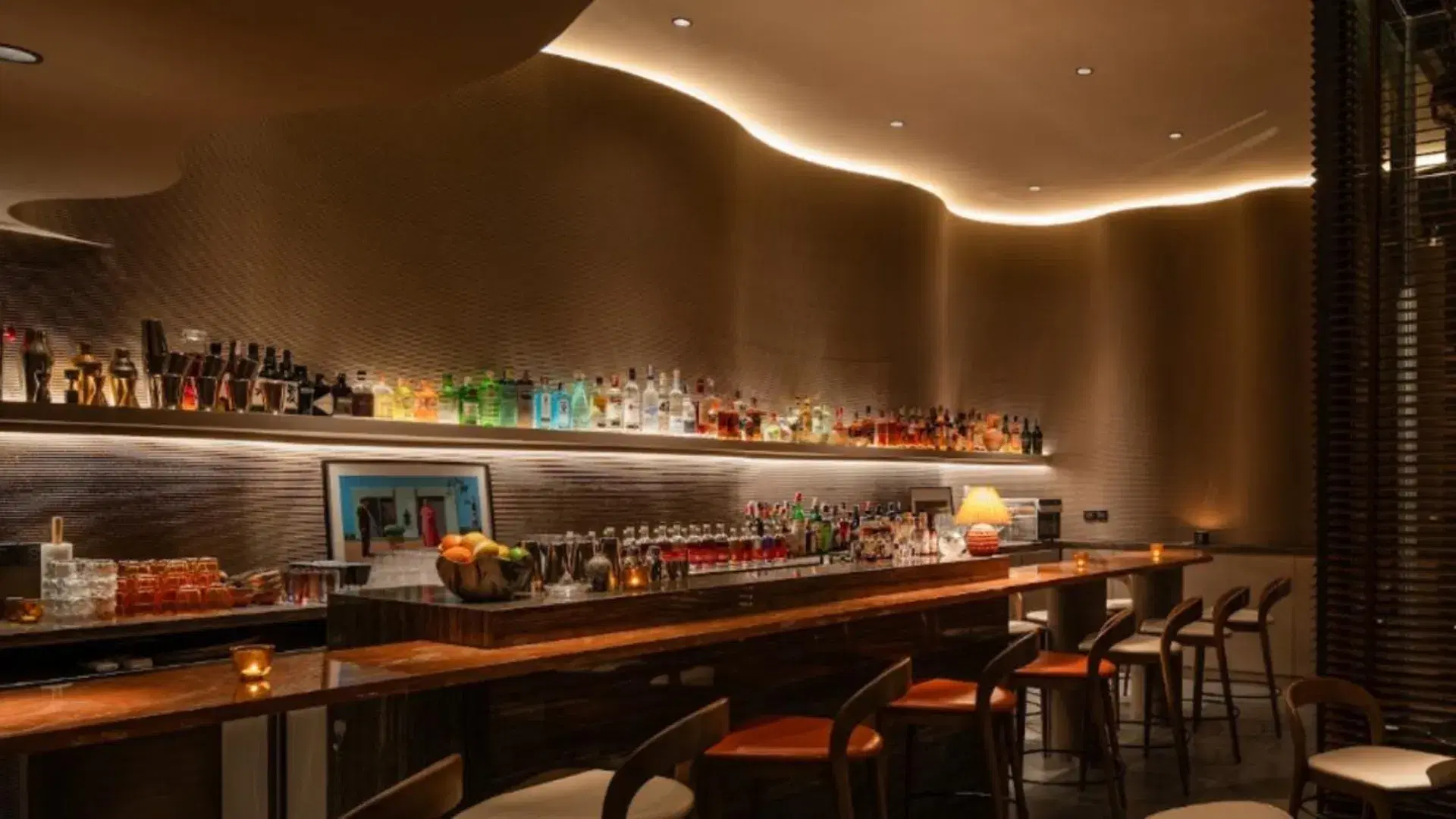
Beverage pairing at Fuego extends the cross-cultural logic of the kitchen: Japanese whisky and sake alongside Spanish food. This is not as incongruous as it might appear. Both Japanese whisky and fino Sherry share a certain dryness and precision that allows them to accompany cured meats without overwhelming the fat. Sake, particularly junmai styles, has an umami backbone that aligns with Ibérico ham's acorn-fed depth. The pairing choices reflect the same instinct that defines the kitchen: find the structural logic between two traditions and work along that seam.
Miso cheesecake that closes the menu is the dessert equivalent of the same argument, a European format reconstituted with a Japanese fermented ingredient that adds a saline, complex layer the traditional cream-cheese base does not provide. The Michelin notes describe it as velvety and multidimensional, which, for an inspector trained to understate, amounts to a genuine commendation.
Fuego in Bangkok's Wider Dining Picture
Bangkok's Spanish contemporary dining category is small relative to its French, Japanese, and Thai fine-dining cohorts. Globally, the format appears in concentrated pockets, Molino de Urdániz in Taipei occupies a comparable niche in East Asia's top tier, while 20° Restobar in Düsseldorf shows how the format travels across very different culinary markets. Within Thailand, the concentration of recognised dining outside Bangkok includes PRU in Phuket and Aeeen in Chiang Mai, while Bangkok-adjacent options include AKKEE in Pak Kret and, further afield, Angeum in Phra Nakhon Si Ayutthaya. For those planning broader itineraries, Agave in Ubon Ratchathani offers another Spanish-inflected reference point outside the capital.
For the full picture of dining, stays, and experiences in the city, see our full Bangkok restaurants guide, our full Bangkok hotels guide, our full Bangkok bars guide, our full Bangkok wineries guide, and our full Bangkok experiences guide.
Planning Your Visit
Fuego is located on the second floor of The Taste Thonglor building in Thong Lo, Khlong Tan Nuea, Watthana, a short distance from the BTS Thong Lo station and well within Bangkok's standard ride-hailing radius. The ฿฿฿ pricing positions a meal here comfortably below the city's top-tier tasting-menu bracket, making it a considered option for repeat visits rather than a single-occasion spend. As the room is intimate in scale, booking ahead is advisable, particularly for weekend evenings when Thonglor's dining corridor operates at capacity. Phone and online booking details are best confirmed directly through the venue or via current listing platforms, as contact information is subject to change. The The Spa in Lamai Beach represents a different register entirely for those extending travel beyond Bangkok.
Frequently asked questions
What should I order at Fuego?
The kitchen's Spanish-Japanese identity is most legible across three courses: the tapas selection, which shows the sourcing standards and the cross-cultural instinct at the heart of the menu; the paella, which the Michelin Guide singles out as a signature and which functions as the kitchen's clearest technical statement; and the miso cheesecake, a dessert that earns its place at the end of a meal built around the intersection of two precise culinary traditions. The beverage list leans into Japanese whisky and sake as pairings for Spanish food, which follows a coherent internal logic and is worth following rather than defaulting to wine.
What is the vibe at Fuego?
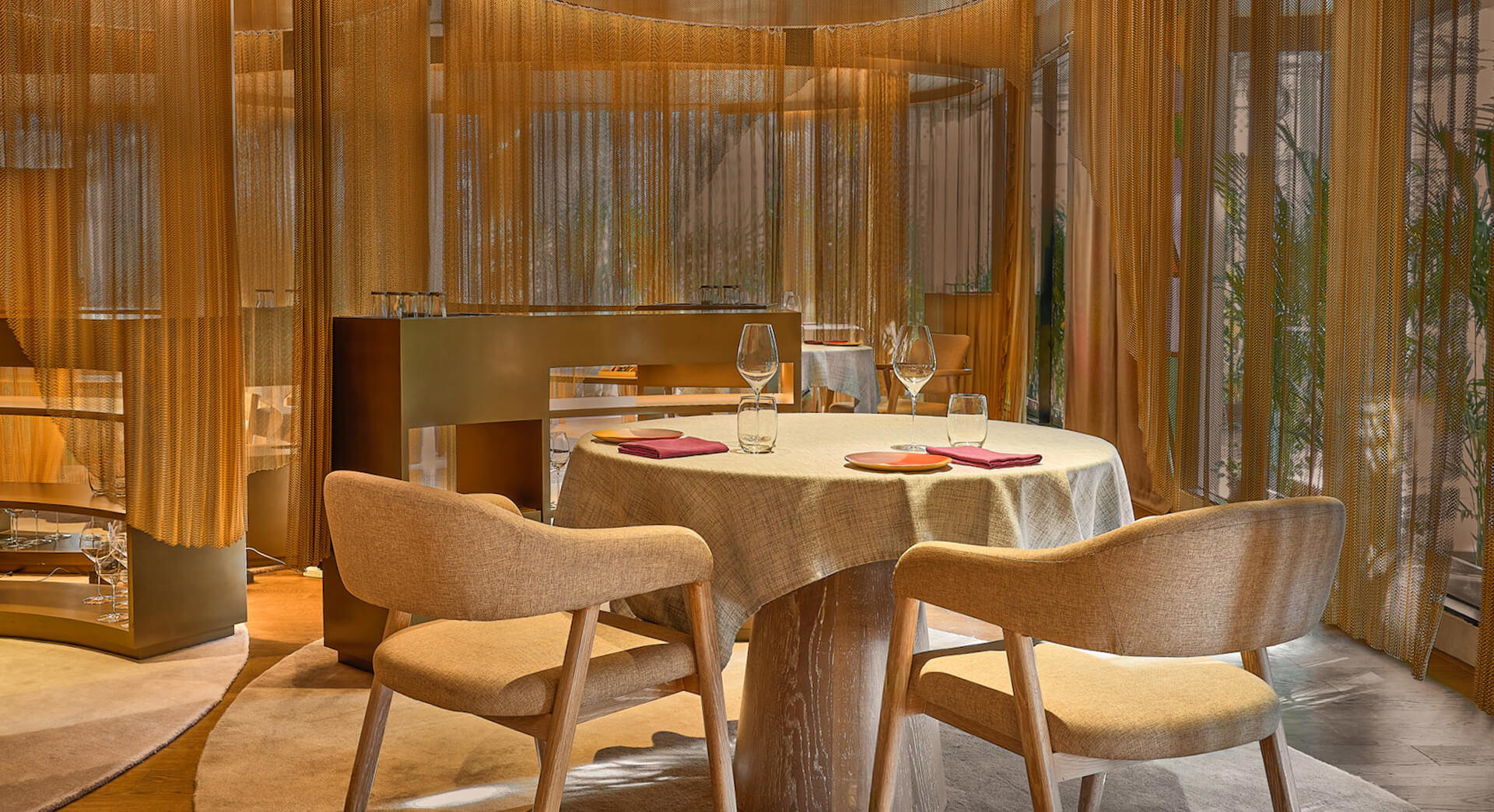
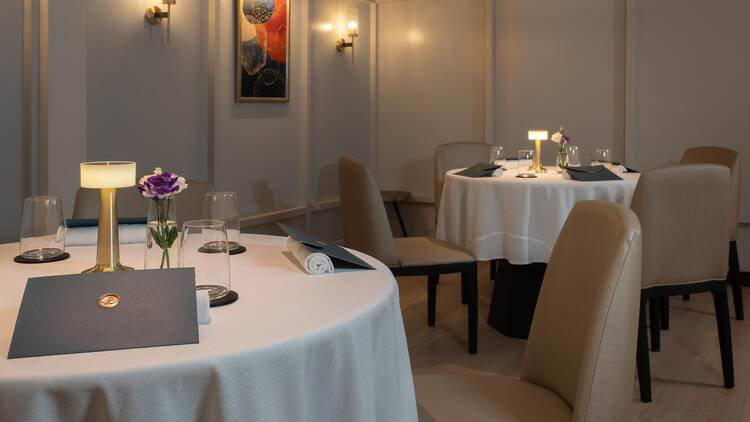
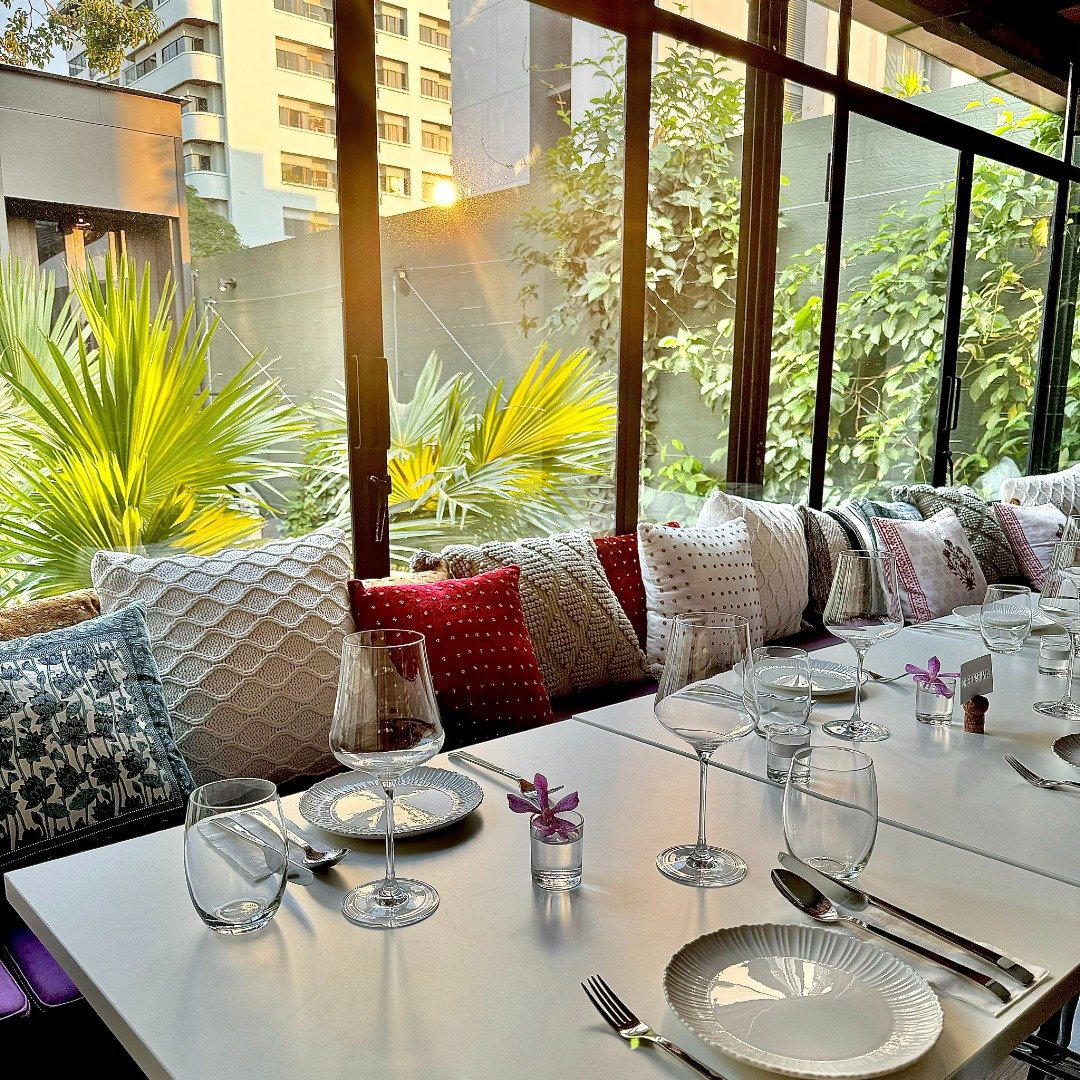
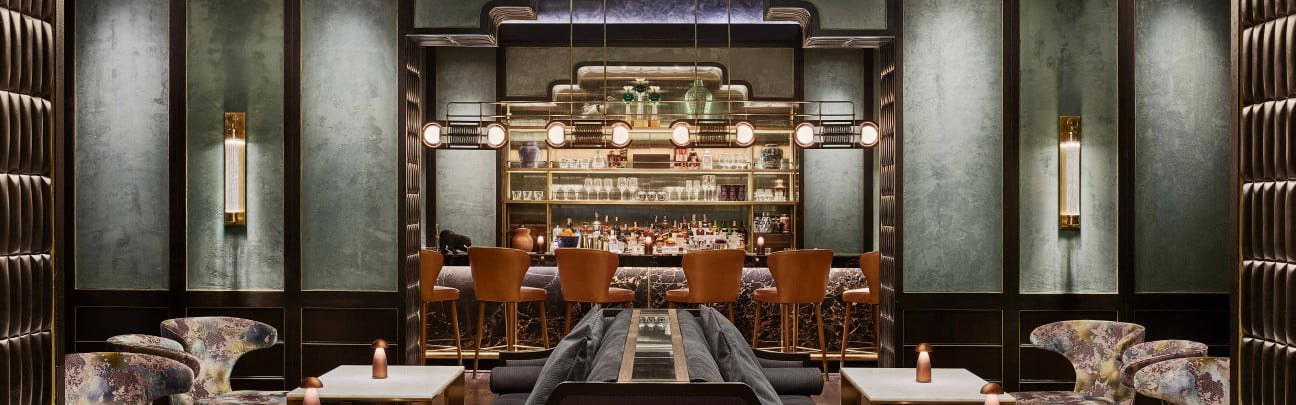
Thonglor positions Fuego within Bangkok's most competitive casual-to-serious dining corridor, and the room reflects that: an intimate open-kitchen format where the pace is measured rather than hurried. The ฿฿฿ price tier and the Michelin Plate recognition (2025) place it in a tier that attracts an audience expecting technical cooking rather than casual tapas-bar energy. The atmosphere is closer to a specialist counter than a large Spanish restaurant, quieter, more focused, and oriented around what is happening in the kitchen.
Is Fuego suitable for children?
Bangkok's ฿฿฿ tier restaurants generally accommodate families, though the format here, an intimate open-kitchen room oriented around tasting-focused Spanish and Japanese cooking, is better suited to adults or older children with an appetite for considered dining. For younger children, the tapas format offers variety and smaller portions, which works practically, but the overall atmosphere is calibrated for an adult experience. Families planning a broader Bangkok itinerary will find more age-flexible options across our full Bangkok restaurants guide.
Peers Worth Knowing
A quick snapshot of similar venues for side-by-side context.
| Venue | Cuisine | Price | Awards | Notes |
|---|---|---|---|---|
| FuegoThis venue (the venue you are viewing) | Spanish-Japanese Fusion Tapas | $50–100 | Michelin Plate | Not listed |
| Sorn | Fine Southern Thai | $200–300 | 3 Michelin Stars · World's 50 Best #12 | Southern Thai, ฿฿฿฿ |
| Côte by Mauro Colagreco | Riviera Mediterranean Fine Dining | $200–300 | 2 Michelin Stars · World's 50 Best #91 | Mediterranean, Modern Cuisine, ฿฿฿฿ |
| Baan Tepa | Creative Thai Fine Dining | $150–200 | 2 Michelin Stars · World's 50 Best #53 | Thai contemporary, ฿฿฿฿ |
| Gaa | Modern Indian Fine Dining with Thai Influences | $150–200 | 2 Michelin Stars · World's 50 Best #95 | Modern Indian, Indian, ฿฿฿฿ |
| Sühring | Modern German Fine Dining | $200–300 | 3 Michelin Stars · World's 50 Best #18 | German, ฿฿฿฿ |
Recognition history
Dated appearances from independent guides and award organizations, with the underlying list record or original source where available.
Michelin Plate
Michelin
Full recognition history (3 entries)
Michelin Plate
Michelin
Michelin Plate
Michelin
Continue exploring
More in Bangkok
Restaurants in Bangkok
All restaurants in Bangkok →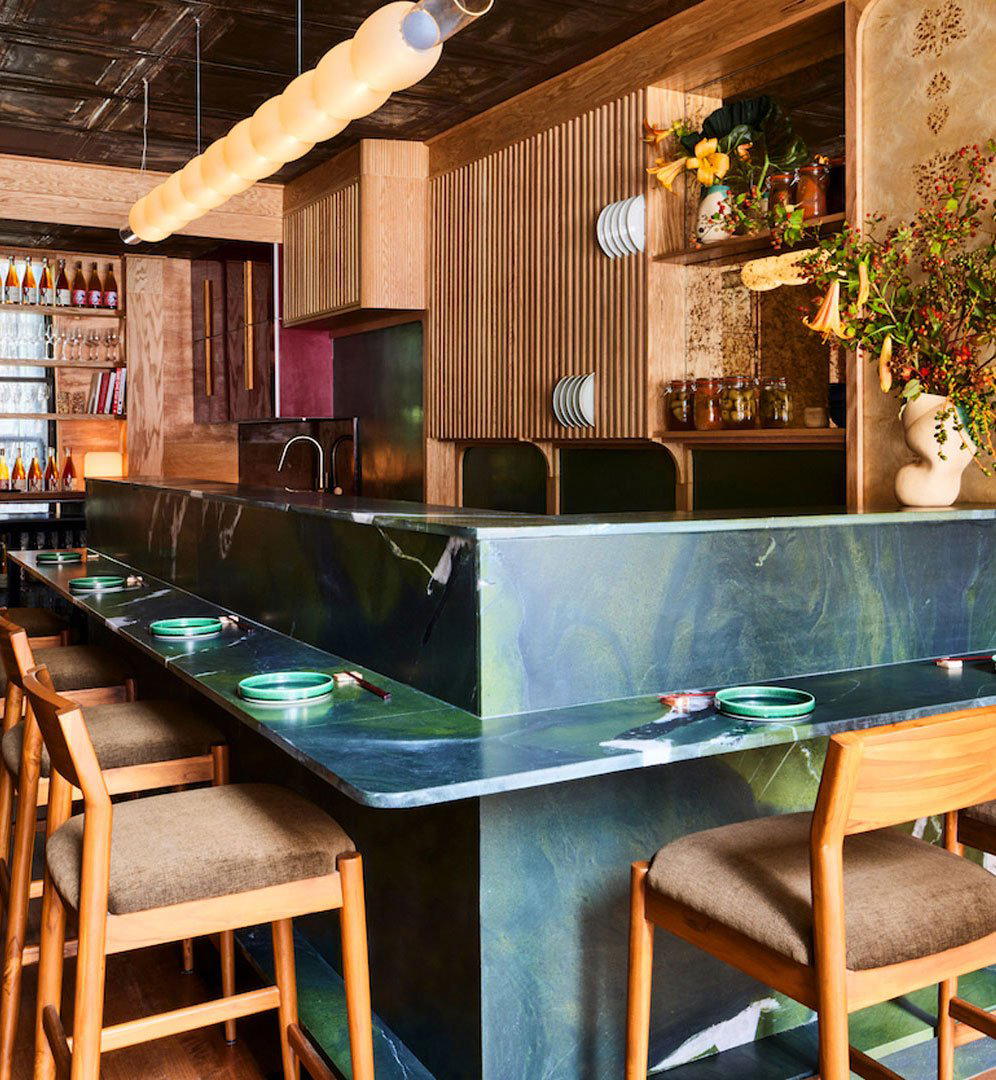
Details
- Trendy
- Lively
- Modern
- Intimate
- Energetic
- Date Night
- Special Occasion
- Group Dining
- Open Kitchen
- Chefs Counter
- Sake Program
- Small Plates
- Tasting Menu
- A La Carte
- Japanese Whisky
- Sake
- Allergy Accommodating
Current opening hours
- Monday
- 6 PM–12 AM
- Tuesday
- 6 PM–12 AM
- Wednesday
- 6 PM–12 AM
- Thursday
- 6 PM–12 AM
- Friday
- 6 PM–12 AM
- Saturday
- 6 PM–12 AM
- Sunday
- 6 PM–12 AM
Hours can change for holidays and private events. Hours as of .
Energetic atmosphere with lively open kitchen views, bumpin' music, Instagram-worthy plating, and interactive chef experiences, though some find it loud.