Fritti
On North Highland Avenue in Inman Park, Fritti has built a following around wood-fired Neapolitan-style pizza in a neighbourhood that takes its dining seriously. The address places it squarely in one of Atlanta's most restaurant-dense corridors, where casual format and serious sourcing coexist. For a city increasingly focused on where ingredients come from, Fritti fits the moment.
Pearl is the En Primeur Club membership app — saves, bookings, and concierge access live there. Same editors, same standards.
- Address
- 309 N Highland Ave NE, Atlanta, GA 30307
- Phone
- +14048809559
- Website
- frittiatl.com
- Directions
- Get directions
 Saves & bookings on Pearl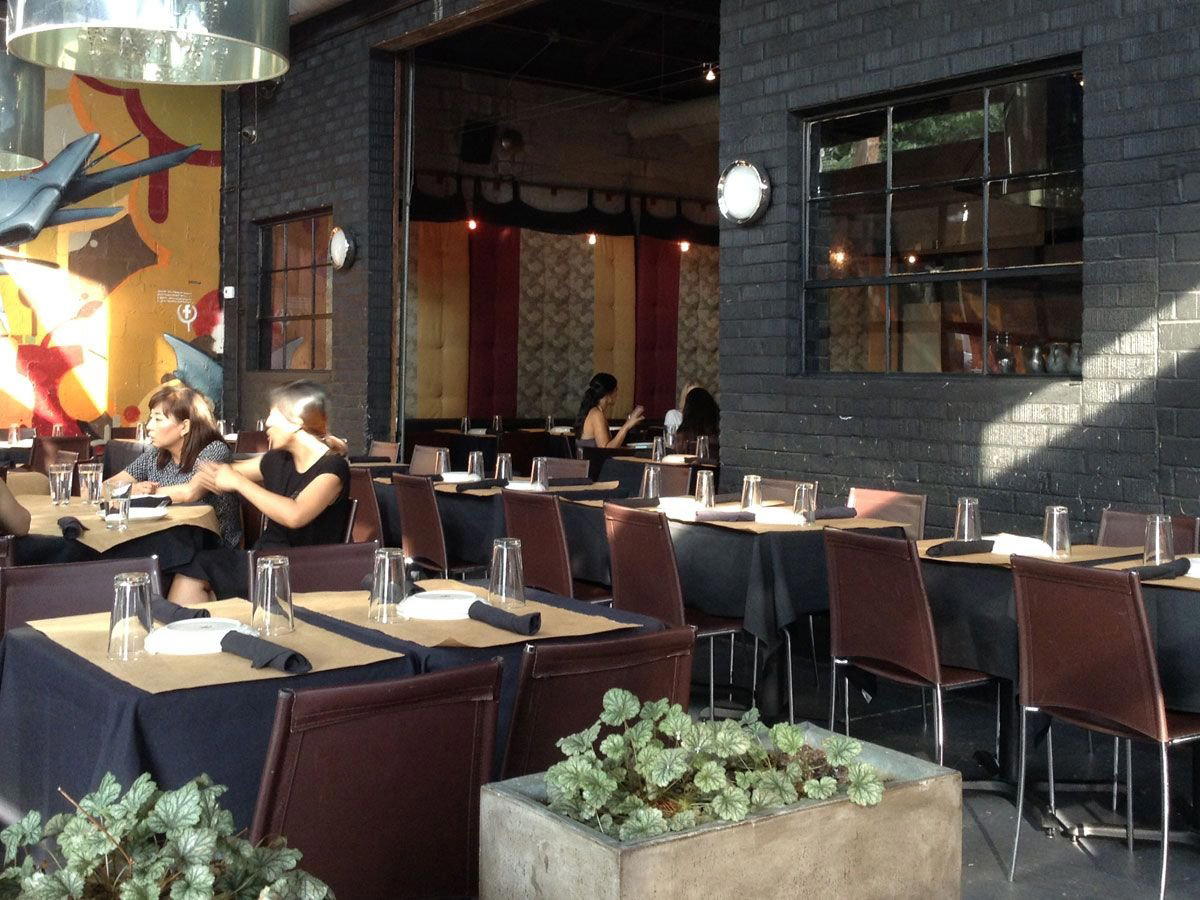
Inman Park and the Case for the Neighbourhood Pizzeria
Inman Park's dining corridor on North Highland Avenue operates at a different register than Buckhead's white-tablecloth tier or Midtown's hotel-anchored fine dining. The neighbourhood rewards the kind of restaurant that takes its craft seriously without theatricalising it, places where the sourcing is thought through, the format is unpretentious, and the regulars actually live within walking distance. Fritti, at 309 N Highland Ave NE, fits that pattern. It occupies a stretch of Atlanta where restaurants like Bacchanalia and Lazy Betty have established that ambitious cooking doesn't require formality, and where diners have come to expect ingredient-level attention even in casual formats.
The wood-fired pizza format has its own internal logic in American dining. It carries Italian roots but has been significantly reinterpreted over the past two decades, with the leading practitioners treating it less as a fast-food alternative and more as a discipline with specific sourcing requirements: flour type, fermentation time, heat source, and topping provenance all matter in ways that separate a considered operation from a casual one. Fritti operates within that more deliberate tier of the category.
The Sustainability Frame: Where Ingredients Come From
American dining has shifted considerably in how it accounts for ingredient origin, and that shift is now visible well below the fine-dining bracket. Restaurants at every price point increasingly face the question of whether their supply chains reflect the same values they project on the menu. In this context, the wood-fired pizza format is interesting: it privileges simplicity, which means fewer ingredients but more exposure for each one. A four-ingredient pizza has nowhere to hide a weak tomato or an undistinguished cheese.
Across the broader American restaurant conversation, the venues doing interesting work in this space tend to be regional anchors that source locally because geography and seasonality genuinely shape the menu, not as marketing, but as a constraint that produces better food. Blue Hill at Stone Barns in Tarrytown and Single Thread Farm in Healdsburg represent the extreme end of that commitment, where the farm is literally the restaurant's source material. The principle scales down: even at a neighbourhood level, a kitchen that prioritises ingredient integrity over convenience makes different decisions at the purchasing stage, and those decisions show up in the finished product.
Atlanta's food culture has developed a real appetite for this kind of accountability. The city's restaurant scene, documented thoroughly in our full Atlanta restaurants guide, has matured to the point where sourcing conversations that once belonged only to fine-dining kitchens now happen at the neighbourhood level. Fritti sits in that broader current.
Pizza as a Serious Format
The wood-fired oven is the centrepiece of a production process that resists shortcuts. Neapolitan tradition specifies high-heat cooking, typically above 800°F, which produces the characteristic char, the fast cook, and the particular texture that distinguishes the style from deck-oven alternatives. The crust is the argument: it has to carry enough structural integrity to hold toppings without becoming a vehicle for them, while also having its own flavour from fermentation and fire. Restaurants that treat this seriously tend to use longer cold fermentation for the dough, which develops complexity without adding ingredients.
In Atlanta's Italian-leaning casual segment, Fritti holds a position that the neighbourhood format naturally supports: accessible enough to visit repeatedly, serious enough that repeat visits reveal consistency. That's a harder achievement than it sounds. Many wood-fired operations peak on one or two items and fall away on others; the more cohesive the sourcing and preparation philosophy, the more evenly the quality distributes across the menu.
For comparison with Atlanta's fine-dining tier, venues like Atlas, Hayakawa, and Mujō operate with tasting-menu structures and reservation systems that require planning weeks or months in advance. Fritti's format is deliberately different: the neighbourhood pizzeria serves a different function, one that values accessibility and regularity over occasion dining. Both are legitimate, and a well-functioning food city needs both tiers operating at their respective levels.
Atlanta in the National Context
Atlanta's dining scene is sometimes underweighted in national conversations dominated by New York, San Francisco, and Los Angeles. That's a misread. The city has produced serious fine-dining ambition, Bacchanalia has operated at the summit of the local hierarchy for years, and Lazy Betty has brought tasting-menu rigour to an accessible price point, while also sustaining a neighbourhood-restaurant culture that feeds daily life rather than special occasions.
Nationally, the wood-fired pizza category has produced some of its strongest statements in unexpected cities and formats. Smyth in Chicago and Lazy Bear in San Francisco represent how fire-cooking more broadly has entered the fine-dining conversation, while venues like Providence in Los Angeles and Le Bernardin in New York City show how ingredient sourcing can become a complete identity rather than a subset of kitchen practice. At the opposite end of the formality scale, but with the same sourcing logic, the neighbourhood pizzeria in a food-literate city becomes a kind of proving ground: can you do this simply, consistently, and with integrity?
The European analogue is worth noting. In Italy, the leading pizzerias have always operated this way, modest settings, serious dough, produce sourced with the same care applied in any serious kitchen. The format's migration to the US has gone in two directions: the fast-casual dilution, and the faithful reproduction. Fritti sits in the latter camp, in a city and a neighbourhood that can tell the difference. For context on how similar ethical-sourcing commitments operate at the fine-dining end of the European spectrum, Atelier Moessmer Norbert Niederkofler in Brunico and Addison in San Diego represent how deep that commitment can go when formality is added to the equation.
Know Before You Go
| Address | 309 N Highland Ave NE, Atlanta, GA 30307 |
|---|---|
| Neighbourhood | Inman Park |
| Format | Casual neighbourhood restaurant; wood-fired pizza |
| Reservations | Reservations recommended |
| Hours | Mon: 11:30 AM to 11 PM; Tue: 11:30 AM to 11 PM; Wed: 11:30 AM to 11 PM; Thu: 11:30 AM to 11 PM; Fri: 11:30 AM to 12 AM; Sat: 11:30 AM to 12 AM; Sun: 11:30 AM to 10 PM |
| Price | About $25 per person |
Accolades, Compared
Comparable venues nearby, for context on price, style, and recognition.
| Venue | Cuisine | Price | Notes |
|---|---|---|---|
| FrittiThis venue — the venue you are viewing | Authentic Neapolitan Pizza | $$ | Not listed |
| Pasta da Pulcinella | Polished Italian Pasta | $$ | Midtown |
| Mo's Pizza | New York-Style Pizza | $$ | Brookhaven |
| EATaliano Kitchen | Traditional Italian Trattoria | $$ | Cumberland Bridge |
| La Tavola Trattoria | Classic Italian Trattoria | $$ | Virginia-Highland |
| Varasano's Pizzeria | Neapolitan-Style Pizza | $$ | Brookwood Square |
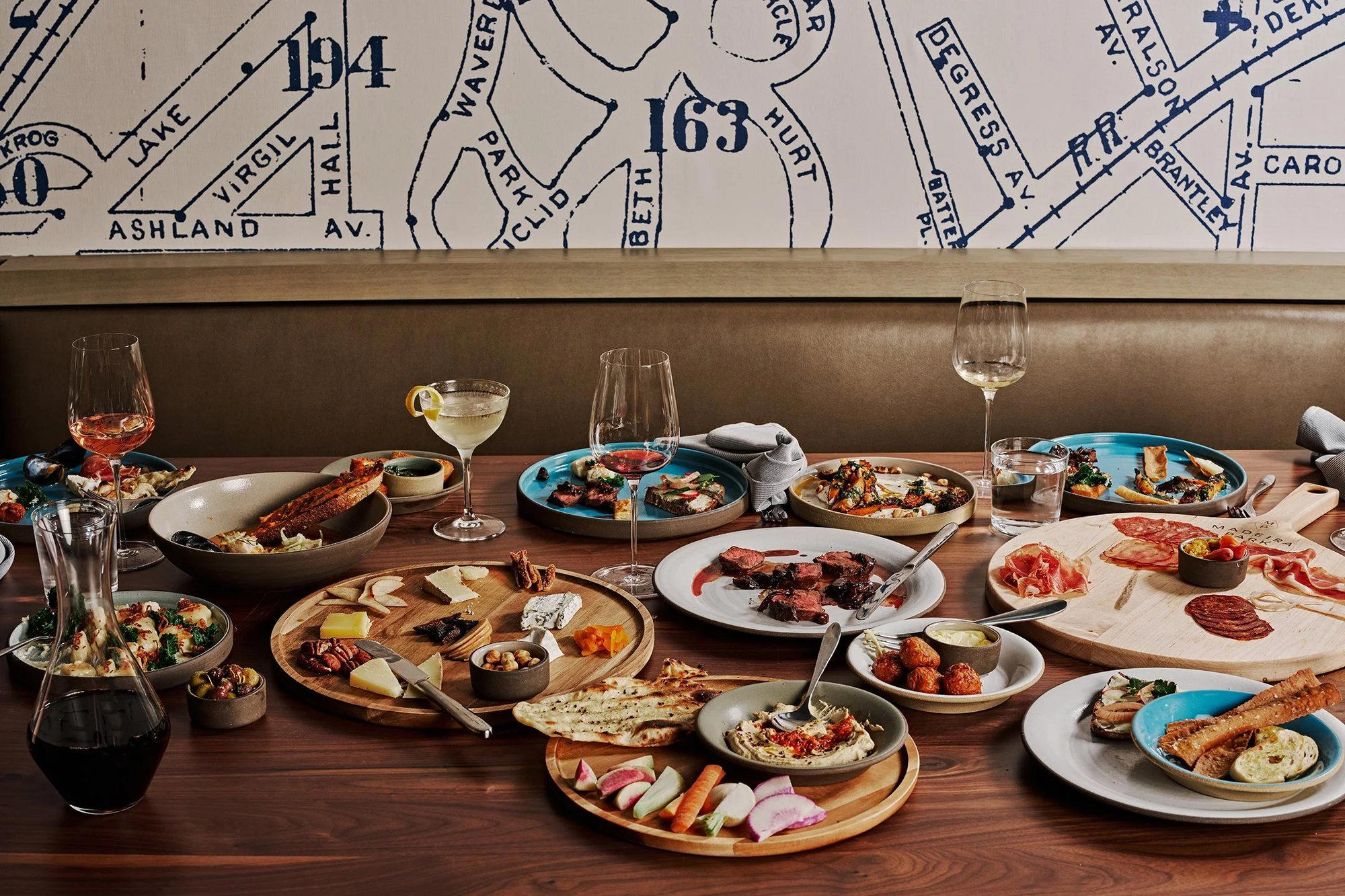
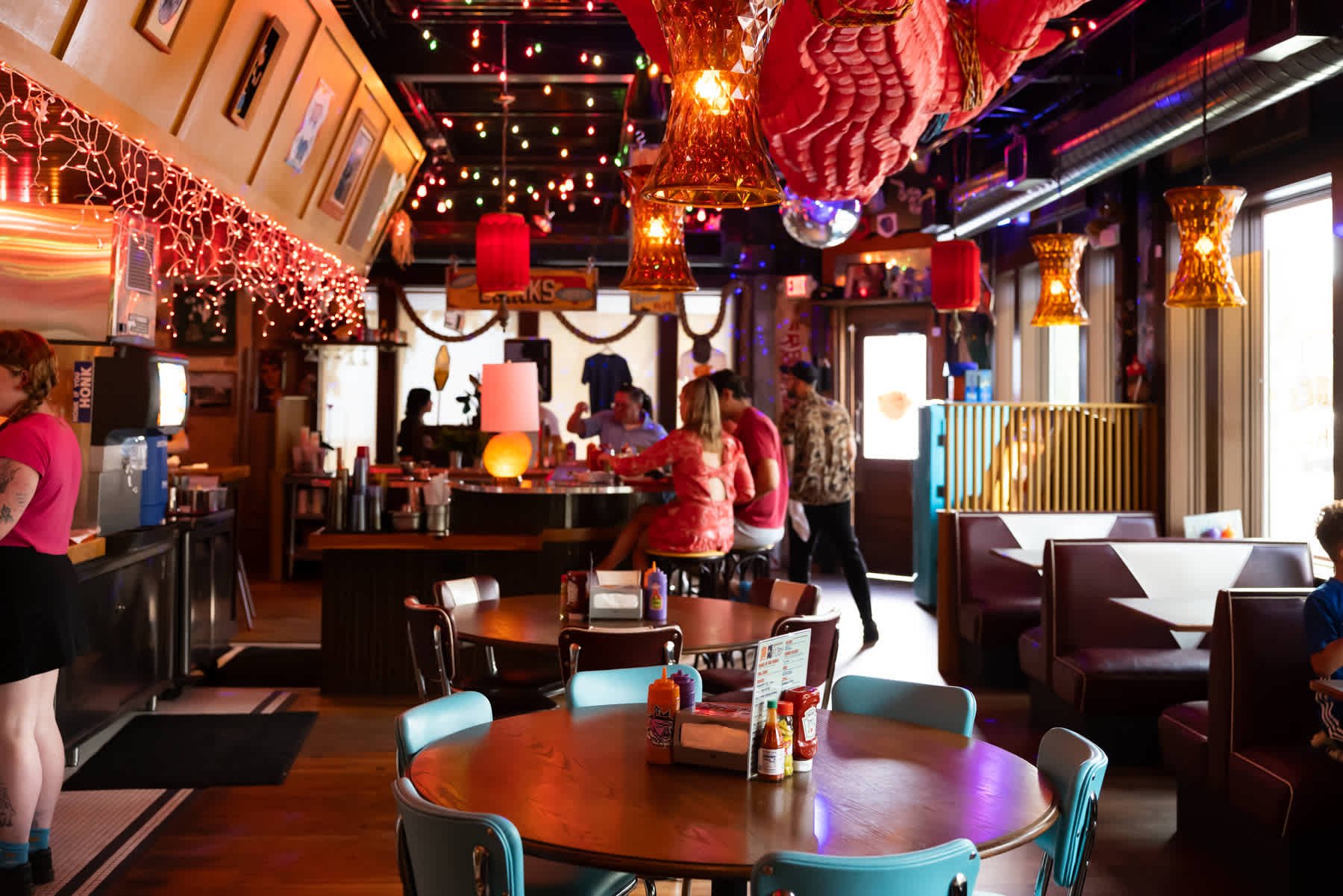
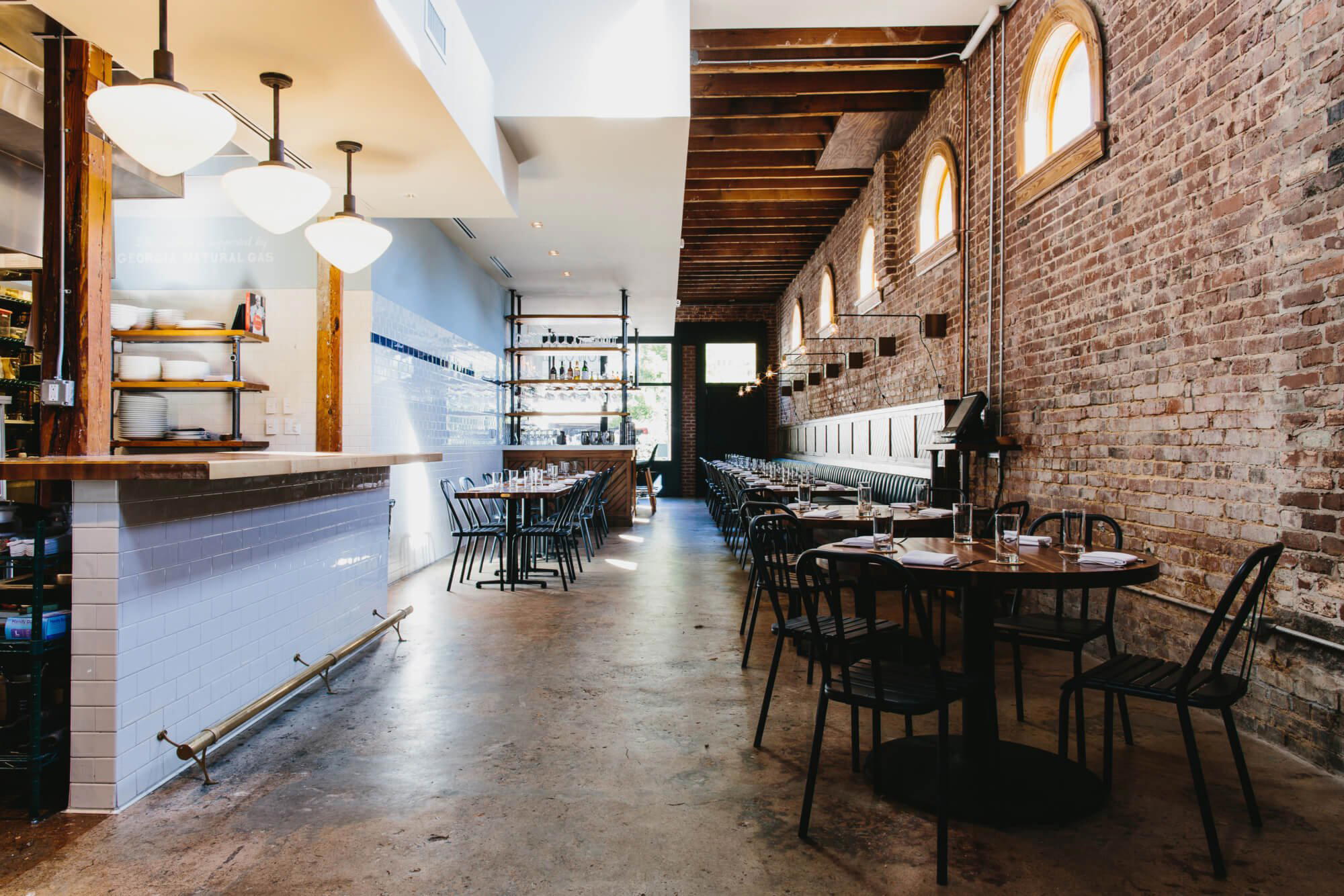
At a Glance
- Lively
- Cozy
- Trendy
- Date Night
- Family
- Casual Hangout
- Brunch
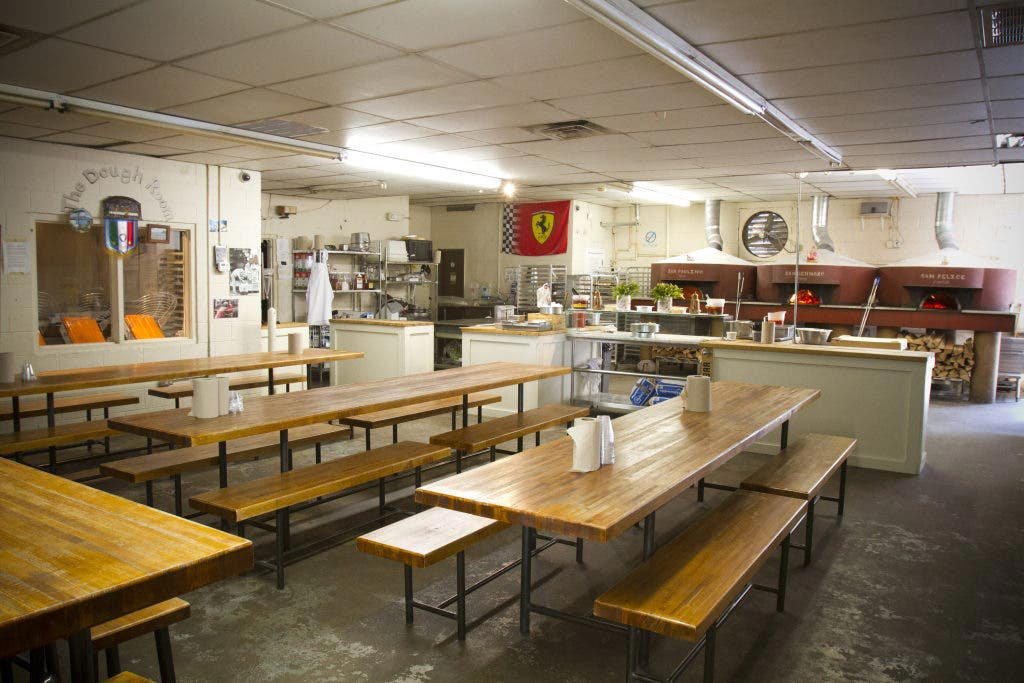
- Open Kitchen
- Terrace
- Extensive Wine List
- Street Scene
Current opening hours
- Monday
- 11:30 AM–11 PM
- Tuesday
- 11:30 AM–11 PM
- Wednesday
- 11:30 AM–11 PM
- Thursday
- 11:30 AM–11 PM
- Friday
- 11:30 AM–12 AM
- Saturday
- 11:30 AM–12 AM
- Sunday
- 11:30 AM–10 PM
Hours can change for holidays and private events. Last verified .
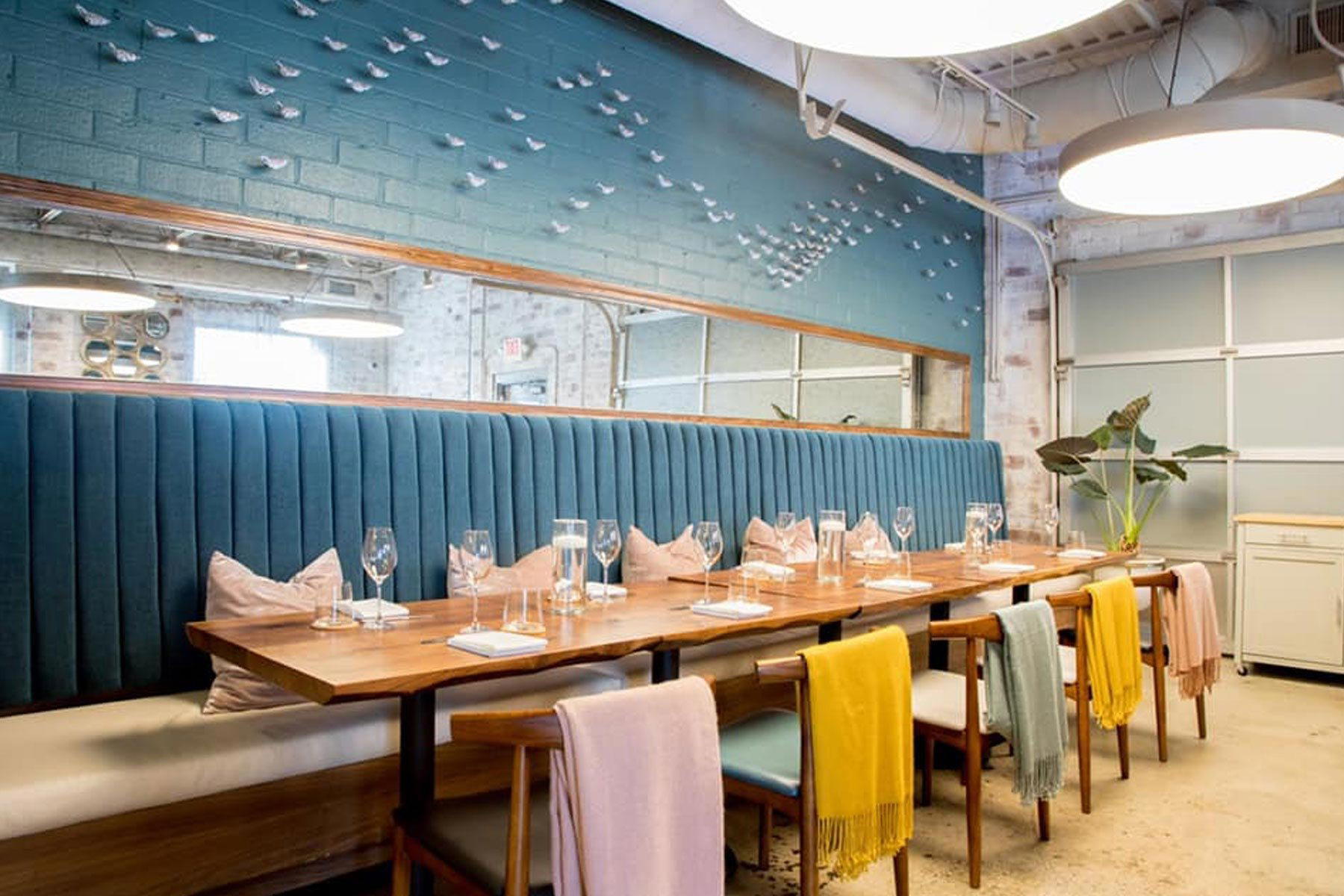
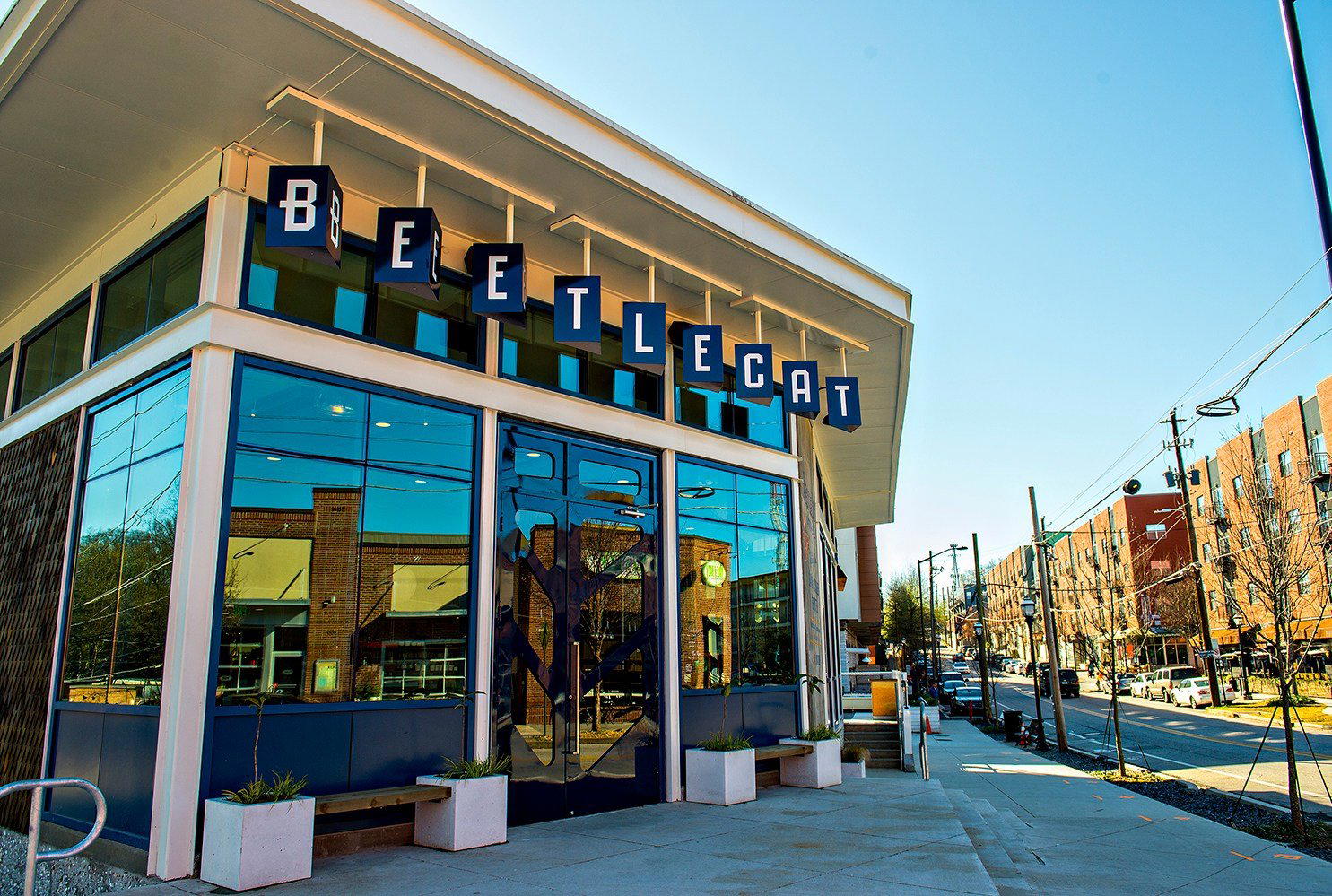
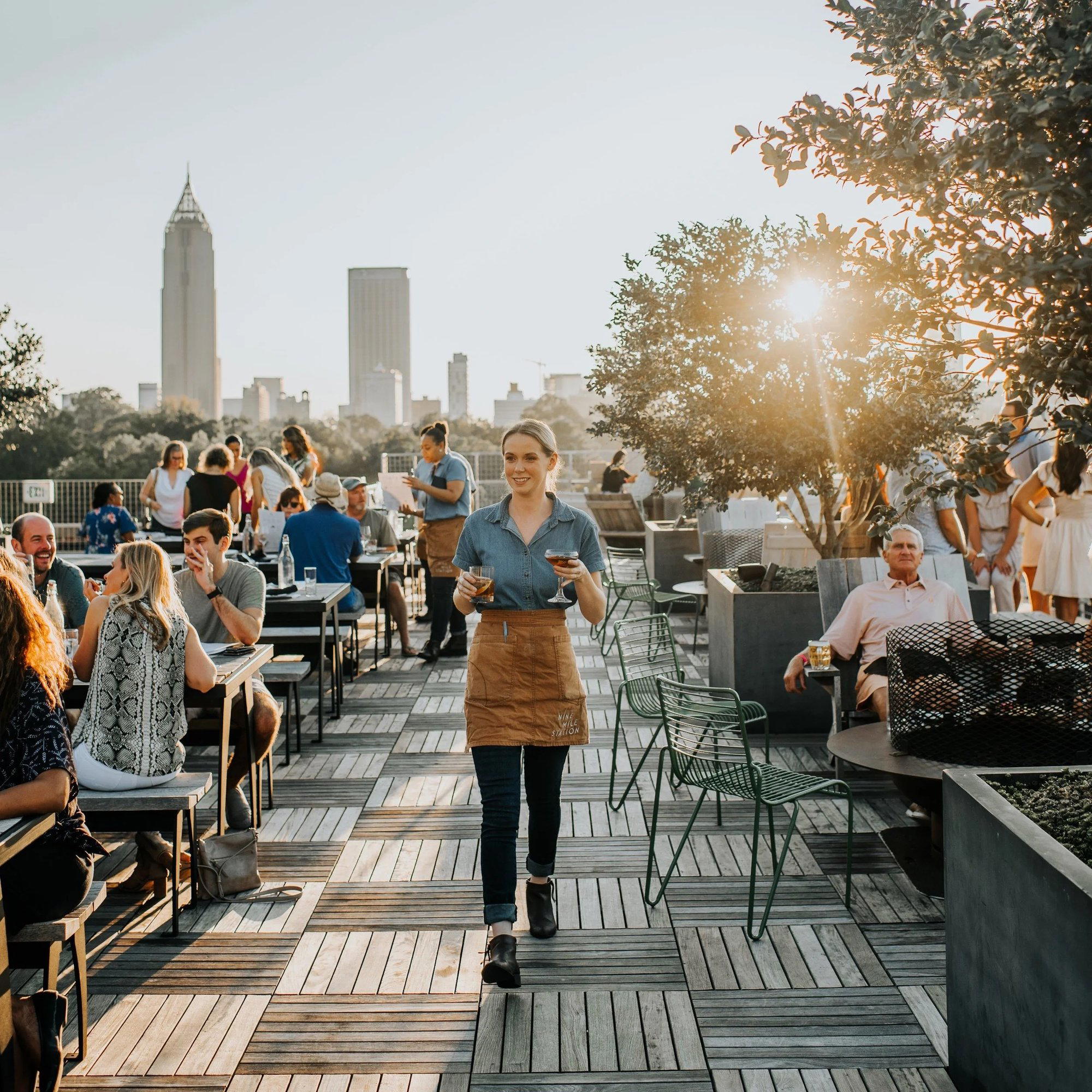
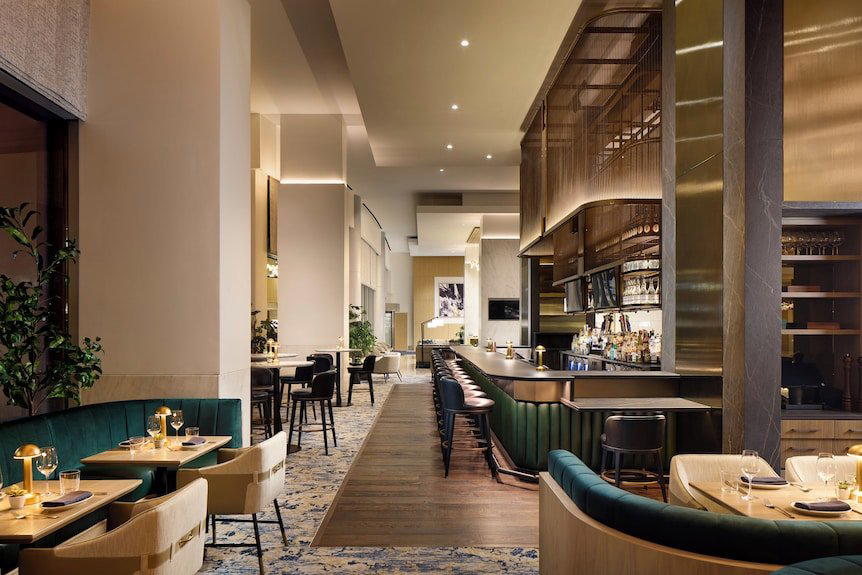
Upscale remodeled loft with a lively patio well-suited for al fresco dining in Inman Park.