
We're Smart World 1 Radish
Our verdict
Lunet is a Antwerp bistro on Quinten Matsijslei that positions itself around local sourcing and nature-led cooking — a premise that invites scrutiny. Vegetables appear prominently on the menu, but meat holds the structural weight of most dishes, raising questions about whether the philosophy matches the plate. Worth approaching with clear expectations and an appetite for traditional Belgian bistro form.

Pearl is the En Primeur Club membership app — saves, bookings, and concierge access live there. Same editors, same standards.
- Address
- Quinten Matsijslei 25, 2018 Antwerpen, Belgium
- Phone
- +32 3 213 75 75
- Hours
- Mon 12–1:45 PMTue–Sat 12–1:45 PM, 6–9:45 PMSun Closed
- Website
- lunetantwerp.be
- Directions
- Get directions
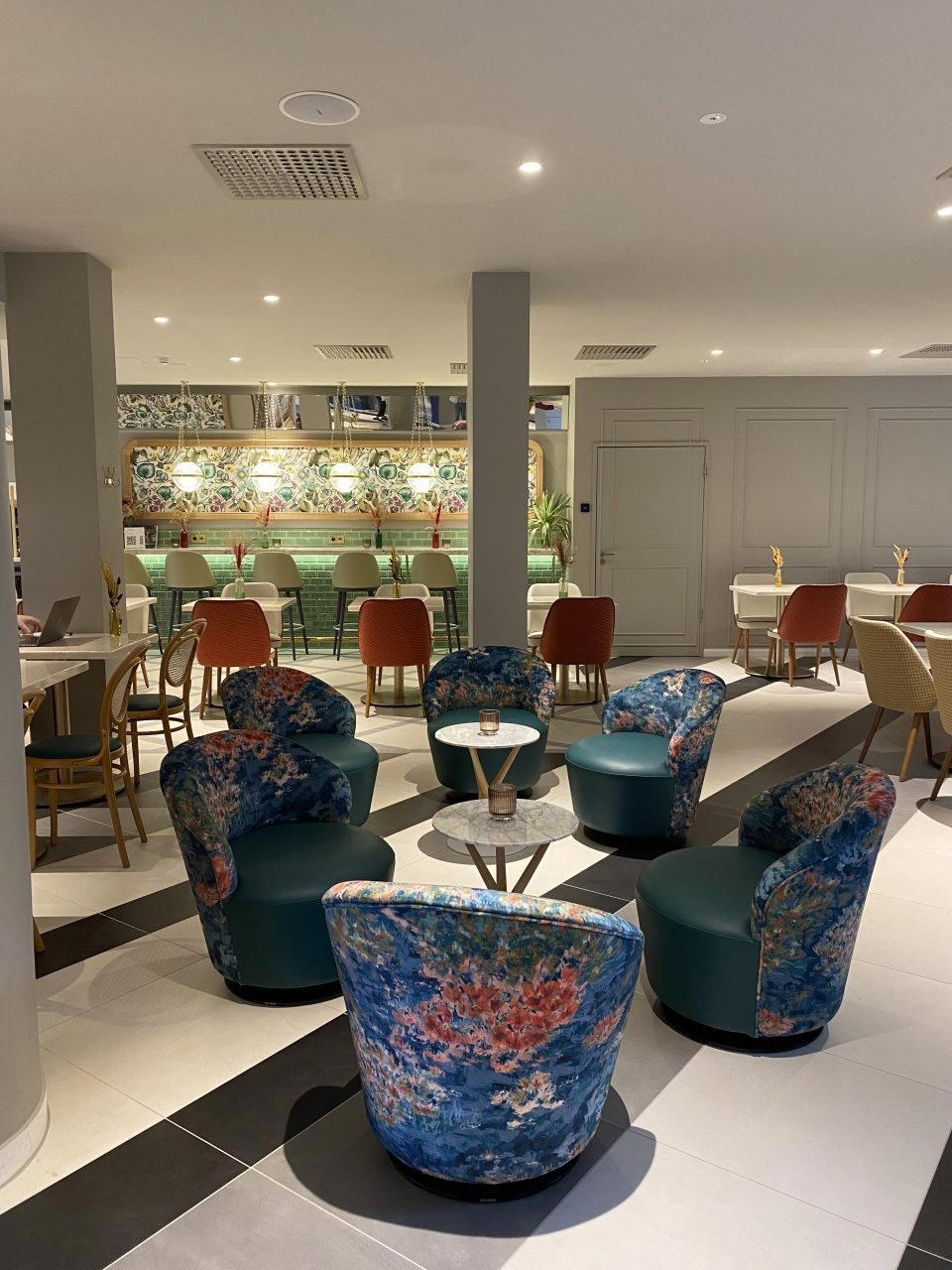
What the Local-Sourcing Claim Actually Means in Antwerp
Antwerp's mid-range dining scene has absorbed a wave of nature-forward positioning over the past decade. Walk the southern districts and you'll find bistros, brasseries, and neighbourhood restaurants all reaching for some version of the same vocabulary: local producers, seasonal rotation, vegetables at the centre. The question worth asking at any of them is whether the framing holds up on the plate, or whether it functions as atmosphere rather than argument. Lunet, on Quinten Matsijslei in the 2018 postcode, sits squarely inside that tension.
The promise at Lunet is that nature leads. Concretely, that translates to a local-sourcing philosophy with vegetables given meaningful presence on the menu. What it does not translate to is botanical fine dining or the kind of ingredient-as-hero minimalism that has become shorthand for this positioning at higher price points. The cooking remains traditional in structure, and meat holds the functional centre of most dishes. For a diner arriving with fine-dining expectations shaped by venues like Zilte or Hertog Jan at Botanic, the register here is considerably more grounded.
The Atmosphere on Quinten Matsijslei
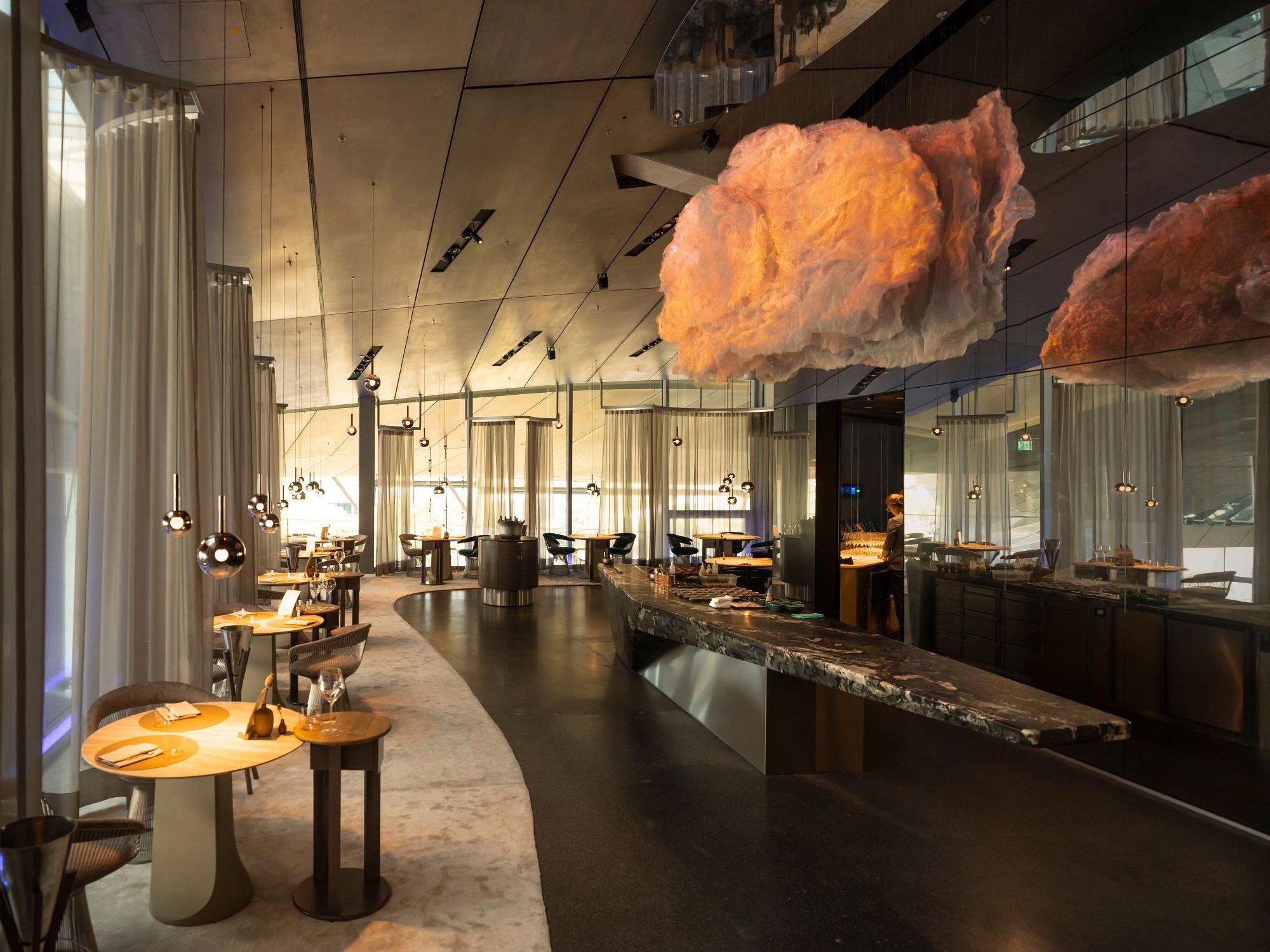
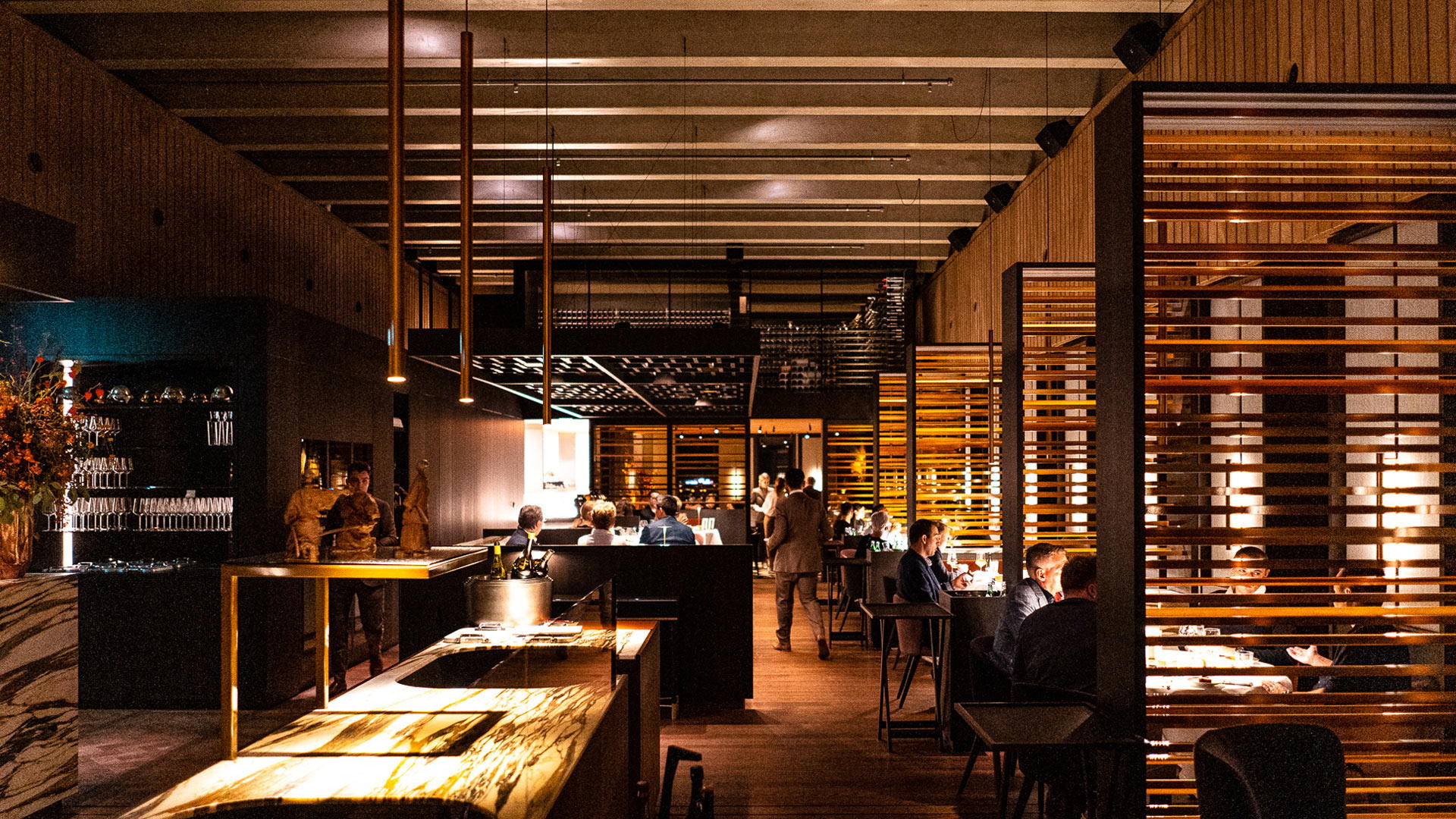
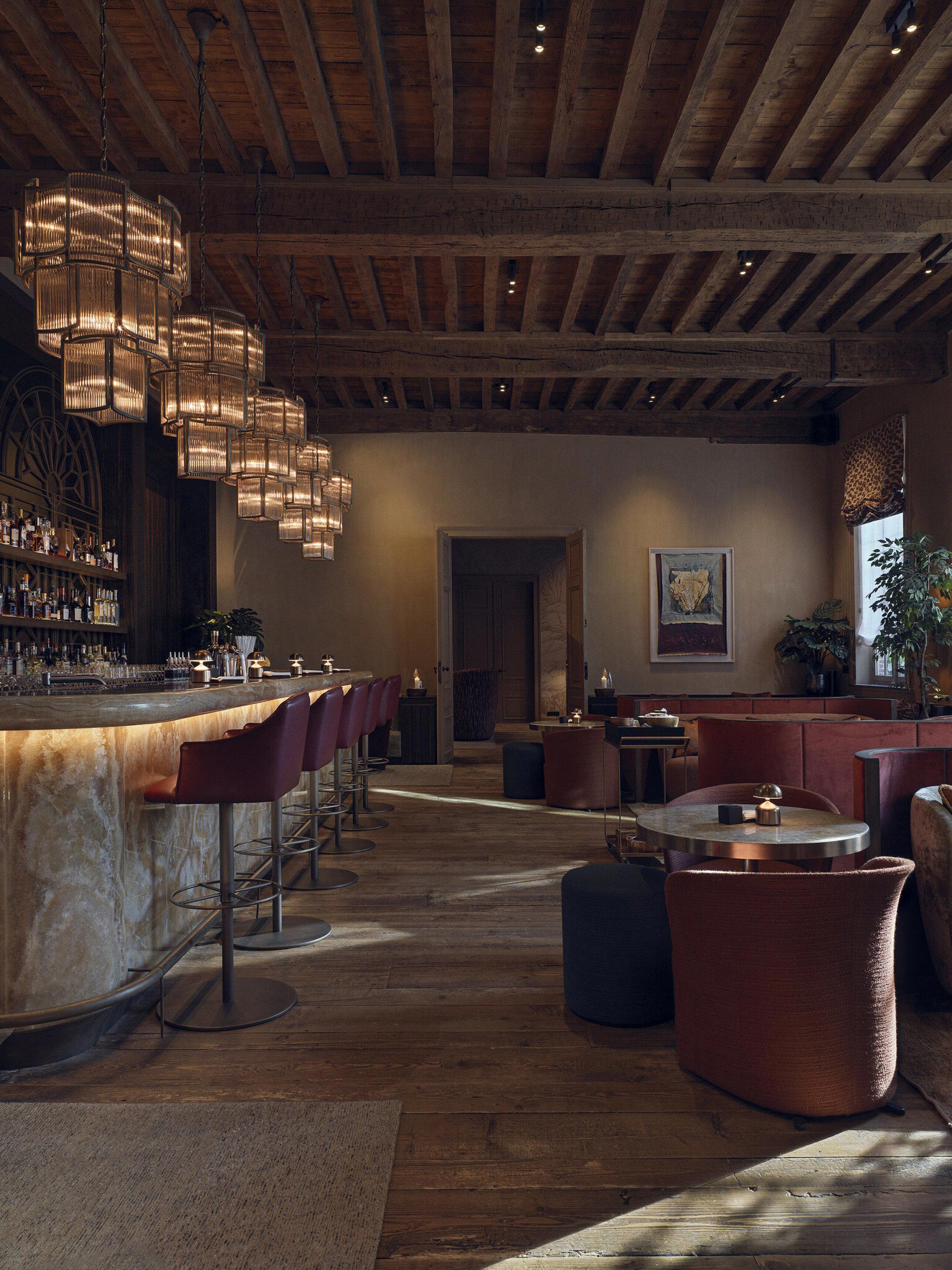
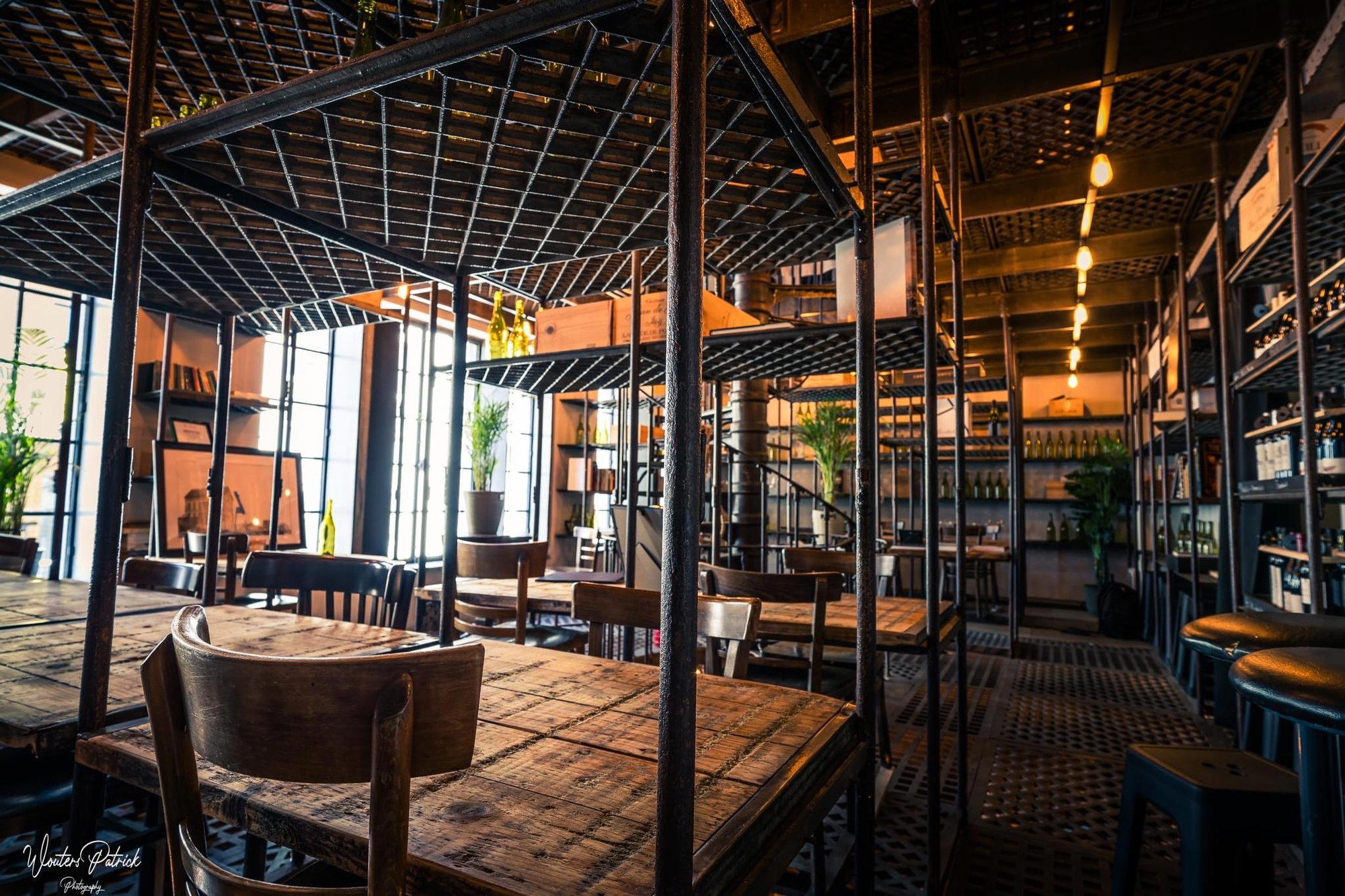
Quinten Matsijslei runs through one of the more composed residential stretches of Antwerp's southern belt — wide pavements, the kind of street where an evening meal feels like a neighbourhood activity rather than a destination event. Lunet fits that character. This is a bistro in the functional sense: approachable in format, oriented toward the rhythm of a local dining room rather than a ticketed experience. The gap between Lunet and a venue like 't Fornuis — which operates firmly within the classic Flemish fine dining tradition, is not just price, it is the entire mode of eating being offered.
At this tier, the room is the point as much as the food. A bistro on this kind of street succeeds or fails on whether it feels like somewhere a regular would return on a Wednesday, not just a special occasion. That is the standard Lunet is working within, and it is a harder one to sustain than it looks from the outside.
The Philosophy and Its Limits
In Belgian dining, the local-sourcing claim carries specific weight. The country's produce infrastructure, short supply chains, a dense network of small farms within easy reach of any city, means the claim is achievable in a way that is harder in less agriculturally diverse regions. Antwerp specifically has restaurants across the price spectrum making credible use of that infrastructure, from destination-tier spots like Boury in Roeselare and Hof van Cleve in Kruishoutem to everyday neighbourhood cooking.
When the stated philosophy centres nature and locality but the actual structure of the menu centres meat in a conventional way, the gap between claim and execution becomes visible. Vegetables appearing on the plate does not mean they are driving the culinary logic. That distinction matters, not as a moral position, but as a question of whether the restaurant is doing what it says it is doing. EP Club's note that it hopes for a positive evolution is a measured way of saying the current version does not fully close that gap.
This is not unusual in the current Belgian bistro moment. Many restaurants across the country have adopted sustainability language as a front-of-house posture without restructuring their kitchens around it. The honest ones acknowledge that it is a direction of travel rather than a completed project. Lunet would benefit from that clarity.
Where Lunet Sits in Antwerp's Dining Tier
What the format suggests, neighbourhood bistro, traditional cooking structure, local-sourcing positioning, places Lunet in the accessible mid-market range rather than the premium bracket. That is a different conversation from DIM Dining's Japanese precision or the French-leaning formality of Bistrot du Nord, and a much more everyday one than the tasting-menu format that defines Antwerp's Michelin tier.
Belgium has a healthy population of this kind of restaurant, places operating between the neighbourhood lunch spot and the white-tablecloth destination, often the most interesting stratum to follow because it is where cooking ideas actually circulate at scale. Internationally, the contrast with venues like Le Bernardin in New York City or Emeril's in New Orleans is instructive: in the American context, a restaurant at this positioning would typically be louder about its identity. The Belgian bistro tradition allows for something quieter and more structurally conventional without that reading as a failing.
Planning Your Visit
Lunet is located at Quinten Matsijslei 25 in the 2018 district of Antwerp, within the southern residential belt that connects the city centre to the park districts. Visiting earlier in the week, when demand at local bistros is typically lighter, gives more flexibility than weekend evenings, when Antwerp's dining rooms across all tiers fill quickly.
For travellers building a wider Antwerp itinerary, EP Club's full Antwerp restaurants guide maps the city's dining across formats and price points. The Antwerp hotels guide, bars guide, wineries guide, and experiences guide cover the city's broader offer. Elsewhere in Belgium, Bozar Restaurant in Brussels, Willem Hiele in Oudenburg, Bartholomeus in Heist, and Castor in Beveren represent different points on the country's dining range worth considering alongside an Antwerp trip.
Frequently asked questions
What is the atmosphere like at Lunet?
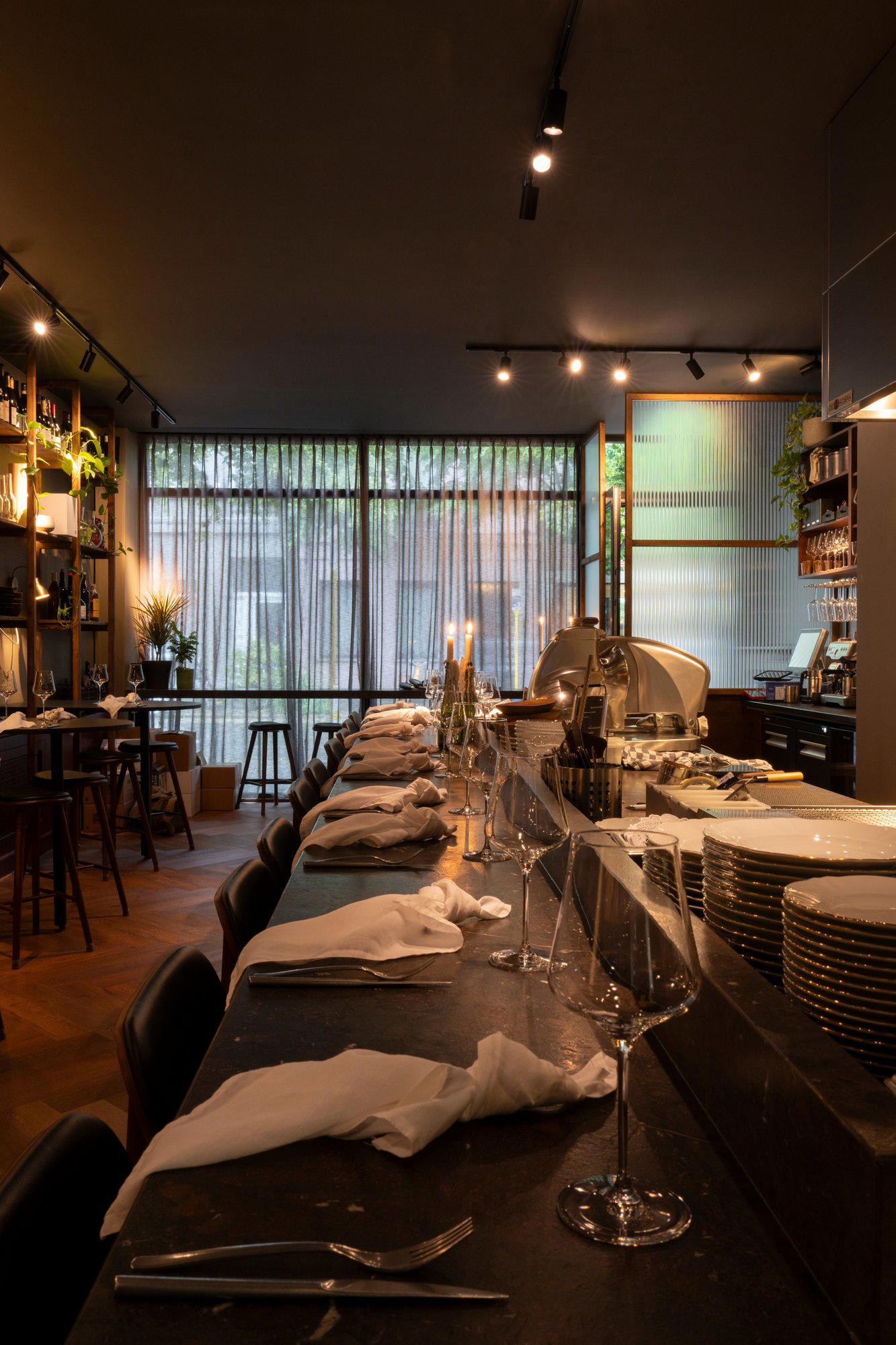
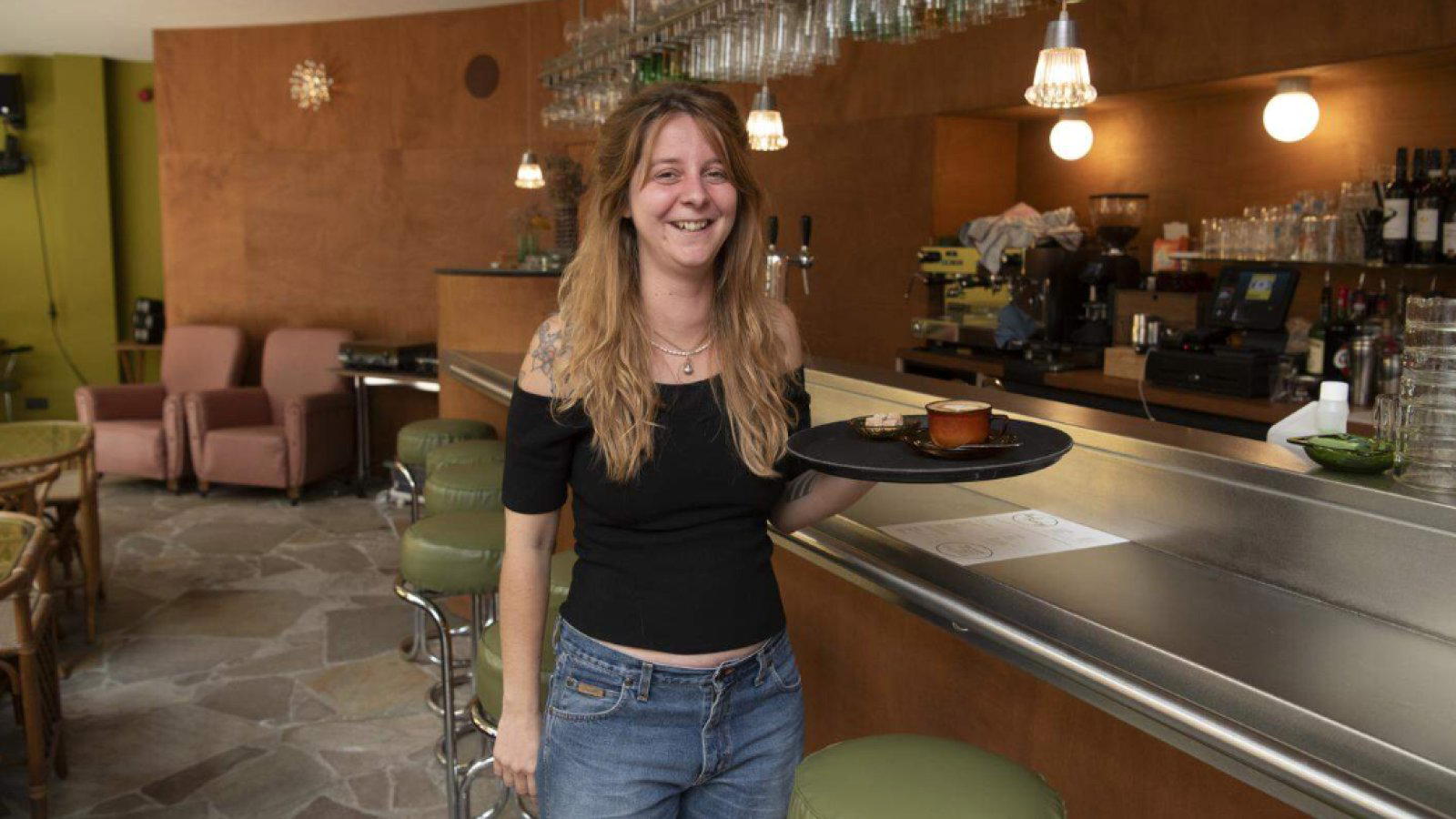
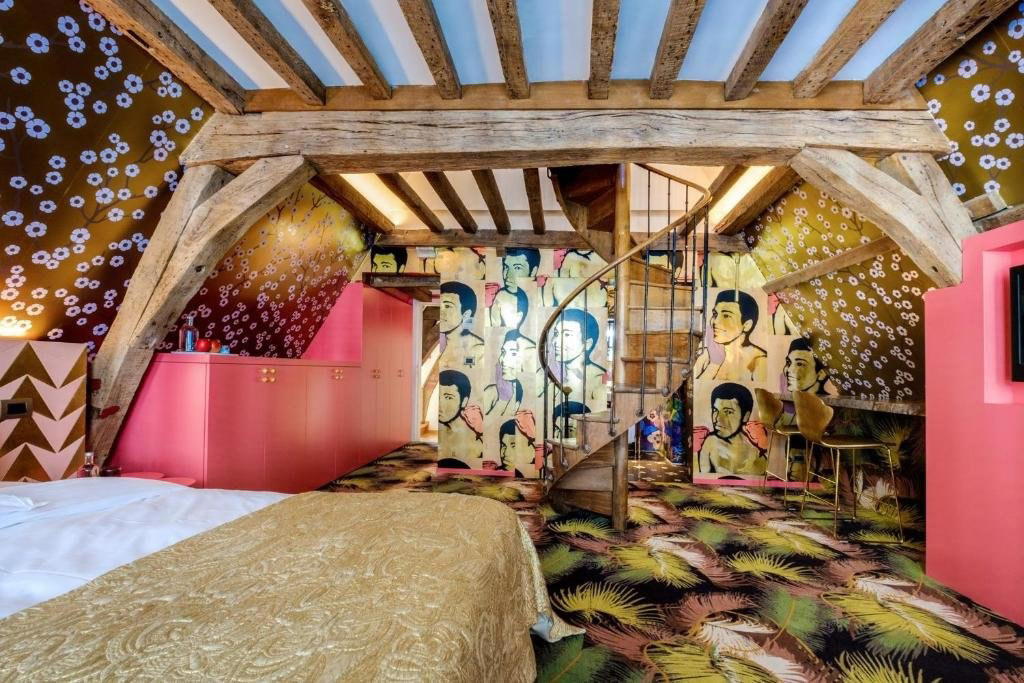
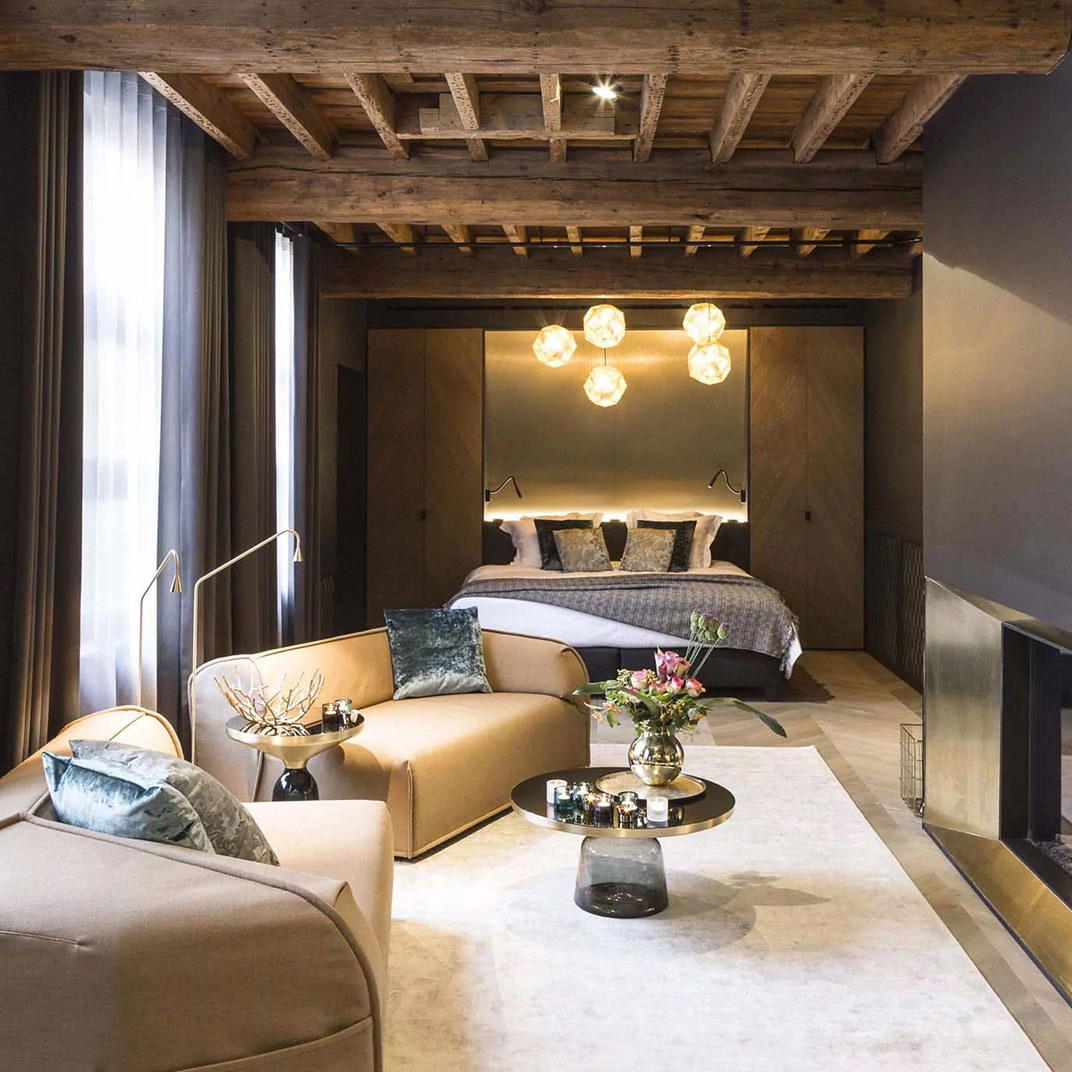
Lunet sits on Quinten Matsijslei in Antwerp's 2018 district, a composed southern residential stretch that sets a quieter, neighbourhood tone. The bistro format signals an informal setting — closer to a local dining room than a white-tablecloth address. Expect a relaxed register without the ceremony of Antwerp's more formal restaurant tier.
What's Lunet known for in terms of accolades?
Lunet has received recognition including: Nature in the lead here at Lunet, surely that is what is promised! But what does that mean concretely? Don't expect fine botanical gastronomy at this bistro, but the philosophy with a focus on local does appeal to us. Vegetables are mostly ….
What dish is Lunet famous for?
No specific signature dish has been documented for Lunet. What the kitchen's positioning makes clear is that vegetables appear prominently on the menu, but the cooking structure remains traditional and meat holds the central role on the plate — a combination the venue itself frames through a local-sourcing philosophy.
How do I find Lunet?
Lunet is located at Quinten Matsijslei 25, 2018 Antwerpen, Belgium, Antwerp.
Can I walk in to Lunet?
No booking or walk-in policy is publicly confirmed for Lunet at Quinten Matsijslei 25. For a neighbourhood bistro of this format in Antwerp, availability on quieter weeknight sittings tends to be more flexible than weekend service, but contacting the venue directly before arriving is the practical approach.
What do critics highlight about Lunet?
The standing editorial note on Lunet centres on a tension between its nature-forward framing and what actually arrives at the table: a fairly traditional bistro where meat leads, not botanical or produce-driven cooking. The local-sourcing philosophy is acknowledged as genuine in intent, but observers have flagged a risk of greenwashing if the cooking doesn't evolve to match the positioning. The expectation, at least among those tracking Antwerp's mid-range scene, is for the kitchen to close that gap.
Price and Recognition
Comparable venues nearby, for context on price, style, and recognition.
| Venue | Cuisine | Price | Awards | Notes |
|---|---|---|---|---|
| LunetThis venue — the venue you are viewing | Modern Belgian Bistro | Not listed | We're Smart World 1 Radish | Not listed |
| Bardin | Belgian Breakfast & Brunch Cafe | $20–30 | We're Smart World 1 Radish | Dam District, Belgian Breakfast & Brunch Cafe |
| Park West | Belgian Brasserie | $30–50 | Star Wine List · Wine Spectator Best of Award of Excellence | Berchem, Belgian Brasserie |
| De Compagnie | Belgian Beer Cuisine | $20–30 | Not listed | Antwerpen, Belgian Beer Cuisine |
| Yust | Modern European Shared Plates | $30–50 | We're Smart World 3 Radishes | Berchem, Modern European Shared Plates |
| Meat & Eat | French-Belgian Steakhouse | $20–30 | Not listed | 't Zuid, French-Belgian Steakhouse |
Recognition history
Dated appearances from independent guides and award organizations, with the underlying list record or original source where available.
We're Smart World 1 Radish
We're Smart World
Details
- Modern
- Cozy
- Casual Hangout
- Date Night
- Hotel Restaurant
- Craft Cocktails
- Local Sourcing
- A La Carte
Current opening hours
- Monday
- 12–1:45 PM
- Tuesday
- 12–1:45 PM, 6–9:45 PM
- Wednesday
- 12–1:45 PM, 6–9:45 PM
- Thursday
- 12–1:45 PM, 6–9:45 PM
- Friday
- 12–1:45 PM, 6–9:45 PM
- Saturday
- 12–1:45 PM, 6–9:45 PM
- Sunday
- Closed
Hours can change for holidays and private events. Last verified .
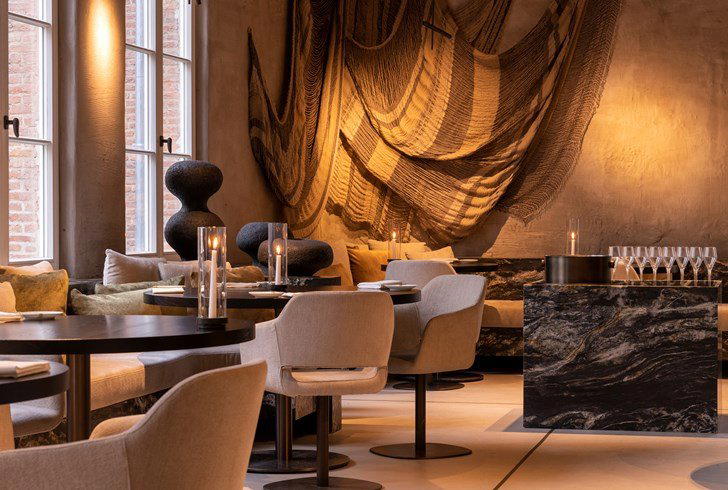
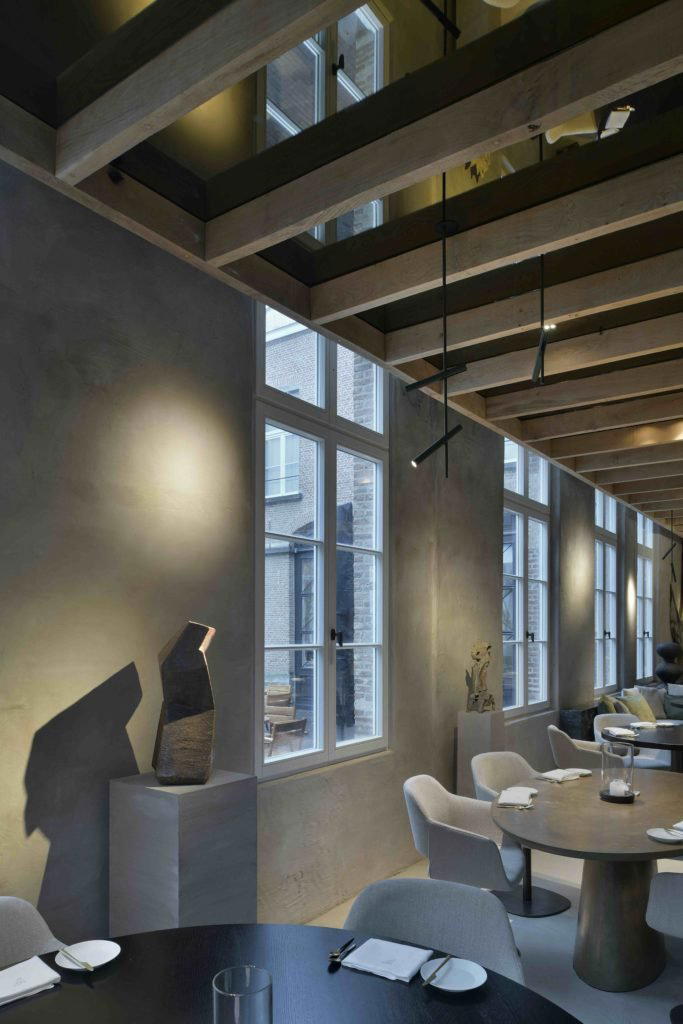
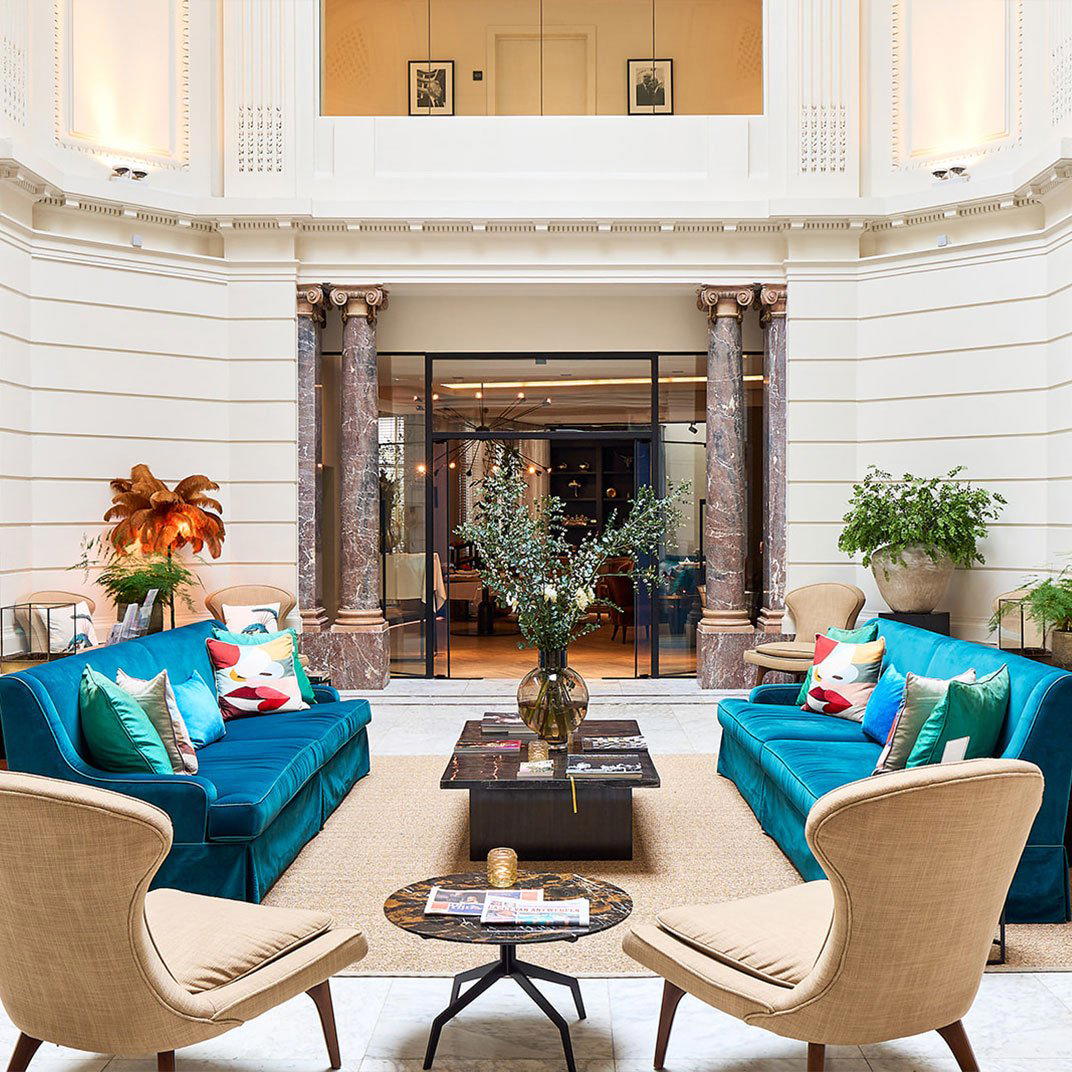
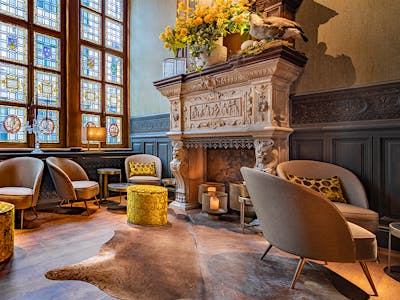
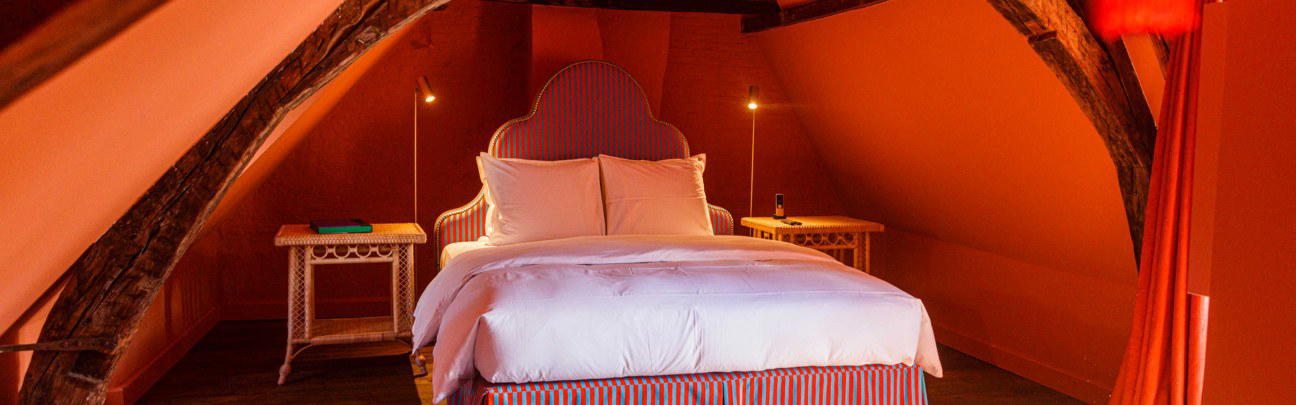
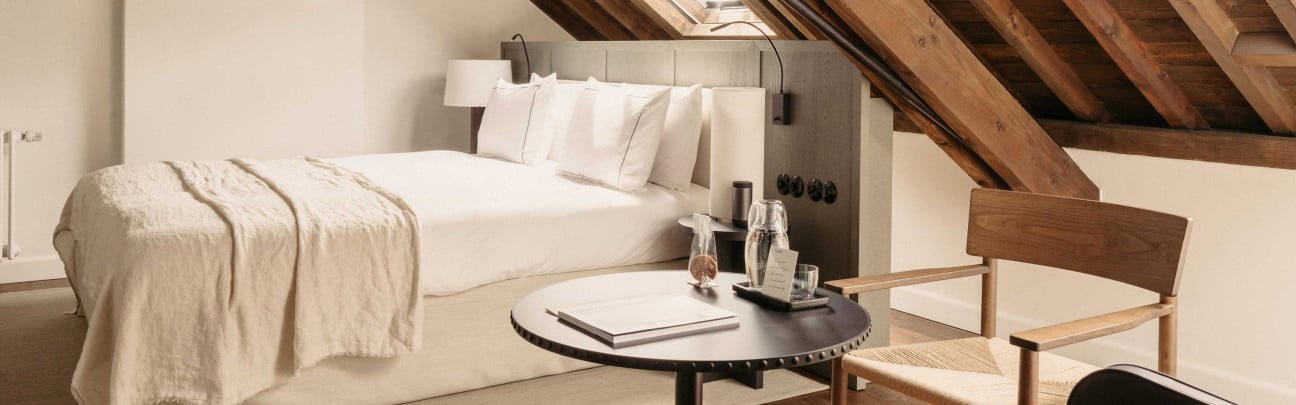
Cozy and modern design with bright lighting, connected to hotel lobby.