Situated on Antwerp's Rijnkaai waterfront, Four occupies a position within the city's serious dining tier, where menu architecture and ingredient rigour define the conversation. The address places it in a neighbourhood reshaped by creative industries and design-led ambition, giving the dining room a contemporary frame. For those mapping Belgium's fine dining geography, Four represents one of Antwerp's considered options worth tracking.
Pearl is the En Primeur Club membership app — saves, bookings, and concierge access live there. Same editors, same standards.
- Address
- Rijnkaai 100, 2000 Antwerpen, Belgium
- Phone
- +3237460266
- Website
- fourantwerp.be
- Directions
- Get directions
 Saves & bookings on Pearl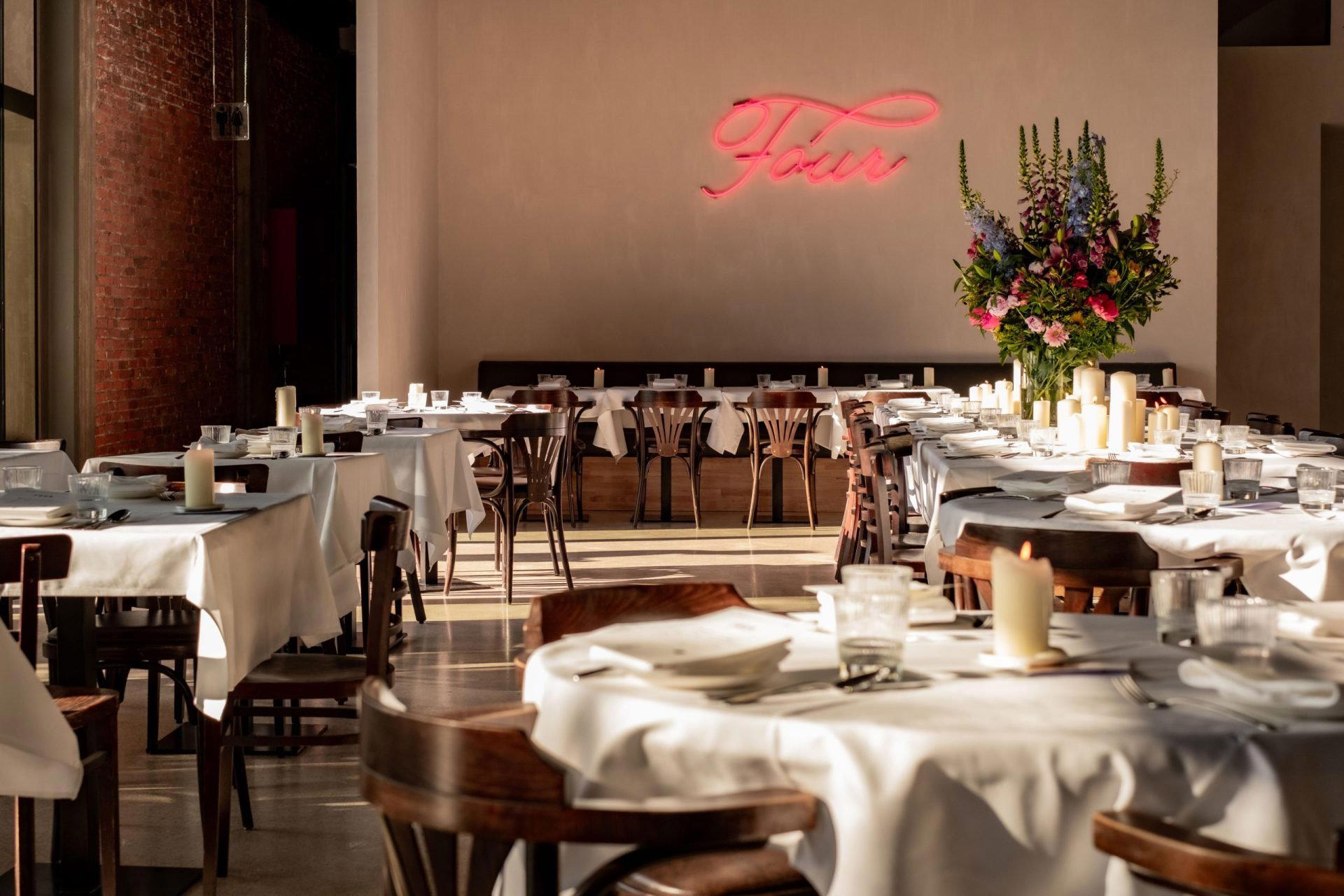
A Waterfront Address in a City That Takes Dinner Seriously
The Rijnkaai quay has changed considerably over the past decade. What was once a working industrial edge of Antwerp's port district now draws architecture studios, creative agencies, and a generation of restaurants that understand their position in the city's evolving identity. A meal beginning at Rijnkaai 100 starts with that context: a building facing the Scheldt, a neighbourhood still in the middle of its own reinvention, and a dining room that sits within Belgium's broader conversation about what serious cooking looks like in 2024.
Antwerp's fine dining scene occupies a specific register within Belgian gastronomy. It is neither as institutionally weighted as Brussels, where a place like Bozar Restaurant carries significant cultural freight, nor as rurally focused as the Flemish countryside restaurants such as Hof van Cleve in Kruishoutem or Willem Hiele in Oudenburg, where landscape and local sourcing define the proposition almost entirely. Antwerp's upper tier, including addresses like Zilte at the top of the MAS museum and Hertog Jan at Botanic, has built its reputation on technical ambition matched with a distinctly urban sensibility. Four addresses that same audience.
Reading the Menu as a Document
In restaurants where the menu is a genuine editorial statement rather than a list, the structure tells you what the kitchen believes. The progression of courses, the ratio of cold to hot preparations, the presence or absence of bread and its treatment, the moment at which acidity appears: these choices are not incidental. They reflect decisions about pacing, contrast, and what the kitchen considers worth a diner's sustained attention.
This matters in Antwerp's competitive upper bracket because the city's most discussed addresses have each arrived at a distinct menu logic. 't Fornuis on Reyndersstraat maintains a classically structured European-Flemish format, with a menu that signals continuity and seasonal depth over formal innovation. DIM Dining imports Japanese discipline into the city's Asian dining tier, where omission and precision carry the weight that elaboration does elsewhere. Four positions itself within a city where these contrasting menu philosophies coexist and, increasingly, compete for the same dinner reservation.
Across Belgium's active dining scene, menu architecture has become one of the clearest markers of a kitchen's ambitions. At Boury in Roeselare, Tim Boury's tasting structure reflects a classical foundation pushed through a modern filter. Vrijmoed in Gent takes a different position, with a vegetable-forward architecture that has become a reference point for how Flemish kitchens handle plant-based fine dining. These are not decorative differences. The sequence and emphasis of a menu signals everything about a kitchen's training, sourcing relationships, and the kind of dining experience it considers worth delivering. Four's place on the Rijnkaai asks how it answers those same questions on its own terms.
Understanding where Four sits requires a clear-eyed view of how Antwerp's serious restaurants are stratified. The city has a handful of addresses operating at genuinely high technical levels, a wider tier of ambitious bistros and modern European rooms, and a growing number of concept-led openings shaped by the city's design and fashion economy. Four's Rijnkaai address places it physically apart from the historic centre's restaurant density, in a quarter where the surrounding architecture is newer and the clientele tends to arrive with intent rather than on impulse.
That physical separation has a parallel in dining terms. Restaurants that sit away from the main tourist and shopping circuits in a city like Antwerp typically attract a guest who has made a deliberate choice. They are not passing trade. The booking, the journey, and the neighbourhood all signal commitment. This dynamic is well understood by kitchens across Belgium's serious dining circuit: Ralf Berendsen in Neerharen and La Durée in Izegem both operate on the same principle, where destination dining and deliberate travel are baked into the experience by geography.
The comparison is instructive internationally, too. Restaurants with strong menu-driven identities and a waterfront or district-edge positioning have used their remove from the centre to build a specific kind of loyalty. Le Bernardin in New York has maintained its position through absolute menu discipline over decades, while Lazy Bear in San Francisco built its reputation partly through a format that demanded both navigation and commitment from its diners. The principle translates: physical address and menu rigour work together.
Antwerp's French Counterpoint and What It Reveals
Within Antwerp, the French tradition offers a useful counterpoint. Bistrot du Nord operates in the French, traditional cuisine register at a more accessible price point, serving a clientele that values recognisable structure and familiar flavour logic. The existence of that option within the city clarifies what the upper bracket is doing differently: not simply more elaborate, but more structurally specific, more committed to a point of view that the menu itself must carry.
Belgian kitchens with French classical roots, including those across the country at addresses like Le Chalet de la Forêt in Uccle and d'Eugénie à Emilie in Baudour, have had to make explicit choices about how much of that inheritance to carry forward. The tension between classical structure and contemporary editorial identity is live in every serious Belgian kitchen. Four's address on the Rijnkaai places it in that ongoing conversation.
Planning a Visit
Rijnkaai 100 is accessible from Antwerp's central station by tram along the riverside, with the waterfront providing a natural approach. Visitors coming from outside the city typically combine a meal here with time in the nearby Eilandje district or the MAS museum. Given the absence of confirmed booking details in the public record, it is advisable to check directly with the restaurant regarding reservation formats, particularly for groups or specific dietary requirements. For a broader orientation to Antwerp's dining options across price points and styles, the EP Club full Antwerp restaurants guide maps the city's scene in detail, including addresses at the regional level for those planning a wider Flemish itinerary.
Cuisine Lens
| Venue | Cuisine | Price | Awards |
|---|---|---|---|
| FourThis venue — the venue you are viewing | This venue | Not listed | Not listed |
| Hertog Jan at Botanic | Modern Flemish, Creative | €€€€ | Michelin 2 Star |
| Bistrot du Nord | French, Traditional Cuisine | €€€ | Michelin 1 Star |
| DIM Dining | Japanese, Asian | €€€€ | Michelin 1 Star |
| Dôme | Modern French, Classic French | €€€€ | Michelin 1 Star |
| Fine Fleur | Modern European, Creative | €€€€ | Michelin 1 Star |
At a Glance
- Modern
- Lively
- Trendy
- Date Night
- Casual Hangout
- After Work
- Open Kitchen
- Terrace
- Craft Cocktails
Current opening hours
- Monday
- Closed
- Tuesday
- Closed
- Wednesday
- 6 PM–12 AM
- Thursday
- 6 PM–12 AM
- Friday
- 12–2 PM, 6–11 PM
- Saturday
- 6 PM–12 AM
- Sunday
- Closed
Hours can change for holidays and private events. Last verified .
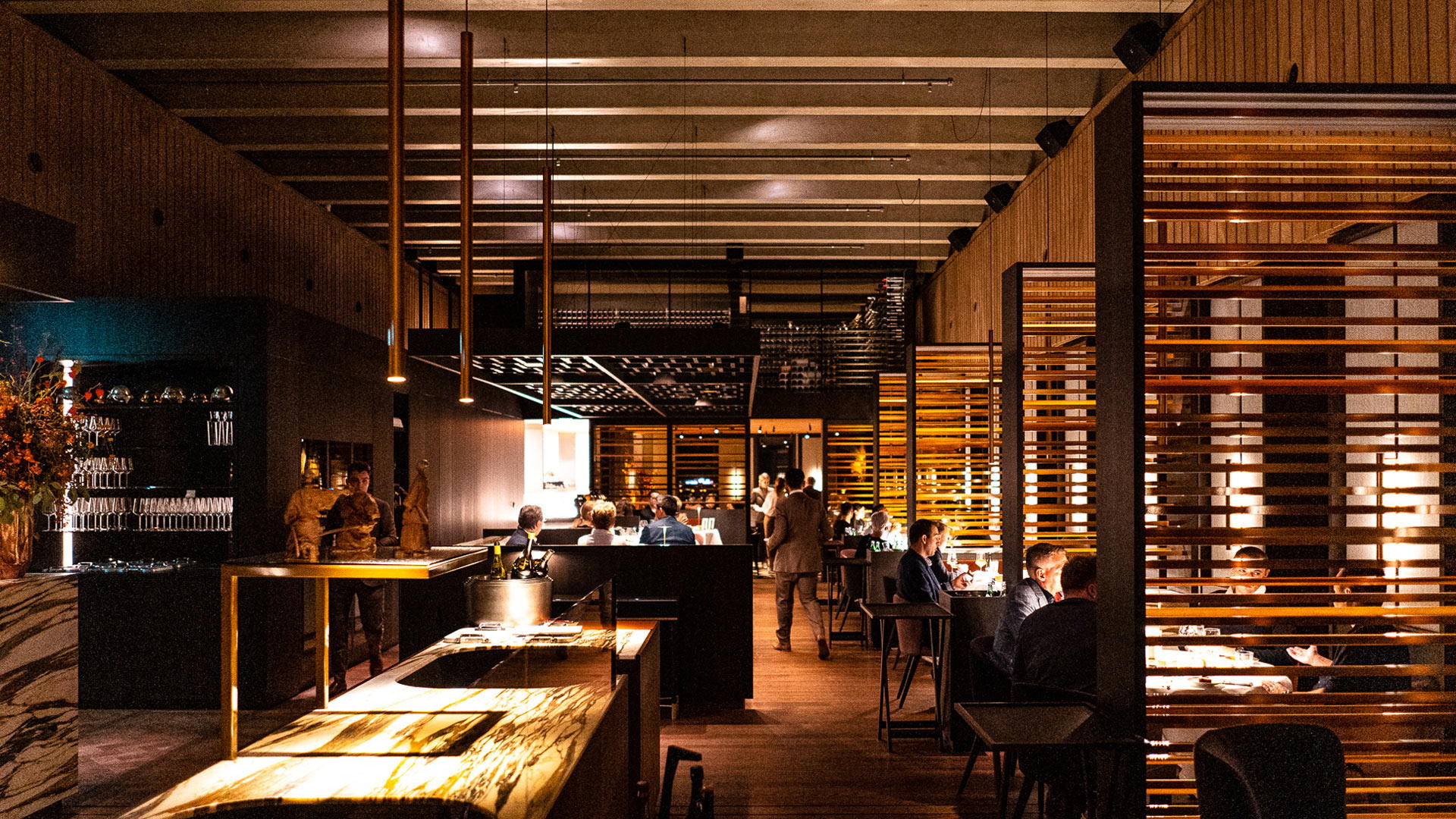
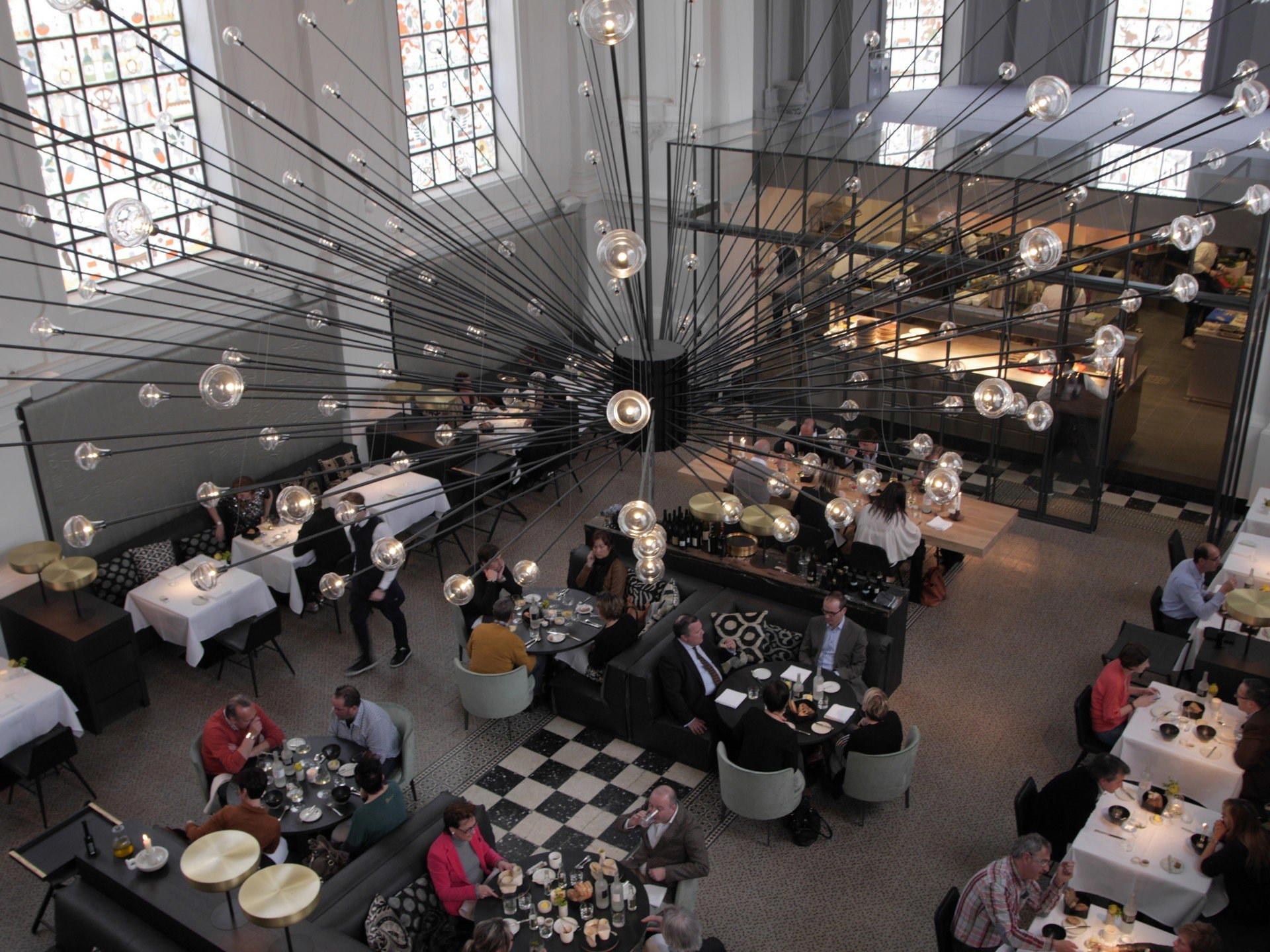
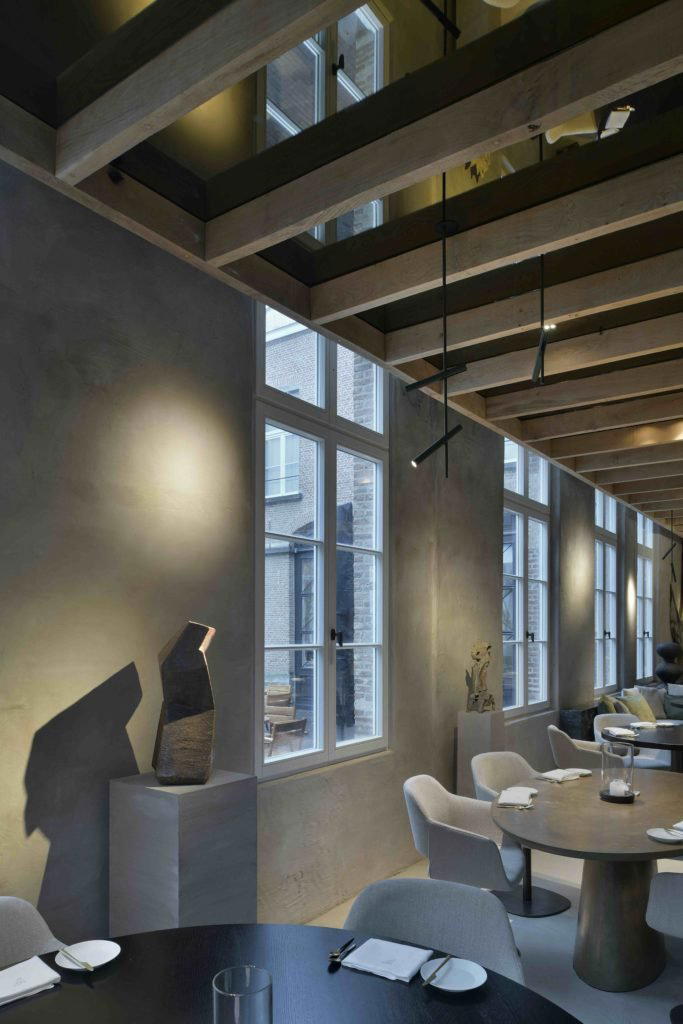
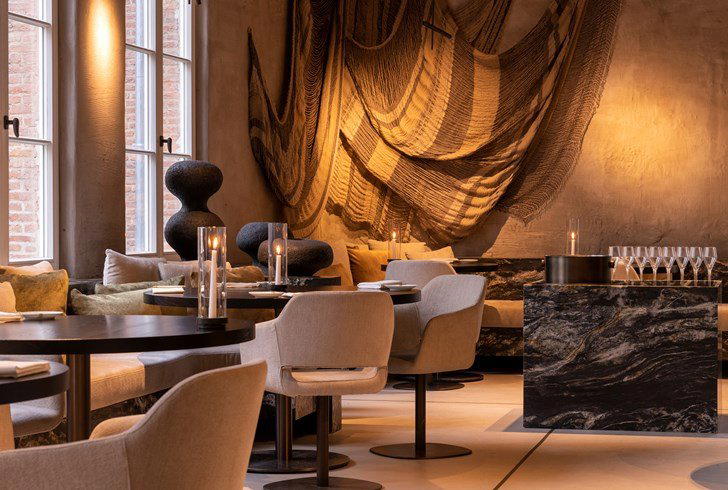
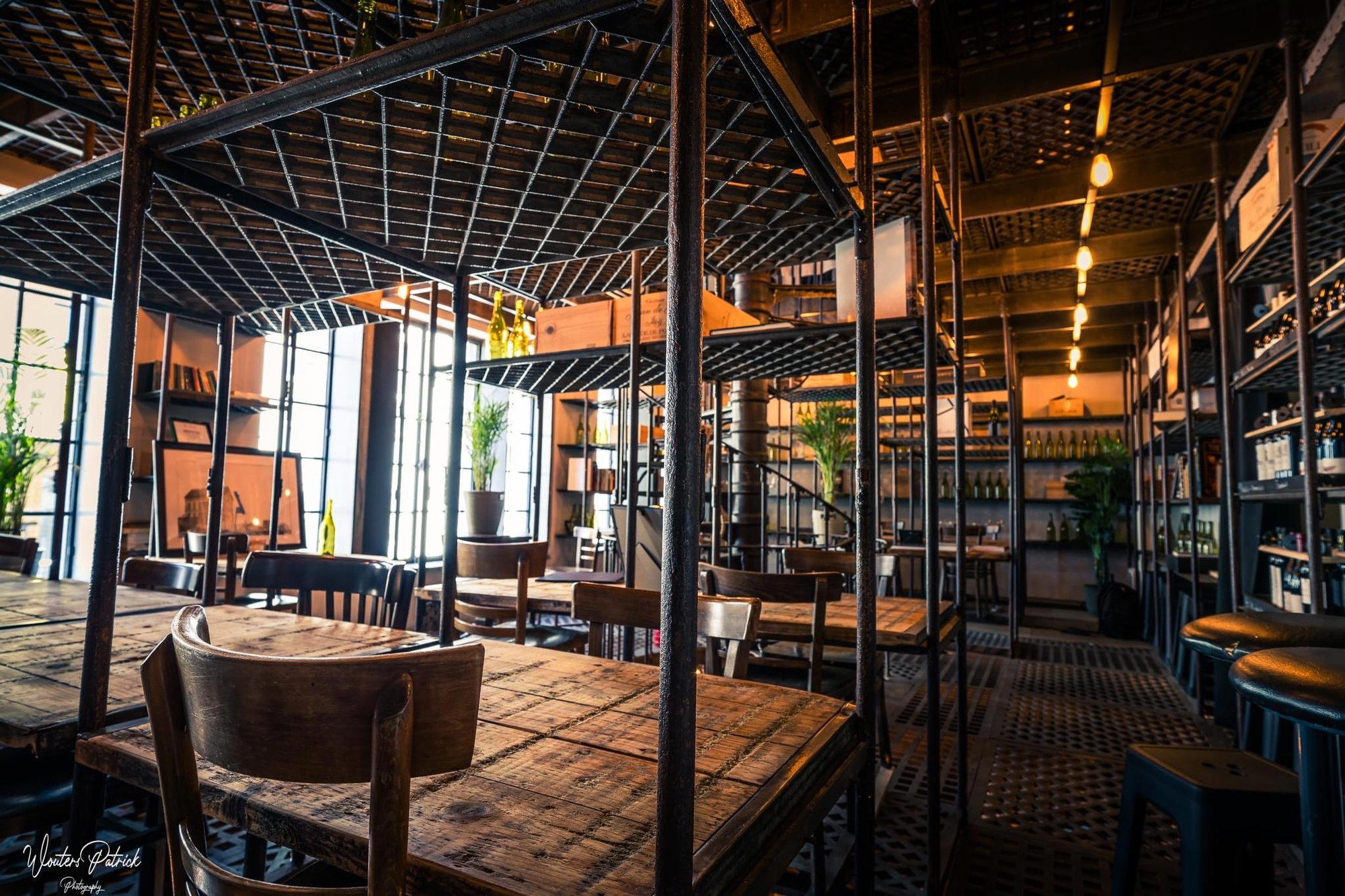
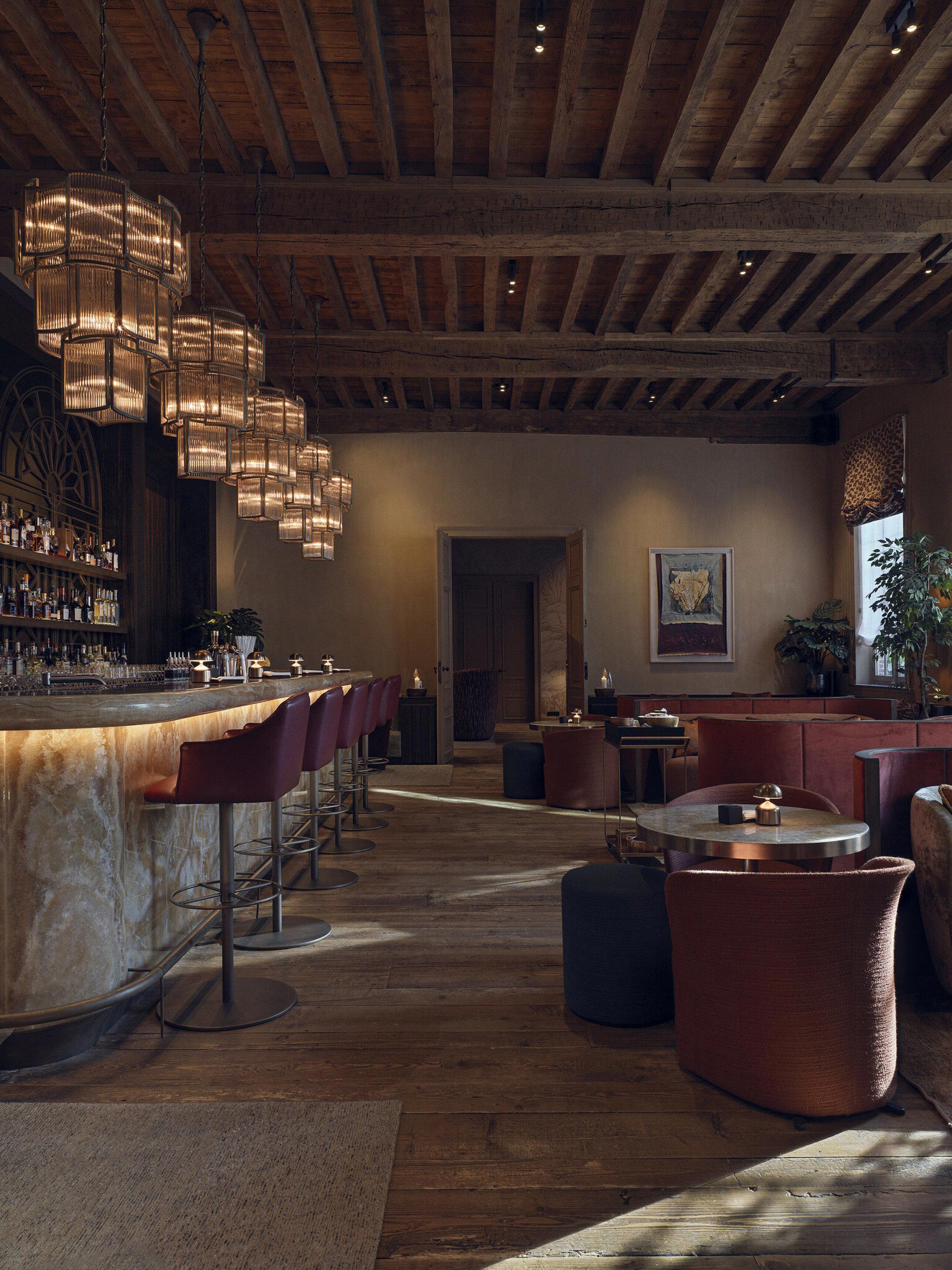
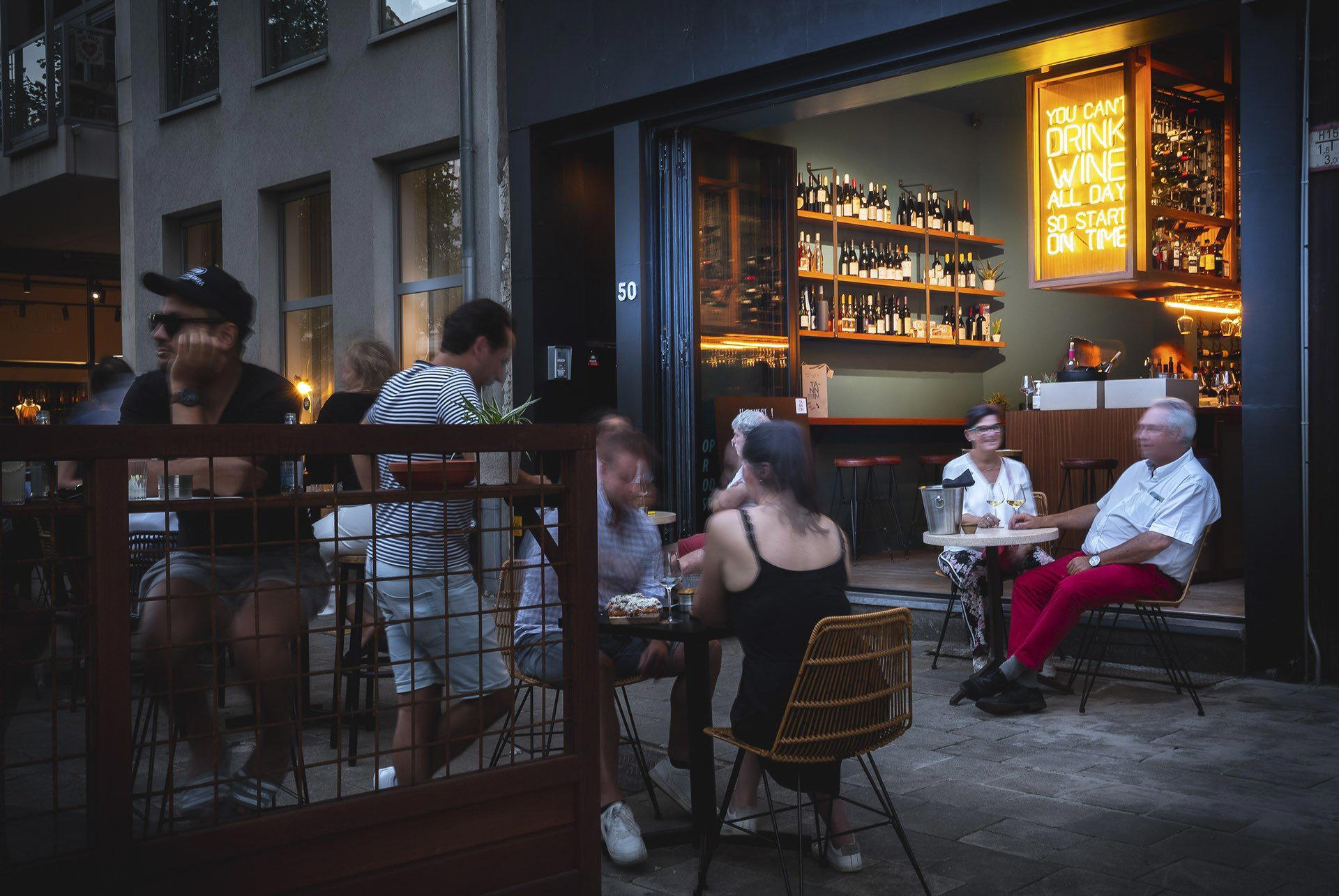
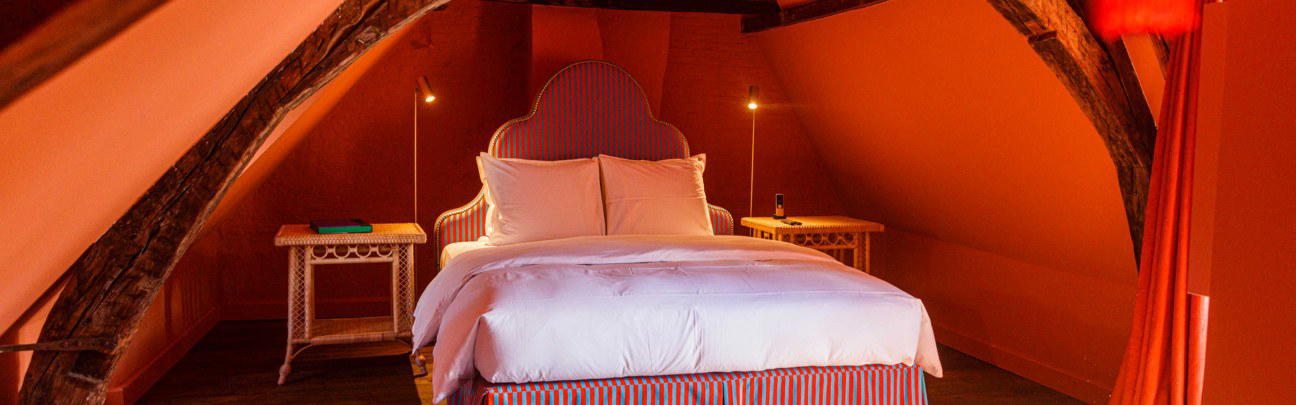
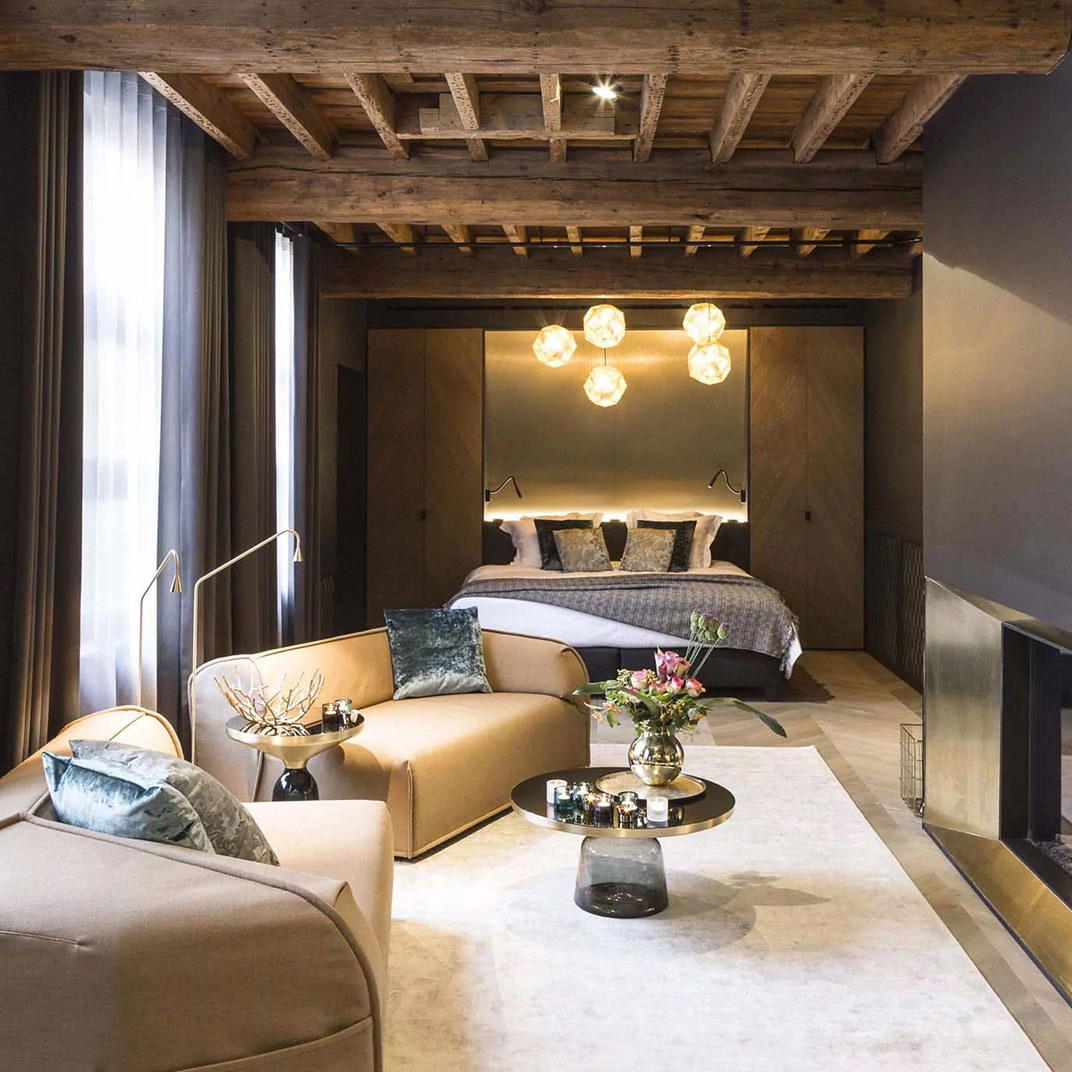
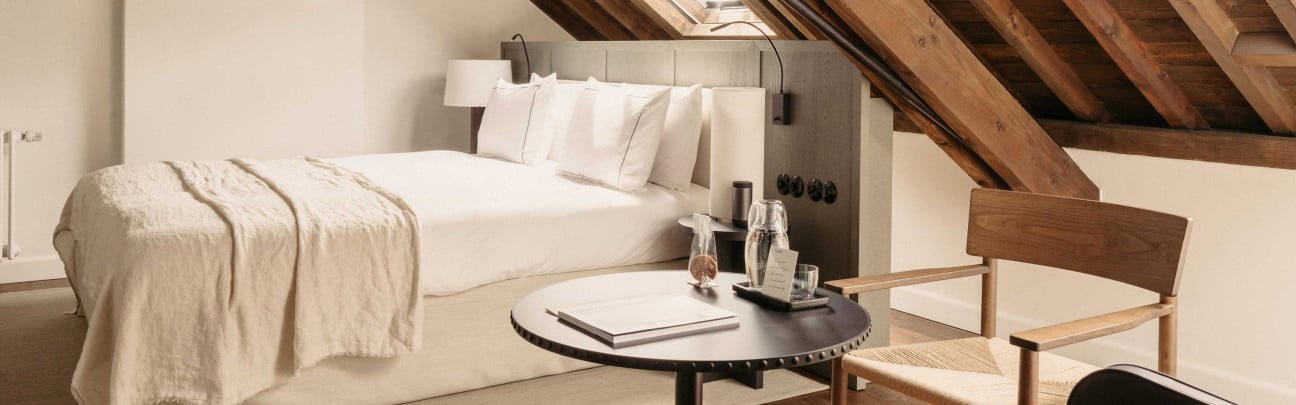
Modern dining room with late-night outdoor seating; welcoming setting designed for both dinner service and cocktail-focused evenings.
Know Before You Go
- Getting there
- Rijnkaai 100, 2000 Antwerpen, Belgium