On the Boulevard de la Croisette, Fouquet's Cannes occupies one of the French Riviera's most observed dining addresses, drawing a loyal clientele that returns as much for the setting as the plate. The brasserie format, refined through the Fouquet's lineage that stretches back to Paris's Champs-Élysées original, delivers French classics at a register that fits the surrounding hotel and festival crowd. A fixture through Cannes Film Festival and quieter shoulder seasons alike.
Pearl is the En Primeur Club membership app — saves, bookings, and concierge access live there. Same editors, same standards.
- Address
- 10 Bd de la Croisette, 06400 Cannes, France
- Phone
- +33492987700
- Website
- hotelsbarriere.com
- Directions
- Get directions
 Saves & bookings on Pearl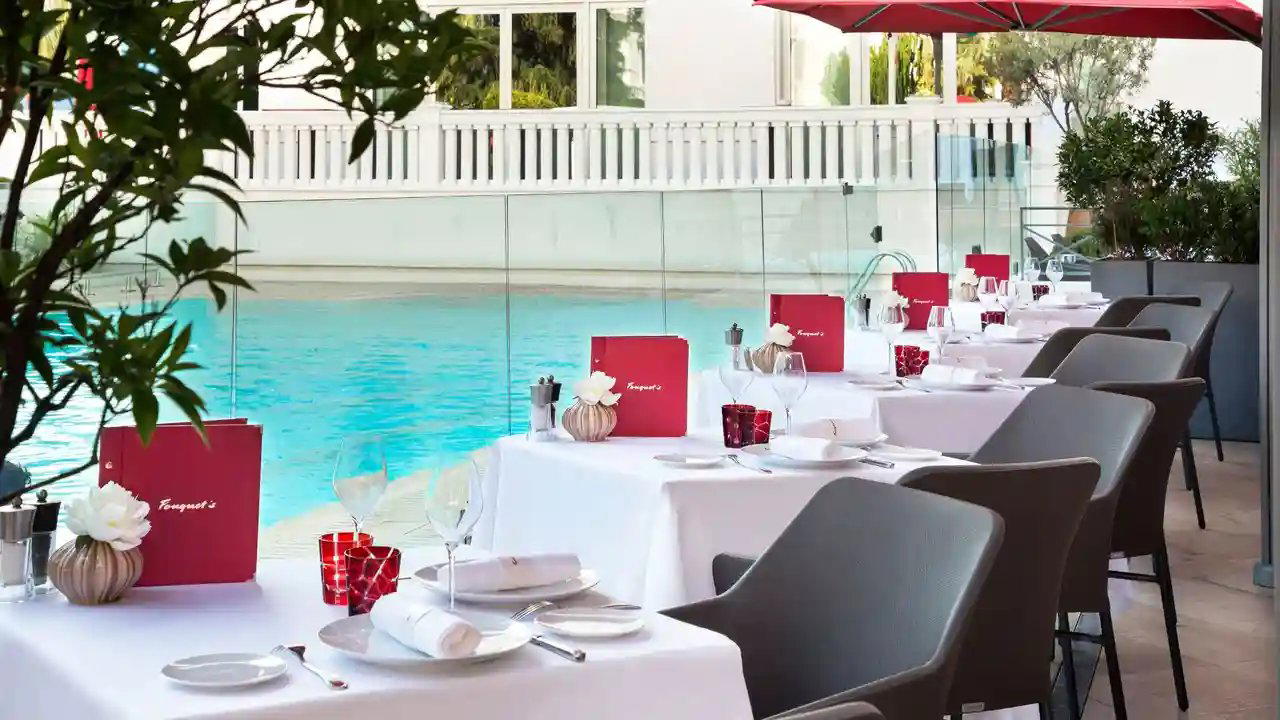
Where the Croisette Watches and Is Watched
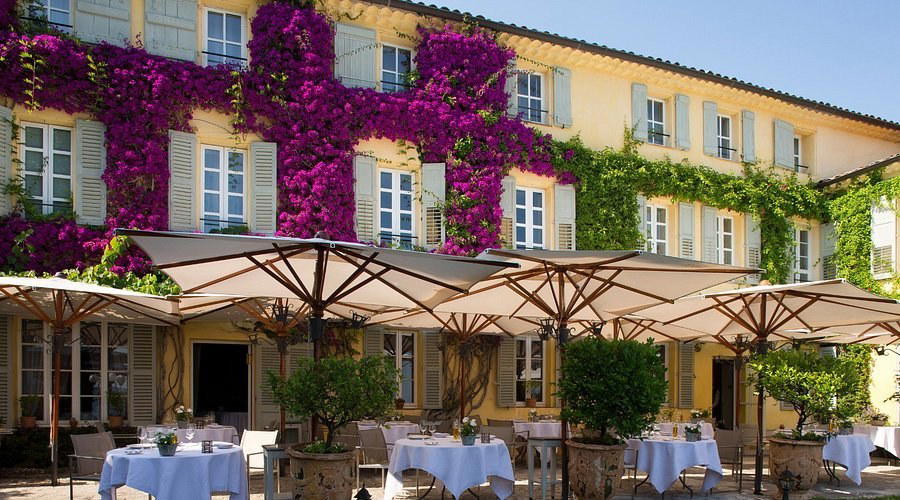
The Boulevard de la Croisette operates on a different logic from most dining streets. Foot traffic here is part of the spectacle, the reason to linger, the social contract between the table and the promenade. Fouquet's Cannes, at number 10, sits precisely at that intersection, with a terrace position that has made it a reliable reference point for the kind of guest who measures a meal as much by its surroundings as by what arrives on the plate. The address is 10 Bd de la Croisette, and for regulars who return year after year, that number functions almost like a shorthand for a particular mode of Riviera afternoon: unhurried, public-facing.
What the Regulars Are Actually Coming Back For
Loyalty at this price tier on the Croisette is rarely unconditional. The regulars who anchor a table here, returning across seasons, returning through the noise of the Film Festival in May and the quieter weeks of late autumn, are responding to something more specific than ambient prestige. In the brasserie tradition that Fouquet's represents, the draw is consistency: the expectation that what worked last time will work again, that the service register will hold, that the terrace will be managed rather than merely opened. This is a different value proposition from the innovation-led kitchens further up the Riviera coast or inland toward the Alps, where the pull is the chef's current thinking. Fouquet's competes on reliability and position, which is its own form of discipline.
That regulars' perspective also includes a social dimension that is difficult to separate from the dining experience itself. The Croisette terrace is, in effect, a stage, and the clientele at Fouquet's Cannes has historically included the kind of visitor, film industry, luxury hospitality, long-haul European leisure, for whom being seen at a recognisable address carries its own utility. This is not cynicism; it is an accurate reading of how certain brasserie formats function in resort cities. The room and the terrace are part of the product. Understanding that is what distinguishes a regular from a first-time visitor who might measure the experience purely against its food-to-price ratio.
The Fouquet's Lineage and What It Means Here
To position Fouquet's Cannes accurately, it helps to understand the broader Fouquet's identity in French dining culture. The Paris flagship on the Champs-Élysées is a classified historic monument, one of a small number of French brasseries to hold that designation. That heritage places Fouquet's in a category that has more in common with institutionalised French grand café culture than with the modern bistro wave or the Michelin-chasing tasting-menu tier. Cannes extends that identity into a resort context, where the seasonal calendar, anchored by the Film Festival each May but stretching through a strong summer period, demands a format that can absorb volume without losing the character that regulars expect.
The comparison set within Cannes is informative. At the higher formal end, La Palme d'Or at the Martinez carries the Michelin credibility that drives reservation-led dining. Affable and Aux Bons Enfants serve a more local, neighbourhood-facing clientele at lower price points. Bistro Les Canailles and Bobo bistro work within a contemporary bistro register. Fouquet's occupies a distinct position between the formal hotel dining tier and the neighbourhood bistro: recognisably grand, structured around classic French brasserie codes, and operating with the visibility that only a Croisette address provides. Astoux et Brun, the longstanding seafood institution a few streets away, offers a different kind of loyalty, product-driven, local-coded, that points at how varied the regulars' calculus can be across this relatively compact city.
Cannes in the Wider French Fine Dining Picture
Cannes is not the Riviera's highest-concentration address for serious kitchen ambition. That argument is made most forcefully by Mirazur in Menton, which has held the number-one position on the World's 50 Best list, and by the constellation of multi-Michelin houses that define French gastronomy at its most decorated: Flocons de Sel in Megève, Alléno Paris au Pavillon Ledoyen, Troisgros in Ouches, Paul Bocuse's Auberge du Pont de Collonges, Bras in Laguiole, Auberge de l'Ill in Illhaeusern, Les Prés d'Eugénie in Eugénie-les-Bains, La Table du Castellet, and Georges Blanc in Vonnas. Internationally, French-trained kitchens like Le Bernardin in New York and chef-driven formats such as Lazy Bear in San Francisco reflect how French technique travels. Fouquet's is not in competition with any of those. Its competition is the other high-visibility terrace addresses on the Croisette, and on that measure its lineage gives it a durability that newer arrivals have not yet earned.
Timing, Access, and the Festival Variable
The practical reality of dining at the restaurant shifts considerably depending on the calendar. The two weeks surrounding the Cannes Film Festival in May represent one pressured period: tables are absorbed by industry guests, hotel packages, and invitation-only formats that reduce walk-in availability significantly. Outside the festival window, the dynamic normalises, though summer months bring their own density from leisure tourism. Shoulder periods, late September through November, and the weeks before Easter, offer direct access and one characteristic version of the Croisette atmosphere the regulars describe: present but not crowded, the city returned to itself. For those with specific requests or preferences, contacting the venue directly ahead of any visit is advisable given the seasonal variability.
Cuisine and Awards Snapshot
Comparable venues nearby, for context on price, style, and recognition.
| Venue | Cuisine | Price | Notes |
|---|---|---|---|
| Fouquet's CannesThis venue — the venue you are viewing | French Brasserie by Pierre Gagnaire | $$$$ | Not listed |
| Suquet Première | Provençal Créatif | $$$ | ['Stanislas'] |
| Le Roof | Modern French Bistronomic | $$$ | ['Gare'] |
| RESTAURANT UVA | Modern French Mediterranean Bistro | $$$ | ['Gare'] |
| La Californie | French Mediterranean Brasserie | $$$ | ['Gare'] |
| MEAT | French Steakhouse | $$ | ['Stanislas'] |
Continue exploring
More in Cannes
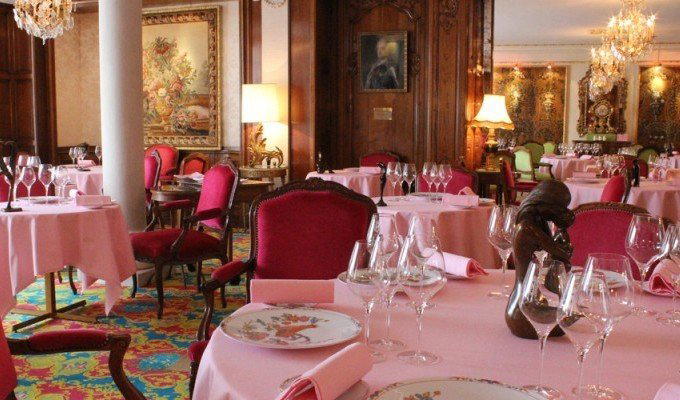
Restaurants in Cannes
Browse all →
Bars in Cannes
Browse all →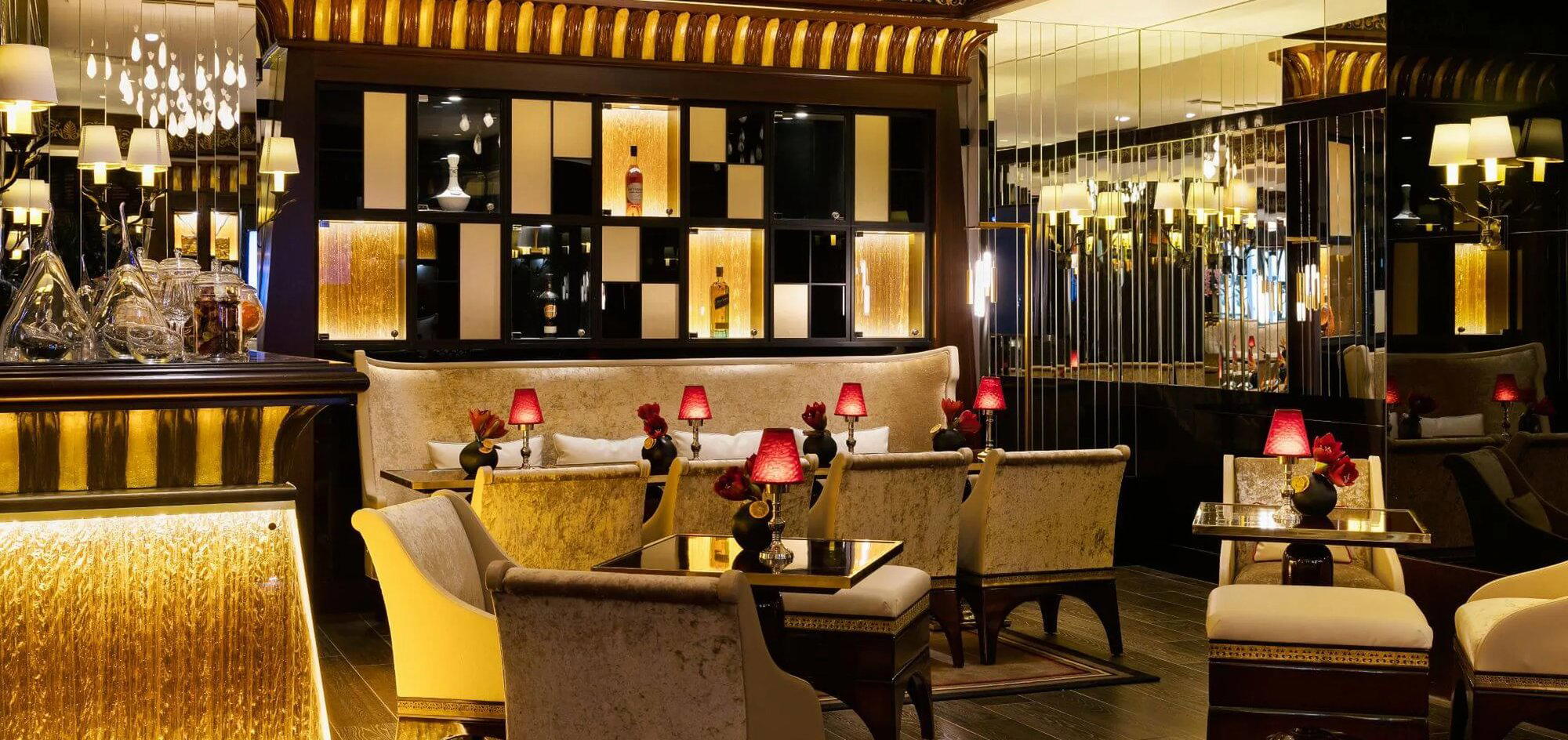
Hotels in Cannes
Browse all →
At a Glance
- Elegant
- Well Known
- Sophisticated
- Classic
- Date Night
- Business Dinner
- Celebration
- Special Occasion
- Brunch
- Terrace
- Hotel Restaurant
- Historic Building
- Live Music
- Extensive Wine List
- Sommelier Led
- Local Sourcing
Current opening hours
- Monday
- 12–2:30 PM, 7–10:30 PM
- Tuesday
- 12–2:30 PM, 10 PM–12 AM
- Wednesday
- 12–2:30 PM, 7–10:30 PM
- Thursday
- 12–2:30 PM, 7–10:30 PM
- Friday
- 12–2:30 PM, 7–10:30 PM
- Saturday
- 12–2:30 PM, 7–10:30 PM
- Sunday
- 12:30–3 PM, 7–10:30 PM
Hours can change for holidays and private events. Last verified .
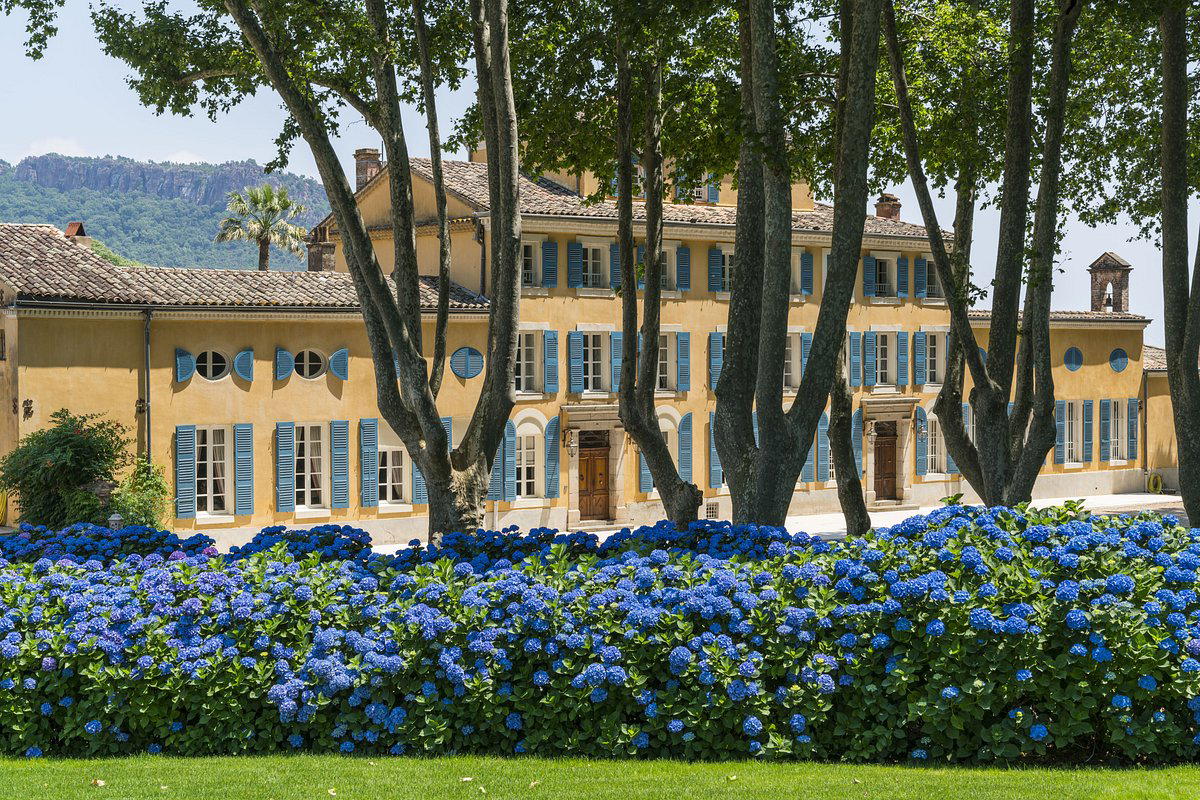
Sophisticated Art Deco setting enriched by chiaroscuro portraits from Studio Harcourt, blending interior and exterior dining spaces with refined lighting and an artistic spirit.