La Californie occupies a storied address on Square Mérimée in Cannes, where the Riviera's tradition of market-driven cooking meets the city's appetite for occasion dining. The room draws from the same coastal pantry that defines southern French cuisine at its most direct: Provençal produce, Mediterranean catch, and the herbs that grow within kilometres of the table. It sits in a city that takes its restaurants seriously, even when the cameras aren't rolling.
Pearl is the En Primeur Club membership app — saves, bookings, and concierge access live there. Same editors, same standards.
- Address
- 1 Sq. Mérimée, 06400 Cannes, France
- Phone
- +33493392010
- Website
- lacalifornie-cannes.com
- Directions
- Get directions
 Saves & bookings on Pearl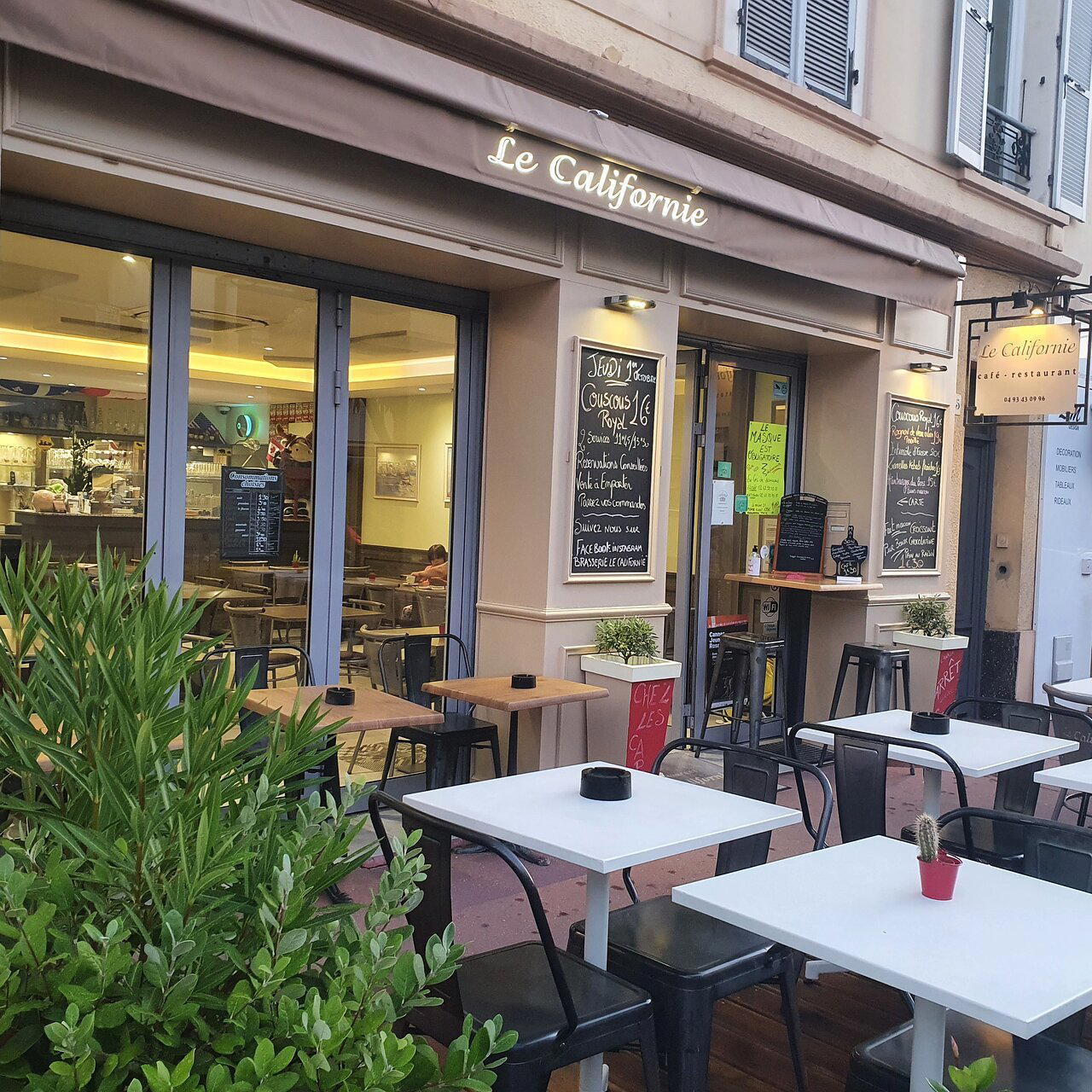
The Riviera Table, Before the Gloss
Approach Square Mérimée on a warm evening and Cannes reveals a version of itself that the film festival crowds rarely see. The square sits at a quieter remove from the Croisette's display, shaded and residential in character, the kind of address that rewards those who have already learned to read the city's geography. La Californie takes its name from one of Cannes's most historically distinguished quartiers, the refined neighbourhood above the town centre where nineteenth-century aristocrats built their winter villas among olive groves and stone pines. That geographic reference is not incidental: it signals an aspiration toward the grounded, unhurried register that defines the best of Riviera dining.
Southern France has long operated a two-track restaurant culture. One track follows the international spotlight, producing the kind of grand-occasion dining associated with addresses like Mirazur in Menton or, further afield, Alléno Paris au Pavillon Ledoyen. The other track, quieter and more durable, is rooted in the produce itself: what the market offered this morning, what the fishing boats brought in before dawn, what grows on the hillsides above the coast. La Californie sits closer to the second tradition.
Where the Ingredients Come From
The argument for Provençal cooking has always been geographical rather than technical. The stretch of coast between the Var and the Alpes-Maritimes produces an unusually concentrated larder: tomatoes from the Var plain, courgette flowers from the hinterland markets of Valbonne and Mougins, sea bass and rouget from the waters between Nice and Antibes, lamb from the high country of the Verdon gorge. This is not the rustic fiction sold at tourist tables; it is a genuinely distinct ingredient zone, shaped by a Mediterranean microclimate that delivers basil with more anise character and citrus with higher acidity than equivalents grown further inland.
Cannes itself sits at the centre of this supply web. The Marché Forville, a ten-minute walk from Square Mérimée, functions as one of the Côte d'Azur's most serious wholesale and retail markets, with stalls that shift weekly according to what the surrounding smallholdings are producing. Restaurants that source directly from Forville, rather than through consolidated wholesale channels, tend to cook differently: the menu follows the produce rather than the other way around. This orientation toward short supply chains connects La Californie to a broader movement visible across Provençal cooking, from the terrace tables of Mougins to the market bistros of Antibes.
For comparison, consider what proximity to raw ingredients has done for similarly positioned addresses elsewhere in France. Bras in Laguiole built its identity on the Aubrac plateau's flora. Flocons de Sel in Megève draws its character from Alpine pasture and seasonal preservation. The Cannes position offers something different: a coastal-to-mountain range within a single day's sourcing radius, which gives kitchens the option of playing the two terroirs against each other within a single menu.
Cannes in Its Dining Context
The city's restaurant scene divides more cleanly than visitors tend to expect. At the higher end, addresses like La Palme d'Or at the Martinez operate in a register of formal occasion dining pitched at festival clientele and expense-account travel. At the other end, the neighbourhood bistro tradition survives in places like Aux Bons Enfants, a cash-only Provençal house on the Rue Meynadier that has been feeding locals at fixed prices for generations. Between those poles sits a middle tier of addresses that combine genuine cooking ambition with a more relaxed format: Affable, Bistro Les Canailles, and Bobo Bistro all occupy versions of this space.
La Californie operates in a city that sustains serious year-round restaurant culture, not simply a festival spike. Cannes has a permanent population with sophisticated dining expectations and a secondary economy built on yacht traffic, conference tourism, and the kind of long-season visitor who returns annually. That repeat visitor base tends to be a better engine for ingredient-focused cooking than the one-time festival crowd, because it rewards consistency and penalises shortcuts. For a broader orientation to what Cannes offers, the full Cannes restaurants guide maps the city's dining tiers across neighbourhoods.
The Riviera's wider dining geography also matters for placing La Californie correctly. The coast between Cannes and the Italian border now contains some of France's most discussed addresses. AM par Alexandre Mazzia in Marseille represents the more experimental southern register. Mirazur in Menton, which held the leading position on the World's 50 Best list in 2019, draws from a garden it operates on the Franco-Italian border, demonstrating how seriously the region's leading kitchens treat provenance. Against that backdrop, the Square Mérimée address positions itself not in competition with those destinations but in a different conversation: one about access, neighbourhood character, and the daily discipline of buying well.
The Seasonal Rhythm
Timing matters in Cannes more than in most French cities. The May festival period compresses reservations across the city; tables that are accessible in April become difficult to find mid-month. The summer plateau, from late June through August, brings a different pressure: higher volumes, hotter kitchens, and the challenge of maintaining ingredient quality when demand outstrips local supply. September and October represent the most coherent window for ingredient-led dining on the Côte d'Azur: the tourist pressure drops, autumn produce arrives (wild mushrooms from the Estérel, late-season tomatoes, early game from the inland hills), and kitchens have more room to work deliberately. For those interested in what coastal sourcing can produce at its most focused, the autumn shoulder is the period to target.
Winter, from December through February, sees a quieter Cannes that few visitors experience: fewer crowds, lower prices, and a city that reverts to its resident-facing self. The MIPIM property conference in March brings another spike, but by then the spring vegetable season is beginning in earnest, and the Forville market reflects it.
Arriving and Planning
Square Mérimée sits north of the Croisette in a residential section of Cannes, reachable on foot from the Le Suquet quarter in around fifteen minutes. The address at 1 Square Mérimée places it at the edge of the old town's gravitational pull, close enough to feel connected to the city's core but with the quieter street character of the residential quartiers above. For visitors arriving by train, Cannes station is approximately a twenty-minute walk; taxis from the station take five minutes. Booking protocols and current hours are best confirmed directly, as Cannes restaurant schedules shift significantly around festival periods and seasonal closures. Those planning around the film festival in May should factor in the city-wide reservation pressure and contact well in advance.
For context on how other serious French kitchens handle the relationship between provenance and format, it is worth looking at the full range of what France's committed regional houses have built: from Auberge de l'Ill in Illhaeusern to Troisgros in Ouches, from Paul Bocuse in Collonges-au-Mont-d'Or to Assiette Champenoise in Reims and Au Crocodile in Strasbourg. International visitors whose reference points extend to Le Bernardin in New York City or Atomix will find the Riviera's mode of serious cooking more relaxed in format but no less specific in its sourcing ambitions. Astoux et Brun remains the reference point for seafood in the city, and comparing the two approaches to coastal produce reveals something useful about the range Cannes now covers.
- Caesar salad
- Truffle ravioli
- Tuna pavé à la provençale
- Sole meunière
- Veal escalope à la Milanaise
- Bacon cheeseburger
Continue exploring
More in Cannes
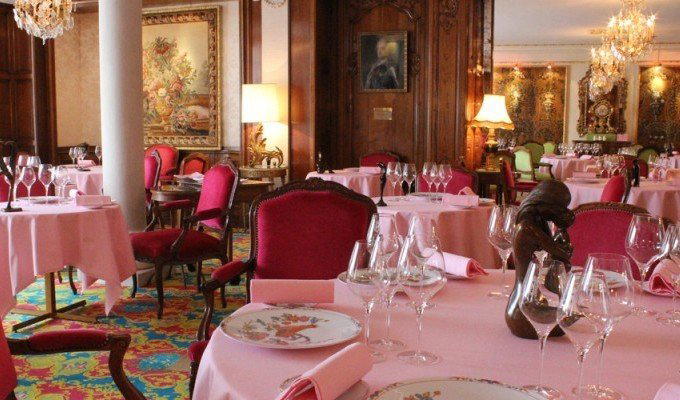
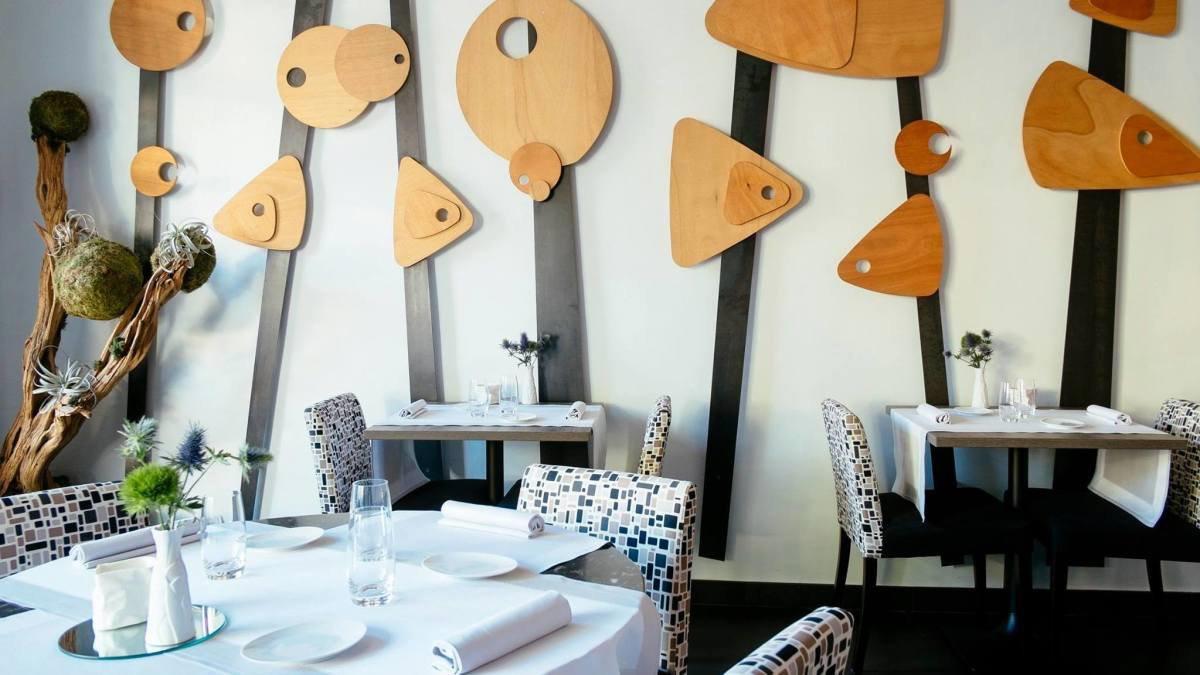
Restaurants in Cannes
Browse all →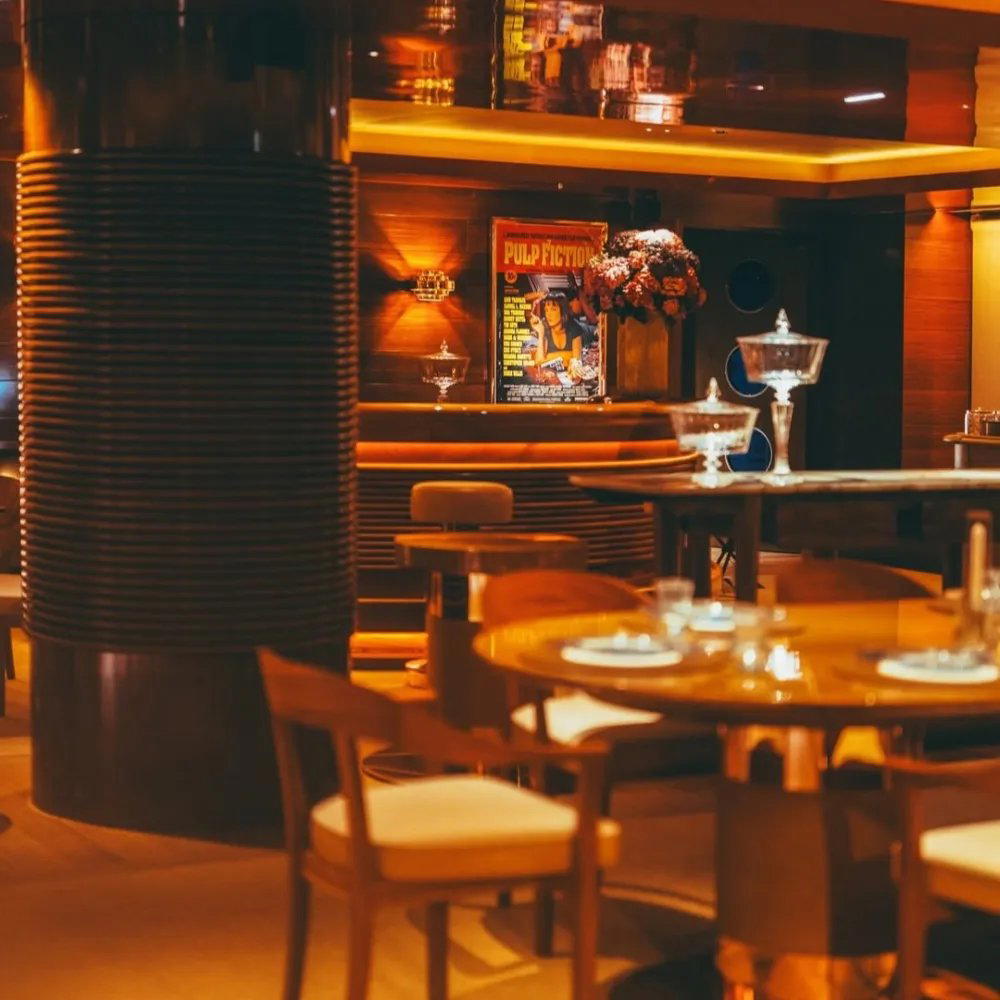
Bars in Cannes
Browse all →
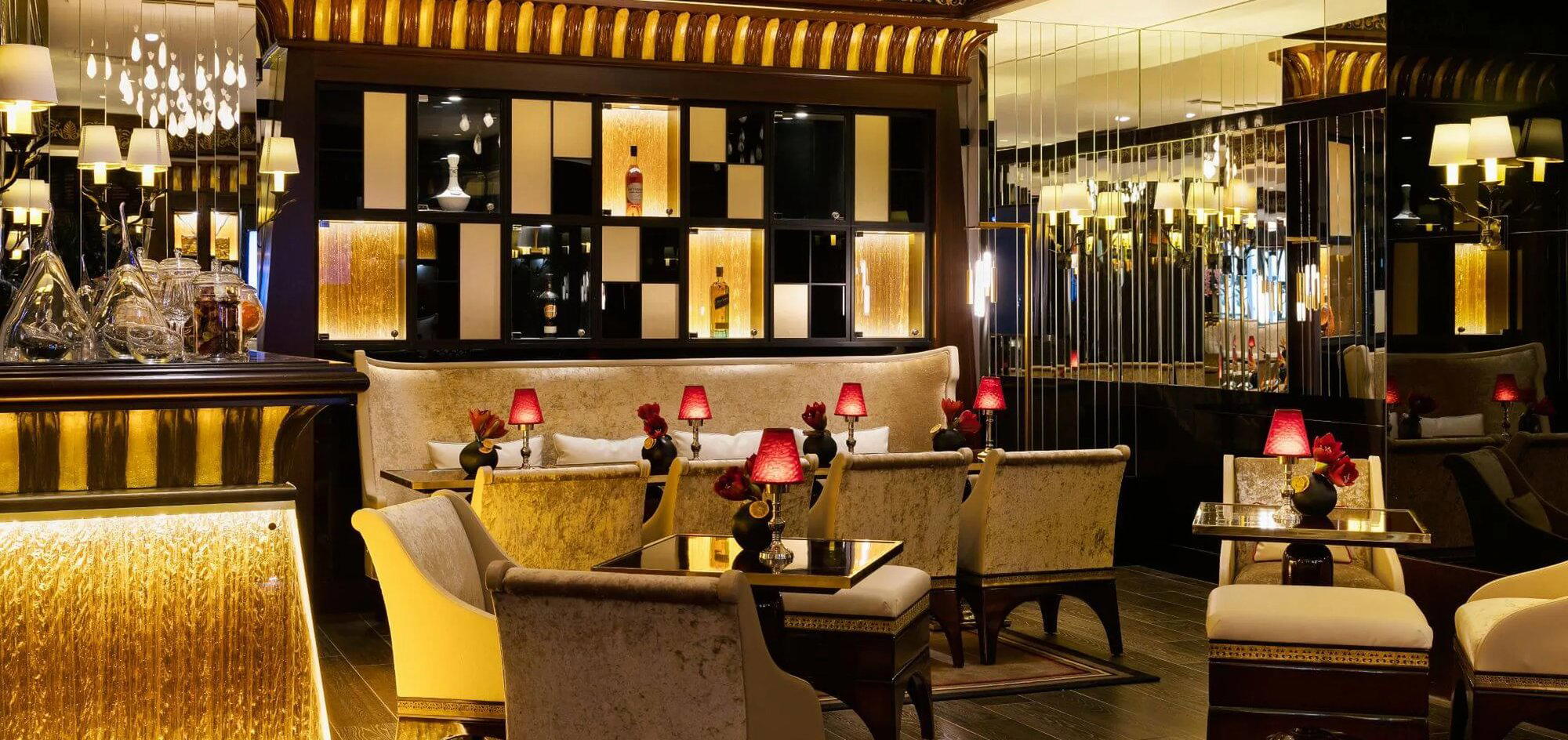
Hotels in Cannes
Browse all →

At a Glance
- Elegant
- Scenic
- Lively
- Well Known
- Casual Hangout
- Group Dining
- Date Night
- After Work
- Terrace
- Waterfront
- Standalone
- Craft Cocktails
- Waterfront
Current opening hours
- Monday
- 9 AM–12:30 AM
- Tuesday
- 9 AM–12:30 AM
- Wednesday
- 9 AM–12:30 AM
- Thursday
- 9 AM–12:30 AM
- Friday
- 9 AM–12:30 AM
- Saturday
- 9 AM–12:30 AM
- Sunday
- 9 AM–12:30 AM
Hours can change for holidays and private events. Last verified .
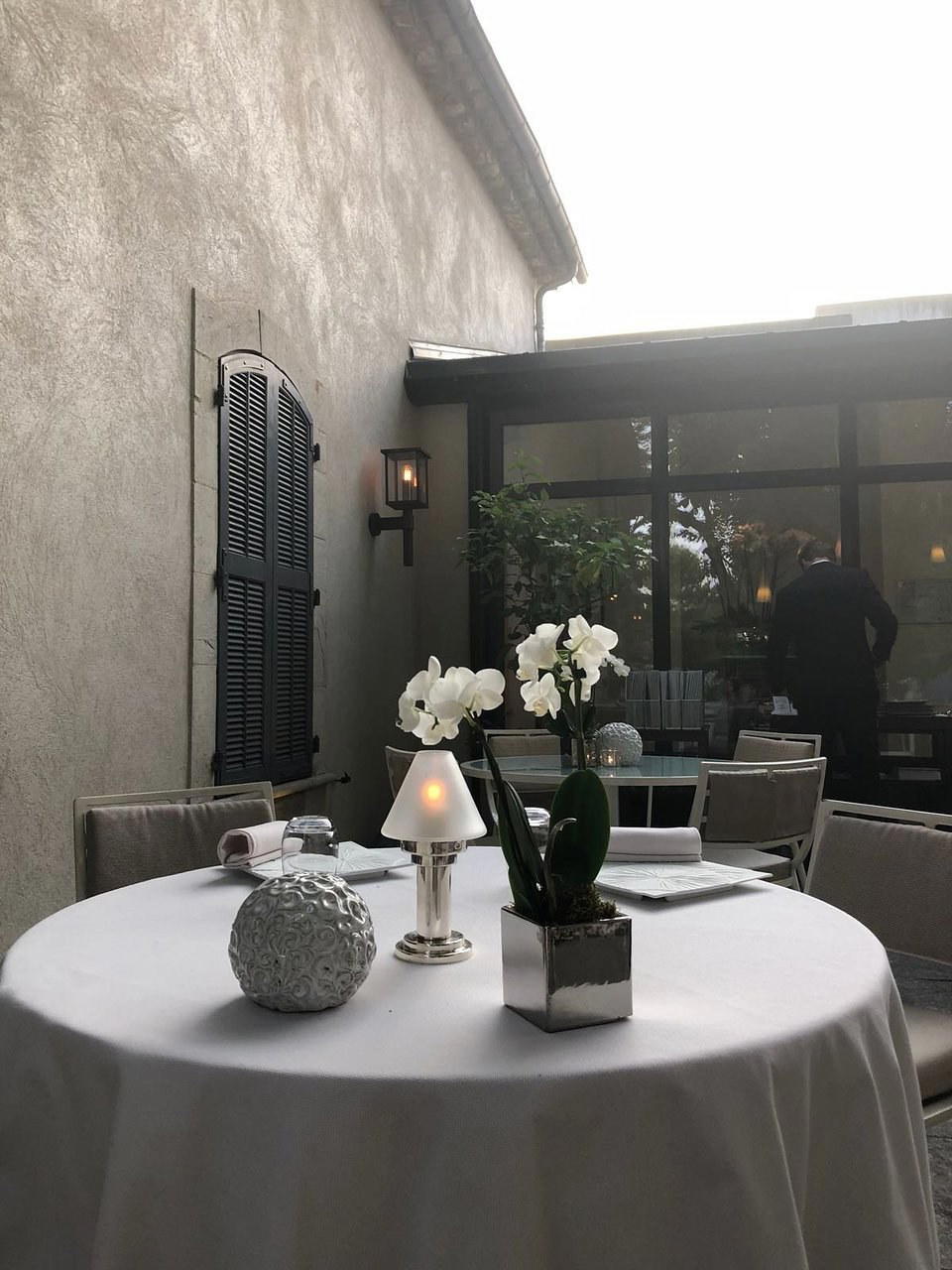
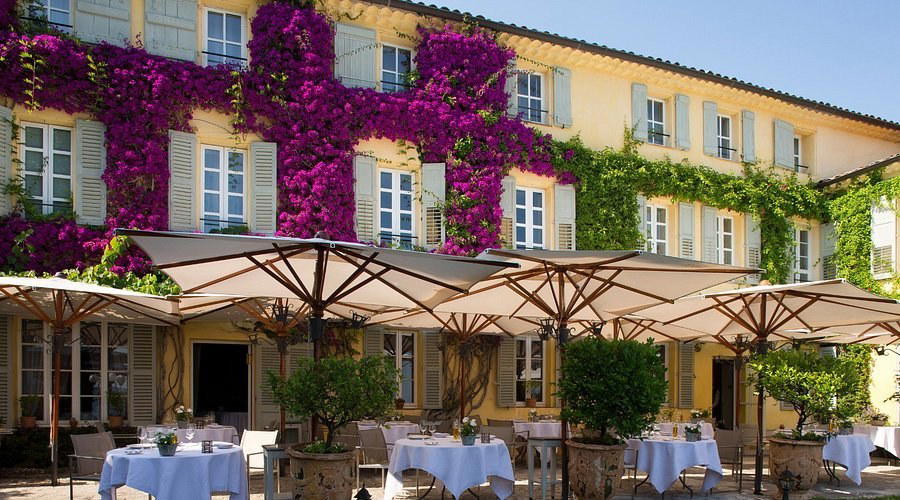
Chic and friendly atmosphere with tablecloths, pistachio green accents, and a carefully decorated interior; glamorous cocktail culture with well-presented plating.
Know Before You Go
- Getting there
- 1 Sq. Mérimée, 06400 Cannes, France