Fouquet's


Michelin Plate · Gault & Millau UAE Selected Restaurant
Our verdict
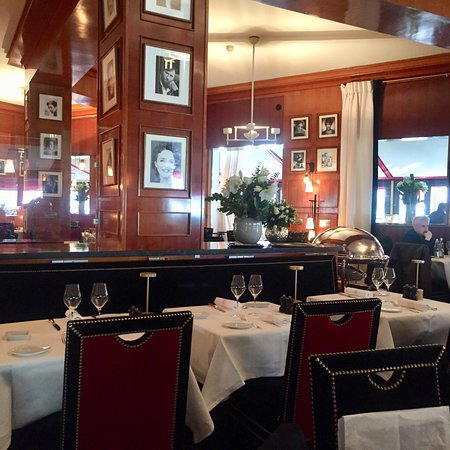
Fouquet's on Saadiyat Island carries the weight of a Parisian institution into Abu Dhabi's Cultural District, earning a Michelin Plate in 2025 for its commitment to classic French cooking. The red-carpeted entrance and celebrity wall plaques signal the original Champs-Élysées DNA, transplanted here with the same theatrical self-confidence. It occupies a specific niche in Abu Dhabi's upscale French dining tier, sitting at a lower price point than Bord Eau by Nicolas Isnard but with considerably more brand heritage behind it.

Pearl is the En Primeur Club membership app — saves, bookings, and concierge access live there. Same editors, same standards.
- Address
- Saadiyat - 1 street - Al Saadiyat Island - Cultural District - Abu Dhabi - United Arab Emirates
- Phone
- +971 2 205 4200
- Hours
- Mon ClosedTue–Thu 12–11 PMFri–Sat 12–11:30 PMSun 12–11 PM
- Website
- fouquetsabudhabi.com
- Directions
- Get directions
The menu
What to order
- Sole meunière
- Foie gras
- Escargots
- Crêpes Suzette
A Parisian Institution Lands on Saadiyat
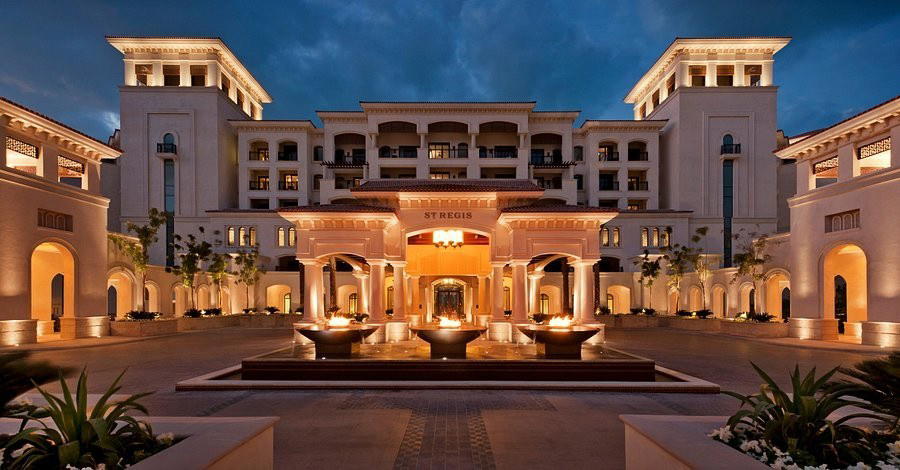
The red carpet at the entrance is not decorative irony. When Fouquet's — the century-old brasserie that has occupied a corner of the Champs-Élysées since 1899 — extends its footprint to Abu Dhabi's Cultural District on Saadiyat Island, it arrives with the same performative confidence that has defined the Paris original. The wall plaques near the entrance list famous faces who have passed through Fouquet's various doors across its global addresses: a deliberate act of brand continuity that tells you, before you've looked at a menu, exactly what kind of room this is. Downstairs, a photo-booth leans into the theatre of it all. This is a venue that treats occasion-dining as a format, not an afterthought.
Fouquet's sits in Abu Dhabi's Cultural District, an area that has been steadily accumulating serious dining destinations alongside its museum infrastructure. The Louvre Abu Dhabi welcomed its own Fouquet's branch first, making Saadiyat the original UAE address before the Downtown Dubai outpost followed in 2023. That sequencing matters: the Abu Dhabi location carries the heritage claim.
Where Fouquet's Sits in Abu Dhabi's French Dining Tier
Abu Dhabi's upscale French dining options have diversified considerably over the past decade. At one end of the spectrum, Bord Eau by Nicolas Isnard represents the chef-driven, produce-focused approach, a Michelin-recognised address built around a specific culinary identity. Fouquet's occupies different territory: it is a branded institution rather than a chef-led project, which means the draw is the tradition and the atmosphere as much as any single dish or kitchen personality.
Within Abu Dhabi's broader dining map, Fouquet's holds a $$$ price positioning, a tier below the city's $$$$ French and European addresses, but priced above casual bistro territory. That places it alongside restaurants like LPM Abu Dhabi, another European import that trades on brand heritage and consistent classic execution. For diners choosing between the two, the distinction is largely one of cultural register: LPM runs on Mediterranean informality; Fouquet's leans into Parisian formality. The red carpet is a statement of intent, not a styling choice.
At the $$$$ end of Abu Dhabi's European dining tier, Talea by Antonio Guida (Michelin 1 Star, Italian) and Hakkasan operate in a different competitive set. Fouquet's is not trying to compete on tasting-menu ambition. It is making a different argument: that consistent, recognisable classic French cooking, served inside a room with genuine institutional weight, has its own claim on the Abu Dhabi diner.
Classic French Cooking as a Position
The Michelin Plate awarded to Fouquet's Abu Dhabi in 2025 is a useful signal. A Plate indicates that Michelin inspectors found cooking of a good standard, technically sound, worth a visit, without the creative ambition or precision that earns Stars. For a brand-driven brasserie rooted in classic French tradition, that is precisely the right designation. The goal was never to reinvent the canon; it was to execute it faithfully at this address.
Classic French brasserie cooking as a global export has a complicated track record. The genre travels well when the core techniques are maintained and the room delivers on atmosphere; it struggles when either element slips.
For context on where serious French cooking sits globally, addresses like Hotel de Ville Crissier in Switzerland or Tokyo's L'Effervescence, Sézanne, ESqUISSE, and Florilège represent French technique pushed to its outer edge. Singapore's Les Amis and Osaka's La Cime show how the tradition performs when transplanted into entirely different culinary cultures. Fouquet's Abu Dhabi is playing a different game from all of these, its reference point is the Champs-Élysées original, not the contemporary fine-dining circuit, but knowing where it sits in that wider picture helps calibrate expectations.
Planning Your Visit: What to Know Before You Go
Fouquet's Abu Dhabi is located in the Cultural District on Saadiyat Island, an address that has consolidated into one of the emirate's primary dining destinations over recent years. The island's infrastructure, built around the Louvre Abu Dhabi and the broader arts district, means the area draws a crowd that skews toward cultural tourism and longer-stay visitors rather than quick business lunches. That mix shapes the room: expect a cosmopolitan clientele with a high proportion of international visitors who already know the Fouquet's name from Paris or from the Downtown Dubai branch.
On booking difficulty: Fouquet's Abu Dhabi does not carry the scarcity dynamics of a small-counter omakase or a Michelin-starred tasting menu with limited seatings. The format is a brasserie, which means capacity is larger and table turnover follows a more conventional rhythm. For most evenings, advance booking of a few days to a week should be adequate, though Friday and Saturday evenings in the cooler season (October through March, when outdoor Abu Dhabi dining peaks) may compress availability. The Michelin Plate designation in 2025 has added a layer of search-driven interest, so booking earlier than feels necessary is the prudent approach during peak season.
The $$$ price tier means a typical dinner will run at a meaningful but not extreme cost relative to Abu Dhabi's top-end dining market. Diners coming from the $$$$ tier, Talea, Bord Eau, or the Chinese fine-dining benchmark that Hakkasan represents, will find Fouquet's accessible in comparison. The smart move is to treat it as a destination dinner rather than a quick meal: the room, the brand history, and the occasion-focused atmosphere reward lingering.
For those building a broader Saadiyat or Abu Dhabi itinerary, the island's dining scene also includes Erth, which sits at the opposite cultural register, modern Emirati cooking rather than Parisian heritage. Together, the two addresses illustrate the range that Saadiyat has assembled in a relatively short time. Beyond restaurants, our full Abu Dhabi hotels guide, Abu Dhabi bars guide, and Abu Dhabi experiences guide cover the full picture. The complete Abu Dhabi restaurants guide maps the city's dining options across every tier and cuisine type.
If Dubai is also on the itinerary, Trèsind Studio in Dubai represents the contrasting end of the Gulf's dining ambition, a tasting-menu format that has attracted serious international attention, positioned at the opposite pole from Fouquet's heritage brasserie approach.
Frequently asked questions
What awards or recognition does Fouquet's have?
Fouquet's has received recognition including: Michelin Plate (2025); After launching at Louvre Abu Dhabi, in 2023 it was the turn of Downtown Dubai to welcome its own branch of this famous Parisian restaurant. The plaques by the red carpeted entrance advertise all the famous faces who ….
What do regulars order at Fouquet's?
The menu at Fouquet's Abu Dhabi is grounded in classic French cooking, consistent with the original Champs-Élysées brasserie's century-old format. Regulars tend to gravitate toward the traditional brasserie staples that earned the Abu Dhabi outpost its Michelin Plate in 2025. For specifics on current dishes, checking directly with the restaurant on Saadiyat Island is advisable, as brasserie menus of this type rotate seasonally.
What's the price range at Fouquet's?
Pricing at Fouquet's is listed as $$$.
What's Fouquet's's location?
Fouquet's is located at Saadiyat - 1 street - Al Saadiyat Island - Cultural District - Abu Dhabi - United Arab Emirates, Abu Dhabi.
How hard is it to get a table at Fouquet's?
Fouquet's Abu Dhabi sits in the Cultural District on Saadiyat Island, an address that draws a mix of hotel guests, Louvre Abu Dhabi visitors, and residents seeking a recognisable French name. The venue's Michelin Plate recognition in 2025 and its fame as a Parisian institution add to demand, particularly on weekends. Booking ahead is advisable; contacting the restaurant directly via its Saadiyat Island address is the most reliable route to securing a reservation.
Side-by-Side Snapshot
| Venue | Cuisine | Price | Awards | Notes |
|---|---|---|---|---|
| Fouquet'sThis venue — the venue you are viewing | Classic French Brasserie | $100–150 | Michelin Plate · Gault & Millau UAE Selected Restaurant | Not listed |
| Talea by Antonio Guida | Michelin-Starred Italian Cucina di Famiglia | $100–150 | 1 Michelin Star · Gault & Millau UAE Selected Restaurant | Italian |
| Al Mrzab | Traditional Emirati and Kuwaiti | $20–30 | Michelin Bib Gourmand | Emirati Cuisine |
| Almayass | Lebanese-Armenian Fusion | $50–100 | Michelin Bib Gourmand | Lebanese |
| Bord Eau by Nicolas Isnard | Contemporary French with Global Influences | $100–150 | Michelin Plate · Gault & Millau UAE Selected Restaurant | French |
| Mika | Mediterranean Fine Dining with Middle Eastern Influences | $50–100 | Michelin Bib Gourmand · Gault & Millau UAE Selected Restaurant | Mediterranean Cuisine |
Recognition history
Dated appearances from independent guides and award organizations, with the underlying list record or original source where available.
Michelin Plate
Michelin
Gault & Millau UAE Selected Restaurant
Gault & Millau · Gault & Millau UAE 2026 - Selected Restaurant
Full recognition history (3 entries)
Michelin Plate
Michelin
Continue exploring
More in Abu Dhabi
Restaurants in Abu Dhabi
Browse all →
Bars in Abu Dhabi
Browse all →
Details
- Elegant
- Sophisticated
- Classic
- Well Known
- Date Night
- Business Dinner
- Special Occasion
- Celebration
- Terrace
- Waterfront
- Private Dining
- Craft Cocktails
- Waterfront
- A La Carte
- Set Menu
Current opening hours
- Monday
- Closed
- Tuesday
- 12–11 PM
- Wednesday
- 12–11 PM
- Thursday
- 12–11 PM
- Friday
- 12–11:30 PM
- Saturday
- 12–11:30 PM
- Sunday
- 12–11 PM
Hours can change for holidays and private events. Last verified .
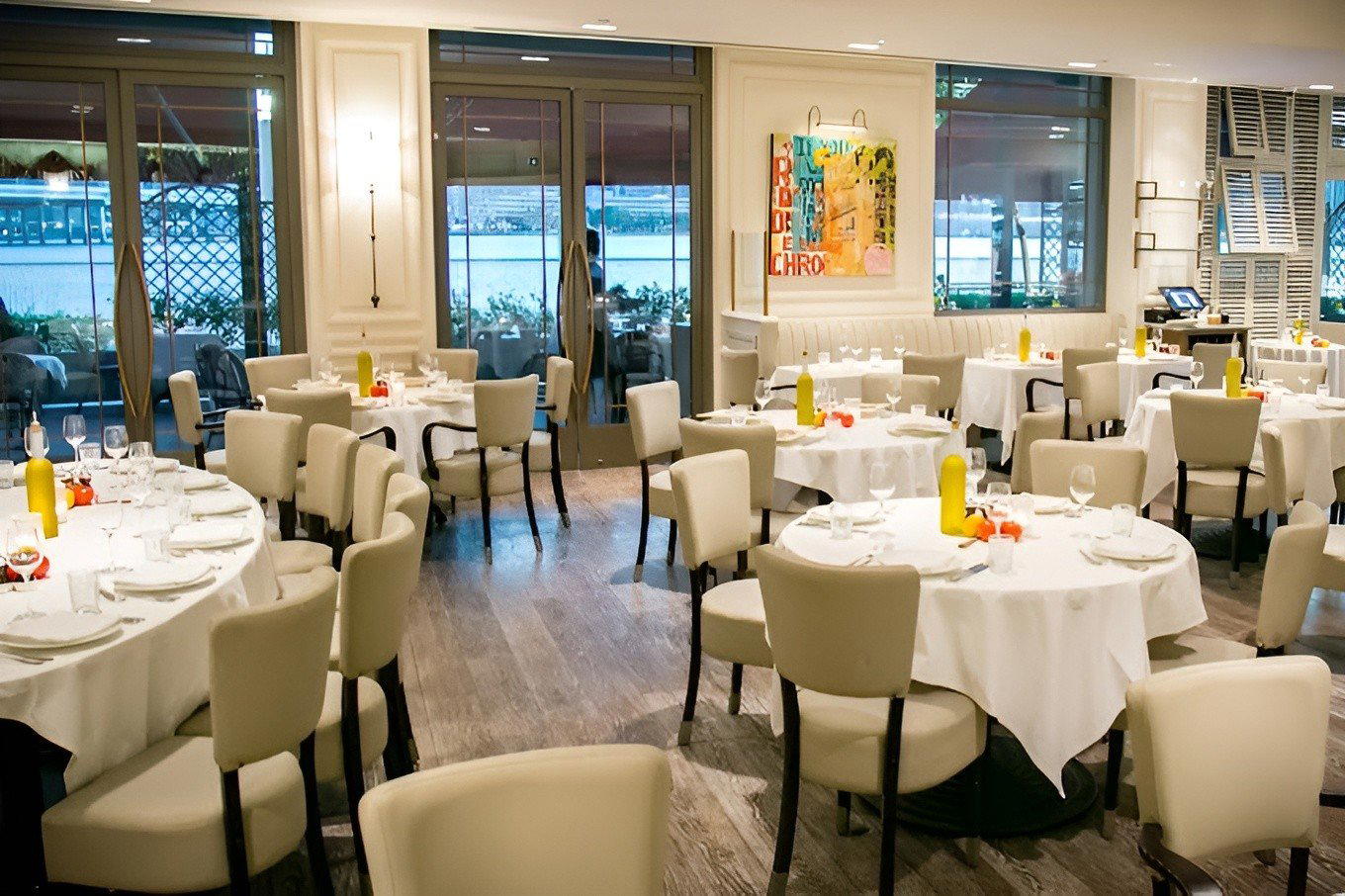
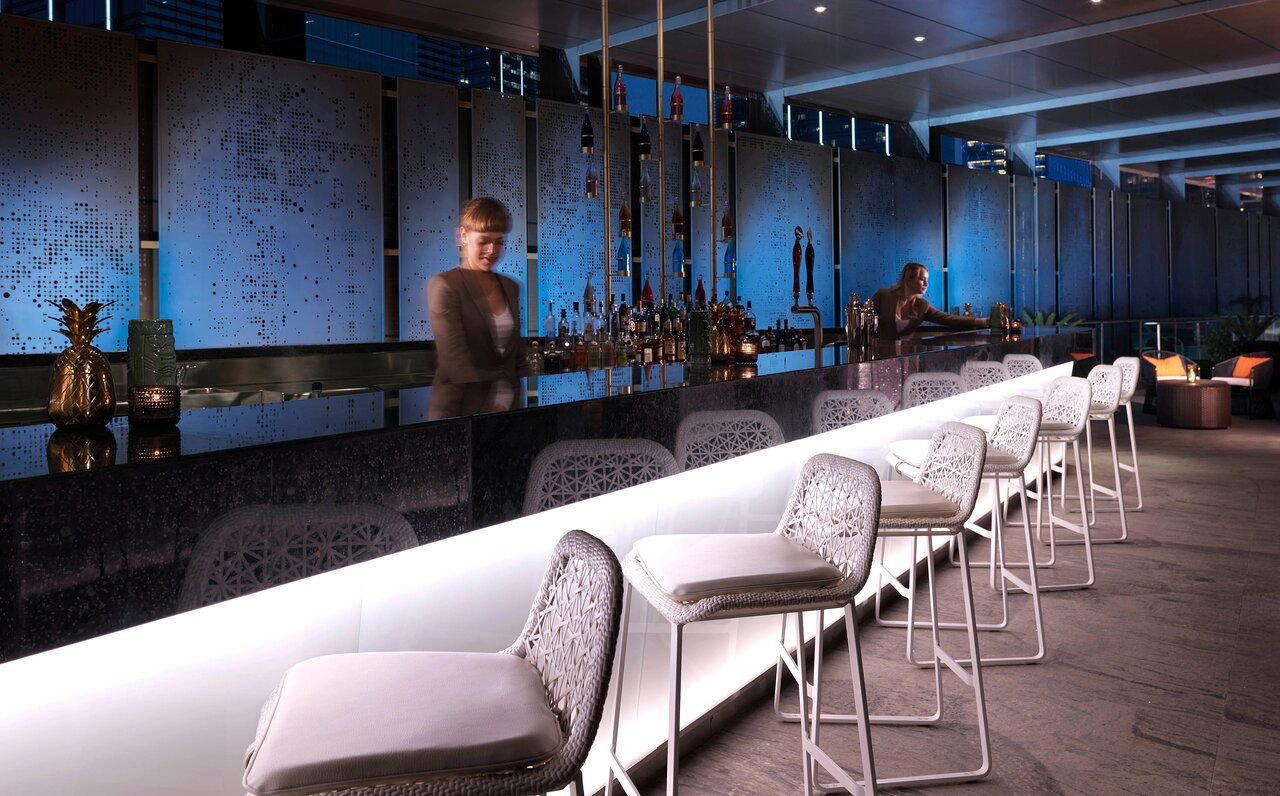
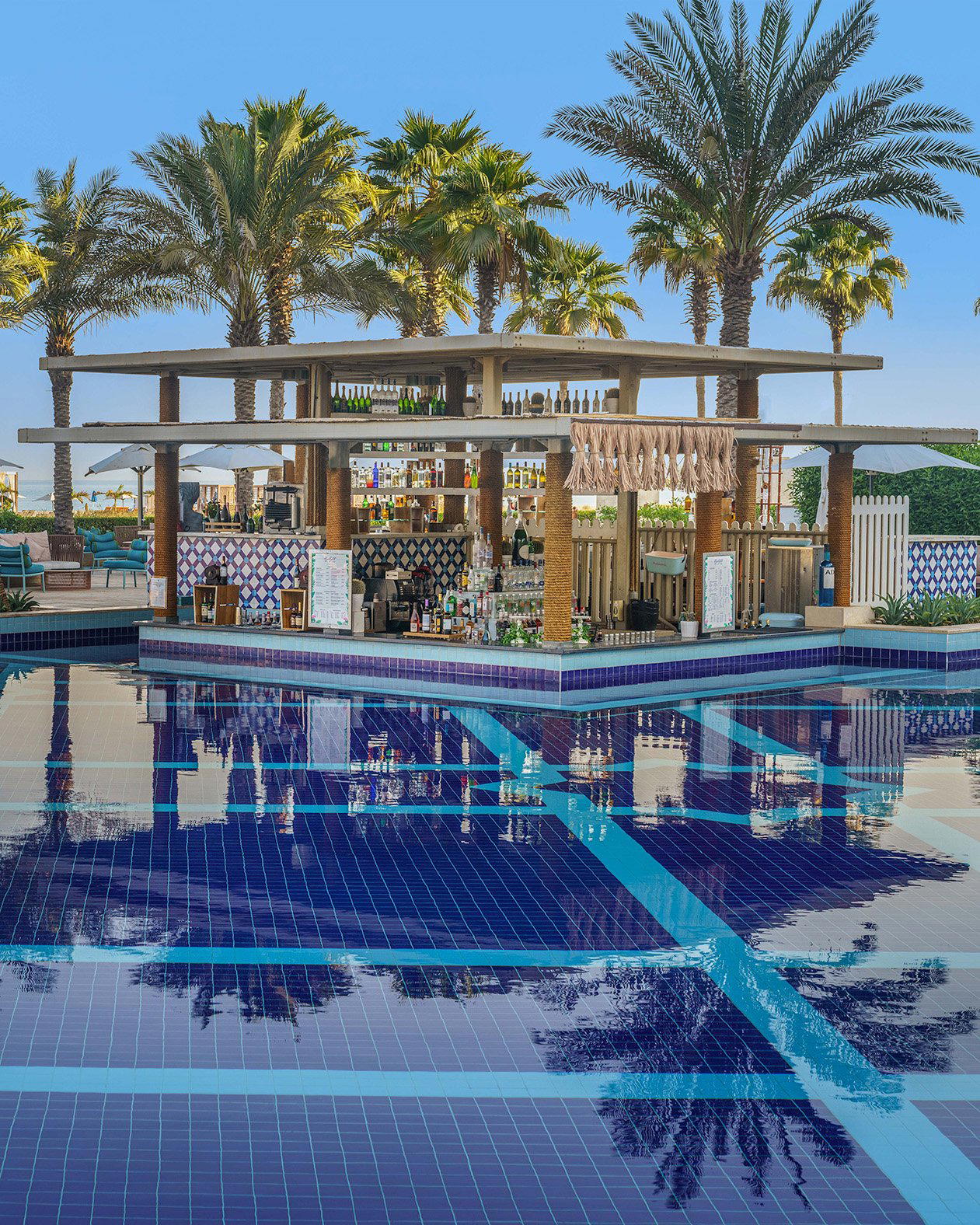
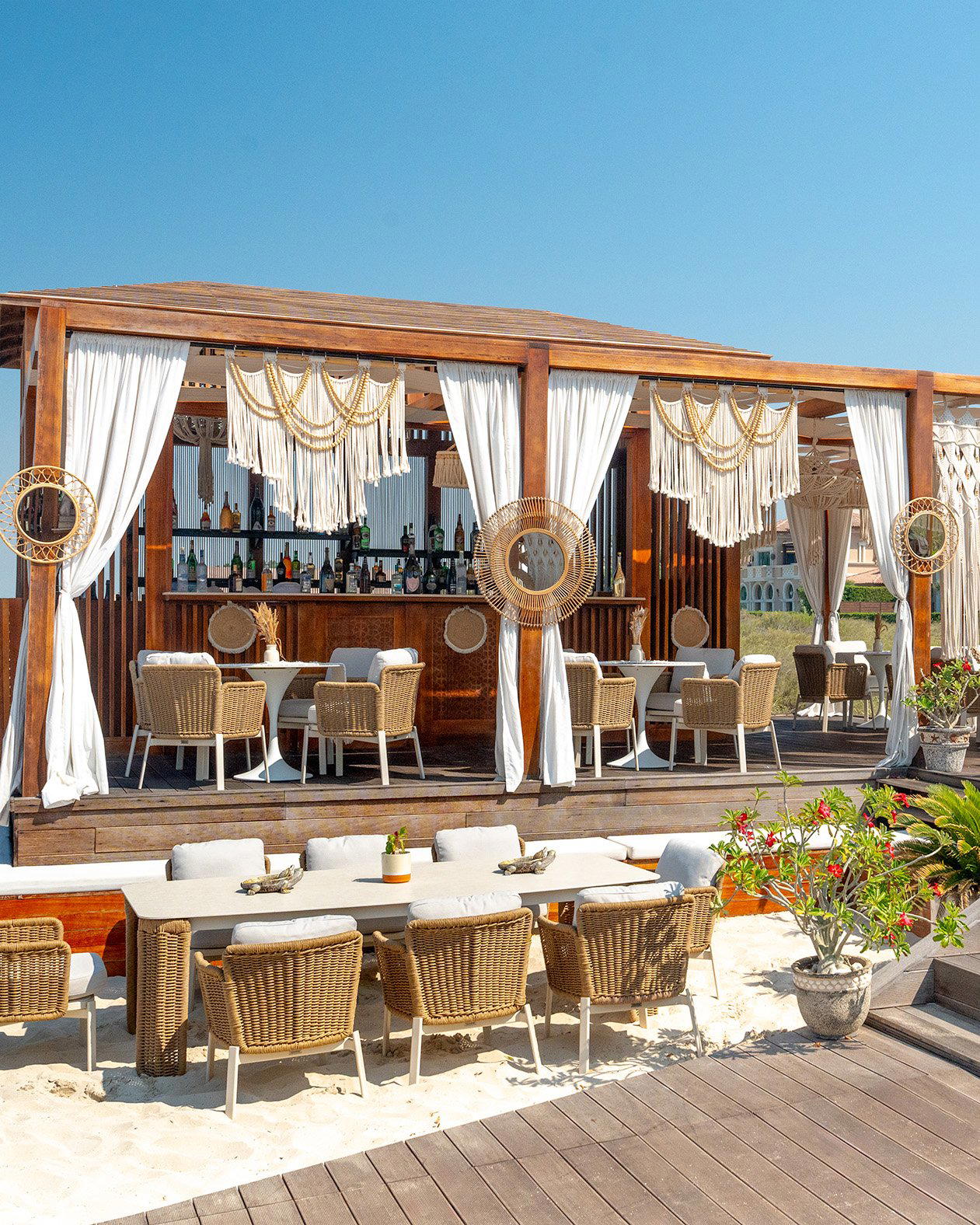
Elegant and welcoming with chic white and red design, serene waterfront terrace seating, and a refined atmosphere blending Parisian glamour with cultural sophistication.