
Michelin Plate
Our verdict
Forsthaus Ilkahöhe holds consecutive Michelin Plate recognition (2024 and 2025), positioning it among the more serious seasonal kitchens in the Starnberger See district. Set on the wooded hillside above Tutzing, the restaurant draws on the agricultural and forested terrain of Upper Bavaria as its primary ingredient source. The €€€ price point places it well below Munich's starred tier while delivering comparable seasonal discipline.

Pearl is the En Primeur Club membership app — saves, bookings, and concierge access live there. Same editors, same standards.
- Address
- Oberzeismering 2, 82327 Tutzing, Germany
- Phone
- +49 8158 8242
- Hours
- Mon 12–10 p.m.Tue–Wed ClosedThu–Sun 12–10 p.m.
- Website
- restaurant-ilkahoehe.de
- Directions
- Get directions
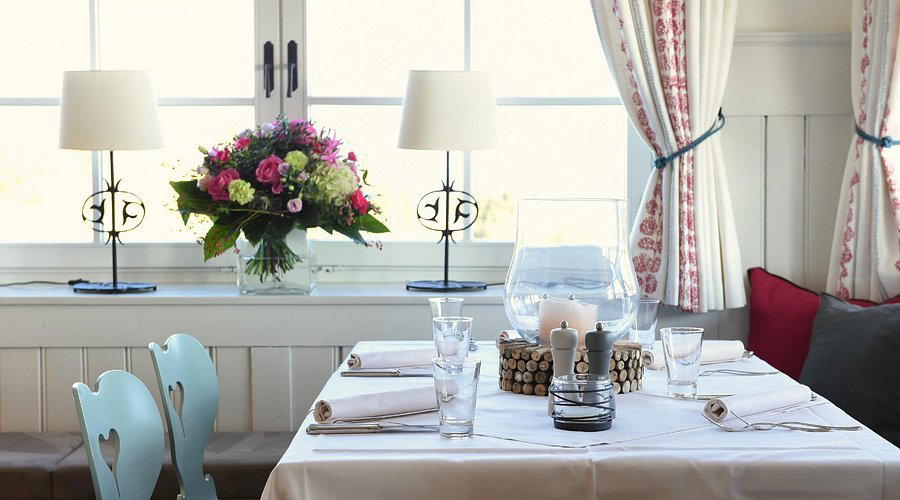
Where the Forest Meets the Table
The approach to Forsthaus Ilkahöhe sets the terms of the meal before you reach the door. The road from Tutzing climbs through mixed woodland above the western shore of Starnberger See, and the building that emerges — a forester's house in the older Central European tradition — signals immediately what kind of cooking you are about to encounter. This is not an alpine resort dining room dressed with seasonal props. The forest here is the ingredient source, the architectural logic, and the mood all at once.
Upper Bavaria's restaurant scene has split, over the past decade, into two broadly readable tiers. Munich's inner-city fine-dining circuit, where restaurants like JAN in Munich operate with metropolitan pricing and metropolitan pressure, occupies one end. At the other, a smaller cohort of properties in the lake district and Alpine foothills has chosen to anchor menus in what the surrounding land actually produces rather than in what a luxury hotel kitchen is expected to supply. Forsthaus Ilkahöhe belongs firmly to that second group, with consecutive Michelin Plate recognitions in 2024 and 2025 confirming that the approach is being taken seriously beyond the local audience.
The Ingredient Logic of the Starnberger See Region
Seasonal cuisine as a category label covers a wide range of commitments, from kitchens that rotate a few menu headings quarterly to those that rebuild the entire supply chain around what is harvestable within a defined radius. The broader Upper Bavarian tradition leans toward the latter. The region's combination of lake fisheries, deciduous and conifer woodland, Alpine pasture within a short drive, and a long market-garden culture around Munich's southern suburbs gives kitchens in this area an unusually complete seasonal pantry.
For a property positioned as a Forsthaus, literally a forester's house, the expectation is that woodland sourcing carries particular weight: game in season, forest fungi, foraged herbs and berries at their respective peaks, and lake fish from Starnberger See itself, which yields pike, perch, and whitefish through regulated local fishing.
The distinction that matters for a reader choosing between kitchens in this tradition is how deeply the sourcing commitment penetrates the menu structure. At Forsthaus Ilkahöhe, the setting itself functions as a trust signal: a working forestry property turned restaurant has a direct material relationship with its surroundings that a city kitchen referencing seasonal produce does not. That relationship is the editorial argument the Michelin Plate endorsements appear to be recognising.
Where It Sits in the Broader German Fine Dining Context
The Michelin Plate designation occupies a specific position in the Guide's hierarchy. It sits below the star tiers occupied by properties like Aqua in Wolfsburg and Schwarzwaldstube in Baiersbronn, but it signals that the kitchen is cooking to a standard Michelin's inspectors consider worth flagging. Consecutive Plate awards, earned in both 2024 and 2025, indicate consistency rather than a single good season, which matters when assessing a kitchen where the menu shifts with what the land provides.
€€€ price range places Forsthaus Ilkahöhe at a meaningful remove from the €€€€ tier where two- and three-star German restaurants operate. For context, the gap between these tiers in the German market typically runs to several hundred euros per head once wine service is included. A reader weighing Forsthaus Ilkahöhe against Munich's most-decorated rooms should understand they are comparing different propositions: metropolitan ambition and technical complexity at one end, regional coherence and landscape-driven sourcing at the other. Neither is a compromise version of the other.
At that volume, an average above 4.5 reflects a broad cross-section of guests beyond the food-critical audience. It suggests the kitchen is managing the translation between serious seasonal cooking and general hospitality expectations, a balance that rural destination restaurants frequently struggle with.
Planning Your Visit
Forsthaus Ilkahöhe is located at Oberzeismering 2, 82327 Tutzing, on the wooded hillside above the town. Tutzing is accessible by S-Bahn from Munich on the S6 line, with the journey running approximately 45 minutes from the city centre to Tutzing station. The restaurant sits above the town and requires either a car, taxi, or a willingness to walk a wooded hillside road. For those combining the visit with a broader stay in the Starnberger See area, our full Tutzing hotels guide covers accommodation options across the district. The €€€ price positioning means dinner for two with wine will sit in a range that demands advance budgeting, though comfortably below the €€€€ tier that defines comparable seasonal kitchens in Munich proper.
Given the nature of seasonal cuisine, the menu will vary substantially across the year. Late summer and autumn are the most ingredient-rich periods for a kitchen drawing on forest and lake sources: game season opens, fungi are at their most varied, and the lake fishery is at its annual peak. Spring visits offer a different register, with woodland herbs and early-season produce driving the kitchen's logic. Both have a case.
For a fuller picture of what to do before or after dinner in the area, see our full Tutzing restaurants guide, our full Tutzing bars guide, our full Tutzing wineries guide, and our full Tutzing experiences guide. If the broader German seasonal fine-dining circuit interests you, ES:SENZ in Grassau operates in a similar Alpine-adjacent sourcing tradition and is worth examining alongside Forsthaus Ilkahöhe for a comparative reading of how different kitchens in this part of Bavaria are approaching the same ingredient logic. Further afield, Schanz in Piesport, Waldhotel Sonnora in Dreis, Bagatelle in Trier, Restaurant Haerlin in Hamburg, Vendôme in Bergisch Gladbach, CODA Dessert Dining in Berlin, and Victor's Fine Dining by Christian Bau in Perl each represent a distinct thread in contemporary German fine dining, and together they map the range from which Forsthaus Ilkahöhe's regional positioning can be most clearly understood.
Frequently asked questions
Would Forsthaus Ilkahöhe be comfortable with kids?
The property's forest setting outside a small Bavarian town carries less formality than a metropolitan fine-dining room, which works in favour of families. That said, the €€€ price range and Michelin Plate recognition since 2024 signal a kitchen operating at a level where attentive behaviour at the table matters. Families with older children who can sit through a seasonal tasting format are better placed than those with very young ones.
What kind of setting is Forsthaus Ilkahöhe?
Forsthaus Ilkahöhe occupies a forester's house at Oberzeismering 2, on a wooded hillside above Tutzing and the Starnberger See district. The format is rural and nature-adjacent rather than urban or hotel-bound, which distinguishes it from most Michelin Plate venues in the broader Munich region. Tutzing itself is accessible by S-Bahn from Munich, making the forest location reachable without a car.
What distinctions does Forsthaus Ilkahöhe have?
Forsthaus Ilkahöhe has received recognition including: Michelin Plate (2025); Michelin Plate (2024).
What's the must-try dish at Forsthaus Ilkahöhe?
The menu rotates seasonally and no fixed dishes are published in advance, which is consistent with a kitchen that holds a Michelin Plate in both 2024 and 2025 for its seasonal cuisine approach. What drives the cooking is the produce logic of the Starnberger See region, so the most relevant dishes at any visit will reflect what the surrounding landscape is yielding at that moment. Ask the kitchen or front-of-house what has come in most recently — that question tends to produce the most honest answer about where the menu is focused.
In Context: Similar Options
| Venue | Cuisine | Price | Awards |
|---|---|---|---|
| Forsthaus IlkahöheThis venue — the venue you are viewing | Modern Bavarian Fine Dining | $50–100 | Michelin Plate |
| Schwarzwaldstube | French, Classic French | Not listed | Michelin 3 Star |
| Aqua | Contemporary German, Italian/Japanese, Creative | Not listed | Michelin 3 Star |
| CODA Dessert Dining | Creative | Not listed | Michelin 2 Star |
| Tantris | Modern French, French Contemporary | Not listed | Michelin 2 Star |
| Vendôme | Modern European, Creative | Not listed | Michelin 2 Star |
Recognition history
Dated appearances from independent guides and award organizations, with the underlying list record or original source where available.
Michelin Plate
Michelin · 2026 Michelin Plate
Full recognition history (3 entries)
Michelin Plate
Michelin
Michelin Plate
Michelin
Continue exploring
More in Tutzing
Restaurants in Tutzing
Browse all →
Bars in Tutzing
Browse all →
Hotels in Tutzing
Browse all →
Wineries in Tutzing
Browse all →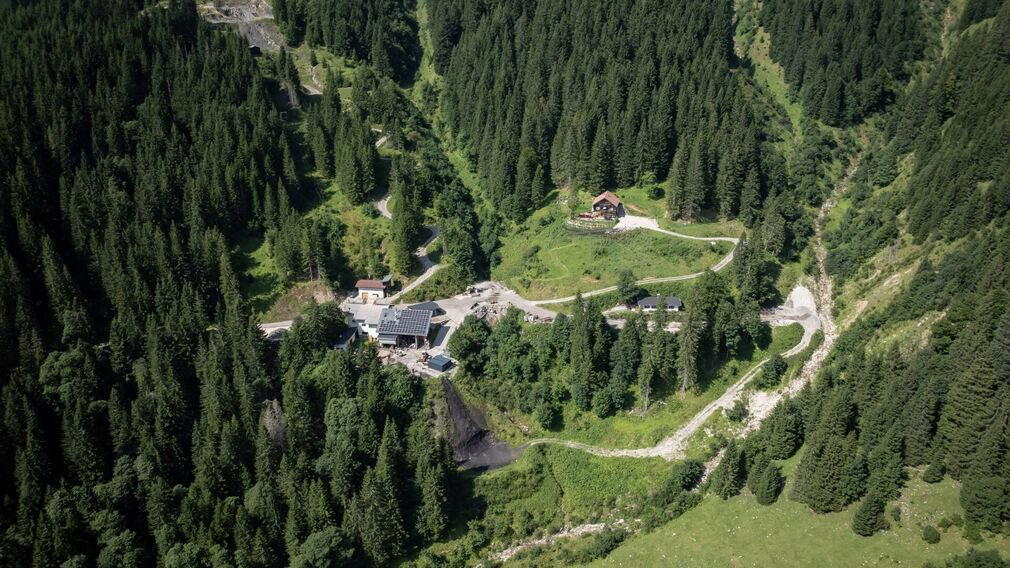
Forsthaus Ilkahöhe
The wine
- Wine program
- Curated wine list
- Extensive wine list
- Sommelier-led
Details
- Scenic
- Rustic
- Elegant
- Cozy
- Special Occasion
- Date Night
- Celebration
- Terrace
- Historic Building
- Panoramic View
- Extensive Wine List
- Sommelier Led
- Local Sourcing
- Mountain
- A La Carte
- Prix Fixe
- Vegetarian Friendly
Current opening hours
- Monday
- 12–10 p.m.
- Tuesday
- Closed
- Wednesday
- Closed
- Thursday
- 12–10 p.m.
- Friday
- 12–10 p.m.
- Saturday
- 12–10 p.m.
- Sunday
- 12–10 p.m.
Hours can change for holidays and private events. Last verified .
Polished yet relaxed elegance with natural wood, clean lines, and regional textures, enhanced by dramatic sunset lake views.